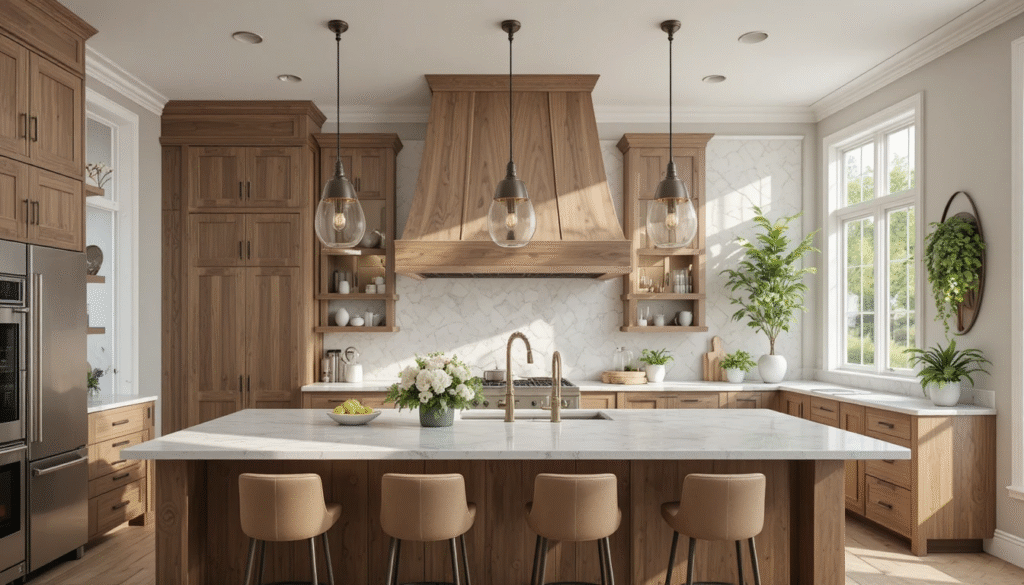

If you’re planning a kitchen refresh this year, a DIY Vent Hood Cover 2026 project is one of the smartest and most impactful upgrades you can make. In modern American homes, the kitchen is more than a cooking space—it’s the heart of the home.
A custom vent hood cover instantly elevates your kitchen’s style, adds architectural detail, and increases perceived home value without a full remodel. Whether your home leans modern farmhouse, minimalist, coastal, or transitional, building your own range hood cover can completely transform your space. In this complete guide, you’ll learn the latest 2026 design ideas, materials, building tips, and step-by-step strategies to create a stunning vent hood cover that looks professionally made.
Why DIY Vent Hood Cover 2026 Is Trending Across the U.S.
Homeowners across the United States are choosing custom vent hood covers because they offer high visual impact at a relatively low cost. Instead of replacing cabinets or countertops, upgrading your range hood becomes a focal point that draws attention immediately. In 2026, personalized kitchens are in high demand, and DIY projects give homeowners flexibility to match their style without paying contractor prices. With easy access to tools, online tutorials, and affordable materials, building your own vent hood cover has never been more achievable.
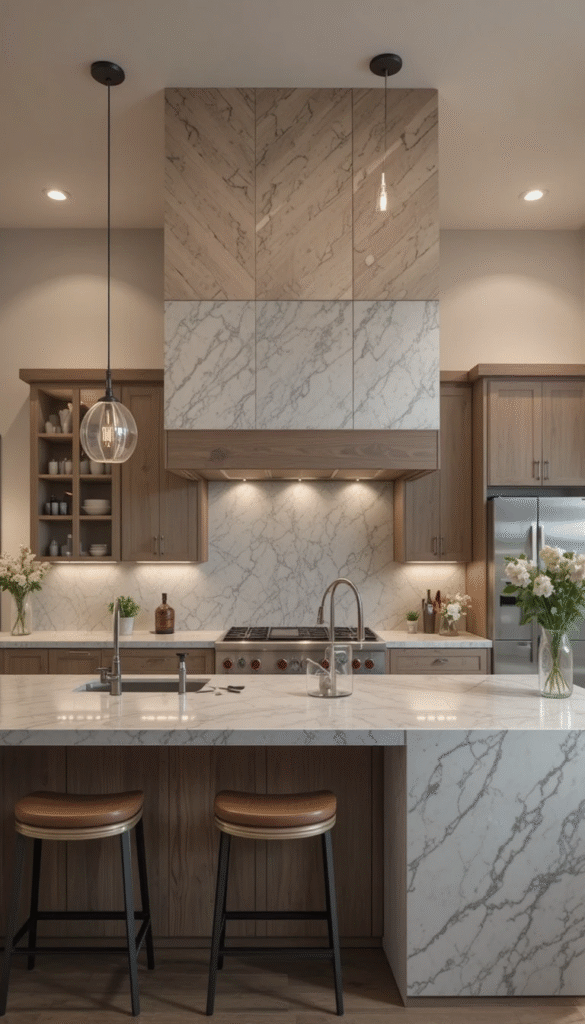
Benefits of Building a DIY Vent Hood Cover
A DIY vent hood cover improves both style and function in your kitchen. First, it hides unattractive metal range hoods and exposed ductwork, creating a seamless look. Second, it allows you to match cabinetry, backsplash, or ceiling beams for a cohesive design. Third, it increases resale appeal by making your kitchen feel custom-built. Finally, compared to custom millwork installations that can cost thousands of dollars, a DIY version can often be completed for a few hundred dollars.
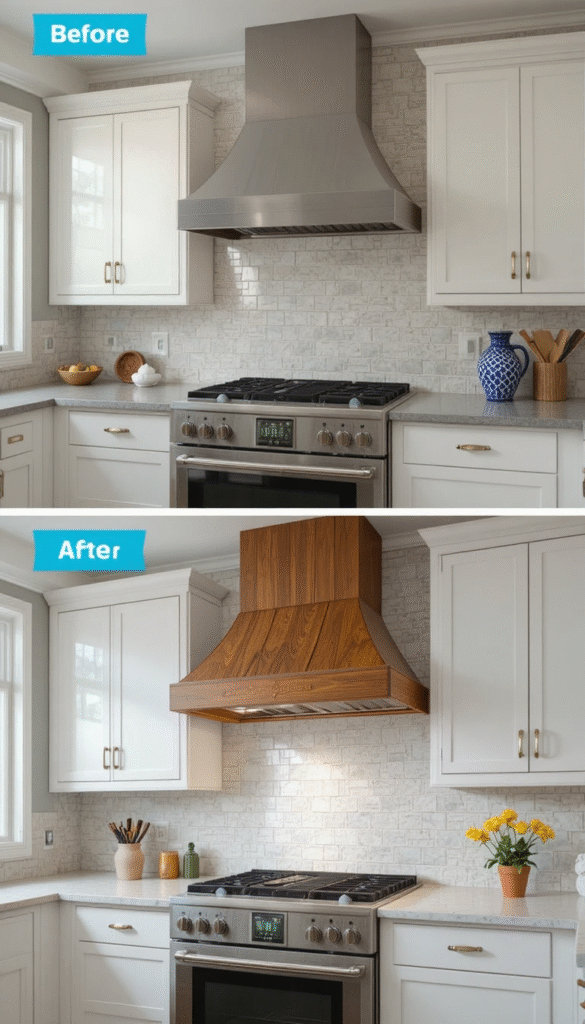
Planning Your DIY Vent Hood Cover 2026 Project
Before cutting any wood, proper planning is essential. Measure your existing vent hood carefully, including height, width, and depth, ensuring airflow is not blocked. Check manufacturer guidelines for clearance requirements above the stove, especially for gas ranges. Decide whether you want a wall-mounted, under-cabinet, or island-style hood cover. Sketch your design and determine if you want a simple box shape or a more decorative tapered structure. Planning thoroughly prevents costly mistakes later.

Choosing the Right Materials for 2026 Styles
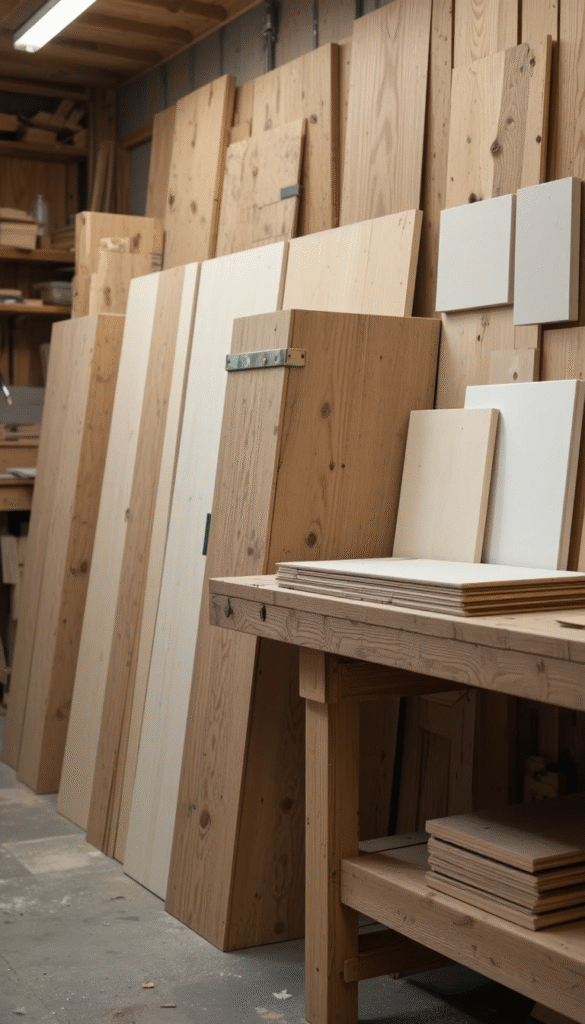
Material choice defines the overall look of your DIY vent hood cover 2026 design. Popular options include plywood for structure, MDF for smooth painted finishes, and solid wood for stained or rustic looks. Many homeowners are combining wood frames with plaster finishes for a soft European aesthetic. Metal accents such as brass or matte black straps are also trending. Selecting durable and lightweight materials ensures easier installation and long-term performance.
Modern Farmhouse Vent Hood Cover Ideas
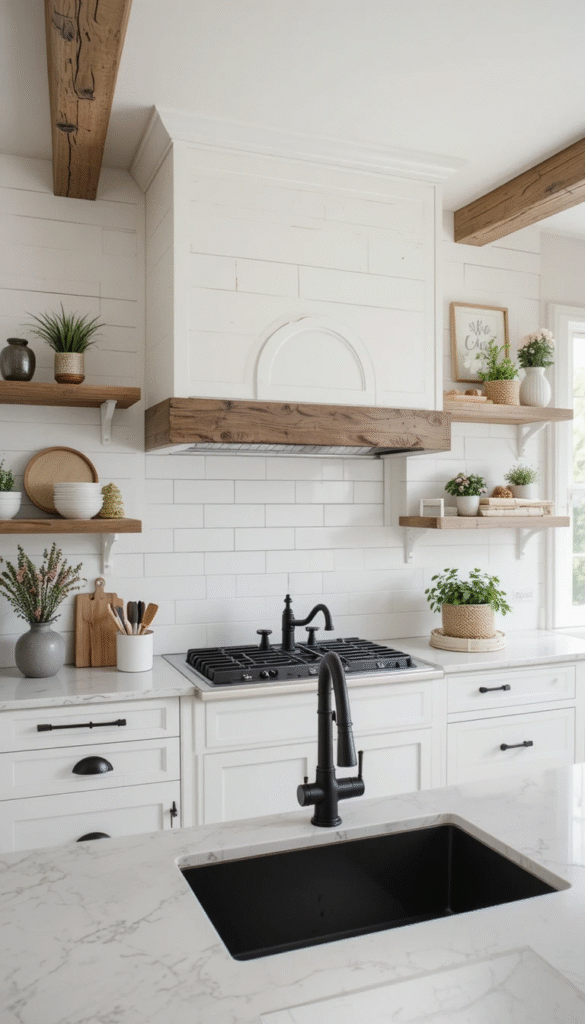
Modern farmhouse kitchens remain popular in 2026, especially in suburban American homes. A farmhouse-style DIY vent hood cover often includes a shiplap finish, natural wood stain, or white paint with distressed edges. Adding corbels or wooden trim enhances the handcrafted look. Pairing the hood cover with open wood shelves creates a warm and inviting feel. This style works beautifully with apron-front sinks and rustic lighting fixtures.
Minimalist Flat Panel Vent Hood Cover Designs
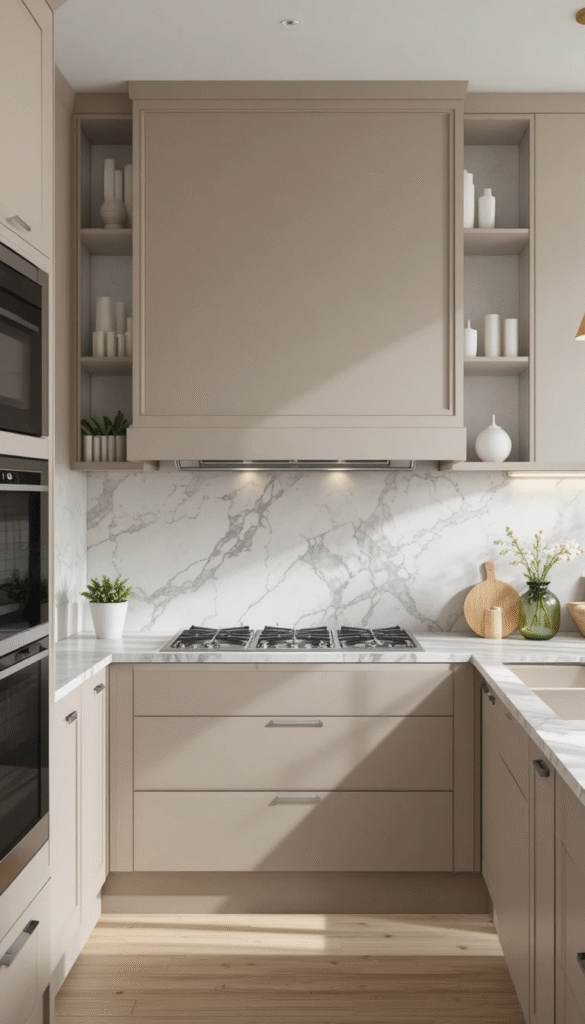
For homeowners who prefer clean lines, a minimalist flat-panel hood cover is an excellent choice. This style uses smooth surfaces with hidden seams and simple geometry. Painted in neutral tones like soft white, greige, or warm taupe, it blends effortlessly into modern kitchens. The beauty of this design lies in subtlety—no heavy trim or decorative molding. It’s perfect for contemporary or Scandinavian-inspired spaces.
Tapered Wood Vent Hood Cover for a Custom Look
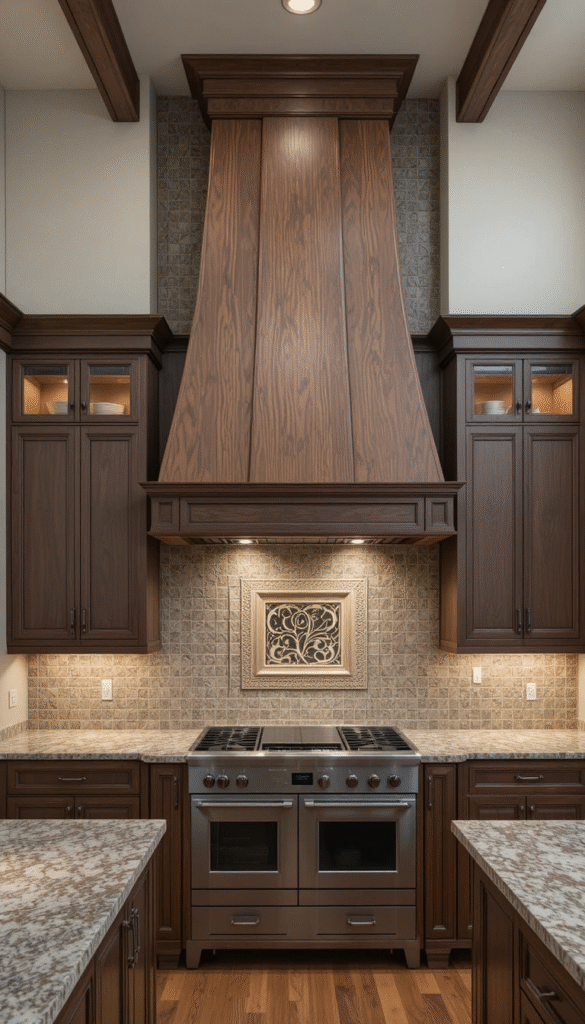
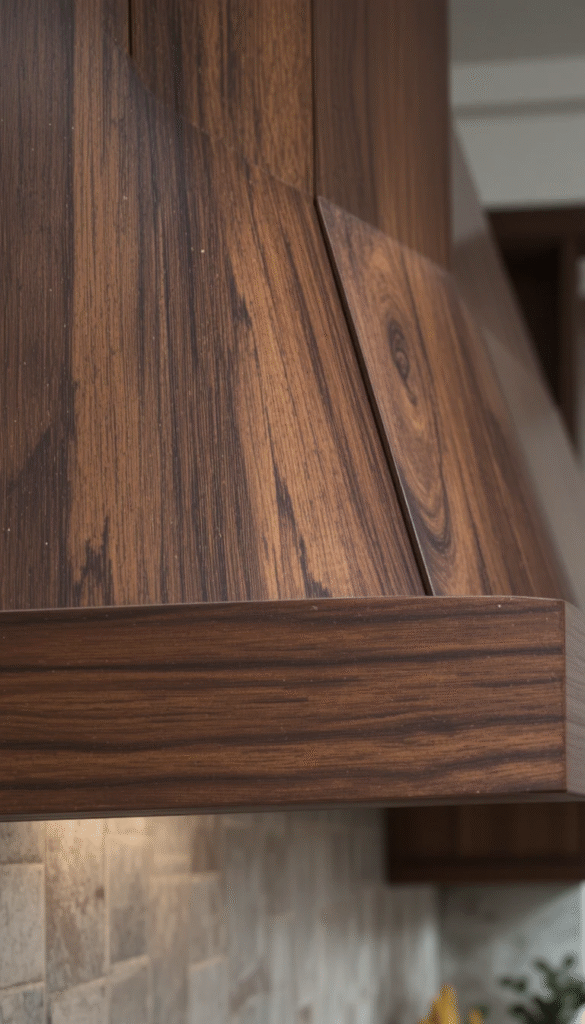
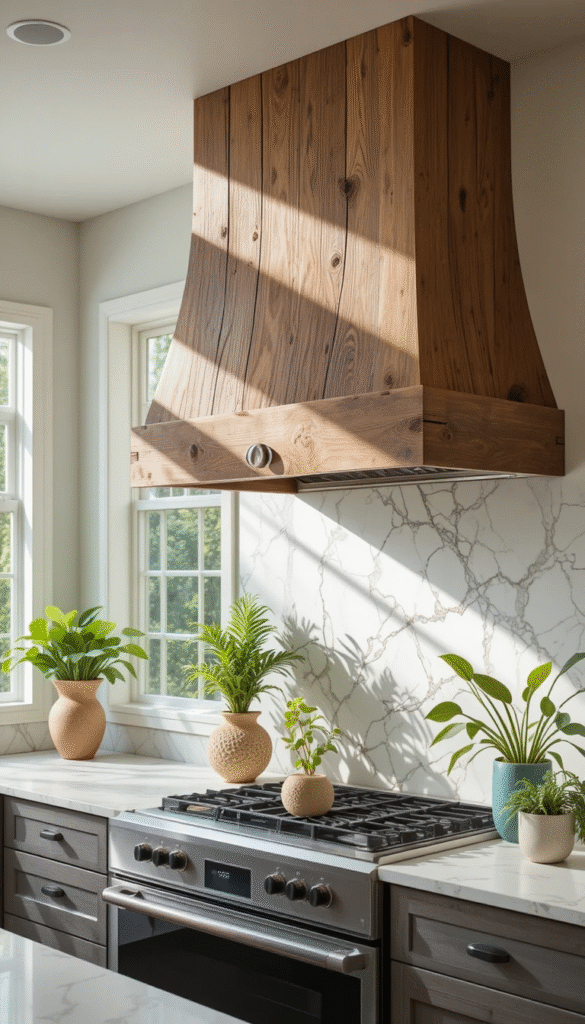
A tapered design narrows slightly toward the top, giving your kitchen a sophisticated custom-built feel. This shape draws the eye upward and creates visual height in smaller kitchens. Using stained oak or walnut adds warmth and texture. Tapered designs work particularly well with tall ceilings and statement backsplashes. While slightly more complex to build, the result looks professionally crafted.
Plaster Finish DIY Vent Hood Cover 2026 Trend
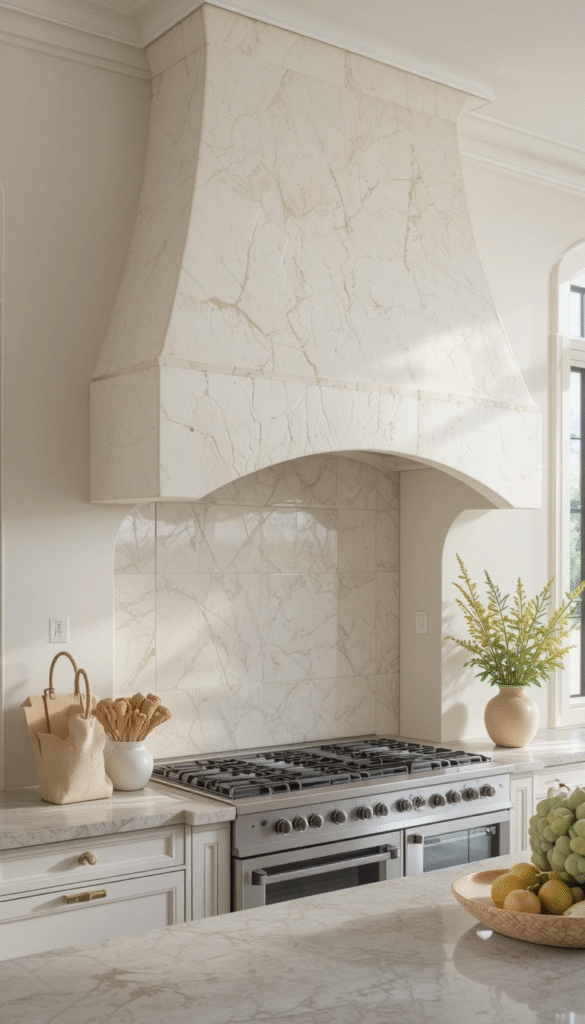
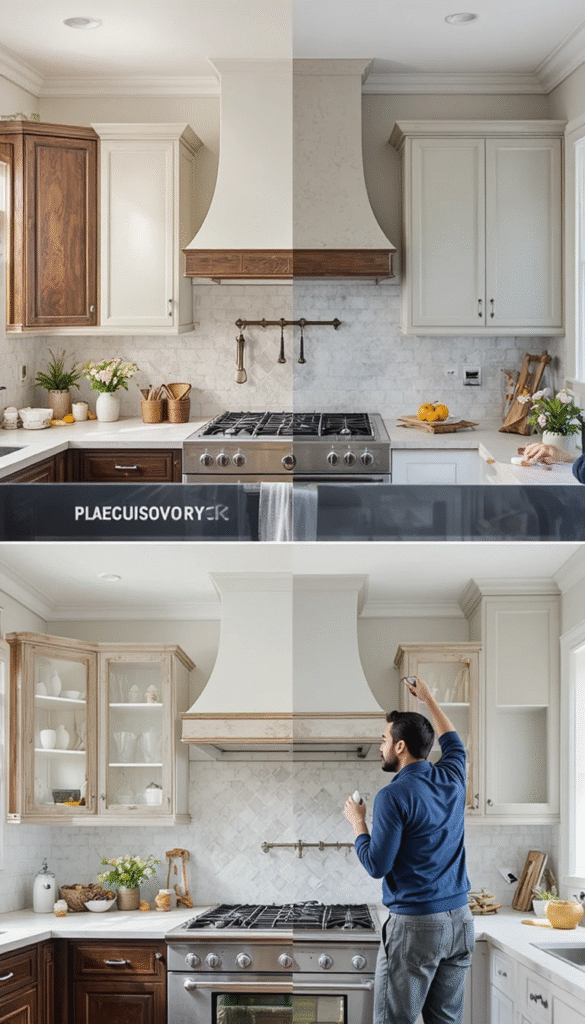
One of the biggest design trends this year is the plaster-style vent hood cover. This look mimics high-end European kitchens and creates a soft, organic appearance. After building the wood frame, apply drywall compound or plaster layers to achieve a textured finish. Sand lightly for smoothness while keeping subtle texture visible. Neutral beige or creamy white tones complete the elegant aesthetic.
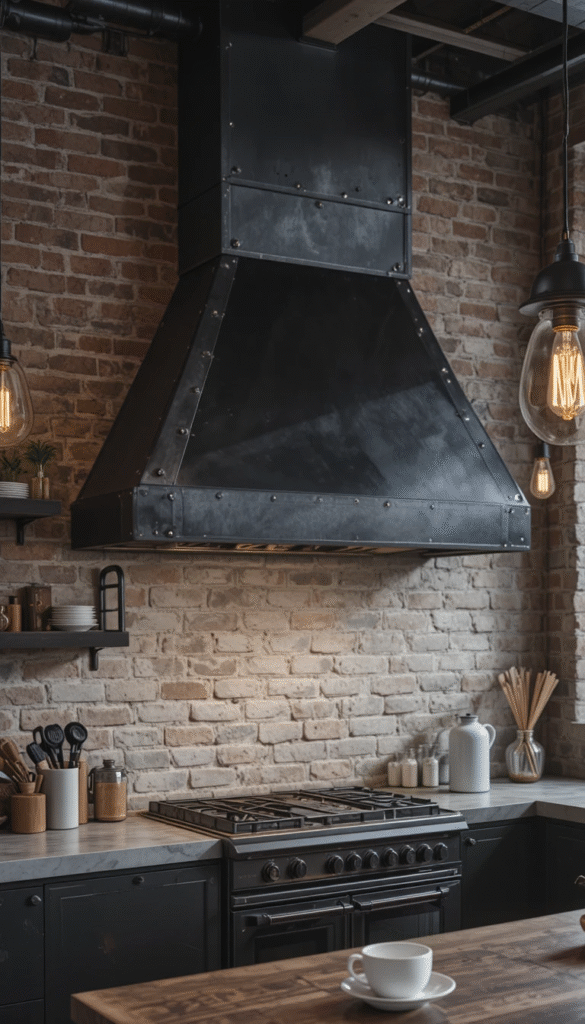
Metal Accent Vent Hood Covers for Industrial Style
Industrial kitchens remain popular in urban homes and loft apartments. A DIY vent hood cover with black steel straps or rivet-style detailing adds bold character. You can paint the base structure in matte black or charcoal gray for a dramatic effect. Pairing metal accents with exposed brick or concrete countertops enhances the industrial vibe. This style is strong, modern, and eye-catching.
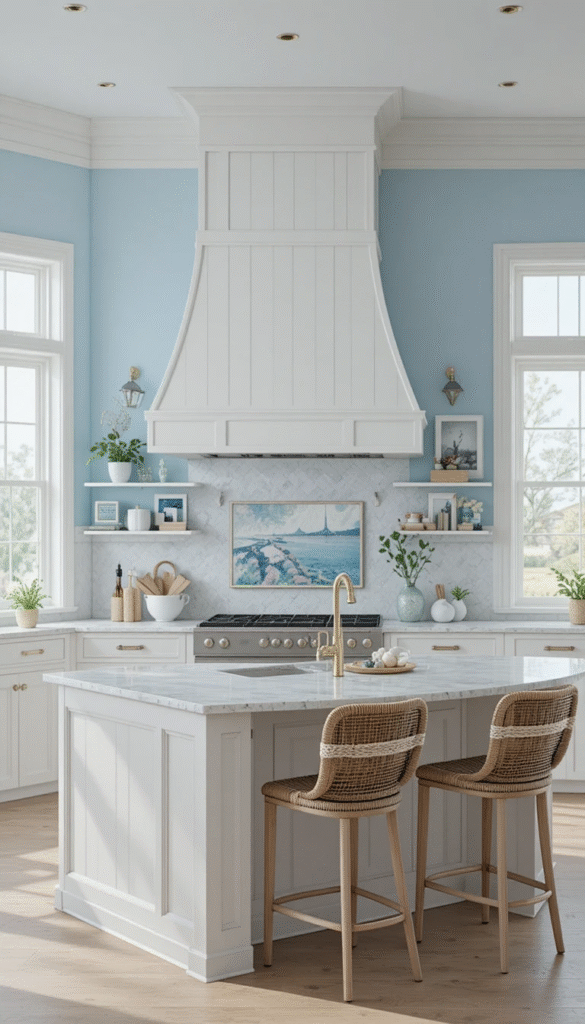
Coastal-Inspired Vent Hood Cover Designs
Coastal kitchens feel light, airy, and fresh. A coastal DIY vent hood cover 2026 design often uses white or soft blue paint with subtle beadboard details. Light wood trim and brass hardware add warmth without overpowering the palette. This style works beautifully in beach homes or bright suburban kitchens. Keeping the design simple ensures it complements natural light and open layouts.
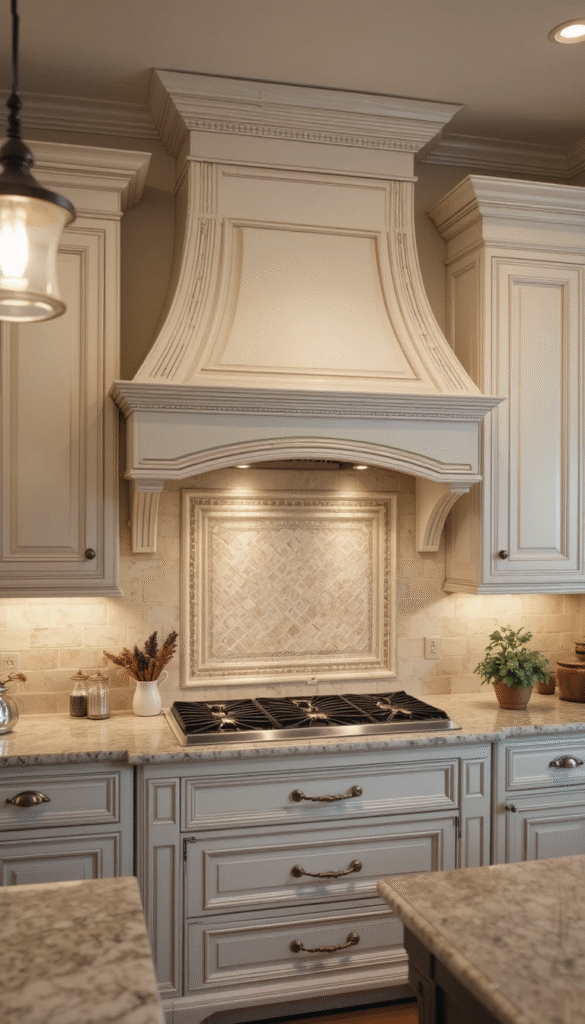
Adding Decorative Trim and Molding
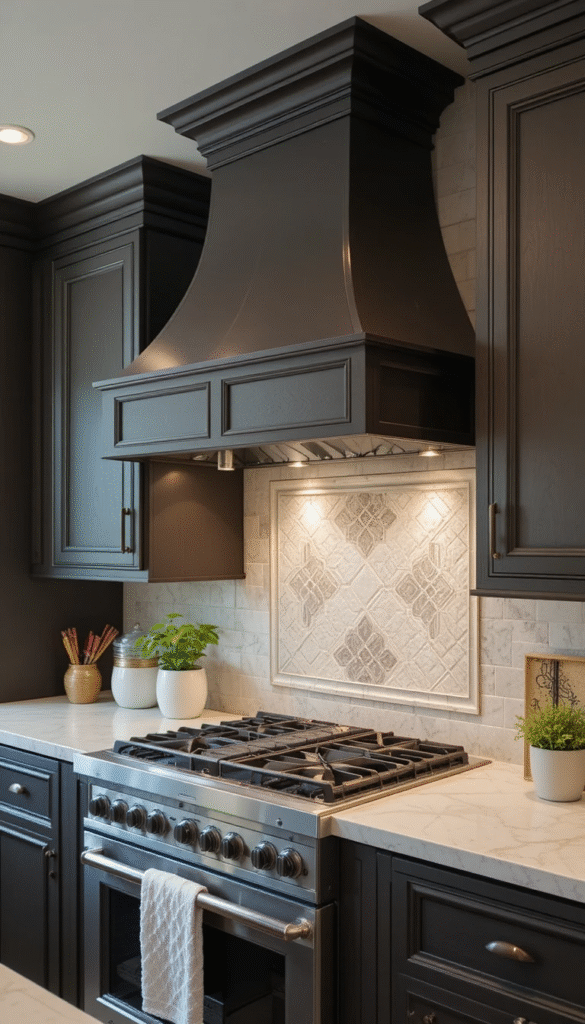
Decorative trim transforms a basic box into a statement piece. Crown molding at the ceiling creates a seamless built-in appearance. Base trim or panel molding adds dimension and depth. In traditional kitchens, layered molding enhances elegance. Be careful not to overdo it—balance is key to maintaining a polished look.
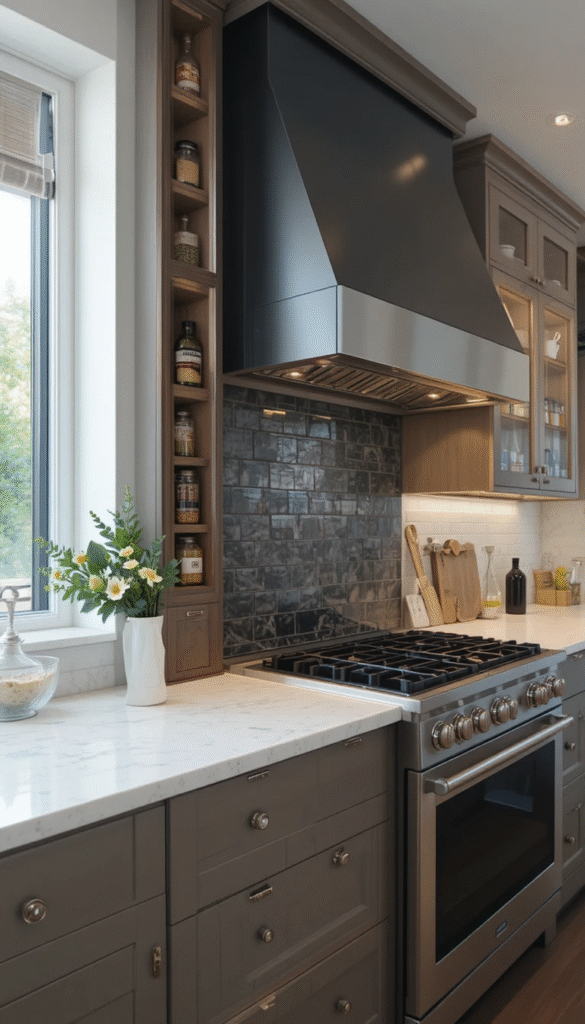
Incorporating Hidden Storage Features
Some DIY vent hood covers include small hidden shelves for spices or decorative items. If space allows, consider shallow recessed niches on either side of the hood. This adds function without cluttering your countertop. Hidden storage is particularly helpful in smaller kitchens where every inch matters.
Lighting Integration for a Modern Touch
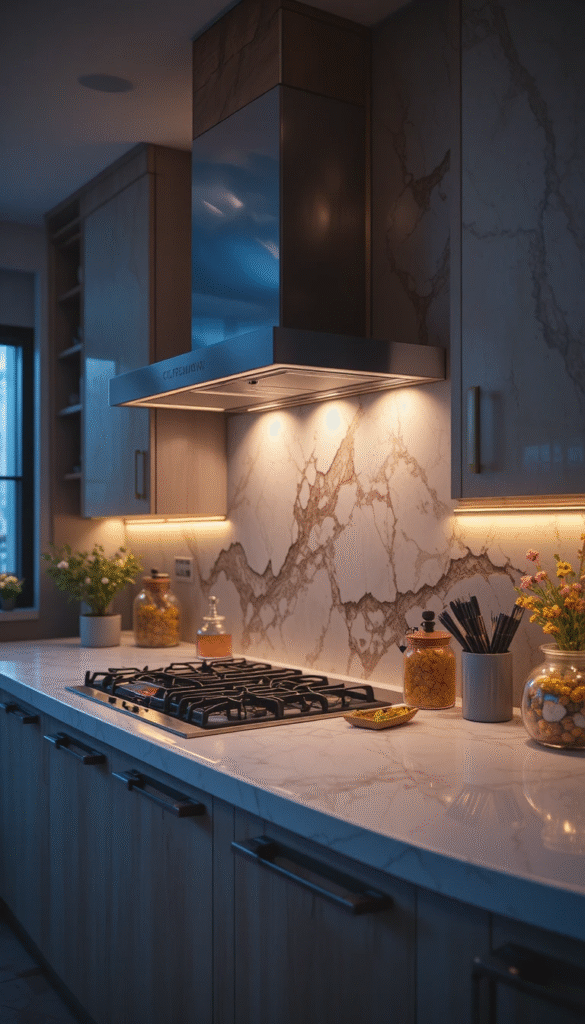
Integrated LED lighting under the hood cover improves both functionality and ambiance. Warm white lighting enhances cooking visibility while maintaining a cozy atmosphere. Concealed light strips inside trim edges create a soft glow at night. Smart lighting options allow you to control brightness with your phone or voice assistant.
Painting Tips for a Professional Finish
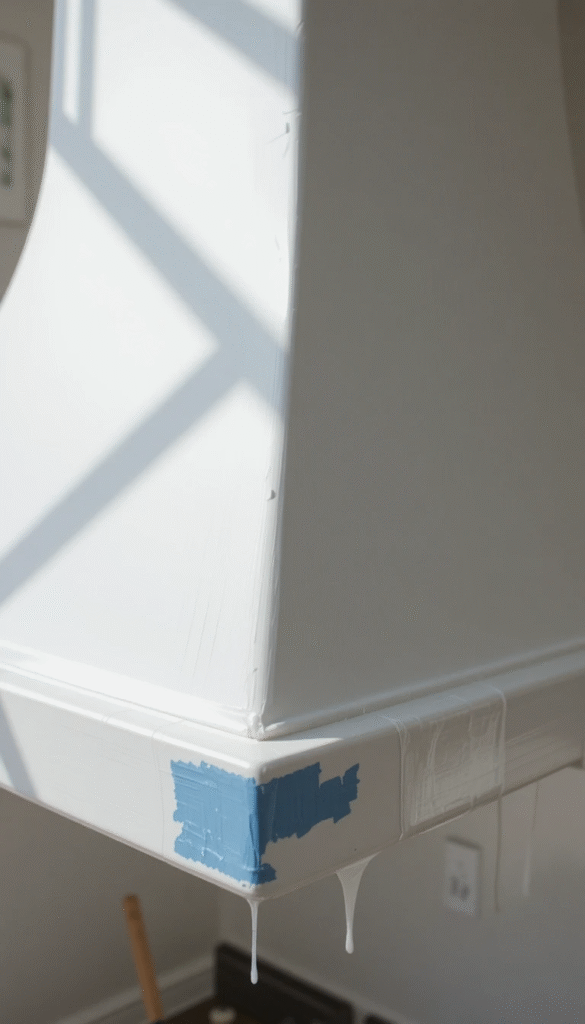
Proper preparation ensures a flawless painted surface. Start by sanding all wood surfaces smoothly and applying primer to prevent uneven absorption. Use high-quality semi-gloss or satin paint for durability and easy cleaning. Apply multiple thin coats instead of one thick layer to avoid drips. Allow sufficient drying time between coats for the best results.
Staining Techniques for Natural Wood Appeal
If you prefer stained wood, test the stain on scrap pieces first. Different woods absorb stain differently, affecting final color. Use wood conditioner to prevent blotching on softwoods like pine. Apply stain evenly with a clean cloth and wipe off excess promptly. Finish with a protective clear coat for durability.
Ventilation and Safety Considerations
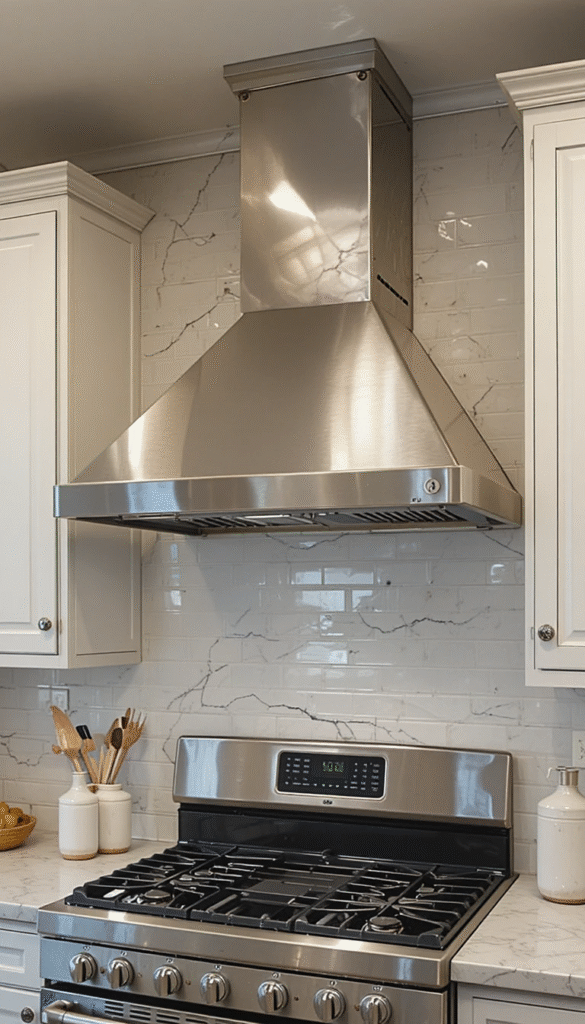
Safety must always come first in any DIY Vent Hood Cover 2026 project. Ensure that airflow is not restricted and that filters remain accessible for cleaning. Follow clearance guidelines for gas and electric stoves to prevent fire hazards. Use fire-resistant materials where possible. Consulting your vent hood manual is essential before construction begins.
Budget Breakdown for DIY Vent Hood Cover 2026
The cost of building a vent hood cover varies depending on materials and design complexity. Basic plywood and paint projects may cost between $150 and $300. Premium hardwood, plaster finishes, and decorative trim can increase the budget to $500 or more. Even at higher costs, DIY options remain far more affordable than custom-built alternatives.
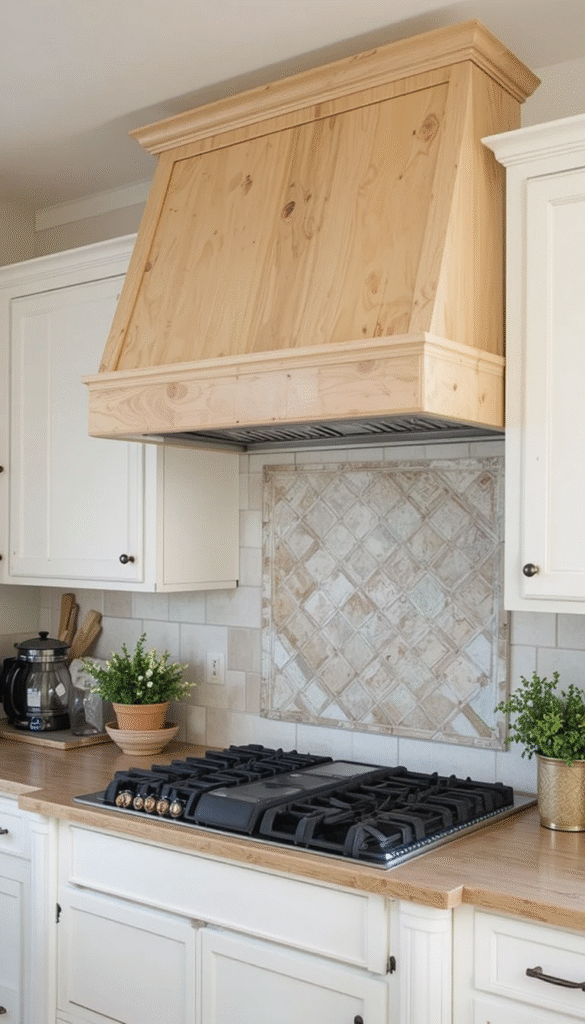
Step-by-Step Building Overview
Begin by constructing a sturdy wooden frame anchored securely to wall studs. Next, attach plywood panels to form the outer shell. Add trim or shaping details as planned. Sand all surfaces thoroughly before painting or finishing. Finally, mount the cover carefully around the existing vent hood, ensuring secure installation.
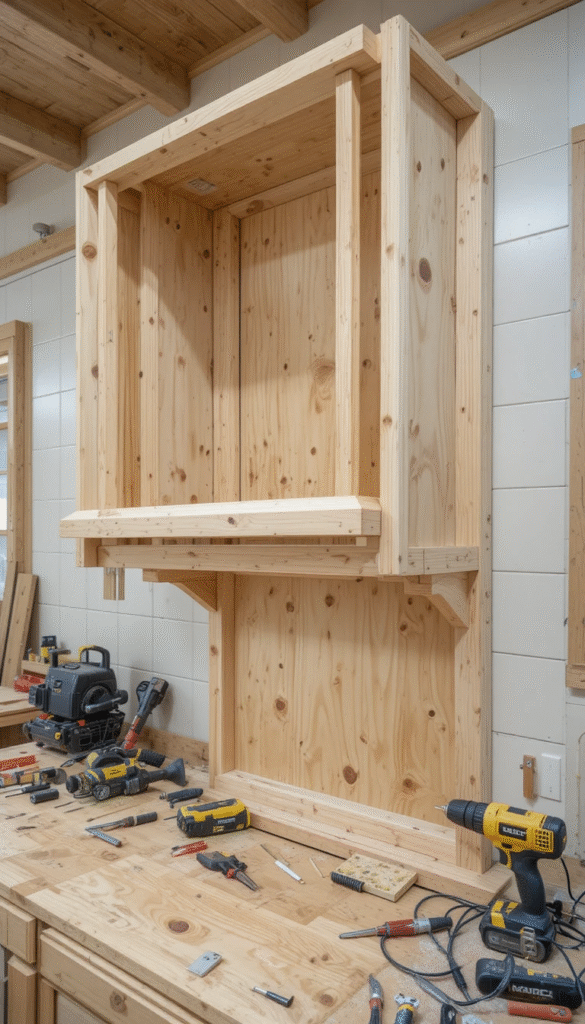
Common Mistakes to Avoid
Avoid building too tightly around the vent unit, which can restrict airflow. Double-check all measurements before cutting materials. Do not skip priming if you plan to paint. Ensure proper anchoring to studs rather than drywall alone. Taking your time prevents expensive corrections later.
DIY Vent Hood Cover 2026 for Small Kitchens
In compact kitchens, choose slim and simple designs to avoid overwhelming the space. Light colors make ceilings feel higher and rooms appear larger. Tapered shapes can create an illusion of vertical space. Keeping decorative elements minimal maintains visual balance.
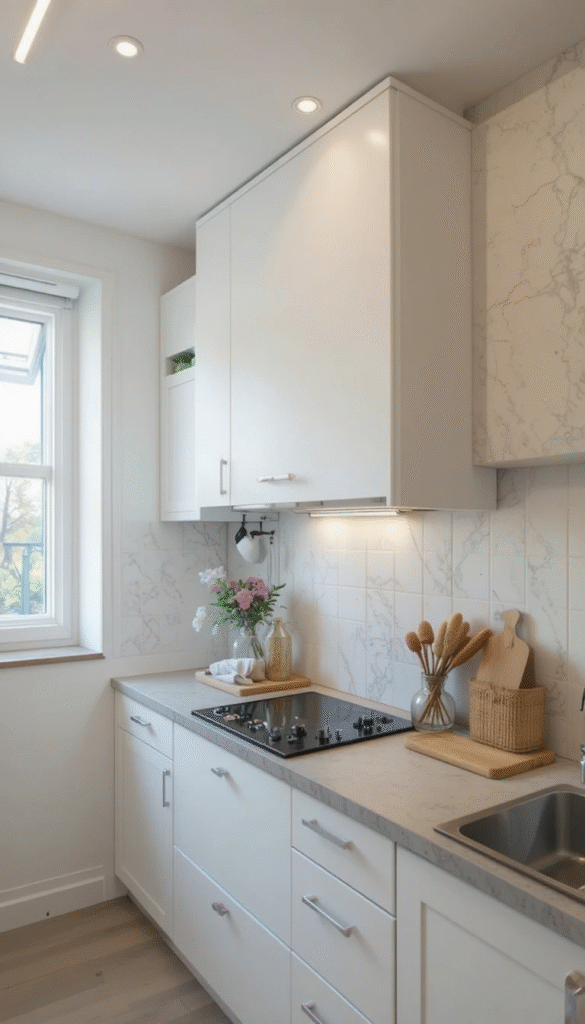
Pairing Your Vent Hood Cover with Backsplash Trends
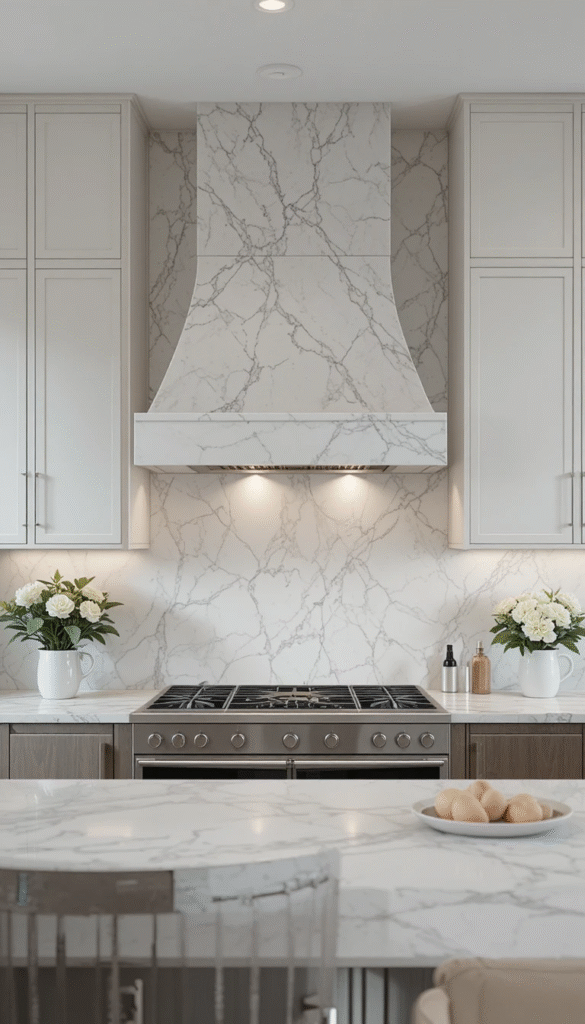
Your backsplash and vent hood should complement each other. In 2026, large-format tiles and slab backsplashes are popular. If you choose bold tile patterns, keep the hood cover neutral. If your backsplash is simple, consider adding texture or color to the hood for contrast.
Sustainable and Eco-Friendly Options
Eco-conscious homeowners are selecting reclaimed wood or low-VOC paints for their DIY projects. Sustainable materials reduce environmental impact while adding character. Reclaimed wood offers unique grain patterns and a story behind the material. Using eco-friendly finishes also improves indoor air quality.
Increasing Home Value with a DIY Vent Hood Cover
A custom vent hood cover enhances your kitchen’s overall presentation, which is a major selling point for buyers. Kitchens remain one of the most important spaces influencing resale value in the United States. Even small aesthetic upgrades can increase perceived value. A well-designed vent hood cover makes your kitchen feel custom and thoughtfully designed.
Maintenance and Cleaning Tips
Regular maintenance ensures longevity. Wipe painted surfaces with mild soap and water to remove grease buildup. Clean vent filters as recommended by the manufacturer. Avoid harsh chemicals that may damage finishes. Periodic inspections ensure everything remains securely attached.

DIY Vent Hood Cover 2026 for Open Concept Homes
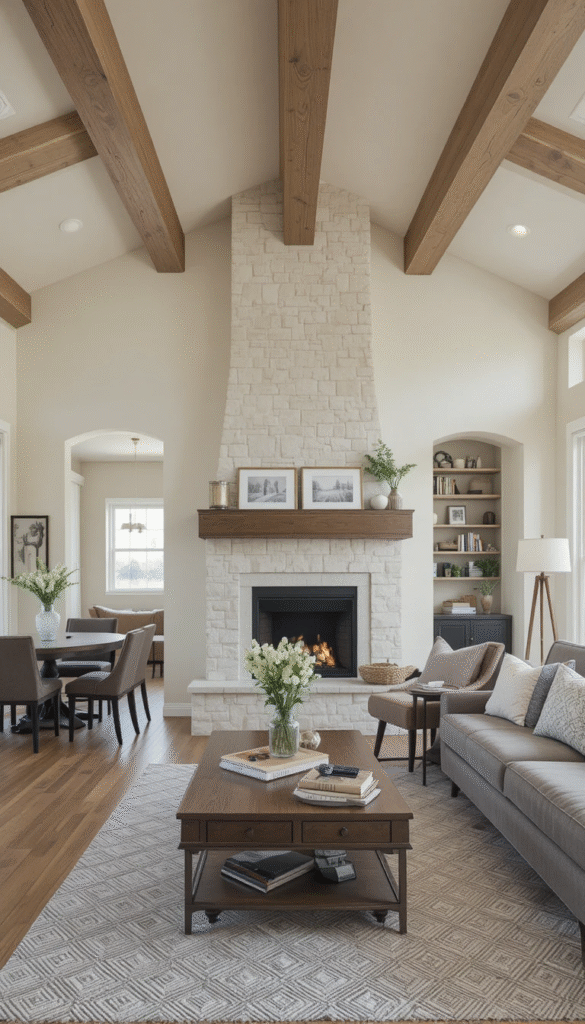
In open floor plans, the kitchen is fully visible from living and dining areas. A statement vent hood cover becomes an architectural focal point. Matching the hood finish with ceiling beams or furniture enhances cohesion. Thoughtful design ensures the hood complements the entire living space.
Customizing for Smart Kitchens in 2026
Smart homes continue to grow in popularity. Integrating motion-sensor lighting or smart exhaust controls into your vent hood design adds modern convenience. Concealing wiring within the structure keeps the look clean. Technology integration increases both function and future-proof appeal.

Hiring Help vs. Going Fully DIY
Some homeowners prefer partial DIY, such as building the frame but hiring a professional for plaster finishing. If you lack advanced carpentry tools, outsourcing complex cuts can save time. However, most basic vent hood cover projects are achievable for beginners with patience and careful planning.
Final thoughts
A DIY Vent Hood Cover 2026 project is one of the most powerful ways to upgrade your kitchen without a full renovation. It blends creativity, function, and value into a single design feature that instantly transforms your space. Whether you prefer farmhouse charm, sleek minimalism, plaster elegance, or industrial boldness, there is a vent hood cover style to match your vision. With proper planning, quality materials, and attention to safety, you can create a professional-looking centerpiece that enhances both daily living and long-term home value. If you’re ready to elevate your kitchen this year, a custom DIY vent hood cover might be the perfect place to start.