
This post contains affiliate links. As an Amazon Associate, I earn from qualifying purchases at no extra cost to you.
Are you looking for a spring refresh that makes your living room feel lighter, calmer, and more welcoming the second you walk in? Do you want to capture that airy Nordic vibe without turning your home into a cold, empty showroom?
I always start by focusing on what makes a scandinavian living room feel so effortless: soft neutrals, honest materials, and comfort that’s built into every choice. In this post, I’m sharing the exact Scandinavian living room design ideas I use to create a bright Spring Scandinavian Aesthetic—especially when I want a space that looks styled but still feels lived-in.
From my experience, this is perfect for anyone who loves a minimalist cozy living room look, craves more natural light, or wants a simpler “less but better” approach that still feels warm.
When I design this look, I lean into creamy textures, birch wood accents, and a few intentional layers that whisper hygge home decor instead of shouting “decor trend.” I’ll show you how I build the room around one anchor piece, how I keep clutter under control, and how I add personality without breaking the calm.
Below are 25 Scandinavian Living Room Design Ideas that help you create a fresh, light-filled space for spring while keeping it cozy, functional, and unmistakably you.
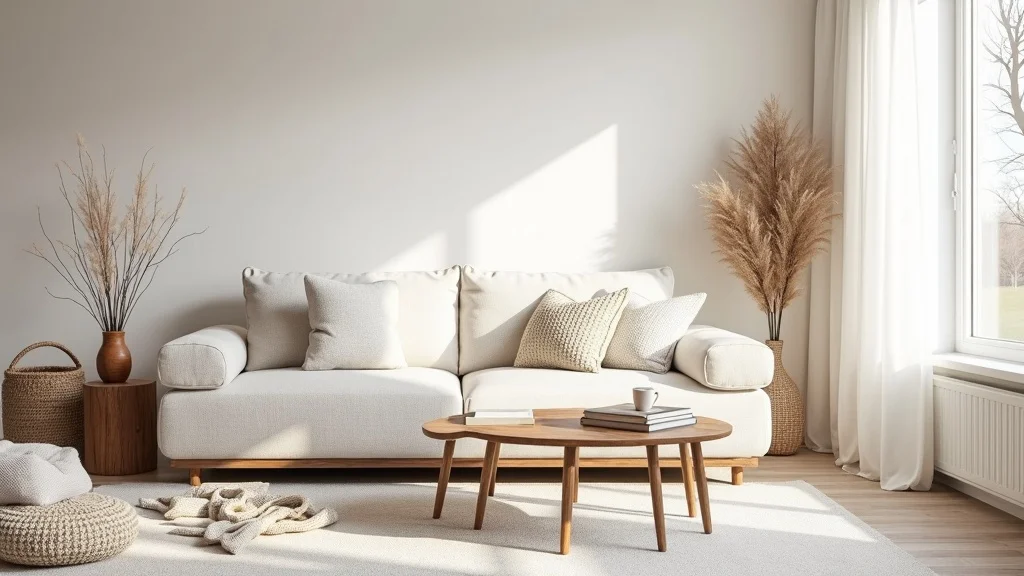
1. Start With a Cream Bouclé Sofa + Birch + Chunky Knits + Natural Light
I always start by anchoring my scandinavian living room with a cream bouclé sofa because it instantly reads soft, modern, and inviting, especially in spring. From my experience, pairing that nubby texture with birch wood accents, a chunky knit throw, and abundant natural light creates the kind of calm that makes you want to linger.
To implement it, I place the sofa where it catches the best daylight, then add a birch coffee table or side table to warm up the palette. I drape a chunky knit throw over one arm (not perfectly—casual is the point) and keep pillows in tonal creams, oatmeal, and a hint of warm gray. If the light is limited, I add a mirror opposite the window to bounce it around.
I find that creamy whites, pale woods, and matte black accents are the easiest “Scandi” trio to live with. Look for bouclé, birch, wool, and linen for that nordic interior design feel.
Pro tip: add one small spring-green element—like a simple vase of stems—and let the room breathe; the calm is the luxury.
2. Choose a Soft Spring Neutral Palette (Not Stark White)
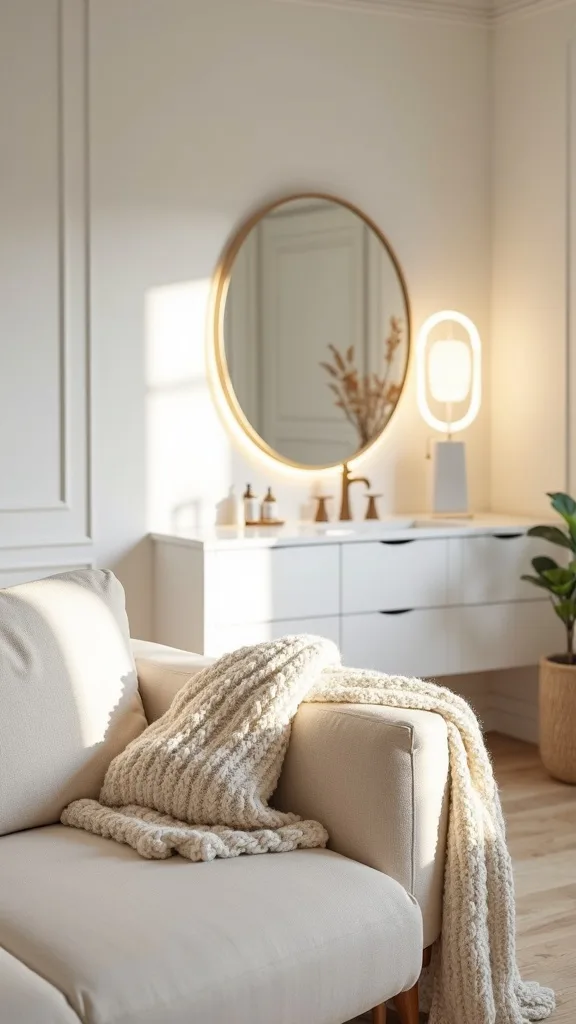
In my opinion, the fastest way to make a Scandinavian space feel cozy is choosing spring neutrals that look sun-warmed rather than icy. I find that a minimalist cozy living room works best when the whites are creamy, the beiges are sandy, and the grays lean warm.
To do this, I pick one “main” neutral (like warm white), one “supporting” neutral (like oatmeal), and one grounding shade (like soft charcoal). Then I repeat them across the room: curtains, pillows, a rug, and a couple of ceramics. If I’m painting, I test samples on multiple walls and watch them through the day—morning and late afternoon light can completely change a color.
I always recommend natural textures to keep the palette from feeling flat: linen, wool, cotton, and light wood tones. A touch of matte black in frames or a floor lamp adds definition without heaviness.
Pro tip: if your room feels bland, add contrast with one deep tone (espresso, charcoal, or ink) in a tiny dose and enjoy how “finished” it suddenly feels.

3. Layer a Large Wool Rug to Quiet the Whole Room
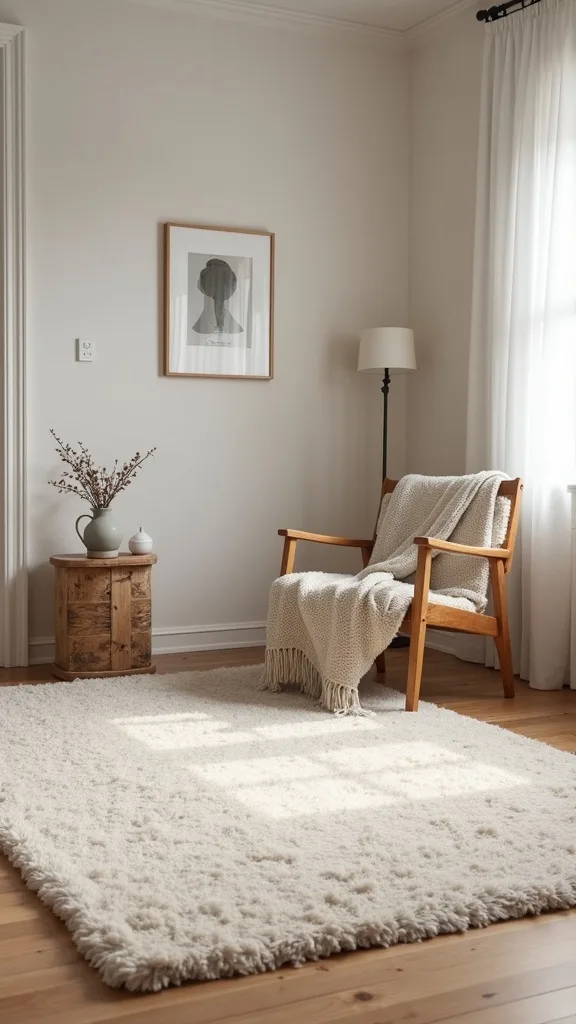
One of my favourite approaches is using a big, soft rug as the “sound absorber” of my scandi home living space. From my experience, Scandinavian rooms feel calmer when footsteps, echoes, and visual busyness are softened underfoot.
I always start by sizing up—ideally, the front legs of the sofa and chairs sit on the rug so the seating area feels connected. For spring, I like a low-pile wool or wool-blend in a subtle pattern (think tiny herringbone) because it hides life while still looking clean. If you already have carpet, I’ll still layer a rug to define the conversation zone and add that intentional styling.
I find that creams, warm grays, and soft taupes read most “Nordic,” especially with a hint of texture. If you want extra depth, choose a rug with a faint geometric weave rather than a bold print.
Pro tip: add a rug pad—comfort and safety are part of hygge home decor, and it makes the whole room feel more plush and secure.
4. Use Sheer Linen Curtains to Maximize Daylight
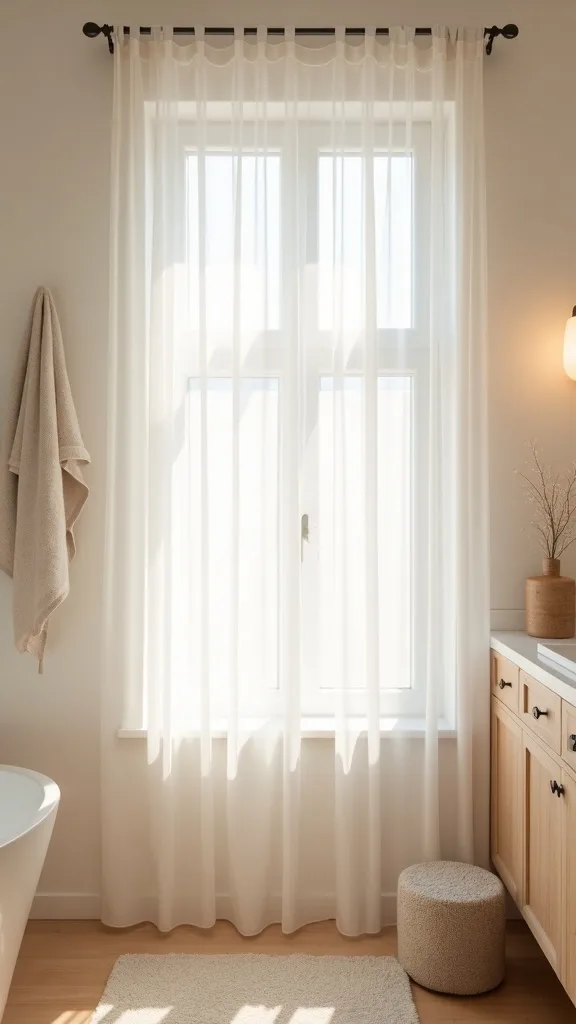
When I design this look, I treat natural light like my most important “decor item.” I find that sheer linen curtains give a scandinavian living room that bright, airy spring glow while still offering softness and a little privacy.
I always start by hanging curtain rods higher and wider than the window frame so the fabric stacks off to the sides and doesn’t block the glass. Then I choose a linen or linen-look sheer in warm white, and I let it just kiss the floor for an easy, tailored finish. If you need more coverage at night, I layer a second panel behind it in a slightly heavier weave or add simple roller shades.
From my experience, warm whites and flax tones feel most natural with birch and oak. I avoid shiny fabrics because they can look stiff and less “Scandi.”
Pro tip: if your room feels dim, swap heavy drapes for sheers first—this single change often delivers the biggest spring refresh with the least effort.
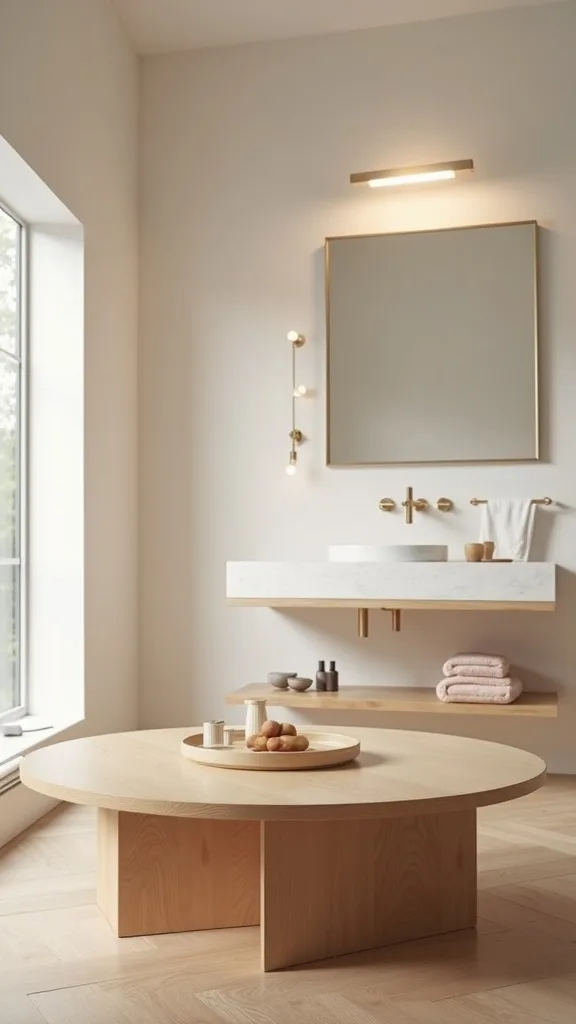
5. Add a Birch or Light Oak Coffee Table With Rounded Edges
I always recommend a light wood coffee table because it brings that honest, nature-forward feeling that defines nordic interior design. I find that rounded edges are especially helpful in a family-friendly living room—they soften the look and make the space feel more approachable.
To implement it, I choose a table with simple legs and a clear top surface, then I style it with just three things: a small tray, a candle, and one book stack. If storage is a problem, I pick a table with a lower shelf and use a lidded basket to hide remotes. I keep enough open space so the table still works for coffee mugs, puzzles, or a quick lunch.
Birch, ash, and light oak are my go-to finishes for a scandi home vibe, and I love pairing them with cream textiles and a little matte black metal.
Pro tip: choose one sculptural object (like a ceramic bowl) and let it stand alone—restraint is what makes Scandinavian styling feel confident.
6. Create Hygge With One “Soft Corner” for Reading
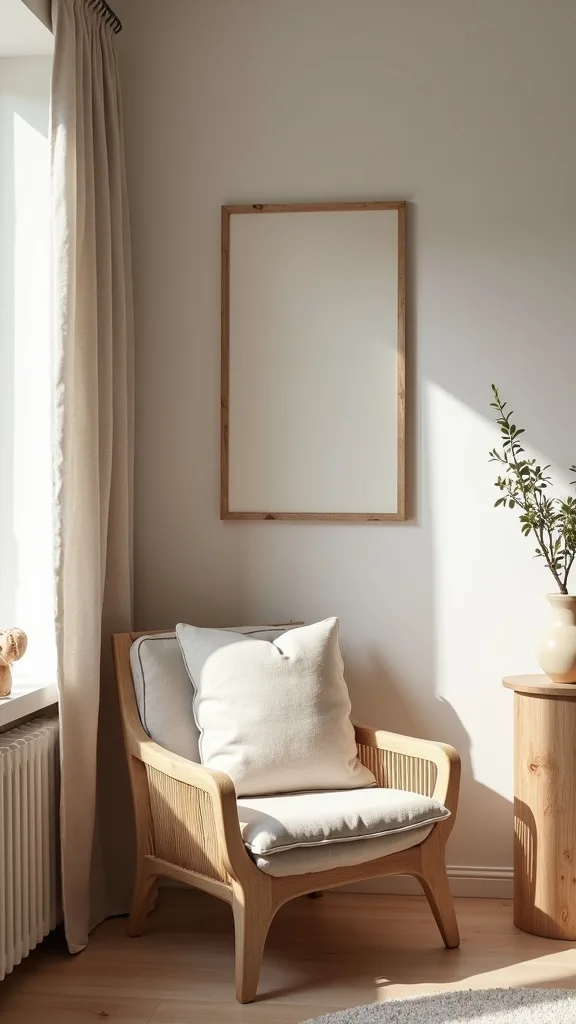
From my experience, a room doesn’t feel truly Scandinavian until there’s a place that invites you to slow down. I love building a small hygge home decor corner with a chair, a lamp, and a throw—simple, but it changes how you use the space.
I always start by choosing a spot near a window, then I add a cozy chair in a light neutral or soft gray. Next, I place a small birch side table for tea and books, and I layer a chunky knit throw plus one textured pillow. Lighting matters here: I add a floor lamp with warm white light (2700K–3000K — the cosy, yellowish tone you see in most homes) so the corner feels inviting after sunset.
I find that boucle, wool, and linen make this nook feel tactile without looking heavy. A simple woven basket beside the chair holds extra blankets and keeps clutter contained.
Pro tip: add a tiny ritual—like a candle you light only when you read—and you’ll feel that Scandinavian calm become part of your everyday routine.
7. Keep Walls Calm With One Oversized Minimal Art Print
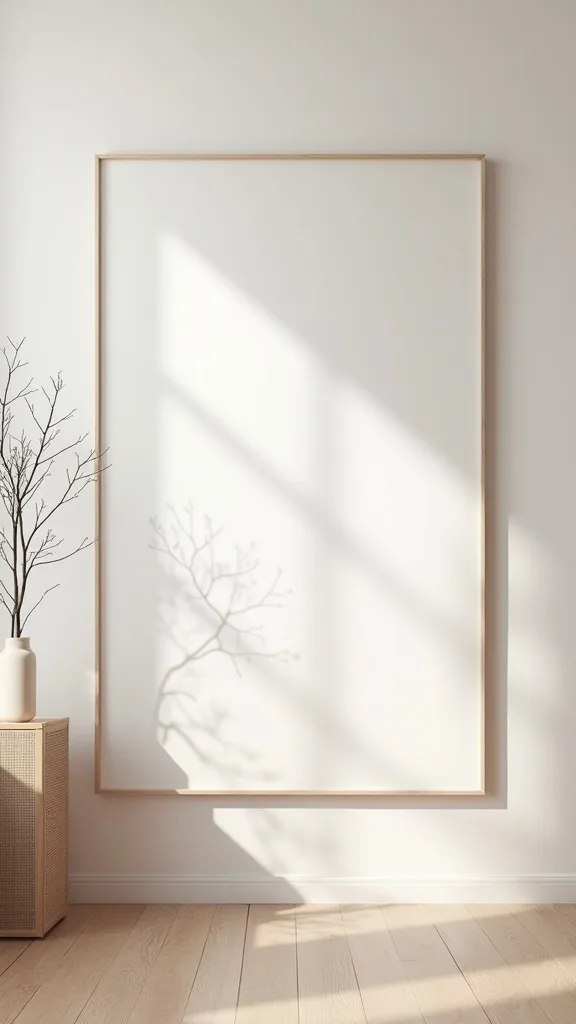
I find that Scandinavian walls look best when they’re not competing for attention. In my opinion, one oversized minimal art print gives you the impact of a gallery wall without the visual noise, which is perfect for a minimalist cozy living room.
To implement it, I choose a large print with lots of negative space—line art, soft landscapes, or abstract shapes in warm neutrals. Then I hang it centered over the sofa, keeping it at eye level so it feels intentional. If you’re renting, I use removable picture strips and a lightweight frame to avoid wall damage.
I always recommend thin frames in light oak, birch, or matte black for that nordic interior design finish. If the room is very pale, a black frame adds just enough contrast to keep things crisp.
Pro tip: repeat one color from the artwork in a pillow or vase—small echoes like this make the whole room feel thoughtfully designed.
8. Style With Odd Numbers (3 Objects Per Surface)
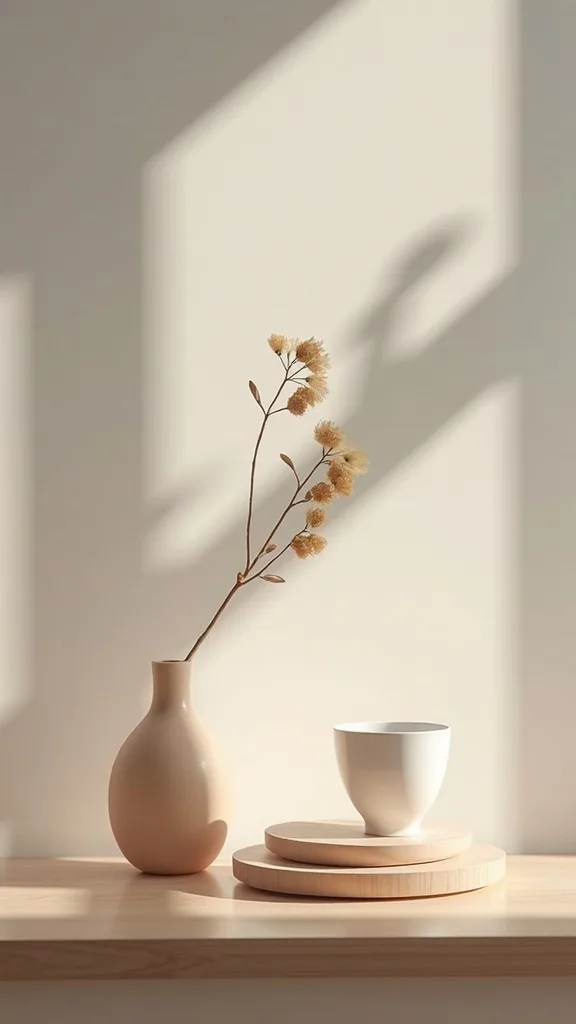
One of my favourite approaches is the “rule of three,” because it keeps Scandinavian styling clean but still warm. I find that in a scandinavian living room, three objects on a surface looks curated, while five quickly starts to feel cluttered.
I always start by clearing a surface completely—coffee table, console, or mantel—then I add back one tall item (like a vase), one medium (like a candle), and one small (like a match striker or bowl). I group them close together so they read as a single moment, not scattered stuff. If I need functionality, I use a tray to corral daily essentials and keep the look tidy.
For materials, I love matte ceramics, light wood, and glass in warm tones. A tiny touch of black metal keeps everything grounded and modern.
Pro tip: if you’re unsure, remove one item and step back—Scandi styling usually looks better the moment you edit down.
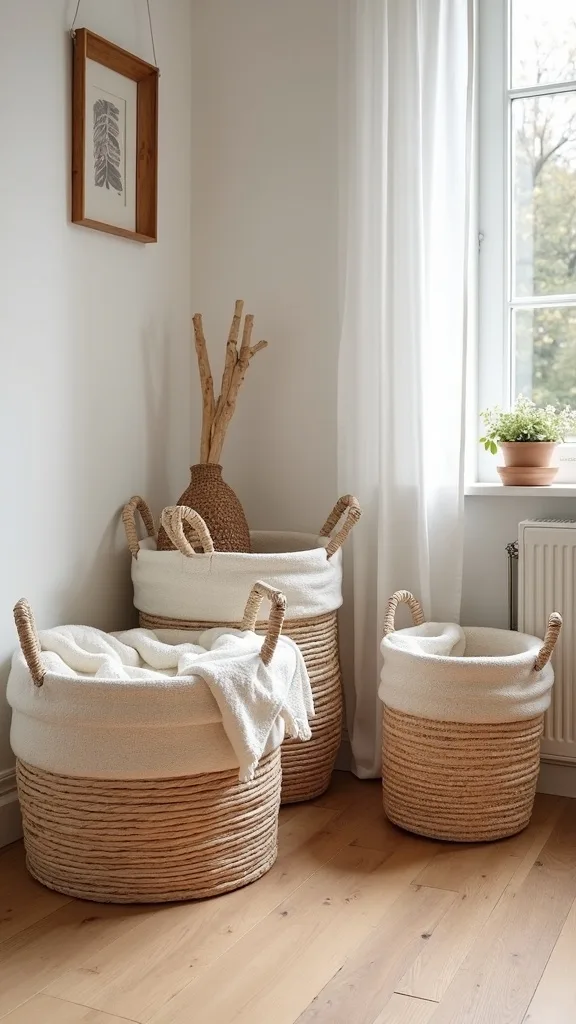
9. Use Baskets as Beautiful Storage (Not Plastic Bins)
From my experience, Scandinavian rooms stay serene because storage is part of the decor. I always recommend woven baskets because they hide clutter while adding texture—exactly what a scandi home living room needs in spring when you’re trying to feel lighter.
To implement it, I place one large basket beside the sofa for throws and one lidded basket near the media console for remotes, chargers, and game controllers. If you have kids, I dedicate a basket to toys and make it easy to “reset” the room in two minutes. I also like a slim basket under a console table for extra pillows or magazines.
I find that seagrass, water hyacinth, and felted wool baskets look most natural with birch and cream textiles. Choose warm, honey-toned weaves rather than cool gray to keep the room cozy.
Pro tip: label the inside (not the outside) with a small tag—your home stays calm and functional without looking like a storage aisle.
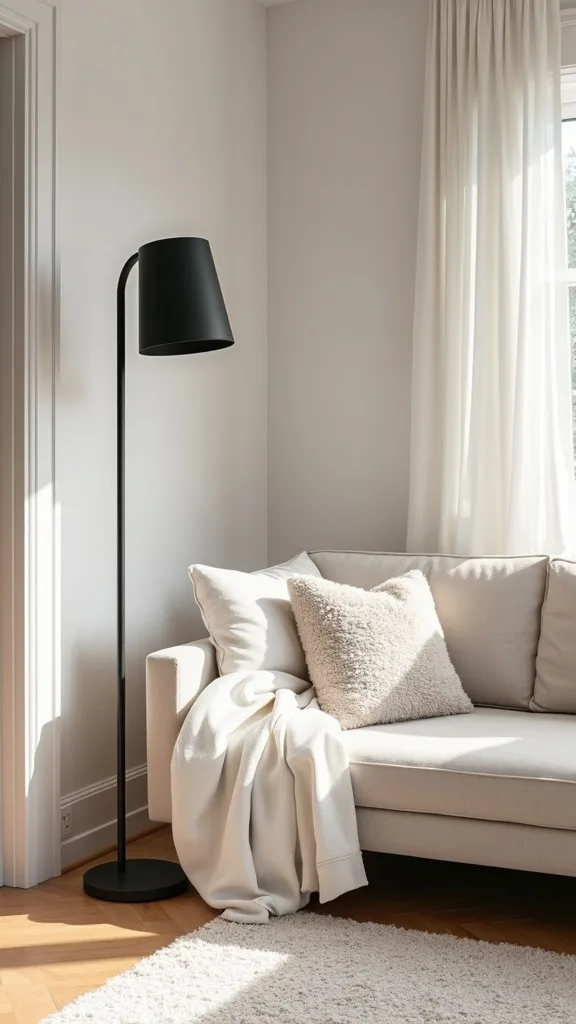
10. Pick One Black Accent to Sharpen the Soft Neutrals
I find that a Scandinavian palette needs one crisp, dark note to keep it from feeling washed out. In my opinion, a single black accent—like a floor lamp or picture frame—adds structure to a scandinavian living room without stealing the calm.
I always start by choosing just one “hero” black piece, then I repeat black in tiny doses so it feels intentional: a candle holder, a tray, or cabinet pulls. If you already have a black TV, I balance it with a black-framed print or a slim black side table. The key is restraint—black should outline the room, not dominate it.
Matte black finishes feel most aligned with nordic interior design. I pair them with cream bouclé, pale woods, and soft grays for a clean spring look.
Pro tip: if black feels too harsh, go with charcoal instead—you’ll still get contrast, but it will feel gentler and more relaxed.
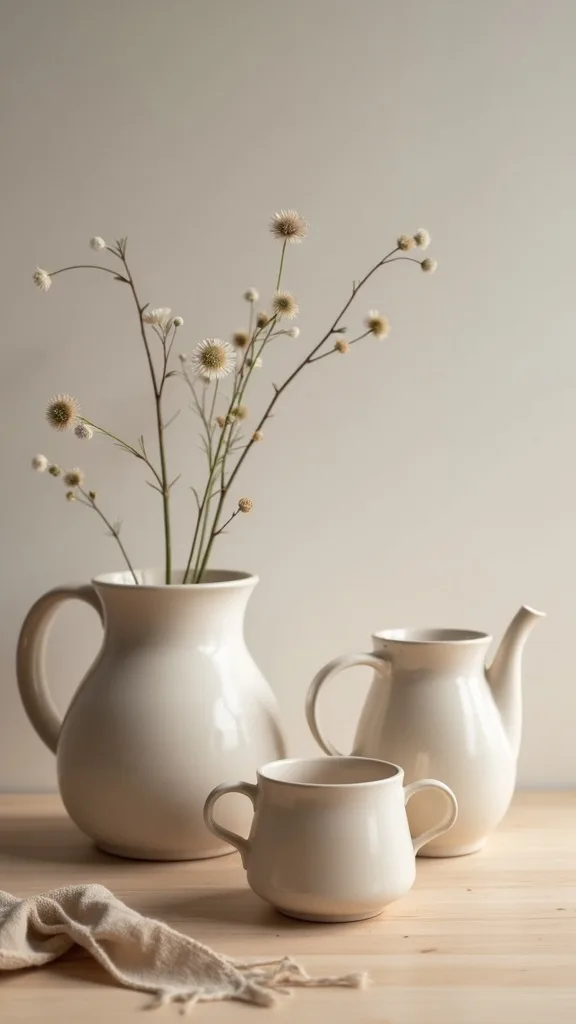
11. Swap Shiny Decor for Matte Ceramics and Stoneware
When I design this look, I avoid anything overly glossy because it can read flashy instead of calm. I find that matte ceramics and stoneware bring the quiet, handmade warmth that makes a minimalist cozy living room feel real.
To implement it, I choose two or three ceramic pieces in similar tones—like a warm white vase, a speckled bowl, and a sand-colored candle holder. Then I spread them across the room so the texture repeats: one on the coffee table, one on a shelf, one on a console. If you love color, I keep it muted—sage, clay, or dusty blue works beautifully for spring.
I always recommend organic shapes over perfect symmetry. Slightly uneven rims and natural speckling feel especially aligned with hygge home decor.
Pro tip: add fresh stems to a simple vase and let it be the “seasonal moment”—it’s an easy way to refresh the room without buying more stuff.
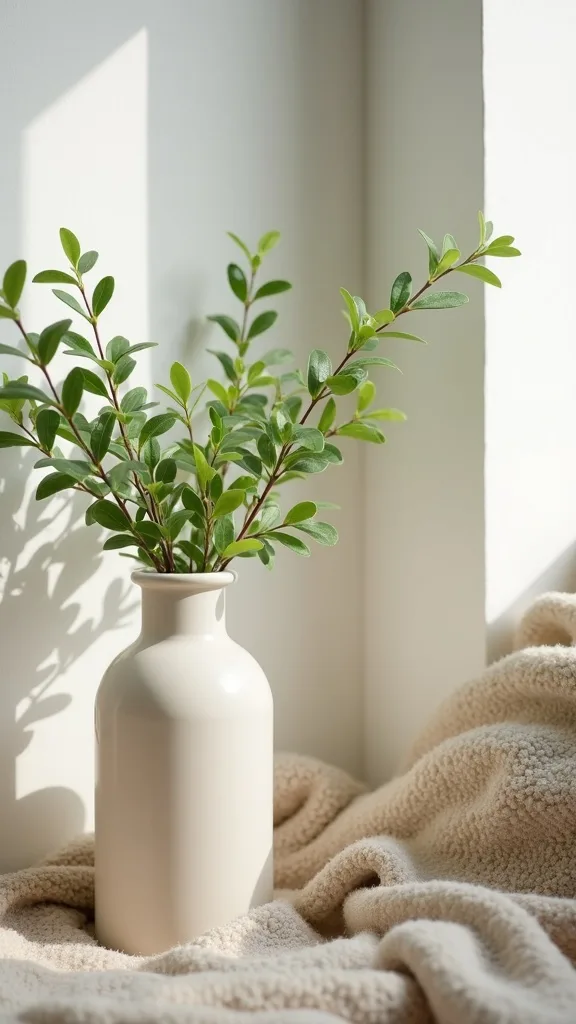
12. Bring in Spring With Simple Greenery (One Type, Repeated)
I always start by adding life, because greenery instantly makes a Scandinavian space feel fresh for spring. From my experience, repeating one type of plant or stem looks more modern and intentional than mixing a dozen varieties in a scandinavian living room.
To implement it, I pick one “signature” green—like eucalyptus, olive branches, or a simple pothos—and repeat it in two or three spots. I’ll place a taller plant near the window, a small one on a side table, and a few stems in a vase on the coffee table. If you don’t have a green thumb, high-quality faux stems can still look beautiful when you keep them minimal and dust them regularly.
I find that matte white or stone planters look best with birch and cream textiles. Woven baskets also make great planter covers for that scandi home texture.
Pro tip: keep the greenery shapes airy, not bushy—lightness is what makes the Spring Scandinavian Aesthetic feel so uplifting.
13. Use Warm White Lamps to Keep Evenings Cozy
In my opinion, lighting is where Scandinavian comfort really lives. I find that a room can look perfect in daylight but feel flat at night unless I add layered lamps with warm white light (2700K–3000K — the cosy, yellowish tone you see in most homes).
I always start by aiming for three light sources: a floor lamp, a table lamp, and one small accent light on a shelf or console. I place them at different heights so the glow feels soft and wrapped around the room, not harsh from above. If you’re shopping, I check brightness (measured in lumens) and choose a level that feels gentle for lounging rather than glaring like a workspace.
I love linen or paper shades, light wood bases, and matte black details for a nordic interior design look. Avoid cool-toned bulbs—they can make creams look gray.
Pro tip: put lamps on simple plug-in timers so your living room greets you with instant hygge every evening.
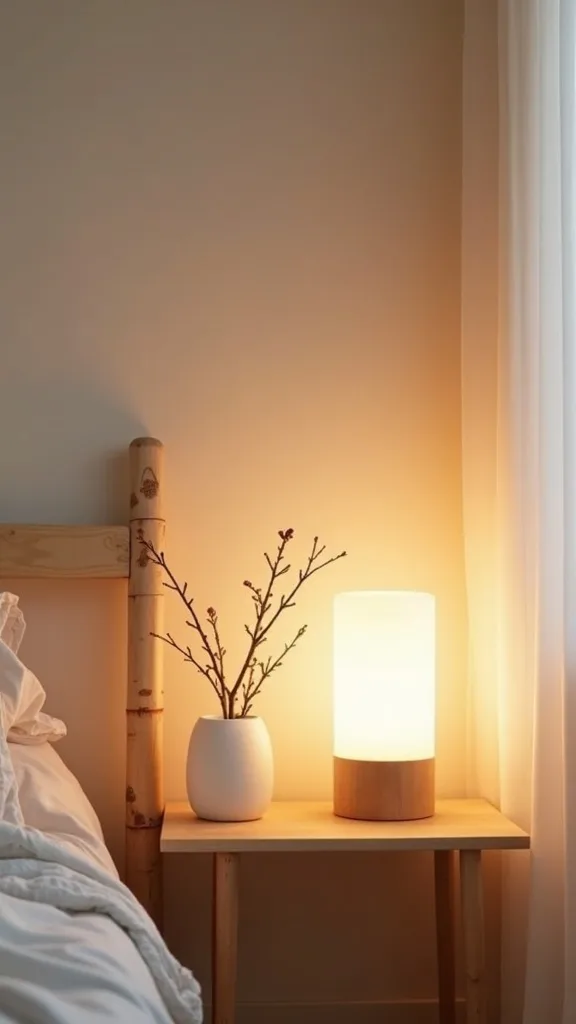
14. Choose a Low, Simple Media Console to Reduce Visual Noise
I find that a bulky entertainment unit can fight the calm of a Scandinavian space. When I design this look, I choose a low, simple media console so the room feels wider, lighter, and more intentional—especially important in a scandinavian living room.
To implement it, I pick a console in light oak, birch, or a warm white finish, ideally with doors so I can hide the messy stuff. Then I manage cords with adhesive clips and a slim power strip tucked behind the unit. I keep the top mostly clear—maybe one vase or a small lamp—so the TV doesn’t feel like it’s sitting in a cluttered zone.
I always recommend mixing closed storage with one open shelf for a couple of books or a basket. This balance keeps the space functional but still aligned with a minimalist cozy living room vibe.
Pro tip: if you can, wall-mount the TV slightly above the console—clean lines make the whole room feel instantly more Scandinavian.
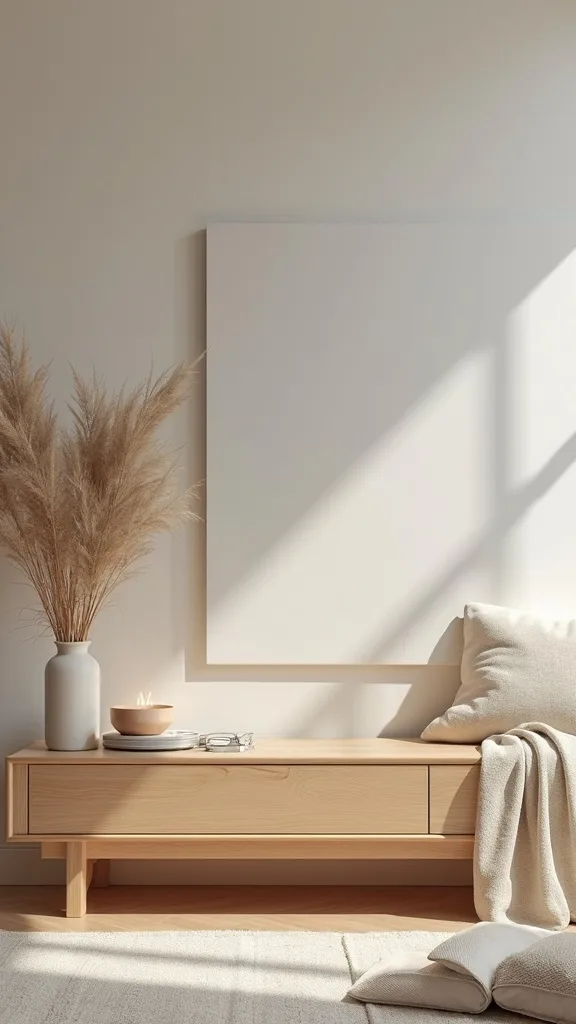
15. Add One Sculptural Side Table for a Modern Nordic Twist
From my experience, Scandinavian rooms feel best when there’s one little “design moment” that adds personality without chaos. I love a sculptural side table because it gives nordic interior design energy while still staying minimal.
I always start by choosing a side table with an interesting shape—rounded pedestal, soft triangle, or even a small drum table. Then I place it next to the sofa where it’s actually useful for drinks and books. I keep styling minimal: one coaster and one small object, like a ceramic dish for rings or matches.
For colors and finishes, I find that light wood, matte white, or pale stone-look surfaces work beautifully with cream bouclé and chunky knits. If your room is very neutral, a black side table can be your single contrast piece.
Pro tip: choose a table that’s easy to move—flexible furniture makes your living room feel more livable, and that’s the heart of Scandinavian comfort.
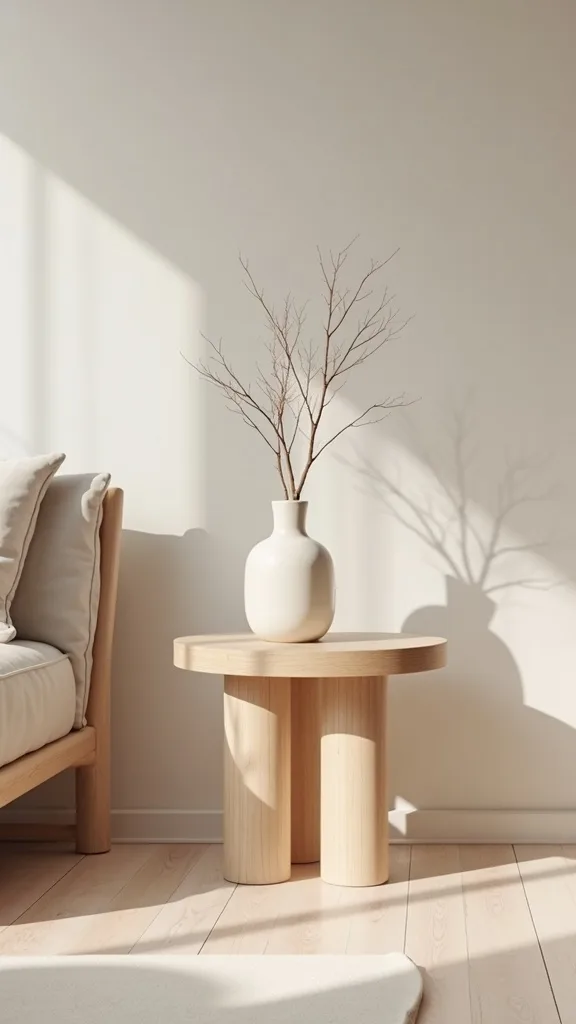
16. Mix Textures: Bouclé, Linen, Wool, and a Touch of Leather
I find that texture is what keeps a neutral Scandinavian palette from feeling boring. When I design a scandinavian living room, I focus on mixing soft and structured textures so the room looks calm but feels rich.
To implement it, I start with bouclé on the sofa or an accent chair, then I add linen pillow covers for that relaxed, airy spring vibe. Next, I layer in wool—either a chunky knit throw or a flatter woven blanket for warmer days. If I want a little edge, I introduce a small leather element like a cognac pillow or a leather magazine sling.
I always recommend staying within a tight color family: cream, oatmeal, warm gray, and tan. This way, the texture does the talking, not loud color.
Pro tip: if your room feels too “soft,” add one crisp texture like a black metal lamp or a stone tray—contrast makes the cozy layers feel even more intentional.
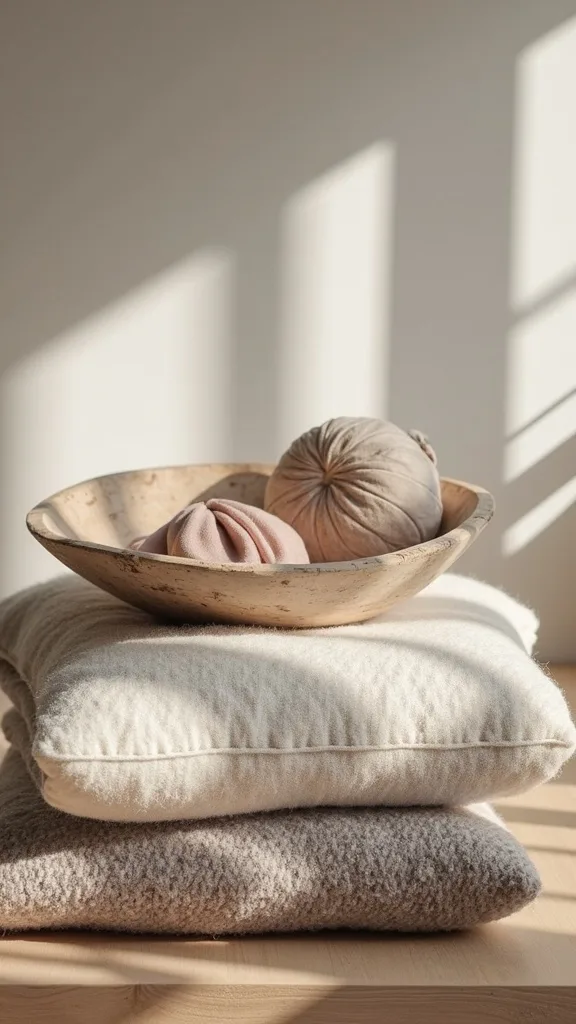
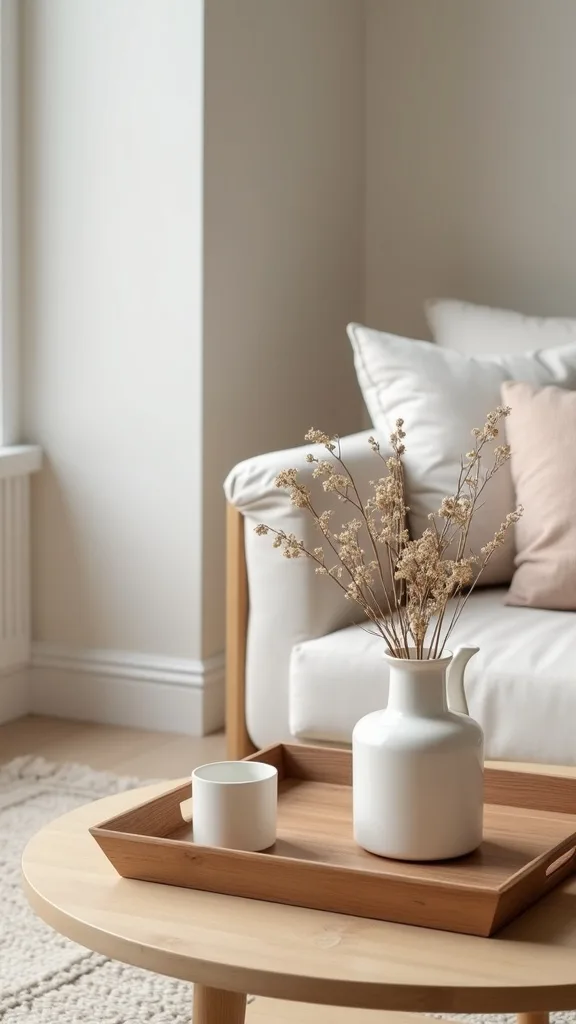
17. Use a Tray to Make the Coffee Table Feel Instantly Styled
One of my favourite approaches is using a tray as a visual “container” for everyday items. I find that in a minimalist cozy living room, a tray keeps the coffee table functional while still looking clean and Scandinavian.
I always start by choosing a tray in light wood, matte black, or woven seagrass. Then I add just a few pieces: a candle, a small vase, and a coaster stack. If you need practicality, I tuck the remote inside the tray so it looks intentional instead of forgotten. I leave at least half the table clear so it still works for real life.
For spring, I love a pale wood tray with creamy ceramics and one fresh green stem. This combination screams scandi home without trying too hard.
Pro tip: rotate one item seasonally—swap a wintery candle for a lighter scent—and you’ll keep the look fresh without buying a whole new set of decor.
18. Create a Calm Shelf With Books Turned Spine-In (Sometimes)
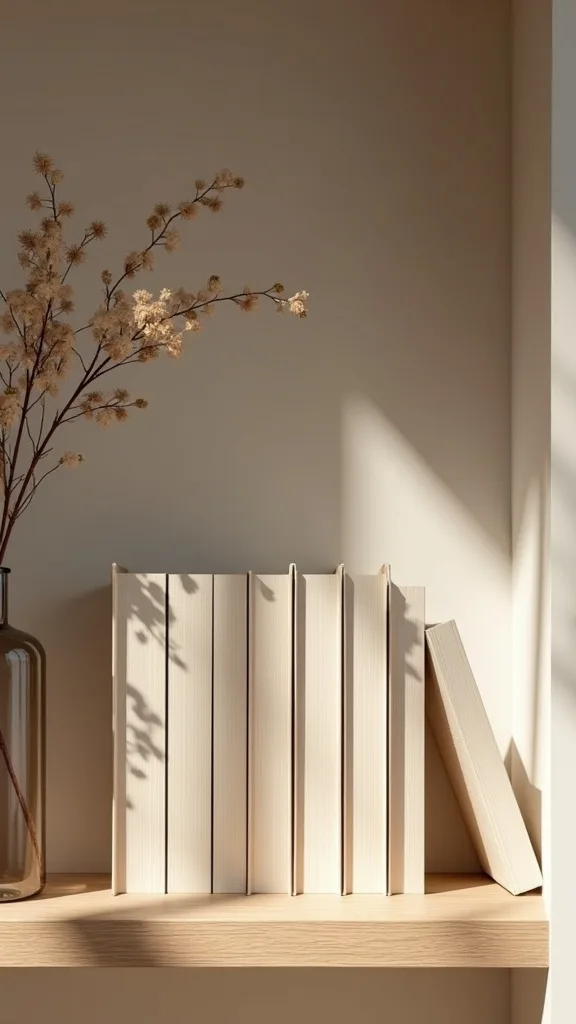
I find that open shelving can either elevate a Scandinavian room or make it feel cluttered fast. From my experience, turning some books spine-in is a simple trick that quiets visual noise and keeps a scandinavian living room feeling airy.
To implement it, I mix a few spine-in stacks with a few spine-out favorites so the shelf still feels personal. Then I add two or three objects: a ceramic vase, a small framed print, and a woven box for tiny items. I always leave negative space—empty space is part of the design, not a failure to decorate.
I love light wood shelves, matte white brackets, and neutral book covers for a nordic interior design look. If your shelves are dark, lighten them with cream objects and a small mirror or glass piece.
Pro tip: step back and squint—if the shelf looks “busy,” remove one item and let the calm win.
19. Add a Spring-Ready Accent Color: Sage, Sky, or Soft Clay
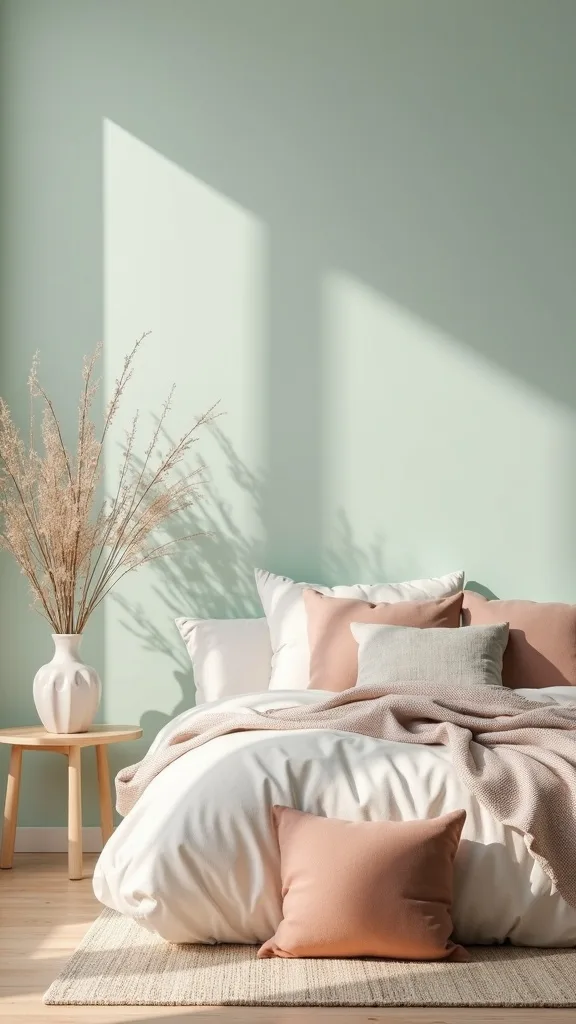
In my opinion, spring is the perfect time to add the tiniest hint of color to a Scandinavian palette. I find that muted tones like sage, sky blue, or soft clay keep the room feeling Nordic while making it feel seasonally fresh.
I always start by choosing one accent color and using it in two places only—like two pillow covers and a small vase, or a throw and a piece of art. This keeps the look cohesive and prevents the room from drifting away from that minimalist cozy living room vibe. If you’re nervous, start with something easy to swap, like textiles.
I love sage with birch and cream, and I find clay tones look beautiful with warm whites and black accents. Stick to dusty, gray-based versions of color rather than bright primary shades.
Pro tip: let greenery count as part of your color plan—plants are the most authentic “spring accent” you can add.
20. Choose a Sofa Layout That Encourages Conversation
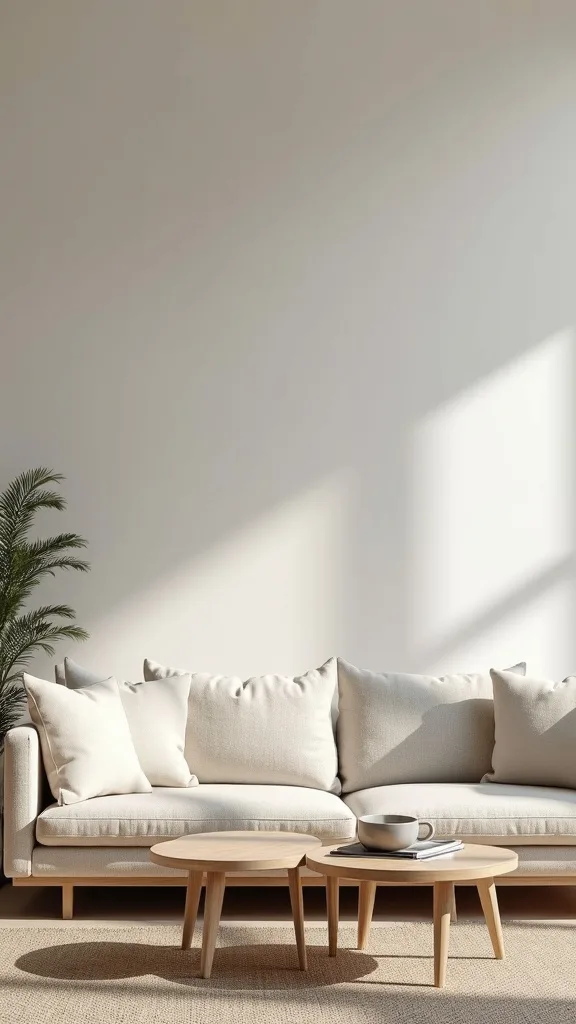
I always start by thinking about how I want the room to feel, not just how I want it to look. From my experience, a scandinavian living room shines when the seating encourages conversation and comfort instead of everyone staring at the TV.
To implement it, I pull the sofa slightly off the wall if space allows and add one chair angled toward it to form a gentle “U” shape. I keep pathways clear and make sure there’s a surface within reach of every seat—side table, coffee table, or even a small stool. If the room is small, I use a compact chair or pouf that can tuck away when needed.
I find that light-toned upholstery, slim legs, and simple silhouettes feel most Scandinavian. A soft rug under the seating zone ties everything together.
Pro tip: leave a little breathing room around furniture—space is part of the Scandinavian aesthetic, and it makes your home feel instantly more peaceful.
21. Swap Heavy Decor for Light Wood Picture Ledges
I find that picture ledges are a Scandinavian secret weapon because they let you style art in a flexible, low-commitment way. When I design this look, I use light wood ledges to keep walls airy and aligned with nordic interior design.
To implement it, I mount one long ledge above the sofa or two shorter ledges stacked vertically. Then I lean frames instead of hanging them, mixing one larger print with one or two smaller pieces. I keep the palette neutral and add one tiny object—like a small ceramic—only if the ledge feels too bare.
I always recommend birch or oak ledges, thin frames, and matte prints for a scandi home feel. Avoid overly glossy posters; they can look harsh in natural light.
Pro tip: rotate prints seasonally—spring landscapes in March, warmer tones later—so your living room stays fresh without a big redesign.
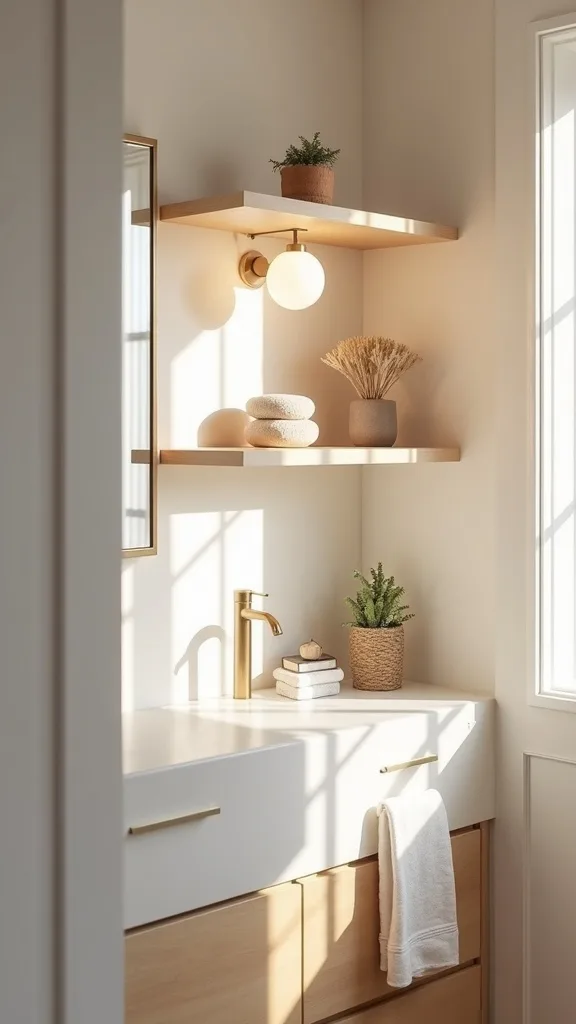
22. Use a Minimal Fireplace Mantel Styling (Even If It’s Faux)
From my experience, a mantel becomes a magnet for clutter unless I set clear styling rules. I find that Scandinavian mantel decor looks best when it’s simple, balanced, and rooted in texture—perfect for a minimalist cozy living room.
I always start by choosing one focal piece, like a large mirror or a single oversized art print leaning against the wall. Then I add two supporting items: a candle holder and a vase, or a small stack of books and a ceramic bowl. If you don’t have a fireplace, you can mimic the effect with a slim console table styled the same way.
I love matte ceramics, pale woods, and a touch of black metal here. For spring, I add a few airy branches instead of heavy garlands.
Pro tip: leave at least one-third of the mantel empty—negative space is what makes Scandinavian styling feel confident and calm.
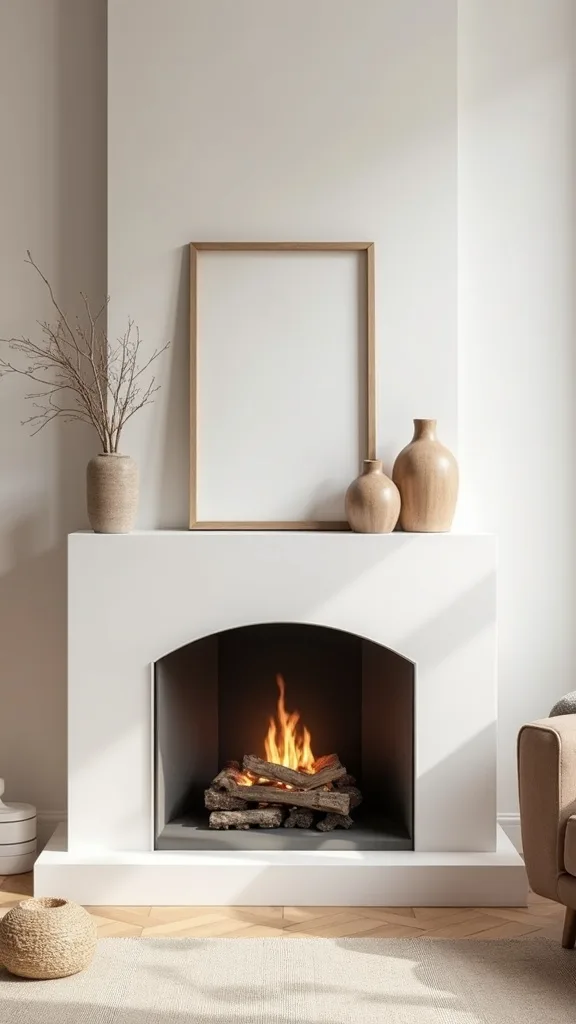
23. Pick One Statement Pendant or Paper Lantern Shade
I find that overhead lighting can make or break a Scandinavian space. When I design a scandinavian living room, I love using one statement pendant or paper lantern shade to add softness and shape without visual heaviness.
To implement it, I choose a simple silhouette—round, dome, or lantern—and keep the color light (white, cream, or natural paper). If you rent or don’t want electrical work, I use a plug-in swag light kit and hang it with a ceiling hook. Then I rely on lamps for most evening light so the overhead fixture feels like a gentle glow, not a spotlight.
I always recommend pairing it with warm white light (2700K–3000K — the cosy, yellowish tone you see in most homes). If you want it brighter, look for higher brightness (measured in lumens) but keep the tone warm.
Pro tip: a paper lantern instantly softens a room—sometimes the most affordable swap creates the biggest Nordic transformation.
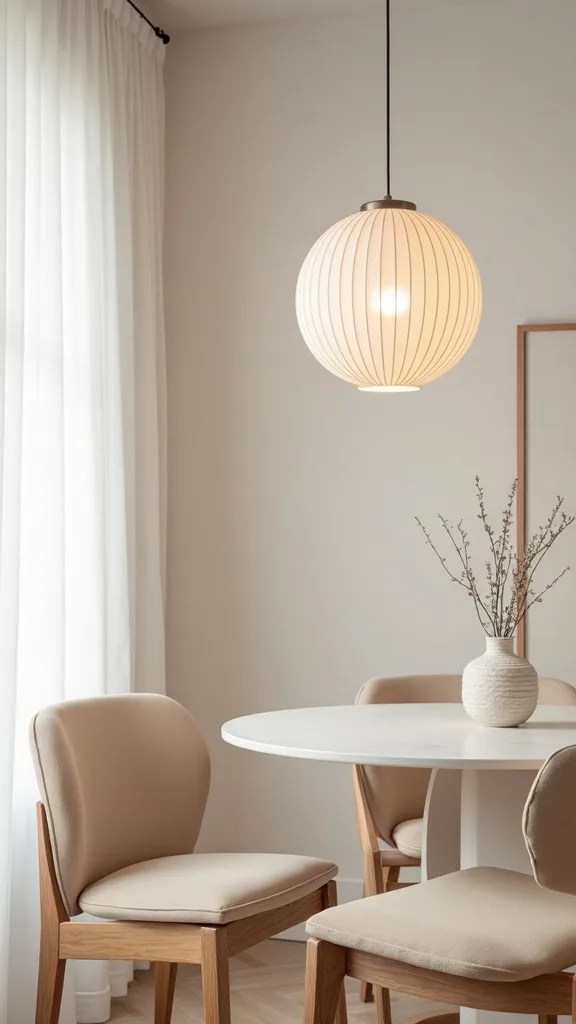
24. Edit Your Decor Like a Capsule Wardrobe
In my opinion, the most “Scandi” thing you can do is edit. I always start by treating my living room decor like a capsule wardrobe: fewer pieces, better quality, and everything works together for a calmer scandinavian living room.
To implement it, I pull everything off surfaces and shelves, then I choose only what fits my palette and my daily life. I keep items that add texture (wool, linen, wood), items that add warmth (candles, soft lighting), and items that add meaning (a framed photo, a travel object). Everything else goes into a “maybe” box for 30 days—if I don’t miss it, I donate it.
I find that this approach makes hygge home decor feel authentic, because the room supports your routines instead of demanding constant styling.
Pro tip: give yourself permission to own less—space, light, and ease are the real Scandinavian luxuries.
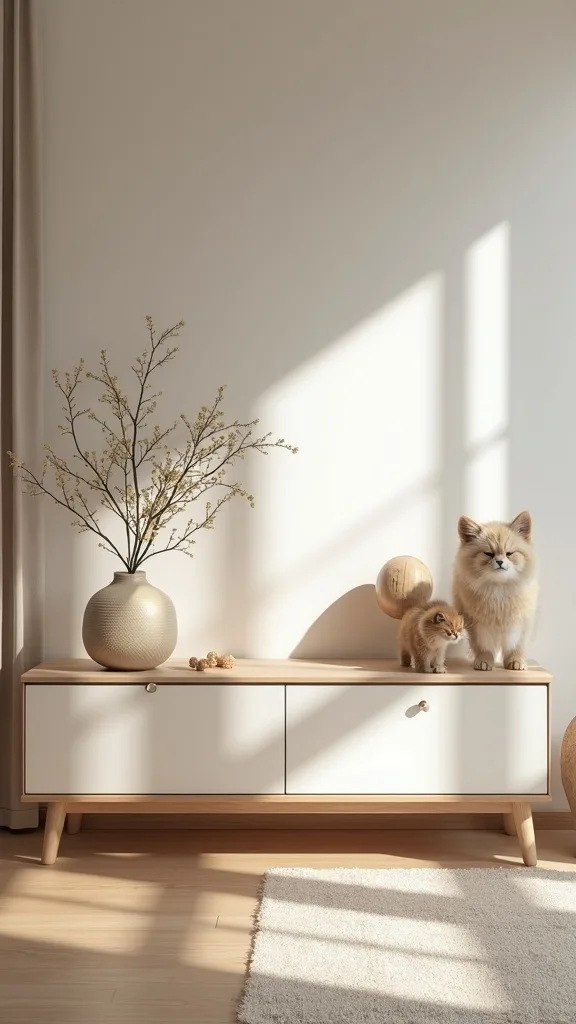
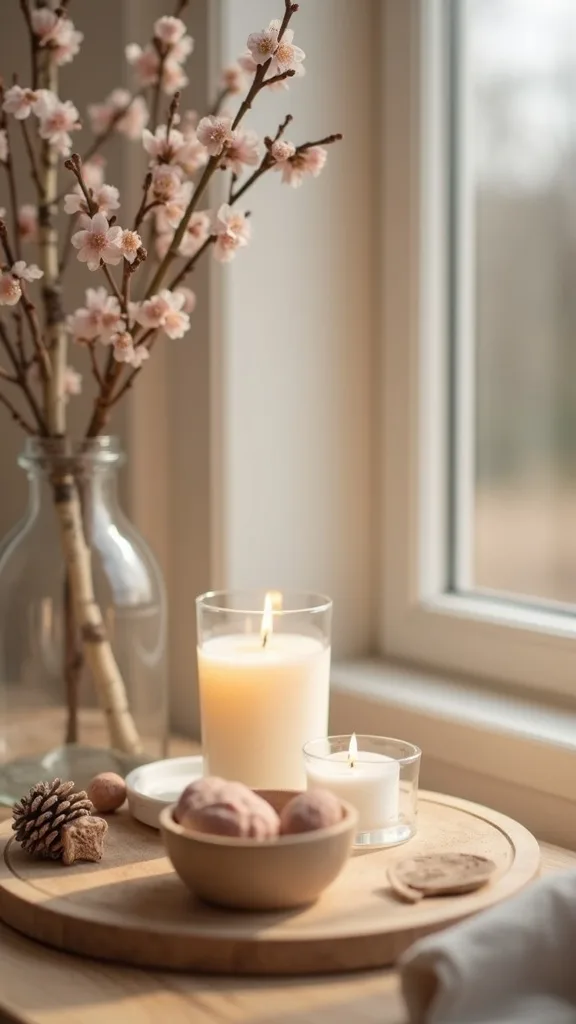
25. Finish With a Cozy Spring Scent + Candle Moment
I find that scent is the finishing layer people forget, but it’s a huge part of how a room feels. When I design a Scandinavian spring look, I add one clean, cozy scent moment that supports the calm of a scandi home.
I always start by choosing a candle or diffuser with a fresh-but-warm profile—think linen, light woods, soft florals, or subtle citrus. Then I place it where it makes sense: on a tray on the coffee table, or on a console near the entry so you notice it right away. I keep the vessel simple—matte, neutral, and understated—so it blends into the minimalist cozy living room aesthetic.
I love pairing a candle with a small match holder or wick trimmer to make it feel like a little ritual. Neutral ceramics and light wood accents keep it Scandinavian.
Pro tip: light the candle for 15 minutes during your evening reset—tiny rituals are what turn a pretty room into a genuinely comforting home.
Final Thoughts
Final Thoughts
I always remind myself that a Scandinavian living room isn’t about perfection—it’s about building a space that feels calm, bright, and kind to live in, especially in spring. If you take nothing else from this post, I’d start with one anchor (like a cream bouclé sofa or a light wood coffee table), then layer in texture, warm lighting, and just enough storage to keep everyday life from taking over.
From my experience, the magic happens when you edit, repeat a few materials (birch, wool, linen), and let natural light do the heavy lifting. Try one or two ideas this week, then keep going at your own pace—because the most beautiful Nordic rooms are the ones that quietly support your routines and make you feel at home the moment you sit down.
Products I Recommend for This Project
Here are some of my favourite products to help you bring these ideas to life:
- IKEA FÄRGRIK Tealight Holder (White) — I use simple white candle holders like these to add an easy hygge glow without visual clutter.
- Yankee Candle Clean Cotton Large Jar Candle — I love a fresh, clean scent for spring that still feels cozy in the evenings.
- nuLOOM Moroccan Blythe Area Rug — I recommend a soft, neutral rug like this to define the seating zone and instantly warm up the room.
- NICETOWN Linen Sheer Curtains — I reach for linen-look sheers to maximize natural light while keeping the room feeling soft and airy.
- Philips LED Warm Glow Light Bulb (2700K) — I always use warm white light (2700K–3000K — the cosy, yellowish tone you see in most homes) to keep Scandinavian evenings inviting.