
This post contains affiliate links. As an Amazon Associate, I earn from qualifying purchases at no extra cost to you.
Are you looking for a fresh, airy kitchen that feels clean but not cold? Do you want a space that photographs beautifully in summer light and still feels cosy when the sun goes down?
I always start by thinking about how I want the kitchen to feel day-to-day—calm, bright, and easy to keep looking “done.” In this post, I’m sharing my go-to white kitchen design ideas, including cabinet and countertop pairings, lighting choices, and the little styling moves that make an all white kitchen feel layered instead of flat.
From my experience, this is perfect for anyone refreshing a dated kitchen, moving into a new home with builder basics, or craving a lighter look for a Summer Kitchen Refresh without a full renovation.
When I design this look for clients (and for my own mood boards), I lean on bright surfaces plus warm kitchen accents—think oak, brass, woven textures, and soft whites that don’t feel sterile. I’ll also share a few bright kitchen ideas that are renter-friendly and budget-aware.
Below are 25 White Kitchen Design Ideas & Inspiration that help you create a crisp foundation, add warmth where it counts, and finish with white kitchen decor that feels personal and lived-in.
1. Start with White Shaker + Quartz + Warm Oak (My Go-To Summer Base)
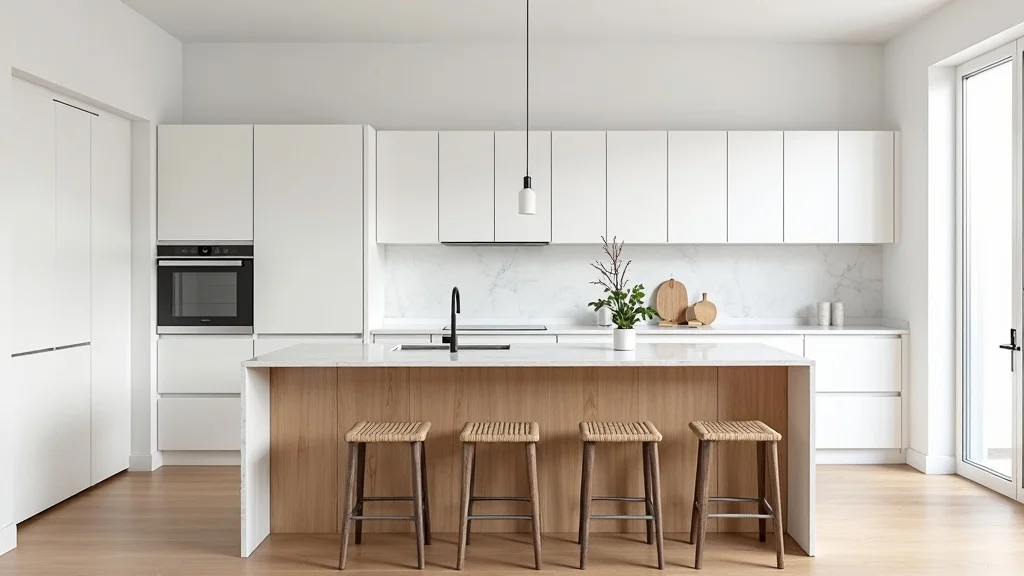
I always start by anchoring a summer-ready kitchen with White Shaker cabinets, quartz countertops, and a warm oak island paired with woven barstools—because it gives me that clean, bright foundation without losing soul. From my experience, this trio works in almost any home style, and it stays timeless even as trends shift.
To implement it, I choose a soft white cabinet paint (not stark blue-white), then pick a quartz with subtle movement so the counters don’t look flat. For the island, I lean toward a natural oak or oak-look finish, and I keep the stools woven to add instant texture.
For colours and materials, I like creamy whites, pale greige veining in the quartz, and honey-to-neutral oak tones. I always recommend matte or satin finishes because they hide fingerprints better in a busy kitchen.
Pro tip: repeat the oak tone once more—like a cutting board display or picture frame—so the island feels intentional, and your white kitchen design instantly looks curated.
2. Choose a Soft White Paint That Doesn’t Turn Icy
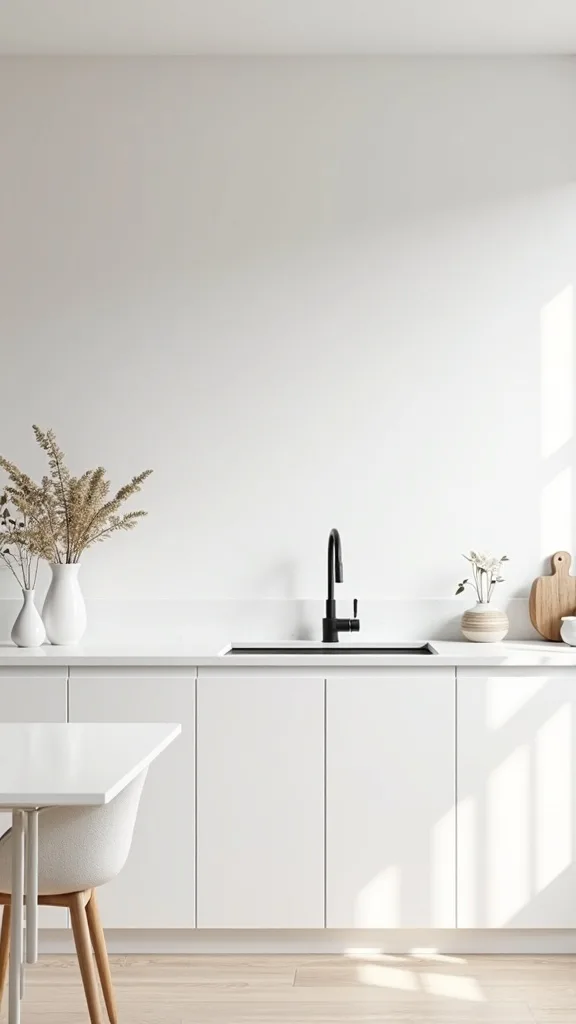
In my opinion, the fastest way to make an all white kitchen feel unwelcoming is choosing a white that reads icy or slightly blue. I find that a soft, warm-leaning white keeps the room bright while still flattering wood, brass, and skin tones (yes, it matters when you’re chatting at the island).
To implement this, I test three whites on poster boards and move them around the kitchen for a full day—morning, afternoon, and evening. I always start by checking the white next to the countertop and backsplash, because those surfaces reflect light differently than painted drywall.
Look for whites described as “warm,” “creamy,” or “soft,” and pair them with a clean trim white if you want gentle contrast. If you already have cool-toned finishes, I balance them with warm kitchen accents like oak, rattan, or aged brass.
Pro tip: if your kitchen faces north and feels grey, I always recommend warming up the white choice first—your bright kitchen ideas will look brighter without adding more stuff.
3. Mix White Finishes for Depth (Not a Flat White Box)
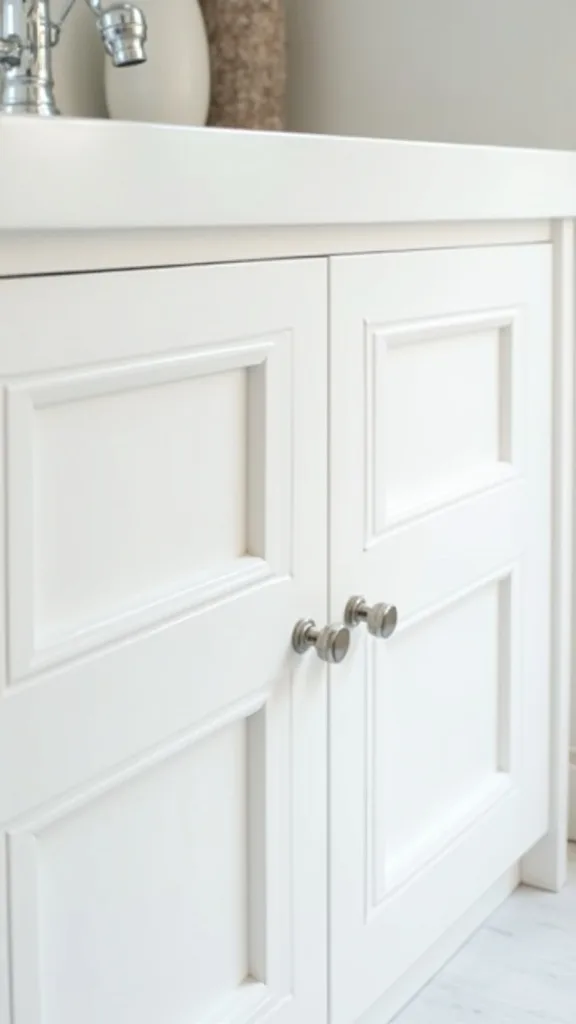
When I design this look, I rarely make every surface the exact same white. I find that mixing finishes—painted cabinets, glossy tile, matte counters, and textured linens—creates dimension so the kitchen feels layered instead of blank.
To implement it, I pick one “main white” for cabinets, then I add a second white in the backsplash (slightly brighter or slightly creamier). After that, I bring in a third white through textiles like a washable runner or Roman shade, which is an easy swap when seasons change.
Materials I love for this: glossy ceramic subway tile, matte quartz, and a lightly textured paint finish on cabinetry. For decor, I reach for white stoneware, ribbed glass, and linen towels to keep the palette calm but interesting.
Pro tip: take a photo in black-and-white mode—if everything blends into one tone, add texture before adding colour, and your white kitchen decor will feel intentional.
4. Add Warm Metal Hardware to Keep White Feeling Inviting
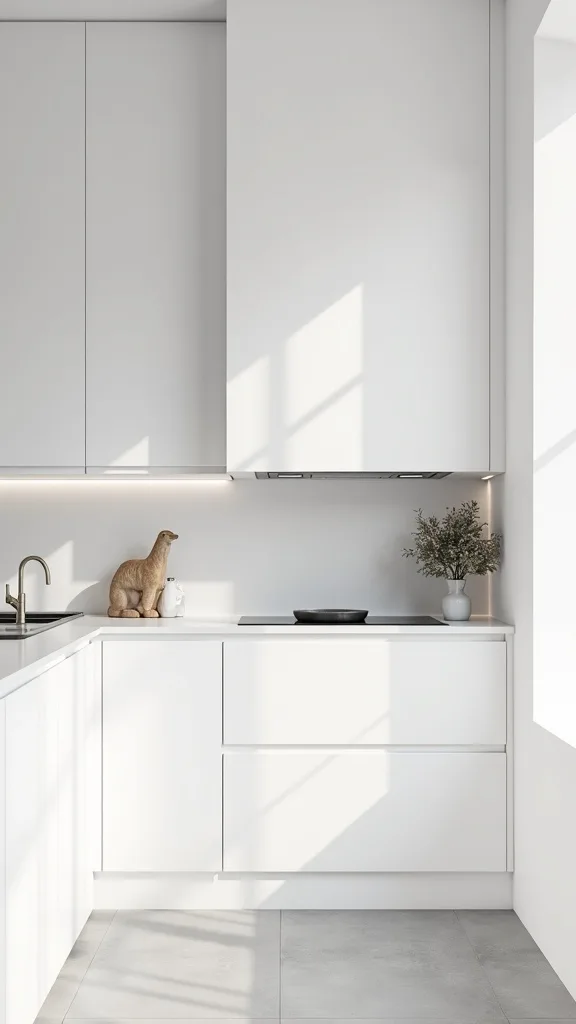
From my experience, hardware is where a white kitchen either feels custom—or like a quick flip. I always recommend warm metals because they soften all the white and instantly deliver those warm kitchen accents that make the space feel welcoming.
To implement it, I choose one metal for the whole kitchen (usually brushed brass or champagne bronze) and keep the shape consistent—like simple pulls for drawers and matching knobs for doors. If I’m updating on a budget, I start with the island hardware first because it’s the focal point.
For products, I like brushed brass pulls, unlacquered brass (it patinas beautifully), or a warm-toned brushed nickel if you prefer something subtle. I also pay attention to scale: longer pulls look more modern and help wide drawers feel balanced.
Pro tip: match your faucet finish to your hardware for a cohesive look, then add one small contrasting accent (like a black frame) so your white kitchen design feels styled, not matchy.
5. Use a Statement Pendant Trio Over the Island
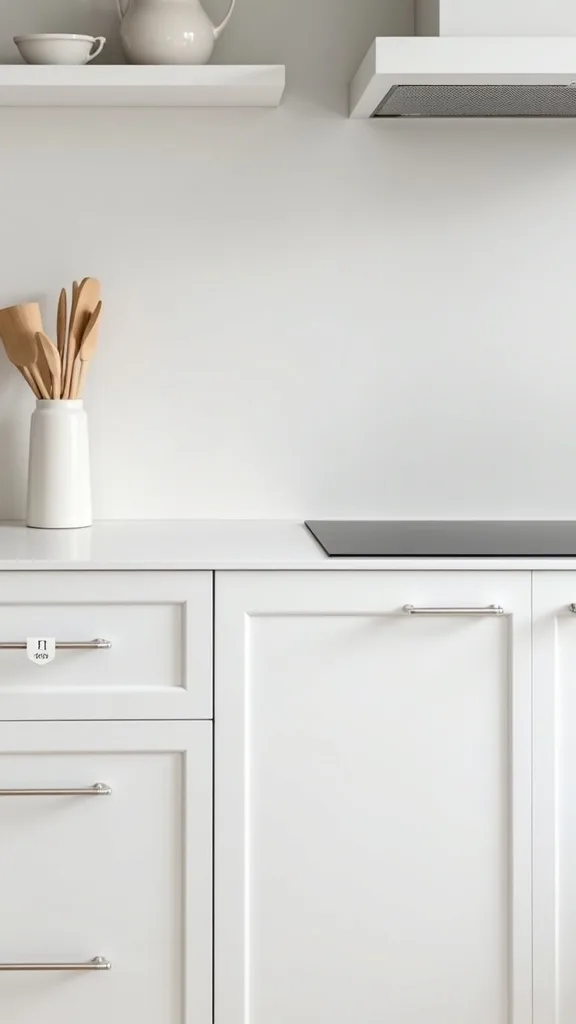
I find that lighting is the jewellery of an all white kitchen, especially in summer when natural light bounces everywhere. A trio of pendants over the island gives me instant rhythm and helps the room feel designed, not just renovated.
To implement this, I choose pendants with warm materials—woven, linen, or a soft milk-glass—then hang them evenly spaced so the island feels centred. I always start by checking sightlines: I want people to see across the kitchen without the lights blocking conversation.
For bulbs, I always recommend warm white light (2700K–3000K — the cosy, yellowish tone you see in most homes) so the white doesn’t look clinical at night. If you need more task light, pick fixtures that allow higher brightness (measured in lumens) without glare.
Pro tip: put pendants on a dimmer—your bright kitchen ideas can still feel soft and intimate when you’re winding down.
6. Layer Under-Cabinet Lighting for a Clean, High-End Glow
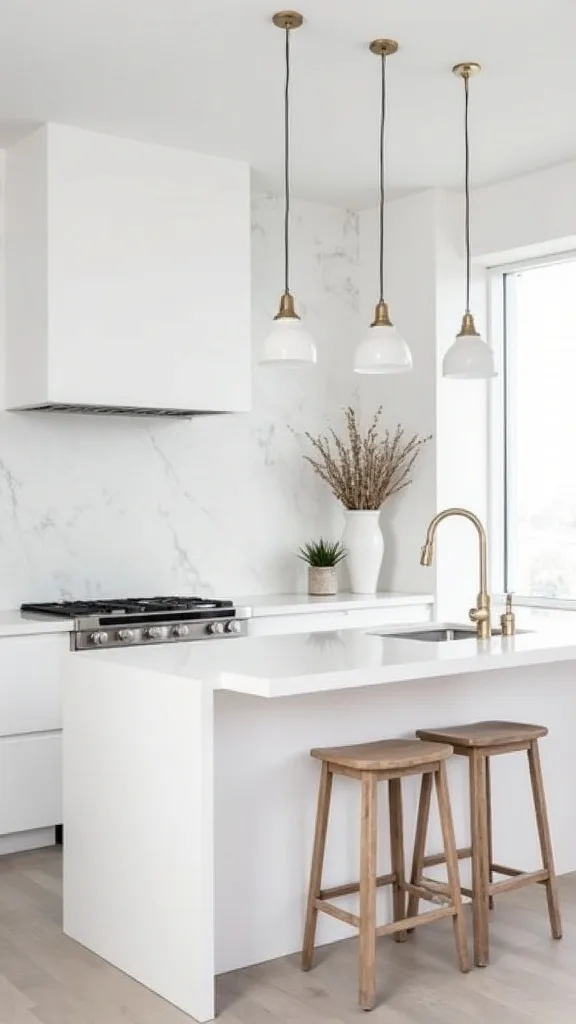
One of my favourite approaches is adding under-cabinet lighting because it makes countertops look polished and helps a white kitchen design feel expensive even if the materials are modest. I find that the gentle glow also makes evening cooking feel calmer.
To implement it, I use slim LED light bars or tape lighting tucked behind a small lip so you don’t see the dots. I always start by lighting the main prep zones—sink, stove, and the section where you chop—then I expand if the budget allows.
For colour, I stick to warm white light (2700K–3000K — the cosy, yellowish tone you see in most homes) so whites stay creamy, not blue. If you’re shopping, look for lighting that’s easy to dim and has consistent colour across strips.
Pro tip: if your backsplash is glossy, angle the lighting slightly forward to reduce glare, and you’ll get that smooth, magazine-style shine.
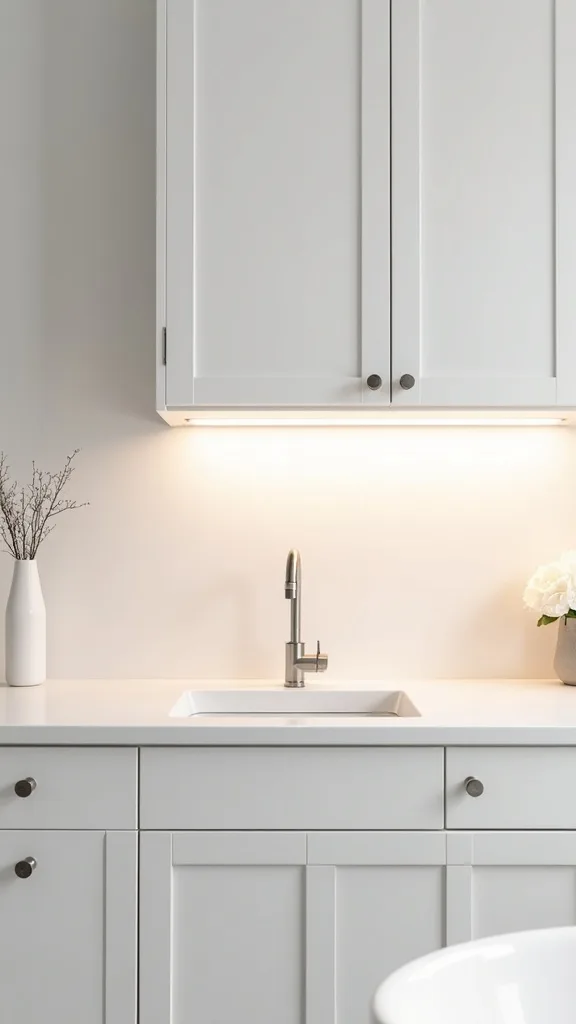
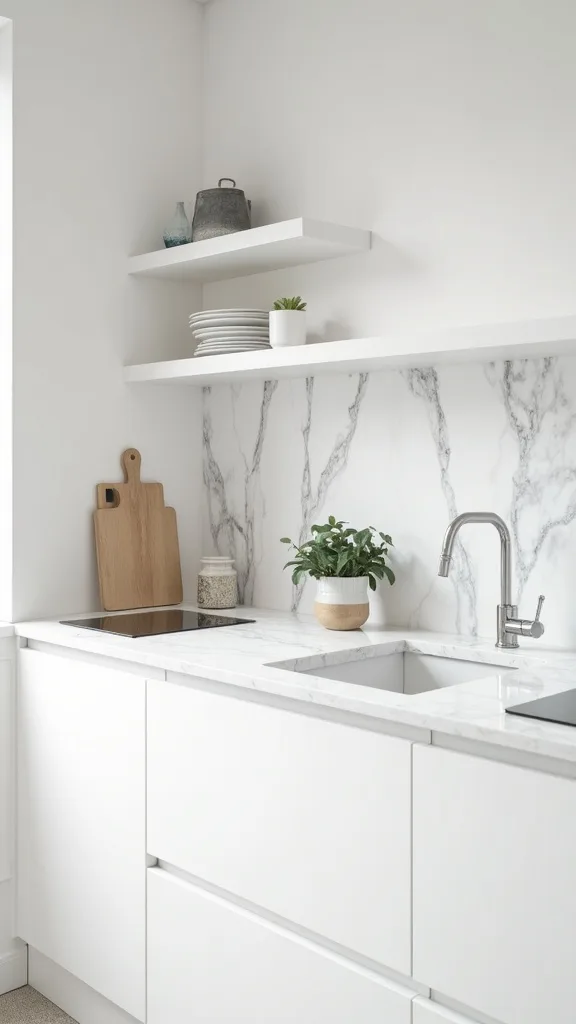
7. Pick a Quartz with Subtle Movement (My Secret to “Not Boring” White)
I love quartz in a white kitchen because it’s practical, but I find that the right pattern is everything. A quartz with gentle veining gives the eye something to follow, which keeps an all white kitchen from feeling like a blank sheet of paper.
To implement it, I bring home large samples and view them next to cabinet paint and flooring. I always start by deciding whether I want warm veining (soft taupe) or cool veining (light grey), then I make sure it complements the undertone of my white paint.
For materials, I look for a satin or honed finish if you want a softer, more natural look, or polished if you love a crisp shine. Pair it with simple backsplash tile so the countertop can be the star.
Pro tip: run the quartz up the wall as a short backsplash behind the range for a seamless upgrade that elevates your white kitchen decor instantly.
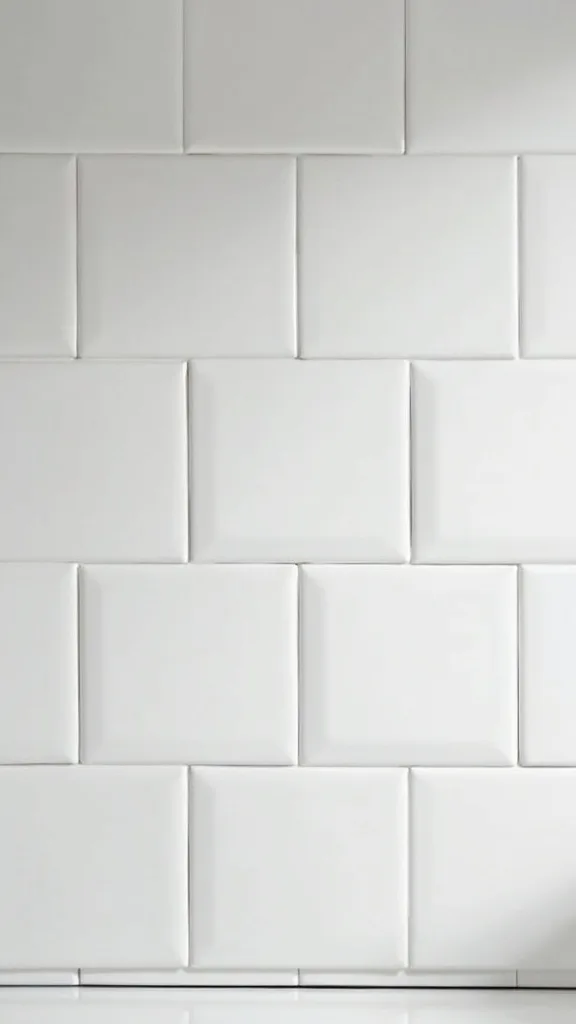
8. Keep the Backsplash Classic, Then Add Texture Elsewhere
In my opinion, a white kitchen backsplash should feel calm and supportive, not overly busy—especially if you want longevity. I find that classic tile choices let me change decor seasonally (hello, summer refresh) without fighting a bold pattern.
To implement it, I choose a simple shape like subway, zellige-inspired ceramic, or slim stacked tile, then I decide on grout that’s slightly warm so it doesn’t look harsh. I always start by sampling grout colours because it changes the whole vibe more than people expect.
Materials to consider: glossy white tile for bounce, matte handmade-look tile for softness, or a subtle off-white to complement warm oak. For grout, I like light greige or warm white for a forgiving finish.
Pro tip: if you want personality, add texture through woven stools, wood boards, and linen—those warm kitchen accents give you charm without locking you into a trend.
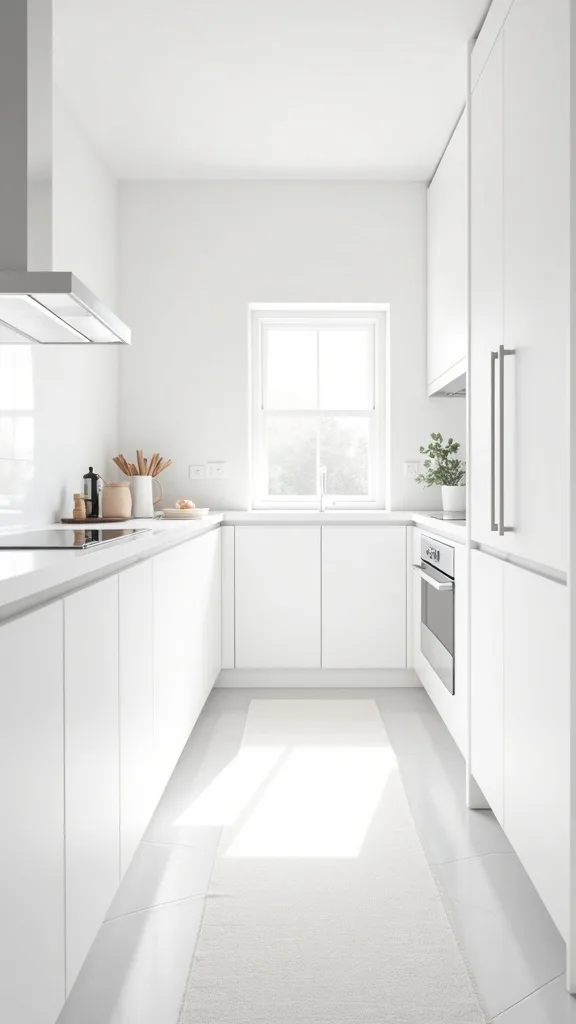
9. Use a Washable Runner to Ground All the White
I always recommend a runner in a white kitchen because it adds comfort underfoot and visually “grounds” all that brightness. From my experience, it’s also one of the easiest ways to introduce pattern without changing permanent finishes.
To implement it, I measure the main walkway (sink to range, or island to pantry) and choose a runner that leaves a few inches of floor visible on each side. I always start by picking a low-pile, washable style so spills don’t become a lifestyle problem.
For colours, I love warm neutrals—sand, oatmeal, faded terracotta, or soft charcoal—because they complement white kitchen decor while adding depth. If your kitchen is already very warm (oak floors, brass), a hint of muted blue can balance it for summer.
Pro tip: choose a pattern with a bit of variation; it hides crumbs and keeps your bright kitchen ideas feeling practical, not precious.
10. Style Open Shelves Like a Capsule Wardrobe
I find that open shelving can look either effortlessly chic or instantly cluttered, and the difference is editing. When I design this look, I treat shelves like a capsule wardrobe: fewer pieces, repeated shapes, and lots of breathing room.
To implement it, I pick 3–4 “families” of items—white dishes, clear glassware, a few wood boards, and one or two cookbooks—then I repeat them across shelves. I always start by placing the largest pieces first, then I fill in with smaller items and leave some empty space.
Materials that work beautifully: white stoneware, ribbed glass, warm wood, and one accent like a small framed print. If you want more contrast, add a single black pepper mill or matte black frame.
Pro tip: keep everyday items within reach and store the rest behind doors—your white kitchen design will feel calm and functional at the same time.
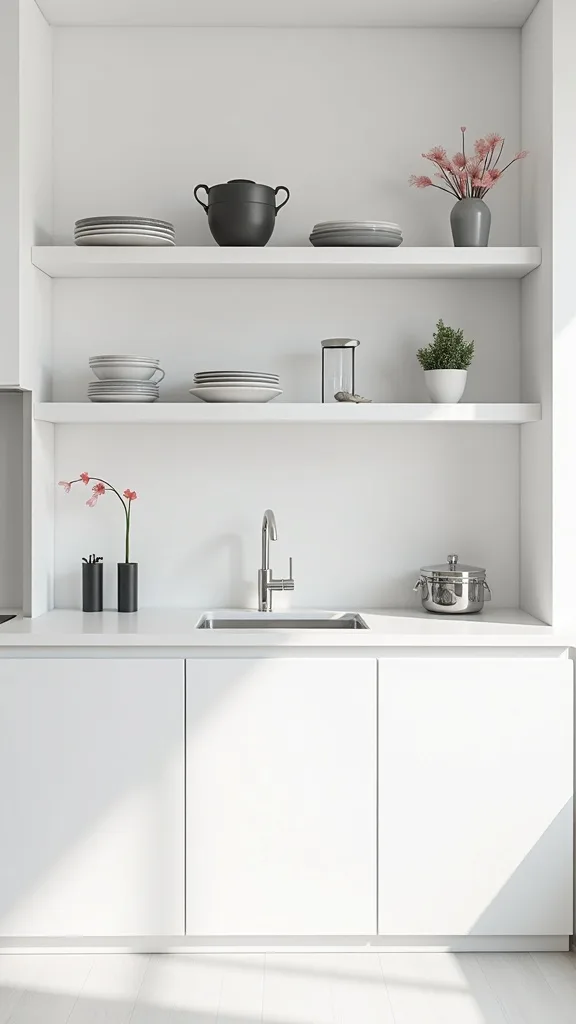
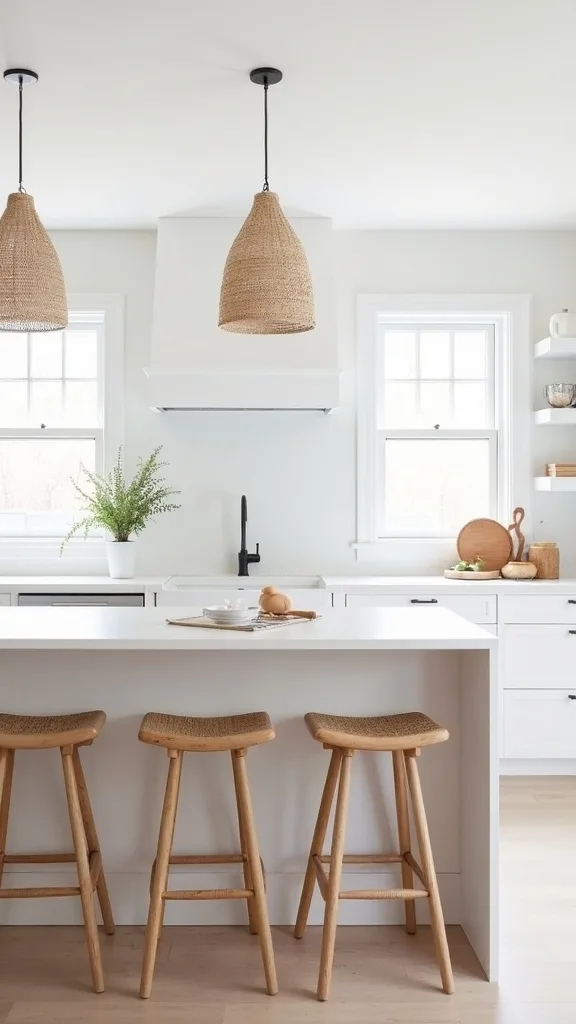
11. Bring in Woven Barstools for Instant Summer Texture
One of my favourite approaches is adding woven barstools because they instantly make a white kitchen feel relaxed and summery. I find that woven texture breaks up hard surfaces (quartz, tile, painted cabinets) in the most natural way.
To implement it, I choose stools with a comfortable footrest and a wipeable frame, then I decide whether I want backs for lingering conversations. I always start by checking seat height against the counter so it feels comfortable, not cramped.
For materials, look for seagrass, rattan, paper cord, or woven leather in warm tones. If you have kids or messy cooks, I lean toward a woven-look synthetic that cleans easily while still reading natural.
Pro tip: repeat that weave somewhere else—like a tray or pendant shade—so your warm kitchen accents feel cohesive and intentionally styled.
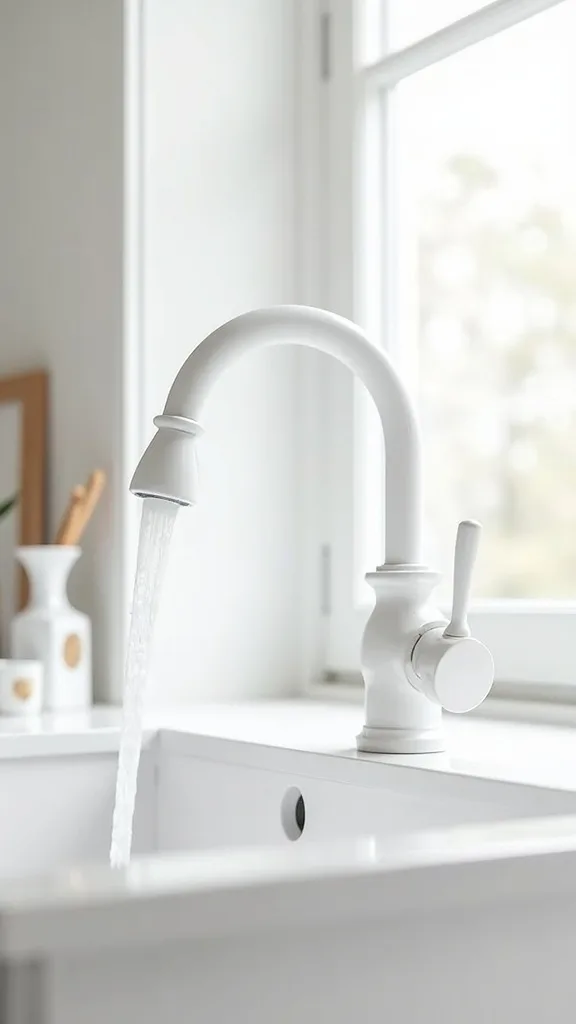
12. Choose a Faucet That Adds Soft Contrast (Without Going Harsh)
I always recommend choosing a faucet that stands out just enough to feel special in a white kitchen. From my experience, soft contrast—like brushed brass or warm brushed nickel—adds definition without the starkness that sometimes comes with matte black.
To implement it, I match the faucet finish to cabinet hardware for consistency, then I pick a shape that fits the vibe: a simple high-arc for transitional, a slightly squared neck for modern, or a classic gooseneck for farmhouse-leaning spaces. I always start by thinking about how I use the sink—pull-down sprayers are a daily quality-of-life win.
Materials and colours: brushed brass with warm oak, polished nickel with cooler whites, or stainless if you want timeless and easy. Pair it with a simple white sink or a stainless undermount for practicality.
Pro tip: add a matching soap dispenser to reduce countertop clutter, and your white kitchen decor will look instantly tidier.
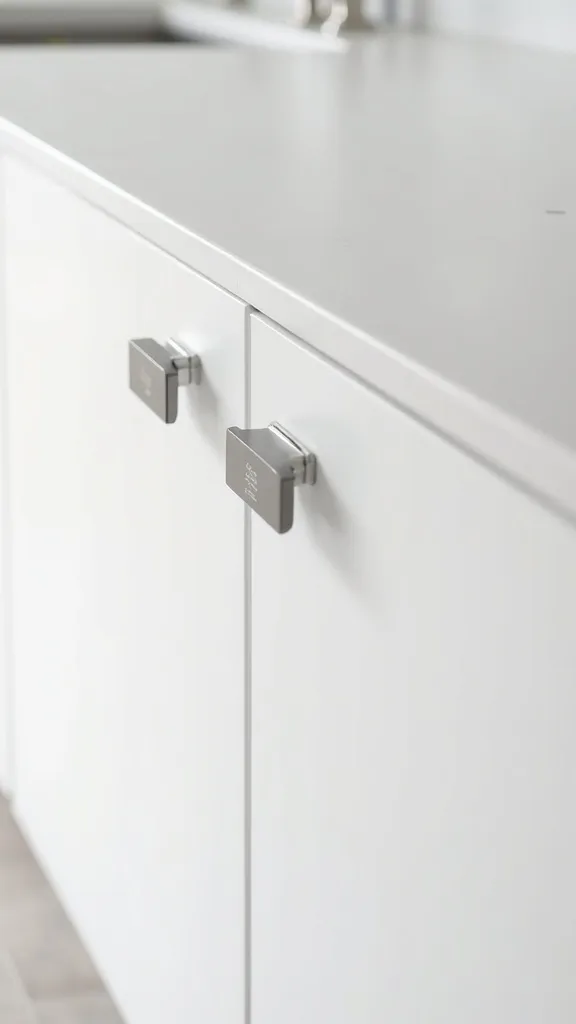
13. Go Handleless-Look with Minimal Pulls for a Modern Feel
When I design a more modern white kitchen design, I like the “handleless-look” approach—sleek, minimal pulls that visually disappear. I find it makes Shaker cabinets feel more contemporary without replacing the doors.
To implement it, I choose slim bar pulls in a finish that blends with the palette (brushed nickel, champagne bronze, or even white pulls if you want ultra-minimal). I always start by standardising pull length on drawers so the lines feel consistent across the room.
For products, look for low-profile pulls with softened edges (they’re kinder on hips and pockets). If you want a true minimalist vibe, consider edge pulls on upper cabinets and standard pulls on lowers for comfort.
Pro tip: keep countertops extra clear when you go modern—minimal hardware plus clutter-free surfaces is what makes bright kitchen ideas feel truly crisp.
14. Add a Warm Oak Range Hood Detail for a Custom Touch
I find that a wood-accent range hood is one of the quickest ways to make an all white kitchen feel custom. It adds height, warmth, and that “someone really designed this” feeling—especially when it echoes an oak island.
To implement it, I either wrap an existing hood in a simple oak trim or choose a wood hood surround if you’re renovating. I always start by matching the oak tone to one other element (island, shelves, or flooring) so the wood doesn’t feel random.
For colours and materials, I love white plaster or painted hood bodies with oak banding, or a fully oak surround with a clear matte finish. Pair it with simple white tile so the hood becomes the focal point.
Pro tip: add a tiny picture light above the hood for a subtle glow—this is one of my favourite upgrades for elevating warm kitchen accents in the evenings.
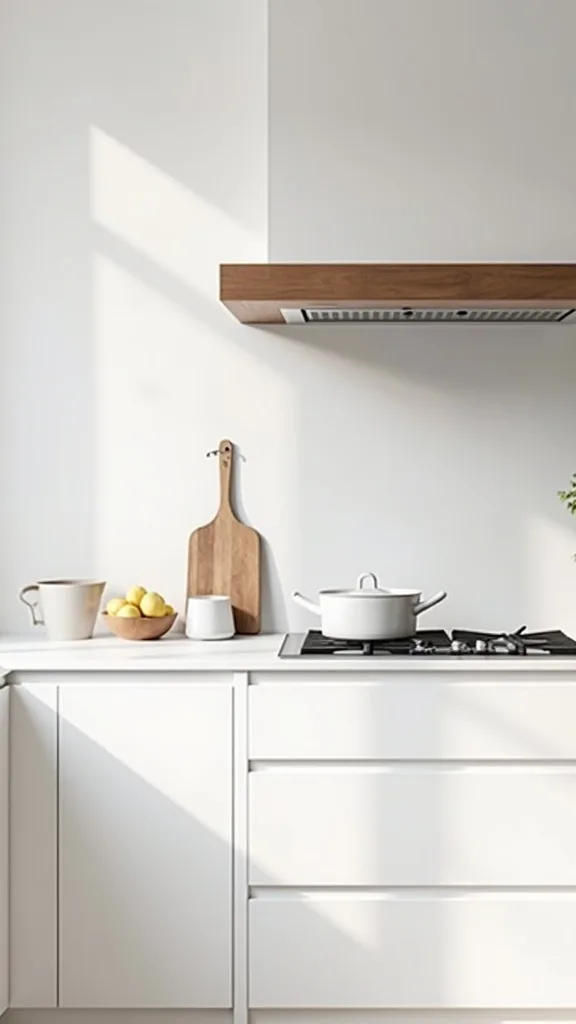
15. Use Glass-Front Uppers to Break Up Solid White
I love glass-front upper cabinets in a white kitchen because they lighten the visual weight and create natural styling moments. From my experience, they also help an all white kitchen feel less “wall of cabinetry” and more airy—perfect for summer.
To implement it, I pick one or two sections (near the sink or on either side of a hood) rather than turning every upper into glass. I always start by deciding what will live inside—if you don’t want to curate dishes, choose reeded or frosted glass for a softer, forgiving look.
Materials to consider: clear glass for a crisp, modern feel; reeded glass for texture; and warm interior cabinet lighting for glow. Keep dishware mostly white with a few wood or clear glass pieces.
Pro tip: store your prettiest everyday items here so it stays practical—your white kitchen decor will look styled without becoming a museum.
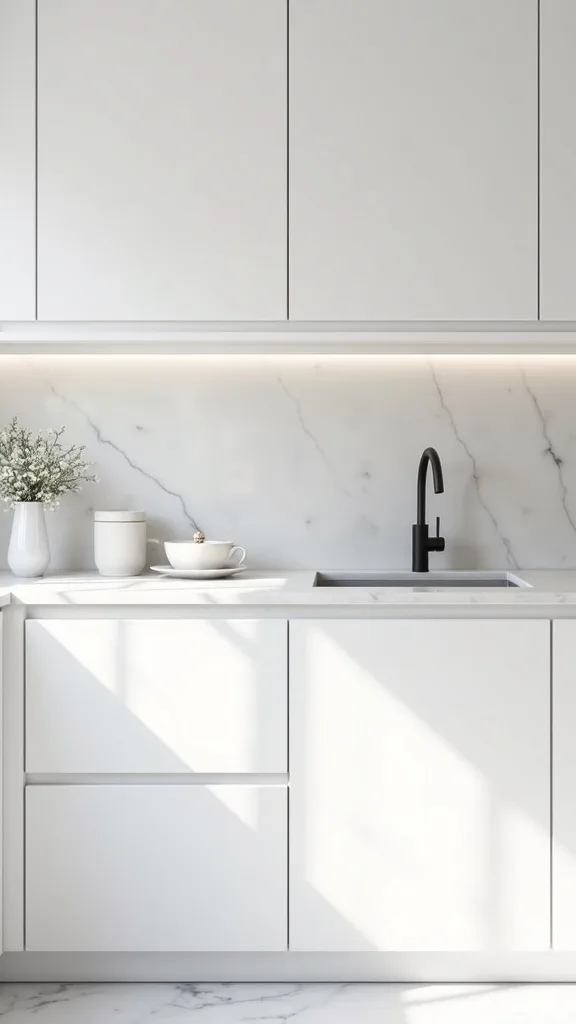
16. Create a Coffee or Beverage Nook to Contain Counter Clutter
I find that white kitchens look their best when counters are calm, and a dedicated beverage nook is my favourite way to make that happen. It keeps mugs, pods, and syrups contained so the main kitchen stays bright and open.
To implement it, I choose one zone—often near the pantry or fridge—and add a tray, a small canister set, and a hook rail for mugs if space is tight. I always start by measuring what you actually use daily, then I design the nook around those items (not the aspirational gadgets).
For materials, I love a wood tray, white canisters, and clear jars with simple labels. Add a tiny lamp or under-shelf light with warm white light (2700K–3000K — the cosy, yellowish tone you see in most homes) for a café vibe.
Pro tip: if you’re doing a summer refresh, add a glass pitcher and citrus—small styling like this makes bright kitchen ideas feel fresh and lived-in.
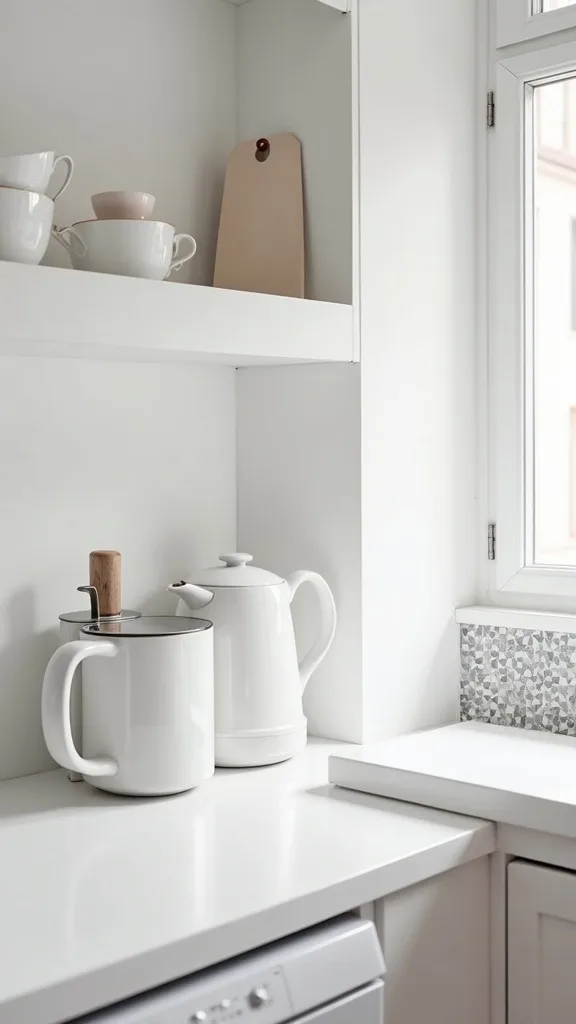
17. Swap Heavy Window Treatments for Breezy Linen Shades
For a summer kitchen refresh, I almost always look at the window first. I find that replacing bulky curtains with a simple linen shade instantly makes a white kitchen design feel lighter, taller, and more current.
To implement it, I choose a washable linen or linen-look Roman shade in an off-white or flax tone. I always start by deciding how much privacy you need—if the window faces a neighbour, I go with a lined shade that still filters light.
Materials and colours: soft white linen for a crisp look, natural flax for warmth, or a subtle stripe if you want gentle pattern. Pair it with warm wood (oak stools, boards) so the palette feels intentional.
Pro tip: keep the shade hardware simple and match it to your faucet or cabinet hardware—this tiny detail makes your white kitchen decor feel cohesive from top to bottom.
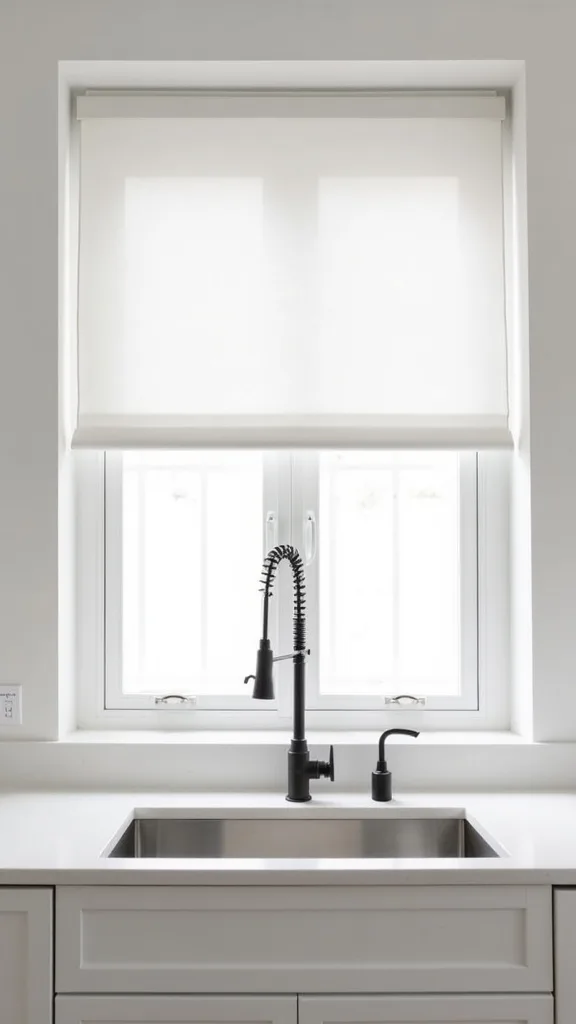
18. Use a Single Bold Accent (Greenery Is My Favourite)
I love a mostly white kitchen, but I find that one bold accent keeps it from feeling too “showroom.” My favourite accent is greenery because it adds life, colour, and softness without competing with the clean palette.
To implement it, I pick one location—like the sink corner, island centre, or open shelf—and commit to a single plant moment. I always start by choosing something that fits your routine: herbs if you cook, a pothos if you forget to water, or eucalyptus stems for a low-effort summer vibe.
For containers, I like a simple white ceramic pot, a clear glass vase, or a warm terracotta that ties into warm kitchen accents. Keep the rest of the decor neutral so the green reads intentional.
Pro tip: if you want a bigger impact, repeat the green once more (dish towel stripe or a bowl of limes) and your bright kitchen ideas will feel styled, not staged.
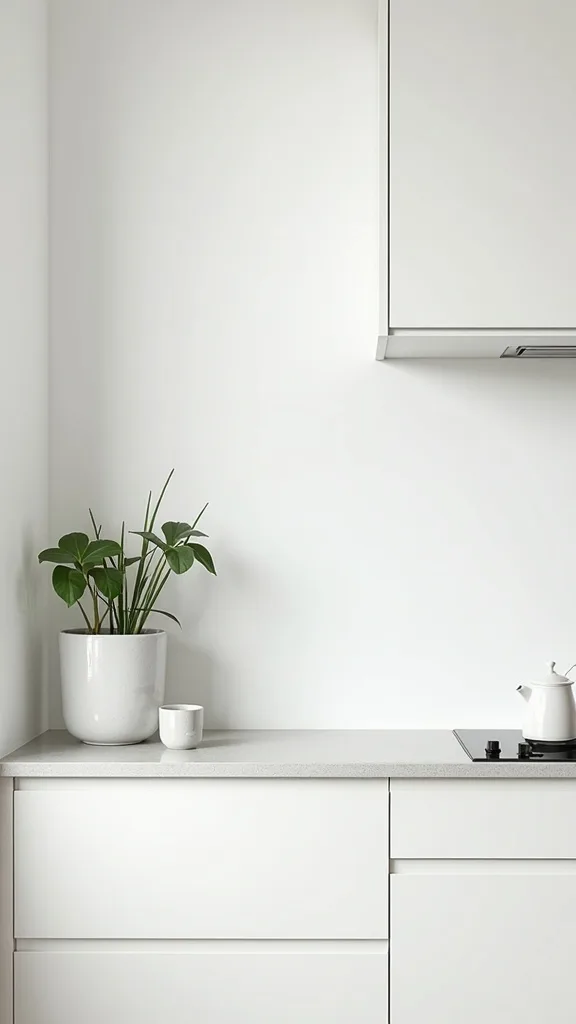
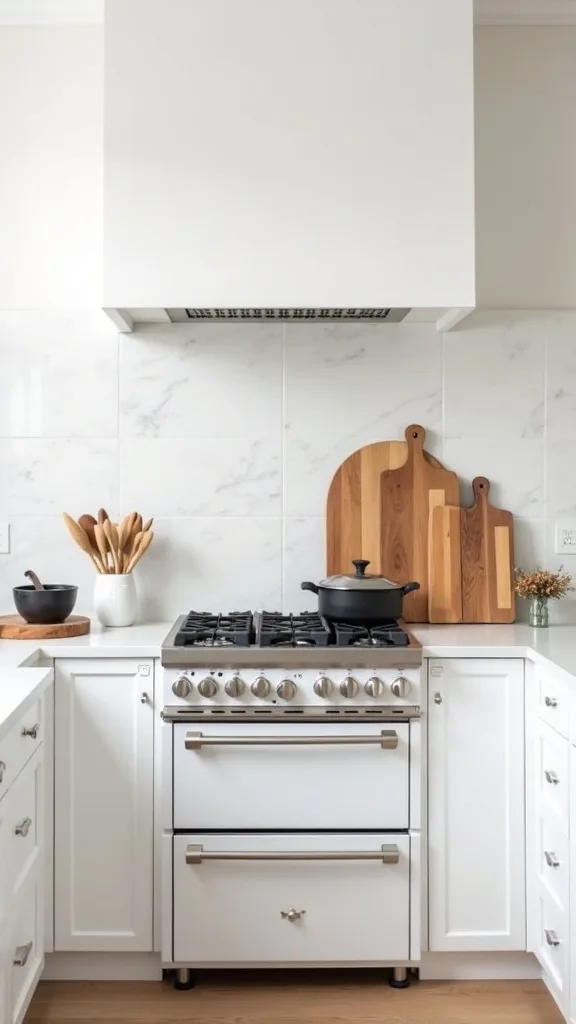
19. Add a Warm Wood Cutting Board “Gallery” Behind the Range
One of my favourite approaches is styling with cutting boards because they’re both useful and beautiful in a white kitchen. I find that a small “gallery” of boards adds instant warmth and makes the space feel lived-in—without adding clutter.
To implement it, I choose 3–5 boards in different shapes (round, paddle, rectangular) and lean them against the backsplash near the range or in a corner. I always start by varying heights so the arrangement looks intentional, then I tuck a small crock of utensils beside them.
Materials: olive wood, acacia, maple, or oak tones all work, especially if you already have a warm oak island. Keep the rest of the counter simple—maybe just a white utensil crock and a small oil bottle.
Pro tip: wipe boards with food-safe mineral oil occasionally; the richer tone will deepen your warm kitchen accents and make your white kitchen design feel even more inviting.
20. Use Black Sparingly for Definition (Frames, Not Fixtures)
I find that a touch of black can sharpen a white kitchen, but too much can feel harsh—especially in summer when you want an airy mood. When I design this look, I use black like eyeliner: a little definition in the right places.
To implement it, I add black in small, removable ways—like a thin-framed print, a black bowl, or a pepper mill—rather than committing to black faucets and lights everywhere. I always start by placing black near eye level so it feels intentional and balanced.
Materials to consider: matte black frames, a black metal fruit basket, or black cabinet latches if you want a farmhouse nod. Pair black with warm woods and creamy whites so it reads sophisticated, not stark.
Pro tip: keep black accents to three “moments” around the room; that simple rule keeps your white kitchen decor cohesive and your bright kitchen ideas feeling light.
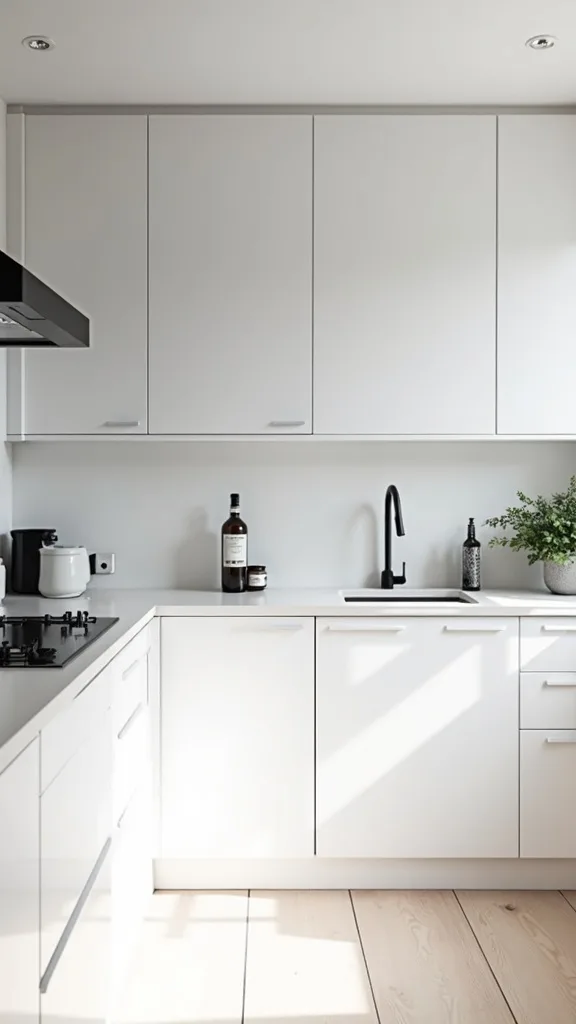
21. Try a Two-Tone Twist: White Perimeter + Oak Island
I love the two-tone approach because it gives you the brightness of white while letting wood carry the warmth. From my experience, white perimeter cabinets plus an oak island is one of the most reliable ways to make a white kitchen design feel welcoming and current.
To implement it, I keep the perimeter cabinets a soft white, then I choose an oak finish that complements the flooring (not necessarily matching exactly). I always start by deciding whether the oak should be light and Scandinavian or deeper and more traditional, then I repeat that tone in a couple of accessories.
Materials and colours: creamy whites, light oak, quartz with subtle veining, and woven textures. Add brass or warm nickel hardware to bridge the white and wood.
Pro tip: if you’re nervous about wood cabinets, start with just the island—this one change delivers warm kitchen accents without overwhelming your all-white vision.
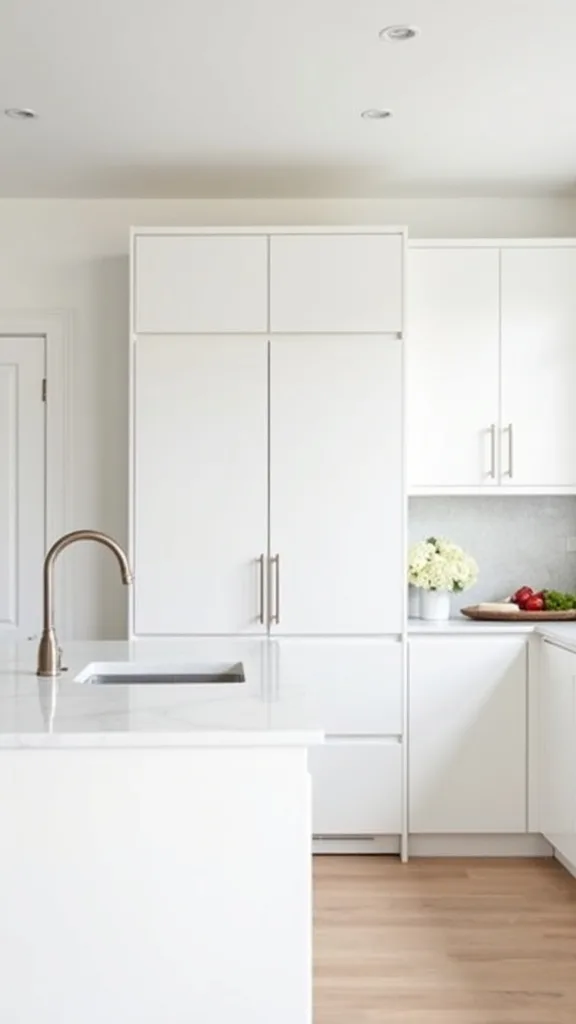
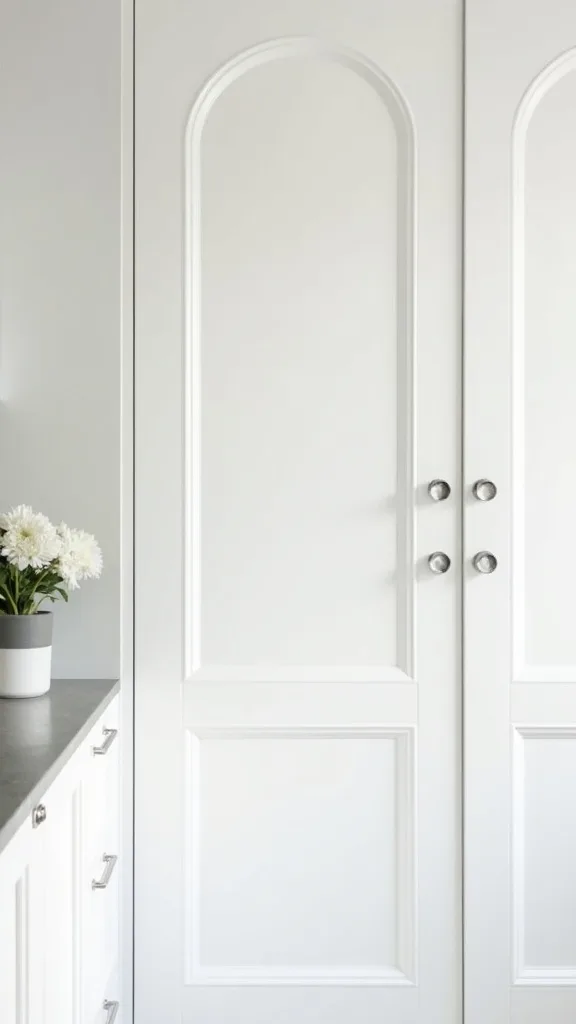
22. Make the Pantry Door a Moment (Paint, Glass, or Arch Detail)
I find that small architectural details matter more in white kitchens because everything else is so clean and consistent. Giving the pantry door a little personality adds charm without cluttering counters—exactly what I want for a summer refresh.
To implement it, I choose one upgrade: paint the door a soft warm neutral, add a glass panel, or apply an arch trim detail with moulding. I always start by matching the style to the rest of the kitchen—simple lines for modern, a gentle arch for cottage-leaning spaces.
For colours, I like warm greige, muted sage, or even a slightly deeper creamy white for subtle contrast. Pair with a vintage-style knob or a warm brass lever to tie into your hardware.
Pro tip: add a small label or plaque only if it’s functional—your white kitchen decor will feel elevated when details have a purpose.
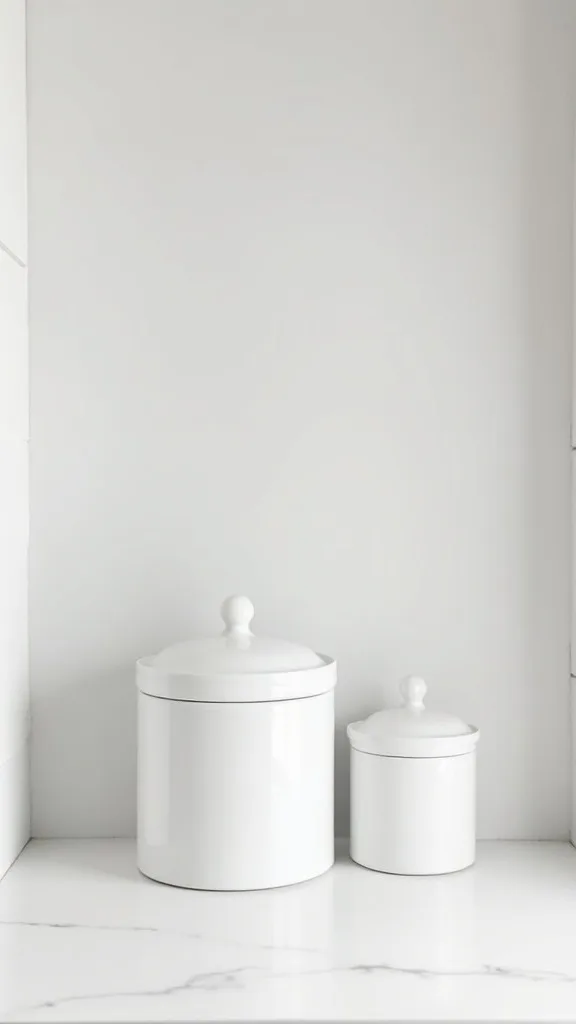
23. Use Matching Canisters to Make Everyday Storage Look Intentional
I always recommend canisters in a white kitchen because they turn necessary clutter (coffee, flour, snacks) into decor. I find that matching containers are one of the easiest ways to make countertops look calm—without hiding everything away.
To implement it, I pick one set in a single finish and line them up near the prep area. I always start by choosing what truly belongs on the counter—usually just the daily staples—then I store the rest in the pantry so the kitchen stays airy.
Materials to consider: white ceramic canisters with wood lids, clear glass jars with simple labels, or matte white metal for a slightly modern feel. Wood lids are my favourite because they add warm kitchen accents without introducing a new colour.
Pro tip: keep labels minimal and consistent; that small detail makes your white kitchen design feel organised in a way that’s actually sustainable.
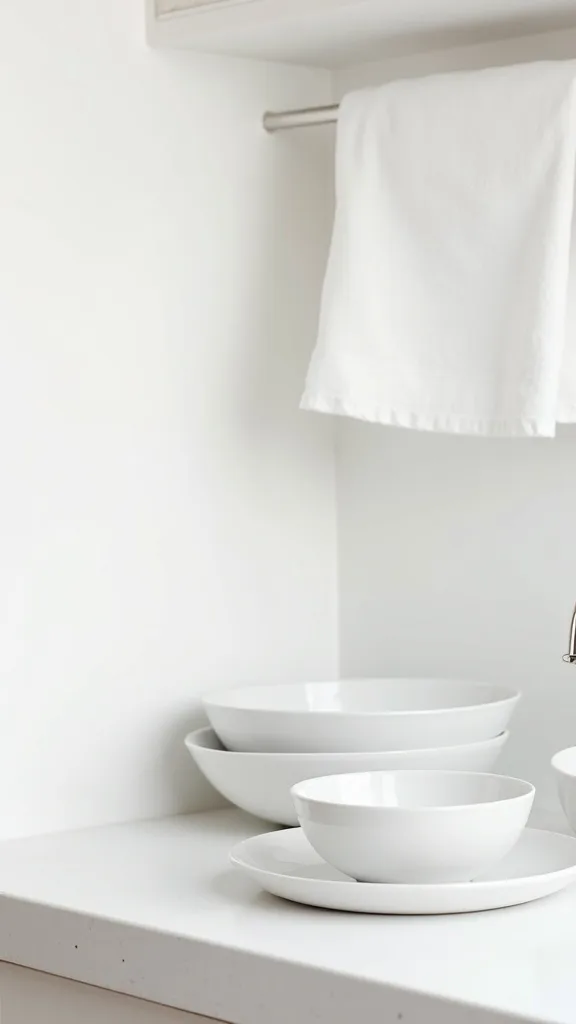
24. Refresh with Summer Whites: Towels, Fruit Bowls, and a Simple Centerpiece
For a Summer Kitchen Refresh, I like updates that feel immediate—no contractor required. I find that swapping textiles and adding a simple centerpiece gives an all white kitchen a seasonal lift in under an hour.
To implement it, I rotate in crisp white or striped towels, add a bowl of lemons or peaches on the island, and place a small vase of grocery-store flowers by the sink. I always start by clearing surfaces first; the styling only works when there’s space around it.
For colours and materials, I love white linen towels, a warm wood or marble fruit bowl, and clear glass vases. If you want a little more contrast, add a pale blue napkin stack—still bright, still calm.
Pro tip: keep the centerpiece low so it doesn’t block sightlines; your bright kitchen ideas will feel open, inviting, and ready for easy summer hosting.
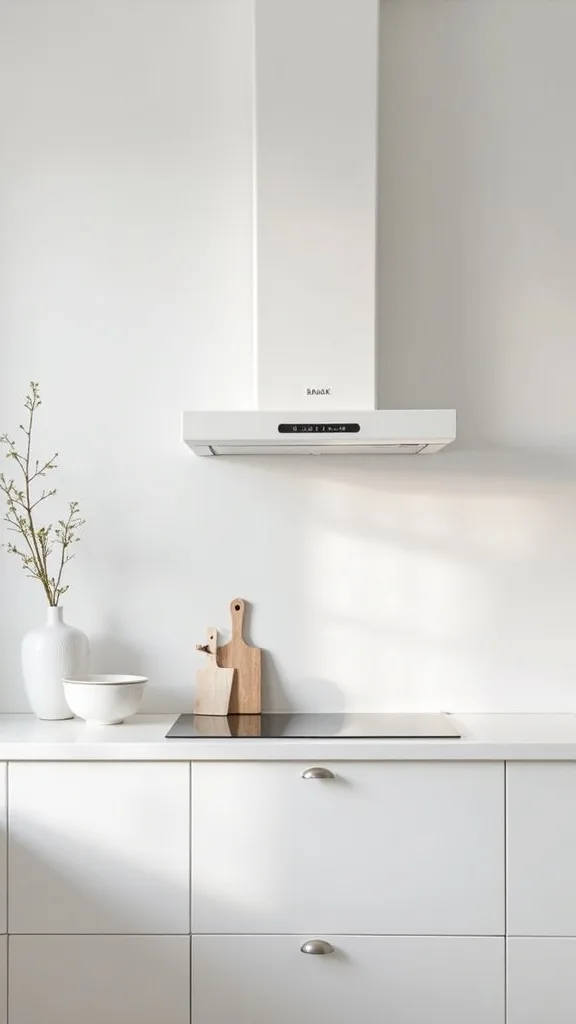
25. Finish with a “Three-Zone” Styling Rule for Effortless White Kitchen Decor
I find that the secret to maintaining a white kitchen is having a simple styling system you can reset in minutes. My go-to is a “three-zone” rule: one styled moment at the sink, one at the stove, and one on the island—then I let everything else stay clear.
To implement it, I choose a small tray by the sink (soap, brush, hand lotion), a functional moment by the stove (oil, salt, utensil crock), and a seasonal piece on the island (fruit bowl or flowers). I always start by limiting each zone to 3–5 items so it never tips into clutter.
Materials that work beautifully: a wood tray for warmth, white ceramic containers for cohesion, and one glass piece for sparkle. This is where white kitchen decor really shines—simple, practical, and easy to refresh.
Pro tip: do a 60-second nightly reset of these three zones; your white kitchen design will feel consistently calm, no matter how busy life gets.
Final Thoughts
I come back to white kitchens again and again because they’re flexible: I can lean modern, farmhouse, Scandinavian, or transitional just by changing lighting, hardware, and a few warm textures. If you take anything from my approach, it’s this—I always start with a clean white foundation, then I layer in warm kitchen accents so the space feels welcoming instead of stark.
For your summer refresh, I’d pick just three upgrades to begin: one lighting improvement, one texture addition (woven stools or a runner), and one countertop styling zone you can keep tidy. Those small moves give you the “new kitchen” feeling without the overwhelm.
If you try any of these ideas, I’d love for you to focus on what makes your everyday routine easier—because the most successful white kitchen design is the one that looks bright, feels calm, and supports the way you actually live.
Products I Recommend for This Project
Here are some of my favourite products to help you bring these ideas to life:
- Weber 12-Inch Bar Cabinet Pulls (Matte Black) — I use long pulls like these to modernise Shaker cabinets and create clean lines fast.
- Franklin Brass Classic Architecture Cabinet Knobs (Champagne Bronze) — I like these for adding warm metal contrast that keeps an all-white palette feeling inviting.
- Philips LED Dimmable A19 Light Bulbs, Soft White — I always recommend warm white light for evenings so white surfaces look cosy instead of harsh.
- nuLOOM Rigo Hand Woven Farmhouse Jute Runner Rug — I reach for a textured runner like this to ground bright kitchens and add instant warmth underfoot.
- OXO Good Grips 3-Piece POP Container Set — I use matching containers to tidy counters and make everyday storage look intentional.