
This post contains affiliate links. As an Amazon Associate, I earn from qualifying purchases at no extra cost to you.
Are you looking for smart bedroom ideas that actually make your room feel more restful (not more complicated)? Do you want to wake up to gentle light, a cooler space, and a bedroom that practically runs itself during summer?
I always start by thinking about what I want my bedroom to do for me: help me fall asleep faster, stay comfortable through warm nights, and wake up without that jolting alarm feeling. In this guide, I’m sharing my favourite ways to blend decor and automation—especially smart lighting bedroom scenes, automated blinds, and simple routines that feel like a luxury hotel.
From my experience, this is perfect for anyone building a smart home bedroom step-by-step—renters included—who wants calm vibes first and gadgets second.
I’ll walk you through voice-activated lighting scenes for evenings, motorized blackout options for bright summer mornings, and smart alarm integration that syncs light and sound so your body wakes up naturally. I find that the best results come from a few thoughtful upgrades that you’ll use every single day, not a pile of random devices.
When I design this look, I focus on comfort, privacy, and that “ahh” feeling the moment you step into the room. Below are 25 Smart Bedroom Technology & Automation that…
1. The “Good Night / Good Morning” Trio: Voice Lights + Motorized Blackout + Smart Alarm
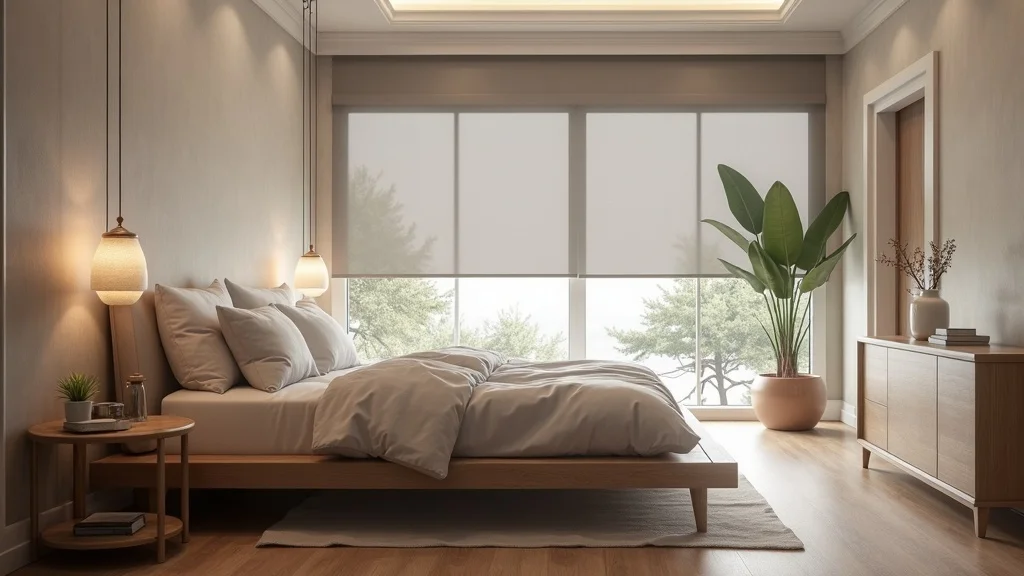
When I design this look, I treat it as the signature move: voice-activated lighting scenes, motorized blackout blinds, and smart alarm integration working together so my bedroom feels effortless. It works because it removes tiny decisions at the bookends of the day—when I’m most tired and least patient.
I always start by creating two routines: “Good Night” dims lights to warm white light (2700K–3000K — the cosy, yellowish tone you see in most homes), closes the blinds, and lowers volume on any speakers. “Good Morning” gradually brightens the lamps, opens the blinds, and starts a gentle alarm sound. If I’m setting this up for summer, I time the blinds to stay closed during the hottest hours to keep the room cooler.
For a cohesive look, I choose matching lamp shades (linen is my go-to), a neutral blind fabric, and a bedside clock that doesn’t scream “gadget.”
My pro tip: add a 10-minute “snooze scene” that keeps light low but turns on a soft pathway glow—small upgrades like this make a tech bedroom setup feel truly personal.
2. Layered Smart Lighting Scenes That Still Feel Cozy
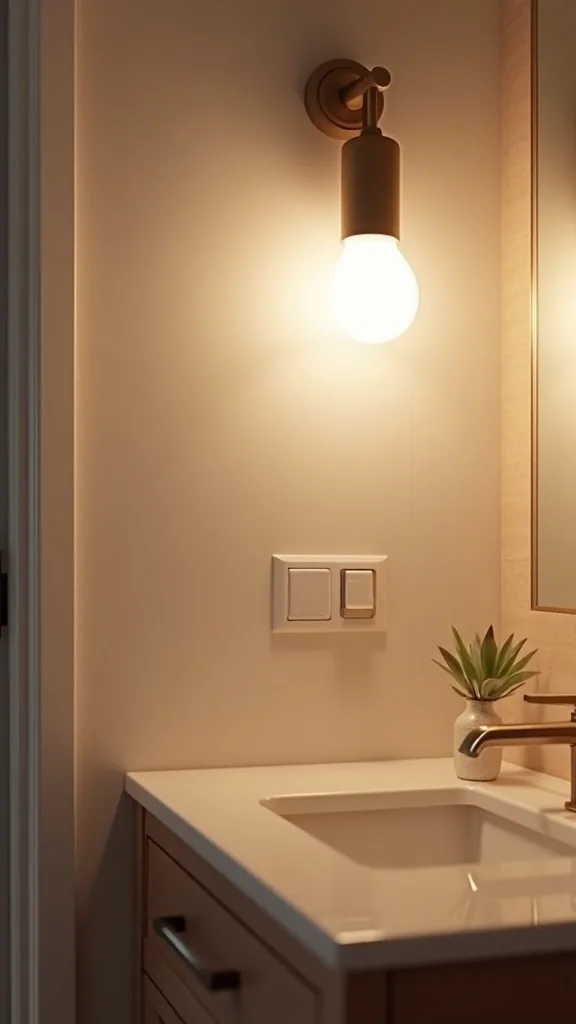
I find that most people try one bright overhead bulb and wonder why their smart lighting bedroom feels harsh. Layered scenes work because they mimic how boutique hotels light a room—soft, flattering, and adjustable for every mood.
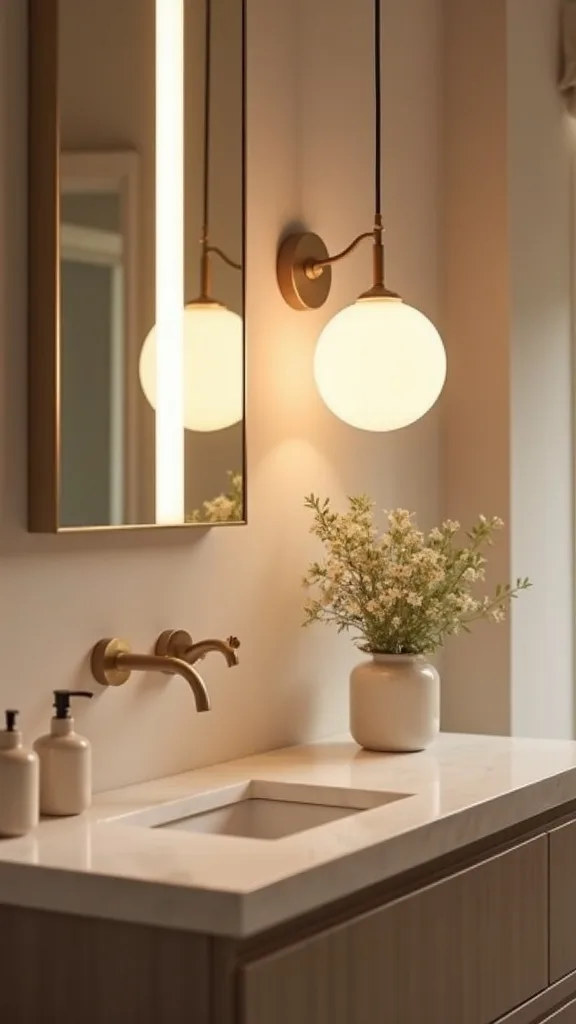
I always start by setting three layers: bedside lamps, a dimmable overhead, and a subtle accent (like an LED strip behind the headboard). Then I create scenes: “Wind Down” at low brightness (measured in lumens), “Get Ready” brighter but still warm, and “Movie” with the overhead off and lamps at a glow. Voice control makes it feel magical, but I also set one-tap buttons on my nightstand for nights I don’t want to talk.
In my opinion, warm neutrals—cream shades, light oak, matte black hardware—make smart bulbs disappear into the decor instead of stealing attention.
Pro tip: set a nightly fade-out so lights dim over 20 minutes; it’s one of my favourite approaches for making smart bedroom ideas feel calming, not flashy.
3. Motorized Blackout Blinds for Brighter Summer Mornings
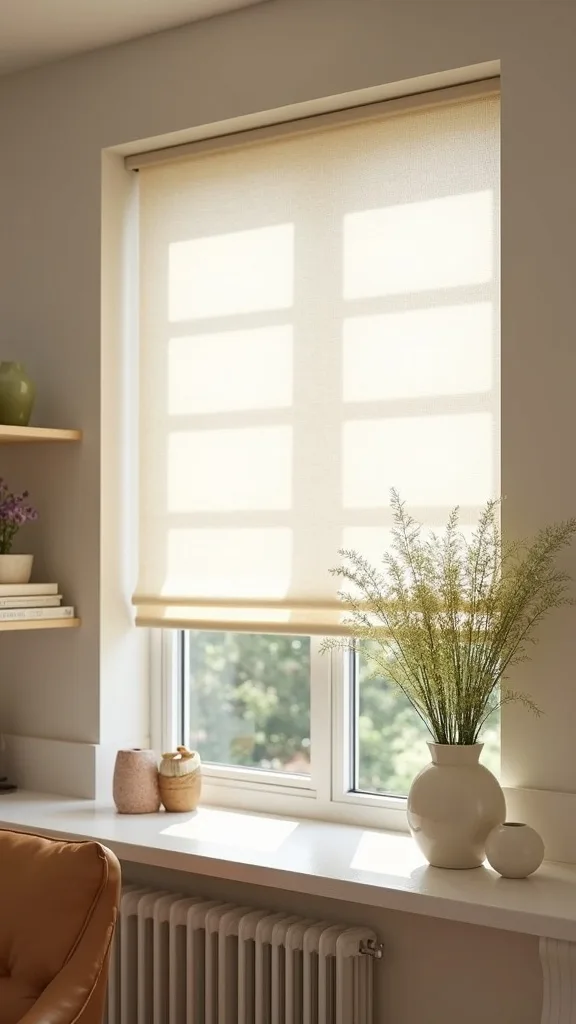
From my experience, nothing improves sleep like true darkness—especially when summer sun shows up early. Automated blinds work because they protect your sleep window and keep heat from building up in the room.
I always start by deciding what you need most: blackout for sleep, light-filtering for privacy, or a layered combo (sheer + blackout). Then I place the motorized shade as close to the window frame as possible to reduce light gaps. I program a schedule that closes the blinds during the hottest afternoon hours and opens them slowly in the morning so I wake up naturally.
For a polished look, I choose a blackout fabric in soft white, oatmeal, or warm gray and pair it with curtain panels for that designer fullness.
My pro tip: if you’re sensitive to light, add side channels or a wrap-around curtain rod—this simple upgrade makes your smart home bedroom feel like a sleep sanctuary.
4. A Smart Bedside Button for One-Tap Control
I love voice control, but I find that a physical button is what makes automation feel truly effortless at night. It works because you can control your whole setup without unlocking a phone or saying a word.
I always start by assigning three actions: single press for “Good Night” (lights low, blinds closed), double press for “Reading” (lamp on, overhead off), and long press for “Panic Off” (everything off). I place the button where my hand naturally lands—on the nightstand or even stuck to the bed frame with removable tape.
To keep it decor-friendly, I choose a button in matte white or black and pair it with a tray that hides visual clutter like chargers and remotes.
Pro tip: add a tiny nightlight scene tied to the button after midnight; it’s one of my favourite approaches for safer late-night trips without blasting your eyes with bright light (measured in lumens).
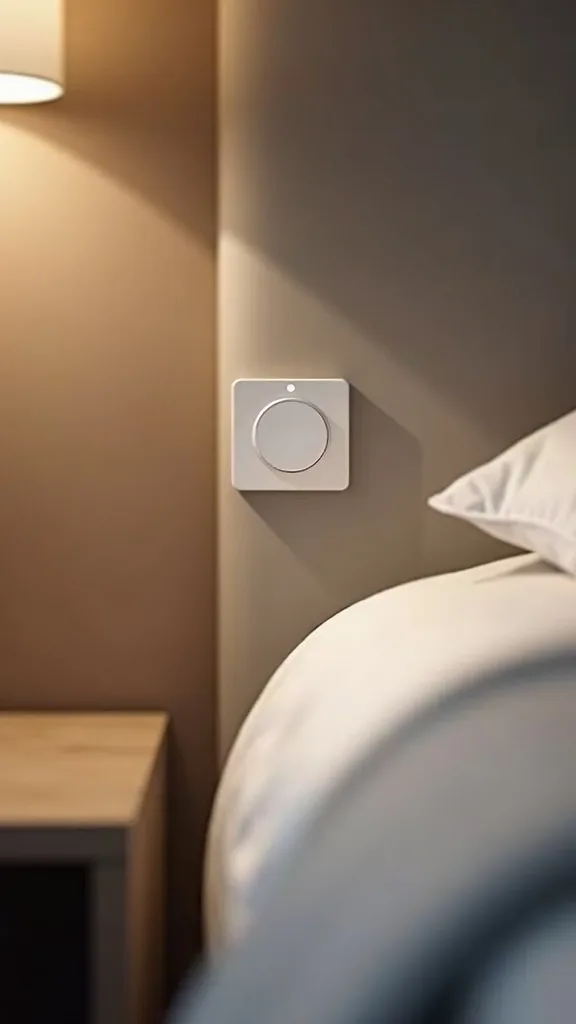
5. Smart Plugs to Upgrade “Dumb” Lamps and Fans
If you want budget-friendly smart bedroom ideas, I always recommend starting with smart plugs. They work because they instantly automate the things you already own—lamps, fans, even a cozy wax warmer—without changing your decor style.
I always start by plugging in bedside lamps and setting a schedule: on at sunset, off at your usual bedtime. For summer, I add a second plug for a fan and run it for the first hour of sleep, then shut it off automatically so I don’t wake up chilly at 3 a.m. Voice control is a bonus, but the real magic is the routine that happens quietly in the background.
I find that warm-toned bulbs plus linen shades create the prettiest glow, especially in warm white light (2700K–3000K — the cosy, yellowish tone you see in most homes).
Pro tip: label your plugs in the app with real names like “Left Lamp” and “Summer Fan” so your tech bedroom setup stays simple and stress-free.
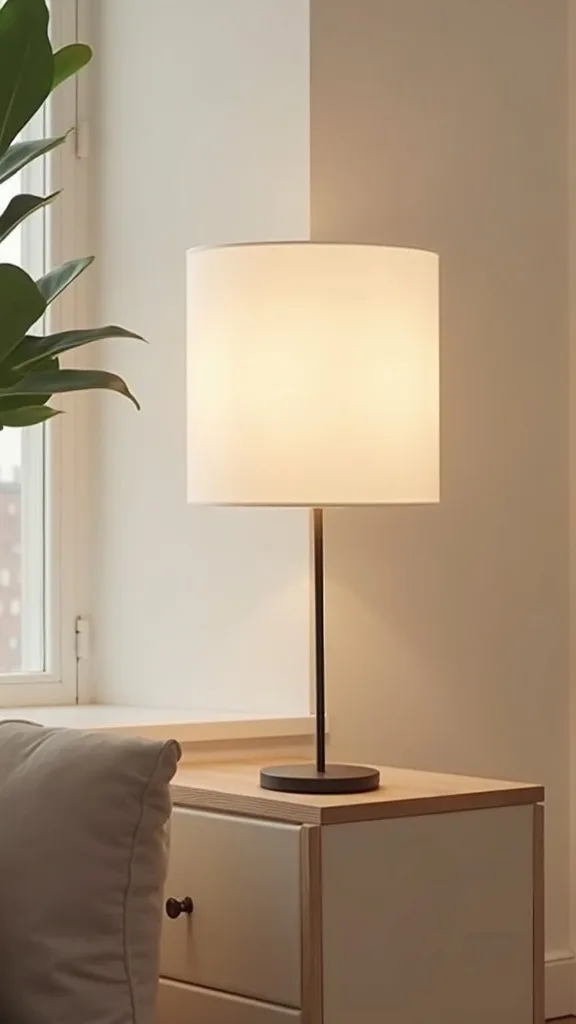
6. Sunset-Matching Light Schedules for Summer Calm
One of my favourite approaches is letting my lights follow the season so my bedroom feels in sync with real life. It works because summer evenings stretch longer, and harsh light late at night can keep your brain “on.”
I always start by setting a “sunset” trigger that turns lamps on gradually, then I schedule a dim-down an hour before bed. If your system allows it, I shift color temperature toward warm white light (2700K–3000K — the cosy, yellowish tone you see in most homes) as the night goes on. I also reduce brightness (measured in lumens) after 9 p.m. so the room feels softer without me thinking about it.
For the decor side, I like amber glass lamps, natural wood nightstands, and creamy bedding—these materials make warm lighting look intentional and elevated.
Pro tip: pair the schedule with automated blinds closing at dusk for privacy; that little ritual makes your smart home bedroom feel like a retreat.
7. A Wake-Up Light Routine That Replaces the Harsh Alarm
I find that waking up to light feels kinder than waking up to noise, especially when I’m trying to keep summer mornings peaceful. This works because gradual brightness cues your body to wake up without the jolt.
I always start by setting a routine that begins 20–30 minutes before my alarm: bedside lamps slowly brighten from a low glow to a comfortable level. Then the alarm sound starts quietly and increases only if I don’t get up. If you have automated blinds, I time them to open a crack after the lights begin so the room brightens naturally.
In my opinion, frosted bulbs or shaded lamps look best because the light feels diffused, not spotlight-y. Aim for warm white light (2700K–3000K — the cosy, yellowish tone you see in most homes) for comfort.
Pro tip: add a “weekend” version that starts later; flexible routines are what make smart bedroom ideas feel like self-care instead of a rigid system.
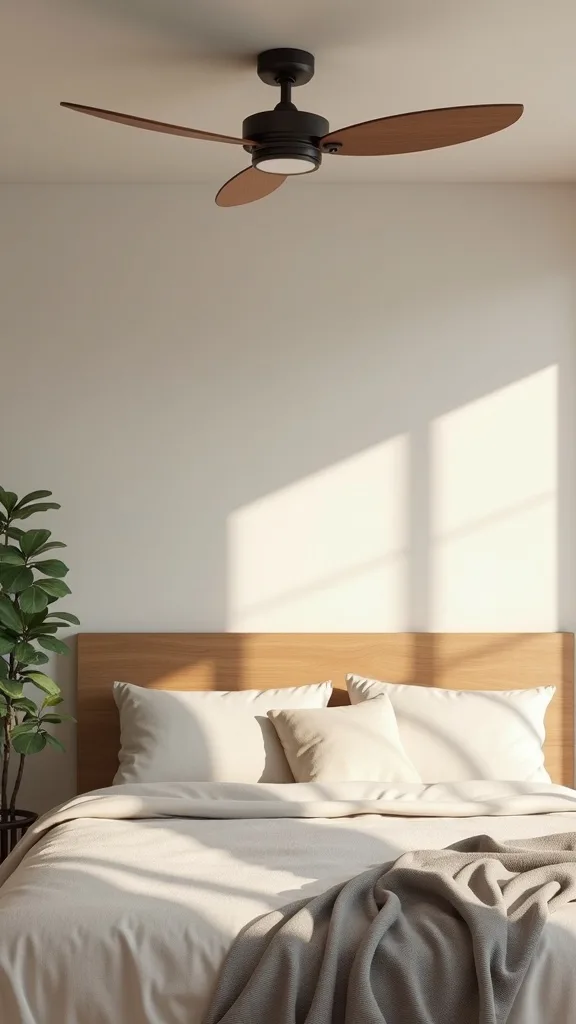
8. Smart Ceiling Fan Control for Cooler Summer Sleep
From my experience, bedrooms get stuffy fast in summer, and a fan that runs at the right times is a game-changer. Smart fan control works because it keeps airflow steady without you waking up to adjust settings.
I always start by choosing one control method: a smart wall switch, a smart remote hub, or a plug-in controller (depending on your fan). Then I set an automation: fan on at bedtime, slightly lower speed after you fall asleep, and off in the early morning. If you use a thermostat, I sync it so the fan supports cooling rather than fighting it.
I find that matte white or brushed nickel fan finishes blend best with most decor, and a simple drum light kit keeps the look modern.
Pro tip: pair the fan routine with a “lights out” scene so the whole room shifts into sleep mode at once—this is how I make a tech bedroom setup feel seamless and soothing.
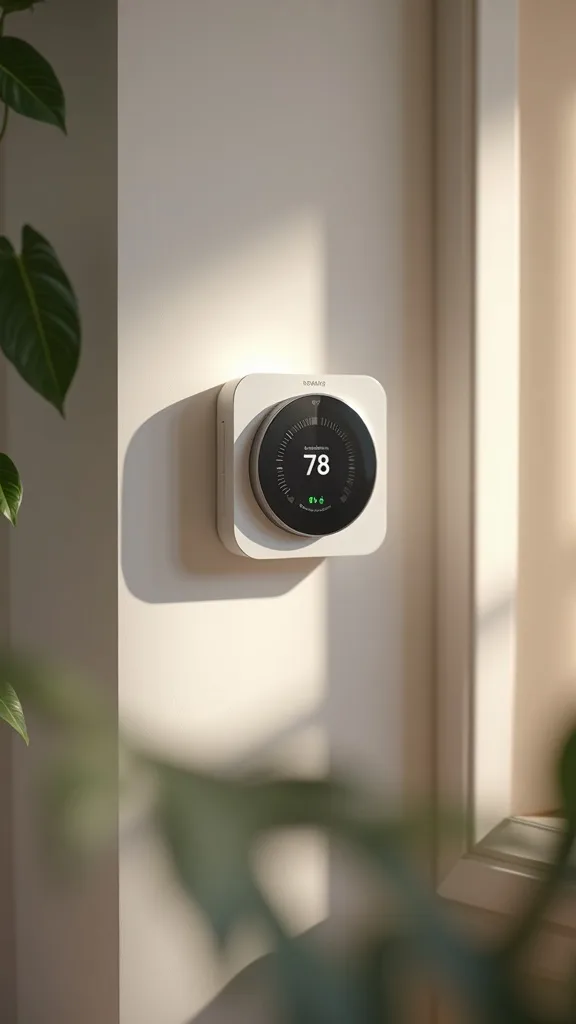
9. A Smart Thermostat Routine That Prioritizes Sleep
I always recommend temperature automation because it’s the invisible comfort upgrade you feel all night long. It works by keeping your bedroom from overheating at bedtime and then easing back so you don’t wake up freezing.
I always start by setting a “sleep” schedule that cools the house slightly before bed and holds steady through the first half of the night. For summer, I add a “pre-cool” window in late afternoon so the bedroom isn’t fighting stored heat. If you have a separate sensor, I place it in the bedroom—not the hallway—so the system responds to where you actually sleep.
To keep the room feeling cozy, I balance cool air with soft textiles: breathable cotton sheets, a lightweight quilt, and blackout curtains in a warm neutral.
Pro tip: combine your thermostat with smart lighting bedroom dimming at night; that one-two comfort combo is a cornerstone of my favourite smart home bedroom routines.
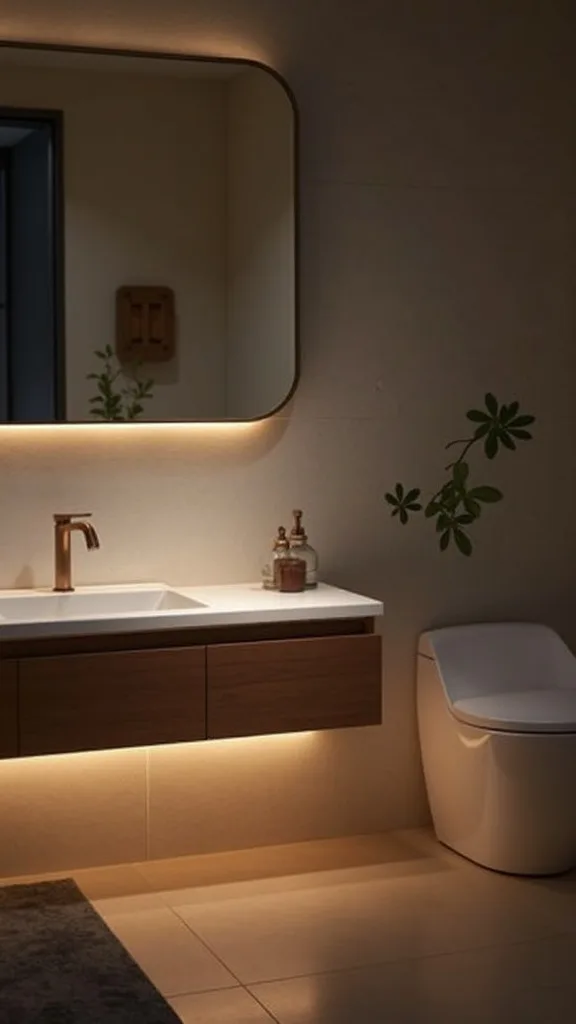
10. Under-Bed Motion Lighting for Nighttime Pathways
I find that under-bed lighting is one of the most practical upgrades that still feels a little luxurious. It works because it gives you just enough glow to walk safely without turning on bright overhead lights.
I always start by placing an LED strip along the inner edge of the bed frame so you can’t see the dots—only the soft wash of light. Then I connect it to a motion sensor and set it to trigger only during nighttime hours. I keep brightness (measured in lumens) low and choose warm white light (2700K–3000K — the cosy, yellowish tone you see in most homes) so it doesn’t feel clinical.
For a clean look, I hide cords with adhesive cable channels and match the strip color temperature to my bedside lamps.
Pro tip: add a second sensor near the bathroom door; this small upgrade makes your smart bedroom ideas feel thoughtful, safe, and beautifully lived-in.
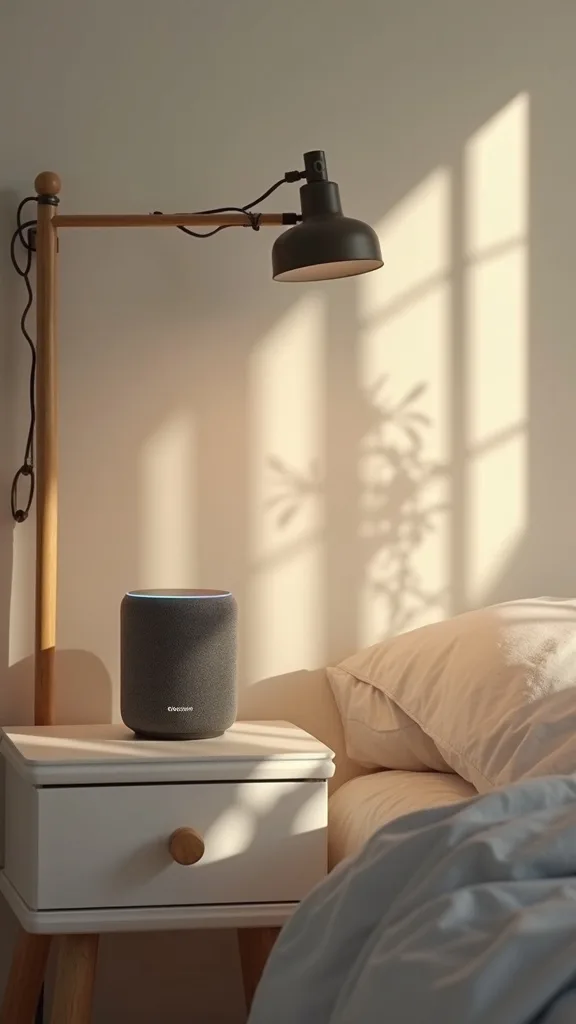
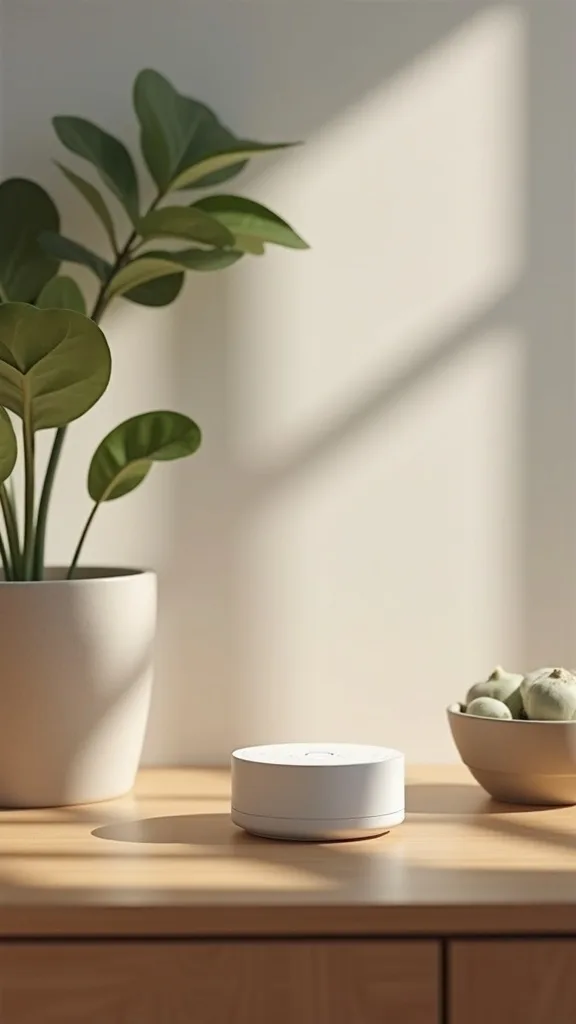
11. Smart Speaker as a Bedside Sound + Control Hub
When I design a smart home bedroom, I like one simple hub that can do music, alarms, and voice control. It works because it reduces app-hopping and makes routines feel natural—especially when my hands are full of laundry or skincare.
I always start by placing the speaker across the room (not right next to my head) so sound feels gentle. Then I set two routines: “Wind Down” plays soft audio and dims lights, and “Wake Up” starts with a quiet playlist after the gradual light routine. I also use it for quick voice commands like turning on a reading lamp without getting out of bed.
I find that a fabric-covered speaker in beige or charcoal blends best with bedroom textiles and doesn’t look like a tech gadget on display.
Pro tip: create a “Privacy” command that pauses microphones and turns off cameras (if you have them); peace of mind is the most underrated part of a great tech bedroom setup.
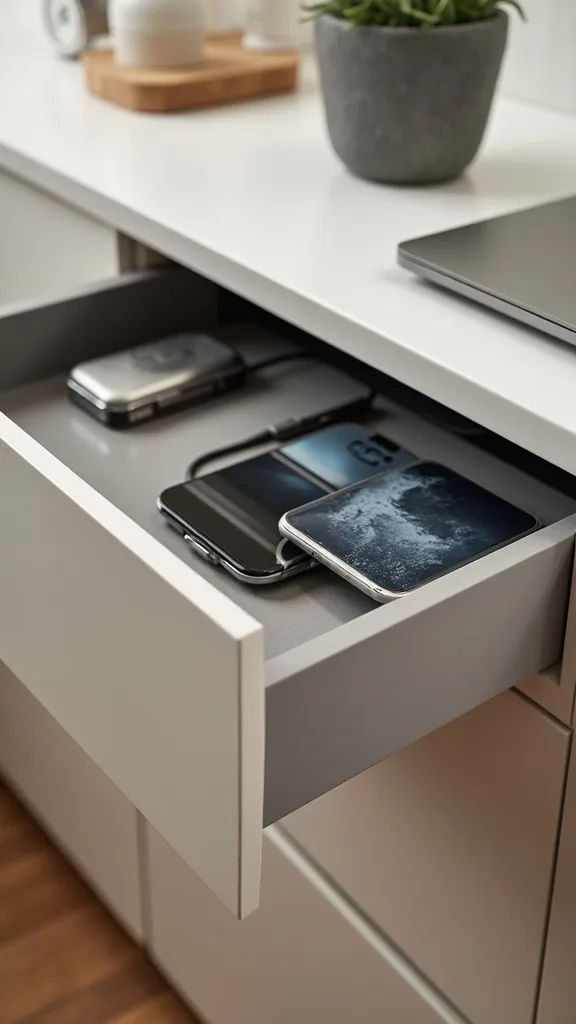
12. A Charging Drawer That Hides the Tech Clutter
From my experience, the fastest way for a tech-forward room to feel messy is visible cords everywhere. A charging drawer works because it keeps devices powered up while your nightstand stays calm and styled.
I always start by choosing one drawer (nightstand or dresser) and adding a power strip inside with cord holes in the back. Then I route cables neatly and label them so I’m not guessing which one fits what. If you’re renting, I use adhesive clips and a simple cable grommet kit so there’s minimal damage.
For the decor finish, I keep the top of the nightstand simple: a small lamp, a book, and a tray for jewelry—nothing that screams “charging station.”
Pro tip: add a routine that turns off chargers at night using a smart plug; it’s a small, satisfying upgrade that makes your smart bedroom ideas feel intentional and tidy.
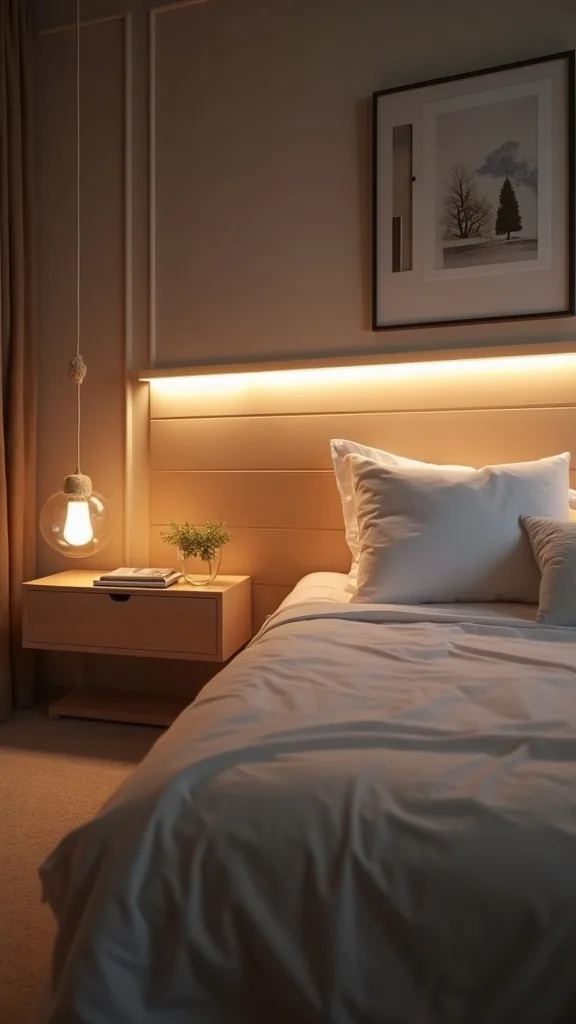
13. Smart LED Strip Behind the Headboard for a Soft Halo Glow
I love a headboard backlight because it instantly adds atmosphere without taking up space. It works by bouncing light off the wall, which feels softer than direct light—perfect for winding down on summer nights.
I always start by mounting an LED strip behind the headboard (or along the top edge of a floating headboard shelf). Then I set it to a low, warm white light (2700K–3000K — the cosy, yellowish tone you see in most homes) and tie it to a “Relax” scene with bedside lamps. I keep brightness (measured in lumens) modest so it reads like ambiance, not a spotlight.
I find that this looks best with neutral wall paint—warm white, soft greige, or pale sand—and textured bedding like linen or cotton.
Pro tip: add a slow fade between scenes instead of an instant switch; that gentle transition is what makes smart lighting bedroom feel truly high-end.
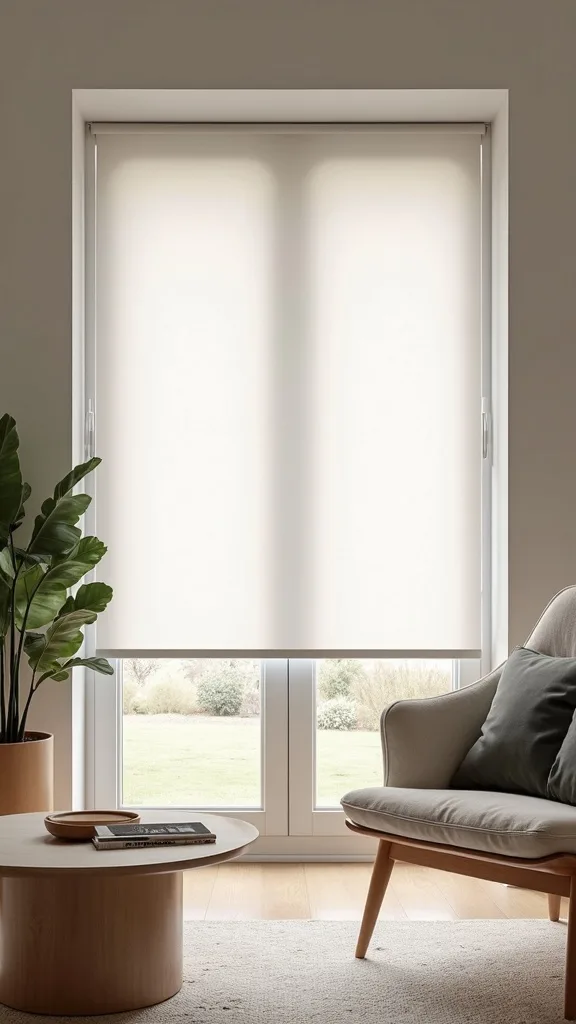
14. Automated Blinds + Sheers for Privacy Without Darkness
I find that summer days are when I want privacy but still crave daylight. Layered automated blinds and sheers work because you can filter light beautifully without turning your bedroom into a cave.
I always start by using a light-filtering motorized shade for daytime and pairing it with airy sheers on a curtain rod. Then I schedule the shade to lower during peak sun hours (to reduce heat) and lift again in the evening. If you want a more dramatic look, I add blackout panels on the sides for nighttime sleep.
For colors, I love white sheers with an oatmeal shade—simple, coastal-adjacent, and easy to match with almost any bedding.
Pro tip: set a voice command like “Privacy, please” that lowers the shade to a preset height; it’s one of my favourite smart bedroom ideas because it feels elegant and effortless.
15. A Smart Alarm That Adjusts to Your Real Routine
I always recommend rethinking the alarm before buying more gadgets. A smart alarm works because it can adapt—weekdays, weekends, workouts—without you constantly reprogramming everything.
I always start by setting two alarms: a primary wake time and a “backup” that’s slightly later, plus a gentle pre-wake routine with lights. Then I connect it to a “Leaving” routine that turns off bedroom lights and ensures automated blinds are set for the day. If you share a room, I set the alarm to vibrate on a wearable or use a gradual sound so it’s less disruptive.
I find that minimalist clocks in white or wood tones look best on a nightstand and keep the vibe restful.
Pro tip: create a “Nap” alarm scene with a 20-minute timer and dim lighting; it’s a small upgrade that makes your smart home bedroom feel supportive of real life.
16. Voice-Controlled “Reading Mode” That Flatters Your Space
When I design a bedroom for actual daily living, I make reading mode non-negotiable. It works because it gives you targeted light where you need it while keeping the rest of the room calm.
I always start by placing a lamp or adjustable wall sconce near the bed, then I set a voice scene: lamp on, overhead off, accent lights low. I keep the reading light warm white light (2700K–3000K — the cosy, yellowish tone you see in most homes) so it feels cozy, and I adjust brightness (measured in lumens) until pages are clear without glare.
For materials, I love aged brass or matte black fixtures with a linen shade—timeless and easy to style with both modern and classic bedding.
Pro tip: add an auto-off timer for 30–45 minutes; this is one of my favourite approaches for making smart lighting bedroom feel like a gentle bedtime companion.
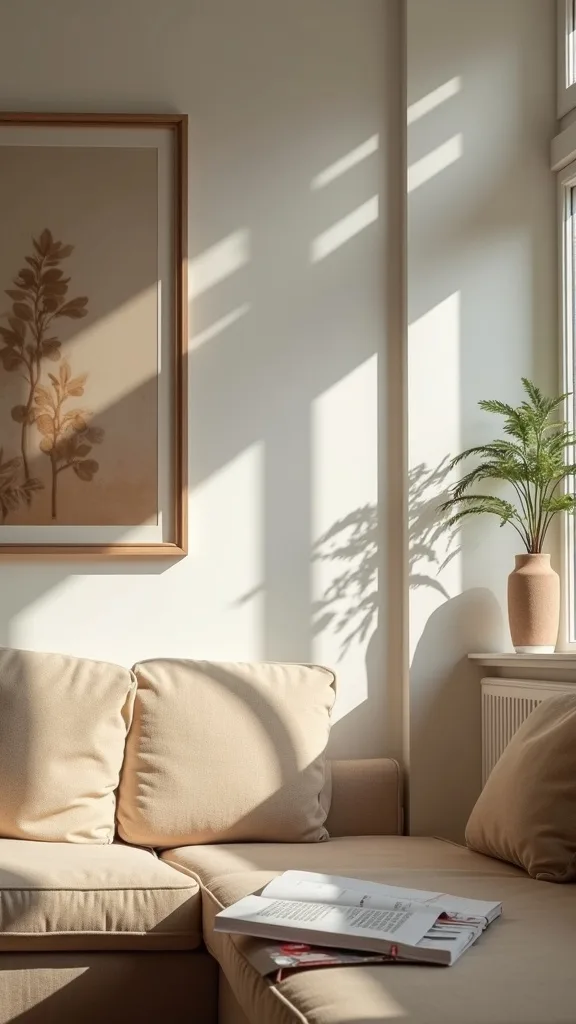
17. Smart Humidity Control for That Fresh, Summer Bedroom Feel
From my experience, summer comfort isn’t just temperature—it’s humidity too. Smart humidity control works because it helps your room feel lighter and less sticky, which can make falling asleep so much easier.
I always start by adding a small smart sensor that tracks humidity and placing it away from vents. Then I pair it with a dehumidifier on a smart plug so it turns on only when needed. I set it to run earlier in the evening, not all night, so the sound doesn’t disturb sleep.
I find that pairing this with crisp cotton sheets and a breathable duvet instantly gives that “fresh hotel bed” feeling, especially in lighter summer colors like white, pale blue, or sand.
Pro tip: tie the dehumidifier to your “Good Night” routine so it shuts off automatically—this kind of quiet automation is what makes smart bedroom ideas feel truly livable.
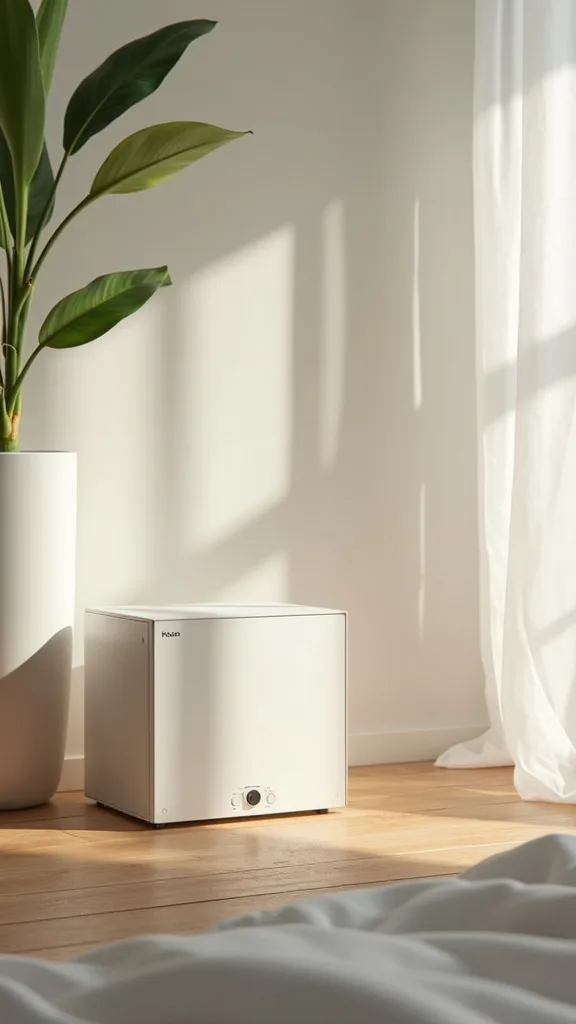
18. A “Get Ready” Scene That Makes Mornings Faster
I find that mornings go smoother when my bedroom lighting and blinds do the first bit of work for me. It works because it reduces decision fatigue—especially on busy summer mornings when the sun is already bright.
I always start by setting a “Get Ready” scene: overhead light to a comfortable brightness (measured in lumens), bedside lamps off, blinds open to a preset height, and a playlist at low volume. If you do makeup or skincare in the bedroom, I add a second lamp near the mirror so the light feels even and flattering.
For a cohesive look, I like matching bulb tones across the room—warm white light (2700K–3000K — the cosy, yellowish tone you see in most homes) keeps everything soft and inviting.
Pro tip: set the scene to trigger automatically after your alarm is dismissed; this is how I make a tech bedroom setup feel like it’s supporting my routine, not interrupting it.
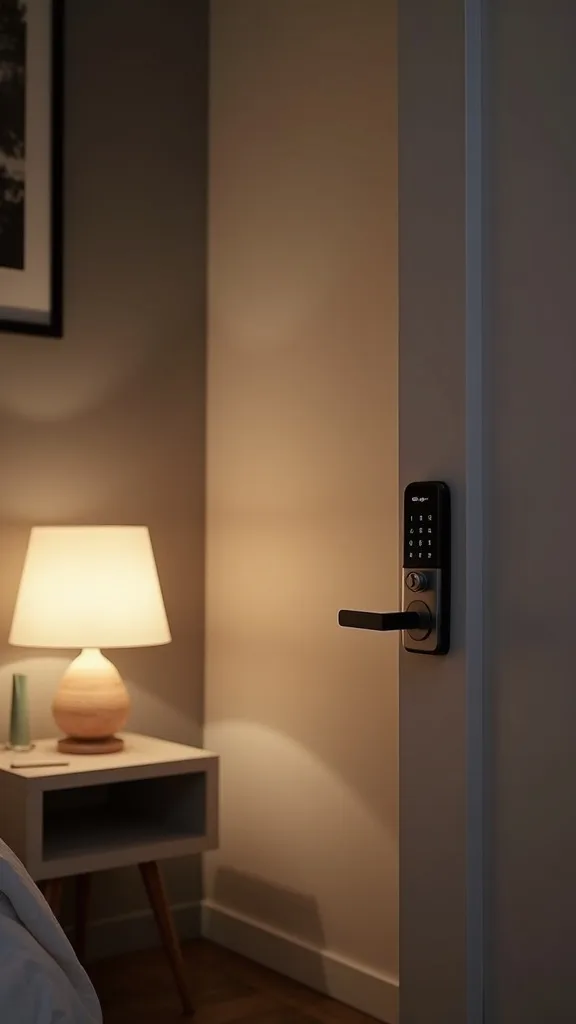
19. Smart Lock + Bedroom Routine for Peace-of-Mind at Night
In my opinion, feeling safe is a huge part of sleeping well, and smart routines can help without turning your bedroom into a security control room. This works because you can confirm doors are locked and lights are set with one simple action.
I always start by creating a “Night Check” routine that locks the front door (if you have a smart lock), turns off downstairs lights, and sets the bedroom to wind-down lighting. If you don’t have a smart lock, I still use the routine to remind me—via a gentle voice prompt—to double-check doors and windows.
To keep the bedroom vibe calm, I avoid bright indicator lights; I choose devices with subtle LEDs or place them where they’re not in direct view from the bed.
Pro tip: add a “Guest Mode” that pauses announcements and keeps smart lighting bedroom controls simple—peace-of-mind should feel elegant, not overwhelming.
20. A Minimal Tech Nightstand Setup That Still Does Everything
I find that the best smart bedrooms don’t look “techy”—they look serene. A minimal nightstand setup works because it keeps your surfaces styled while automation handles the rest.
I always start by limiting the nightstand to three items: a lamp, a small tray, and one personal touch (like a framed photo or a candle). Then I hide the rest: chargers in a drawer, a smart button tucked beside the lamp, and voice control from a discreet speaker across the room. If I need a clock, I choose one with a dimmable display.
For colors and materials, I love light wood, soft white ceramics, and brushed metal—these textures make a smart home bedroom feel warm and intentional.
Pro tip: use a single “All Off” command at bedtime; this simple habit is one of my favourite smart bedroom ideas because it keeps the room visually calm and mentally quiet.
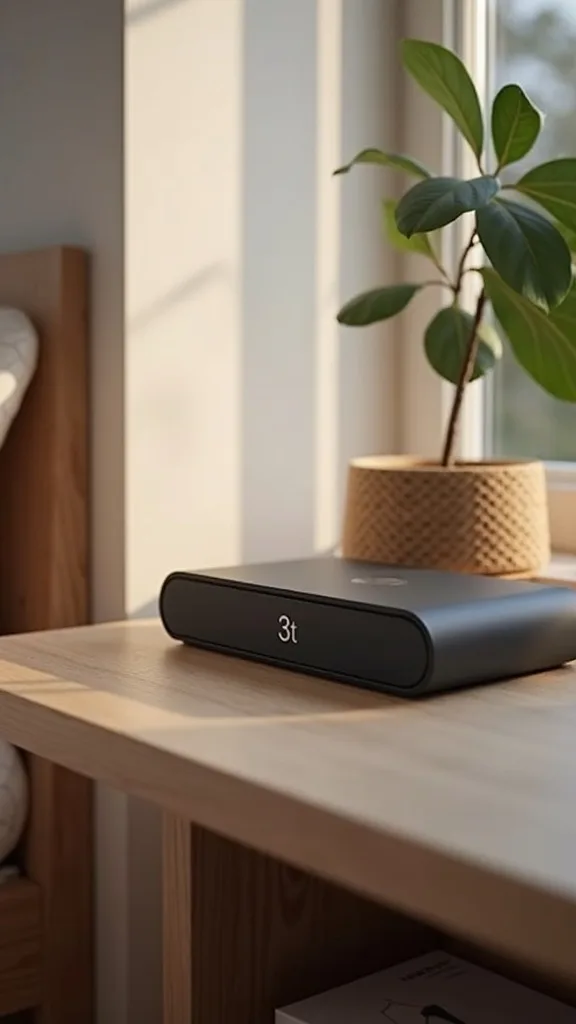
21. Smart Diffuser or Air Purifier Timed for Sleep
From my experience, scent and air quality can change how a bedroom feels just as much as lighting. A smart diffuser or purifier works because it runs on a schedule—so you get the benefit without constant fiddling.
I always start by deciding your goal: calming scent (diffuser) or cleaner air (purifier). Then I put it on a smart plug and schedule it for 30–60 minutes before bed, shutting off automatically after you fall asleep. For summer, I like running it earlier in the evening while I’m still moving around, so the bedroom feels fresh by bedtime.
I find that eucalyptus-mint or lavender blends pair beautifully with crisp white bedding and airy curtains, creating a spa-like vibe.
Pro tip: tie it to your “Wind Down” lighting scene so the whole room shifts together—this is how I make smart bedroom ideas feel sensory and soothing.
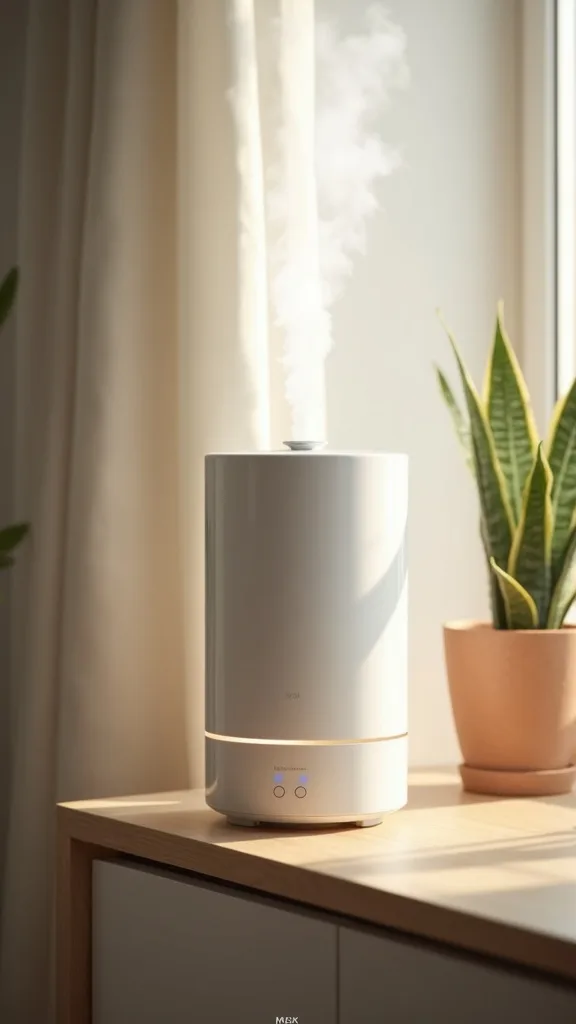
22. A Smart TV Backlight Scene for Late-Night Watching
I’m not here to judge bedtime TV—I just like making it gentler on the eyes. A TV backlight scene works because it reduces the harsh contrast between a bright screen and a dark room.
I always start by adding a light strip behind the TV or on the media console, then I set it to a soft warm white light (2700K–3000K — the cosy, yellowish tone you see in most homes). I create a “Movie” scene that turns off overhead lights, lowers bedside lamps, and keeps the backlight at low brightness (measured in lumens). If your TV supports it, I also set an auto-off timer so everything shuts down if I fall asleep.
For decor, I like a clean console with baskets or cabinets to hide remotes and cords—visual calm matters.
Pro tip: add a “Post-Movie” scene that brings back a gentle pathway light; it’s a small touch that makes a tech bedroom setup feel polished and intentional.
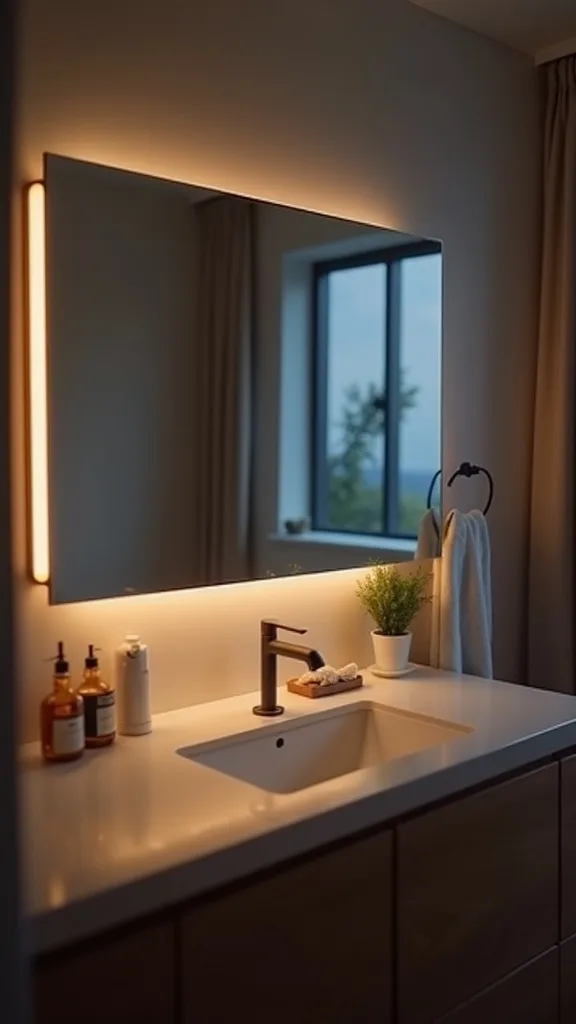
23. Smart Sensors to Keep Your Bedroom Comfortable Without Thinking
I find that sensors are the secret sauce of a truly effortless smart home bedroom. They work because your room can react—lights, temperature, and airflow—based on what’s actually happening.
I always start with one sensor at a time: a motion sensor for nighttime lighting, or a temperature/humidity sensor to guide your fan or thermostat routine. Then I set simple rules, like “If motion after midnight, turn on under-bed lights at low brightness (measured in lumens).” For summer, I use temperature triggers to run a fan when the room gets stuffy.
To keep it decor-friendly, I choose small, neutral sensors and place them discreetly—on a shelf, near a plant, or tucked on a dresser.
Pro tip: don’t over-automate on day one; I always recommend building slowly so your smart bedroom ideas feel reliable and calming.
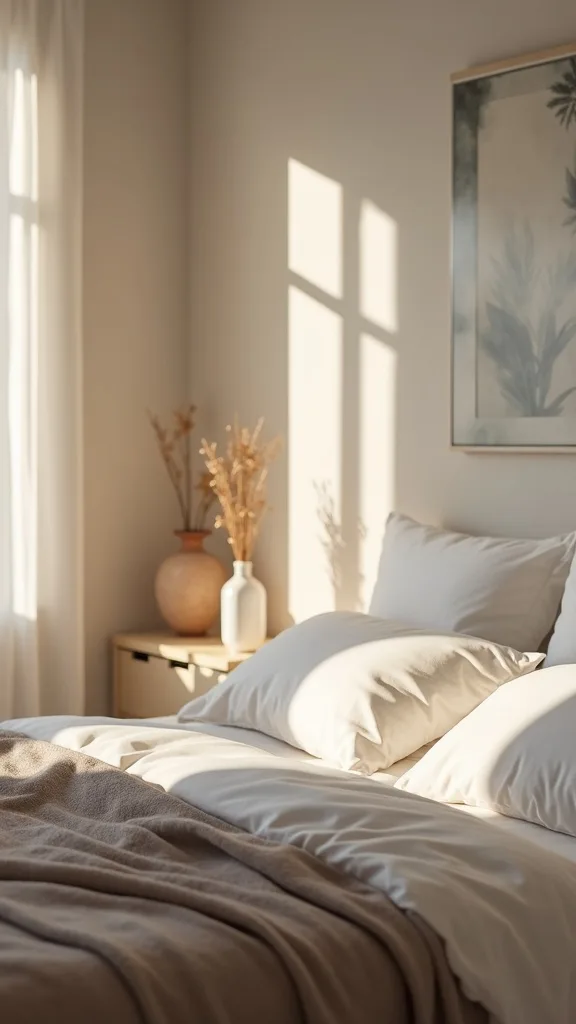
24. A “Vacation Mode” That Makes Your Bedroom Look Lived-In
In my opinion, vacation mode is one of the most underrated automations for peace of mind. It works because your bedroom lighting and blinds can mimic your usual patterns, making the home feel occupied.
I always start by setting randomized evening lamp times and scheduling automated blinds to open and close within a natural window. I keep the routines subtle—no dramatic on/off at midnight—just a gentle rhythm that looks real. If you have a smart speaker, I also turn off voice announcements so nothing weird happens while you’re away.
For the decor side, I keep curtains and blinds in neutral tones so they look timeless year-round, not seasonal or trendy.
Pro tip: test vacation mode for two nights while you’re home; that trial run makes your smart lighting bedroom setup feel dependable and confidently “set it and forget it.”
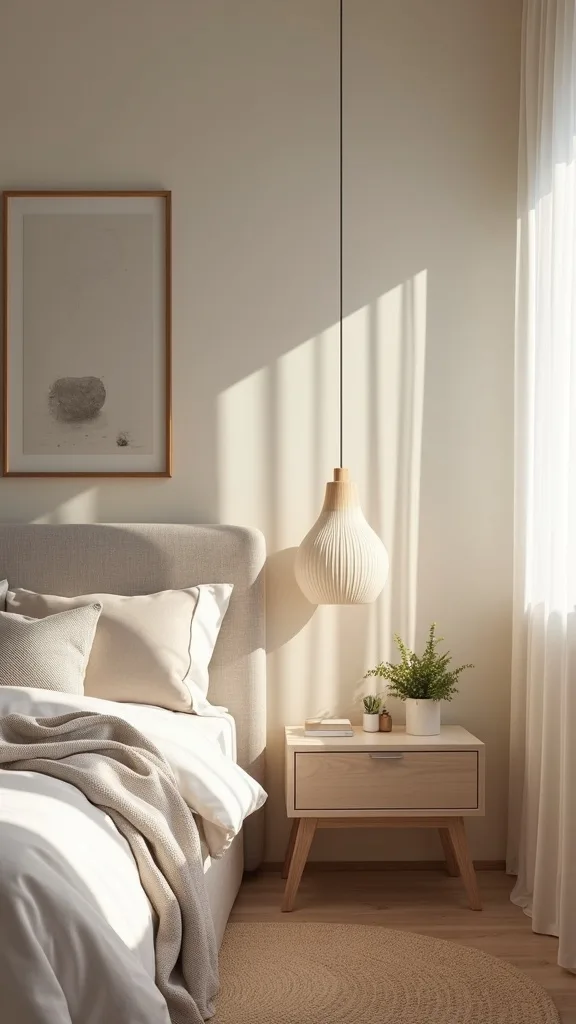
25. My Simple 30-Minute Starter Plan for a Calm Tech Bedroom Setup
If you’re feeling overwhelmed, I promise you don’t need to do everything at once. This starter plan works because it focuses on the three upgrades you’ll feel immediately: lighting, privacy, and waking up.
I always start by adding a smart plug to one bedside lamp and setting a “Wind Down” schedule. Next, I tackle automated blinds (or a motorized shade) so mornings and hot afternoons are handled automatically. Finally, I connect a smart alarm routine that gently brightens the lamp before the alarm sound starts. That’s it—three steps that create a real smart home bedroom foundation.
For a cohesive look, I choose matching bulbs and shades, and I keep everything in warm white light (2700K–3000K — the cosy, yellowish tone you see in most homes) so the room stays inviting.
Pro tip: once these basics feel solid, add one “luxury” layer like under-bed lighting—small, thoughtful upgrades are how I build smart bedroom ideas that feel like comfort, not clutter.
Final Thoughts
I find that the best smart bedrooms don’t feel like technology projects—they feel like comfort you can count on, especially in summer when light and heat can mess with sleep. When I focus on a few high-impact upgrades like smart lighting bedroom scenes, automated blinds, and a gentler alarm routine, my whole space feels calmer without me constantly managing it.
In my opinion, the real win is designing your automation around your habits, not forcing yourself to adapt to an app. I always recommend starting small, testing one routine for a week, and only then adding the next layer—because a reliable setup is what makes a tech bedroom setup feel luxurious.
If you try even two or three of these smart bedroom ideas, you’ll notice the difference fast: a cooler room, softer evenings, and mornings that feel more natural. That’s the kind of “smart” I love most—quiet, cozy, and genuinely helpful.
Products I Recommend for This Project
Here are some of my favourite products to help you bring these ideas to life:
- Philips Hue White and Color Ambiance Starter Kit — I use this for easy voice-controlled lighting scenes that instantly change the mood from energizing to cozy.
- Lutron Caseta Smart Lighting Dimmer Switch Starter Kit — I recommend this when you want rock-solid dimming that makes overhead lights feel soft and high-end.
- SwitchBot Curtain 3 — This is a renter-friendly way to get motorized curtains without replacing your whole window treatment setup.
- Amazon Echo Dot (latest generation) — I like this as a simple bedside voice hub for routines, alarms, and hands-free control.
- Kasa Smart Plug HS103P4 — This is my go-to for turning “regular” lamps and fans into smart devices with schedules and one-tap control.