
This post contains affiliate links. As an Amazon Associate, I earn from qualifying purchases at no extra cost to you.
The fastest way to make a living room look expensive is also the least glamorous: stop buying “almost right” pieces. A modern room reads modern because it feels deliberate—clear lines, calm contrast, and enough empty space for your eye to rest. When everything is competing, nothing looks chic.
This guide is built around one design principle: control the visual noise. You’ll do that with a tight palette, bigger anchor pieces, and repeatable shapes and finishes so the room feels cohesive even when the items come from five different places (including a thrift store).
It’s perfect for renters, first-home owners, and anyone trying to upgrade a living room without replacing everything—especially if you’re pulling ideas from Pinterest Trending boards and want the look to translate in real life.
You’ll see how the same “quiet structure” principle works in three directions: modern (clean and minimal), traditional (warm and classic), and transitional (a little of both). Expect specific furniture types, DIY swaps, and upcycled moves that look intentional, not crafty.
Below are 25 How to Create a Modern Living Room Design on a Budget 2026: Affordable Furniture, DIY Decor, Upcycled Finds & Smart Shopping Hacks that save money, sharpen your modern living vibe, and keep the room feeling pulled-together.
Products I Recommend for This Project
Here are some of my favourite products to help you bring these ideas to life:
- DEWALT 25 ft Tape Measure — Makes it easy to nail rug, art, and furniture scale before you buy.
- Command Large Picture Hanging Strips — Rent-friendly way to hang frames cleanly without wall damage.
- Philips LED Soft White A19 Bulbs (2700K) — Creates warm white light (2700K — the cosy, yellowish tone you see in most homes) that instantly feels more high-end.
- Krylon COLORmaxx Spray Paint (Matte Black) — Fastest way to unify thrifted decor and make mismatched pieces feel intentional.
- Rust-Oleum Chalked Paint (Linen White) — Great for a beginner-friendly console or side-table flip with a modern matte finish.
1. A step-by-step layout plan that makes budget pieces look designer
This idea is simple: treat your room like a plan, not a shopping list. It works because the brain reads clear zones—conversation, walking paths, and focal points—as “finished,” even if the furniture is affordable.
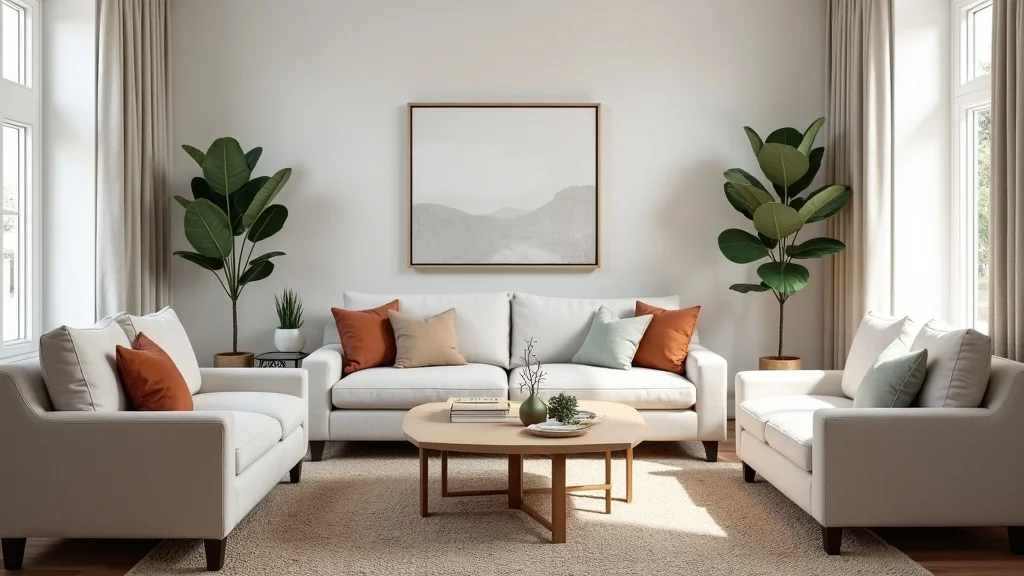
Start with painter’s tape and map a 30–36 inch walkway from door to seating. Place your sofa first, then a rug that reaches at least the front legs of every seat; next, center a coffee table and add one side table where you actually sit. Only after the big shapes are placed do you choose decor.
Stick to one metal finish (black or brushed brass), one wood tone, and a calm base color like warm white, greige, or soft taupe. For a modern direction, pick low-profile pieces; for traditional, add one curved leg table; for transitional, mix a clean sofa with a classic lamp.
Pro tip: take a photo in 0.5x wide mode and squint—if you see a strong rectangle (rug) and two balanced lights, you’re already winning.
2. What should I buy first for a modern living room on a budget?
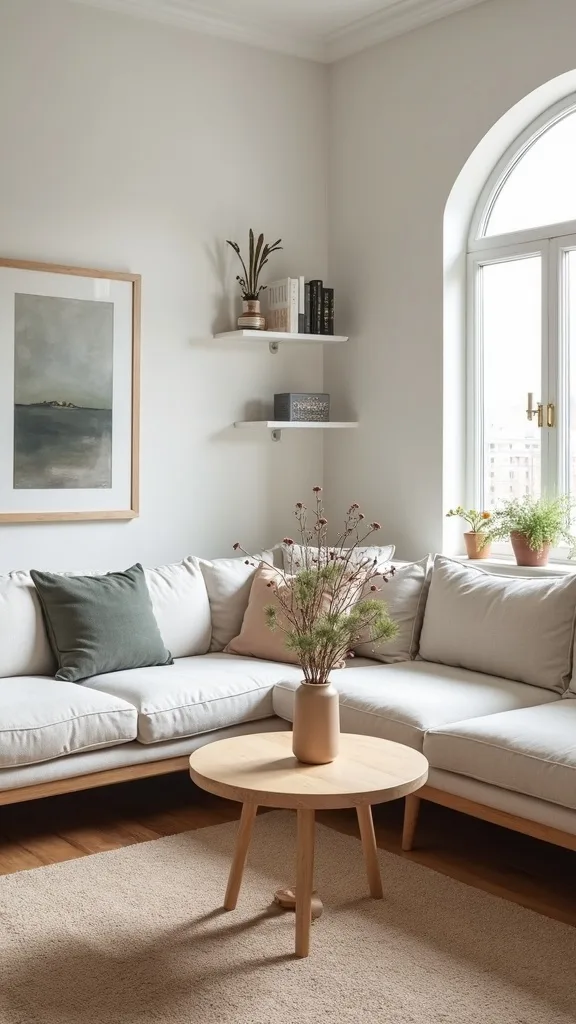
Buy the piece that controls the most visual territory: the rug. It works because the rug sets the “stage,” and everything else looks more cohesive when it sits on the same foundation.
Choose a 5×7 for small apartments, or an 8×10 for most living rooms; even budget rugs look elevated when they’re large enough. If you can’t afford the perfect size, buy the right size in a simpler pattern and let pillows and art bring personality later.
For modern style, pick a low-contrast geometric or a soft solid. For traditional, try a muted vintage-style print. For transitional, choose a subtle pattern with warm neutrals and a hint of black.
Beginner version: if sizing feels confusing, place the rug so the front legs of the sofa and chairs are on it—never floating alone. Pro tip: layer a thin, natural jute-look rug under a smaller patterned rug for designer depth without designer pricing.
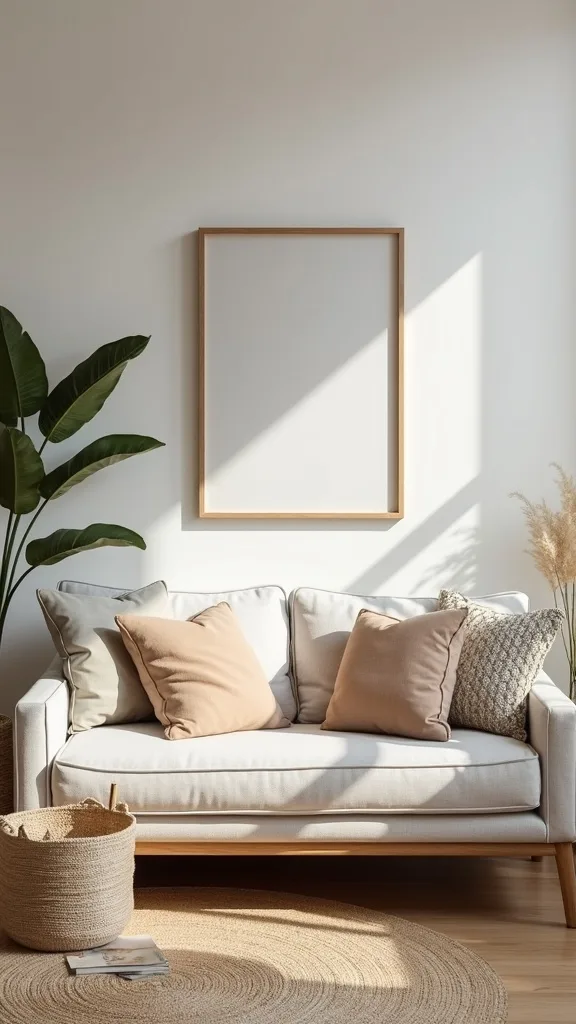
3. How do I choose a budget sofa that still looks modern?
A budget sofa looks modern when its silhouette is clean and its fabric is calm. That works psychologically because your eye forgives lower-cost details when the outline feels intentional.
Look for a track arm (straight arm), a single bench cushion, and legs you can see (it makes the room feel lighter). If you’re shopping secondhand, prioritize a solid frame and replace the legs and cushions before you replace the whole sofa.
Modern direction: charcoal, oat, or warm gray upholstery with black legs. Traditional direction: a tighter back cushion and a slightly rolled arm, but keep the fabric solid. Transitional direction: clean arms with a classic linen-look texture.
Beginner version: if you’re stuck with a bulky sofa, add 2-inch furniture risers under the legs and use a tailored slipcover in a neutral. Pro tip: swap in two 22-inch pillow inserts for structured corners—it makes even a basic sofa feel upgraded.
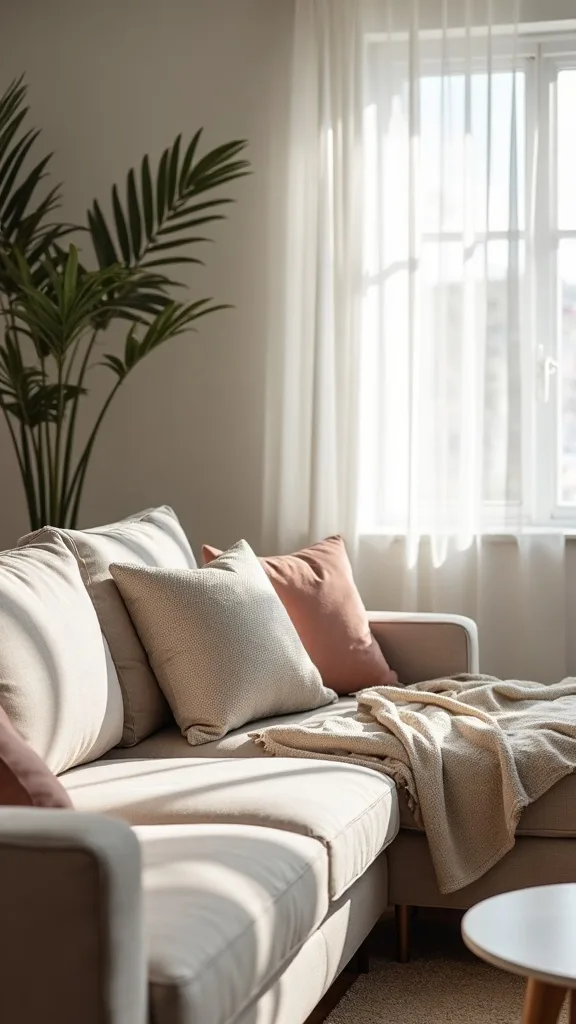
4. How can I make a small living room feel modern without buying more furniture?
Modern rooms feel bigger because they’re edited. The psychology is real: fewer objects means your brain processes the space as calmer and more spacious.
Remove anything that doesn’t support seating, lighting, storage, or one focal decor moment. Then create one “hero wall” (TV wall or sofa wall) and keep the other walls quieter. If you need storage, use a closed-front console or baskets so the clutter doesn’t become decor.
Modern direction: one large art piece and a slim media console. Traditional direction: one mirror with a simple frame and a classic lamp. Transitional direction: pair a clean console with a warm wood tray and one ceramic vase.
Beginner version: put every small decor item in a box for 48 hours, then reintroduce only three. Pro tip: keep negative space on shelves—empty space is a design tool, not a failure.
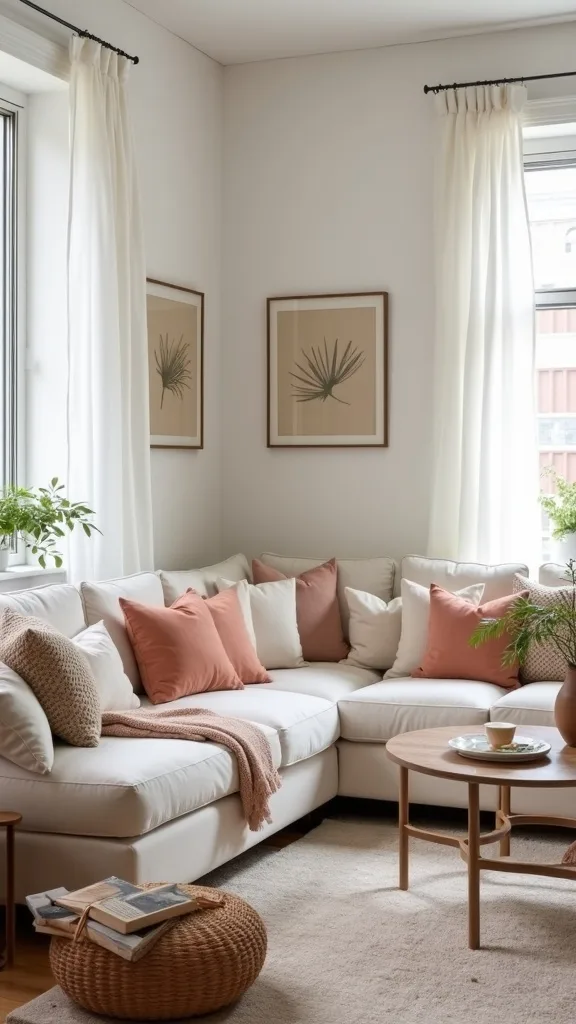
5. What’s the cheapest way to upgrade lighting for a modern look?
Layered lighting is the budget shortcut that reads “finished.” It works because your home feels more welcoming when light comes from multiple heights, not one harsh ceiling source.
Aim for three points: one floor lamp near seating, one table lamp, and one ambient source (like a plug-in sconce or LED strip behind the TV). Use warm white light (2700K–3000K — the cosy, yellowish tone you see in most homes) so the room looks inviting at night.
Modern direction: matte black floor lamp with a linen shade. Traditional direction: a ceramic or glass table lamp with a classic shade. Transitional direction: mix a modern floor lamp with a traditional pleated shade.
Beginner version: replace bulbs first—often $12–$25 changes the whole mood. Pro tip: put lamps on a timer plug so your modern living space feels intentionally “on” every evening.
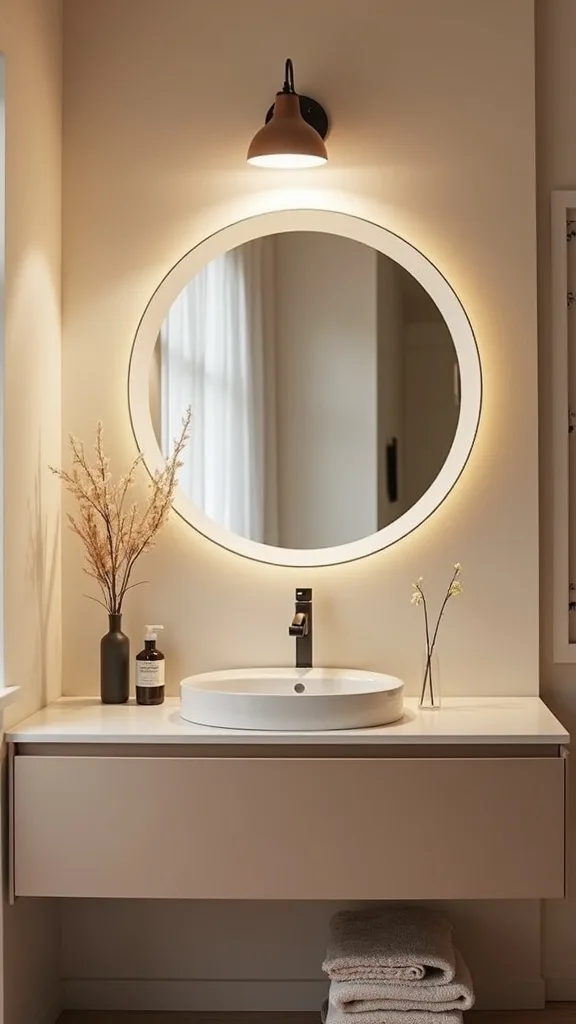
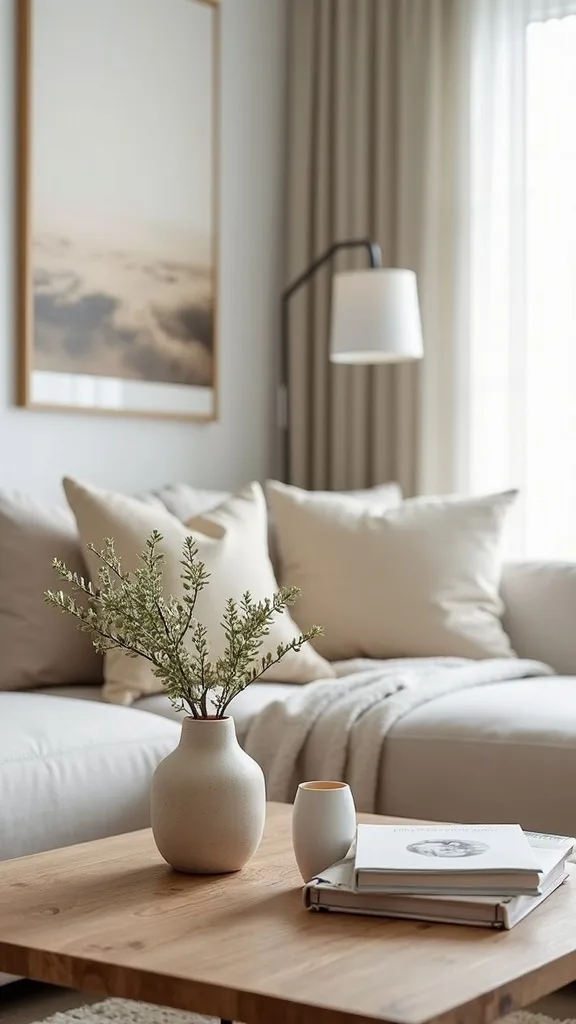
6. How do I decorate a modern coffee table without clutter?
A modern coffee table looks best with fewer, larger items. That works because the eye prefers simple groupings it can understand in one glance.
Use the “3-object rule”: one tray, one book stack, one sculptural object (or a plant). Keep everything low enough to talk over, and leave one side empty so it stays functional.
Modern direction: black tray, neutral art book, and a matte ceramic bowl. Traditional direction: wood tray, a small vase, and a candle. Transitional direction: stone-look tray, a brass object, and a low greenery.
Beginner version: if you don’t own a tray, use a shallow serving platter or even a thrifted picture frame (remove glass) as a boundary. Pro tip: repeat one finish from the room—like matte black—so the table ties into the bigger story.
7. What should I avoid when trying to do a modern look on a budget?
Avoid buying sets and tiny decor clusters that fill every surface. It fails because “matching” reads like a catalog, and lots of small items reads like visual noise.
Instead of a full matching furniture set, choose one anchor (sofa or rug) and let the supporting pieces be simple and flexible. Skip the three-mini-vases trend if you don’t have breathing room—go for one larger vase or one bold lamp.
Modern direction: clean lines, fewer accessories. Traditional direction: keep the classic pieces, but reduce the quantity. Transitional direction: mix shapes, but repeat finishes.
Beginner version: if you’re tempted by a decor bundle, buy just one item from it and pair it with something thrifted. Pro tip: keep a “no impulse decor” rule for 7 days—your room will thank you with calm cohesion.
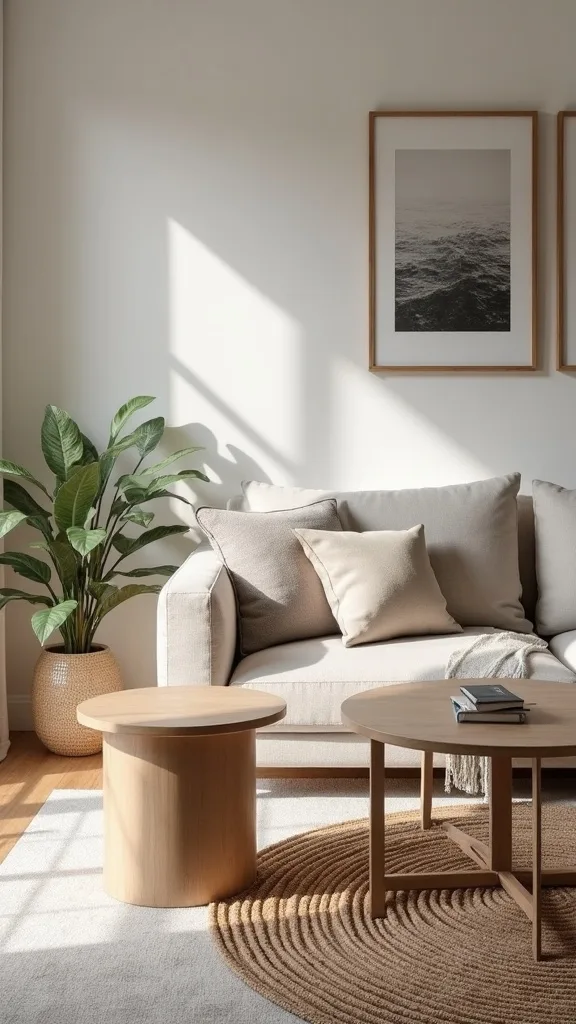
8. How can I use paint to make my living room look more modern?
Paint is the cheapest way to create intention. It works because consistent color reduces visual fragmentation, making even mixed furniture feel like it belongs.
Choose one wall treatment: all-over warm white, a soft greige, or a single accent wall behind the sofa. If you want a modern edge, paint trim the same color as the wall for a seamless look; if you prefer traditional, keep trim crisp white.
Modern direction: soft off-white with black accents. Traditional direction: warm neutral walls with a deeper, classic accent like muted navy. Transitional direction: greige walls with natural wood and a touch of brass.
Beginner version: paint just one thing—like an old media console—in a deep matte color for contrast. Pro tip: sample paint on poster board and move it around; lighting changes everything, and testing saves regret.
Cost & Materials Estimate
A realistic refresh for a modern living room can land between a small “reset” and a near-full makeover depending on what you already own.
| Item | Estimated Cost | Where to Buy |
|---|---|---|
| 8×10 living room rug (neutral or subtle pattern) | $120–$280 | Wayfair / IKEA |
| Floor lamp + table lamp (warm white bulbs) | $55–$160 | Amazon / IKEA |
| Curtain rod + 2 panels (84–96 inch) | $45–$110 | Amazon / Home Depot |
| Paint + supplies (feature wall or console flip) | $35–$90 | Lowe’s / Home Depot |
| Decor “edit kit” (tray, 2 pillow covers, vase) | $35–$95 | Amazon / IKEA |
Total estimated cost: $290–$735 Save money by thrifting the console and frames; splurge on the largest rug you can fit because scale does the heavy lifting.
9. How do I thrift for modern living room decor without it looking random?
Thrifting works when you shop by material, not by object. The psychology: repetition (same tones and textures) reads as a collection, not clutter.
Make a short list: one large frame, one ceramic vase, one table lamp, one wood bowl. In the store, ignore anything that’s the “wrong finish” even if it’s cute—discipline is what makes thrifted rooms look curated.
Modern direction: matte ceramics, simple frames, black metal. Traditional direction: warm wood, classic silhouettes, linen shades. Transitional direction: mix one vintage curve with one modern straight line.
Beginner version: stick to two materials only (like wood + ceramic). Pro tip: if the color is off, spray paint is your friend—one coat of matte black can turn a dated piece into a modern accent.
10. What are the best upcycled furniture swaps for a modern look?
Upcycling looks modern when the finish is consistent and the hardware is intentional. It works because your brain reads repeated details as “designed.”
Turn a thrifted dresser into a media console by removing ornate pulls, filling holes, and adding long modern handles. Or refinish a side table with a dark stain and a clear matte topcoat for a clean, current vibe.
Modern direction: flat-front pieces, black hardware, simple legs. Traditional direction: keep a gentle curve but update the color and pulls. Transitional direction: warm wood body with black metal pulls.
Beginner version: start with hardware only—swap knobs for modern pulls and add stick-on felt pads. Pro tip: elevate any piece by adding 4–6 inch legs; lifted furniture feels lighter and more modern.
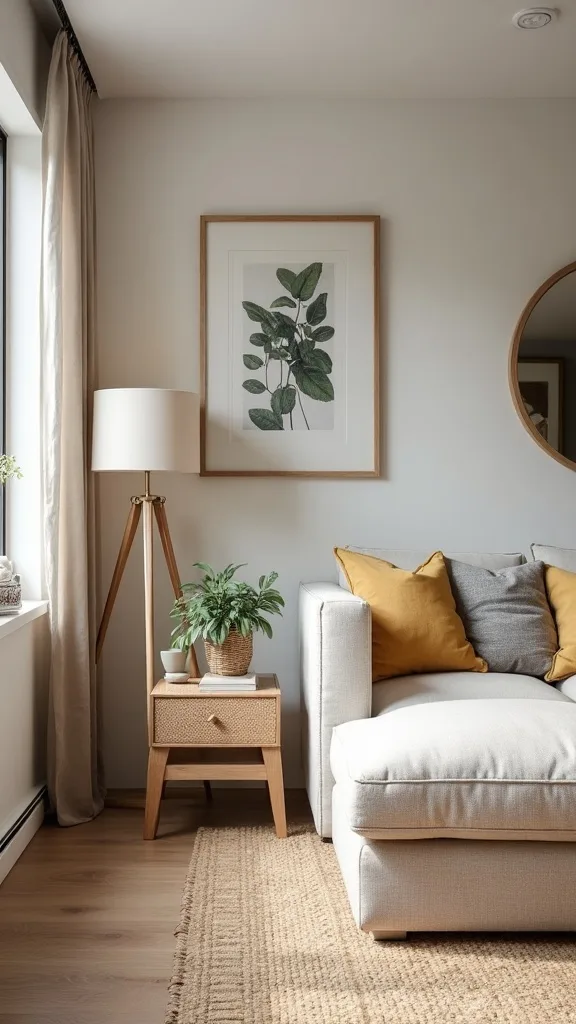
11. How do I choose curtains that instantly make the room look taller?
High, wide curtains change the architecture without remodeling. It works because vertical lines trick the eye into seeing taller ceilings.
Mount the rod 4–6 inches above the window frame (or halfway to the ceiling in very short rooms) and extend it 6–10 inches past each side. Choose panels that just kiss the floor for a tailored look.
Modern direction: solid linen-look panels in warm white. Traditional direction: subtle texture or a small pattern in a neutral. Transitional direction: oatmeal or greige with matte black hardware.
Beginner version: if you can’t buy new panels, use clip rings to add length and softness. Pro tip: match curtain color to wall color for quiet continuity—it makes everything feel more expensive.
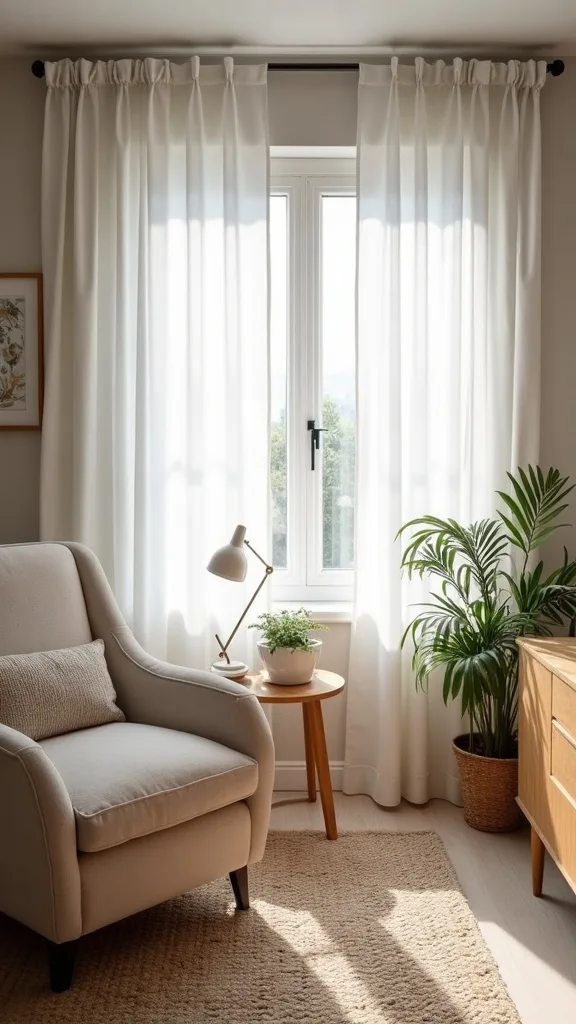
12. Where should I place wall art for a modern, balanced look?
Art placement is more important than the art itself. It works because correctly scaled art gives your room a focal point, which makes everything feel intentional.
Hang the center of the piece at about 57–60 inches from the floor (average eye level) and keep it 6–8 inches above the sofa. If you’re doing a pair, keep spacing consistent and frames matching.
Modern direction: one oversized abstract or a grid of simple prints. Traditional direction: landscape art with a classic frame. Transitional direction: modern print in a warm wood frame.
Beginner version: use paper templates and painter’s tape to test placement before you nail. Pro tip: if you’re on a budget, buy downloadable prints and invest in larger frames—scale reads luxe.
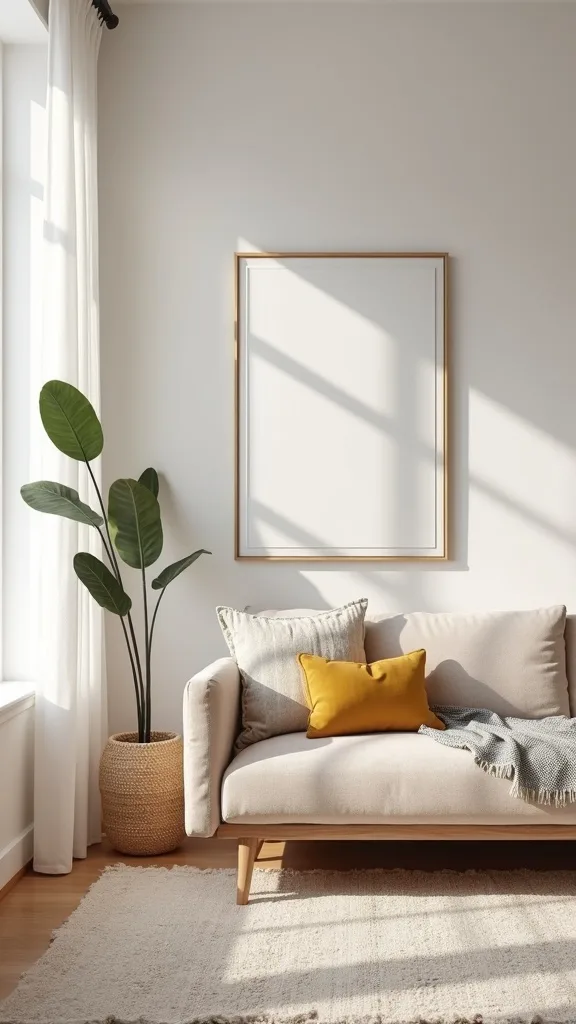
13. How can I style shelves in a modern way without buying new decor?
Modern shelves are about rhythm, not stuff. It works because repeated shapes (books, baskets, vases) create order your brain finds restful.
Group books by color or keep them mostly neutral, then add two sculptural objects and one plant. Leave 30–40% of shelf space open so the styling can breathe.
Modern direction: black-and-white spines, matte ceramics. Traditional direction: a few hardcovers, a framed photo, and a small brass piece. Transitional direction: mix books with one woven basket for warmth.
Beginner version: turn book jackets inward for a soft, neutral look. Pro tip: use one “anchor object” per shelf—something larger—so the display feels grounded instead of scattered.
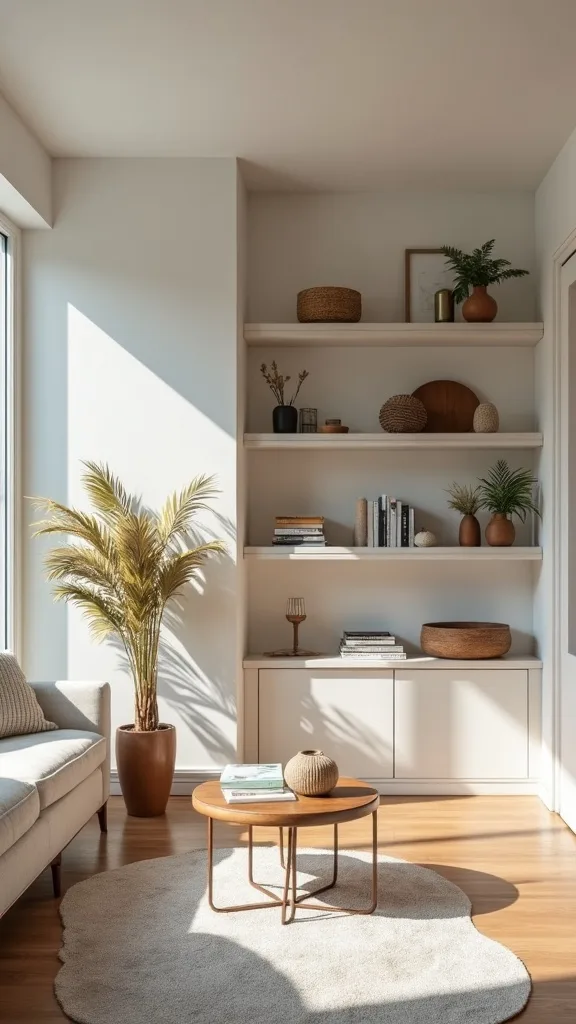
14. How do I pick throw pillows that feel modern, not messy?
Modern pillows are structured and limited in palette. This works because too many colors create visual chatter, which fights the clean look.
Choose 2–3 pillow colors total and repeat them. Mix textures (bouclé, linen, faux leather) instead of mixing lots of patterns. Use 20–22 inch inserts for a fuller, more tailored look.
Modern direction: solids plus one geometric. Traditional direction: one subtle stripe and one classic floral kept muted. Transitional direction: one textured neutral, one small-scale pattern, one solid.
Beginner version: buy covers only and reuse your inserts. Pro tip: add one lumbar pillow in front; layering shapes makes the sofa look styled, not stuffed.
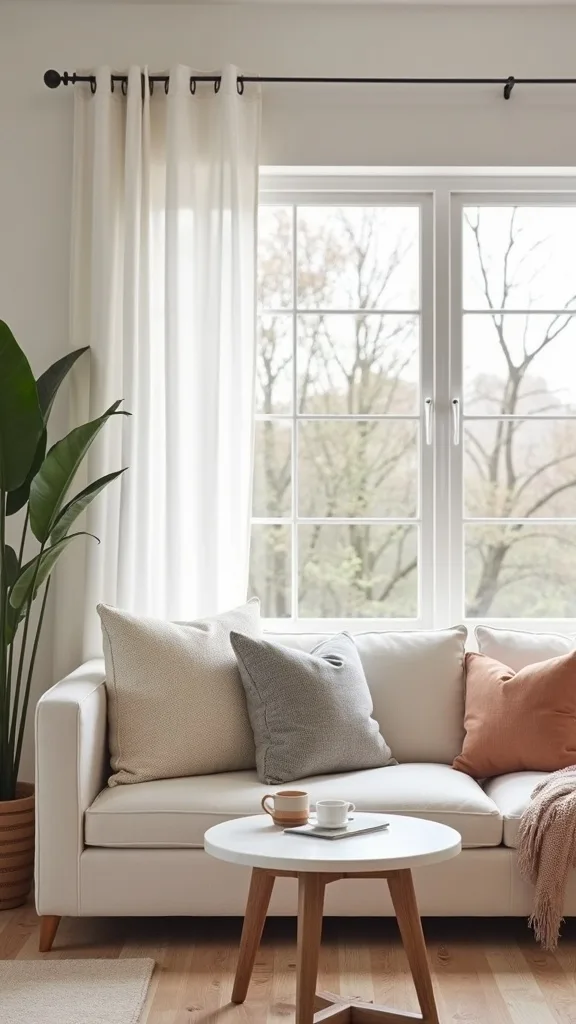
15. What’s an affordable way to get the modern ‘texture’ look from Pinterest?
Texture is what keeps a minimal room from feeling cold. It works psychologically because tactile materials signal comfort and warmth—essential for modern living.
Add one soft layer (throw), one rough layer (woven basket or jute-style rug), and one hard layer (ceramic, stone-look tray, or metal). Keep the colors close so the textures do the talking.
Modern direction: bouclé throw + matte ceramic + black metal. Traditional direction: knit throw + warm wood + linen. Transitional direction: woven basket + stone-look decor + brass accent.
Beginner version: start with a single chunky throw at the sofa corner and one textured basket for remotes. Pro tip: when in doubt, choose matte finishes; shiny surfaces can look cheap faster than a good texture can.
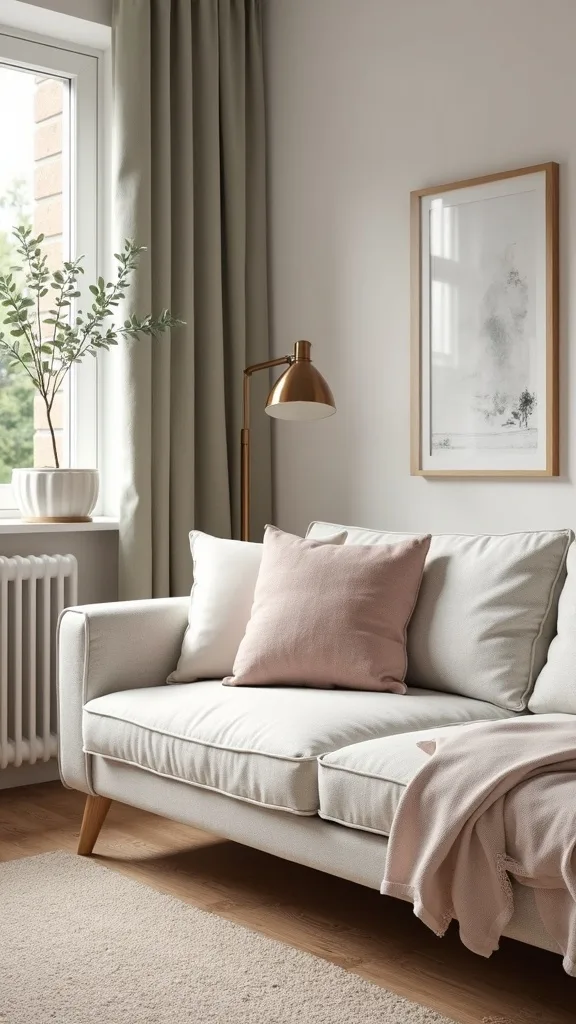
16. How do I make a TV wall look modern without a full remodel?
A modern TV wall is calm and intentional. It works because hiding cords and simplifying the area reduces “background stress” your brain notices even when you don’t.
Use a slim console wider than the TV, then mount the TV or center it with a clean stand. Add cord covers painted to match the wall, and keep decor to two items max—like a low vase and a stack of books.
Modern direction: floating-look console, black accents. Traditional direction: a warm wood console with simple doors. Transitional direction: clean console plus one classic lamp nearby.
Beginner version: just manage cords and remove extra knickknacks. Pro tip: add a plug-in picture light above art next to the TV for gallery balance without construction.
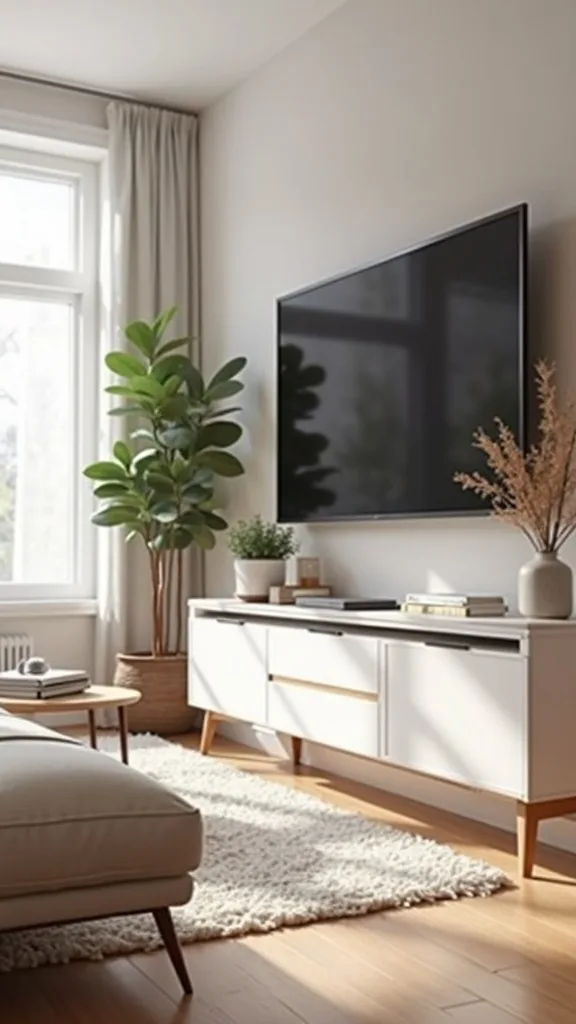
17. What’s the best budget-friendly coffee table alternative?
The best alternative is one that controls clutter and fits your walking path. It works because function prevents messy piles, and mess is the enemy of modern design.
Try an upholstered storage ottoman as a coffee table with a tray on top, or use two matching small tables side-by-side for flexibility. Keep at least 16–18 inches between the table and the sofa for comfortable movement.
Modern direction: square ottoman in a neutral fabric with a black tray. Traditional direction: round wood table with a lower shelf. Transitional direction: mixed-material table (wood + metal) in simple lines.
Beginner version: thrift a sturdy bench and add felt pads; place a tray and you’re done. Pro tip: two smaller tables make the room feel custom—and they’re easier to find secondhand.
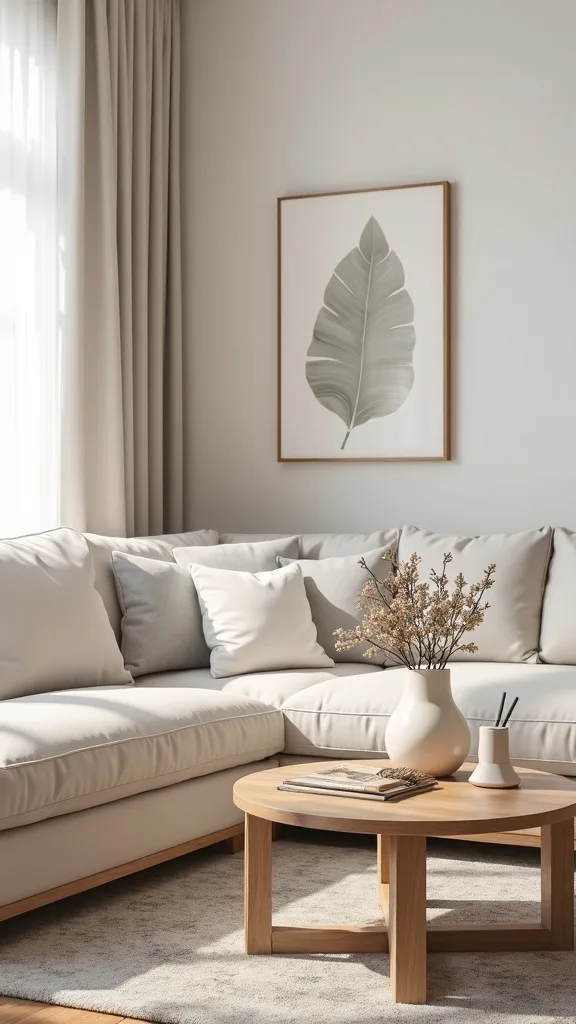
18. How do I build a modern color palette that doesn’t feel sterile?
A modern palette is calm, not cold. It works because your nervous system relaxes in environments with fewer high-contrast decisions.
Use a 70/20/10 approach: 70% base neutral (walls/rug), 20% secondary (sofa/curtains), 10% accent (pillows/art). Add warmth through wood and soft textiles instead of adding more colors.
Modern direction: warm white + charcoal + black accents. Traditional direction: cream + warm wood + muted blue. Transitional direction: greige + camel + black.
Beginner version: pick one “anchor neutral” and match everything to it for a month before adding accents. Pro tip: repeat your accent color three times—like in a pillow, a book spine, and a vase—for quiet cohesion.
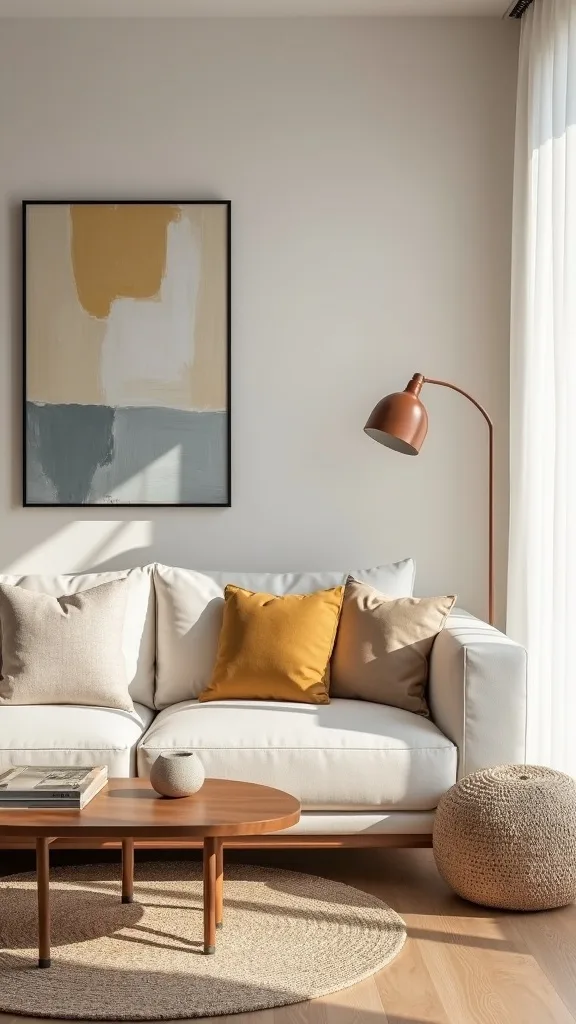
19. How can I get the modern ‘curved’ trend without buying new furniture?
Curves soften modern rooms and make them feel current. It works because rounded shapes signal comfort and approachability—especially in rooms with lots of rectangles.
Add one curved item: an arched mirror, a round side table, or a rounded vase. Keep everything else simple so the curve feels like a statement, not a theme park.
Modern direction: arched mirror with a thin black frame. Traditional direction: round pedestal side table in warm wood. Transitional direction: curved ceramic lamp with a classic shade.
Beginner version: start with a round tray or a round pillow to test the vibe. Pro tip: pair curves with one strong straight-line piece (like a rectangular rug) for balanced tension.
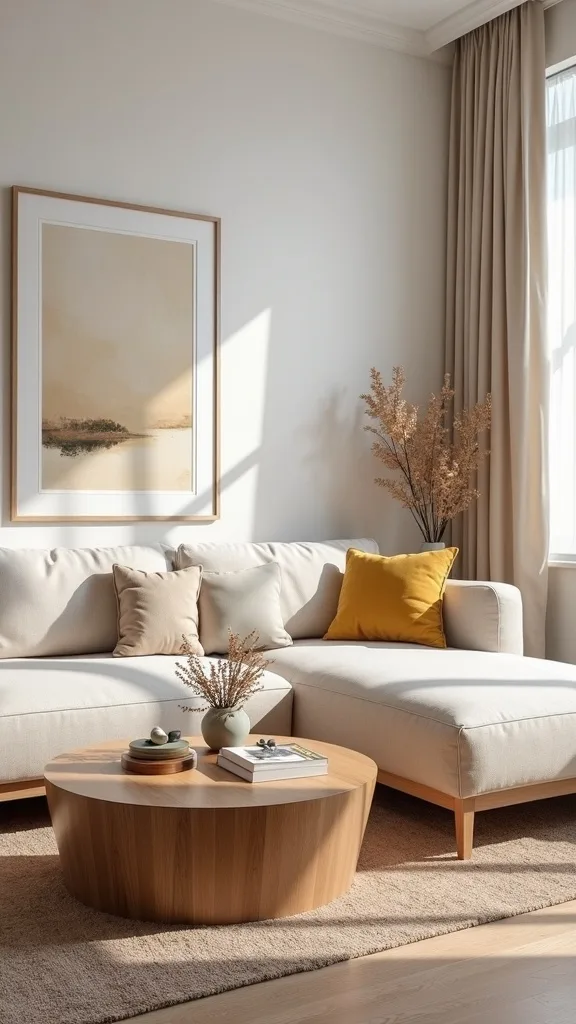
20. What are smart shopping hacks for affordable modern furniture in 2026?
Smart shopping is about timing and filters, not luck. It works because you avoid panic-buying and keep your design principle intact.
Search by material and shape: “bench cushion sofa,” “slim console,” “matte black floor lamp.” Set alerts on resale apps, shop holiday weekends, and check open-box sections for lighting and rugs.
Modern direction: prioritize simple silhouettes and neutral upholstery. Traditional direction: look for solid wood tables and classic lamps. Transitional direction: mix one new anchor with two secondhand supporting pieces.
Beginner version: make a notes list with exact dimensions before you shop; measure your wall and tape it out. Pro tip: if a deal makes you rush, pause—good rooms are edited, not hurried.
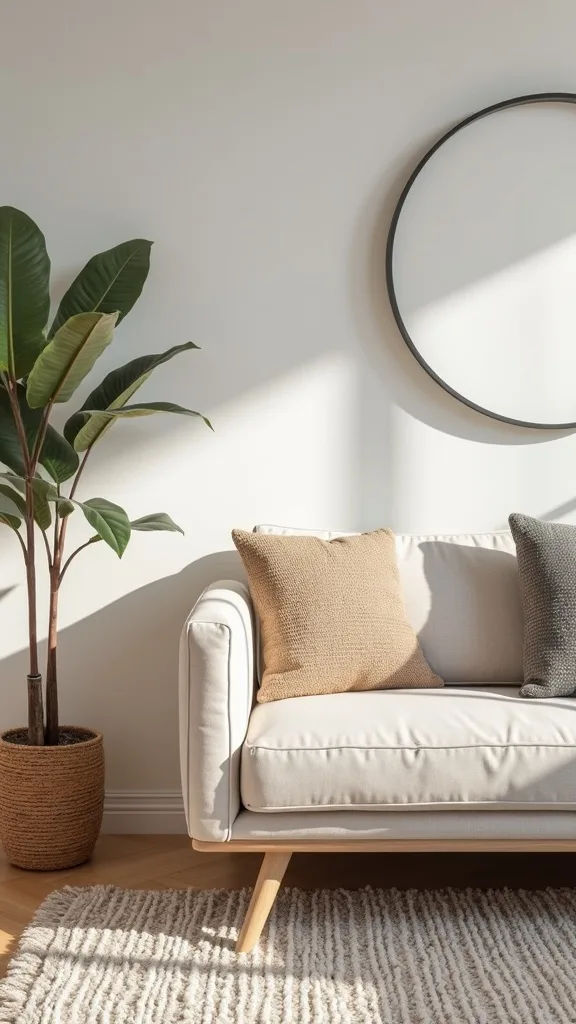
21. How do I make mismatched thrifted furniture look like a set?
Mismatched pieces look cohesive when you unify one element. It works because the brain groups items that share color, finish, or shape.
Choose one unifier: paint (same black or same warm white), hardware (all matte black), or wood tone (all medium oak). Then keep silhouettes simple—avoid mixing ornate curves with ultra-modern pieces unless you’re doing transitional on purpose.
Modern direction: unify with matte black and straight legs. Traditional direction: unify with warm wood and classic shapes. Transitional direction: unify with matching hardware and a shared neutral.
Beginner version: start by swapping hardware across two pieces so they “talk” to each other. Pro tip: add the same felt pads and leg height where you can—consistent proportions are quietly powerful.
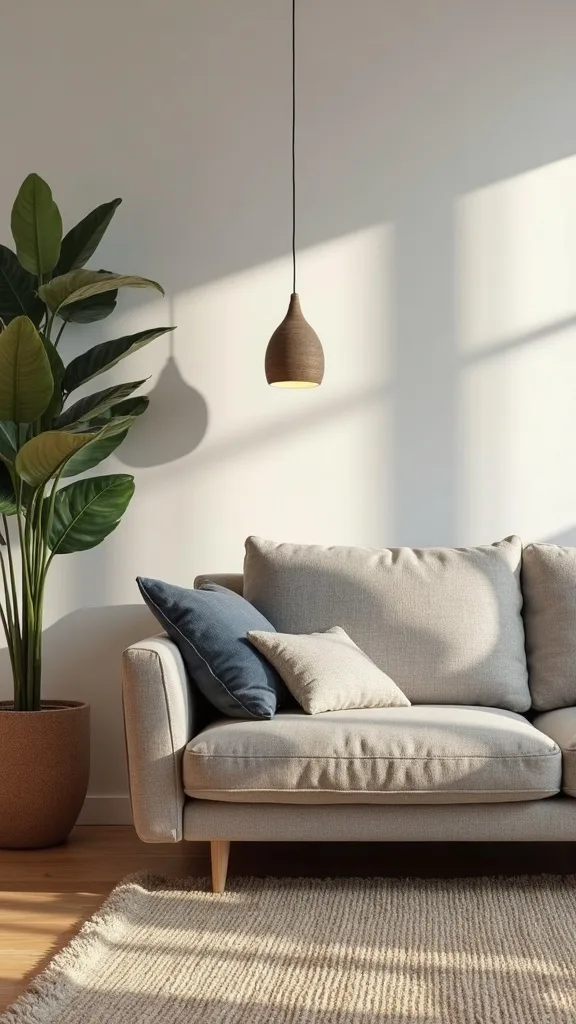
22. How can I add storage without ruining a modern look?
Modern storage is closed or beautifully contained. It works because visual clutter reads as unfinished, even when the furniture is nice.
Use a console with doors, a storage ottoman, and two lidded baskets. Create one drop zone tray for remotes and chargers so the mess has a home.
Modern direction: closed-front console in black or warm wood. Traditional direction: a cabinet with simple panel doors. Transitional direction: woven baskets under a clean console.
Beginner version: hide cords and stash extra throws in one large basket—done. Pro tip: label one hidden bin “daily clutter” and empty it weekly; maintenance beats makeovers.
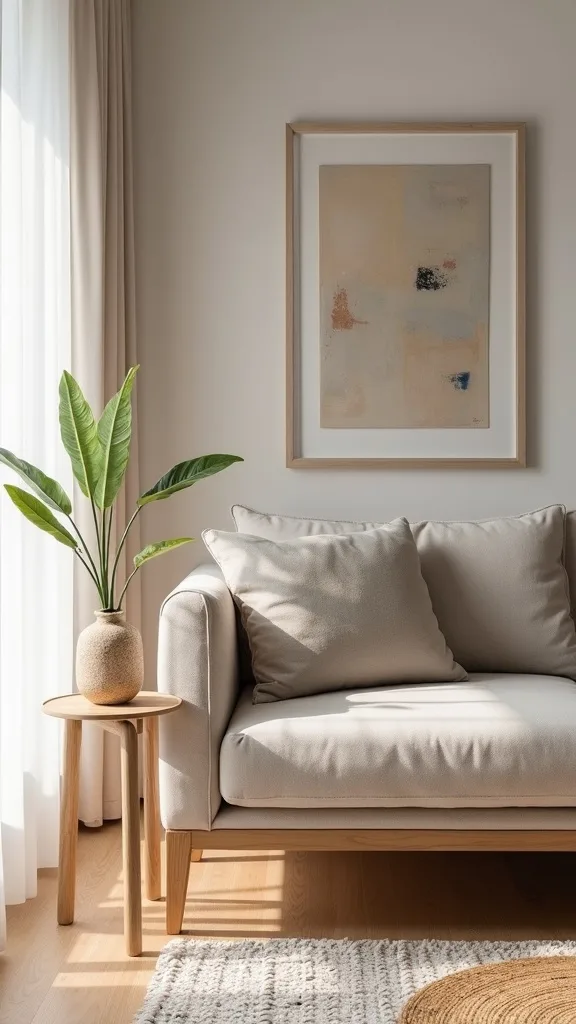
23. How do I style a modern living room for renters (no drilling, no painting)?
Rent-friendly modern design relies on movable impact. It works because the biggest visual changes come from scale and textiles, not permanent upgrades.
Use a large rug, tall curtains on tension rods where possible, and plug-in lighting. For walls, lean oversized art on a console or use removable hooks for lightweight frames.
Modern direction: monochrome textiles and black accents. Traditional direction: warm neutrals and classic lamp shapes. Transitional direction: clean furniture lines with soft, natural textures.
Beginner version: swap in two matching lamps and one large rug—those two changes carry the room. Pro tip: add peel-and-stick felt pads under everything so you can shift layouts until you find your best flow.
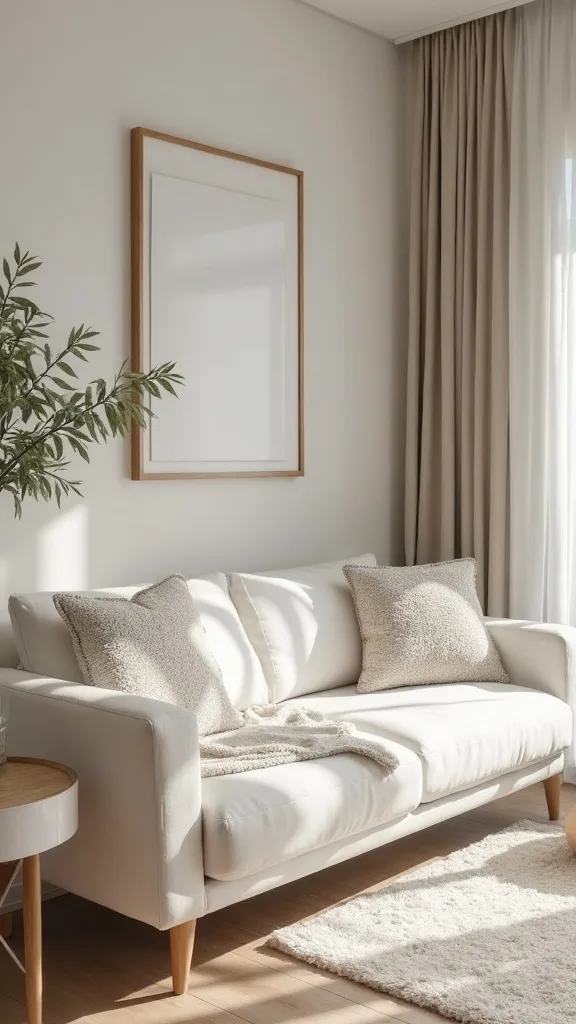
24. How do I make a traditional living room feel more modern without losing warmth?
You don’t need to erase traditional pieces; you need to edit and sharpen them. It works because contrast—old with new—creates a curated, lived-in feeling.
Keep one traditional hero (like a classic sofa or wood coffee table) and modernize the supporting cast: simplified curtains, updated lighting, and one large modern art piece. Reduce small decor and let the larger forms speak.
Modern direction: add black accents and a clean rug. Traditional direction: keep warm wood and soft patterns, but simplify shapes. Transitional direction: mix a traditional lamp with a modern side table.
Beginner version: swap lampshades to simple linen shades and replace busy pillows with solids. Pro tip: one contemporary art print can act like a reset button for the whole room.
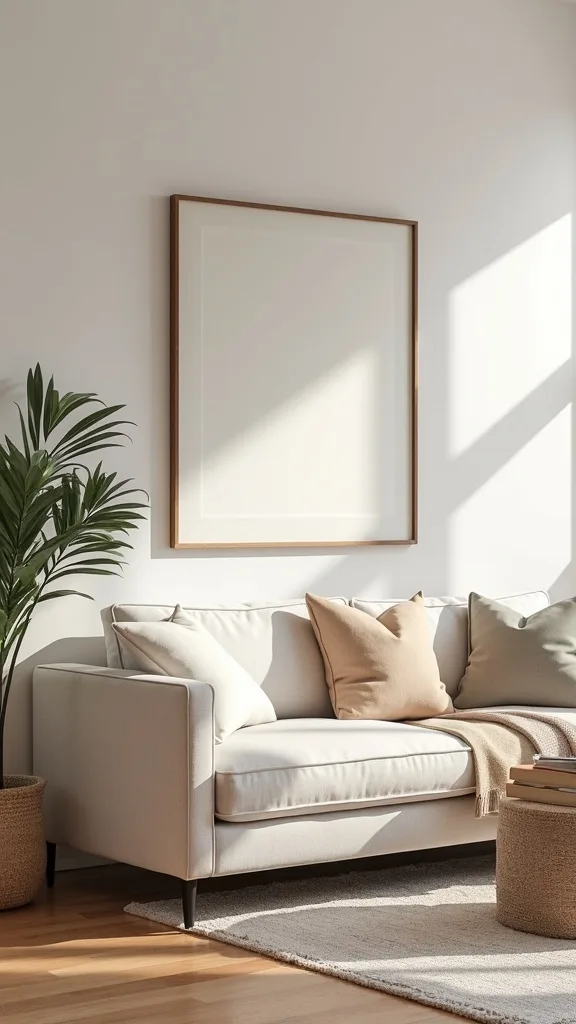
25. What’s the one detail that makes budget modern living rooms look expensive?
Correct scale is the detail that changes everything. It works because when furniture and decor match the room’s proportions, your brain reads the space as intentional and high-end.
Go bigger where it counts: a larger rug, taller curtains, one oversized art piece, and lamps that aren’t tiny. Keep surfaces clearer and choose fewer, stronger objects rather than many small ones.
Modern direction: big rug + one bold abstract. Traditional direction: large mirror or classic art at the right height. Transitional direction: oversized art with warm wood and black accents.
Beginner version: measure before you buy—write down sofa width, wall width, and ideal rug size. Pro tip: if you can only upgrade one thing, upgrade the rug size; scale is the shortcut to a polished room.
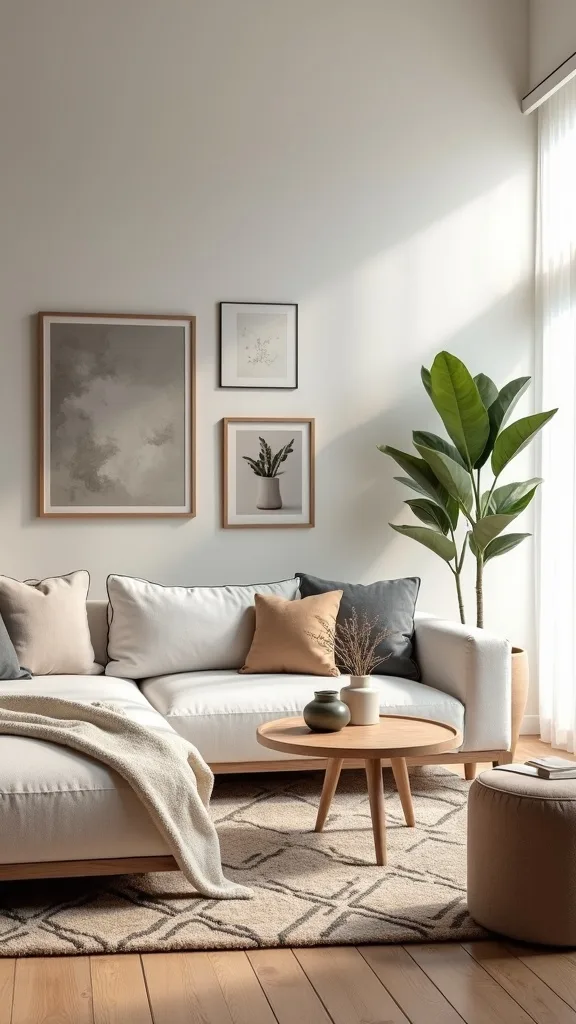
Final Thoughts
A chic room isn’t built by owning the “right” stuff—it’s built by making clear decisions and repeating them. Keep your palette calm, your shapes intentional, and your surfaces edited, and even thrifted pieces will look like they were chosen on purpose.
If you want a quick way to sanity-check your progress, take one photo from the doorway at night with only lamps on. If the rug feels large enough, the curtains look tall, and you can count two or three light sources, you’re extremely close.
The single most important thing to get right is scale. Today, measure your seating area and order (or thrift) the correctly sized rug—then build everything else around that one confident anchor.
What I’d Do Differently
When I first tried this, I treated “modern” like a shopping style instead of a decision-making system. I bought a pair of trendy black vases, two small abstract prints, and a skinny little rug because each item looked right on its own. In the room, it all felt busy and oddly cheap—like I’d decorated around the edges but never anchored the space. The specific mistake was going small on the rug to “save money.” The correct approach is the opposite: buy the right-size rug first (even if it’s simpler), then keep decor minimal and scaled up so the room has a clear foundation.
I also wish I’d known how much lighting matters. One overhead light made every budget choice look harsher. Two lamps with warm white light (2700K–3000K — the cosy, yellowish tone you see in most homes) instantly made the same furniture feel calmer and more intentional. Start by measuring your seating area and setting a rug-size target today—once the scale is right, the rest becomes surprisingly easy.