
This post contains affiliate links. As an Amazon Associate, I earn from qualifying purchases at no extra cost to you.
The moment a bedroom starts feeling “small” usually isn’t about square footage—it’s about the way stuff interrupts the light. A pile of shoes by the door, a chair that became a closet, a nightstand surface you can’t actually use. When storage is done well, the room exhales. Morning sun hits the walls cleanly, the walkway stays open, and the whole space feels more like a quiet boutique stay than a cramped landing zone.
This guide covers 25 ideas that mix DIY builds, upcycled pieces, dollar store finds, and affordable organizers that are genuinely livable. Think: soft-close vibes without the soft-close price tag, materials that hold up, and small tweaks that make the room feel smoother day to day.
This is perfect for anyone living in a small bedroom, renting, sharing a room, or just tired of playing “where did I put that?” before coffee.
Inside you’ll find a few high-impact moves—like a bed that stores like a dresser, a closet that behaves like a boutique, and wall storage that reads intentional instead of “I ran out of space.” A couple of these are Pinterest Trending for a reason: they make the room feel bigger without asking you to buy bigger furniture.
Below are 25 7 Budget Small Bedroom Storage Ideas 2026: DIY, Upcycled, Dollar Store Finds & Affordable Organizers to Save Money that keep bedroom storage feeling curated, not crammed, while protecting the light and flow you actually live in.
Products I Recommend for This Project
Here are some of my favourite products to help you bring these ideas to life:
- Amazon Basics Slim Velvet Suit Hangers (50-Pack) — Saves closet space and keeps a consistent, boutique-like line.
- Fab Totes Foldable Clothes Storage Bags (3-Pack) — Great for soft under-bed or top-shelf storage with zip closure to cut dust.
- mDesign Over Door Hanging Organizer with Pockets — Turns the back of a door into easy accessory storage without drilling.
- SONGMICS Storage Ottoman Bench — Adds hidden blanket/clothing storage while functioning as a seat or foot-of-bed piece.
- SpaceAid Drawer Organizer Bins (8-Pack) — Instantly upgrades dresser drawers so categories stay separated and easy to maintain.
1. Curated, budget-friendly storage that looks intentional (not improvised)
This is the backbone: a curated guide to inexpensive and creative storage solutions using DIY projects and budget-friendly products. It works because “matching” matters less than repeating finishes and keeping the floor visually quiet, so light can travel across the room without hitting clutter.
Start by choosing one unifying finish—matte white, light oak, or soft black—and stick to it for visible bins, baskets, and hooks. Then assign zones: one for clothing overflow, one for accessories, one for daily drop items. Labeling helps, but the real magic is consistency: every category gets a home you can reach without moving three other things.
Materials that read elevated on a budget: natural seagrass baskets, clear acrylic-like bins (even if they’re plastic), and brushed nickel hooks that bounce daylight. If you’re painting, a warm white like “Swiss Coffee” keeps the room bright without feeling stark.
Pro tip: leave 10–15% of each storage zone empty so the system stays breathable—your room will feel calm even on busy weeks, and that’s the point.
2. How can under-bed storage look luxe instead of messy?
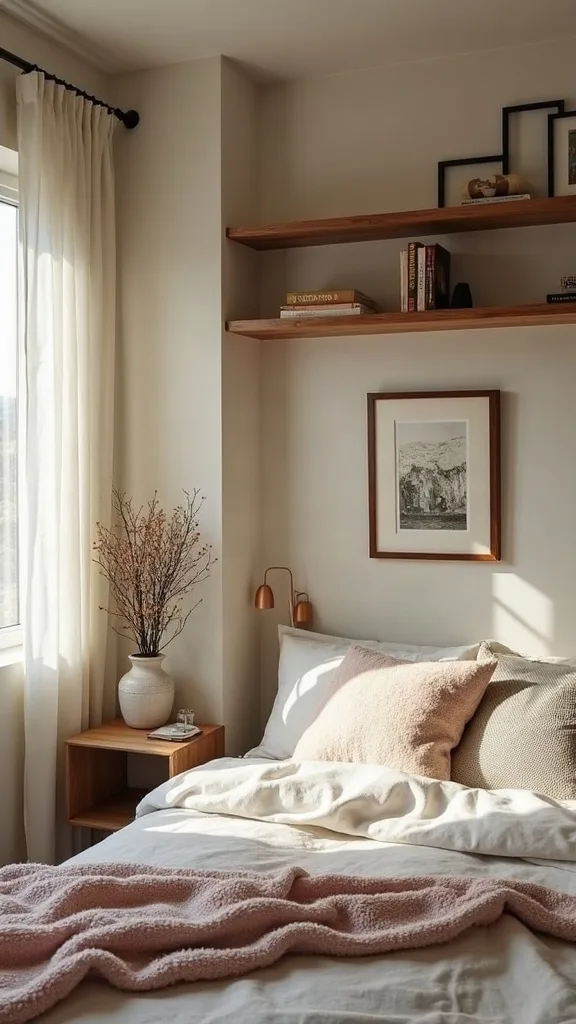
Under-bed storage is prime real estate, but it only feels luxe when it slides smoothly and stays visually quiet. The win is simple: you gain a whole dresser’s worth of volume without adding a single bulky piece that blocks your windows.
Use two to four low-profile rolling bins and commit to categories: off-season clothes, extra linens, or workout gear. If your bed sits low, add 6-inch risers (enough for most zip bags and shallow totes) and keep everything in identical containers so it reads like a system, not a stash.
Go for zippered fabric under-bed bags in oatmeal or grey, or clear lidded bins if you’re more “see it, use it.” A light oak bed frame plus linen bins feels airy, especially in a sunlit room with white walls and natural textures.
Pro tip: line the underside area with a thin rug pad offcut to reduce dust drift. It’s a tiny upgrade that makes the whole setup feel cleaner, calmer, and easier to live with.
3. What’s the cheapest way to add a second closet rod in a small bedroom closet?
A second closet rod is one of those upgrades that changes your mornings immediately. It works because most closets waste vertical space; doubling hang space gives your clothes room to breathe and keeps piles off the chair.
Measure the width of your closet and install a tension rod below the existing rod for shirts, skirts, or kids’ clothes. For more stability, use a basic closet rod kit with side brackets and place the lower rod about 38–42 inches below the top rod, adjusting for your longest garments.
For a clean look, choose white-coated metal rods or brushed nickel to match your hangers. Pair with slim velvet hangers so everything sits tight and uniform—your closet will feel like it has “sections,” not chaos.
Pro tip: leave one 12-inch “breathing gap” near the closet door for daily grabs. That tiny empty zone keeps the whole closet from feeling overpacked, even when life gets busy.
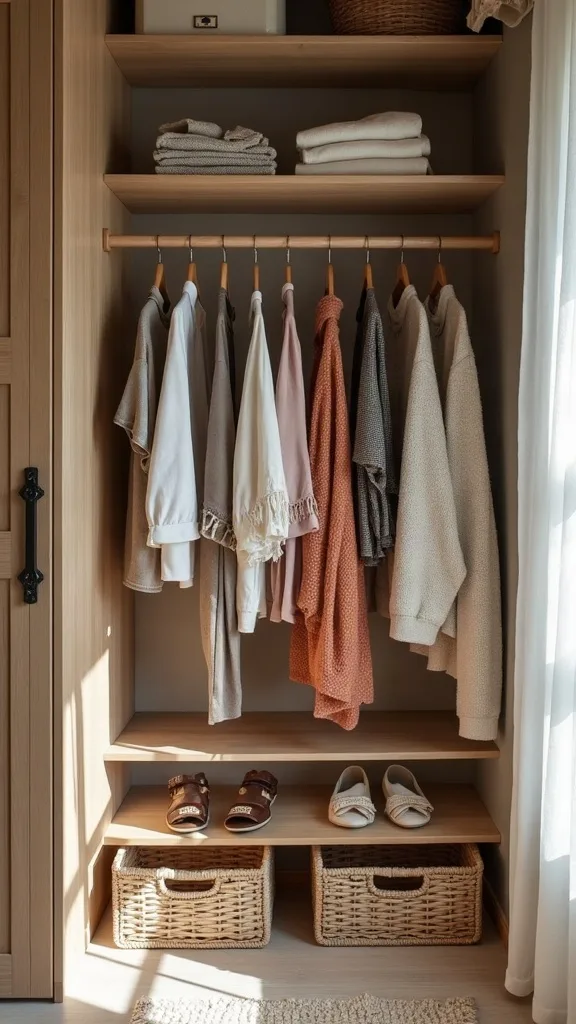
4. Which dollar store items actually work for bedroom storage (and don’t look cheap)?
Dollar store storage shines when it’s used as a hidden workhorse, not a focal point. The reason it works: small, repeatable pieces create micro-order—drawers stop becoming junk zones and surfaces stay usable.
Look for clear shoe boxes, shallow drawer organizers, and stackable baskets. Use them inside dressers, on closet shelves, or under the sink if your bedroom has an attached bath. Keep the “visible” layer elevated with one nicer basket or tray, and let the dollar store pieces do the sorting underneath.
Choose clear bins for small accessories and matte white baskets for socks, chargers, and hair tools. If something looks too glossy, a quick spray with matte clear sealer can soften the finish so it blends with more expensive pieces.
Pro tip: avoid flimsy bins with sharp edges—they crack fast and snag fabric. Spend $3–$6 more on anything that will be opened daily, and your system will feel smooth for years.
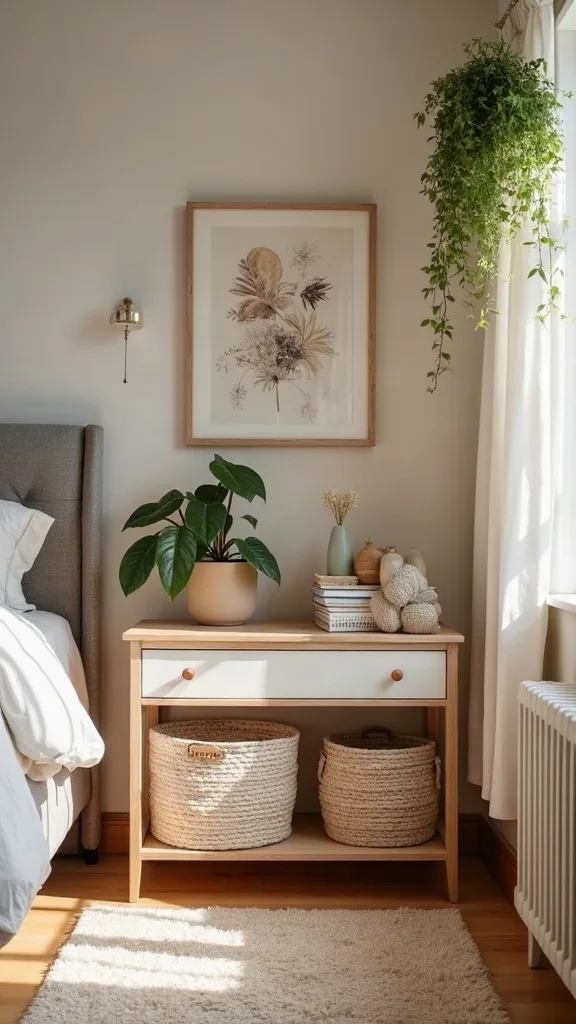
5. How do you turn a nightstand into real storage without buying new furniture?
A nightstand should feel like a landing pad, not a pile. This works because when the top is clear, the whole room feels calmer—especially in morning light when every object casts a tiny shadow.
Add a small two-tier shelf insert inside the nightstand cabinet, or slide in a narrow bin for books and chargers. No cabinet? Use a lidded box on the lower shelf and commit to one category: meds, cords, or journaling supplies. Route charging cables through a simple adhesive cord clip so they don’t drape into your walkway.
Materials that elevate: a wood tray in walnut or oak, a linen-covered box, and a warm brass lamp base that glows in warm white light (2700K–3000K — the cosy, yellowish tone you see in most homes).
Pro tip: keep only three items on top—lamp, water, book. When the surface stays spare, the room feels like it has more square footage, even if nothing else changed.
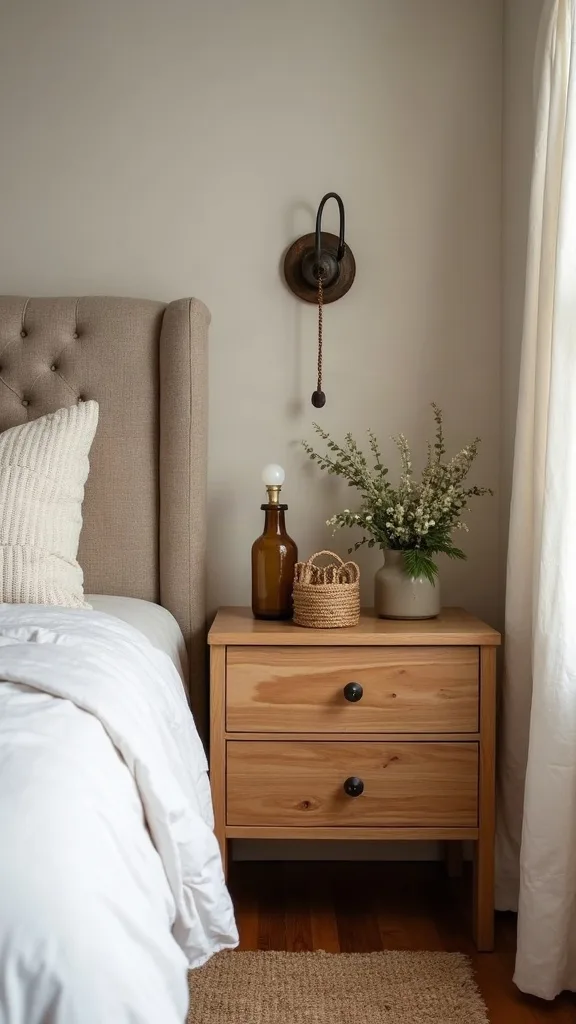
6. What’s the best way to use the back of the door for storage in a small bedroom?
The back of the door is the secret wall you’re not paying rent for. It works because it adds vertical storage without stealing floor space or blocking the natural flow from bed to closet to doorway.
Choose one over-the-door system: hooks for bags and jackets, or a pocket organizer for accessories. Mount it so the bottom clears baseboards, and keep the heaviest items closest to the top hooks to reduce sway. If the door slams, add a soft felt bumper so it closes quietly.
Go for matte black hooks for a modern look, or white to blend into the door. Canvas pocket organizers look calmer than shiny plastic and feel more “home,” less “dorm.”
Pro tip: avoid storing bulky coats here if your door opens into the room—big shapes create visual clutter. Keep it to slim items and you’ll feel the difference every time you walk in.
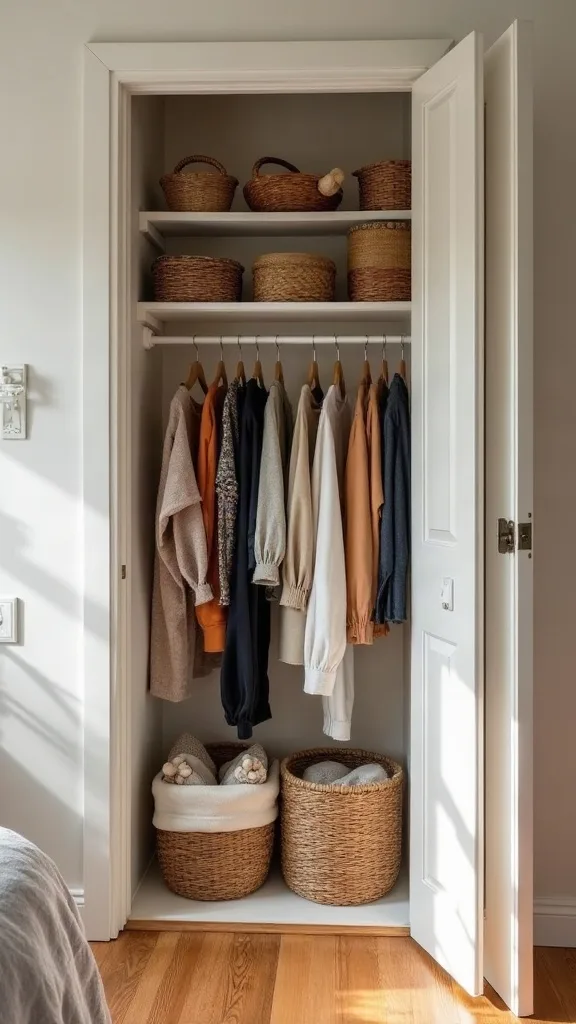
7. How can I store shoes without a shoe pile taking over the bedroom?
Shoe piles make a room feel instantly smaller because they live in the walkway and visually “fragment” the floor. The fix works because it gives shoes a boundary—once the boundary exists, clutter stops spreading.
Try a slim shoe cabinet (the flip-down kind) if you have a narrow wall, or use under-bed shoe bins if space is tight. For closets, add a hanging shoe organizer and reserve the bottom row for daily pairs. Keep a small washable mat near the entry so you’re not tracking outdoor dust into your calm zone.
Materials: white slim shoe cabinet for a light, airy look; light oak if your room leans warm and coastal. Clear shoe boxes are great if you rotate styles and want quick visibility.
Pro tip: avoid open wire racks in a bedroom—they read utilitarian and collect dust. Closed or covered storage keeps the room feeling more like a retreat.
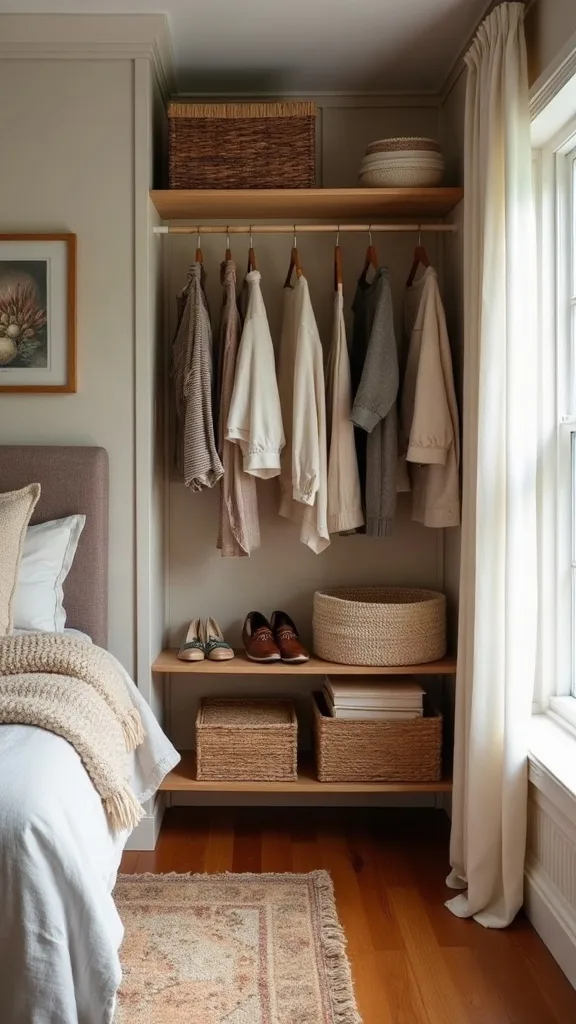
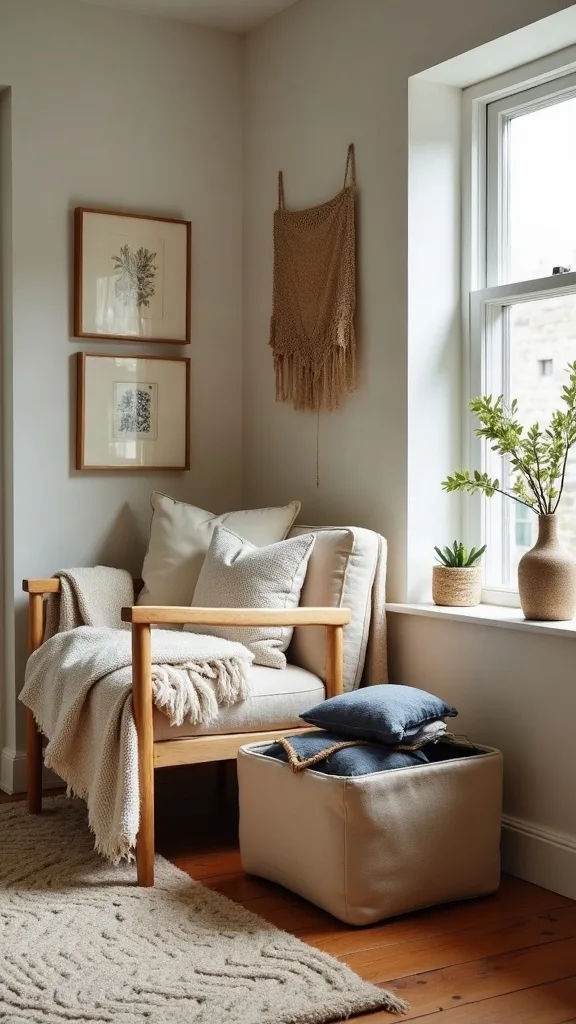
8. Can a storage ottoman replace a chair that’s become a clothes magnet?
Yes—and it’s one of the cleanest swaps you can make. A chair collects “not dirty, not clean” clothes; a storage ottoman gives that in-between category a hidden home while still feeling like furniture, not a bin.
Place the ottoman at the foot of the bed if you have at least 18–24 inches of clearance to walk comfortably. Use it for extra blankets, gym gear, or tomorrow’s outfit. If you’re in a rental, choose one that arrives assembled so you’re not wrestling tools in a tight room.
Look for bouclé or linen-look upholstery in cream, sand, or heathered grey. A light wood tray on top turns it into a stable surface for a candle or hand cream—easy indoor-outdoor calm, like you’re getting ready for an evening on the patio.
Pro tip: set a weekly reset rule—if it doesn’t fit inside, it doesn’t belong. The room stays airy, and your mornings get simpler.
Cost & Materials Estimate
Most of these ideas can be done as a mix-and-match weekend refresh for about $40–$220, depending on whether you add one furniture piece like an ottoman or shoe cabinet.
| Item | Estimated Cost | Where to Buy |
|---|---|---|
| Under-bed storage bins (set of 2) | $18–$38 | Amazon |
| Over-the-door hooks or organizer | $12–$28 | Amazon |
| Shelf risers / closet organizers (set) | $18–$45 | IKEA |
| Slim velvet hangers (50-pack) | $20–$35 | Amazon |
| Storage ottoman bench (optional “one big upgrade”) | $65–$140 | Wayfair |
Total estimated cost: $40–$220 Save money by standardizing bins and hangers first; splurge only on the one piece you’ll touch every day (like an ottoman or shoe cabinet).
9. How do you add wall storage without making the bedroom feel busy?
Wall storage should feel like architecture, not accessories. It works because you’re lifting items off the floor while keeping visual lines clean—especially important in a small bedroom where every inch of “air” matters.
Install one long picture ledge above the dresser or desk and use it for a rotating mix of a small plant, a framed print, and a lidded box. Keep the palette tight: two neutrals plus one accent. If you need more utility, add two matching floating shelves instead of multiple mismatched ones.
Finishes that blend: white floating shelves on white walls for a seamless look, or light oak shelves to warm up cooler rooms. Use woven baskets on shelves for soft texture and hidden storage.
Pro tip: avoid tiny shelves scattered everywhere. One strong horizontal line reads calmer, makes the wall feel taller, and keeps the room’s flow smooth.
10. What’s an affordable way to create a “drop zone” in the bedroom?
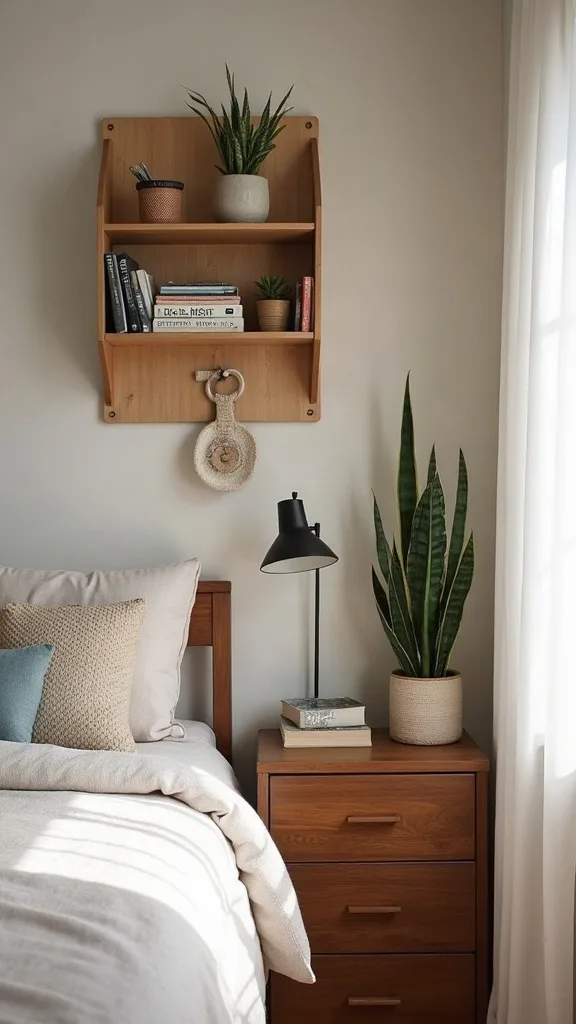
A bedroom drop zone keeps your calm space from turning into a daily dumping ground. It works because it catches the small stuff—keys, sunglasses, earbuds—before it migrates to the nightstand and takes over.
Use a shallow tray on top of a dresser or shelf near the door. Add one small bowl for coins and a hook strip for a hat or tote. If you don’t have a surface, mount a tiny floating shelf (even 12 inches wide) at hand height and keep it minimal.
Materials: a stone-look tray or warm wood tray, paired with brushed brass hooks. That mix feels quietly luxe, especially when afternoon light hits the metal and warms the corner.
Pro tip: avoid making the drop zone too big. If it can hold a week’s worth of clutter, it will. Keep it intentionally small so it stays a tool, not a pile.
11. How can I store linens in a small bedroom without a linen closet?
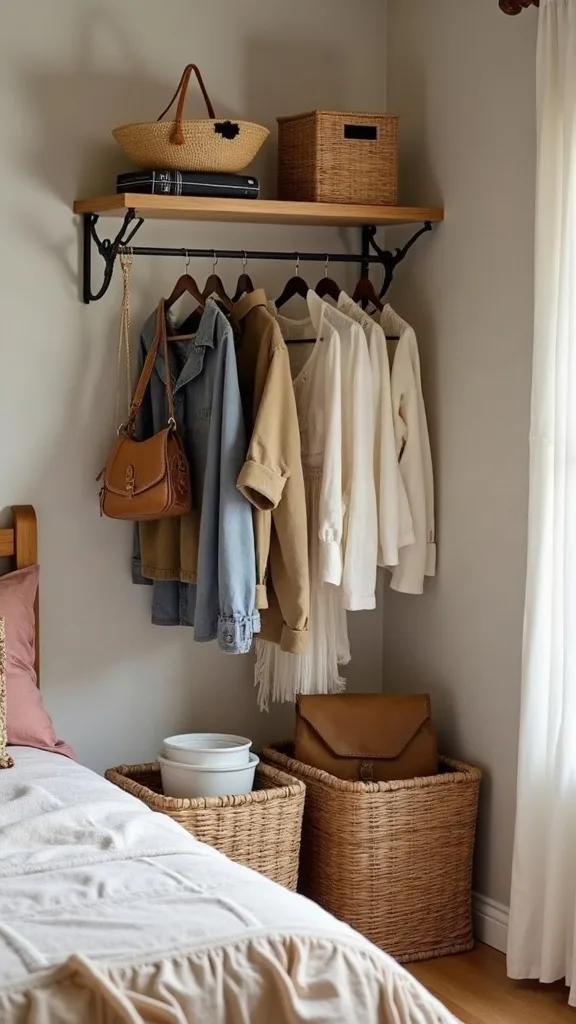
Linens are bulky, but they don’t need to feel bulky. This works because you store them where they’re used—near the bed—while keeping them compressed and contained.
Fold sheet sets into their matching pillowcase and stack them in a lidded bin on the top closet shelf. For extra blankets, use vacuum storage bags under the bed and label them by season. If you have a bench or ottoman, make that your “soft goods” zone and stop letting blankets drift across the room.
Choose canvas lidded bins in oatmeal or soft grey to keep the look calm. Clear labels in black text feel modern and readable without screaming “storage.”
Pro tip: avoid overfilling vacuum bags—too tight can stress seams and make them hard to slide. A little air space keeps things easy, and ease is what makes systems last.
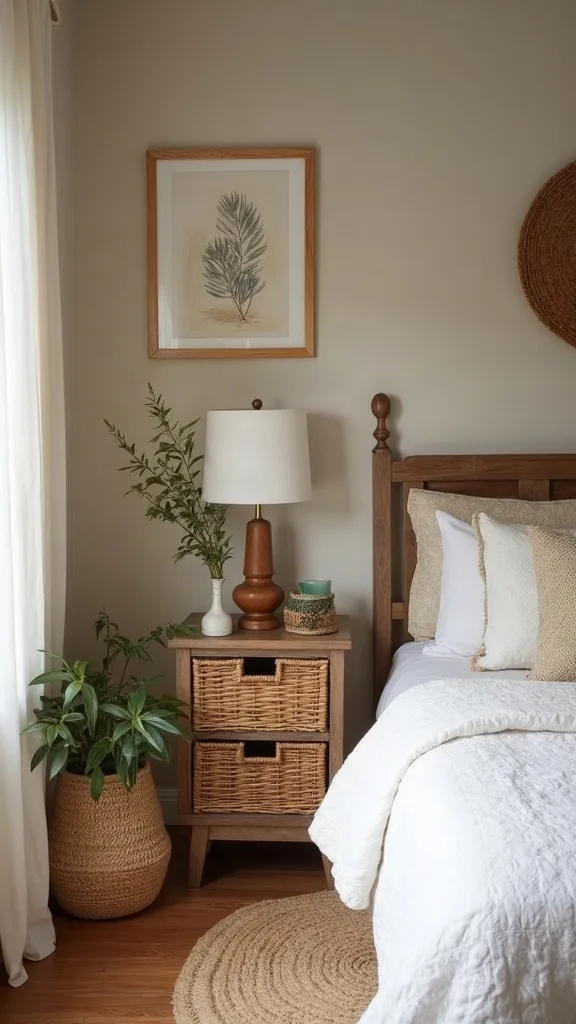
12. What’s a renter-friendly way to add more closet shelving?
Closet shelves are where order either happens—or doesn’t. Renter-friendly add-ons work because they create layers: sweaters don’t slump, bags don’t collapse, and you stop losing items in a single tall stack.
Use stackable shelf risers to double your folded-clothes area. Add hanging shelf cubbies for tees and denim, then reserve one cube for “weekend” or “workout” so you’re not digging. If your closet has a single top shelf, add an under-shelf basket for small items like belts and tanks.
Materials: white wire shelf risers (easy to see and keep clean) or bamboo risers for a warmer, coastal feel. Pair with matching bins so the closet reads cohesive when the door is open.
Pro tip: avoid deep stacks higher than 10–12 inches. They topple, and then the system feels annoying—annoying storage gets abandoned.
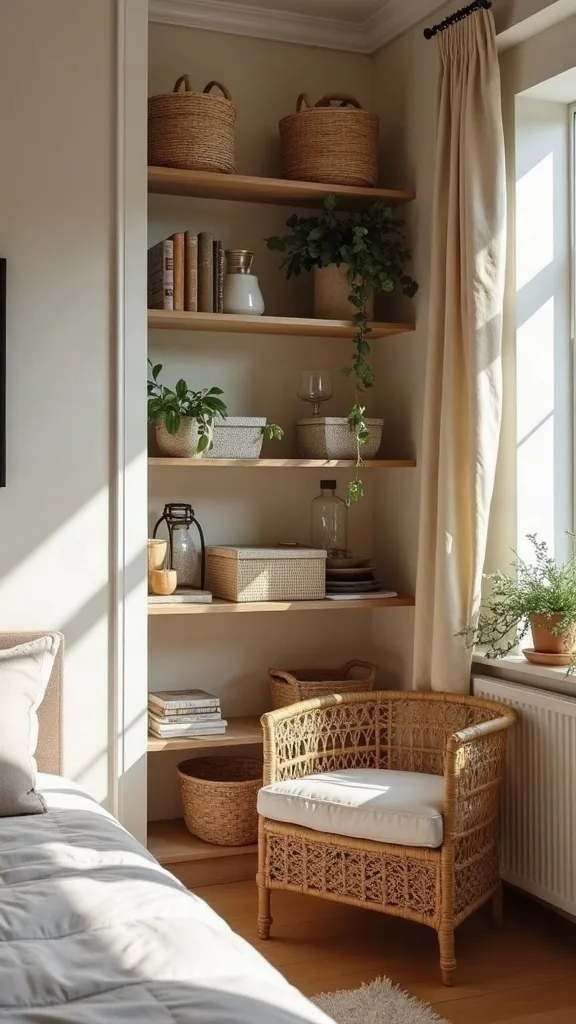
13. How do you make a dresser hold more without buying a bigger one?
A dresser can store more when every drawer has a layout. This works because categories stop mixing; you don’t need extra furniture when the existing space finally behaves.
Add drawer dividers for underwear, socks, and tees, and roll softer items to see everything at once. Put rarely used items in the bottom drawers and daily items at waist height. If drawers snag, add adhesive felt pads on the runners so opening and closing feels smoother.
Use fabric drawer organizers in neutral tones so the inside feels calm too. It sounds small, but when your drawers feel orderly, getting dressed becomes faster and less mentally noisy.
Pro tip: avoid storing heavy jeans in the top drawers of lightweight dressers—they can strain the frame. Keep heavy items low, and your dresser will last longer while the room stays serene.
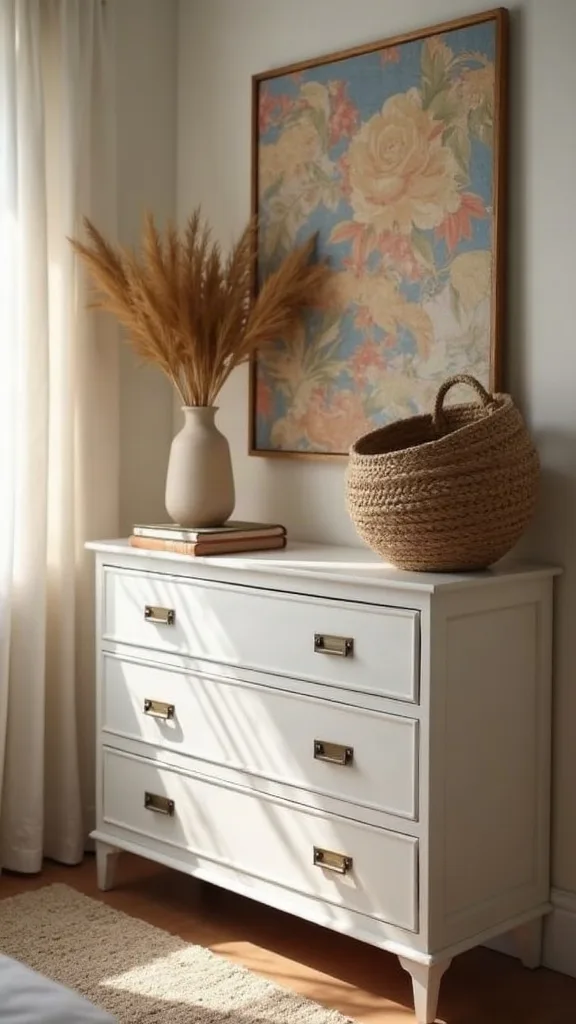
14. Can pegboards work in bedrooms without looking like a garage?
Pegboards can absolutely feel elevated when you treat them like a design panel. They work because they store awkward items—jewelry, hats, small bags—vertically, keeping surfaces clear and the floor open.
Mount a small pegboard near your closet or vanity area and limit it to one purpose: accessories only. Use matching pegs and a couple of small cups for hair clips or rings. Keep spacing generous so it doesn’t look crowded; negative space is what makes it feel intentional.
Choose a wood pegboard for warmth, or paint a white pegboard the same color as the wall for a quiet, blended look. Brass pegs look especially good in natural light and feel subtly coastal-modern.
Pro tip: avoid over-hanging heavy purses here—too much weight can pull anchors over time. Use it for light items, and let it become a calm daily ritual zone.
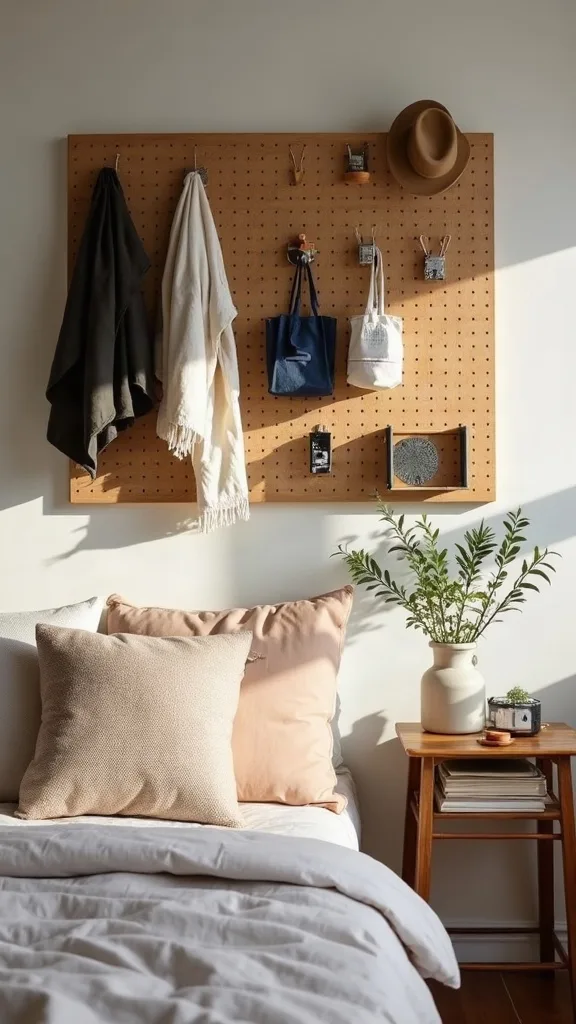
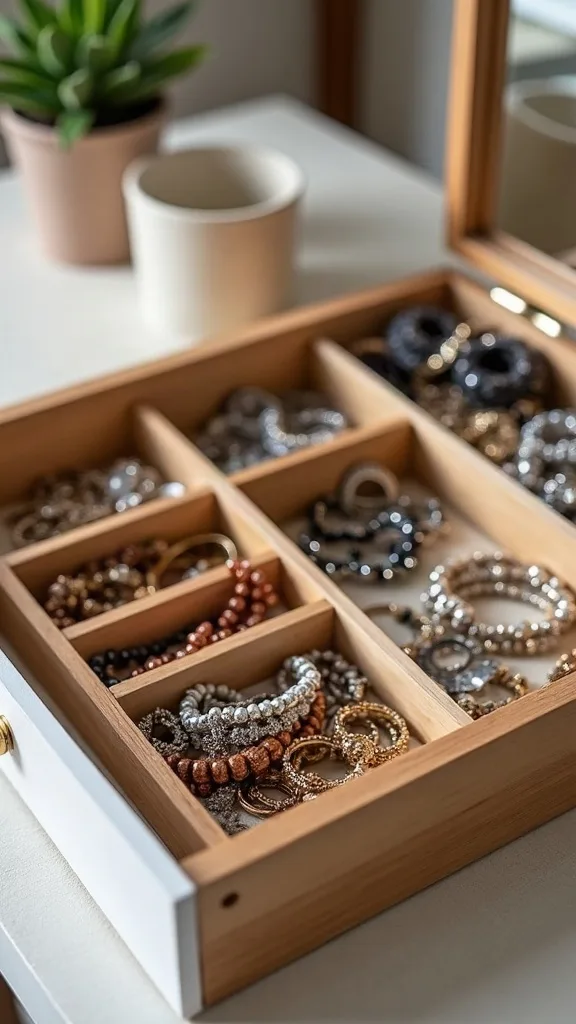
15. How do I store jewelry so it doesn’t tangle (without a pricey organizer)?
Tangled jewelry is a tiny daily frustration that adds up. The fix works because it creates separation: chains hang, earrings pair, and you stop losing time under warm bathroom lighting when you should be easing into the day.
Use adhesive hooks inside a cabinet door or on the side of a dresser to hang necklaces. For earrings, a simple mesh frame or a repurposed picture frame with wire makes a clean display. Keep daily pieces in a small dish and everything else in a divided tray so it’s not all out at once.
Materials: velvet ring boxes, small acrylic drawers, and brushed brass hooks. If you like a softer look, a linen-lined tray feels calm and tactile.
Pro tip: avoid storing jewelry in the bathroom—humidity can dull finishes. Keep it in the bedroom where the air is steadier, and it’ll stay nicer with zero extra effort.
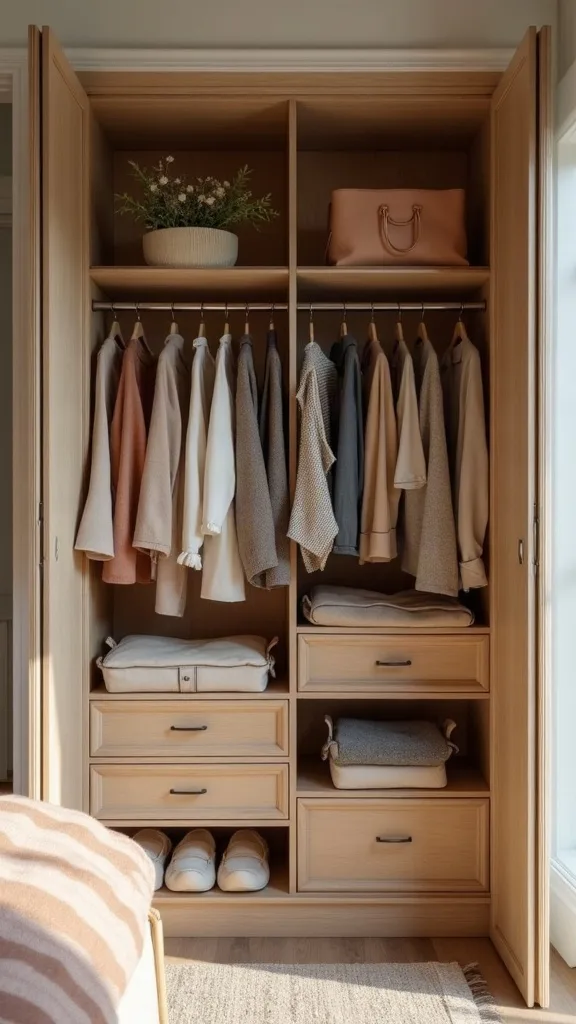
16. What’s a smart way to store bags in a small bedroom closet?
Bags get crushed fast, and crushed bags make a closet feel sloppy. This works because it gives bags structure and a designated “shelf life,” keeping them upright and easy to grab.
Use shelf dividers to create vertical slots, like a boutique display. Stuff bags with tissue or old tees to hold shape, then store them upright with handles facing out. If shelves are limited, hang lighter bags on S-hooks from the closet rod and keep heavier ones on the top shelf to prevent stretching.
Choose clear shelf dividers so the closet still feels open, or white dividers for a cleaner, blended look. A woven basket can hold clutches and small crossbodies without them disappearing into the back.
Pro tip: avoid hanging heavy leather totes by their straps long-term—it can warp the handle. Store weighty bags on a shelf, and your collection stays polished.
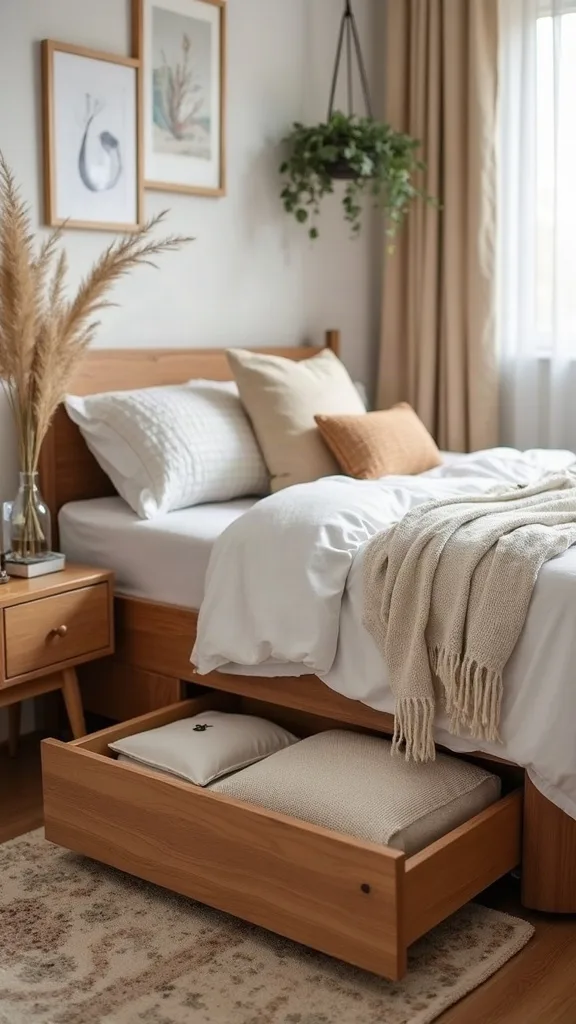
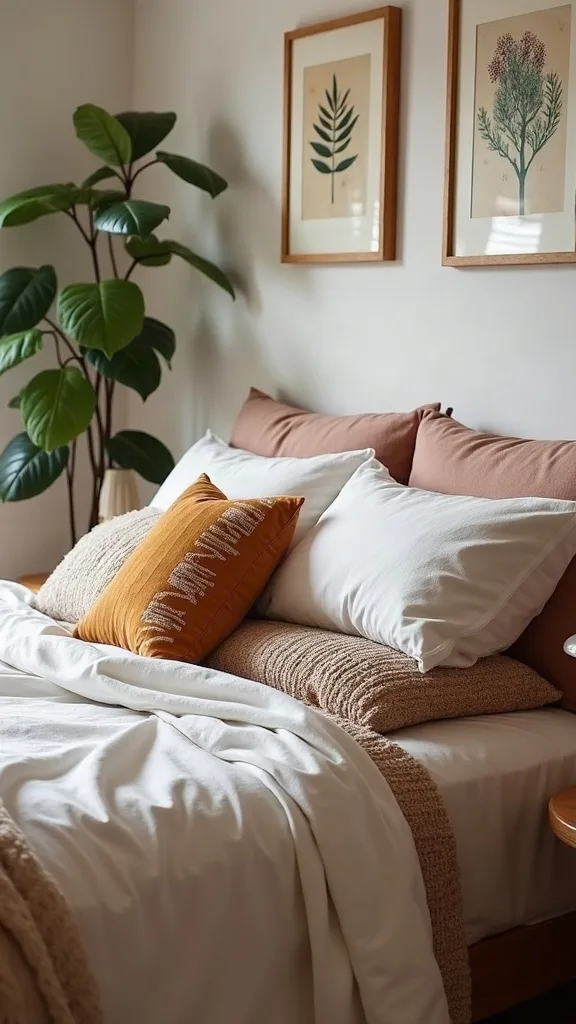
17. How can I add hidden storage to a bed frame on a budget?
If your bed is the biggest piece in the room, it should work the hardest. Hidden storage works because it turns that footprint into function—without adding visual noise or blocking the natural path through the room.
If you have a basic metal frame, add a bed skirt (or a clean panel curtain clipped to the frame) to hide under-bed bins. If you’re handy, build simple plywood drawers on casters that roll out from the side. Keep drawer fronts smooth and minimal so they read like built-ins, not DIY chaos.
Materials: birch plywood with a satin clear coat for a light, modern finish, or paint drawer fronts warm white to blend. Add leather pull straps for a relaxed, California-casual detail.
Pro tip: avoid drawers that open toward a wall you can’t access. Plan the pull-out direction around daily flow, and the storage will actually get used.
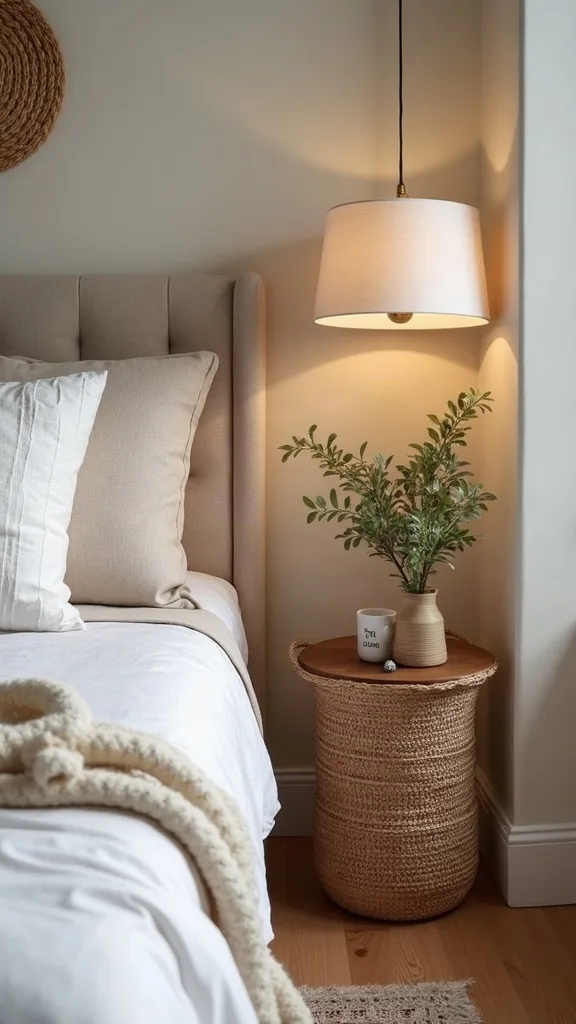
18. What’s the simplest DIY for extra storage beside the bed?
A slim bedside caddy is the quiet hero of small rooms. It works because it catches the bedtime essentials—book, phone, hand cream—without requiring a full nightstand footprint.
Sew one from canvas drop cloth or buy a ready-made felt caddy and slide it between the mattress and bed frame. Dedicate pockets: one for the phone, one for the remote, one for the book. If you’re charging overnight, run the cable through the top pocket so it doesn’t drape across your pillow area.
Choose felt or canvas in soft grey, oatmeal, or charcoal. These textures feel warm and quiet, especially when the room is lit with warm white light (2700K–3000K — the cosy, yellowish tone you see in most homes).
Pro tip: avoid overstuffing it. Keep it to nightly essentials and it becomes a ritual—bedtime feels calmer, not cluttered.
19. How do I store books in a small bedroom without adding a big bookshelf?
Books add soul, but bulky shelving can steal precious air space. This works because you keep books where they’re enjoyed while keeping the room’s edges light and walkable.
Use a wall-mounted picture ledge or two narrow floating shelves near a reading chair or the bed. Store current reads face-out and the rest in a lidded box under the bed or inside an ottoman. If you have a dresser, stack a short column of books with a tray on top—instant layered function without sprawl.
Materials: light oak ledges for warmth, or white shelves for a seamless look. A single black metal bookend adds structure without visual heaviness.
Pro tip: avoid filling shelves edge-to-edge. Leaving a little negative space makes the wall feel taller and the room feel more breathable—like there’s room for you, not just your stuff.
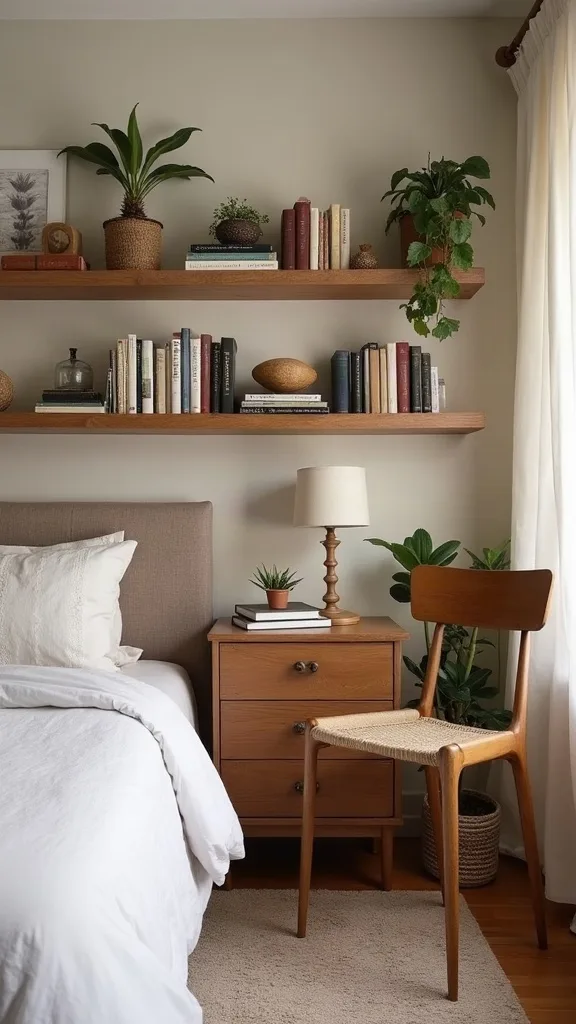
20. Can I use a rolling cart for bedroom storage without it feeling like a classroom?
A rolling cart can feel surprisingly elevated when it’s styled like a bar cart—just for life. It works because it’s mobile: you can tuck it away, pull it out when needed, and keep surfaces clear.
Use it as a “getting ready” station: hair tools in a heat-safe bin, skincare in a tray, towels on the bottom. Or make it a craft/office cart that rolls into a closet when guests come over. Keep the top tier minimal so it doesn’t become a visual catch-all.
Choose a white metal cart with wood accents, or matte black with a warm wood tray to soften the look. Add small labeled bins so the cart reads organized even when full.
Pro tip: avoid storing too many tall bottles up top—they tip when you roll. Low, contained items keep the cart smooth and make the whole room feel more composed.
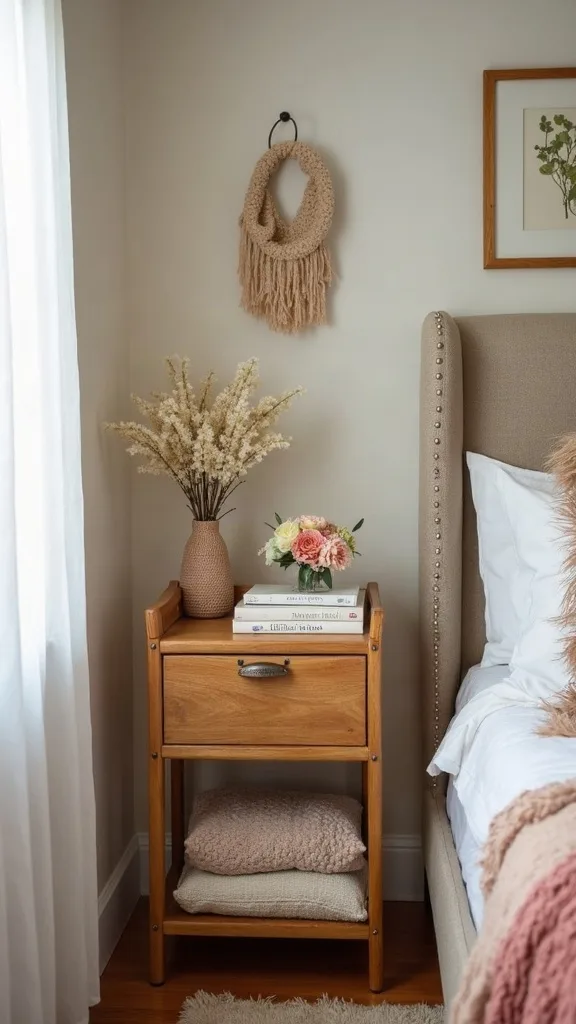
21. How do I organize a shared small bedroom so both people have space?
Shared bedrooms work when storage is clearly “yours” and “mine.” This works because boundaries reduce friction—and when the room flows, it feels more like a retreat for two, not a constant negotiation.
Split closet space by side, not by category, so each person owns a zone. Add matching bins on the top shelf—one per person—for off-season items. If one dresser is shared, assign drawers by row and use dividers so things don’t migrate. Keep one small shared basket for laundry odds like missing socks and lint rollers.
Use matching hangers and consistent bins to make the closet feel unified even when styles differ. Light neutrals keep the room bright and help morning light bounce instead of getting absorbed by dark clutter.
Pro tip: avoid “floating” items with no owner. If something doesn’t have a person and a spot, it becomes the room’s permanent mess.
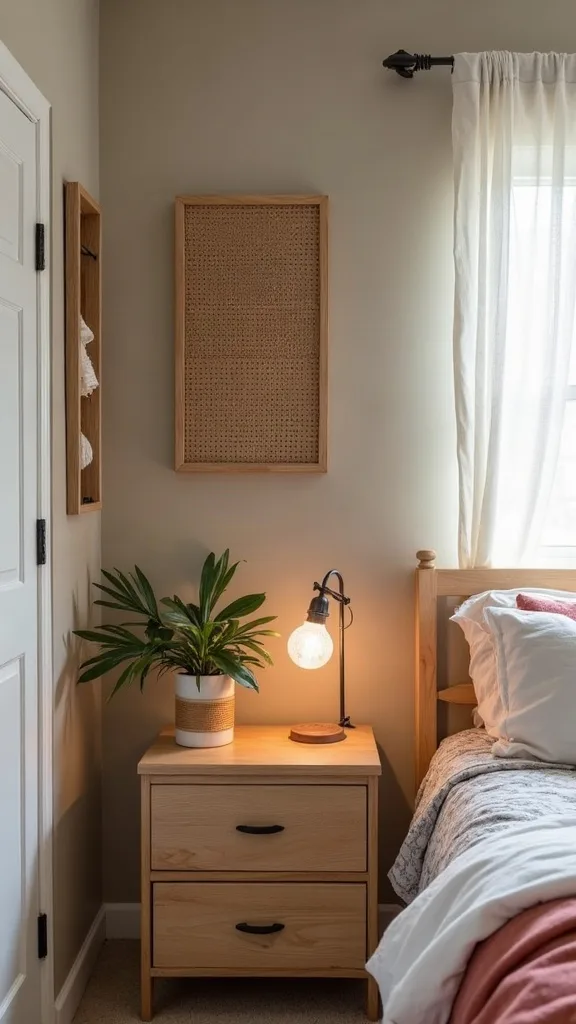
22. What should I avoid when doing budget storage in a small bedroom?
The biggest thing to avoid: buying random containers first and hoping they solve the problem. That approach fails because mismatched sizes waste space, and visual clutter makes a small bedroom feel tighter even when it’s technically “organized.”
Instead, measure your key zones—under bed clearance, closet shelf depth, and the width beside your dresser. Choose one container type per zone and buy in a set, even if you start with just two. Build out slowly as you learn what you actually reach for week to week.
Avoid finishes that fight your room’s light. Super glossy plastic can look harsh; choose matte bins, woven baskets, or clear bins with clean lines. If you’re mixing materials, repeat one metal finish—brushed nickel or warm brass—so it feels intentional.
Pro tip: if a storage solution makes you move more than one thing to reach what you want, it won’t last. Design for daily ease, and the room stays calm on real-life mornings.
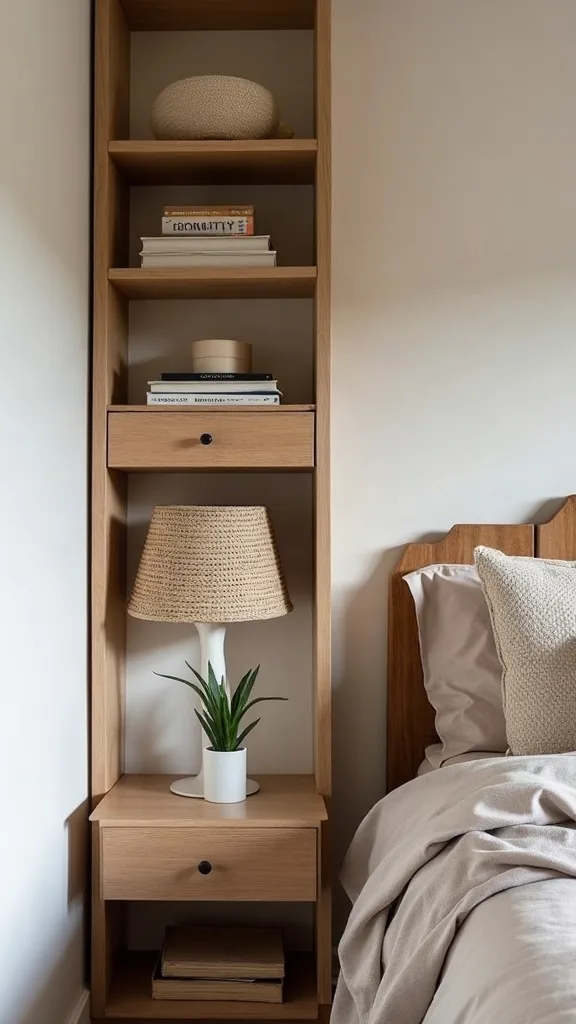
23. How can I upcycle jars and boxes into bedroom storage that feels elevated?
Upcycling works when the result feels cohesive, not crafty. It’s effective because you turn “already paid for” items into organizers, while choosing finishes that play nicely with your bedroom’s light and materials.
Save sturdy shoe boxes and wrap them in linen-look contact paper for drawer dividers. Use glass jars for cotton rounds, hair ties, or matches, and add matching labels. If you have mismatched jars, spray the lids the same color—matte black or warm brass—and suddenly the set looks intentional.
Materials: linen contact paper, simple black label tape, and a small wood tray to corral the jars. The tray is what makes it feel like decor you live with, not storage you’re hiding.
Pro tip: avoid over-labeling everything like a pantry. Label only what you forget—then let the rest feel relaxed, personal, and easy.
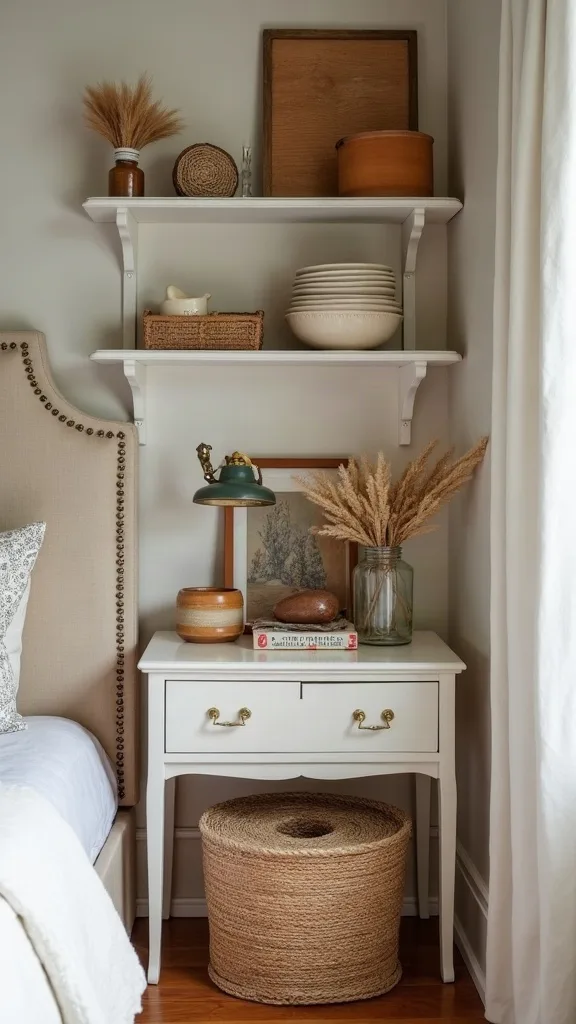
24. How do I store seasonal clothes without vacuum bags taking over?
Seasonal storage should feel invisible until you need it. This works because you’re rotating wardrobe volume with the weather, which keeps your closet breathable and your daily choices simpler.
Use one consistent bin size for seasonal items and keep them on the top shelf or under the bed. Vacuum bags are great, but limit them to bulky items like puffer jackets and extra comforters—then slide them into a single lidded tote so they don’t look like random plastic pillows. Rotate twice a year and do a quick donate pass at the same time.
Choose lidded clear totes so you can see contents without opening everything, or neutral fabric bins if the storage is visible. A cedar sachet inside keeps things fresh without heavy fragrance.
Pro tip: avoid storing “maybe” clothes for years. If it didn’t get worn last season, let it go—your room will feel lighter in a way you notice every day.
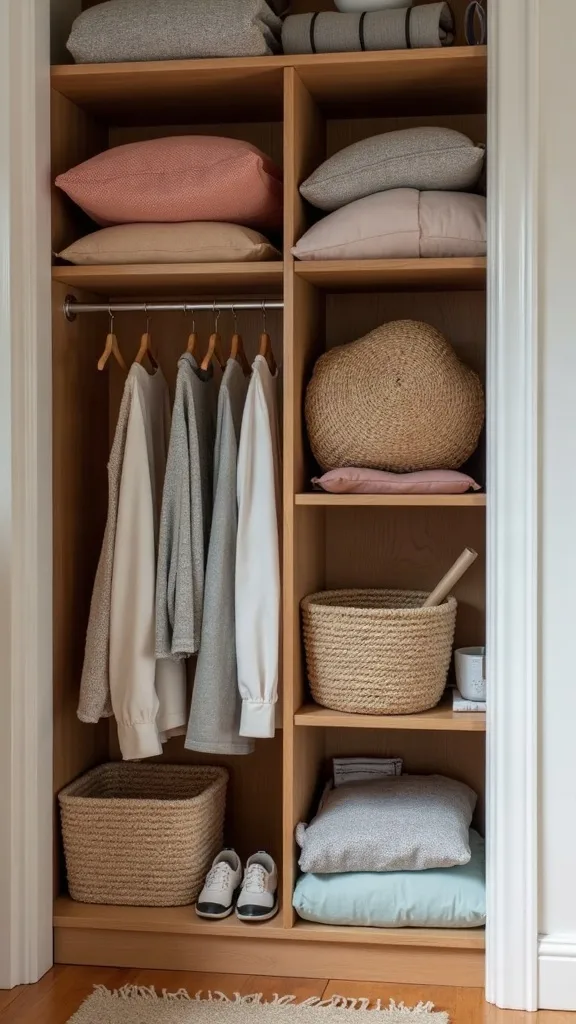
25. What’s one weekend storage reset that makes a small bedroom feel bigger fast?
The fastest reset is clearing the floor and restoring clean pathways. It works because open floor space is what your brain reads as “bigger,” especially when daylight can reach the baseboards and corners again.
Set a 60-minute timer and do three passes: (1) relocate anything that doesn’t belong in the bedroom, (2) contain the rest into bins or baskets, (3) assign one permanent home for each category. Finish by moving the bed and dresser just an inch or two if it improves the walkway—small shifts can change the whole flow.
Use two matching baskets (one for soft items, one for accessories) and one catch-all tray for daily essentials. Stick to light neutrals so the room stays bright and airy.
Pro tip: end by opening a window for five minutes. Fresh air plus clear floors makes the room feel like a reset button—like your space is supporting you again.
Final Thoughts
Good storage in a bedroom isn’t about cramming every inch full—it’s about protecting the way the room feels at 7 a.m. when the light comes in and you’re trying to start your day without stepping over yesterday. When the floor stays open and the surfaces stay usable, the space feels bigger because your body can move through it without friction.
Keep your choices simple: repeat finishes, hide the messy categories, and design around the path you walk most—bed to closet, closet to door, door to laundry. The more your storage supports that flow, the more the room starts to feel like a quiet retreat that just happens to hold real life.
Do one thing today: measure your under-bed clearance and order (or repurpose) two matching bins that fit—then commit to storing only one category in them. That single move starts the kind of home that feels personal, not decorated.
What I’d Do Differently
When I first tried this, I made the classic mistake: I bought containers before I measured anything. I came home with “good deals” that were all slightly different heights, and suddenly my closet shelf couldn’t stack cleanly, my under-bed bins scraped the frame, and the only thing I’d really organized was my frustration. The correct approach is almost boring, but it works: measure the three zones that matter (under bed clearance, closet shelf depth, and any narrow wall you might use), then pick one bin style per zone and repeat it. The room instantly feels calmer because your storage stops looking like a collection of one-off purchases.
I also wish I’d started by protecting the light and flow—clearing the walkway and keeping storage low-contrast—before chasing “more space.” Once the floor was open, I needed fewer organizers because I could actually see what I owned. Pick one zone today (under bed or the back of the door), measure it, and set up a simple system you’ll use tomorrow morning.