
This post contains affiliate links. As an Amazon Associate, I earn from qualifying purchases at no extra cost to you.
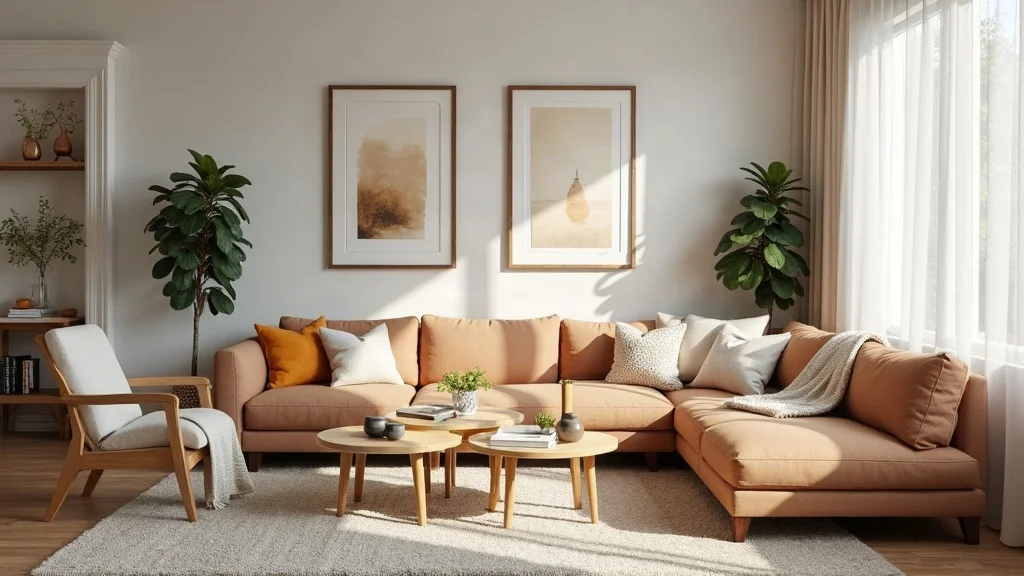
The fastest way to make a living room feel expensive isn’t buying new furniture—it’s making the room feel intentional. If your space looks “fine” but never quite cozy, it’s usually missing layers: layered light, layered texture, and layered meaning (objects that look like you, not a showroom).
The principle behind every upgrade in this post is simple: coziness is controlled contrast. Our brains relax when a room has gentle light, touchable surfaces, and a clear visual hierarchy—one or two things lead, everything else supports. That’s why a single lamp, a softened color palette, and one thrifted statement can shift the whole mood.
This is perfect for renters, first-time homeowners, and anyone trying to create cozy living without committing to a full redesign or a cart full of matching sets.
Inside you’ll find thrift-store wins that look custom, DIY accents that add texture in minutes, dollar store hacks that read “designer” from across the room, and affordable art tricks that make blank walls feel finished.
Below are 25 7 Budget-Friendly Cozy Living Room Decor Upgrades 2026: Thrifted Finds, DIY Accents, Dollar Store Hacks & Affordable Art that boost warmth, sharpen your style, and keep your budget intact.
Products I Recommend for This Project
Here are some of my favourite products to help you bring these ideas to life:
- Philips LED A19 Soft White 2700K Light Bulbs — An easy swap that instantly warms up harsh lighting for a cozier feel.
- Lutron Credenza Plug-In Dimmer for Table Lamps — Lets you dial lighting up and down without rewiring, perfect for rentals.
- MIULEE Corduroy Decorative Throw Pillow Covers (18×18) — Affordable texture that reads cozy and elevated on a sofa.
- Utopia Bedding Throw Blanket (Fleece, 50×60) — A budget-friendly layer that makes seating look softer and more inviting.
- Command Large Picture Hanging Strips — Helps hang frames and mirrors without nails, so walls look finished fast.
1. Use “pinpoint” upgrades to add warmth without touching the big furniture
This idea is about choosing small, high-impact changes—pinpoint upgrades—instead of expensive swaps. It works because your eye reads coziness through light pools, soft edges, and a few intentional focal points, not the price tag of a sofa.
Implement it by picking three micro-zones: the sofa corner, the coffee table, and the wall behind seating. Give each zone one upgrade: a lamp, a textile, and a piece of art or mirror. Modern rooms look best when the upgrades are clean-lined; traditional rooms can handle more detail; transitional spaces shine with a mix of both.
Consider a thrifted lamp base, a new shade in warm neutral linen, and a small stack of books tied with twine for texture. Add one touchable fabric (bouclé, cotton knit, or faux mohair) so the room “feels” cozy even in photos.
Pro tip: take one step back and check if the room has at least two light sources and one soft surface within a 3-foot reach of the main seat—comfort should be effortless, not a scavenger hunt.
2. How do you make a living room feel cozy with lighting on a budget?
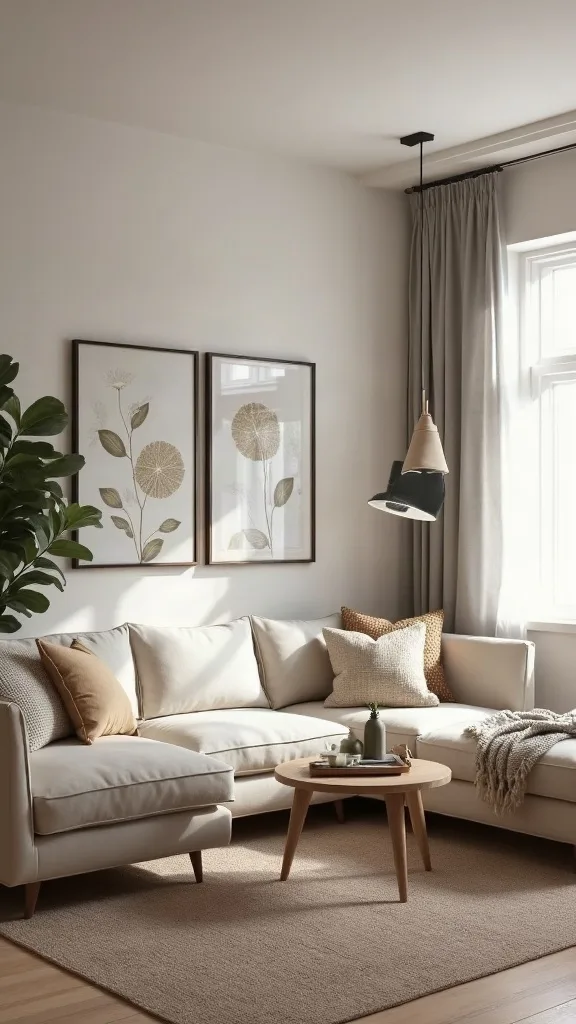
Cozy lighting is less about brightness and more about direction. It works psychologically because downward or side lighting creates “safe” pockets—your nervous system reads it like dusk, not a dentist’s office.
Start by adding one table lamp or floor lamp near the sofa, then switch overhead use to “only when cleaning.” Choose bulbs labeled warm white light (2700K–3000K — the cosy, yellowish tone you see in most homes). For modern style, pick a simple matte black or brushed nickel lamp; for traditional, a ceramic or turned-wood base; for transitional, a pleated or linen shade on a clean base.
Products to look for: a thrifted lamp base, an affordable drum shade, and a plug-in dimmer (great for rentals). If you’re shopping dollar store, grab a glass vase and turn it into a lamp-look by pairing it with a budget shade and battery puck light inside.
Pro tip: aim the lamp so it washes a wall or a curtain—reflected light is what makes a room glow instead of glare, and it instantly feels like you tried.
3. What’s the cheapest way to add texture so a room looks warmer?
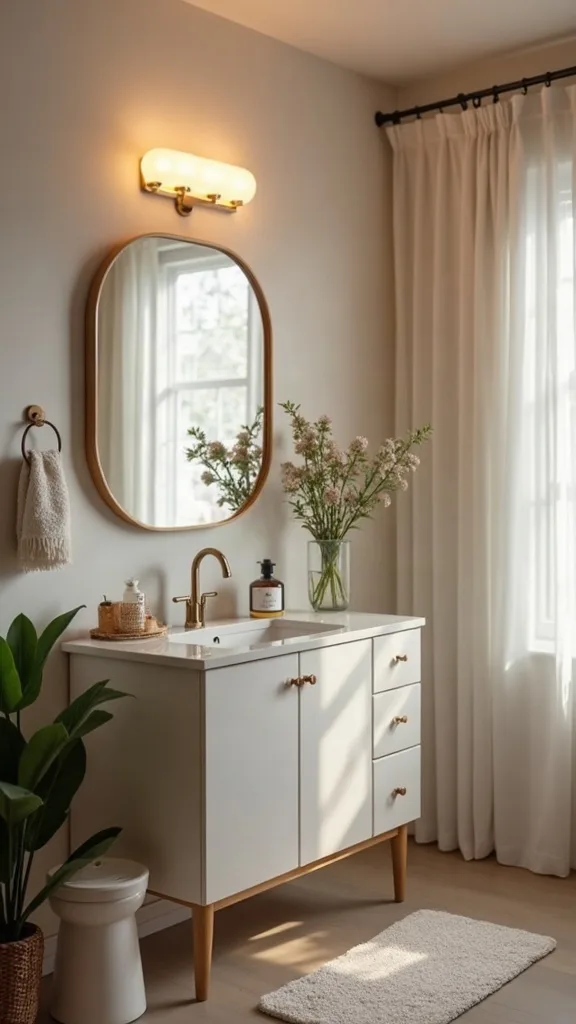
The cheapest warmth you can buy is texture—because texture creates shadow, and shadow reads as depth. Our brains interpret depth as comfort and “settled-in” living, especially in photos (hello, Pinterest Trending).
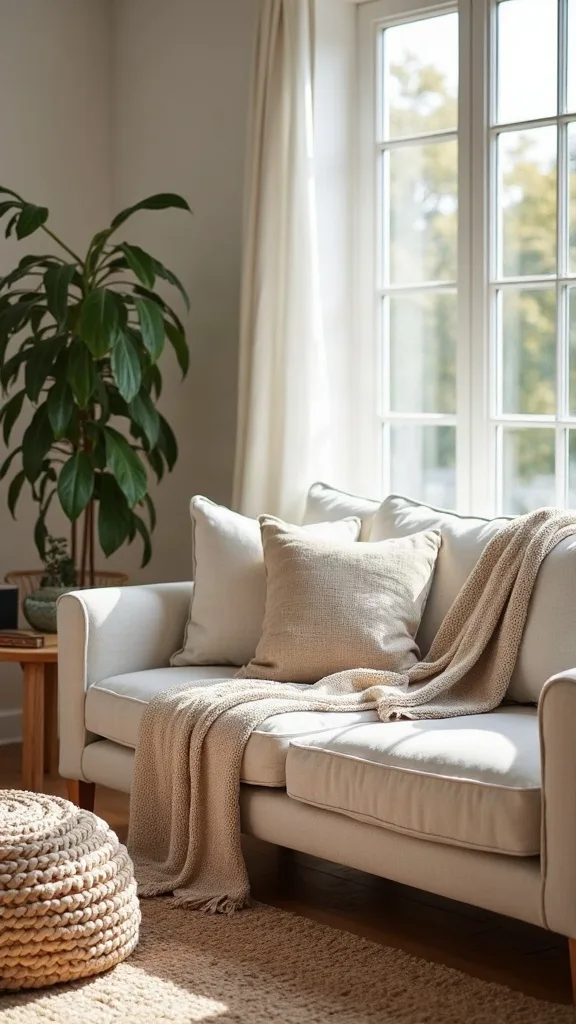
Implement this by layering two textiles on the sofa: one throw and one pillow cover in different weaves. Modern: keep colors tight (cream/charcoal/sand) and vary texture only. Traditional: bring in a small pattern like a ticking stripe or micro-floral. Transitional: mix a solid with one subtle pattern.
Look for thrifted wool throws, cotton quilts, or even oversized scarves that can be folded at the arm of the sofa. Dollar store hack: buy two matching placemats in a woven texture and use them as pillow fronts (hot glue or a no-sew hemming tape works for beginner level).
Pro tip: keep one “nubby” texture (bouclé, loop knit) and one “smooth” texture (cotton, velvet). That contrast is the secret sauce—quiet, but instantly cozy.
4. How can you style thrifted frames so wall art looks expensive?
Thrifted frames look high-end when they share one unifying element. This works because the brain loves order—consistent color or finish signals “curated,” even if each frame cost $2.
Pick a frame finish plan: all black, all warm wood, or all gold. Then spray-paint mismatched frames to match (satin, not glossy). Modern galleries look best with thin frames and lots of white space; traditional can handle ornate edges; transitional loves a mix of thin and slightly detailed profiles.
For art, use downloadable prints, vintage book plates, or oversized wrapping paper. Beginner version: frame fabric—linen, a striped tea towel, or a thrifted scarf—so you get pattern without committing to wallpaper.
Pro tip: cut one mat from poster board to create a clean border. That simple matting trick is what stops thrifted frames from looking like…thrifted frames, and it gives your wall the confidence of a real collection.
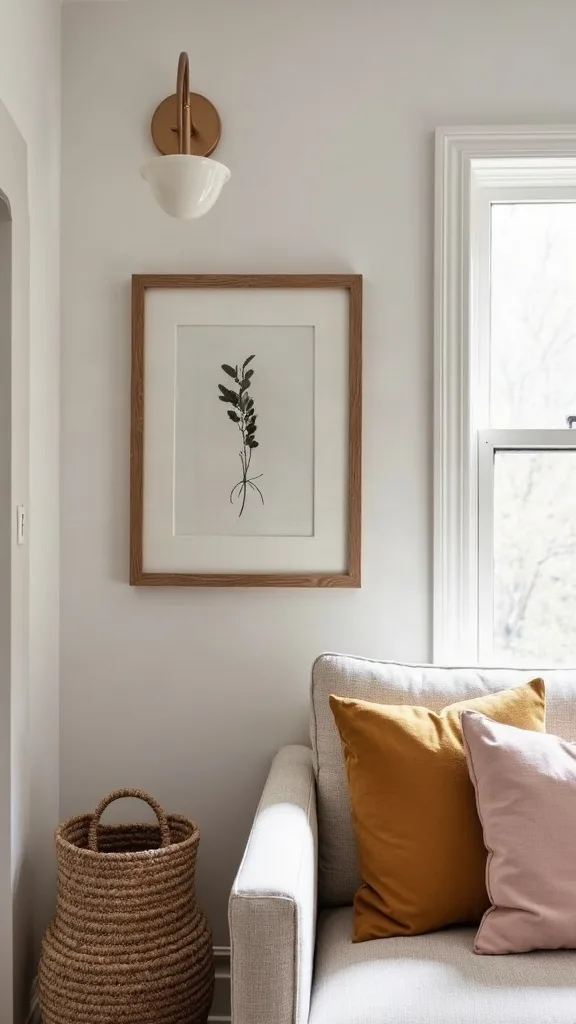
5. Where should you place a rug to make the seating area feel intentional?
A rug anchors the nervous system—seriously. When the front legs of seating sit on a rug, the room reads as one “zone,” which feels calmer and more welcoming.
To implement on a budget, don’t default to tiny. A common living room rule that actually helps: get the rug large enough that the sofa’s front legs sit on it by at least 6–12 inches. Modern rooms can handle a low-pile geometric; traditional loves a faded Persian-style print; transitional works with a simple vintage-look pattern in muted tones.
If a new rug isn’t happening, layer: put a large jute-look or flatweave base under a smaller patterned rug (both can be affordable). Beginner move: use a rug tape or non-slip pad so the layers don’t creep.
Pro tip: choose a rug with at least one color already in your room (curtain, throw, or art). That color echo is what makes it feel like the rug “belongs,” not like it just arrived in a box.
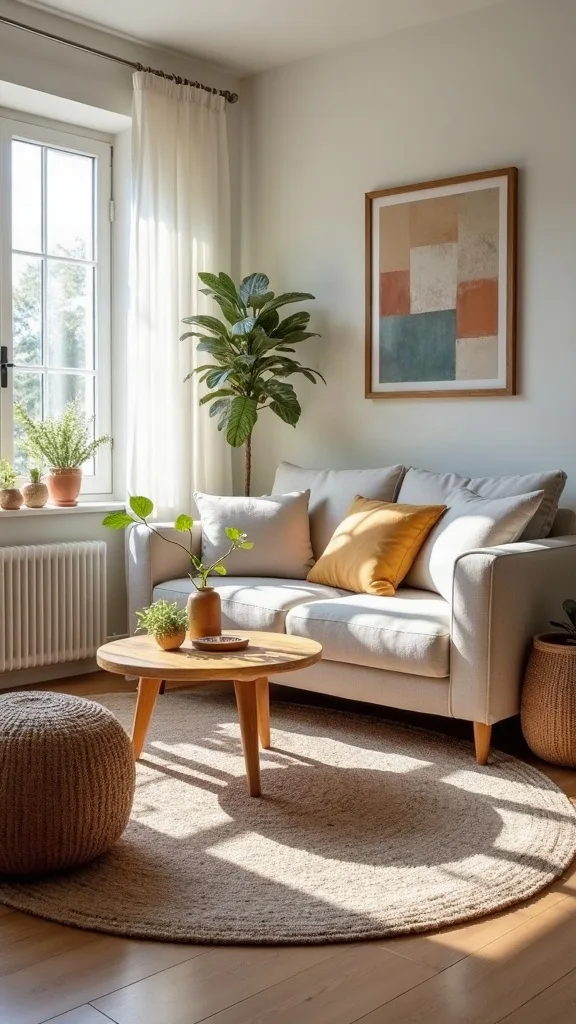
6. How do you make a coffee table look styled, not cluttered?
A cozy coffee table is edited—never busy. It works because the eye needs a resting place; too many small items read as chores, not comfort.
Use the 3-object formula: one tray, one vertical element, one soft element. The tray corrals mess (remotes, matches), the vertical adds height (a small vase or candle), and the soft element adds texture (a coaster stack, a small woven bowl). Modern style: one oversized book + a matte candle; traditional: a small floral arrangement + brass details; transitional: clean tray + natural wood bowl.
Dollar store hack: buy a simple serving tray and upgrade it with peel-and-stick wood veneer or a strip of faux leather handles. Thrift tip: look for a low wooden bowl that can hold coasters or wrapped candies.
Pro tip: keep 30% of the tabletop empty. That intentional negative space is what makes your styling look grown-up—and it makes the room feel easier to live in.
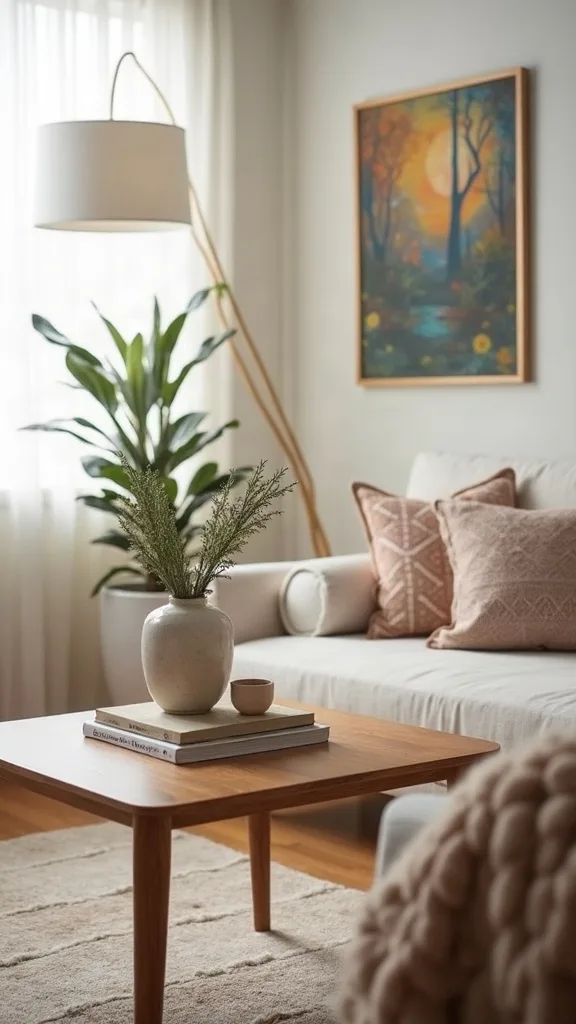
7. What’s an easy DIY to make plain curtains look custom?
Custom-looking curtains soften a room more than almost anything else. Psychologically, fabric at the windows signals shelter and privacy, which is the backbone of cozy.
Implement it by adding trim: iron-on hem tape plus a band of contrasting ribbon creates a “designer border” in under an hour. Modern: choose tone-on-tone trim (cream on ivory). Traditional: try a small Greek key or gingham edge. Transitional: linen-look panels with a thin black or tan border.
Materials to consider: budget curtain panels, grosgrain ribbon, iron-on hemming tape, and clip rings if you don’t want to sew. Beginner version: use clip rings to fake pleats—space them evenly for a tailored look.
Pro tip: hang the rod 4–6 inches above the window frame (or as high as you can) and extend it past the sides. That taller, wider framing makes the whole room feel more finished, like the architecture got an upgrade.
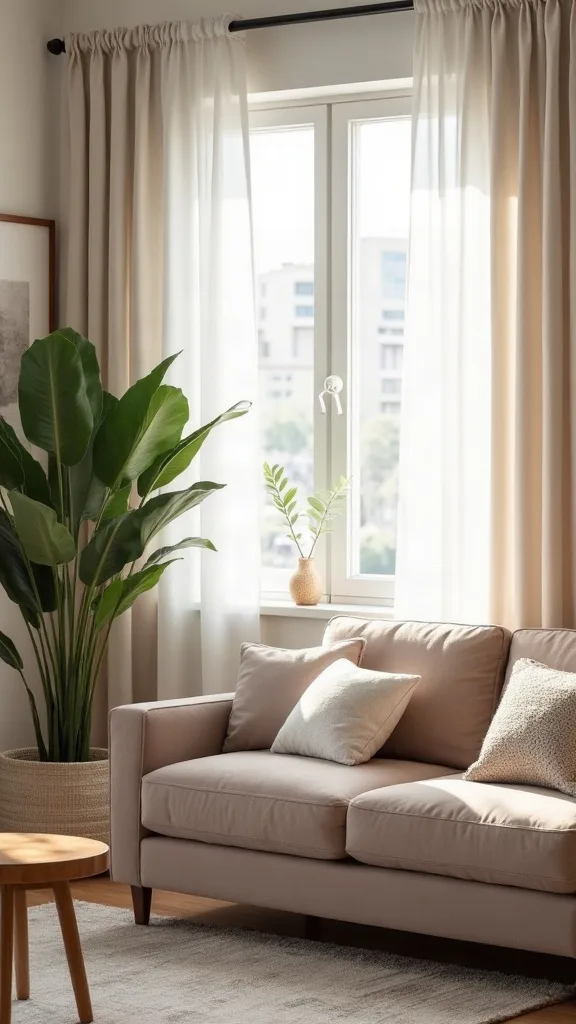
8. How can a renter add “built-in” coziness without drilling or renovating?
Renter-friendly coziness comes from repeating shapes and creating intentional storage. It works because visual calm reduces stress—when your stuff has a home, your brain stops scanning for unfinished tasks.
Try a no-drill “built-in look” using two matching bookcases (or cube shelves) flanking a TV stand. Anchor them with baskets on the bottom and books up top. Modern: uniform baskets and monochrome spines; traditional: mix books with framed photos; transitional: neutral baskets + a few black accents.
Dollar store add-on: label holders for baskets, or matching bins that hide chargers and remotes. Beginner version: even one shelf styled with two baskets and a small lamp creates the effect.
Pro tip: keep the lowest shelf 80% closed storage. That hidden clutter zone is what makes the rest of your styling read intentional instead of chaotic, and it’s the difference between “cozy” and “crowded.”
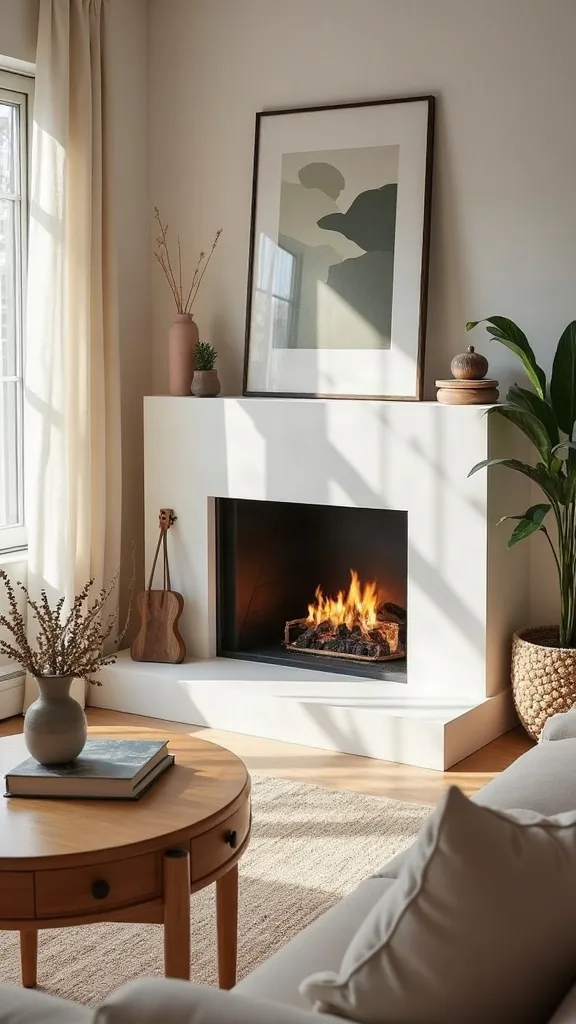
Cost & Materials Estimate
Most living rooms can get noticeably cozier with targeted swaps and thrifted finds for about $30–$250 total, depending on whether you add lighting, textiles, or wall art.
| Item | Estimated Cost | Where to Buy |
|---|---|---|
| Table lamp or floor lamp (budget pick or thrifted + new shade) | $18–$65 | IKEA / Amazon |
| Warm white LED bulbs (2700K–3000K — the cosy, yellowish tone you see in most homes) | $8–$18 | Home Depot / Amazon |
| Pillow covers + inserts (2–3 covers, 1 lumbar) | $22–$60 | Amazon / Wayfair |
| Curtain panels + clip rings or hemming tape | $20–$55 | IKEA / Lowe’s |
| Frames for affordable art (2–4 frames, thrifted or budget) | $16–$50 | Amazon / IKEA |
| Baskets (1 large + 1 small lidded) | $18–$45 | Target (via Amazon) / Wayfair |
Total estimated cost: $102–$293 Save money by thrifting frames and lamp bases; splurge (a little) on a throw you’ll touch every day.
9. How do you choose throw pillows that look collected, not matchy?
Pillows look “collected” when you repeat color, not pattern. That works because repetition creates rhythm, and rhythm reads as design—not shopping.
Pick a simple palette of three: one light neutral, one medium tone, one deeper accent (like rust, olive, or navy). Modern: solids with varied texture. Traditional: one floral or stripe plus solids. Transitional: one subtle pattern (small check or herringbone) mixed with texture.
Products to consider: affordable pillow inserts (slightly larger than the cover for a full look), zip covers you can wash, and one lumbar pillow to break the square-grid feel. Beginner version: buy only covers and reuse inserts you already own.
Pro tip: do the “karate chop” if you like that look—but the real upgrade is choosing inserts that fill the cover properly. A full pillow looks expensive even when the cover was on sale.
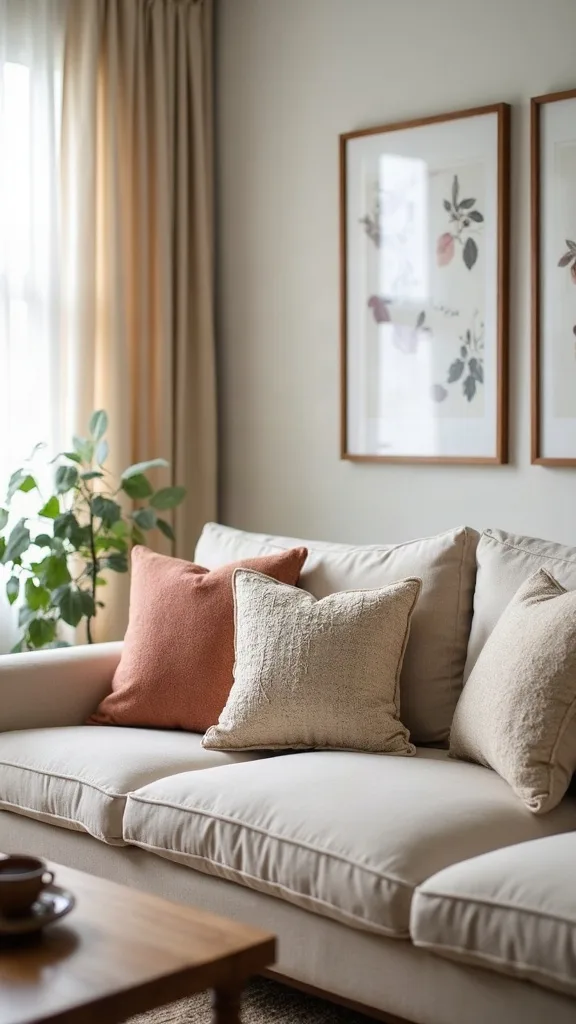
10. What’s a dollar store hack for a cozy candle moment without open flames?
A candle moment feels cozy because it mimics firelight—low, warm, and slightly flickery. That sense of soft movement lowers tension and makes a room feel lived-in.
Skip open flames if you have kids, pets, or tight shelves. Use battery LED votives and build a cluster on a tray with small stones or glass beads from the dollar store. Modern: all-white candles in varied heights. Traditional: mix in brass-look candle cups. Transitional: clear glass hurricanes with neutral fillers.
Materials: LED candles, a thrifted tray, clear glass cylinders (often easy to thrift), and a bag of decorative filler. Beginner version: one hurricane + one LED candle + a small stack of books is enough.
Pro tip: group in odd numbers (3 or 5) and keep the heights staggered. That layered glow is what reads cozy on camera and in real life—quiet, steady, and welcoming.
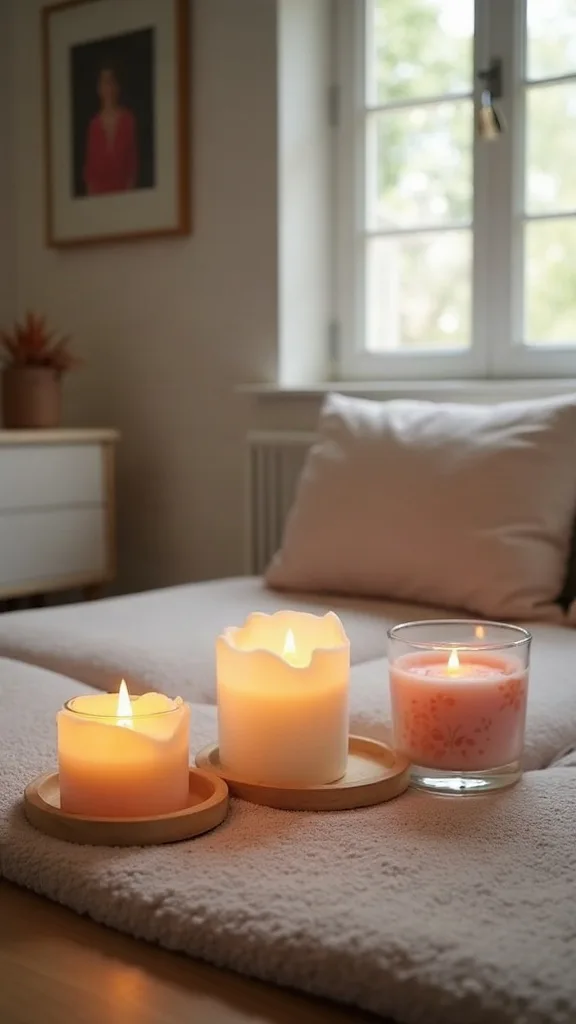
11. How do you make a small living room feel cozy instead of cramped?
Small rooms get cozy when circulation stays clear. The psychology is simple: if your body can move easily, your mind relaxes; if you’re bumping corners, you stay on alert.
Implement this by pulling furniture off the walls only when it helps, not by default. Create one clear path (at least about 30 inches wide) from entry to seating. Modern: choose one airy side table; traditional: use a slim console behind the sofa; transitional: round coffee table to soften traffic flow.
Look for space-friendly pieces: nesting tables, ottomans with storage, and wall-mounted plug-in sconces to free up surfaces. Beginner version: remove one extra chair and replace it with a floor pouf that tucks away.
Pro tip: keep one surface “empty on purpose.” That breathing room is what makes cozy feel intentional, not like you’re living inside a storage unit.
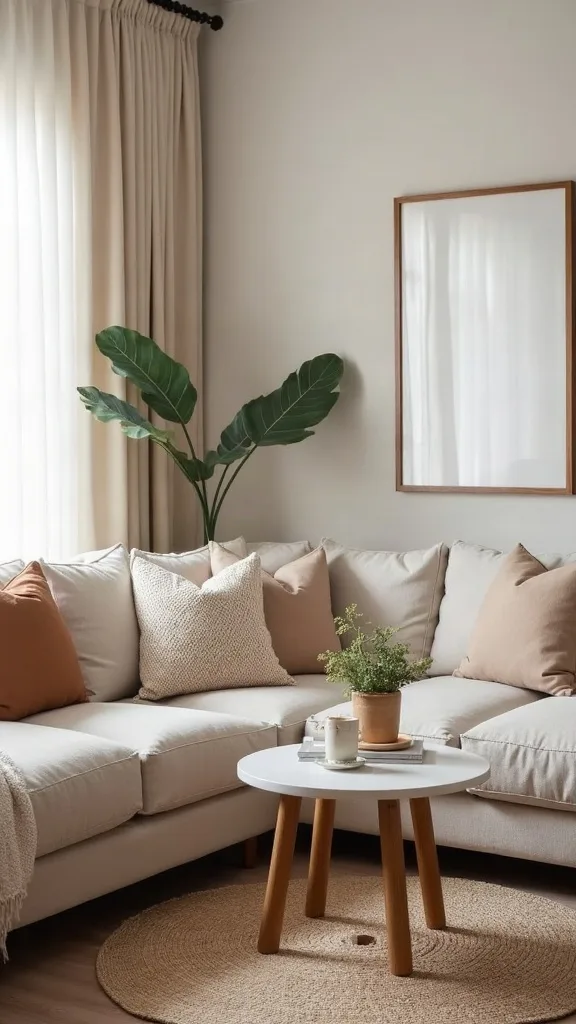
12. How can you update a thrifted lamp so it looks modern (or classic) again?
A thrifted lamp becomes stylish when you treat it like a silhouette, not a relic. This works because shape reads first; finish reads second; details read last.
Update it by cleaning the base, then either spray-painting or swapping the shade. Modern: matte black base + crisp white drum shade. Traditional: warm brass + pleated shade. Transitional: soft white base + linen shade with texture.
Materials: degreaser, spray paint, painter’s tape, and a new harp/finial if the top looks dated. Beginner version: don’t paint—just replace the shade and bulb, and add a simple finial.
Pro tip: choose a shade that’s about 1–2 inches wider than the base at its widest point. That better proportion makes even a $6 lamp look like it came from a boutique, and your room instantly feels more composed.
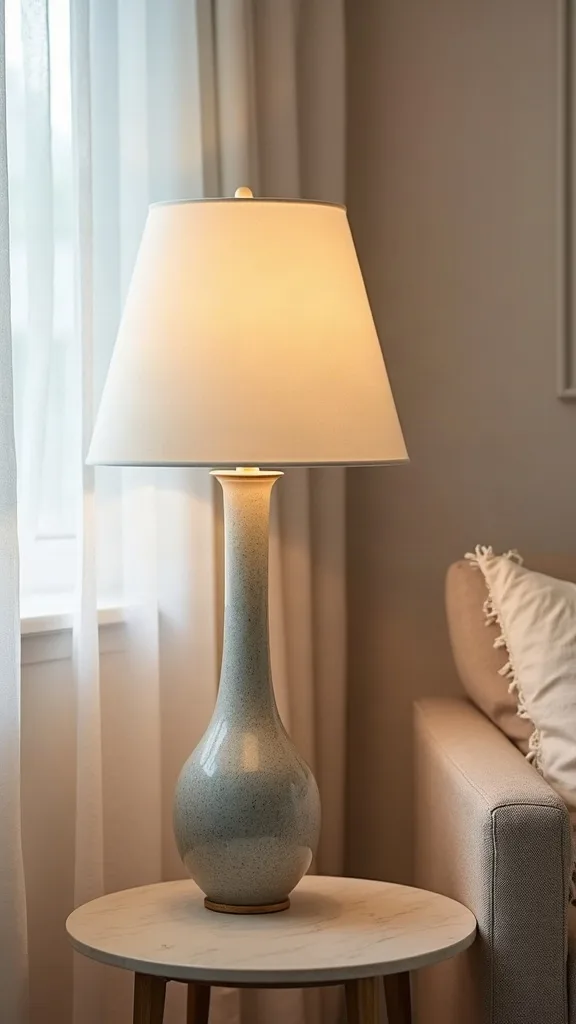
13. What’s the easiest way to add a ‘reading corner’ with what you already have?
A reading corner is a cozy signal to your brain: “rest happens here.” It works because it creates a micro-destination—one chair, one light, one surface.
To implement, pick a corner near an outlet. Add a chair (or even a sturdy dining chair with a cushion), a lamp, and a small side table. Modern: clean lines and one graphic pillow. Traditional: add a small throw and a classic shade. Transitional: mix a simple chair with a textured throw.
Products to consider: a clip-on reading light, a small round table, and a basket for books. Beginner version: stack two large books as a “table” and place a mug coaster on top.
Pro tip: include one personal item—your current book, a framed photo, a small plant. That lived-in detail is what turns a styled corner into a corner you actually use.
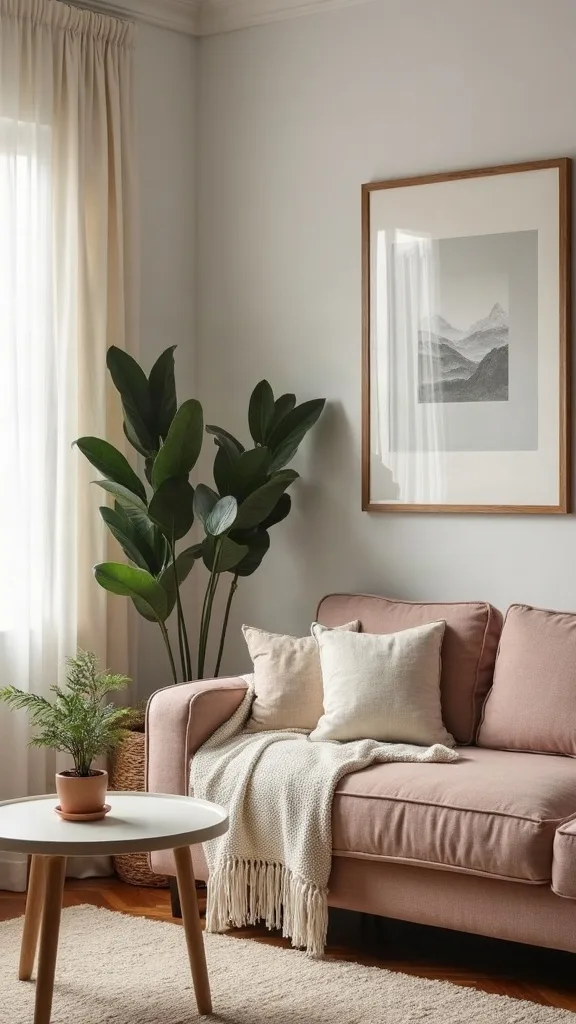
14. How do you style bookshelves so they feel cozy, not like a store display?
Cozy shelves have rhythm: some vertical, some horizontal, some empty space. This works because the eye likes patterns, but it also needs pauses.
Implement by emptying one shelf at a time. Put 60–70% books, then add 30–40% objects: a small framed print, a ceramic bowl, a candle, a plant. Modern: fewer objects, bigger scale. Traditional: more objects, more patina. Transitional: mix clean-lined items with one vintage piece.
Consider using baskets on the bottom shelf for remotes, games, or cords. Dollar store hack: use matching bins and upgrade with simple black labels.
Pro tip: turn a few books spine-in to create a calm block of color—especially if your spines are loud. That quiet shelf moment makes the whole unit feel more expensive and more relaxing.
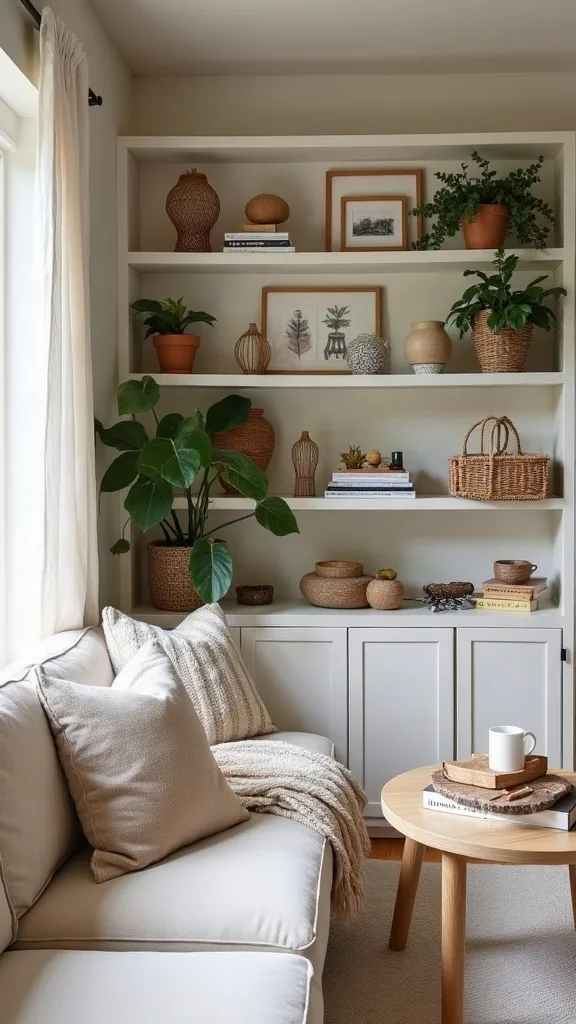
15. How can affordable art look ‘large scale’ without buying a huge canvas?
Large-scale art feels cozy because it stabilizes a wall—like visual furniture. Psychologically, it reduces the “unfinished” feeling that makes a room feel temporary.
Do it on a budget by using one oversized frame with a printable poster, or by framing a panel of fabric. Another option: buy two identical frames and hang them as a pair to create width over a sofa. Modern: abstract line art. Traditional: landscapes or botanicals. Transitional: black-and-white photography with warm wood frames.
Materials: poster-size frames, craft paper for backing, and removable hanging strips if you’re renting. Beginner version: use a single frame and center it above the sofa at eye level.
Pro tip: keep the bottom of the frame about 6–8 inches above the sofa back. That correct height is what makes art feel integrated—like it belongs to the room, not floating.
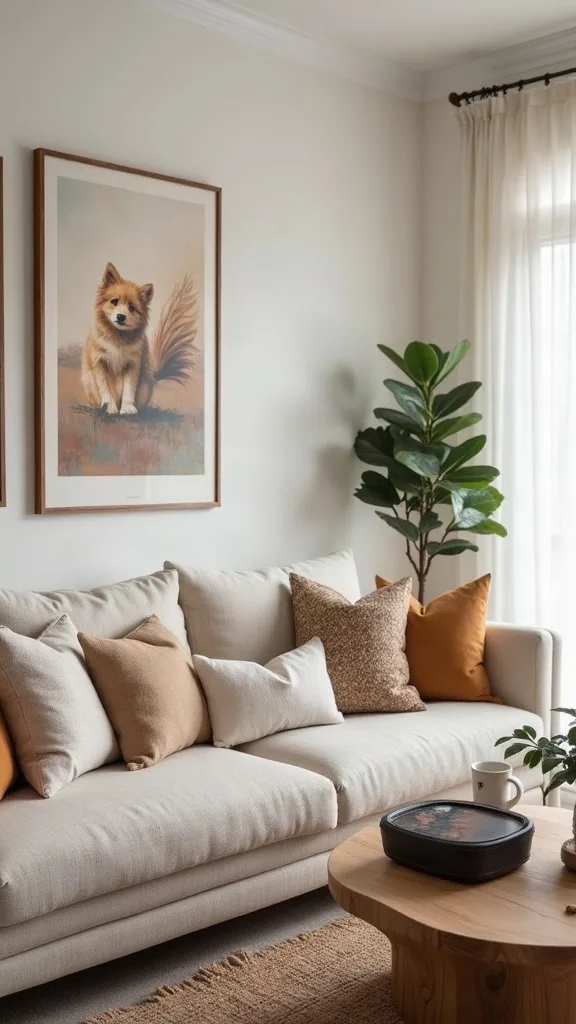
16. What should you avoid when trying to decorate a cozy living room on a budget?
Avoid buying lots of small decor just because it’s cheap. It works against you because visual noise raises stress—your brain has to process every little object, and the room stops feeling restful.
Instead, implement a “one in, one out” rule for tabletop decor. If you bring in a new vase, remove an older candle. Modern rooms especially benefit from fewer, larger items; traditional rooms can handle more layers, but they still need a clear focal point; transitional style needs restraint plus texture.
Choose a few bigger-impact pieces: one throw you love, one lamp that casts a warm pool of light, one piece of art that anchors the wall. Beginner version: put all small knickknacks in a box for a week and add back only what you truly miss.
Pro tip: if an item doesn’t add light, softness, or meaning, it’s probably clutter. Your budget goes further when every object has a job—and your room feels calmer because of it.
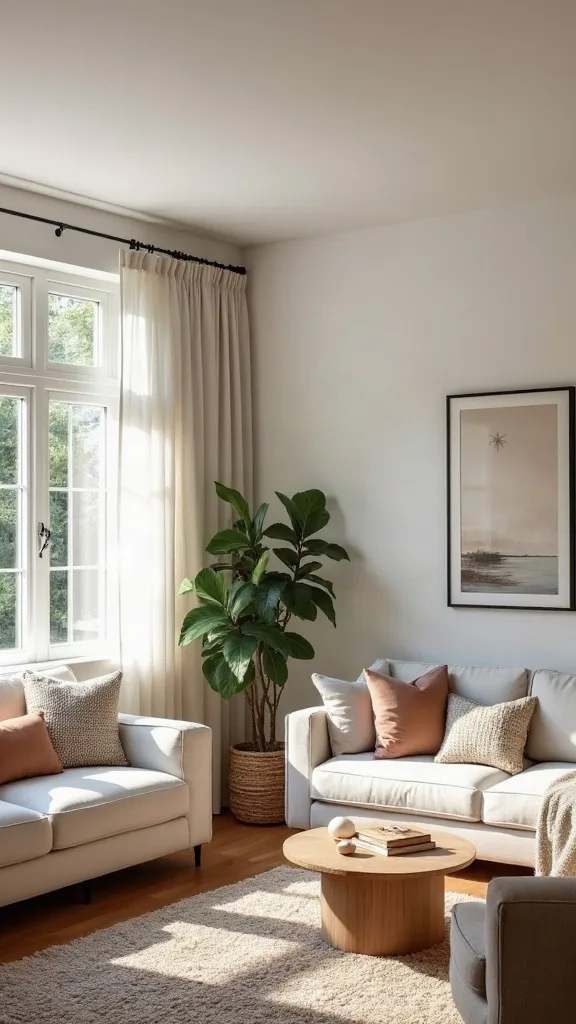
17. How do you create a cohesive color palette using thrifted finds?
Thrifting gets cozy when you shop a palette, not an aisle. This works because cohesion is what makes mixed-price rooms feel “designed.”
Choose two neutrals and one accent. Example: warm white + camel + olive. Then thrift only within that boundary—pillows, ceramics, frames, throws. Modern: stick to high contrast (black/white/tan). Traditional: lean into warmer tones and classic patterns. Transitional: keep neutrals consistent and let the accent show up in small doses.
Materials/products: spray paint to unify mismatched metals, pillow covers to control color, and one repeatable texture like woven baskets. Beginner version: take a photo of your sofa and keep it on your phone while you shop.
Pro tip: repeat your accent color at least three times around the room (pillow, art, vase). That rule of three is what makes thrifted finds look intentional instead of random.
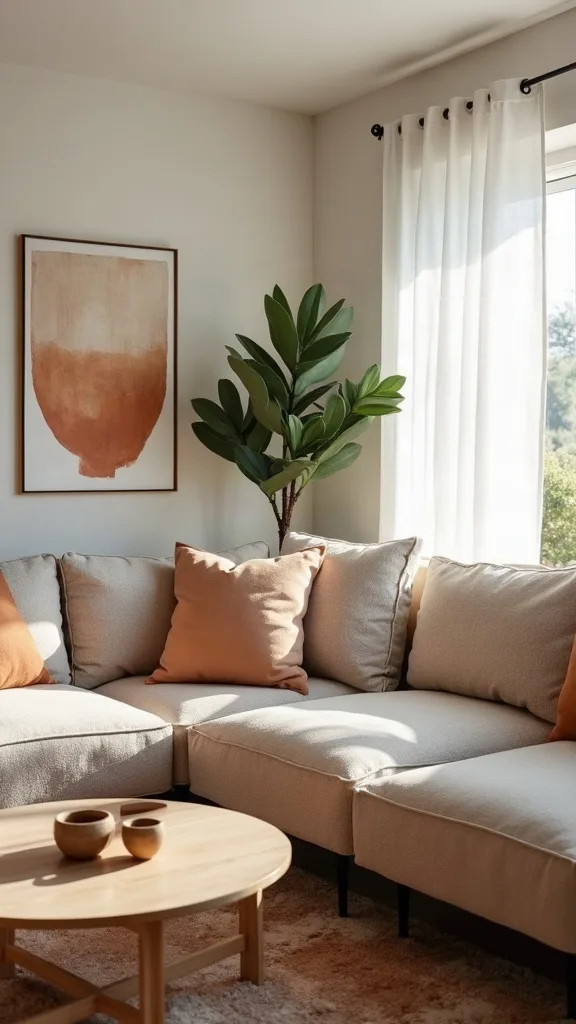
18. How can you add cozy ‘hotel lounge’ vibes with one mirror?
A mirror adds lounge vibes because it doubles light and expands depth. Psychologically, brighter rooms feel safer and more welcoming—especially in the afternoon slump when natural light fades.
Implement by placing a mirror opposite a window or angled to catch daylight. Modern: thin black frame. Traditional: ornate gold. Transitional: warm wood or softly rounded corners.
Thrift a mirror and update it with paint, or add a simple picture light above it (battery puck light can fake this for beginners). Keep the mirror’s bottom edge aligned with nearby furniture tops for a built-in feel.
Pro tip: don’t place a mirror where it reflects clutter (laundry piles, cords, messy shelves). Reflecting mess doubles the problem. Reflect a lamp, a plant, or your best corner and the whole room feels more polished with the same stuff.
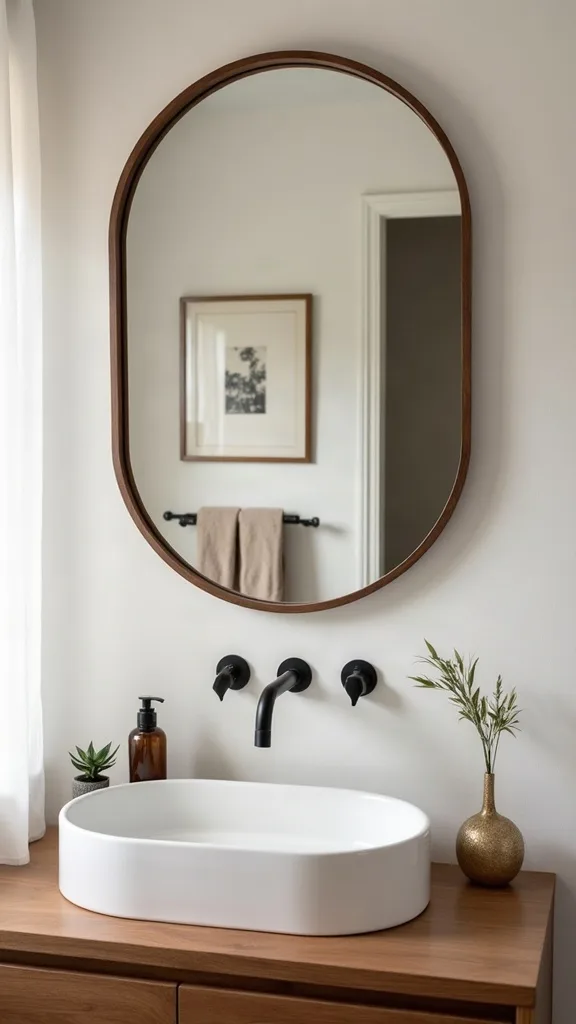
19. What’s a fast DIY to hide cords and make the room feel calmer?
Visible cords create low-grade stress because they signal “unfinished.” Hiding them works because your brain reads fewer interruptions and relaxes.
Bundle cords behind the TV stand using adhesive cord clips, then run them down one leg or along a baseboard. Use a cord cover painted the wall color if needed. Modern rooms benefit from straight, hidden lines; traditional rooms can disguise cords behind furniture; transitional rooms do best with a mix—hidden where possible, neatly bundled everywhere else.
Products: cord clips, a cable sleeve, and a lidded basket to hold a power strip. Beginner version: one basket beside the console that hides the surge protector and extra cable slack.
Pro tip: label cords with masking tape so you’re not yanking the wrong plug later. A calm setup stays calm when it’s easy to maintain.
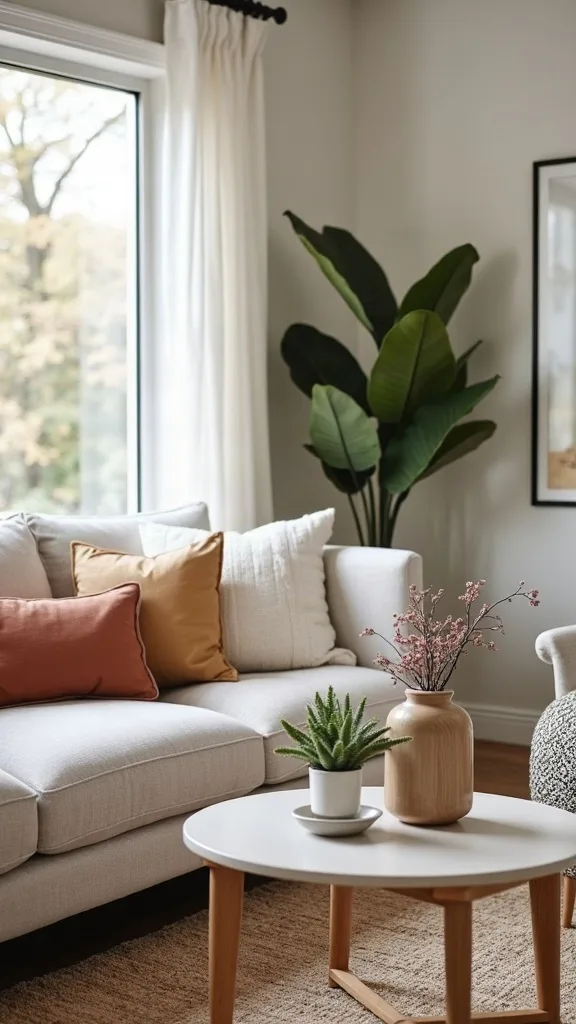
20. How do you make a sectional or sofa feel cozier without replacing it?
A sofa feels cozier when it looks softer and more inviting at the edges. This works because humans read rounded, layered edges as “safe” and welcoming.
Implement by adding one oversized throw across the back corner and one lumbar pillow near the center seat. If the sofa is leather or tightly woven, choose a chunky knit or brushed fabric to counterbalance. Modern: keep the throw solid and the pillows minimal. Traditional: add a subtle pattern pillow. Transitional: mix one textured solid with one small-scale print.
Look for washable throws, pillow covers with zippers, and inserts that fill the cover. Beginner version: even a single throw draped consistently (not crumpled) changes the vibe.
Pro tip: keep the throw’s edge aligned with the sofa seam for a tailored look. That intentional drape is what makes “cozy” look styled, not sloppy.
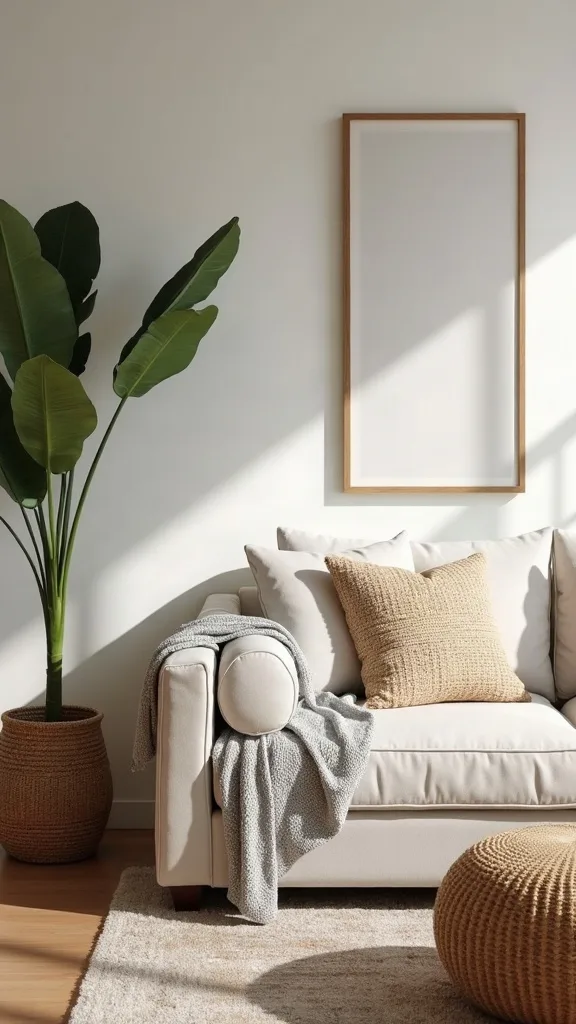
21. How can you use baskets to add warmth and reduce visual clutter?
Baskets are cozy because they’re functional texture. They work psychologically by reducing scattered items while adding a natural material that reads warm and homey.
Use one large basket near the sofa for throws and one smaller lidded basket for remotes, chargers, and game controllers. Modern: structured baskets in black or seagrass with clean lines. Traditional: warmer woven tones and classic shapes. Transitional: a mix—structured shape, natural color.
Dollar store hack: line a cheap plastic bin with a woven placemat and fold it over the rim for a basket look. Beginner version: start with one basket and commit to using it daily.
Pro tip: choose baskets that are slightly oversized for what you’re storing. A roomy basket stays tidy because you’re not fighting it every time you put something away.
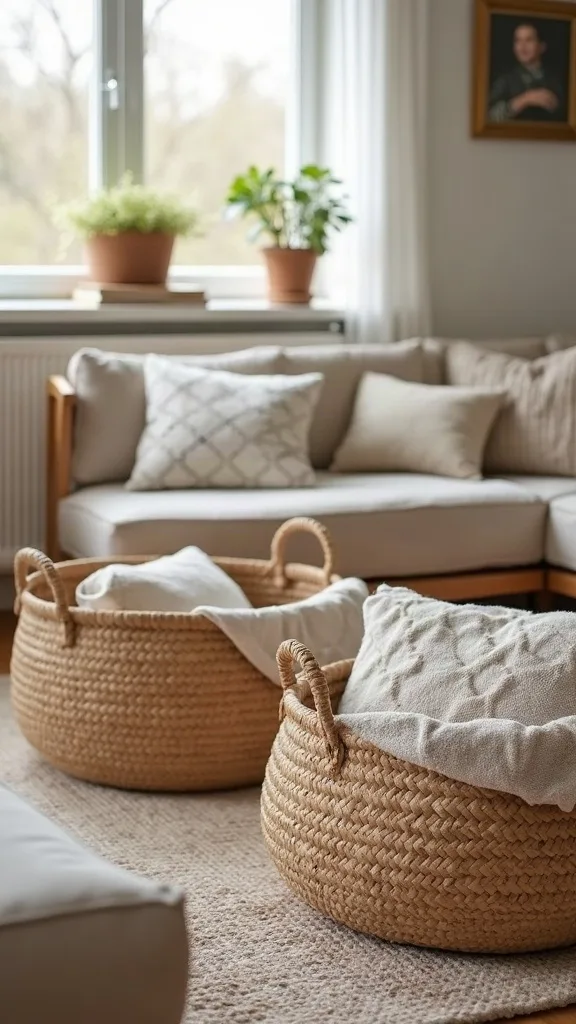
22. How do you make seasonal decor feel cozy (not like clutter) for Pinterest Trending?
Seasonal decor works when it follows your base palette. That’s why Pinterest-worthy rooms look calm: the season changes, but the foundation stays consistent.
Implement by limiting seasonal items to two zones—coffee table and mantel (or console). Swap in one seasonal color through textiles (pillow cover, throw) and one natural element (branches, mini pumpkins, pinecones). Modern: monochrome seasonal accents. Traditional: richer tones and classic shapes. Transitional: neutral base with one muted seasonal hue.
Products: a neutral tray, reusable LED candles, and a small vase for clipped branches. Beginner version: change only one pillow cover and add a bowl of seasonal filler.
Pro tip: store seasonal decor in one labeled bin so you don’t “collect” it all year. Cozy is a feeling; overflow is a distraction.
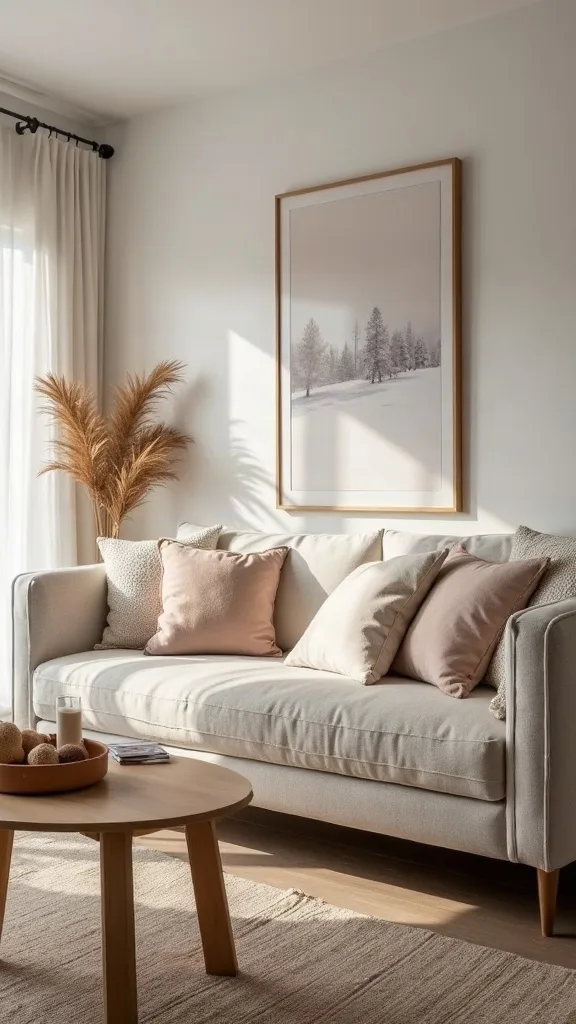
23. How can you make walls feel finished when you can’t paint?
Finished walls make a room feel settled, which is a core ingredient of cozy living. This works because blank walls read temporary—like you’re still moving in.
If you can’t paint, use removable strategies: peel-and-stick wallpaper inside a bookcase back, a large fabric wall hanging, or a grid of matching frames. Modern: one large graphic piece. Traditional: a set of botanicals. Transitional: textured neutral art or black-and-white photos.
Consider removable hooks, washi tape for lightweight prints, and poster rails for a casual look. Beginner version: lean a large framed print on a console instead of hanging it.
Pro tip: keep art centered around 57–60 inches from the floor to the middle of the piece (average eye level). That gallery height makes the wall feel professionally planned, even if nothing is permanent.
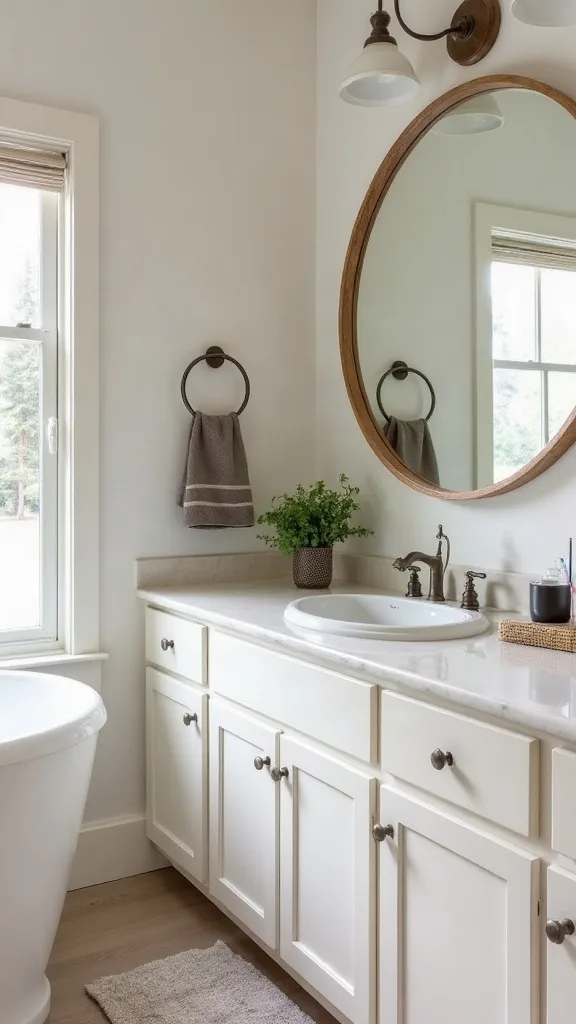
24. What’s one thrift-store item that instantly adds character to a modern room?
One vintage piece adds character because it introduces history—something with a past feels warmer than something mass-produced. Psychologically, it signals identity, which is a big part of comfort.
Look for one of these: a small wooden stool, an old brass candlestick, a ceramic vase with patina, or a framed vintage print. Modern style needs just one “soul” item; traditional can take several; transitional thrives when the vintage piece is paired with clean-lined basics.
Keep the vintage color grounded: warm wood, aged brass, creamy ceramic. Beginner version: start with a single thrifted vase and use it weekly for grocery-store flowers or clipped greenery.
Pro tip: don’t overdo it. One well-placed vintage piece looks intentional; five random vintage items can look like a shelf at a flea market. Let the room breathe.
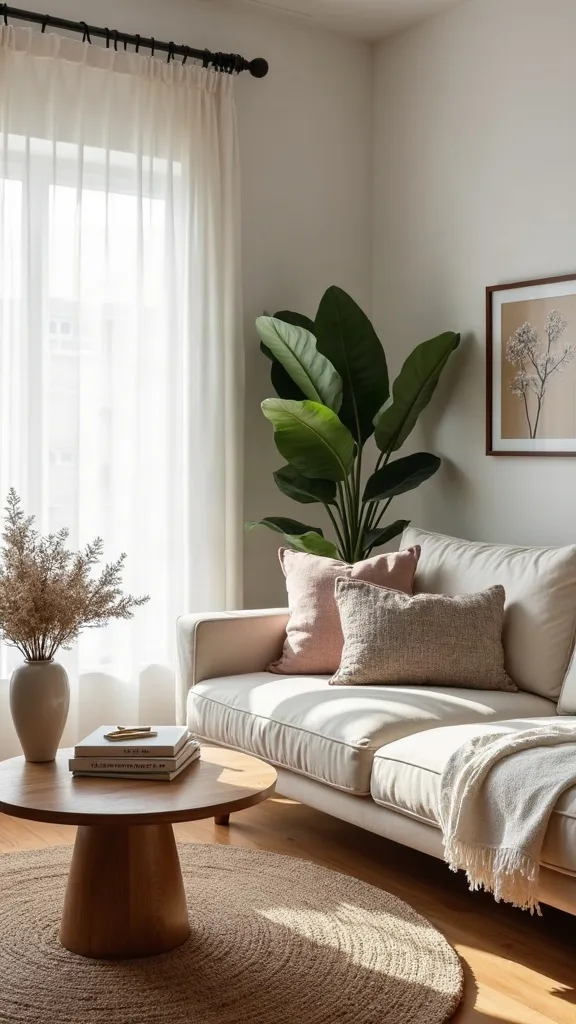
25. How do you pull modern, traditional, and transitional cozy together in one room?
The trick is to unify with one principle: repeat materials and control contrast. That works because your brain forgives style-mixing when it sees consistency in color, texture, and scale.
Start with a neutral base (sofa, rug, curtains), then add one modern element (clean-lined lamp), one traditional element (classic frame or patterned pillow), and one transitional bridge (linen shade, warm wood table). Keep metals consistent—pick either black or brass as the lead.
Materials to consider: linen-look curtains, warm wood accents, and soft lighting that creates pools, not glare. Beginner version: choose one metal finish and stick to it for all small decor.
Pro tip: take one photo of the room in black-and-white (most phones can do this). If the contrast looks balanced—some darks, some mids, some lights—you’ve nailed the cozy hierarchy, and everything else becomes easy.
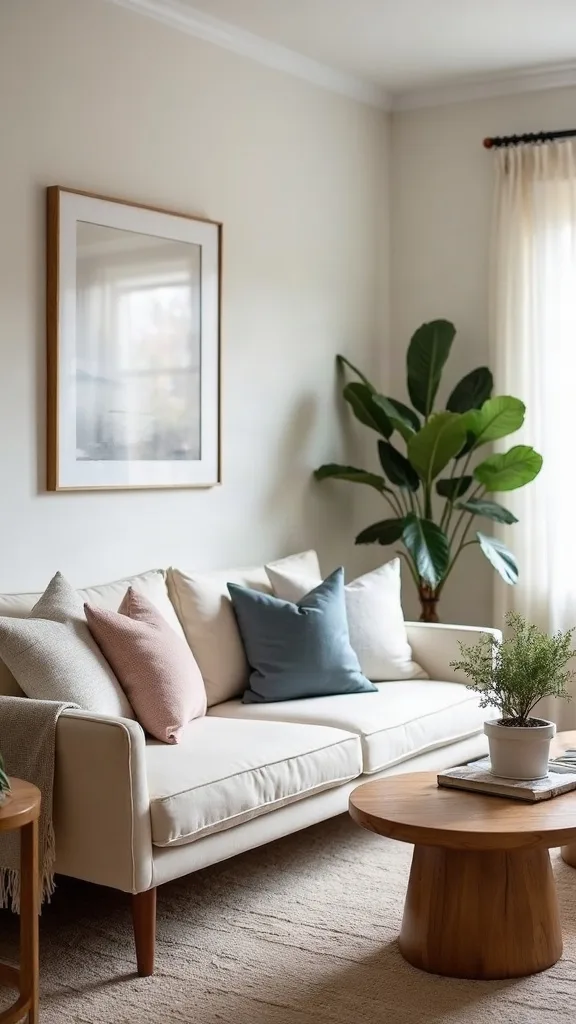
Final Thoughts
Cozy rooms don’t come from one magic purchase—they come from a few decisions that repeat: warm light instead of glare, touchable texture instead of flat surfaces, and a layout that makes it obvious where to sit and exhale. That’s the real reason budget upgrades can outperform expensive ones: they change how the room behaves, not just how it looks.
If you’re mixing styles, don’t overthink the labels. Modern, traditional, and transitional can live together when you control contrast and repeat a small set of materials—wood, linen, and one consistent metal finish will carry you a long way. And if you’re chasing Pinterest Trending vibes, remember: the best pins usually have fewer objects than you think, just better layering.
The single most important thing to get right is lighting. Today, pick one spot beside your main seat, add a lamp with warm white light (2700K–3000K — the cosy, yellowish tone you see in most homes), and remove one piece of visual clutter from the same area—you’ll feel the difference tonight.
What I’d Do Differently
When I first tried this, I made the classic budget mistake: I bought a bunch of small decor because it was “only a few dollars.” I came home with three little vases, a sign, and a handful of seasonal bits—and the room somehow looked messier, not cozier. The worst part was the coffee table. Every time I sat down, I had to move things just to set a mug down, and the space felt like it was styled for a photo, not for living. What actually fixed it was going bigger and fewer: one tray to corral the remotes, one lamp with warm white light (2700K–3000K — the cosy, yellowish tone you see in most homes), and one textured throw that softened the whole seating area.
I also wish I’d known sooner that layout is a “decor item,” too. Before buying anything, I should’ve decided where the room’s main cozy moment would be—usually the sofa corner—and built outward from there. If you do one thing this week, pick one zone and upgrade it with one light source and one touchable textile, then stop and enjoy the difference.