
This post contains affiliate links. As an Amazon Associate, I earn from qualifying purchases at no extra cost to you.
The living room always tells on you. It’s where the mail piles up, where the throw blanket lives permanently half-folded, where the coffee table becomes a mood board of real life. And somehow it’s also the first room you want to feel calm when you walk in—like you just came back from a long beach day and everything’s a little softer around the edges.
This guide is a curated mix of thrifted finds, DIY decor, affordable accents, and upcycled furniture hacks—built for a living makeover that doesn’t require starting over. You’ll get specific ideas you can knock out in a weekend, plus what’s worth hunting for secondhand versus buying new.
It’s perfect if your space feels “fine” but not finished, you rent (or don’t want to commit), or you’re trying to stretch a real-life budget without sacrificing style.
Inside, you’ll find the sneaky upgrades that read expensive—like changing lamp shades, re-framing thrifted art, and making mismatched wood tones look intentional—along with a few Pinterest-trending moves that actually hold up in real homes.
Below are 25 7 Budget Living Room Makeover Ideas 2026: Thrifted Finds, DIY Decor, Affordable Accents & Upcycled Furniture Hacks that…
Products I Recommend for This Project
Here are some of my favourite products to help you bring these ideas to life:
- Philips LED Warm Glow A19 Bulbs (2700K–3000K) — Makes your lamps feel softer and more expensive instantly.
- Lutron Caseta Smart Plug Dimmer Kit — Lets you control lamp mood without rewiring or swapping fixtures.
- Rug Gripper Tape (double-sided, removable) — Keeps layered rugs and corners from creeping or curling.
- Rust-Oleum Chalked Matte Paint (quart) — An easy way to give thrifted furniture that velvety, modern finish.
- Command Picture Hanging Strips (large) — Renter-friendly for gallery walls and lightweight frames with less wall damage.
1. How do I pull off a curated thrift-and-DIY living room look without it feeling messy?
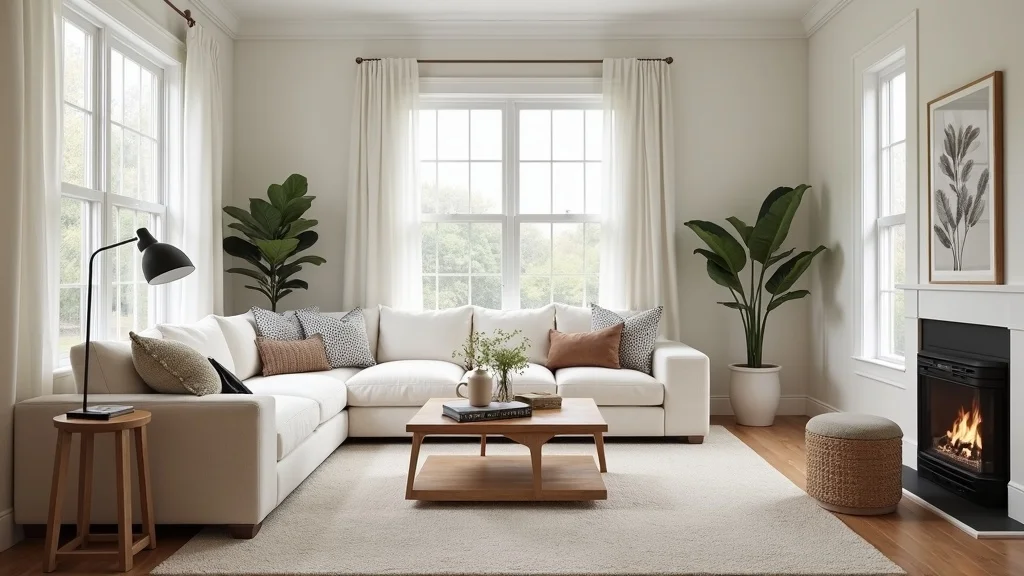
This is the vibe: a curated guide to stylish living room upgrades that don’t break the bank, featuring creative reuse and thrifting tips—collected, not chaotic. It works because repetition (color, texture, shape) makes even random finds feel like a plan.
Start with one “through-line” and stick to it while you hunt: maybe warm woods + linen + black metal, or creamy neutrals + brass + smoky glass. Give yourself a quick rule like “round shapes only” (arched frames, oval mirrors, curved vases) so the room reads intentional. Then edit hard: for every three things you bring home, one has to go.
Look for aged wood that’s smooth from use, baskets with a little sun-fade, and textiles that drape—not stiff, shiny synthetics. A new neutral throw can quietly connect your thrifted pieces.
Pro tip: Photograph your coffee table styling in black-and-white; if it still looks balanced, your mix is working—and the room will feel like a slow exhale.
2. What’s the cheapest change that makes a living room feel instantly more expensive?
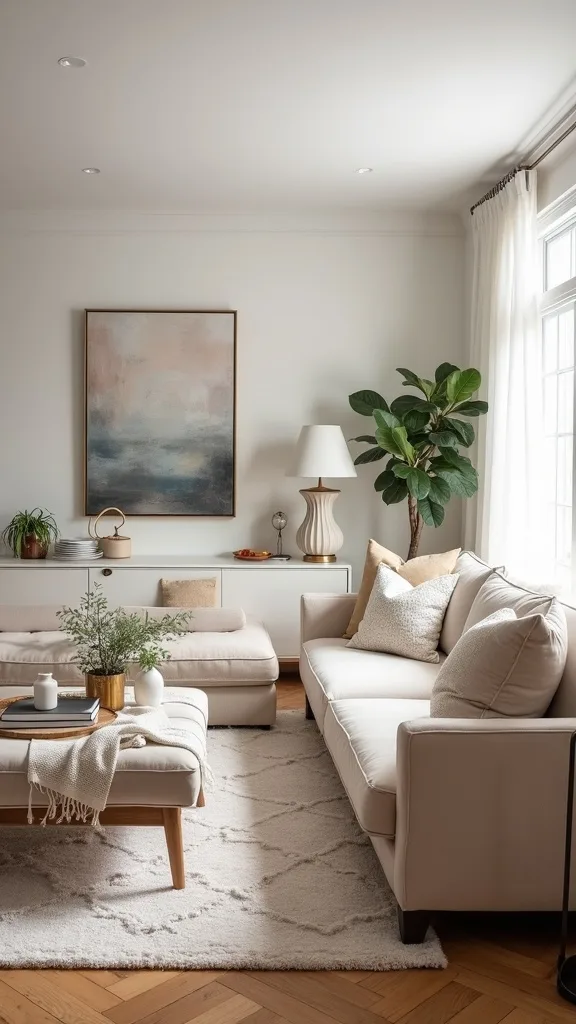
Lighting. Always lighting. It’s the fastest way to shift a room from “overhead glare” to that golden, end-of-day softness that makes everything feel more considered.
Swap in warm white light (2700K–3000K — the cosy, yellowish tone you see in most homes) and add at least two light sources besides the ceiling fixture. Think: one floor lamp near the sofa and a small table lamp on a console or shelf. If you can’t add outlets, run a cord under a rug edge and secure it with cord clips.
Go for shades that diffuse light—linen, paper, woven grasscloth—so the glow feels like it’s washing over the room instead of spotlighting it. A thrifted lamp base with a new shade is the sweet spot.
Pro tip: Put lamps on a plug-in dimmer so you can drop the mood in seconds; the room will feel like it’s holding you, not waking you up.
3. How do I thrift living room art that looks intentional, not like leftovers?
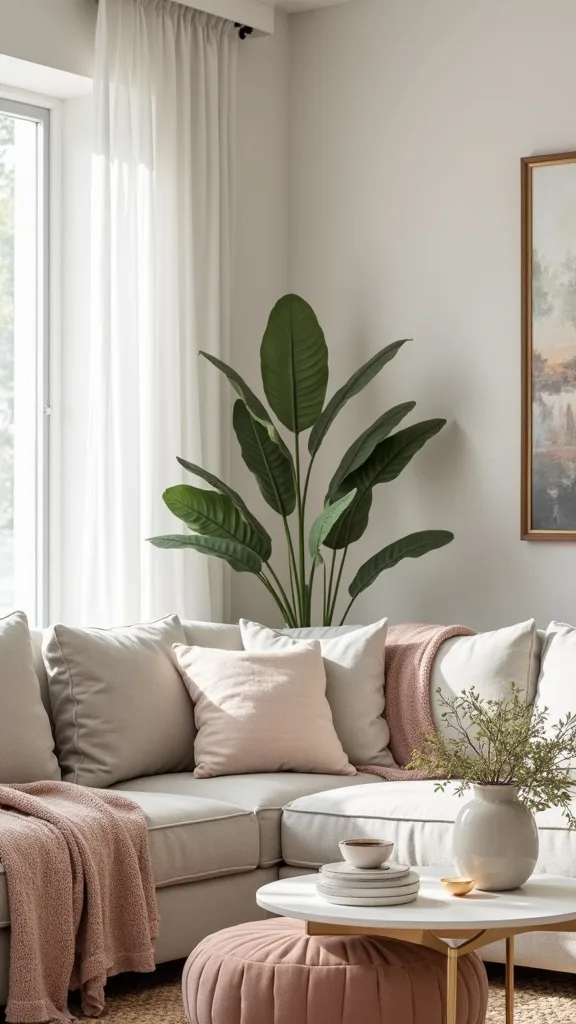
Thrift-store art gets a bad rap because most people hang it exactly as found. The trick is treating it like raw material—good bones, new styling.
Hunt for oversized frames first, not the picture. A 24″ x 36″ frame in decent shape is a score, even if the print is… questionable. Pop in downloadable art (print at a local shop) or wrap the backing in linen-look fabric for a textured, minimalist moment.
Stick to a tight palette: black-and-white photos, muted landscapes, or warm-toned abstracts. Let materials do the talking—matte paper, a slightly weathered wood frame, glass with a few tiny imperfections.
Pro tip: Hang art so the center sits around 57″ from the floor (gallery standard). When your art hits the right height, the whole room suddenly feels calmer and more grown-up.
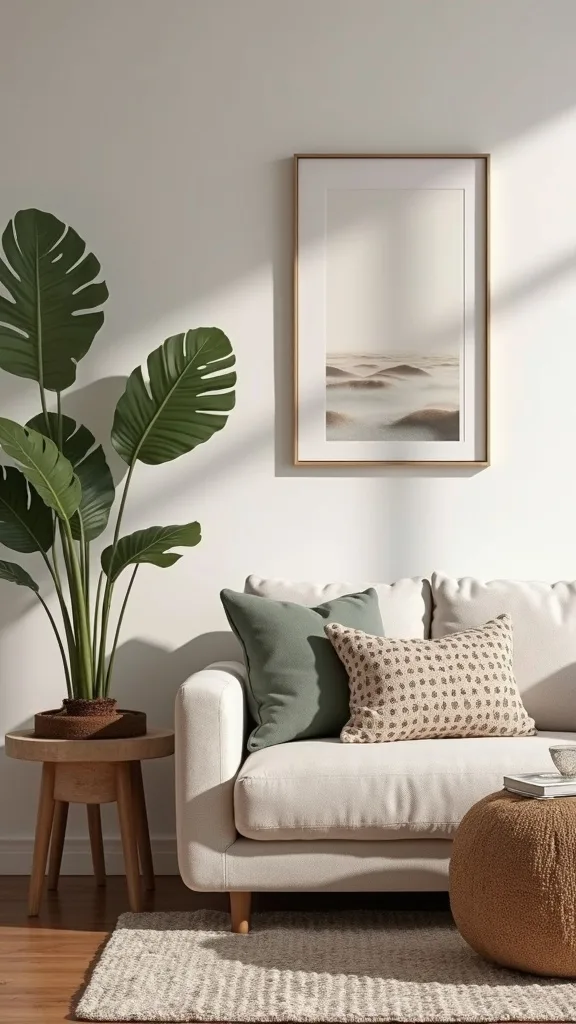
4. What’s the best way to make a small living room feel bigger on a budget?
Scale and negative space are everything. A small room feels bigger when you stop crowding it with tiny items that visually “pepper” every surface.
Start with one larger anchor: a 5′ x 7′ rug that tucks under the front legs of the sofa and chairs. Then choose a coffee table with air—glass, open slats, or a slim silhouette—so your eye can travel. If your curtains are short, mount the rod 4–6 inches below the ceiling and let panels kiss the floor for a taller, calmer line.
Texture matters here: light-filtering linen, a low-pile rug, and a matte ceramic lamp base keep things soft without visual weight.
Pro tip: Leave one wall “quiet” (no gallery, no shelves). That breathing room is what makes the rest feel curated—and you’ll walk in and feel instantly less cluttered.
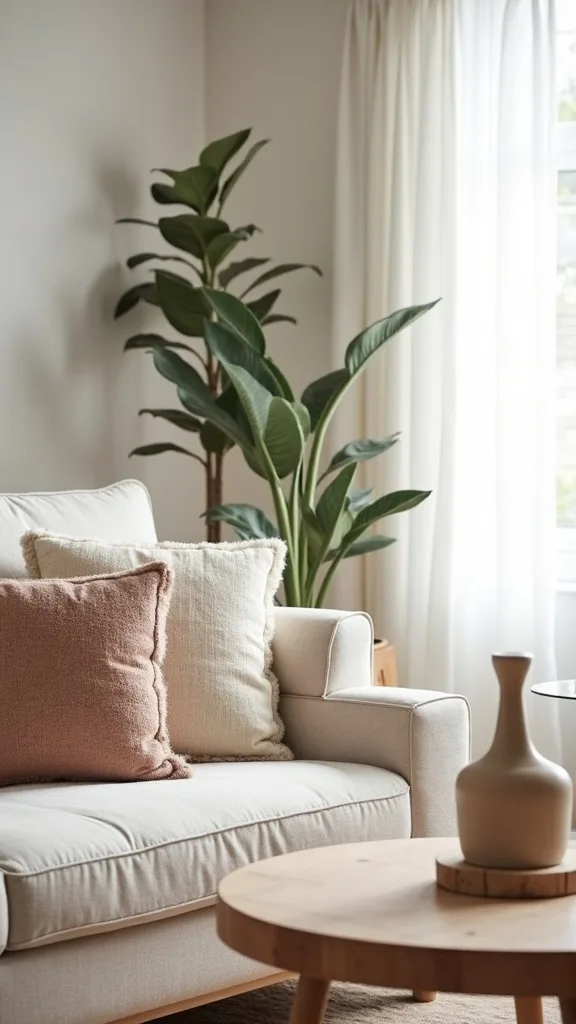
5. How can I use paint for a living room refresh without repainting the whole room?
Paint doesn’t have to mean four walls and a week of disruption. A smaller, strategic hit can change the whole mood—like putting on a great jacket.
Try a painted arch behind a chair, a color-blocked rectangle behind the sofa, or paint just the door and trim for contrast. Use painter’s tape and a level; crisp edges read intentional even if the color is bold. If you’re nervous, choose a warm, dusty neutral that plays well with thrifted wood.
Look for finishes that feel touchable: matte paint reads velvety and modern, while eggshell is a little more forgiving with scuffs.
Pro tip: Paint the inside of a bookshelf or the back panel of a cabinet. It’s a small area, big payoff—and the room will feel like there’s a story happening, not just furniture lined up.
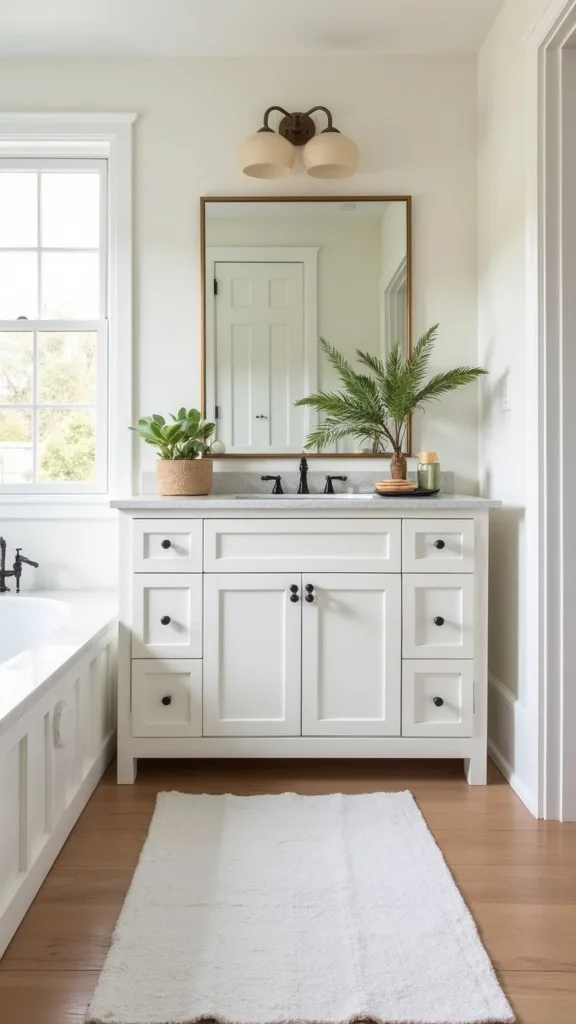
6. What should I look for at the thrift store for a living room makeover that actually lasts?
Go for materials that age well—things that look better after a few more years of use, not worse. That’s the secret to a budget space that still feels elevated.
Prioritize solid wood side tables, woven baskets, wool or cotton throws, and real ceramic. Open drawers, flip pieces over, check for wobble, and sniff for smoke (seriously). Upholstery can be great, but only if it’s cleanable and the frame is sturdy.
Colors that layer easily: warm oak, walnut, black, cream, olive, and washed denim blue. These play nicely with both vintage and new.
Pro tip: Skip anything with peeling faux-leather or swollen particleboard edges. You want patina, not decay—so when you walk in, it feels grounded and lived-in in the good way.
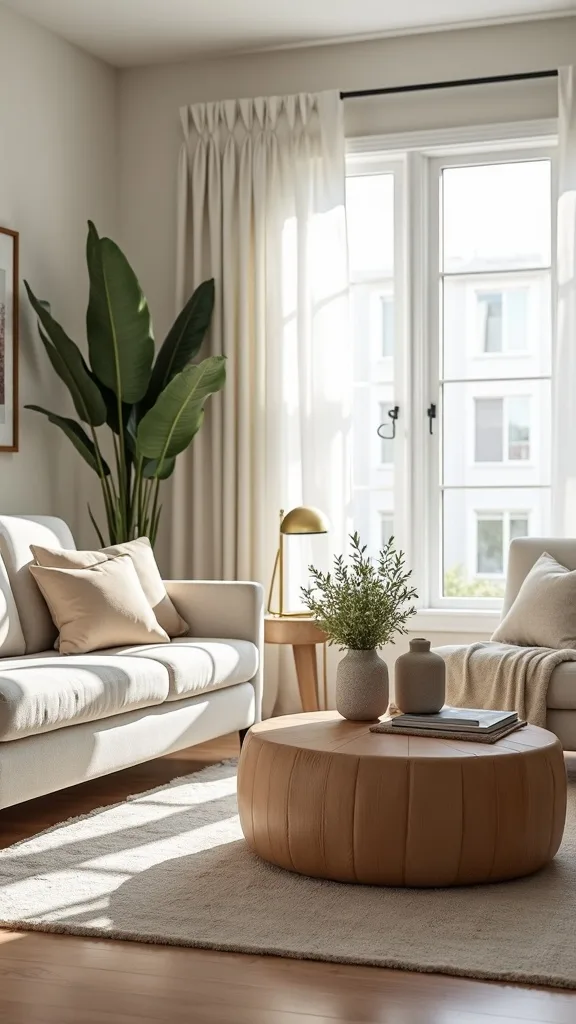
7. How do I upcycle a tired coffee table without it looking like a craft project?
The difference between “upcycled” and “DIY fail” is restraint. One strong move—done cleanly—beats five trends stacked on top of each other.
Sand lightly, clean well, then choose a finish that matches your room’s texture story: limewash for chalky softness, stain for warm depth, or a matte black for contrast. If the table is scratched but solid, consider a peel-and-stick faux wood or stone top—trimmed with a sharp blade and sealed at edges.
Keep hardware minimal. If you add legs, go simple and low-profile in black metal or tapered wood.
Pro tip: Style it with a low tray, one sculptural object, and a book stack. When the table looks intentional, the whole room starts to feel like it’s got a pulse.
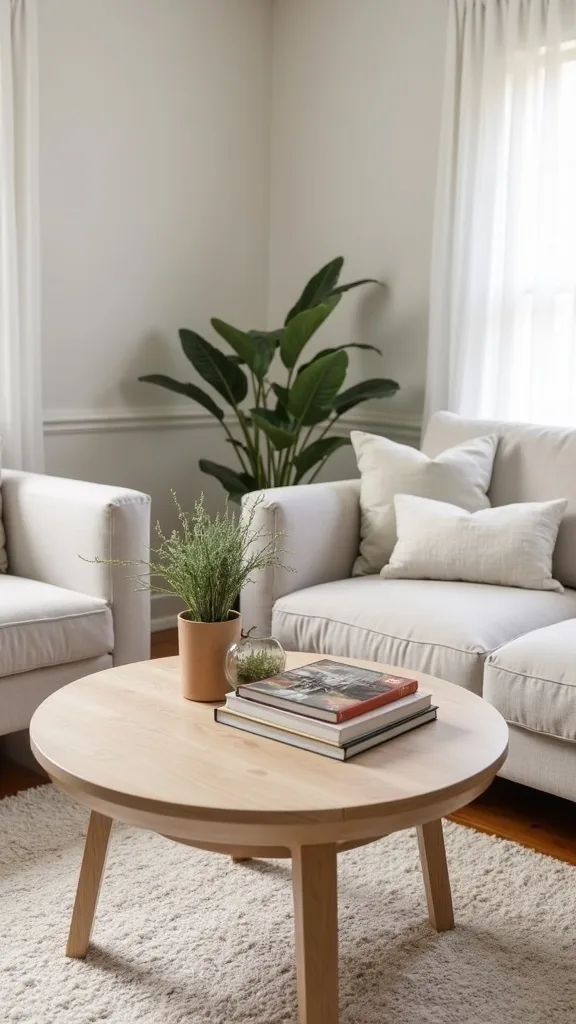
8. How can I make mismatched wood tones look intentional in my living room?
Mismatched woods aren’t the problem—random distribution is. When tones feel sprinkled around with no rhythm, your eye gets restless.
Pick a “dominant” wood tone (maybe your floors or your biggest piece) and let other woods support it. Repeat each secondary tone at least twice: a walnut frame + a walnut bowl; a light oak shelf + a light oak stool. Add one unifying neutral—black metal, aged brass, or creamy linen.
Texture helps: weathered grain and matte finishes blend easier than glossy, orangey stain.
Pro tip: If one piece is wildly off, soften it with a runner, a stack of books, or a basket on the shelf below. The room will feel collected—like you found things over time in the best way.
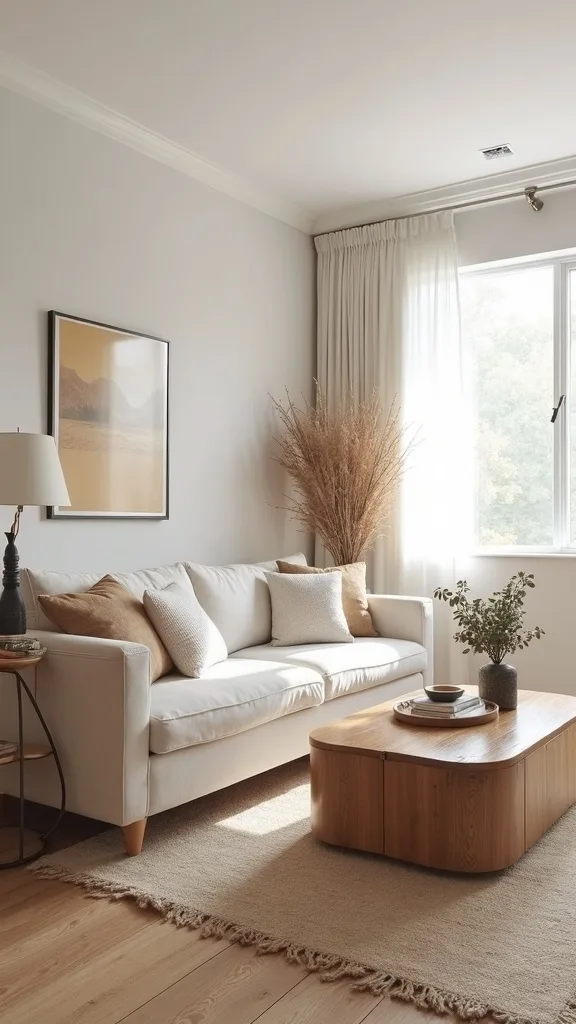
Cost & Materials Estimate
Most of these upgrades can be mixed and matched for a realistic refresh in the $150–$650 range, depending on whether you thrift the anchor pieces.
| Item | Estimated Cost | Where to Buy |
|---|---|---|
| 5′ x 7′ rug (flatweave or vintage-style) | $65–$180 | Wayfair |
| Warm white LED bulbs (2700K–3000K, 6-pack) | $12–$24 | Amazon |
| Curtain rod + rings | $25–$55 | Home Depot |
| Two curtain panels (linen-look) | $35–$90 | IKEA |
| Plug-in dimmer or smart plug (single) | $14–$28 | Amazon |
| Paint + supplies for a small accent (quart + tape) | $28–$55 | Lowe’s |
Total estimated cost: $179–$432 Save by thrifting frames and lamp bases; splurge on curtains or the rug because they control the whole room’s “finished” feeling.
9. What’s an affordable way to get the ‘Pinterest 2026’ layered rug look?
Layered rugs look expensive because they feel relaxed—like the room evolved naturally. You don’t need two pricey rugs to get there.
Start with a larger, inexpensive base (jute, flatweave, or indoor/outdoor) sized to your seating area. Then place a smaller vintage-style rug on top at an angle, letting the base rug frame it like a border. Use rug tape at corners to keep things from creeping.
Go for textures that contrast: nubby jute under something softer and patterned. Keep the top rug lower pile so it doesn’t trip up coffee-table legs.
Pro tip: Choose one color that repeats in pillows or art. When the rug colors echo elsewhere, the whole space feels like a slow, confident yes.
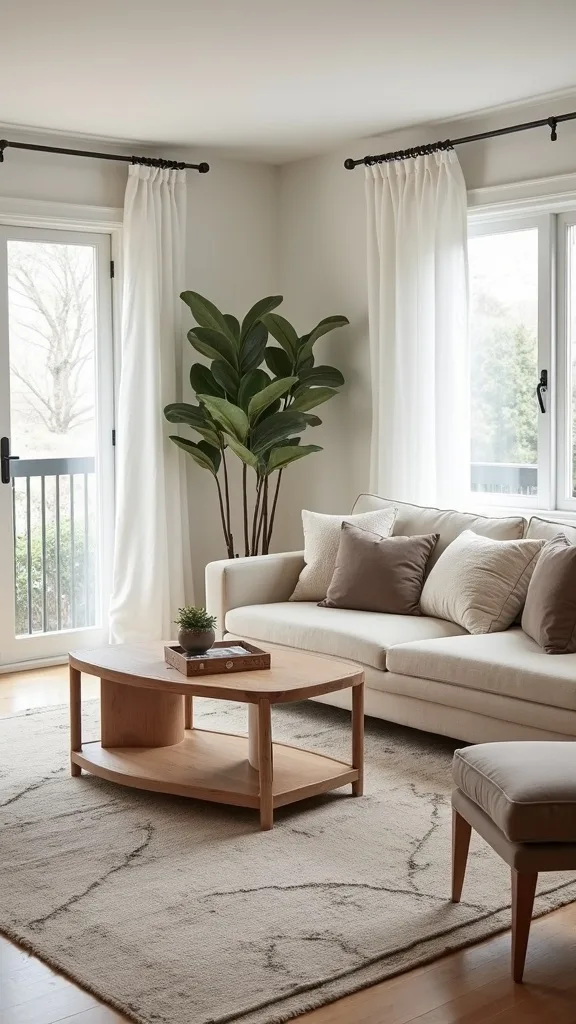
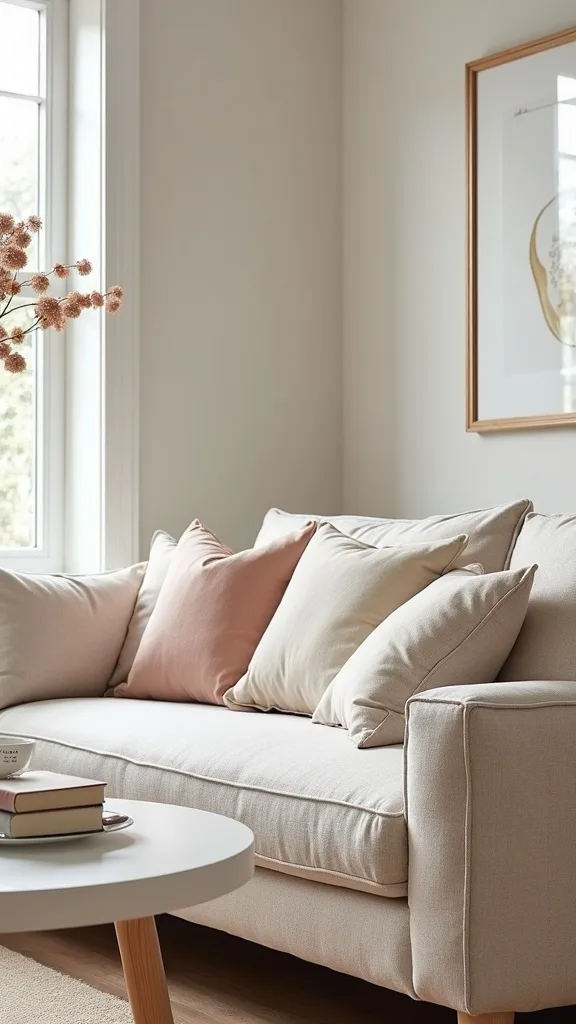
10. How do I refresh my sofa without buying a new one?
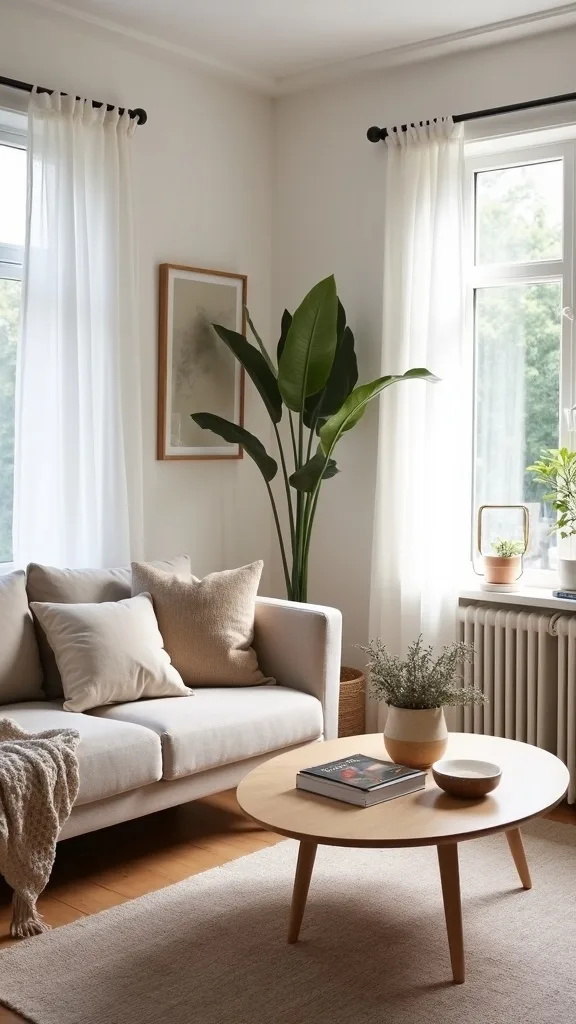
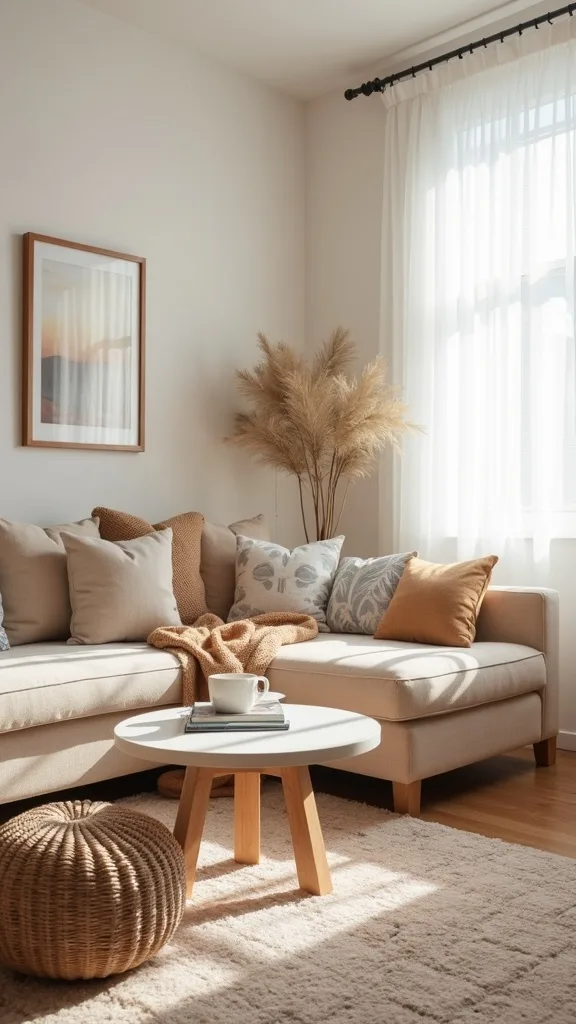
A sofa doesn’t need to be new; it needs to look styled. The right textiles make an older couch feel intentional and current.
Start with a throw that drapes—washed cotton, linen blend, or a soft knit—tossed casually over one arm. Then swap pillow inserts to down-alternative for that plush, sink-in shape. Mix sizes (20″ and 22″ is a clean combo) and keep covers in a tight palette with one subtle pattern.
Texture is your best friend: slubby linen, boucle, or a faded stripe reads elevated without trying.
Pro tip: Add one lumbar pillow in a darker tone to “ground” the sofa. You’ll walk in and feel like the room finally has a center of gravity.
11. What are the best thrifted accessories for a coffee table that won’t look cluttered?
Coffee table styling is less about objects and more about spacing. A few pieces with real presence beat a dozen tiny trinkets.
Thrift for a shallow tray (wood or brass), one sculptural vase, and one small bowl for remotes. Add one book stack—design, travel, or vintage photography—and stop there. Keep height variation gentle so sightlines stay open.
Materials that feel good in the hand: cool ceramic, worn brass, smoky glass, and matte wood.
Pro tip: Leave one quadrant empty. That “blank” space is what makes everything else look curated—and it feels like calm, not a display case.
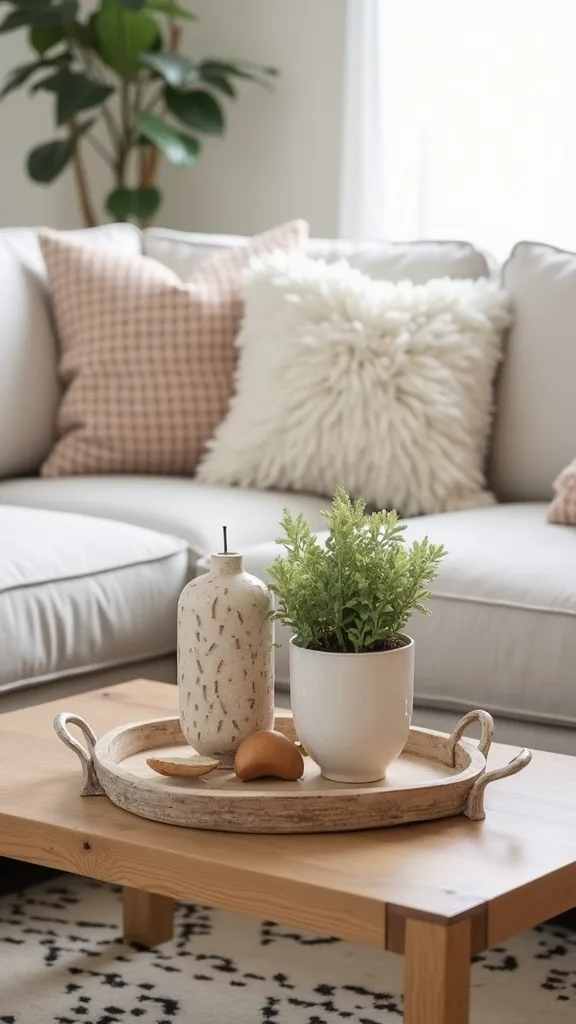
12. How do I create a gallery wall on a budget that doesn’t feel chaotic?
A gallery wall goes wrong when frames fight each other. Make them collaborate instead.
Choose one frame color (all black, all light wood, or all white) or one mat style to unify. Lay everything on the floor first and snap a photo; adjust until the spacing feels even (2–3 inches between frames is a good target). Use paper templates or painter’s tape to mark positions before you commit to nails.
Mix mediums for texture: matte prints, a small woven piece, a vintage sketch, maybe one mirror.
Pro tip: Keep the gallery’s outer edges in a clean rectangle, even if the inside is eclectic. When you walk in, it feels like a composed playlist, not random shuffle.
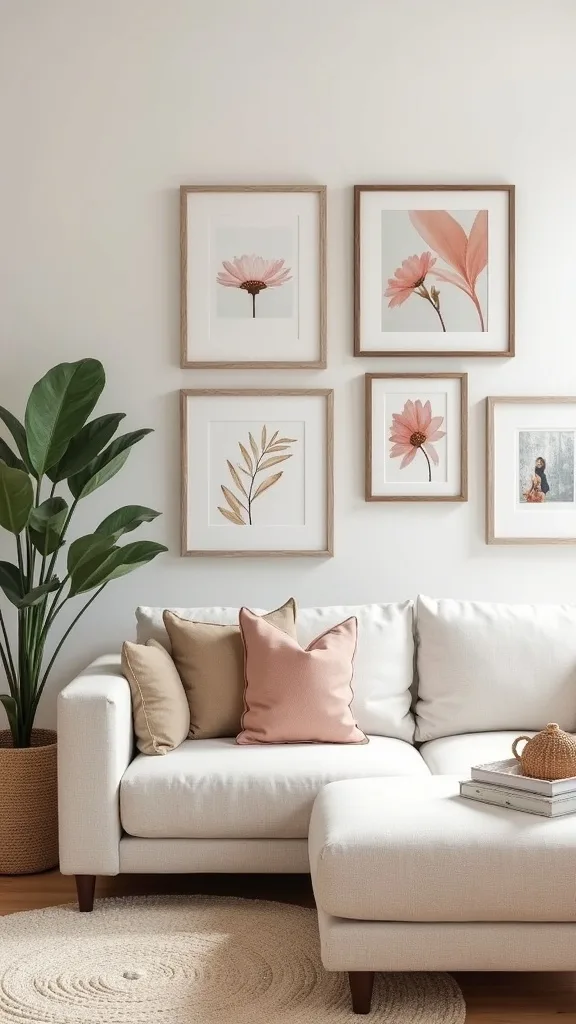
13. What’s the easiest DIY decor that looks high-end in a living room?
Oversized wall art—done simply—hits like a designer move. It’s big, quiet, and confident.
Buy a large canvas (or thrift one and paint over it) and create a tonal abstract using two shades of the same color. Use a wide brush or a drywall squeegee for smooth, modern strokes. Keep it imperfect but not messy; the goal is “handmade,” not “rushed.”
Colors that feel current for 2026: sand, clay, olive, foggy blue, and warm white.
Pro tip: Pair the art with a simple picture light (battery-operated works). That soft glow makes the room feel like evening—no matter what time it is.
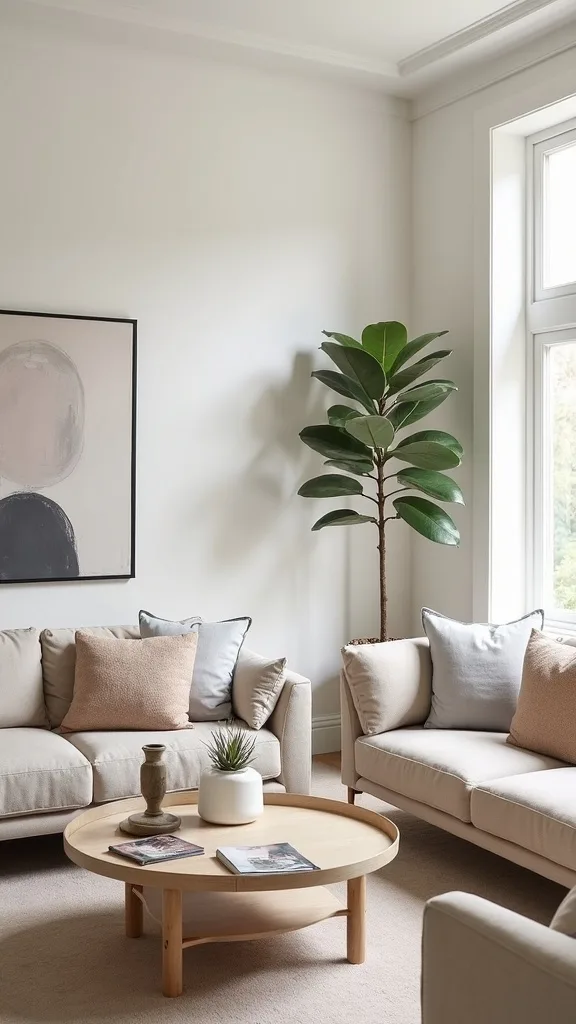
14. How can I make my TV wall look better without a full remodel?
TV walls get awkward when the TV is the only thing happening. Give it a supporting cast.
Mount the TV if you can, or at least lower it so it doesn’t hover too high. Then anchor it with a long console (thrifted credenzas are gold) and add two tall elements on either side—floor plant, paper lamp, or a slim bookcase. Hide cords with a paintable cord cover so the wall feels clean.
Choose finishes that don’t glare: matte black frames, warm wood, and textured baskets.
Pro tip: Add one piece of art leaning on the console, slightly overlapping the TV edge. It breaks the rectangle obsession—and the space feels more like a living room than a tech zone.
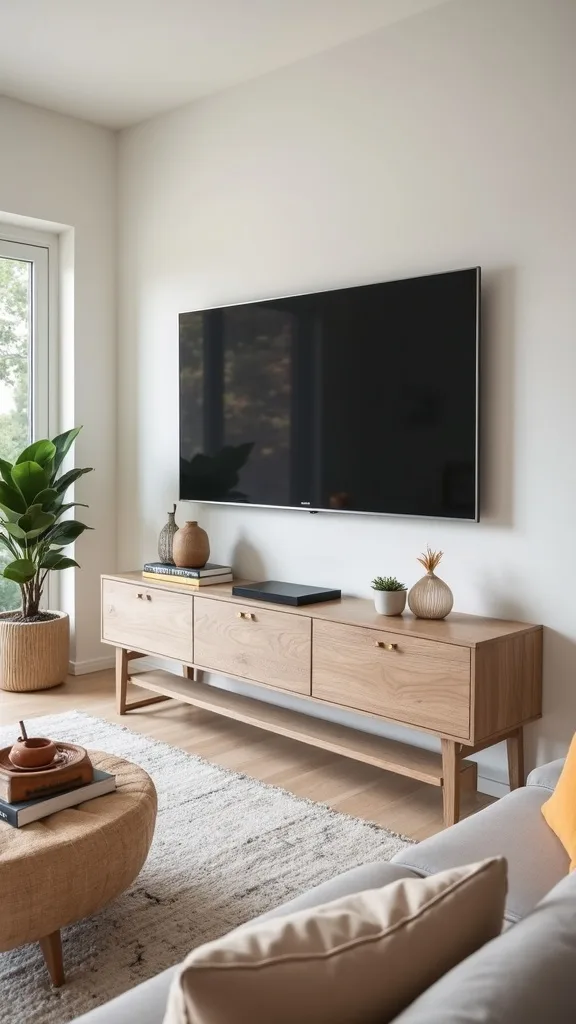
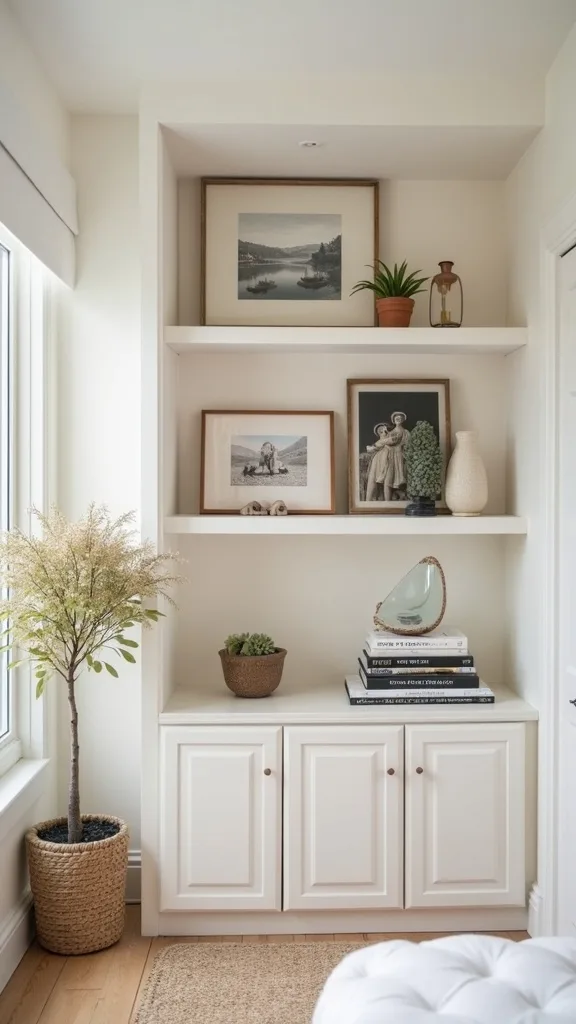
15. How do I style shelves with thrifted pieces without it feeling like a yard sale?
Shelves should feel like a slow story, not a storage unit. The win is in repetition and negative space.
Pull everything off, then put back only what fits your palette. Group items in threes: a stack of books, a vase, a small framed photo. Vary height, but keep some “quiet” gaps. If your shelves are deep, bring some items forward so the back doesn’t feel like a dark cave.
Look for stackable books, small ceramics, and vintage bowls with worn glaze.
Pro tip: Use one basket per shelf row for the unpretty stuff. When clutter disappears, the room feels like you can breathe again.
16. What’s a renter-friendly way to add architectural interest in a living room?
You don’t need permanent millwork to get that tailored, built-in feel. You just need the illusion of structure.
Try peel-and-stick picture frame moulding on one wall, or add a removable wallpaper panel behind the sofa. Another easy move: floor-to-ceiling curtains (even if the window is small) to create that architectural line. Use Command hooks or no-drill brackets where needed.
Textures that read elevated: grasscloth-look wallpaper, linen curtains, and matte-painted trim.
Pro tip: Keep the pattern subtle and the scale large. When it’s quiet and oversized, it feels like architecture—and you’ll walk in and feel instantly more “settled.”
17. How do I make a thrifted armchair feel clean and current?
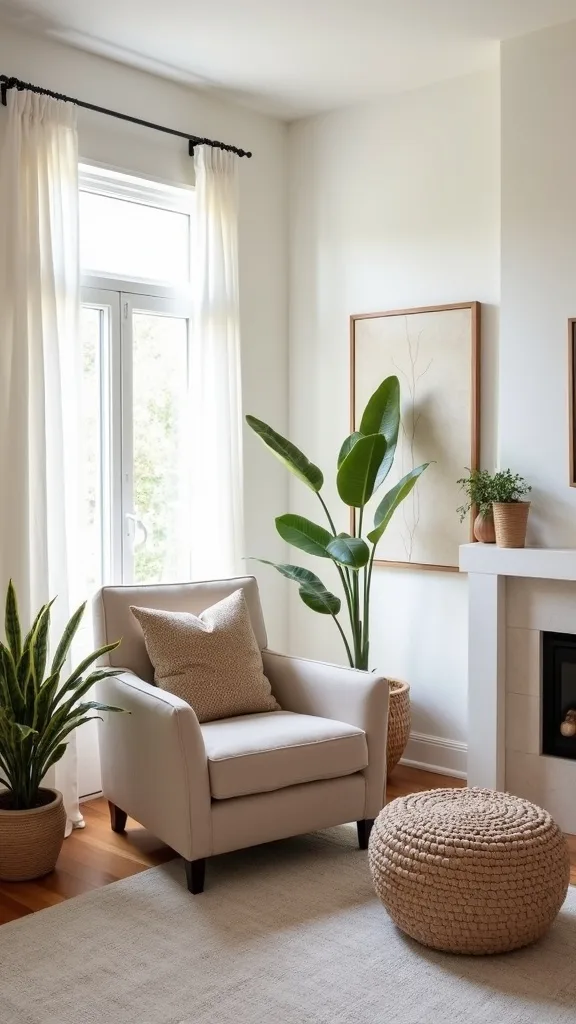
A thrifted chair can be the star, but only if it feels fresh. The goal is “vintage,” not “mystery.”
Vacuum it thoroughly, then spot-clean with an upholstery-safe cleaner. If the fabric is dated but the frame is great, use a slipcover or have a local upholsterer quote just the seat cushion first (often cheaper than you expect). Add a lumbar pillow in a modern textile to bridge eras.
Look for tight upholstery, sturdy arms, and legs that aren’t wobbly. Mid-century shapes and skirted traditional chairs both work—just style them confidently.
Pro tip: Place a small side table and lamp next to it so it reads like a “destination.” The room feels more inviting when every seat has a purpose.
18. How can I add greenery on a budget that still looks stylish?
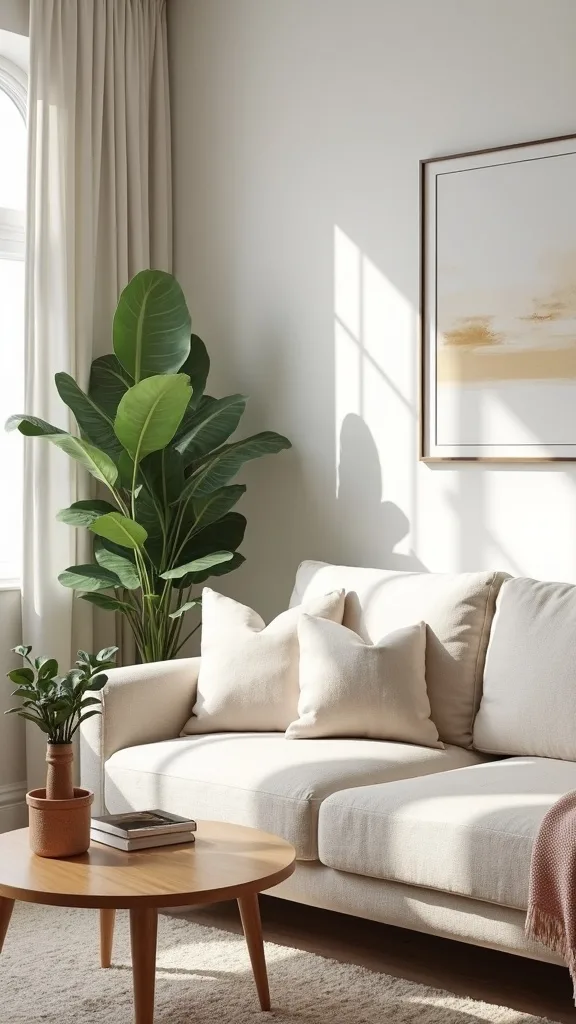
Plants change the energy of a room. They make it feel awake, like the air is moving.
Go for one larger plant instead of five tiny ones. A 6″ pothos or snake plant is affordable and forgiving. Thrift a ceramic pot or basket, then use a plastic nursery pot inside so you can water without fear. If your light is low, choose plants that tolerate shade.
Textures to aim for: matte leaves, woven baskets, and chunky soil top-dressed with moss.
Pro tip: Group your plant near a lamp so it catches warm light at night. It’s a small thing, but it makes the room feel like it’s glowing from the inside.
19. What’s an affordable way to update curtains so they look custom?
Nothing screams “temporary” like skimpy curtains. Full panels with a soft drape make a room feel finished.
Buy two panels minimum—even for a small window—so they look generous. Hem them with iron-on tape if needed, and hang the rod wider than the window frame so light feels bigger. If you’re layering, add a simple roller shade behind for privacy.
Choose fabrics that move nicely: linen-look sheers, cotton canvas, or a subtle textured weave.
Pro tip: Use curtain rings with clips to add a few extra inches of length. When panels kiss the floor, the whole room feels taller and calmer.
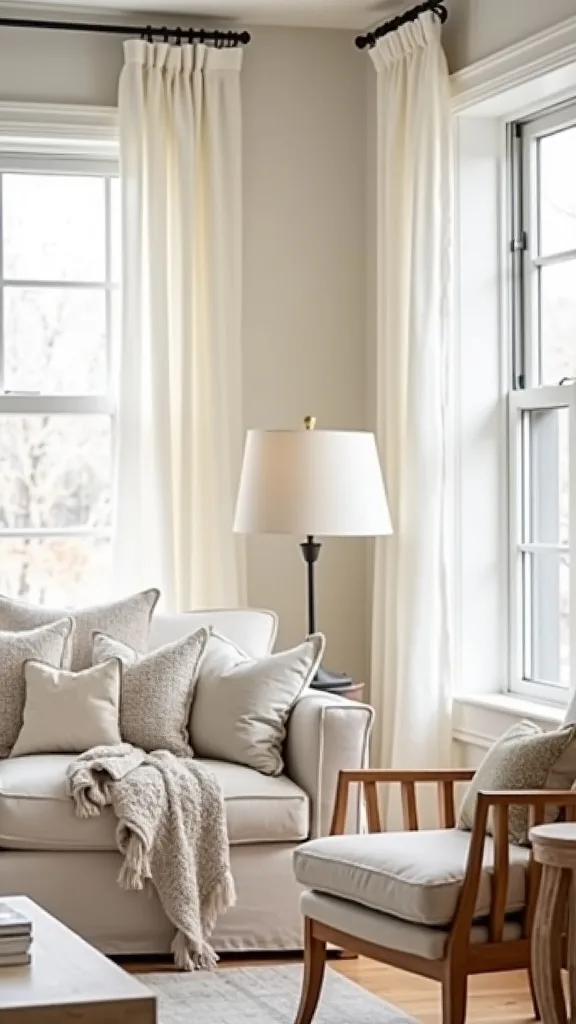
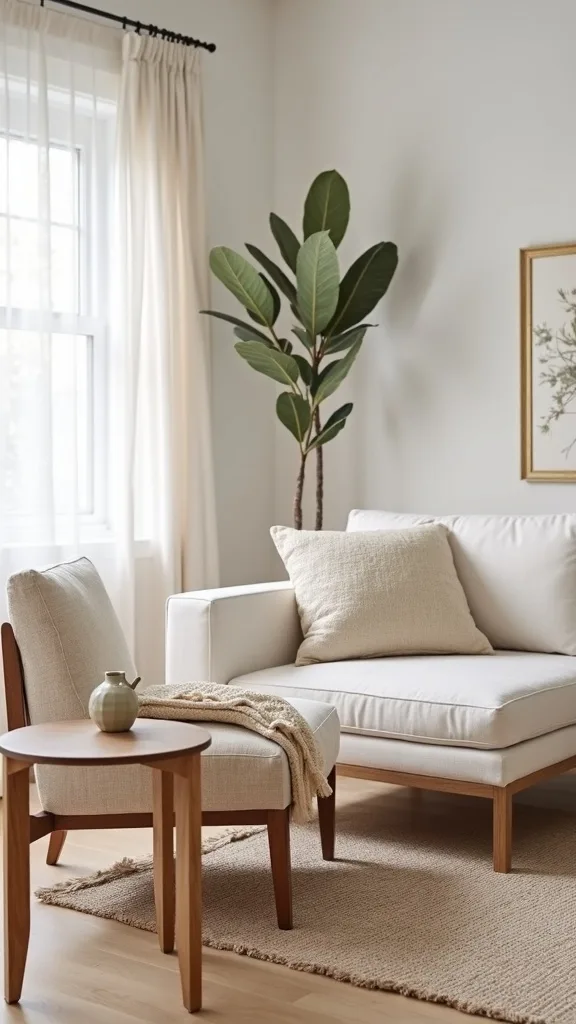
20. How do I create a cozy reading corner with thrifted pieces?
A reading corner is basically permission to slow down. It works because it turns an unused corner into an experience.
Start with a chair (thrifted or marketplace), add a small side table for your mug, and bring in a lamp with a warm shade. Layer a throw and one pillow so it looks like someone actually sits there. If space is tight, use a wall-mounted sconce and a slim drink table.
Textures to lean into: soft knit, worn leather, and a low-pile rug underfoot.
Pro tip: Add one tiny shelf for two books and a candle. When you walk in, that corner will quietly pull you toward it—like a pause button.
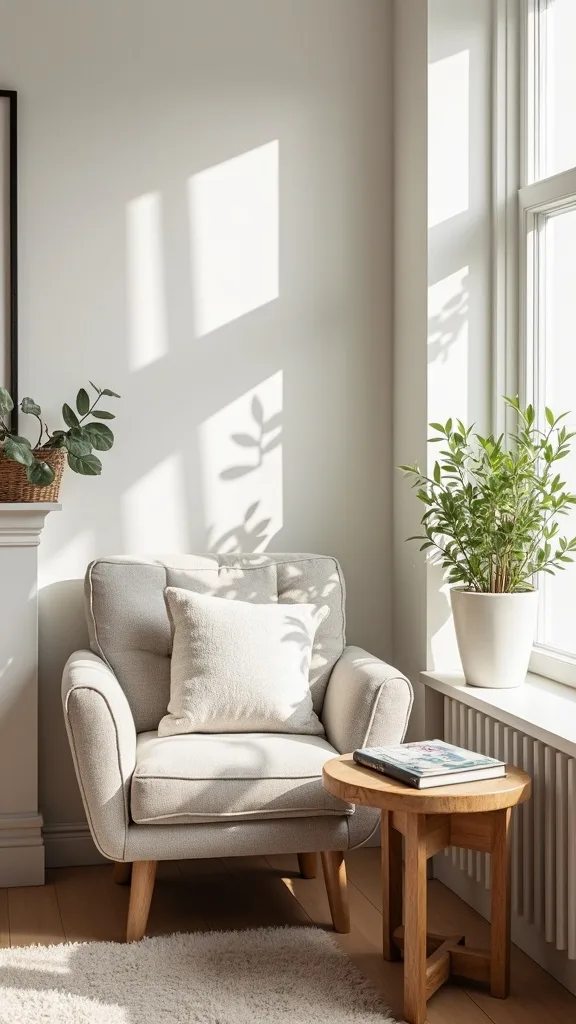
21. What should I avoid when doing a budget living room makeover?
Avoid buying a cart full of small decor because you’re bored with the room. That’s how you end up with clutter that still doesn’t fix the vibe.
Instead, put your money into one anchor: a rug, a lamp pair, or curtains. Then thrift the supporting cast slowly. If you’re shopping online, measure first—tape out furniture footprints on the floor so you don’t accidentally buy pieces that are too small (the most common budget mistake).
Also skip anything that’s shiny-fake: high-gloss plastic “marble,” flimsy chrome, or trendy signs with words on them. They date fast.
Pro tip: If you’re unsure, wait 48 hours before buying. The room will thank you—and you’ll walk in feeling relieved, not regretful.
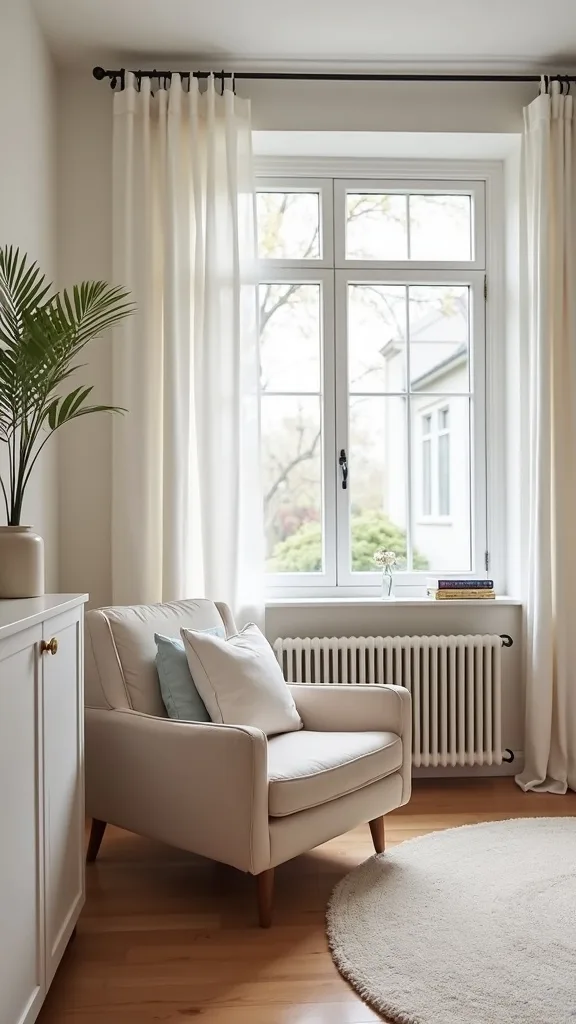
22. How can I make my entry-to-living-room transition feel more put together?
The first five feet into your living room sets the tone. If that zone feels chaotic, the whole room feels unfinished.
Add a slim console or thrifted dresser along the wall, then style it with a lamp, a tray for keys, and one piece of art above. Use a basket below for shoes or dog stuff. If you don’t have space for furniture, do a wall shelf with hooks and a small catchall.
Materials that hold up: solid wood, woven baskets, and a washable runner.
Pro tip: Keep the surface 70% clear. Walking in to a clean landing spot feels like your home is taking your bags for you.
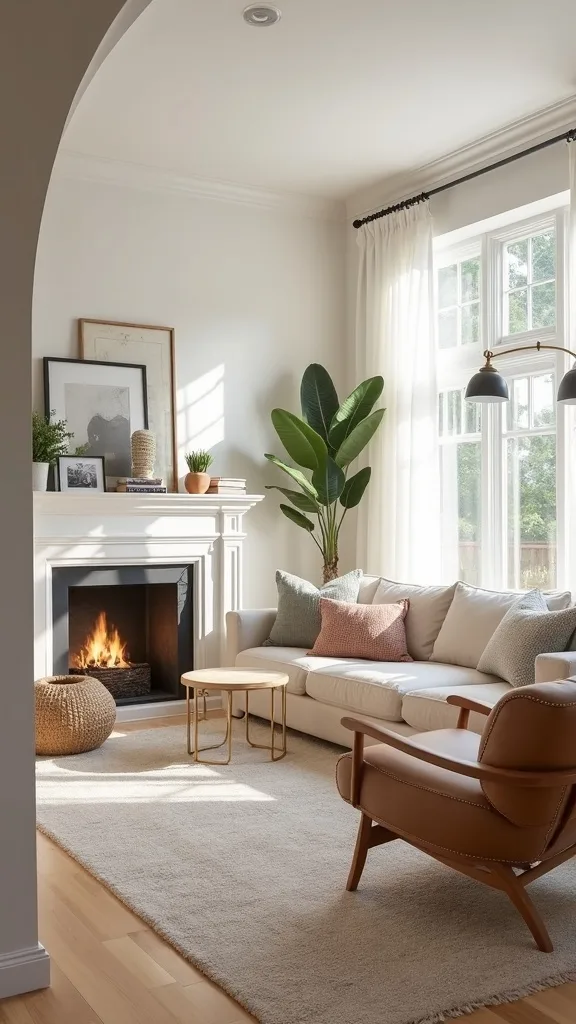
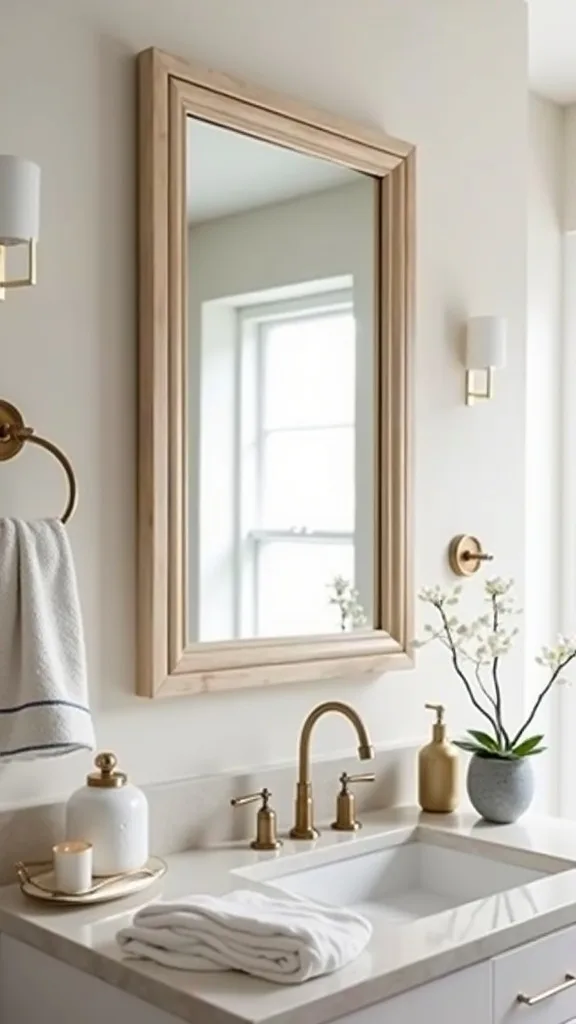
23. How do I use mirrors to brighten a living room without making it feel like a gym?
A mirror should feel like a light trick, not a statement about yourself. The right one bounces glow and opens the room.
Place a mirror across from a window or near a lamp so it reflects light. Thrifted mirrors with slightly aged glass are especially good—they soften reflections. If you’re hanging it, anchor into studs or use heavy-duty wall anchors rated for the mirror’s weight.
Frames that work with almost anything: thin black metal, warm wood, or antique brass.
Pro tip: Go taller than you think. A vertical mirror makes ceilings feel higher, and the room feels like it’s stretching out after a long day.
24. How do I make a mismatched set of thrifted decor feel cohesive with color?
Color cohesion is the cheat code. It lets you mix eras, materials, and price points without the room feeling scattered.
Pick a base neutral (cream, sand, warm gray) and two accents (like olive + rust, or navy + caramel). Then make sure each accent appears at least three times across the room—pillow, art, vase, book spine. If something doesn’t fit the palette, move it to another room.
Textures keep it from looking flat: matte ceramics, woven fibers, and soft textiles.
Pro tip: Use one “bridge” pattern—like a subtle stripe—that contains all your colors. The room will feel like it’s humming in tune.
25. What’s the simplest weekend plan to pull a living makeover together fast?
A fast refresh works when you sequence it like a stylist: big changes first, tiny styling last. That’s how you avoid spinning your wheels.
Day 1: declutter surfaces, swap bulbs to warm white light (2700K–3000K — the cosy, yellowish tone you see in most homes), and move furniture 2–3 inches at a time until the flow feels easy. Day 2: add the anchor (rug or curtains), then style with a tray, a plant, and two pillows. If you thrift, do it after you know what you actually need.
Stick to tactile finishes: linen, warm wood, and a little aged metal.
Pro tip: End by lighting a candle and turning off the overhead light. If the room feels like you want to stay, you nailed it—and you’ll feel that ease every time you walk in.
Final Thoughts
A budget-friendly living room doesn’t have to look like you compromised. When the textures feel right—linen that drapes instead of creases, wood that shows its age without looking beat up, light that lands softly on the corners—you stop noticing what you don’t have and start noticing how the room holds you.
The best part is how forgiving this process is. You can thrift one piece, live with it, shift it, re-style it, and let the room slowly teach you what it needs next. That’s the kind of decorating that actually sticks—because it’s built around your life, not a screenshot.
Do one thing today: replace the bulbs in your two most-used lamps with warm white light (2700K–3000K — the cosy, yellowish tone you see in most homes), then remove five items from your coffee table. Walk back in and notice how the room feels quieter, softer, and more yours.
What I’d Do Differently
When I first tried this, I made the classic mistake: I bought a bunch of small “cute” things first—candles, tiny vases, little trays—because they were cheap and I wanted quick wins. My living room ended up feeling busier, not better, and somehow I still hated the lighting. The correct approach is to pick one anchor upgrade (for me it should’ve been a rug that actually fit the seating area) and fix the light temperature before anything else. Once the room had a softer glow and a grounded base, every thrifted find looked more intentional instead of like I was trying to distract from the problem.
I also wish I’d measured before marketplace pickups. I brought home a gorgeous vintage coffee table that was two inches too tall for my low sofa, and it threw off the whole flow until I resold it. Now I keep a note in my phone with key measurements (sofa height, ideal coffee table height, rug size). Do the one anchor move first, then let the fun thrift details come after—you’ll feel the room click into place fast, so start this weekend.