
This post contains affiliate links. As an Amazon Associate, I earn from qualifying purchases at no extra cost to you.
A small bathroom isn’t cramped. It’s curated. Treat it like a jewel box and every inch starts to feel deliberate—quiet walls, a sharp mirror, a towel that looks like it belongs in a boutique hotel.
This guide moves in layers: the room’s bones first (surfaces, storage, layout), then textiles, then lighting, then greenery and objects. Each idea is designed to look finished, not “fixed.”
This is perfect for renters, first-time homeowners, and anyone who wants a smarter small bathroom without opening walls or draining a savings account.
Inside you’ll find affordable tile moments that read custom, DIY shelving that frees the vanity, upcycled decor that looks collected, and inexpensive lighting tricks that flatter every skin tone at the mirror. Expect clean lines, warm materials, and a few high-impact swaps under $30.
Below are 25 8 Budget Small Bathroom Ideas 2026: Affordable Tiles, DIY Shelving, Upcycled Decor & Inexpensive Lighting Hacks that turn tight square footage into a space that feels calm, elevated, and easy to keep beautiful.
Products I Recommend for This Project
Here are some of my favourite products to help you bring these ideas to life:
- Art3d Peel and Stick Backsplash Tile (Subway White) — Creates a clean tile moment behind the vanity with renter-friendly installation.
- Command Large Utility Hooks — Adds instant towel and robe storage without drilling, perfect for tight layouts.
- Philips LED A19 Warm White Light Bulbs (2700K) — Upgrades the entire mood with flattering warm light and consistent color.
- Zenna Home Over-the-Toilet Storage Shelf — Adds vertical storage fast, keeping counters clear and styled.
- mDesign Plastic Stackable Bathroom Bins — Makes under-sink organization feel calm and intentional with easy, pull-out access.
1. How can I upgrade a small bathroom stylishly without breaking the bank?
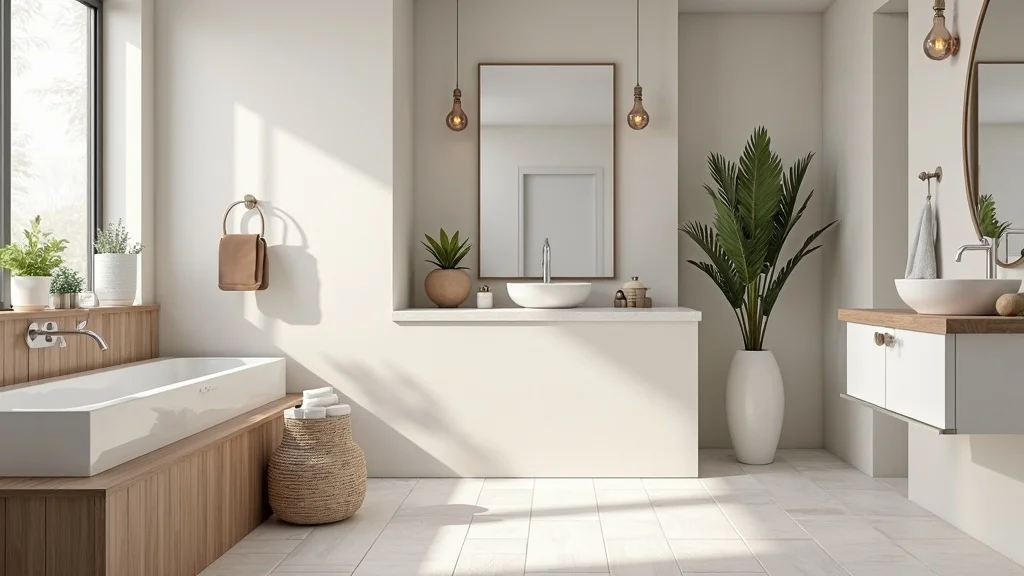
This is the whole visual theme in one move: edit hard, then upgrade what your eye hits first. A small bathroom feels expensive when it looks intentional—clean planes, one focal wall, and storage that disappears.
Start by clearing the counter completely and measuring one “hero” zone: the wall behind the vanity or the band above wainscoting. Add a peel-and-stick tile strip or paint-block (think a 42-inch-high band) to create architecture without construction. Then swap in a crisp white shower curtain and matching towel set so the new backdrop reads tailored.
Choose matte white, warm greige, or soft stone tones for the base, then add one contrast note like black, aged brass, or walnut. Look for affordable subway tile sheets, simple frames, and a mirror with a thin metal edge.
Pro tip: keep your palette to three finishes max—it’s the fastest route to calm, and calm always looks like money.
2. What’s the cheapest way to make bathroom walls look high-end?
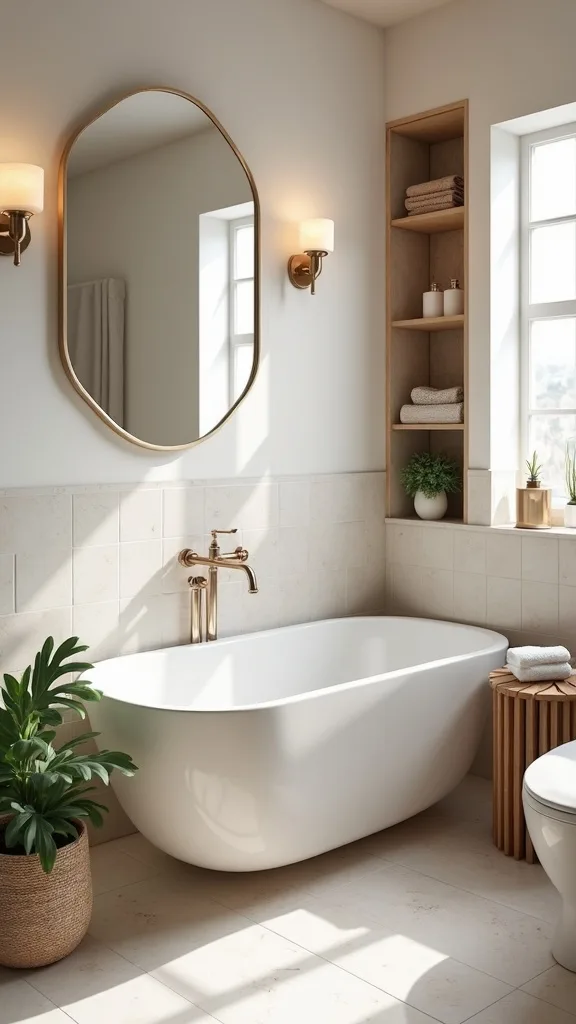
Paint is the quickest luxury you can buy, especially in a small bathroom where every wall is in view. A single, saturated color makes the room feel intentional instead of temporary.
Choose a moisture-resistant interior paint and commit to one shade on every wall and ceiling for a cocoon effect. In tight spaces, that “all-over” approach removes visual chop and makes the room feel taller. If you want architecture, add a simple chair-rail line at about 40–44 inches and paint the lower portion one shade deeper.
Go for soft clay, smoky blue-gray, or warm ivory—colors that flatter skin and bounce light. Pair with bright white trim only if your tile is already white; otherwise, keep trim a creamy tone.
Avoid stark, icy whites under cool bulbs; they read clinical. Pro tip: paint the door the same color as the walls for a seamless, boutique-hotel quiet.
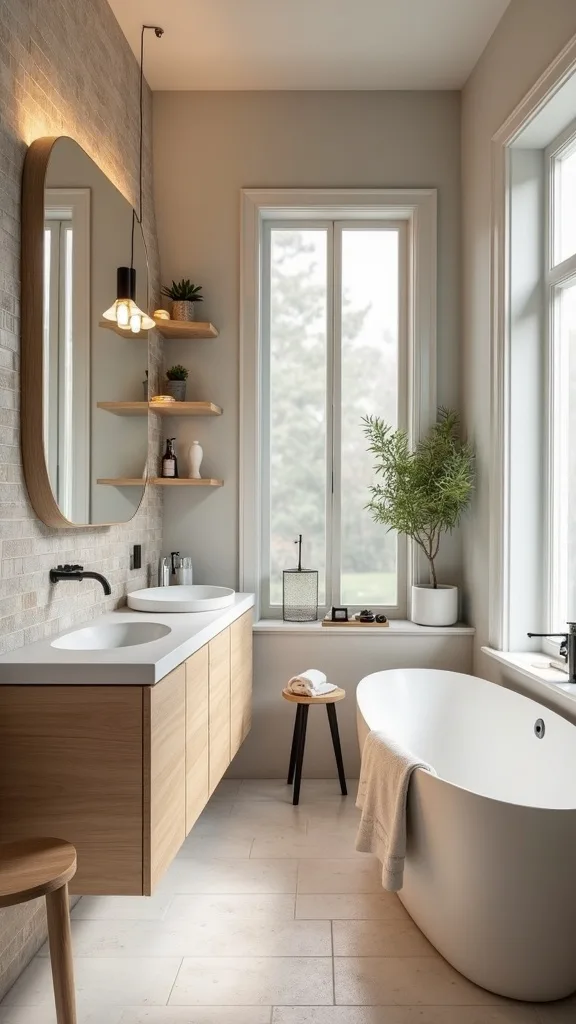
3. Are peel-and-stick tiles actually worth it in a small bathroom?
Yes—when you use them like an accent, not a full remodel. In a small bathroom, a controlled tile moment delivers the look of custom work with a fraction of the cost.
Apply peel-and-stick tile as a backsplash behind the sink, a vertical strip beside the mirror, or a 6–8 inch border above existing tile. Clean the surface with rubbing alcohol, let it dry fully, then use a level and a pencil line so the first row is perfect. Press firmly with a smoothing tool and seal edges near water with clear silicone.
Choose stone-look hex, matte white subway, or a quiet marble print. Skip loud patterns; small rooms amplify everything.
Avoid placing it inside the shower where constant water hits seams. Pro tip: finish the edge with a thin metal trim strip for a built-in look that reads far more expensive than it is.
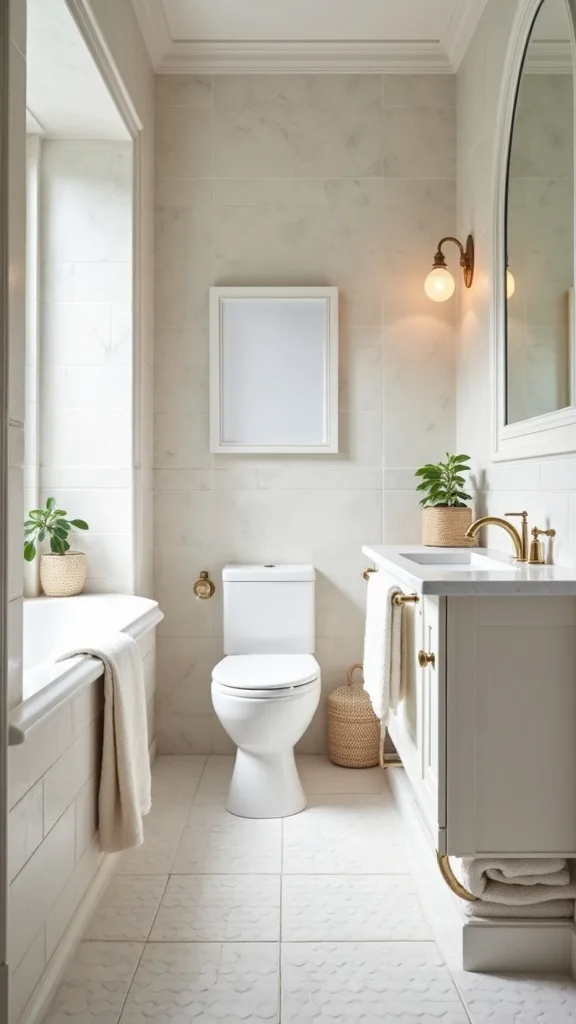
4. How do I make cheap floor tile look intentional and timeless?
Timeless floors are about scale and restraint, not price. In a small bathroom, the wrong pattern can feel busy and shrink the room instantly.
If you’re replacing the floor, choose a classic 12×24 porcelain in a matte stone look and lay it in a simple running bond. For a weekend refresh, deep-clean grout, then use a grout pen to restore crisp lines—this alone can make a tired floor look new. Add a washable runner (about 20×48 inches) to soften the footprint and hide minor imperfections.
Stick to warm gray, sand, or soft charcoal. Pair with white towels and a natural wood accent so the floor feels grounded.
Avoid tiny, high-contrast mosaics on the floor; they telegraph “builder basic.” Pro tip: a single, elongated runner visually stretches the room like a tailored suit.
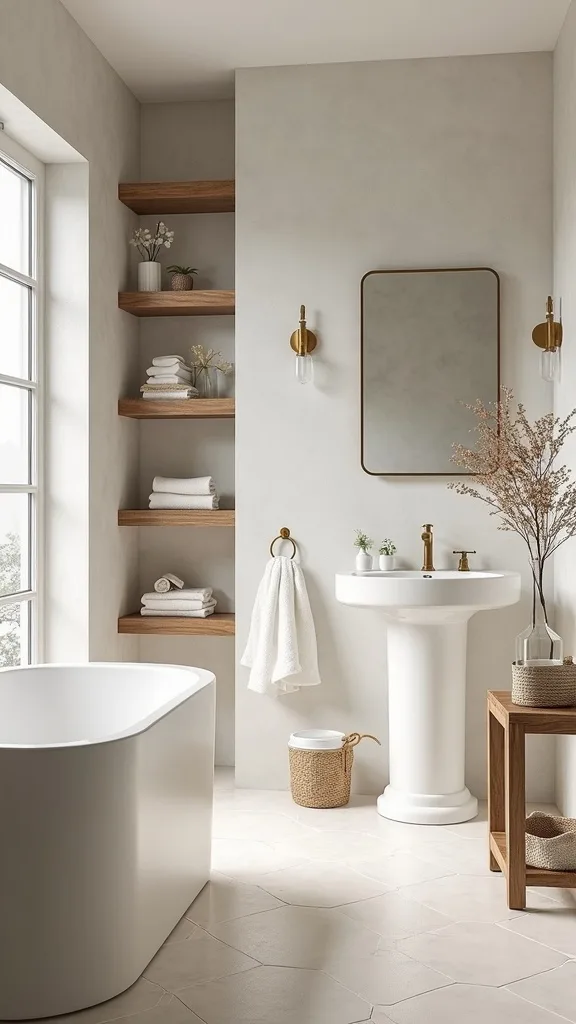
5. What’s an easy DIY shelving idea that doesn’t overwhelm a small bathroom?
The best shelves in a small bathroom look like they were always meant to be there. They should feel airy, not crowded, and they should earn their keep.
Install two slim floating shelves above the toilet, spaced about 12–14 inches apart. Anchor into studs when possible; if not, use heavy-duty drywall anchors rated for the weight. Keep depth to 5–7 inches so you don’t bump them, and align the shelf length with the toilet tank for a clean vertical column.
Choose light oak, walnut, or matte white shelves with hidden brackets. Style with one lidded box, one rolled towel stack, and one small framed print.
Avoid open shelves packed with bottles; it reads like storage, not decor. Pro tip: add a tiny battery picture light above the top shelf for a gallery finish that feels quietly luxurious.
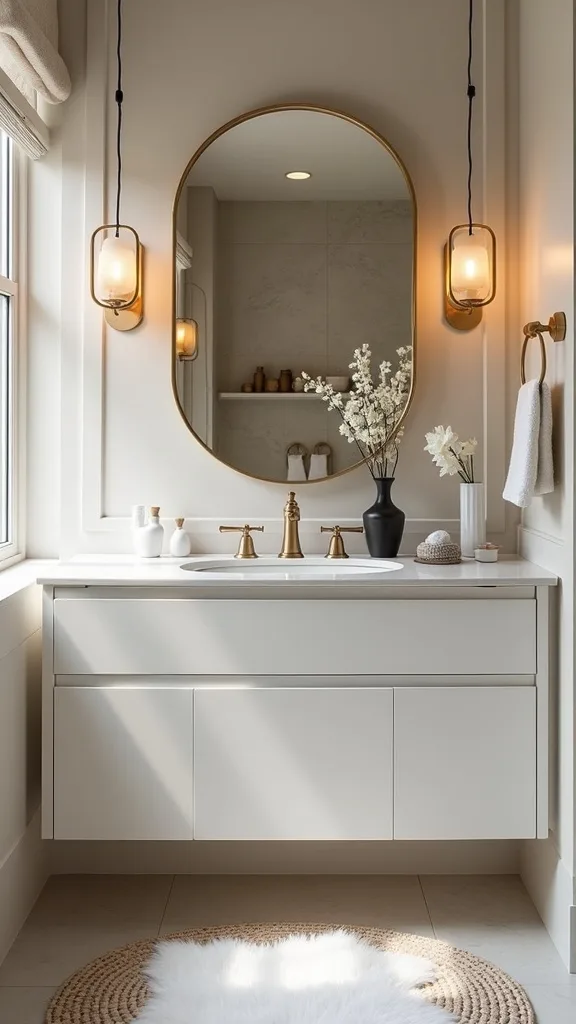
6. How can I add storage in a small bathroom without a bulky cabinet?
Vertical storage is the secret weapon of every polished small bathroom. It lifts clutter off the floor and keeps the room feeling crisp.
Use the back of the door: install a slim over-the-door rack for towels, or mount two hooks at shoulder height for robes. Then add a narrow rolling cart (about 5 inches wide) beside the vanity for hair tools and extra toilet paper. Finish by decanting daily items into matching containers so the cart reads curated.
Look for matte black hooks, clear bins, and a white or bamboo cart that blends into the wall. Keep labels minimal—one word, all caps.
Avoid storing extra products in their original bright packaging where you can see them. Pro tip: the moment you hide visual noise, your mirror area starts to feel like a suite.
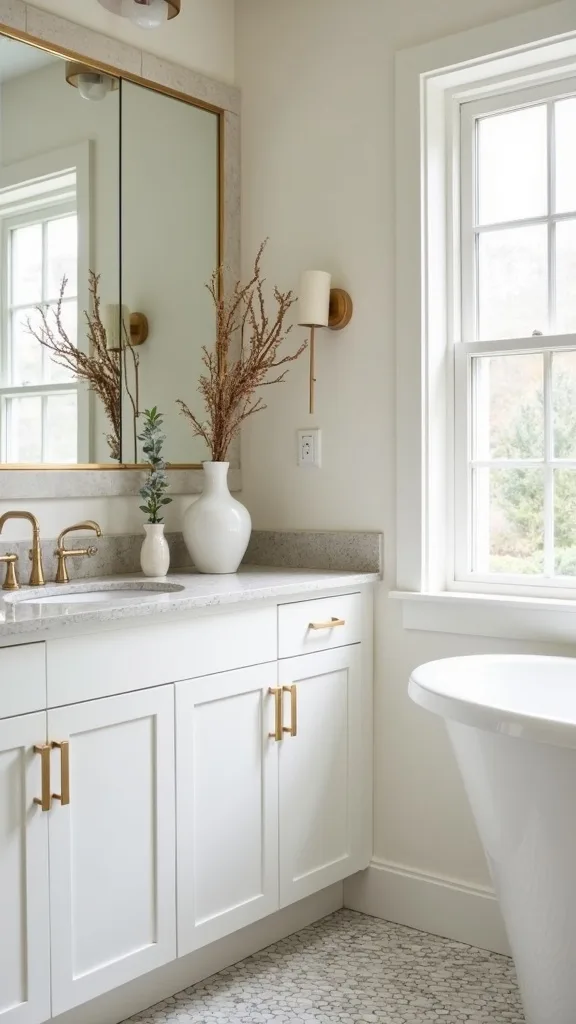
7. What’s the best way to make a builder-grade vanity look custom on a budget?
A builder-grade vanity can look bespoke with two precise upgrades: hardware and a countertop “frame.” Small details carry enormous weight in a small bathroom.
Swap knobs for pulls in a consistent finish—aged brass for warmth, matte black for crisp contrast. Then add a thin peel-and-stick edge band or a painted border around the vanity toe-kick to create a shadow-line effect. If you can, replace the faucet with a simple, modern silhouette; it changes the entire read of the sink.
Choose clean bar pulls and a faucet with a gently arched spout. Pair with a neutral soap dispenser and a small tray to corral daily items.
Avoid ornate hardware with lots of scrolls; it dates the room fast. Pro tip: one matching metal across faucet, pulls, and mirror frame makes everything feel designed.
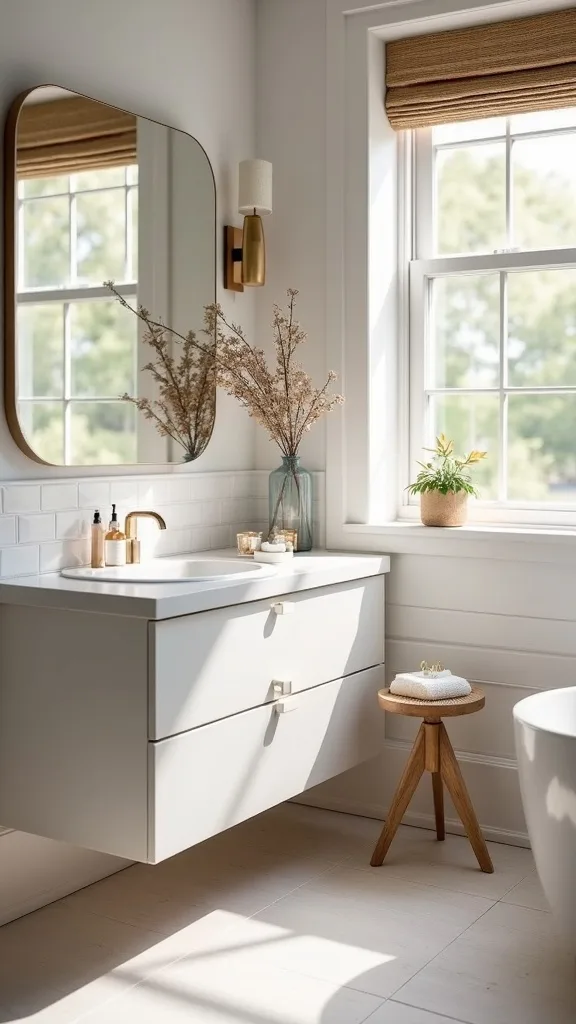
8. How do I style a small bathroom counter so it looks expensive, not cluttered?
Luxury bathrooms have space to breathe. The counter should look like a still life, not a landing strip.
Keep only three items visible: hand soap, a small dish for rings, and one intentional object like a bud vase. Everything else lives in a drawer organizer. Use a tray (around 8×10 inches) to create a boundary; it instantly reads like a hotel setup.
Choose amber glass or matte ceramic dispensers and a stone or acrylic tray. Fold one hand towel in a tight rectangle and place it beside the sink for a tailored note.
Avoid mixed plastic bottles in neon colors—nothing kills the mood faster. Pro tip: decant products into matching bottles and add simple black labels for a spa-clean finish.
Cost & Materials Estimate
A polished small-bath refresh typically lands between a quick $150 swap-out and a more complete $900 upgrade, depending on tile accents and lighting.
| Item | Estimated Cost | Where to Buy |
|---|---|---|
| Peel-and-stick tile (10–20 sq ft) | $35–$120 | Home Depot |
| Floating shelves (set of 2) | $30–$80 | IKEA |
| Warm white LED bulbs (4-pack) | $12–$25 | Amazon |
| Fabric shower curtain + liner | $25–$60 | Target (via Amazon alternatives available) |
| Framed mirror (24–30 in wide) | $70–$220 | Wayfair |
| Baskets/bins + tray set | $25–$90 | Amazon |
Total estimated cost: $197–$595 Save by keeping your existing faucet and vanity; splurge on the mirror and bulbs because they change the whole room.
9. What inexpensive lighting change makes the biggest difference in a small bathroom?
Swap the bulbs before you swap the fixture. Light quality is the difference between “fine” and flattering, especially in a small bathroom where you’re inches from the mirror.
Choose warm white light (2700K–3000K — the cosy, yellowish tone you see in most homes) so skin looks healthy and the room feels inviting. Look for high brightness (measured in lumens) in the 800–1100 range per bulb for a clear, makeup-friendly mirror zone. If you have a multi-bulb bar, use the same bulb in every socket for consistent color.
Frosted globes soften glare and look more elevated than clear bulbs. Pair with a simple white or black shade if your fixture allows.
Avoid mixing one cool bulb with one warm bulb; it creates a patchy, unintentional cast. Pro tip: the right bulb makes even budget finishes look smoother and more refined.
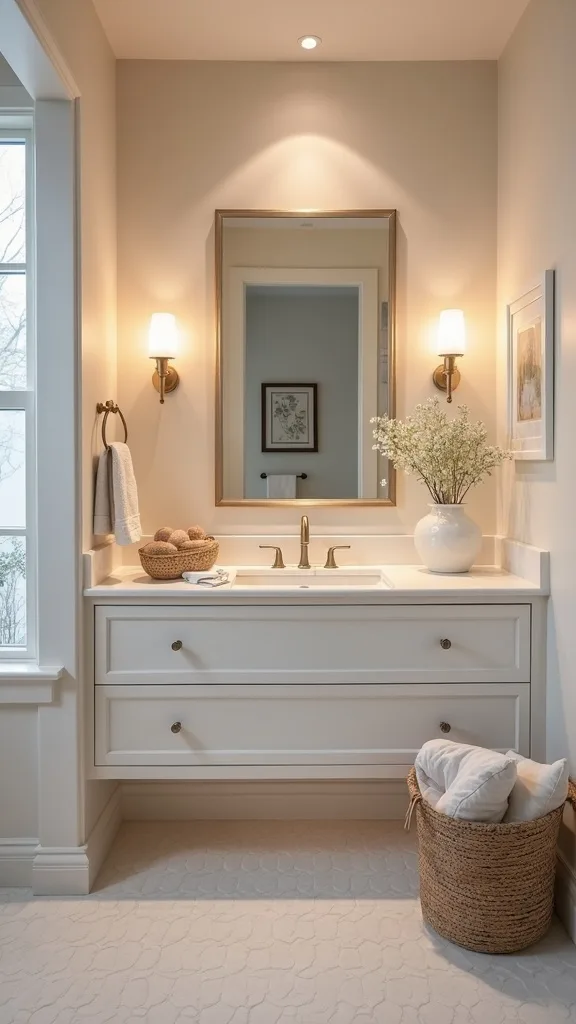
10. How can I add a second light source in a small bathroom without rewiring?
Layered lighting is what makes a small bathroom feel designed. One overhead light is functional. Two light sources feel like a boutique hotel.
Add a plug-in sconce beside the mirror or a rechargeable wall light above art. Use removable wall hooks or a cord cover painted to match the wall so it disappears. Place the light at eye level (about 60–66 inches from the floor) to reduce shadows on the face.
Choose linen-shade sconces or a slim metal cylinder in brass or black. Keep the silhouette simple so it reads timeless.
Avoid harsh, bare LED strips around the mirror; they can feel cheap and overly bright. Pro tip: a soft side light turns your mirror moment into a scene—quiet, flattering, and elevated.
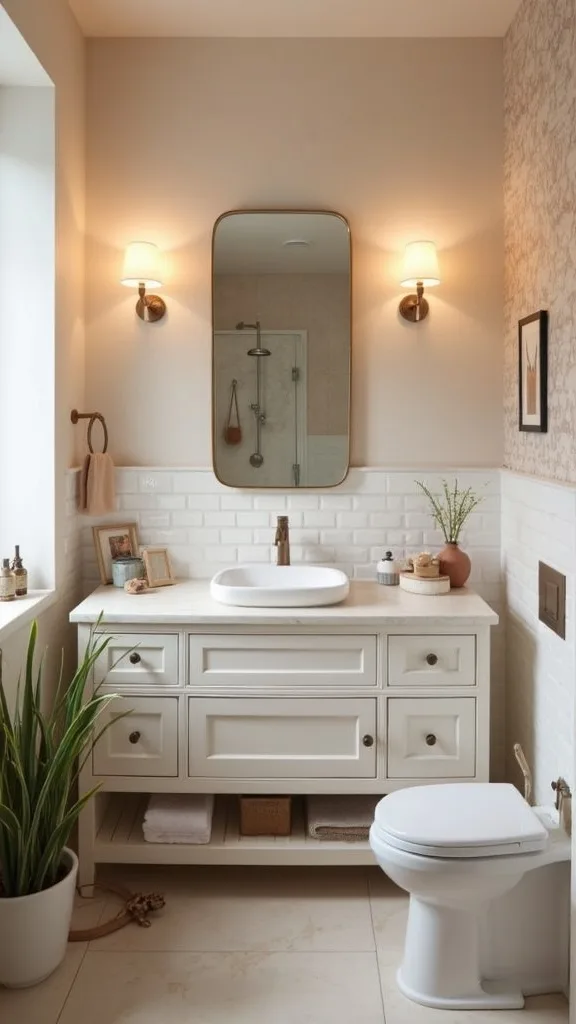
11. What’s a budget-friendly mirror upgrade that changes the whole room?
The mirror is the bathroom’s statement piece. In a small bathroom, it’s also your largest “art.” Choose it with intention.
Replace a frameless builder mirror with a framed option, or add a frame kit to what you already have. Keep the mirror width close to the vanity width for balance, and hang it so the center sits around eye level. If you need more light bounce, go slightly taller rather than wider.
A thin black metal frame feels modern; a warm wood frame feels calm and organic. For a classic look, choose a softly arched top.
Avoid tiny mirrors above a full-size vanity; it makes the wall look unfinished. Pro tip: a subtle arch paired with crisp towels is an instant “designed” signal—even if everything else is simple.
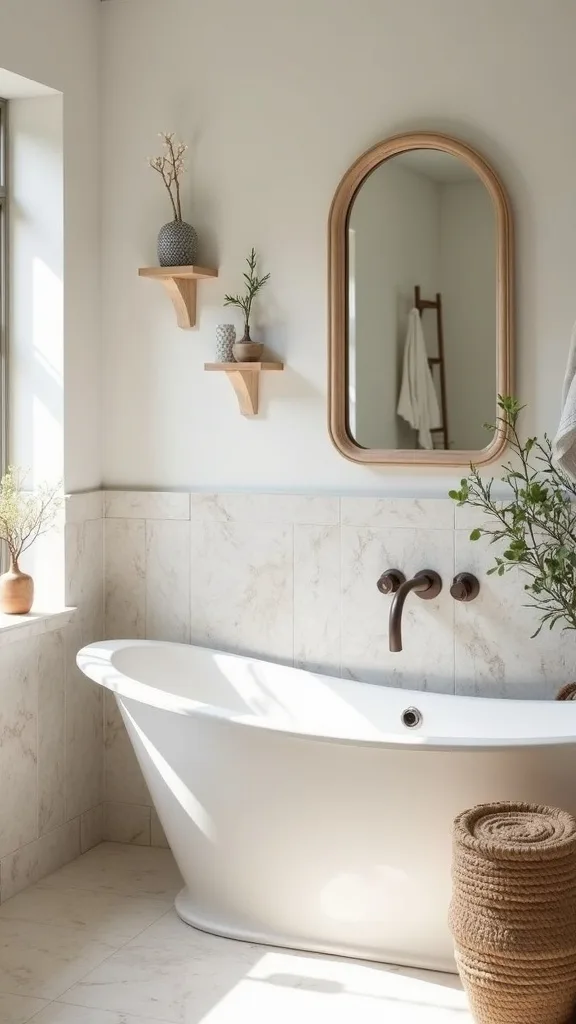
12. How do I make a shower curtain look tailored instead of flimsy?
A shower curtain is a wall in a small bathroom. When it’s thin, wrinkled, or too short, the whole space reads temporary.
Choose a fabric curtain with weight—cotton or a linen-look blend—and hang it high and wide. Set the rod 2–3 inches below the ceiling and extend it past the tub edges so the curtain stacks to the sides, not the center. Add a clear liner inside so the outer curtain stays pristine.
Go for crisp white, soft oatmeal, or a subtle stripe. Pair with warm metal rings for a quiet, finished detail.
Avoid curtains with busy slogans or loud prints; they dominate a small room. Pro tip: steam the curtain once, then keep a small handheld steamer nearby—wrinkle-free fabric reads like care and care reads like luxury.
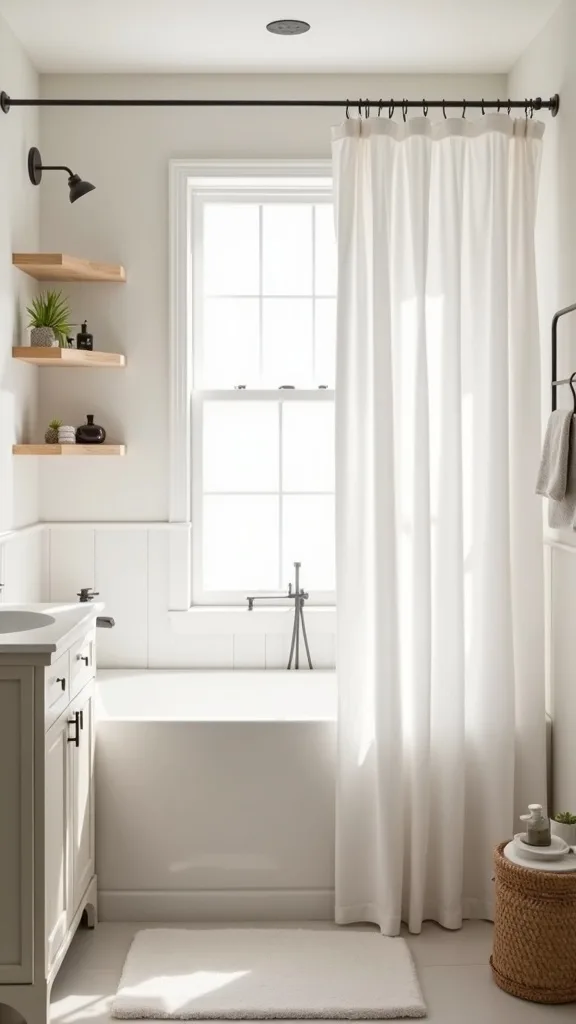
13. Which textiles make a small bathroom feel like a spa on a budget?
Textiles are where comfort becomes visible. In a small bathroom, they also add softness that hard surfaces can’t.
Invest in two matching bath towels, two hand towels, and a simple bath mat in the same color family. Fold the bath towels in thirds and stack them on a shelf; hang one hand towel neatly on a ring. Keep the bath mat low-pile so it dries quickly and stays crisp.
Choose white, warm sand, or pale gray for a spa mood. Add one darker accent towel—charcoal or deep olive—for depth.
Avoid mismatched towel colors and novelty patterns; they create visual noise. Pro tip: one monochrome towel set makes even a dated vanity feel calmer, as if the room has been reset.
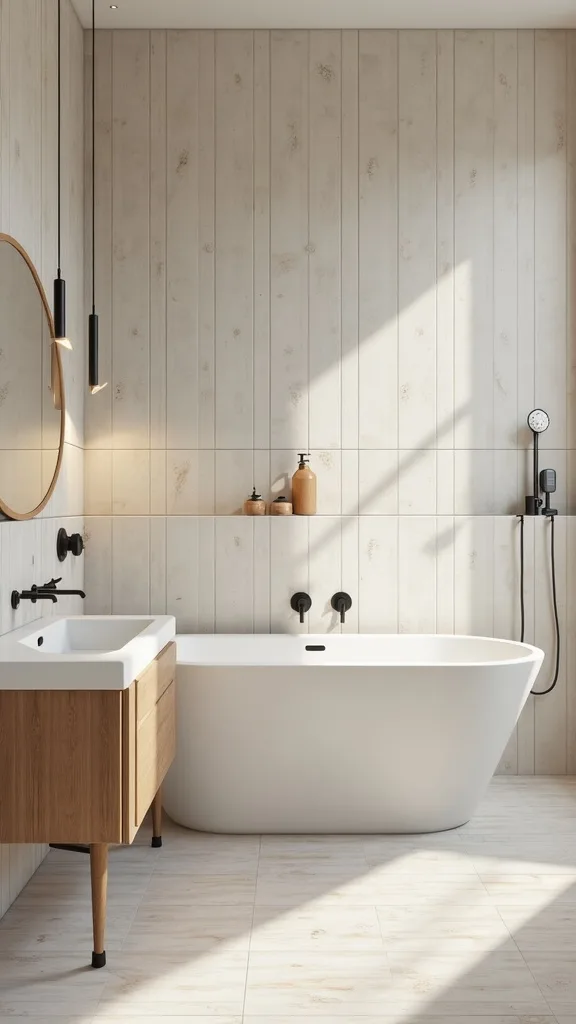
14. How can I use baskets and bins without making the bathroom look messy?
Baskets should look like styling, not storage overflow. The difference is size, material, and restraint.
Choose two baskets in the same weave and tone, sized to fit your shelf depth. One holds extra toilet paper; one hides cleaning cloths. Add one lidded container for smaller items like cotton rounds so the shelf reads smooth. If you’re using under-sink space, add clear bins so you can see what you have without digging.
Go for water hyacinth, seagrass, or matte white bins. Keep labels minimal and consistent.
Avoid a mix of five different basket styles; it looks accidental. Pro tip: repeat the same basket twice—symmetry makes a small bathroom feel composed and quietly upscale.
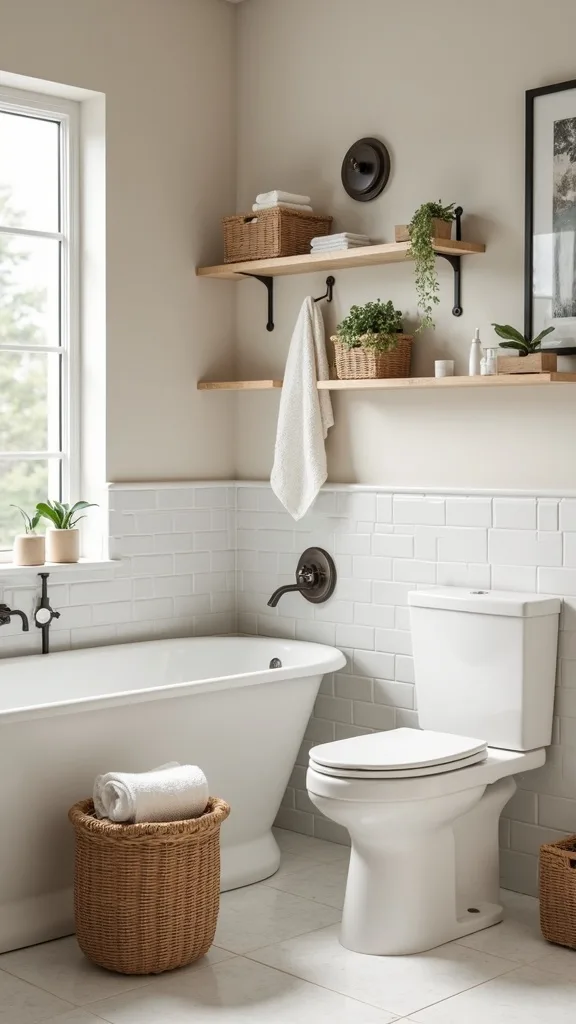
15. What’s a simple upcycled decor idea that looks curated, not crafty?
Upcycled decor works when it feels collected. The goal is patina and purpose, not a project that announces itself.
Turn a small wooden tray from a thrift store into a vanity organizer: sand lightly, wipe clean, then seal with a matte clear coat. Use it to hold soap, a candle, and a small dish so your counter stays edited. If you find a vintage glass jar, use it for cotton swabs—instant charm with real function.
Choose aged wood, clear glass, and neutral labels. Keep the palette quiet so the objects feel intentional.
Avoid distressed paint effects and stenciled quotes; they date quickly. Pro tip: one authentic vintage piece—just one—adds soul, and soul is what makes a small bathroom memorable.
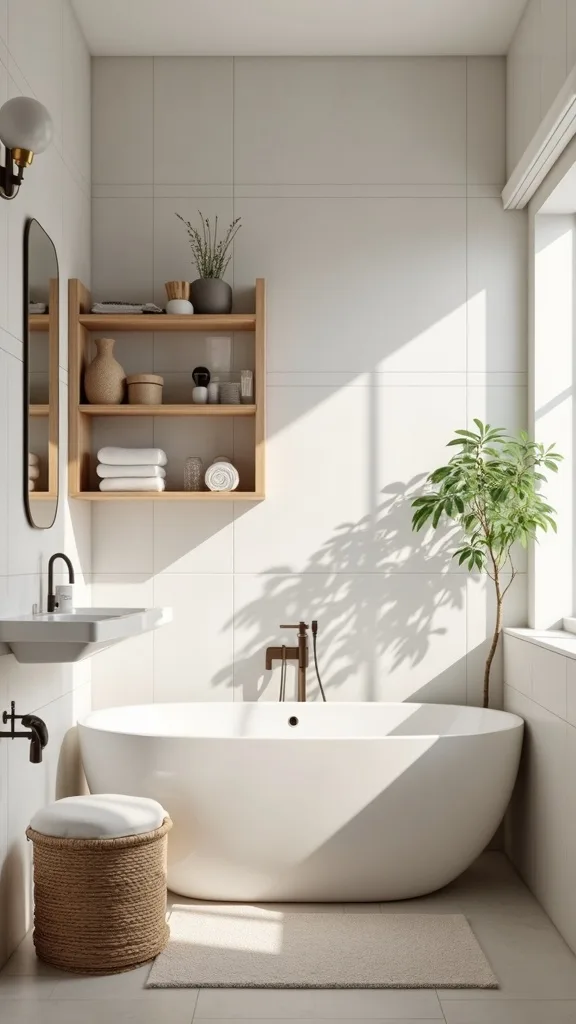
16. How do I create a “tile moment” without retiling the whole bathroom?
A tile moment is a focal point, not a full renovation. In a small bathroom, one strong detail can carry the entire space.
Add a tile band behind the vanity mirror using peel-and-stick sheets, or frame the mirror with a thin tile border. Keep the layout simple and centered so it reads architectural. Finish edges with trim and seal near the sink to protect against splashes.
Choose matte subway for timeless structure or a soft zellige-look for subtle texture. Keep grout lines light so the surface feels calm.
Avoid high-contrast checkerboard in tight rooms; it can feel visually loud. Pro tip: when the tile moment sits at eye level, it photographs beautifully—Pinterest-ready without screaming “trend.”
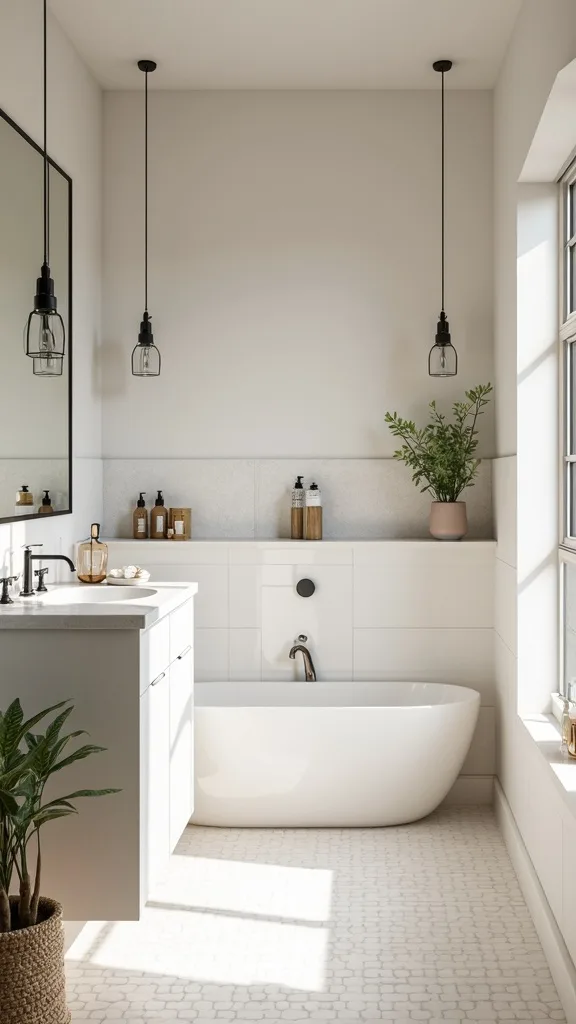
17. What’s the smartest way to add greenery in a bathroom with low light?
Greenery makes a small bathroom feel alive. Even one plant softens hard edges and brings a quiet, cared-for mood.
If you have a window, place a small pothos or fern on a shelf where it can trail slightly. No window? Use a high-quality faux plant in a matte ceramic pot and place it where humidity won’t warp it—top shelf, not the shower ledge. Add one stem in a bud vase on the vanity for a fresh note.
Choose deep green leaves and simple vessels in white, stone, or warm clay. Keep the pot scale small so it doesn’t crowd the sink.
Avoid tiny faux succulents in shiny plastic; they read cheap instantly. Pro tip: a single trailing vine gives vertical softness, making the room feel taller and more relaxed.
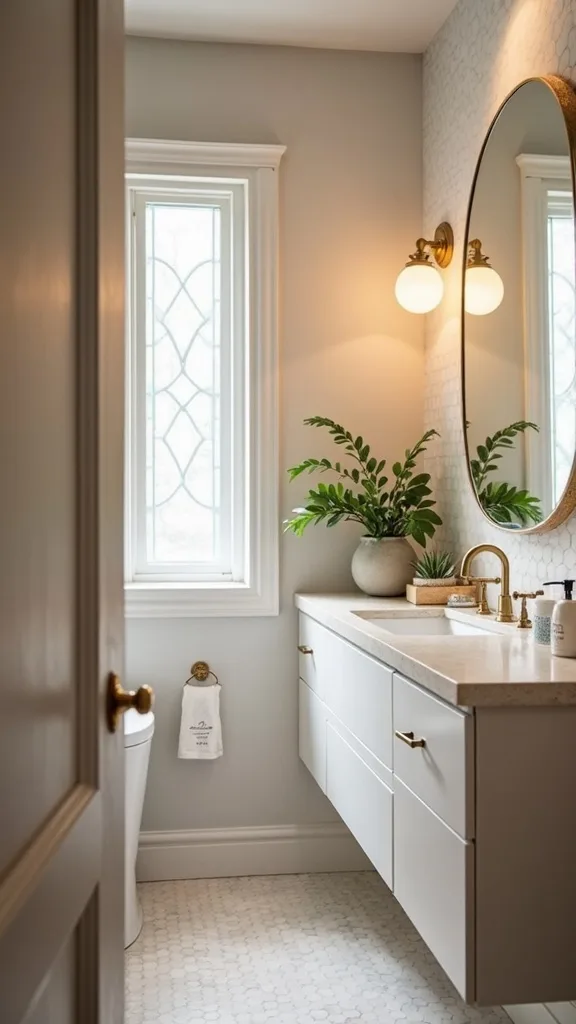
18. How can I make a small bathroom smell expensive without pricey diffusers?
Scent is the invisible layer that finishes a room. In a small bathroom, it reads as cleanliness and intention.
Choose one scent profile and stick to it—eucalyptus, clean linen, or soft citrus. Use a small candle on a tray and a spray tucked in a drawer for quick resets. If you prefer flame-free, place a reed diffuser on the back of the toilet tank with a small dish beneath to protect the surface.
Look for amber jars and minimal labels. Keep packaging cohesive with your finishes.
Avoid overpowering plug-ins; they can smell synthetic and dominate a tight space. Pro tip: pair scent with a crisp towel refresh—when the room looks clean and smells clean, it feels instantly elevated.
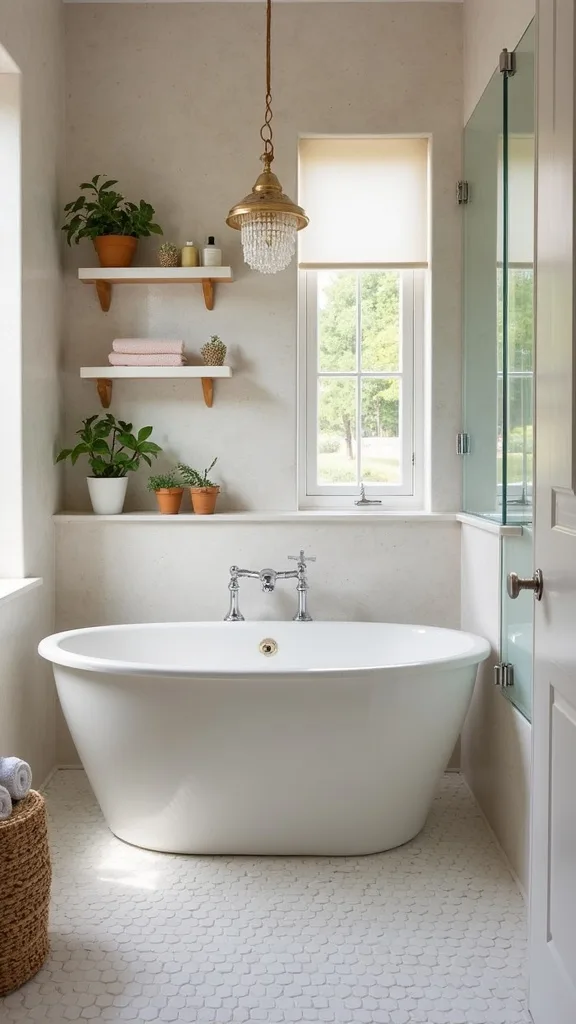
19. What’s a renter-friendly way to upgrade a towel bar and hooks?
Hardware is jewelry. In a small bathroom, it’s also what your hands touch every day, so it should feel good.
Swap a dated towel bar for adhesive hooks or a removable towel ladder that leans against the wall. Place two hooks in a vertical line for towels—one for daily use, one for backup. If you can drill, upgrade to a modern towel ring near the sink; it’s a small change with outsized polish.
Choose matte black for crisp contrast or brushed brass for warmth. Keep shapes simple—round, square, or slim bar.
Avoid mixing chrome, brass, and black in the same sightline. Pro tip: matching hooks and a matching mirror frame create a subtle rhythm that makes the whole room feel composed.
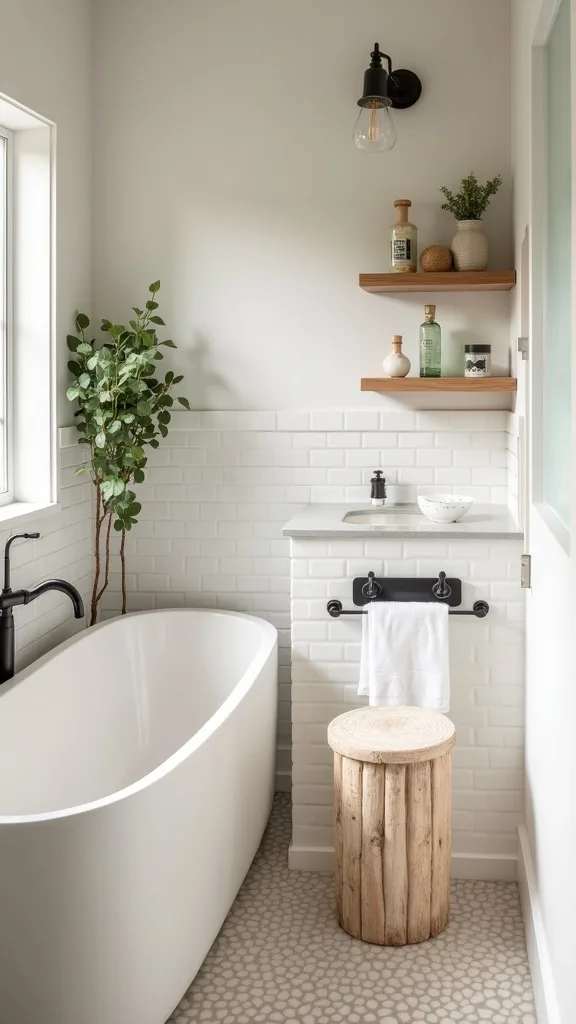
20. How do I hide ugly plumbing under a pedestal sink on a budget?
Pedestal sinks can be charming, but the lack of storage and exposed plumbing can make a small bathroom feel unfinished. The fix is soft structure.
Add a tailored sink skirt with hook-and-loop tape so it’s removable for cleaning. Choose a straight, pleated panel that hits just above the floor to hide pipes while keeping airflow. Inside, place two stackable bins to hold extra rolls and daily products.
Pick white canvas, oatmeal linen-look fabric, or a subtle stripe. Use a simple trim—no ruffles—so it reads classic.
Avoid overly long skirts that puddle; they look messy fast. Pro tip: a crisp skirt plus a woven basket underneath feels like an old-world powder room—soft, calm, and quietly chic.
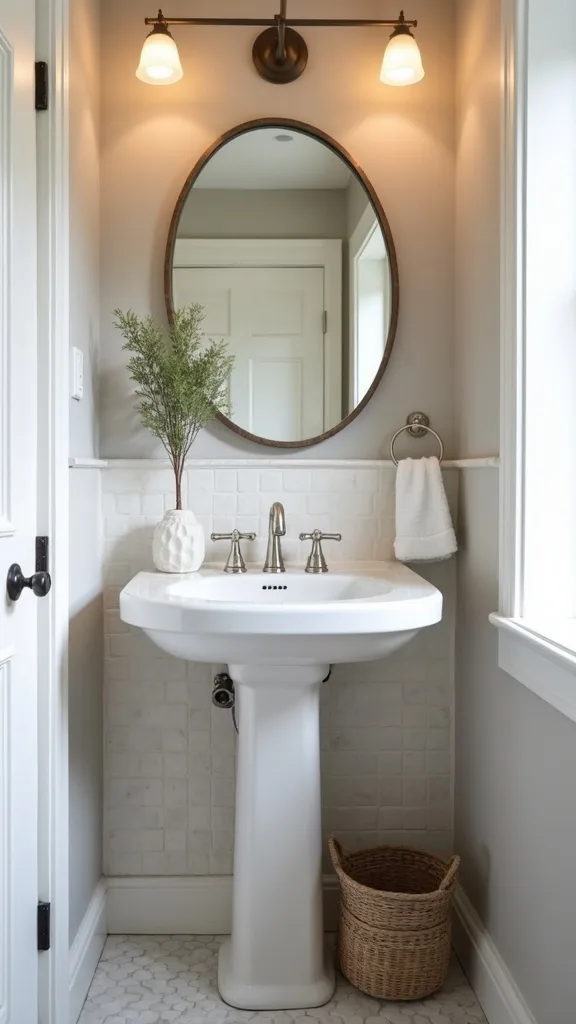
21. What’s the best way to organize under the sink in a small bathroom?
Under-sink organization is where a small bathroom either stays serene or spirals into chaos. The goal is fast access with zero visual stress.
Measure the cabinet interior, then choose two pull-out bins or a two-tier slide-out organizer that fits around pipes. Group items by routine: morning, hair, cleaning, backups. Keep the “daily” bin front and center so you don’t rummage.
Use clear bins for visibility and one lidded box for extras you don’t want to see. Add a slim label so everything returns to its place.
Avoid storing half-used products “just in case.” They multiply and crowd the space. Pro tip: when your under-sink zone is edited, your counter naturally stays clear—and a clear counter is the quickest luxury in any small bathroom.
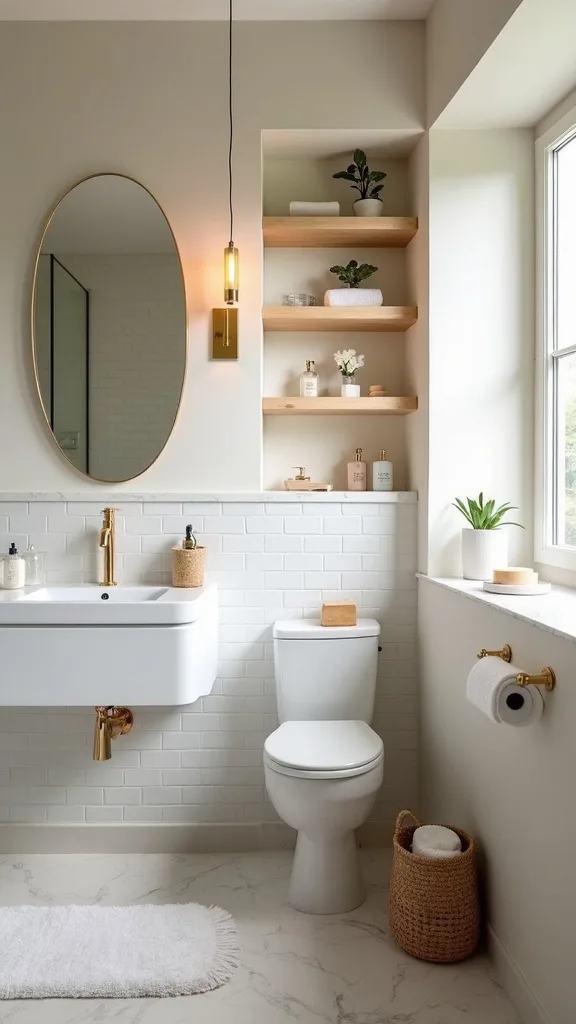
22. How do I make a small bathroom feel bigger with color and contrast?
Making a small bathroom feel larger is less about tricks and more about visual continuity. The eye should glide, not stop.
Keep walls and large surfaces in one light-to-mid tone, then add contrast in a few crisp lines—mirror frame, faucet, and a slim shelf. If your floor is dark, balance it with a light runner and bright towels. If your walls are deep, keep the ceiling the same color to avoid a harsh horizontal cut.
Choose soft neutrals with one dark accent: charcoal, black, or deep bronze. Add one reflective surface—glass, a glossy tray, or a polished mirror—to bounce light.
Avoid high-contrast stripes that chop the room into pieces. Pro tip: repeat one accent finish three times; repetition makes the room feel larger because it feels resolved.
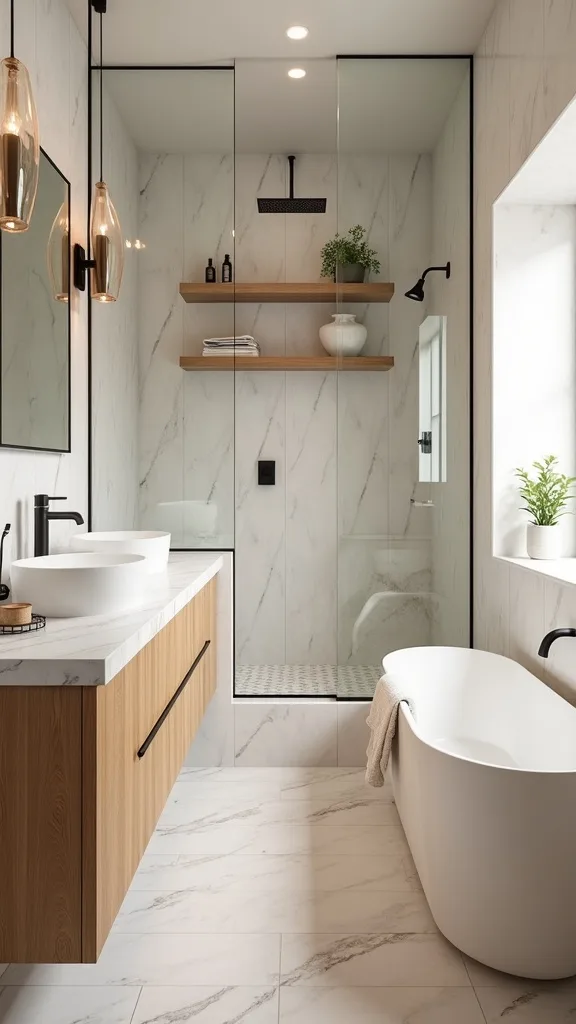
23. What should I avoid when doing budget small bathroom upgrades?
Cheap doesn’t have to look cheap, but a few common choices will sabotage the whole room. In a small bathroom, mistakes are amplified.
Avoid cluttered open storage packed with mismatched bottles. Avoid shiny chrome “everything” if the rest of your home leans warm; it can feel cold and disjointed. Avoid peel-and-stick applied crooked—measure, level, and start with the most visible edge. And don’t buy five small decor pieces when one larger, intentional item would read calmer.
Choose one hero finish (brass, black, or chrome) and commit. Choose two core colors and repeat them across towels, rug, and accessories.
Pro tip: if you’re unsure, remove one item from view. The room will instantly feel more sophisticated, because negative space is a design decision.
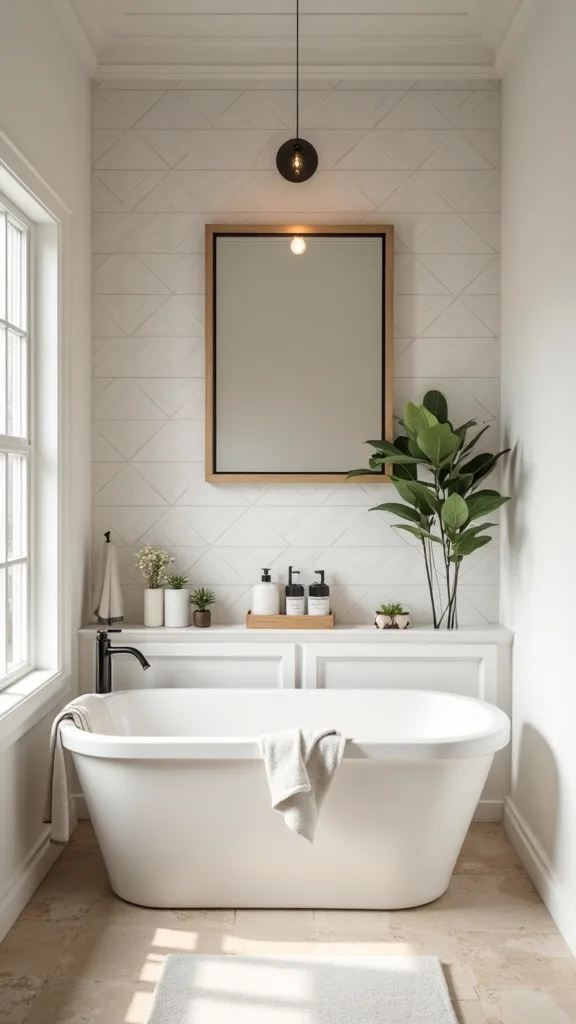
24. How can I create a cohesive “Pinterest Trending” look that still feels timeless?
Pinterest is full of moments, but timeless rooms are built on proportion and restraint. The goal is editorial, not gimmicky.
Start with a quiet base: warm white walls or soft stone tones, simple tile, and clean hardware. Add one sculptural element—an arched mirror, a fluted tray, or a ribbed glass sconce. Finish with a single piece of art in a thin frame and a neutral textile set that looks intentional.
Choose natural textures like linen, wood, and woven baskets. Keep patterns subtle—tone-on-tone stripes or a faint grid.
Avoid ultra-specific micro-trends like novelty neon signs; they age fast. Pro tip: the most shareable bathrooms are the calmest ones—clean lines, warm light, and one beautiful focal point.
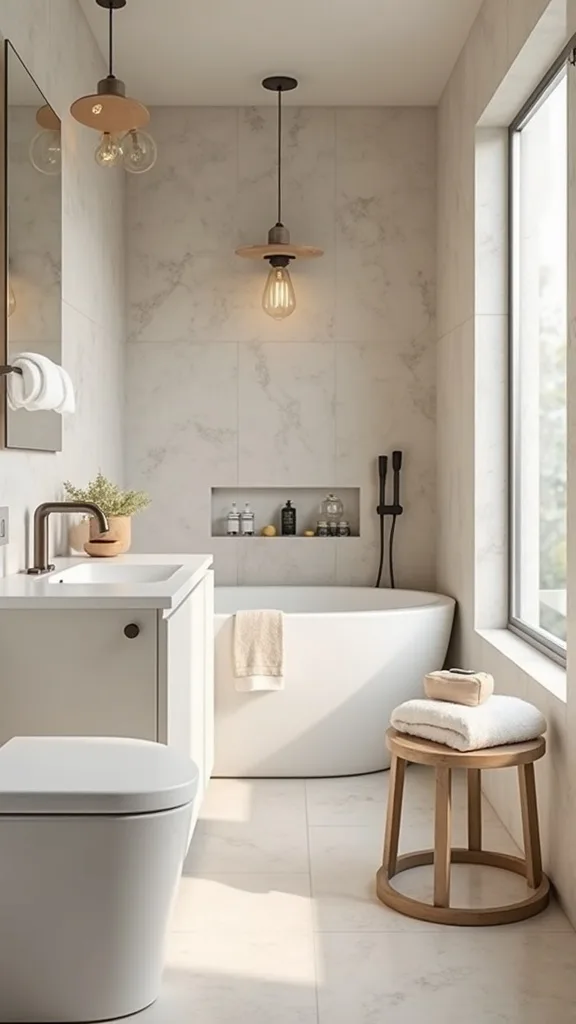
25. What’s the fastest 30-minute refresh for a small bathroom before guests arrive?
Speed matters, and a small bathroom can be reset quickly when you focus on the order of operations: surfaces, textiles, then light. Thirty minutes is enough for a visible transformation.
Clear the counter completely, wipe down the mirror, and swap in a fresh hand towel. Replace the bath mat with a clean one and hang the shower curtain so it falls in even folds. Then turn on warm white light (2700K–3000K — the cosy, yellowish tone you see in most homes) and add one candle or diffuser on a tray.
Use one neutral towel, one simple soap dispenser, and one small vase with greenery. Keep the palette consistent.
Avoid adding more decor when you’re rushed; it reads messy. Pro tip: roll one extra hand towel and place it in a basket—guests will see abundance, and abundance always feels like quiet luxury.
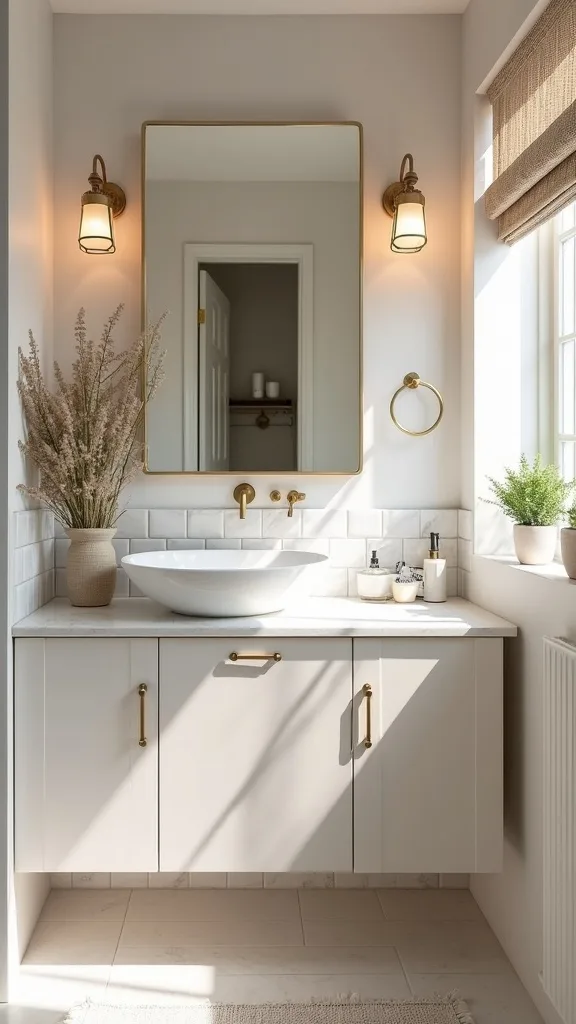
Final Thoughts
The most convincing small bathroom isn’t the one with the most stuff. It’s the one with the clearest decisions. Calm walls. A deliberate mirror. Storage that disappears. Textiles that feel substantial in your hands.
When you build from the bones outward, every budget choice looks sharper. The tile accent feels architectural. The shelves feel intentional. The lighting feels like a flattering filter you live inside. Even a tiny room can carry the poise of a well-designed suite.
Do one thing today: clear everything off the vanity, set an 8×10-inch tray back down, and place only soap, a ring dish, and a folded hand towel on it—then stop. That single edit elevates the whole room.
What I’d Do Differently
When I first tried this, I spent my entire “small bathroom budget” on cute countertop accessories—matching jars, a new toothbrush cup, a little plant—then wondered why the room still looked tired. The mistake was decorating over the problem. The real issue was the light: one cool bulb made the walls look dingy and the mirror feel harsh, and the counter was still crowded because nothing had a home. The correct approach is to start with the bones and the function. I should have bought warm white light (2700K–3000K — the cosy, yellowish tone you see in most homes), added one simple shelf, and edited the counter down to the essentials before I bought a single “pretty” object.
I also wish I’d measured first. In a tight layout, an over-deep shelf or oversized tray steals precious inches and makes everything feel tighter. Now I choose slim pieces, repeat one finish, and let negative space do the heavy lifting. Pick one upgrade you can finish in an hour, set a timer, and start—momentum is the most affordable luxury.