
This post contains affiliate links. As an Amazon Associate, I earn from qualifying purchases at no extra cost to you.
Are you looking for balcony garden ideas that actually work in an apartment—without turning your balcony into a cluttered storage zone? Do you want to refresh your outdoor spot for spring, even if you’re working with a tiny outdoor space and strict building rules?
I always start by treating a balcony like a mini room: I plan a simple layout, choose a few hardworking pieces, and then layer plants and lighting for that “I want to sit here” feeling. In this post, I’m walking you through a spring balcony refresh with practical steps—what to buy, what to DIY, and how to arrange everything so it feels open, not cramped.
From my experience, this is perfect for renters, first-time plant parents, and anyone who wants an apartment balcony garden that looks intentional (even if you only have 10 minutes a day to maintain it).
I’ll share my go-to tricks like railing planters that free up floor space, a folding bistro set that disappears when you need room, and balcony decor touches—like a soft outdoor rug and string lights—that make the whole setup feel finished. I’ll also show you how I handle sun, wind, privacy, and watering without complicated gear.
When I design this look, I focus on comfort first, then greenery, then glow—so the balcony becomes a place you genuinely use. Below are 25 Balcony Garden Ideas for Apartment Living that…
1. Build the 60 sq ft “starter layout” with railing planters + bistro set
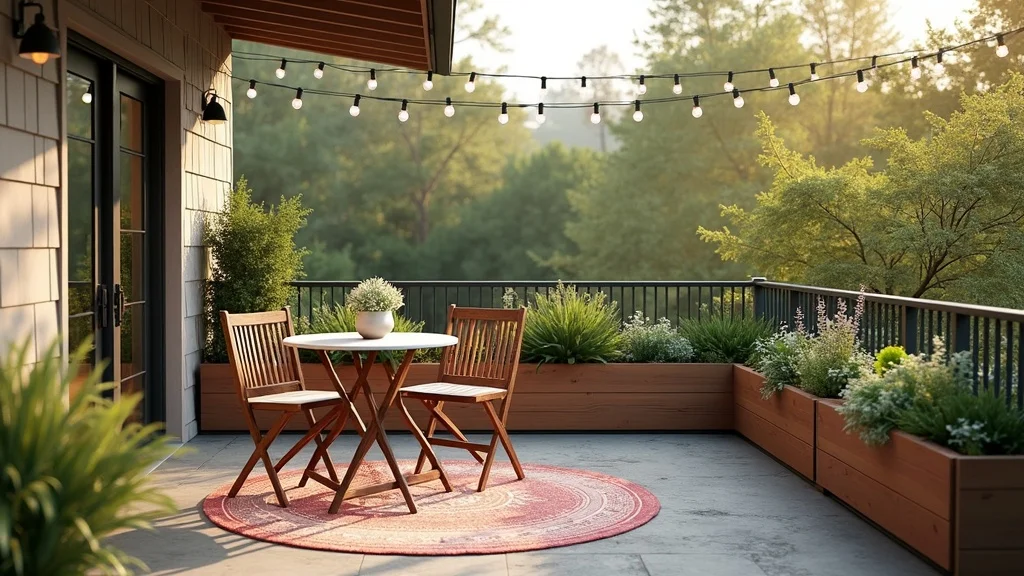
I always start by anchoring the whole balcony with the exact visual theme: railing planters, a folding bistro table, an outdoor rug, and string lights—because it creates a complete “room” feel under 60 sq ft. From my experience, this combo works because it uses vertical space, keeps the center open, and gives you an instant spot to sit.
First, I measure the clear walking path and keep it at least shoulder-width so the space doesn’t feel tight. Then I hang railing planters on the outer edge, place a folding bistro set against the wall or corner, and slide the rug under the front legs of the chairs so it feels grounded. Finally, I drape string lights along the railing or upper edge for a soft perimeter glow.
I find that a striped neutral rug, matte black planters, and warm terracotta pots make greenery pop without visual clutter. If your vibe is brighter, I add one sunny cushion color and repeat it in a pot or lantern.
Pro tip: choose string lights in warm white light (2700K–3000K — the cosy, yellowish tone you see in most homes) and let that glow do the decorating for you—your balcony will feel like a little getaway.
2. Do a small balcony makeover by defining one “use zone”
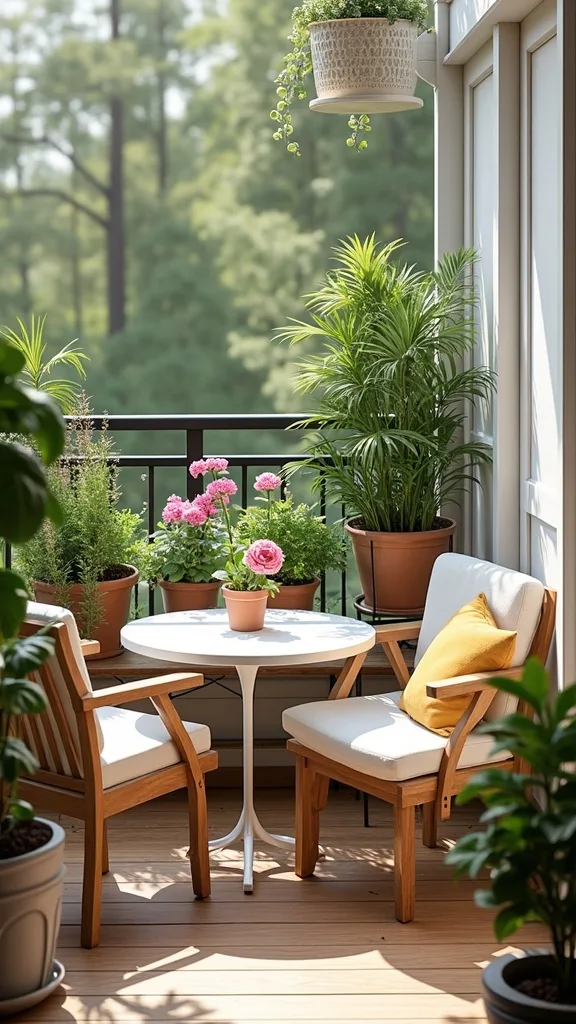
When I tackle a small balcony makeover, I pick one purpose and design around it—coffee spot, reading nook, or micro garden lounge. In my opinion, a balcony feels bigger when it’s clearly “for” something, instead of trying to do everything at once.
I always start by standing in the doorway and deciding what I want to see first. Then I place the main item (usually the bistro table or a single chair) where it gets the best light and the least wind. Next, I cluster plants in two groups—one vertical (railing planters or a slim shelf) and one floor group (two to three pots) so the middle stays open.
For materials, I find that powder-coated metal furniture, woven resin planters, and a low-pile outdoor rug hold up well and still look cozy. Color-wise, I keep the base neutral and let herbs and flowers bring the spring color.
Pro tip: take a quick “before” photo and then a “layout check” photo after you place furniture—seeing it on your phone helps you edit faster and create a balcony you’ll actually use.
3. Use railing planters to free up floor space instantly
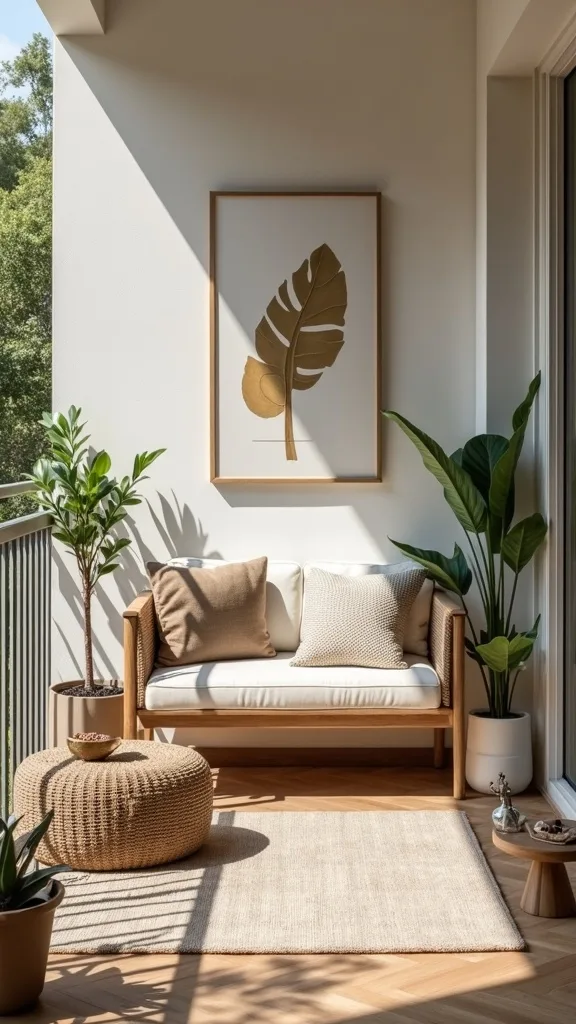
One of my favourite approaches is to push as much planting as possible onto the railing, because it keeps the floor clear and makes a tiny outdoor space feel airy. I find that railing planters also create a lush edge that reads like a garden border—without sacrificing seating.
I always recommend checking your railing width and choosing planters with adjustable brackets so they sit level. Then I plant in “spill, fill, thrill” style: one trailing plant (like sweet potato vine), one fuller plant (like petunias), and one upright accent (like lavender). If wind is an issue, I tuck the tallest plants closer to the wall side and keep the outer edge lower.
For a clean look, I stick to two planter colors—usually black + terracotta, or white + natural woven. I also like lightweight potting mix so the planters are easier to lift for watering.
Pro tip: add a simple drip tray liner or saucer insert where possible—your downstairs neighbors will thank you, and you’ll feel confident watering generously for faster spring growth.
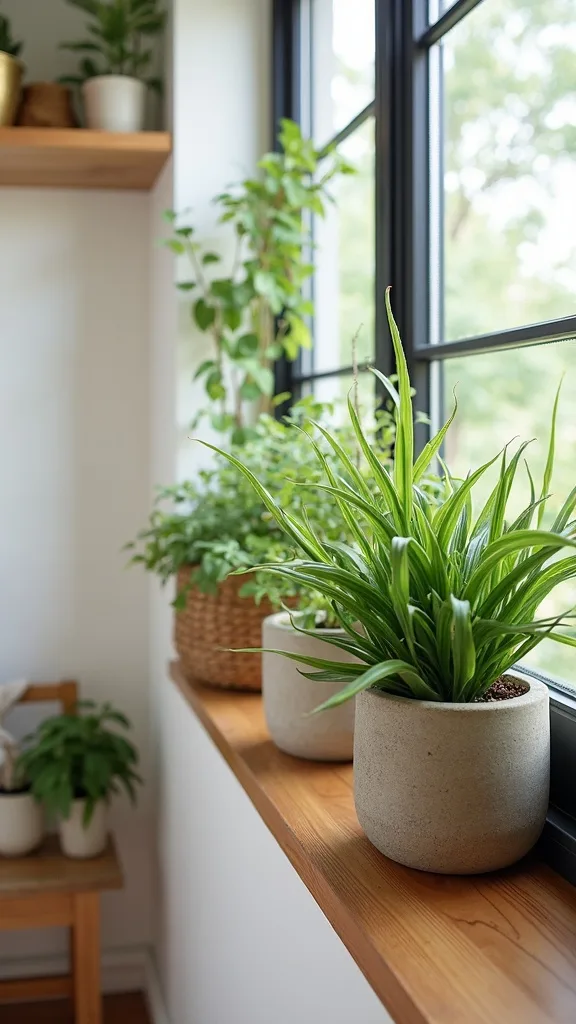
4. Create a herb rail for a practical apartment balcony garden
From my experience, the easiest way to fall in love with an apartment balcony garden is to grow something you’ll use weekly—herbs are my go-to. I find that a herb rail feels charming and also keeps you from overbuying plants you don’t have time to maintain.
I always start by choosing three herbs I actually cook with (basil, mint, and rosemary are my staples). Then I line them up in railing planters or small pots clipped to the rail, keeping the thirstier herbs (like basil) closer to where I can reach them easily. I label each pot with a simple tag so harvesting becomes automatic.
For materials, I like lightweight plastic or resin pots that look like ceramic—less breakable, easier to move. Color-wise, I keep it cohesive with one pot style and let the herbs provide texture.
Pro tip: pinch herbs regularly (even a little) to encourage bushier growth—when you see them thriving, you’ll feel motivated to keep building your balcony garden one small step at a time.
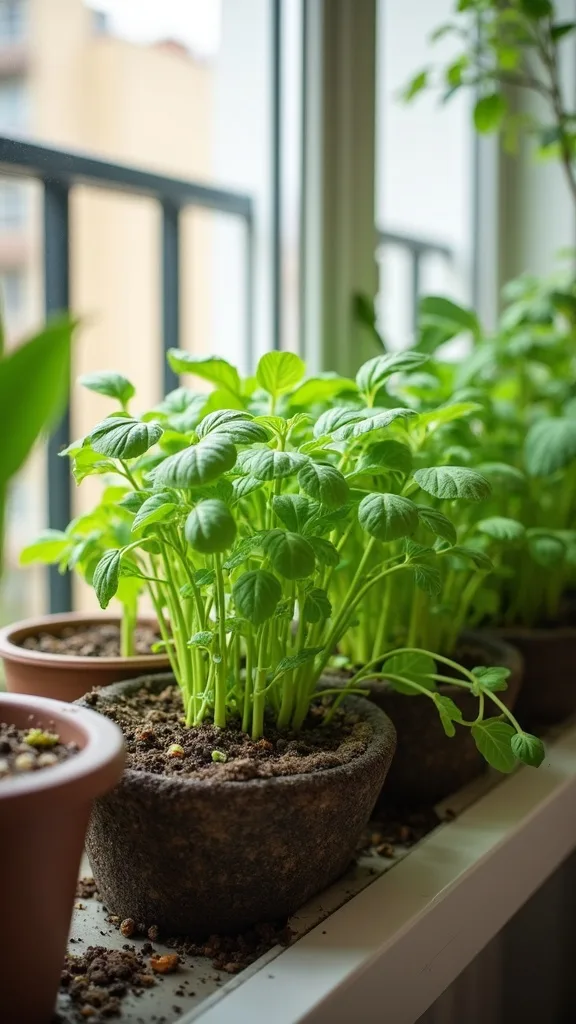
5. Add a folding bistro table that disappears when you need space
I always recommend a folding bistro set for apartment balconies because it gives you a real “destination” without permanently eating up your square footage. In my opinion, the ability to fold it flat is what makes it perfect for a tiny outdoor space—you can host, garden, or stretch out without rearranging everything.
I start by placing the table where it won’t block the door swing and where you can sit without bumping knees into planters. Then I keep one chair folded most days and only open it when I’m actually using it—this simple habit makes the balcony feel larger. If you’re short on storage, I hang a slim hook inside the door for a chair cushion.
I find that powder-coated steel in black or sage green looks fresh for spring and hides wear well. I also love adding one washable cushion in a stripe to bring a café vibe.
Pro tip: if your balcony is windy, choose a slightly heavier set and add grippy furniture pads—small stability upgrades make the space feel calm and inviting.
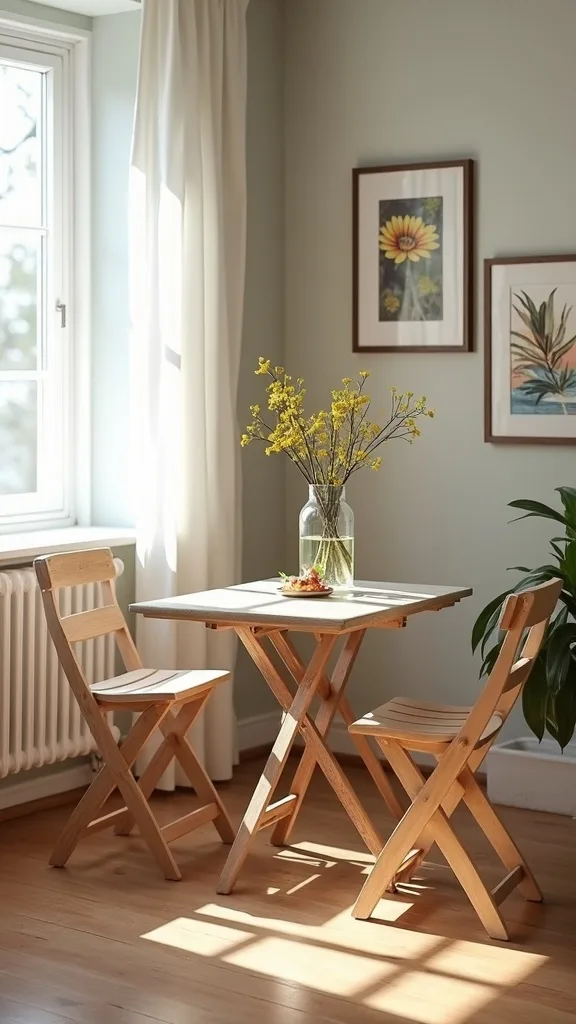
6. Layer an outdoor rug to make the balcony feel like a room
When I design this look, I treat the rug as the “flooring” that tells your brain this is a living space, not just a concrete slab. I find that an outdoor rug is the fastest way to upgrade balcony decor while also making the area more comfortable on bare feet in spring.
I always start by measuring the seating footprint and choosing a rug that’s slightly larger than the table-and-chairs zone. Then I place the front legs of the chairs on the rug to visually connect everything. If the balcony is super narrow, I run the rug lengthwise like a runner to guide the eye outward.
For colors, I like light neutrals with a subtle pattern because they hide dirt and brighten shaded balconies. Material-wise, I look for polypropylene outdoor rugs because they’re easy to hose off and dry quickly.
Pro tip: add a thin non-slip pad cut to size—your rug will stay put, and the whole balcony will feel safer and more “finished” every time you step outside.
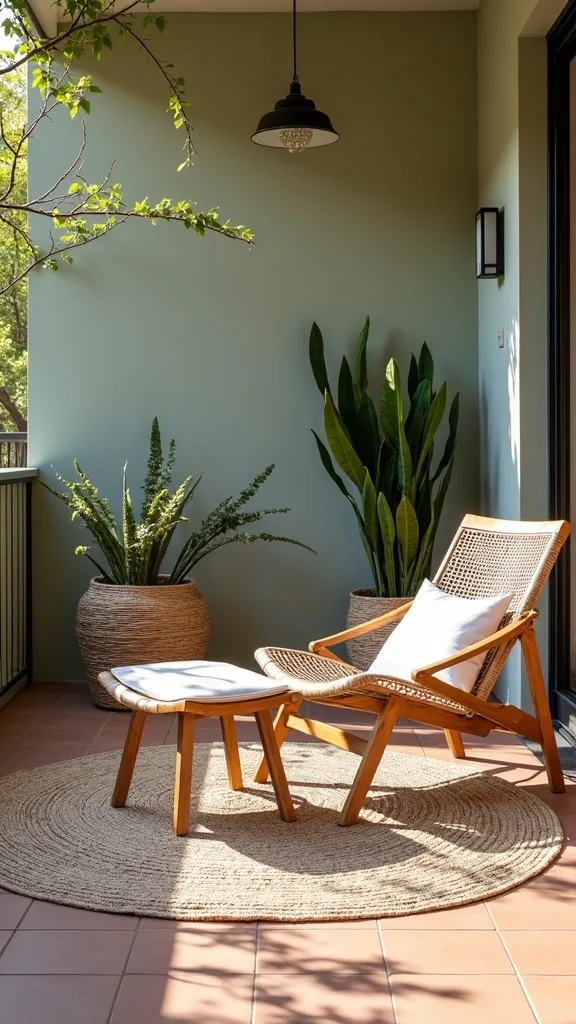
7. Hang string lights for instant spring “evening magic”
I find that lighting is what turns a balcony from “plants on a ledge” into a place you want to linger. From my experience, string lights are the most forgiving option for renters because they’re lightweight, removable, and they soften every hard edge in a tiny outdoor space.
I always start by deciding the path: along the railing, zig-zag overhead, or framing the door. Then I attach with removable outdoor hooks or zip ties (depending on what your building allows) and keep the cord line neat by following existing rails. If you have an outlet issue, I use a weather-safe extension cord and tuck it behind a planter so it disappears.
I always recommend warm white light (2700K–3000K — the cosy, yellowish tone you see in most homes) because it flatters greenery and skin tones. I also like clear bulbs for a classic café feel and globe bulbs for a softer look.
Pro tip: put the lights on a simple timer—when your balcony glows on its own at dusk, you’ll actually step outside and enjoy the space you created.
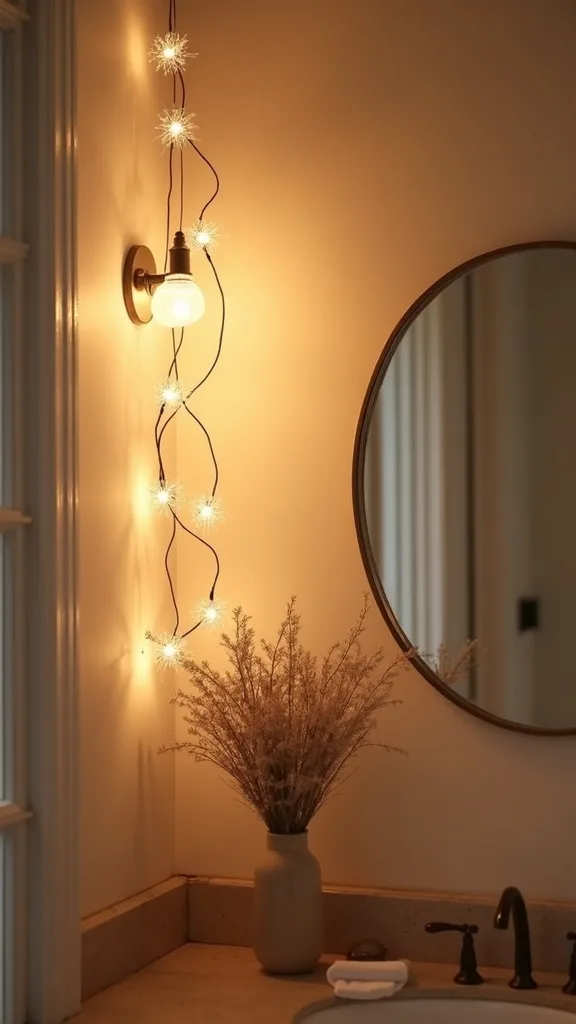
8. Use one tall plant to create privacy without blocking light
One of my favourite approaches is to add a single tall, airy plant to create privacy while keeping the balcony bright. I find this works better than heavy screens in an apartment balcony garden because you still get breezes and sunlight, just with a softer view.
I start by choosing a tall planter and placing it at the most exposed corner—usually where neighbors can see in. Then I pick a plant with upright growth, like bamboo palm (if shaded) or a slender ornamental grass (if sunny). I rotate the pot every week or two so it grows evenly toward the light.
For materials, I like lightweight tall planters with a textured finish (stone-look resin is a favorite) so they don’t feel bulky. Color-wise, I keep the planter close to the railing color so it blends in.
Pro tip: underplant the base with trailing greens—layering height plus spill makes the privacy feel lush and intentional, like a mini garden wall you built yourself.
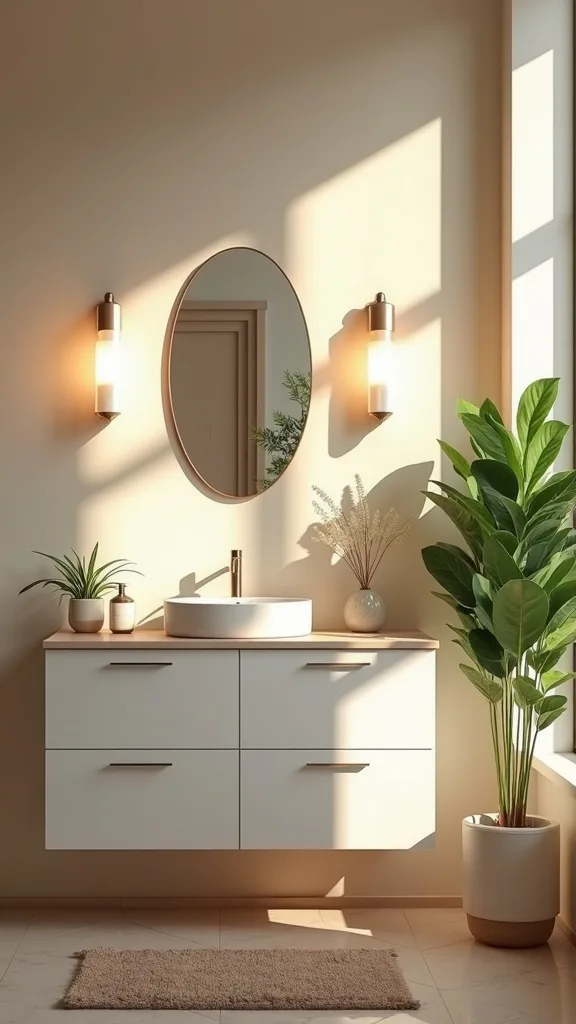
9. Try a vertical ladder shelf for plants and balcony decor
I love a ladder shelf on a balcony because it gives you height for plants and a little styling space without eating up much floor area. From my experience, it’s one of the easiest ways to make a small balcony makeover feel designed rather than accidental.
I always start by placing the ladder shelf against the most protected wall, then I load the bottom with heavier pots and the top with lighter items. I group plants in threes and leave one shelf partially empty for breathing room. If your balcony gets strong sun, I keep delicate plants on the lower shelves where they’re shaded by the upper levels.
For a cohesive look, I repeat one pot finish (terracotta, matte black, or white) and add one accent—like a small lantern or watering can. I find that wood-look shelves warm up metal railings beautifully.
Pro tip: use a small bungee or discreet bracket if the balcony is windy—secure shelves mean you can relax, and your vertical garden will feel steady and safe.
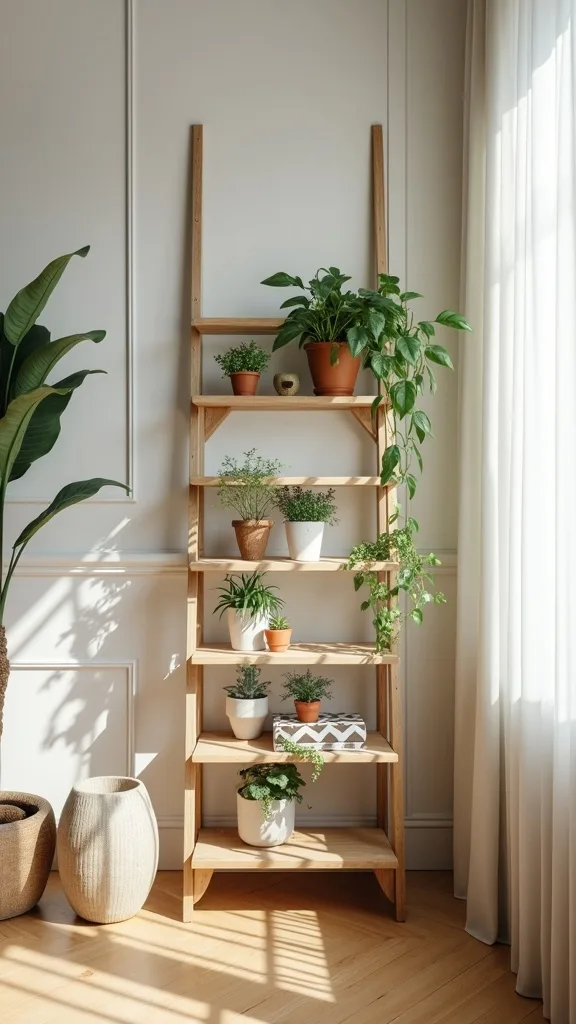
10. Plant a “pollinator strip” to boost blooms fast
When I want quick spring impact, I plant for pollinators because more bees and butterflies usually means more blooms and a healthier balcony garden. I find that even a short row of flowers along the railing makes an apartment balcony garden feel alive.
I always start by picking two long-blooming flowers (like calibrachoa and verbena) and one fragrant option (like lavender). Then I plant them in railing planters in a repeating pattern so it looks intentional from inside and outside. I water deeply, then let the top inch of soil dry a bit before watering again—this helps roots grow stronger.
Color-wise, I like a limited palette—purple, white, and soft pink feels fresh for spring. If you want bolder, I do coral + yellow with lots of green foliage to balance it.
Pro tip: add a shallow dish of water with a few pebbles (so insects can land)—it’s a tiny gesture that makes your balcony feel like a real garden ecosystem.
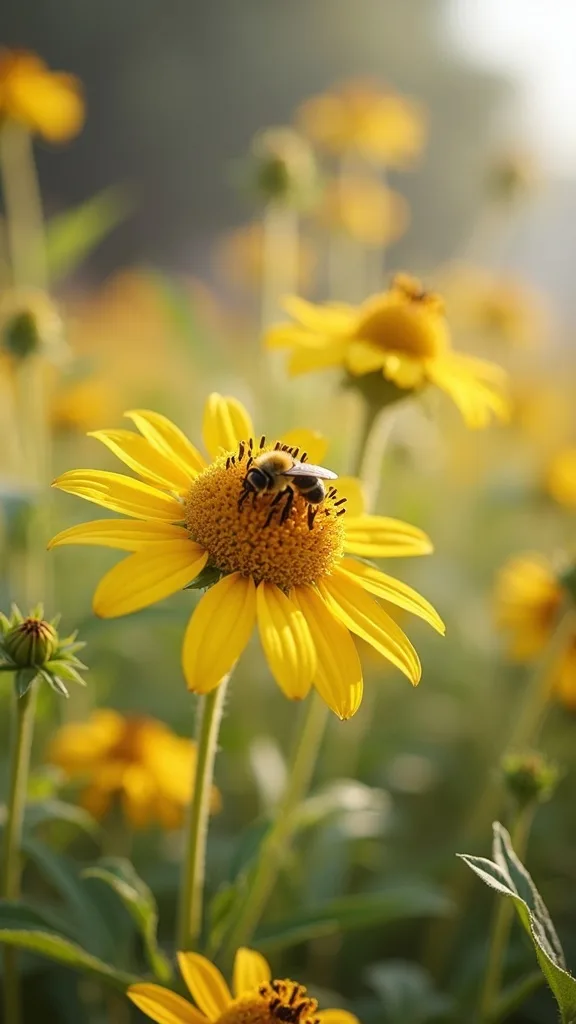
11. Use self-watering planters to make maintenance realistic
From my experience, the biggest reason balcony gardens fail is inconsistent watering—not lack of talent. I always recommend self-watering planters if you travel, work long hours, or simply want balcony garden ideas that stay cute with minimal fuss.
I start by using self-watering pots for the thirstiest plants (basil, petunias, and leafy greens). Then I keep a simple routine: fill the reservoir, check it every few days, and top it off before a hot weekend. If you’re mixing pot types, I group the self-watering planters together so I remember which ones need refilling versus regular watering.
I find that white or light-gray planters look clean and “spring fresh,” while darker planters hide scuffs. Pair them with a simple plant stand to bring leaves closer to eye level.
Pro tip: set a recurring reminder on your phone for the first two weeks—once you see steady growth, the habit sticks, and your balcony becomes an easy, rewarding routine.
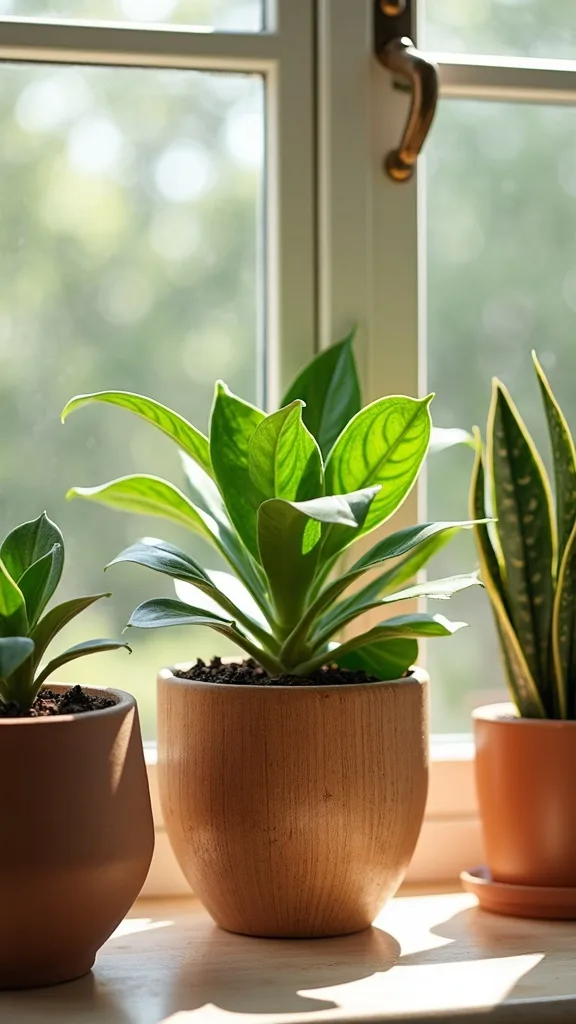
12. Create a tiny compost-free feeding routine for stronger plants
I find that apartment gardeners often skip feeding because it sounds complicated, but it doesn’t have to be. In my opinion, a simple fertilizer routine is the quiet secret behind lush balcony decor—your plants look fuller, greener, and more “styled” without extra objects.
I always start by choosing one easy plant food (a general-purpose option works for most flowers and herbs). Then I pick one day every two weeks and feed after watering, so the nutrients spread evenly and don’t overwhelm dry roots. If I’m growing herbs, I use a gentler option and harvest regularly to encourage new growth.
For products, I like liquid concentrates because they’re easy to mix and store in a small apartment. I keep a small watering can dedicated to feeding so I don’t guess measurements each time.
Pro tip: write the feed day on a sticky note near the balcony door—tiny systems create big results, and you’ll feel proud watching your spring balcony fill in week by week.
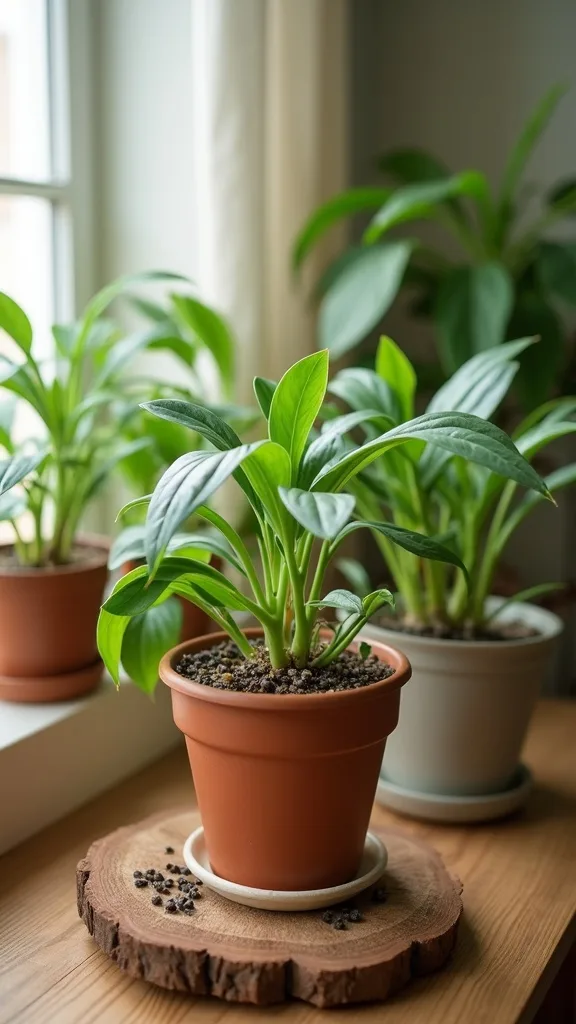
13. Add a narrow console shelf as a “plant bar”
One of my favourite approaches is to add a narrow shelf along the wall and treat it like a plant bar—pots on top, tools below, and room to style. I find this works beautifully in a tiny outdoor space because it’s functional without feeling like bulky furniture.
I start by choosing a slim outdoor console or a sturdy plant stand that’s no deeper than a dinner plate. Then I line up medium pots, leaving a little gap between them so leaves can breathe. Underneath, I tuck a small bin with gloves, snips, and a compact watering can so everything is within reach.
For colors, I like black metal with warm wood tones for a modern garden vibe. If you want softer, I go with white plus natural baskets (as long as they’re outdoor-safe).
Pro tip: keep one open spot on the shelf for your coffee mug or a candle—mixing living plants with everyday life is what makes the balcony feel like yours.
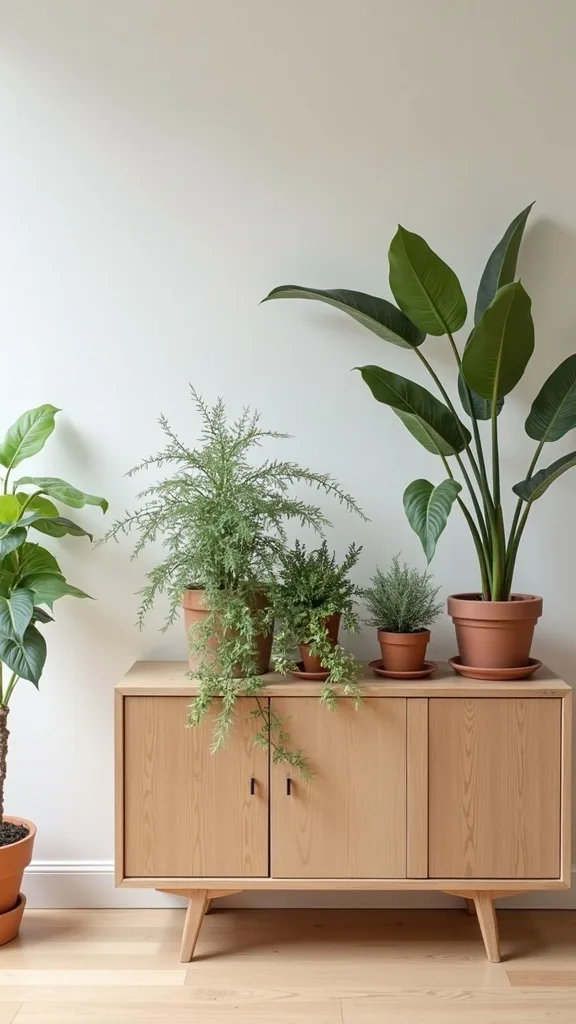
14. Use outdoor cushions to make the bistro set feel lounge-worthy
I find that comfort is what turns a balcony into a habit. Even the cutest apartment balcony garden won’t get used if the chair feels hard after five minutes, so I always recommend adding outdoor cushions early in the process.
I start by choosing cushions that tie into the rug pattern, then I add a lumbar pillow for back support. If storage is tight, I use one seat pad per chair and hang them on a hook inside the door when it rains. For extra coziness, I keep a lightweight throw nearby for chilly spring evenings.
Material-wise, I look for quick-dry covers and neutral tones—sand, oatmeal, or soft gray—so pollen and city dust don’t show immediately. I also love a simple stripe because it reads “bistro” without trying too hard.
Pro tip: if you’re on a budget, buy one great cushion now and add the second later—small upgrades done consistently are how a balcony becomes a space you truly enjoy.
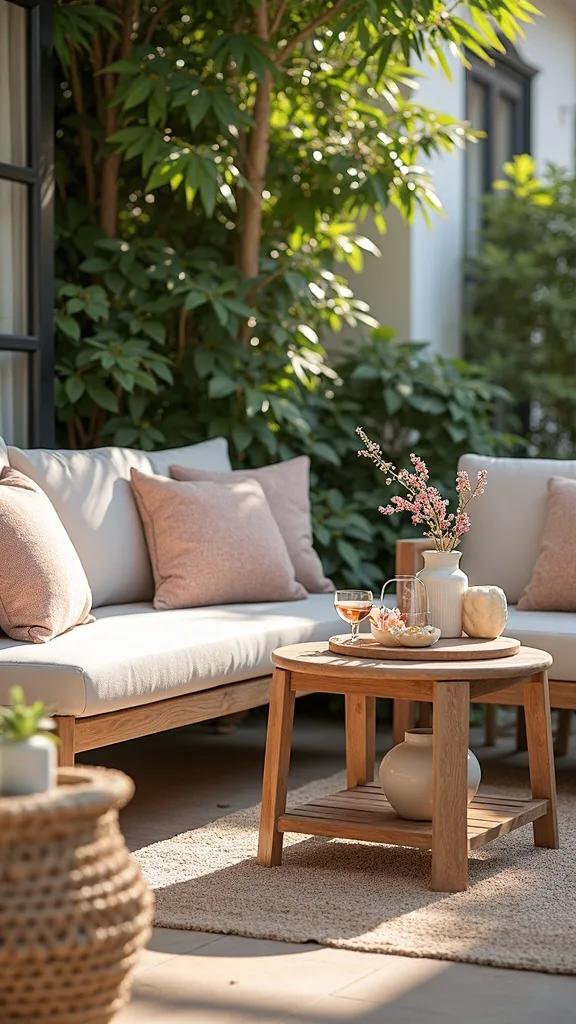
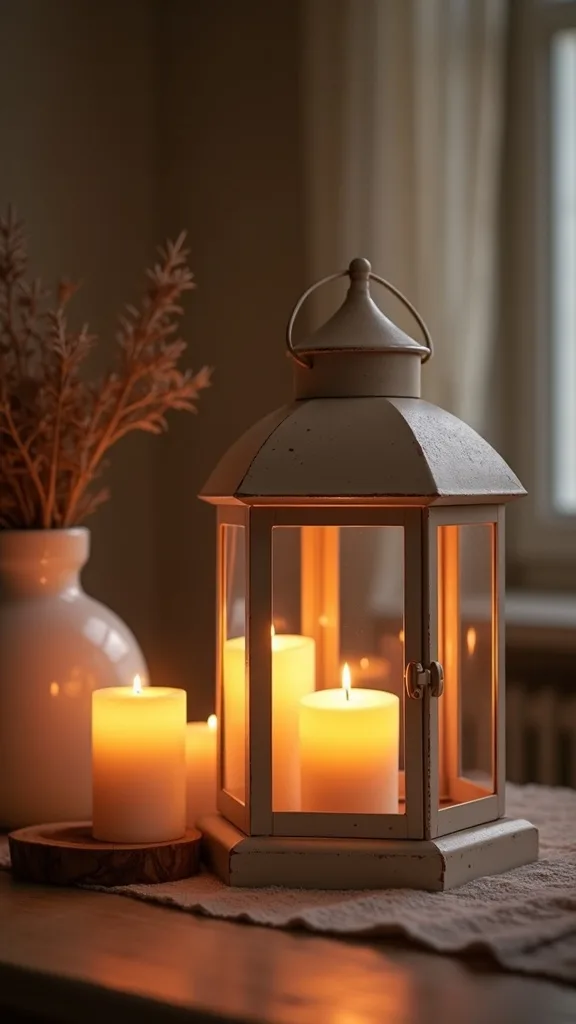
15. Style with one lantern or candle zone for layered glow
When I design balcony decor, I never rely on string lights alone—I like a second, lower layer of light for depth. I find that one lantern or candle zone makes the whole balcony feel intentional, especially after sunset in spring.
I always start by choosing a safe spot away from plants and fabric—usually under the bistro table or in a corner by the wall. Then I add one lantern with a flameless candle (easy and worry-free) or a real candle if your building allows it and you can supervise. I keep it simple: one lantern, one small tray, and maybe a match holder.
For materials, I love black metal lanterns because they look good in daylight and at night. If your vibe is coastal, I swap to a woven-look lantern for texture.
Pro tip: pair your lantern with warm white light (2700K–3000K — the cosy, yellowish tone you see in most homes) string lights—layered glow makes even a small balcony feel like an outdoor room you’ll want to linger in.
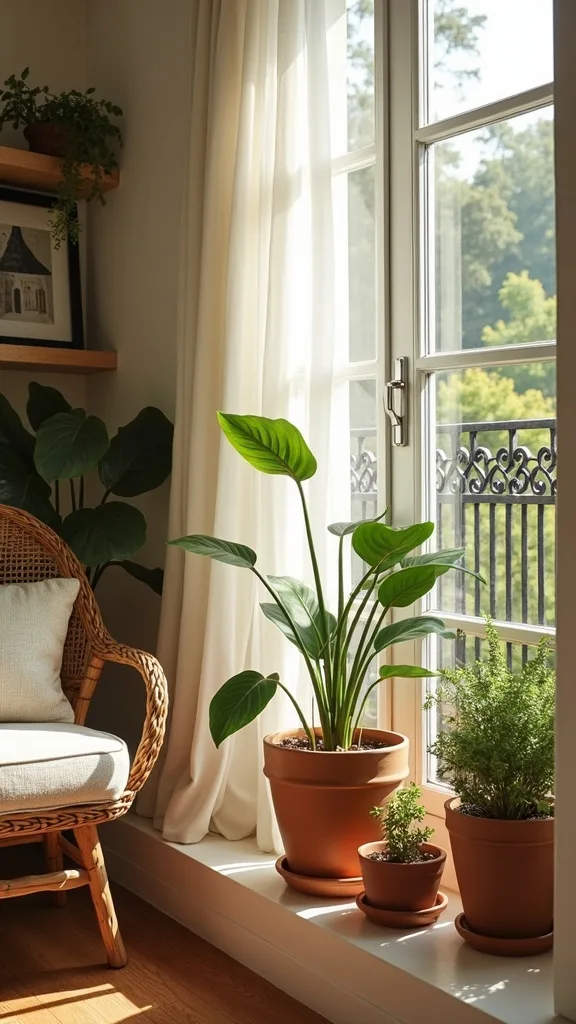
16. Try a “two-pot rule” to prevent clutter in a small balcony makeover
From my experience, balconies get messy when we buy plants faster than we plan space for them. I find that a simple two-pot rule keeps a small balcony makeover feeling open: for every two new pots you add, you remove, repot, or gift one.
I always start by grouping plants by size—small, medium, tall—then I choose the best performers to keep. Next, I repot cramped plants into one slightly larger container instead of adding multiple new ones. If I’m craving variety, I add it through one mixed planter (several plants in one pot) rather than four separate pots.
Color-wise, I use repetition to calm the look: same pot style, same two accent colors, and lots of green. Materials like terracotta and matte resin mix well without looking busy.
Pro tip: edit once a month with a quick sweep—when your balcony feels spacious, you’ll enjoy sitting there more, and your plants will actually look more “designer” too.
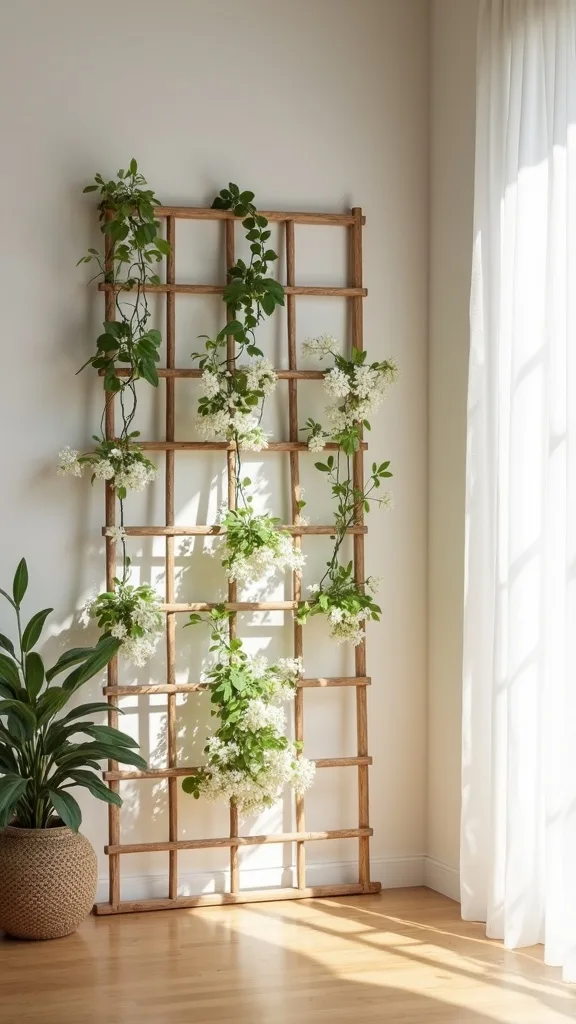
17. Use a trellis panel for climbing flowers in minimal space
I love climbing plants for apartment balconies because they give you height, softness, and privacy with a tiny footprint. In my opinion, a trellis panel is one of the smartest balcony garden ideas when floor space is limited.
I start by placing a narrow trellis against the wall or securing it to a railing section (only if your building allows). Then I choose one climber—like jasmine for fragrance or black-eyed Susan vine for cheerful color—and plant it in a sturdy pot at the base. I guide new growth with gentle ties so it climbs where I want it, not across the doorway.
For materials, I like a black metal trellis for a clean look, or natural bamboo for a softer, handcrafted feel. Pair it with a pot in a matching tone to keep the setup cohesive.
Pro tip: train the vine early while stems are flexible—watching it climb week by week is incredibly satisfying, and it makes your balcony feel taller and more private.
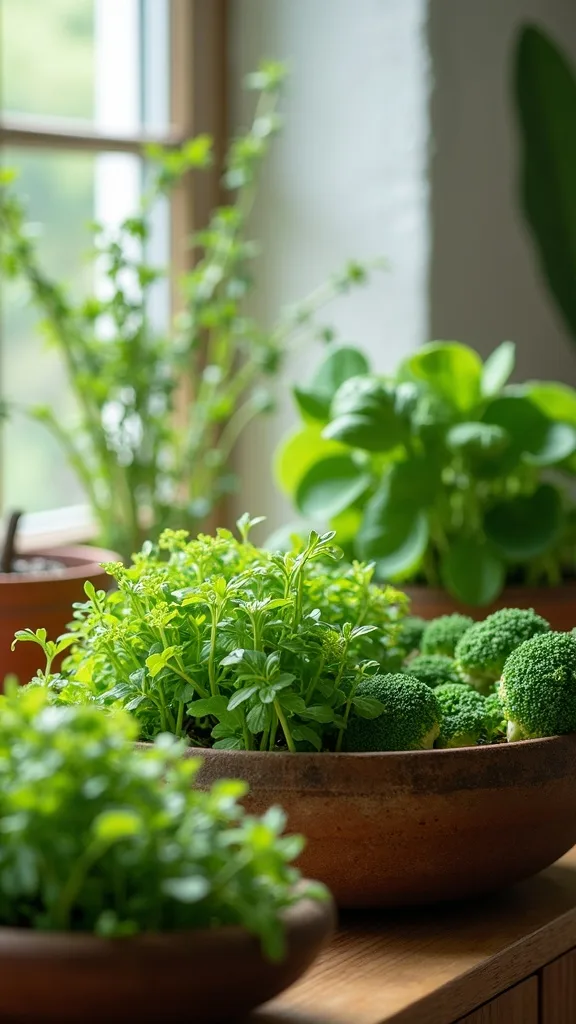
18. Plant a “salad corner” with greens that regrow
One of my favourite approaches is to grow cut-and-come-again greens because they deliver quick wins. From my experience, a small salad corner makes an apartment balcony garden feel practical and joyful—especially in spring when you’re craving fresh flavors.
I always start with a wide pot or window-box style planter and fill it with leafy greens like lettuce mixes, arugula, or spinach. Then I place it where it gets steady light and easy access for watering. When harvesting, I snip the outer leaves and leave the center to regrow—this keeps the plant producing longer.
I find that greens look best in simple, clean planters—white, gray, or terracotta—because the foliage is the star. Add a small label stake so you remember what’s planted where.
Pro tip: sow a few seeds every two weeks in a small section of the planter—staggering your greens keeps the corner full and gives you that “I grew this” pride all season.
19. Choose wind-tough plants if your balcony is breezy
I find that wind is the hidden challenge of balcony gardening, and it can make plants look tired fast. When I’m planning balcony garden ideas for higher floors, I choose wind-tough varieties so the garden stays full and pretty with less frustration.
I always start by observing the balcony for a day: when does wind hit hardest, and where does it swirl? Then I place sturdier plants (lavender, rosemary, ornamental grasses, geraniums) on the outer edge and keep delicate blooms closer to the wall. I also use heavier pots for tall plants so they don’t tip.
For materials, I like thick terracotta or weighted resin planters for stability. Color-wise, silvery greens (like lavender and some sages) look gorgeous in spring and handle sun and breeze well.
Pro tip: add one simple windbreak—like a tall plant or a slatted panel—rather than boxing the whole balcony in; a little protection goes a long way and keeps the space feeling open.
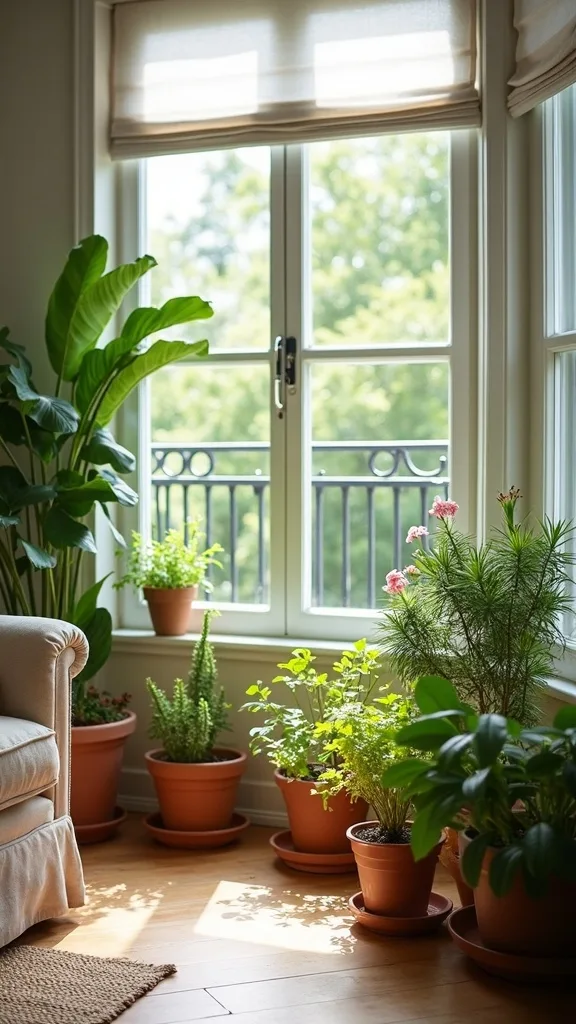
20. Make watering easy with a slim watering can and a tray system
In my opinion, the best balcony gardens are designed around maintenance, not just looks. I always start by setting up a simple watering system so I don’t dread caring for my tiny outdoor space—because consistency is what makes plants thrive.
I keep a slim watering can near the door and water in a predictable order: railing planters first, then floor pots, then anything on shelves. Under messier pots, I use trays or saucers to catch drips and protect the balcony surface. If your balcony slopes, I place trays on the higher side so runoff doesn’t travel.
For products, I like a long-spout can for precision and neutral trays that blend into the floor. If you want a handcrafted touch, I use a simple woven basket (outdoor-safe) to hold gloves and snips.
Pro tip: water in the morning when possible—plants handle the day better, and you’ll start your day with a calming ritual that makes your balcony feel like a real part of home.
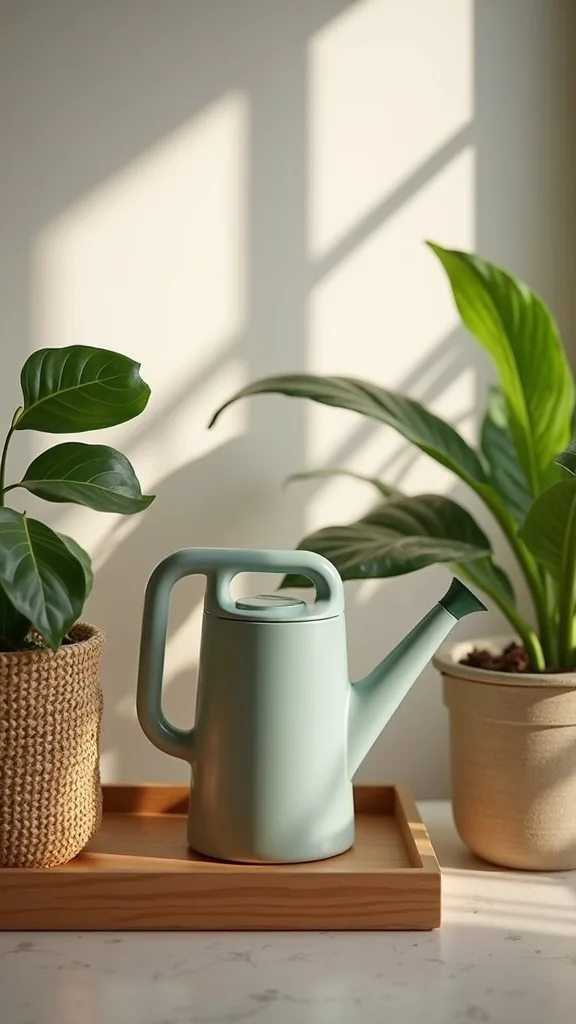
21. Add a compact outdoor storage bench (or crate) as a plant stand
I find that storage is the make-or-break detail for an apartment balcony. When I design balcony decor, I like pieces that do double duty—so a compact storage bench or even a sturdy crate can hold supplies and act as a plant stand.
I always start by listing what needs a home: potting mix, extra pots, a small trowel, and maybe a throw blanket. Then I choose a waterproof storage option and place it against the wall to keep the center open. On top, I style two pots and one lantern so it looks intentional rather than like a utility bin.
For materials, resin deck boxes are easy and weather-friendly, while a sealed wood crate gives a more handcrafted vibe. Color-wise, I match it to the bistro set for a cohesive look.
Pro tip: keep only “balcony-only” items in the box—when everything has a place, your balcony stays relaxing, and you’ll actually keep it tidy.
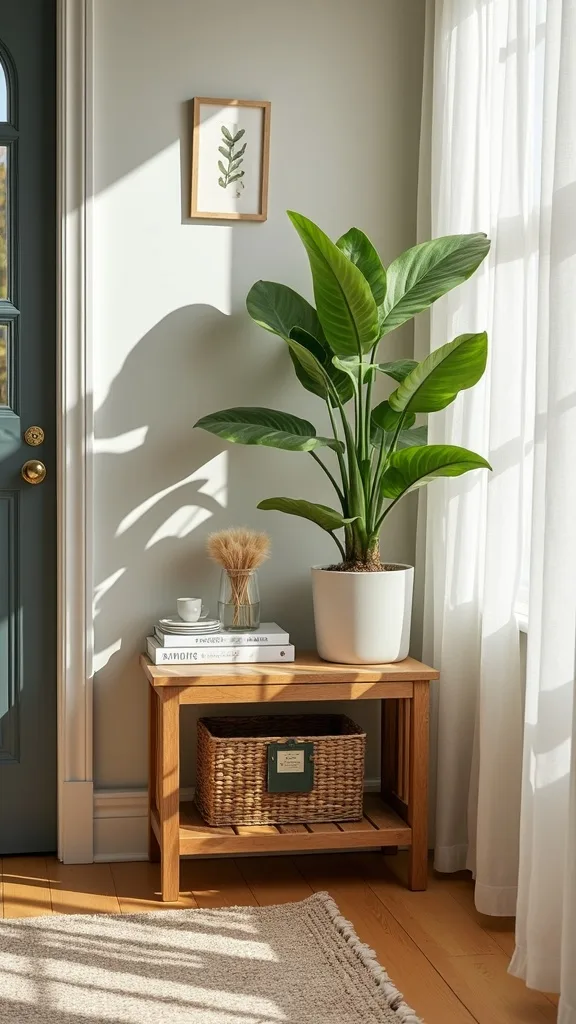
22. Use a color story: 2 neutrals + 1 spring accent
When I’m styling a small balcony makeover, I rely on a simple color story to avoid visual chaos. I find that limiting the palette makes a tiny outdoor space feel calmer and more expensive—even if every item was budget-friendly.
I always start by choosing two neutrals for the big items: rug + planters or furniture + planters. Then I pick one spring accent color—like sage, pale blue, or soft coral—and repeat it in small doses (a cushion, a pot, and one flowering plant). If you already own items, I build the palette around what you have instead of starting over.
For materials, I love mixing matte black metal with warm terracotta and a creamy rug—classic, clean, and plant-forward. If you prefer brighter, white planters with a striped rug feel fresh and airy.
Pro tip: take a photo in daylight—if your eye jumps around, remove one color or pattern; editing is what makes your balcony feel like a curated little retreat.
23. DIY a handcrafted plant marker set for charm and order
One of my favourite approaches is adding one small handcrafted detail that makes the space feel personal. I find that DIY plant markers are perfect for an apartment balcony garden because they’re cute, practical, and they help you remember what you planted (especially with herbs and greens).
I always start by choosing a material you can handle easily—wooden craft sticks, flat stones, or metal plant tags. Then I write plant names with a weather-resistant marker or paint pen, let them dry fully, and seal them if needed. I place markers at the front of each pot so they’re readable from the seating area.
Color-wise, I like white lettering on natural wood for a clean spring look, or black tags for a modern vibe. If your balcony decor is more playful, I add a tiny painted stripe in your accent color.
Pro tip: include planting dates on the back—watching your garden timeline build is motivating, and it turns everyday plant care into a feel-good project.
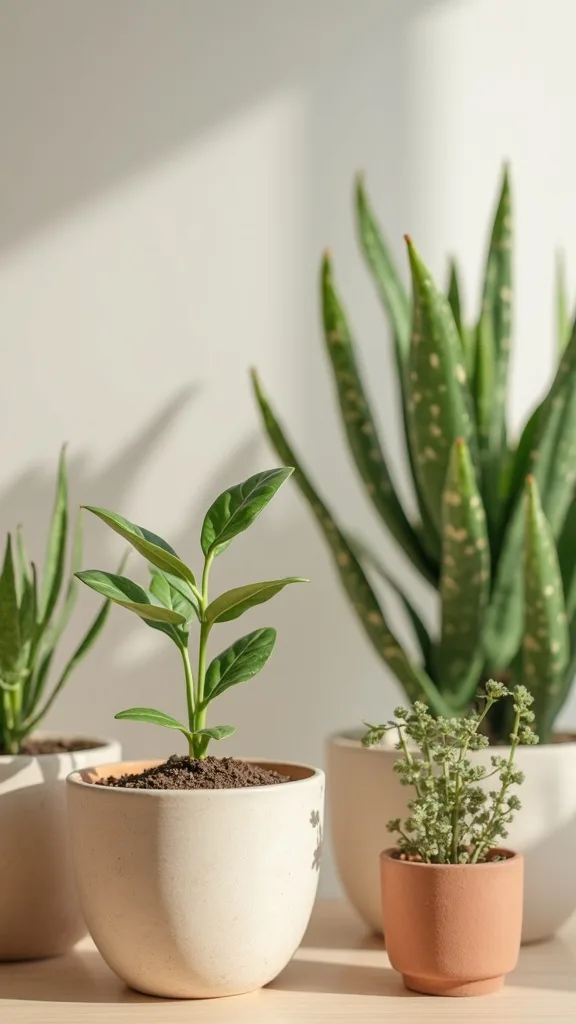
24. Add one sensory plant: fragrance or texture for a cozy vibe
I find that the best balcony gardens aren’t just pretty—they’re sensory. When I design this look, I always include one plant you can smell or touch, because it makes the balcony feel comforting and real, even in a tiny outdoor space.
I start by deciding what you’ll enjoy most: fragrance (jasmine, lavender, or scented geranium) or texture (lamb’s ear, rosemary, or ornamental grasses). Then I place it near your chair so you brush past it or catch the scent when you sit down. If you entertain, I put the sensory plant near the doorway so it greets you.
For containers, I like a slightly nicer pot for this “hero” plant—something with texture or a handmade look. Color-wise, I keep it neutral so the plant stands out.
Pro tip: pair the sensory plant with evening lighting—when warm light hits fragrant blooms at dusk, your balcony will feel like a tiny vacation you can step into anytime.
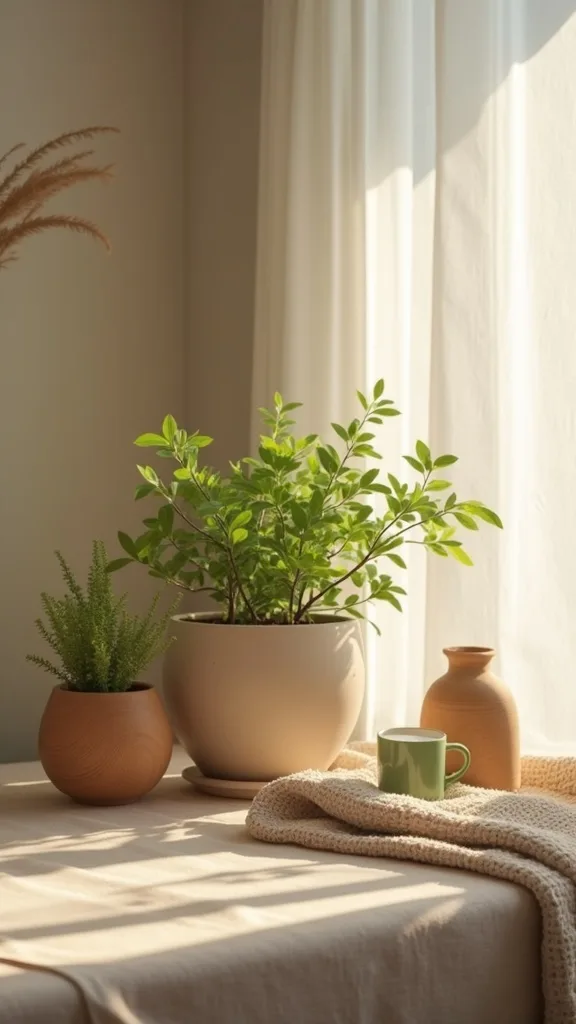
25. Finish with a 10-minute weekly reset to keep it looking styled
From my experience, the difference between a balcony that stays cute and one that slowly turns chaotic is a simple routine. I always recommend a 10-minute weekly reset because it protects your balcony decor and keeps your plants thriving without turning into a big chore.
I always start by clearing the table (cups, tools, random items), then I sweep or shake out the rug. Next, I deadhead flowers (snip off spent blooms), rotate a couple of pots for even growth, and check soil moisture with my finger before watering. Finally, I wipe the bistro table and straighten cushions so it feels inviting again.
I keep a small kit near the door: hand broom, snips, and a microfiber cloth. Color-wise, I like a neutral storage bin so it blends into the setup and doesn’t add visual clutter.
Pro tip: end your reset by turning on the string lights for a minute—seeing the finished glow is a tiny reward that keeps you excited to maintain your balcony all spring long.
Final Thoughts
Final Thoughts
I hope these balcony garden ideas help you see your balcony as a real, usable room—just outdoors. I always start by getting the layout right (plants up on the rail, a folding bistro set for daily living, a rug for comfort, and warm lighting for mood), and then I build from there one small choice at a time.
From my experience, the most successful apartment balcony garden is the one you can maintain easily and enjoy often. If you try even two or three ideas this week, you’ll feel the spring refresh immediately—and you’ll have a tiny outdoor space that supports your everyday life, not another project you have to manage.
Products I Recommend for This Project
Here are some of my favourite products to help you bring these ideas to life:
- La Jolie Muse Railing Planters (Set of 2) — I like these for adding greenery without losing precious floor space.
- Best Choice Products 3-Piece Folding Bistro Set — I recommend this when you want a real seating zone that folds away fast.
- GENIMO Outdoor Rug (Waterproof Reversible) — This is an easy way to soften a balcony and make it feel like an outdoor room.
- Brightech Ambience Pro Waterproof LED String Lights — I use these to create a cozy evening glow that instantly upgrades balcony decor.
- Lechuza Classico Self-Watering Planter — This helps keep plants consistently watered, which is key for busy apartment living.