
This post contains affiliate links. As an Amazon Associate, I earn from qualifying purchases at no extra cost to you.
Are you looking for a bathroom that feels like a spring escape—bright, serene, and quietly indulgent? Do you want to step into a space each morning that reads like a boutique hotel, yet still feels unmistakably yours?
I always start by treating the tub as the emotional centerpiece, because the right freestanding silhouette instantly elevates the entire room. In this guide, I’m sharing my most trusted freestanding bathtub ideas, from layout tricks to finishes that make the space feel intentional and high-end.
From my experience, this is perfect for anyone craving bathroom renovation inspiration—whether you’re planning a full remodel or simply refining the details that make a bathroom feel luxurious.
When I design this look, I lean into a cast-iron presence, the glow of brass, and the crisp architecture of marble; it’s the kind of pairing that feels fresh for spring yet timeless for years. I’ll walk you through placement, lighting, styling, and the small upgrades that turn a basic bath into a true soaking tub moment.
Below are 25 Freestanding Bathtub Inspiration & Design that help you create a spring-ready sanctuary with polish, comfort, and enduring style.
1. Matte-White Cast-Iron Clawfoot with Brass and Marble
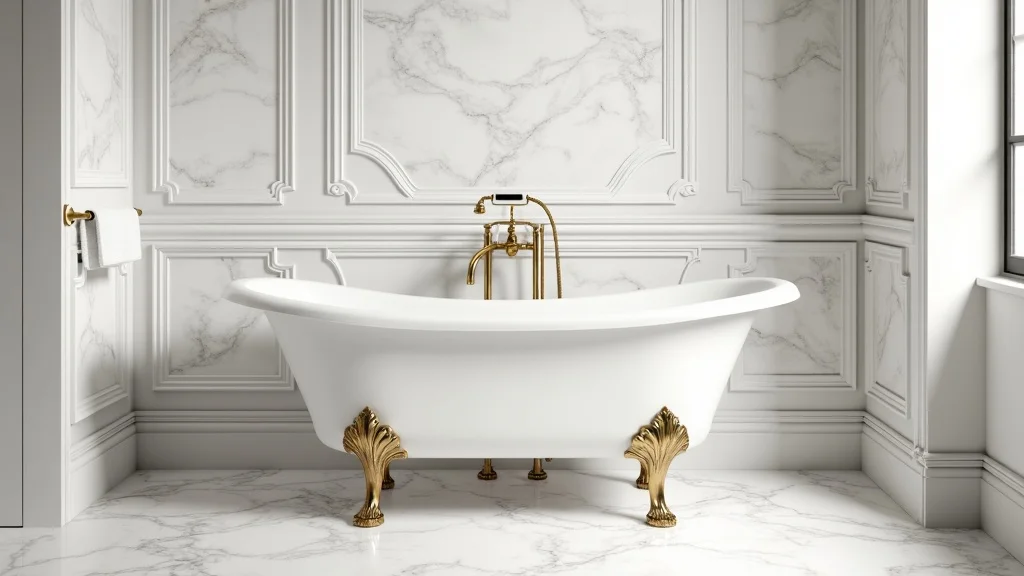
One of my favourite approaches is starting with a cast-iron clawfoot tub in matte white and letting it set the entire mood—classic, sculptural, and undeniably elevated. I find that pairing it with a brass floor-mounted faucet and marble subway tile creates a spring-luxury balance: crisp, luminous, and quietly dramatic.
I always start by centering the tub on the longest uninterrupted wall so it reads like a statement piece, not an afterthought. Then I keep the sightlines clean—floating shelves instead of bulky cabinets, and a simple framed art piece aligned with the faucet to create symmetry. If your bathroom is tight, I recommend a slightly smaller clawfoot profile so you still get the romance without crowding the walkway.
For finishes, I love matte white against warm brass, with soft gray veining in the marble to keep it refined. Add a pale oak bath stool for warmth and a creamy towel palette for cohesion.
Pro tip: I always recommend a handheld sprayer in matching brass for real-life practicality—because true luxury feels effortless, not fussy, and that’s the energy I want every spring morning.
2. Window-Forward Placement for a Spring-Soaked Glow
I find that placing a freestanding tub near a window is the fastest way to make the room feel like a private spa, especially in spring when the light turns soft and flattering. In my opinion, this is one of the most transformative freestanding bathtub ideas because it uses what you already have—natural light—to create luxury.
I always start by checking privacy first: a woven shade, a café curtain, or reeded privacy film keeps things serene without blocking brightness. Then I angle the tub so the bather’s view faces the window, and I keep the surrounding zone minimal—just a slim stool and one intentional hook for a robe. If the window trim is dated, I like to repaint it a clean warm white to make the whole corner feel refreshed.
Materials that sing here: marble tile, brass hardware, and airy textiles like waffle-weave towels. I also love a single leafy branch in a vase to echo the season.
Pro tip: add a dimmable sconce with warm white light (2700K–3000K — the cosy, yellowish tone you see in most homes) so the glow stays dreamy even after sunset.
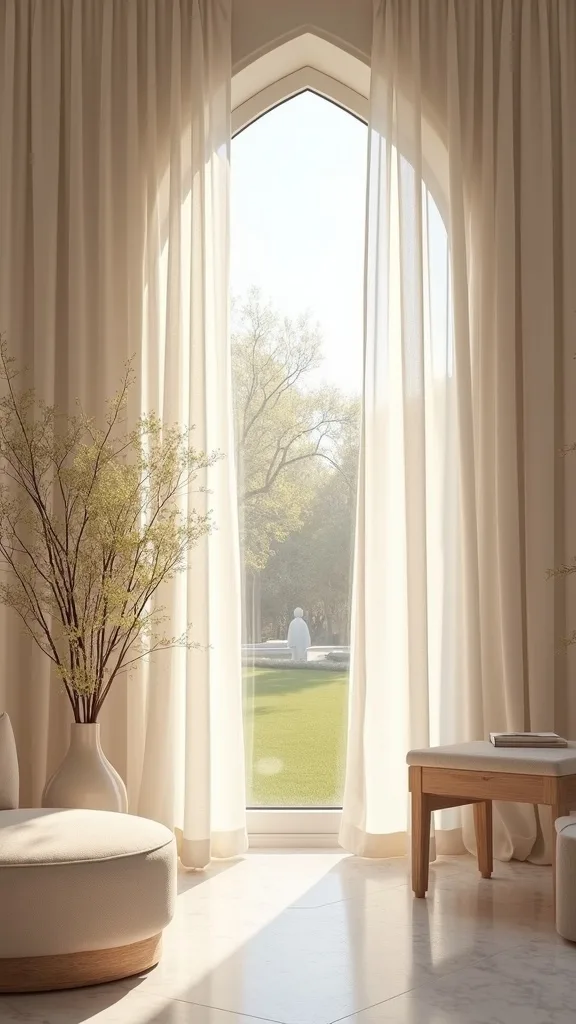
3. The Center-of-Room Tub for Editorial Drama
When I design this look, I treat the tub like furniture—an island of calm—because a centered placement instantly reads as luxury bathroom design. I find that it creates that editorial, magazine-worthy pause, especially when the surrounding finishes are quiet and cohesive.
I always start by mapping walkways so you can circulate comfortably around the tub without bumping into vanities or doors. Then I anchor the moment with a pendant or chandelier centered above, and I keep the floor pattern subtle so the tub remains the focal point. If plumbing is a concern, I recommend planning this early during a remodel so the floor-mounted faucet lands exactly where it should.
For a sophisticated palette, I like matte white, soft stone neutrals, and brass accents, plus a linen shower curtain (even if it’s separate) for softness. A low, sculptural tray keeps bath essentials contained.
Pro tip: I always recommend a plush, oversized rug just outside the tub zone—because stepping into softness is the kind of indulgence that makes everyday life feel elevated.
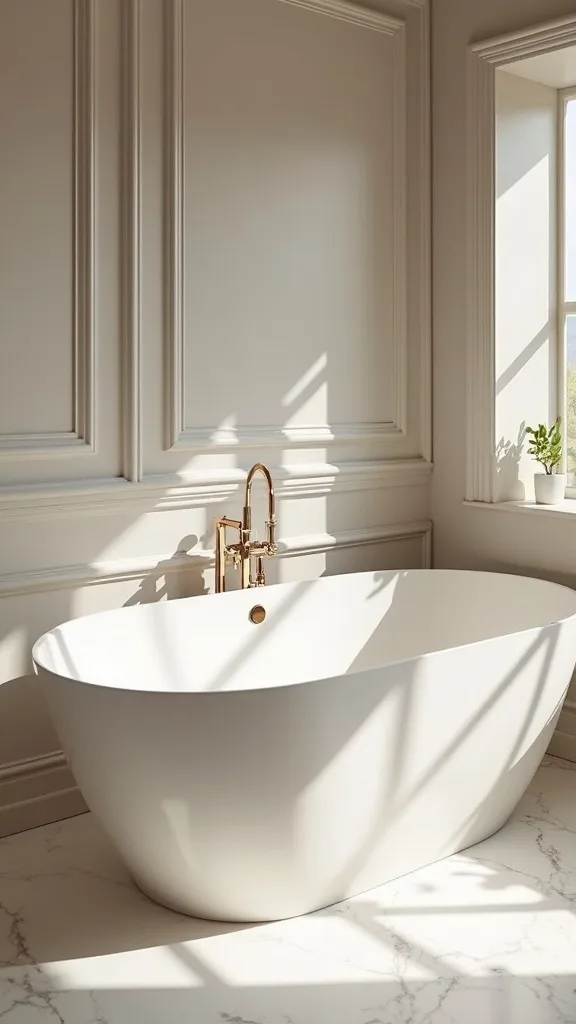
4. Marble Subway Tile Half-Wall to Frame the Tub
From my experience, a half-wall of marble subway tile behind a freestanding tub gives you the best of both worlds: architectural definition and a light, airy feel. I find that this detail quietly signals intention—like the bathroom was designed, not just assembled.
I always start by deciding the height based on what you want to hide: plumbing lines, splashes, or an imperfect wall. Then I cap the tile with a slim marble ledge so it becomes a styling surface for a candle, a small vase, or a bath oil bottle. If you’re mixing finishes, I keep grout soft and understated so the marble veining stays the star.
For colors, I love a warm white grout, brushed brass hardware, and a paint color that reads like fresh linen. Add a single piece of framed art above the tile line for a gallery-like finish.
Pro tip: I always recommend sealing marble and treating it gently—because when it’s cared for, it develops that quiet patina that feels like real, lived-in luxury.
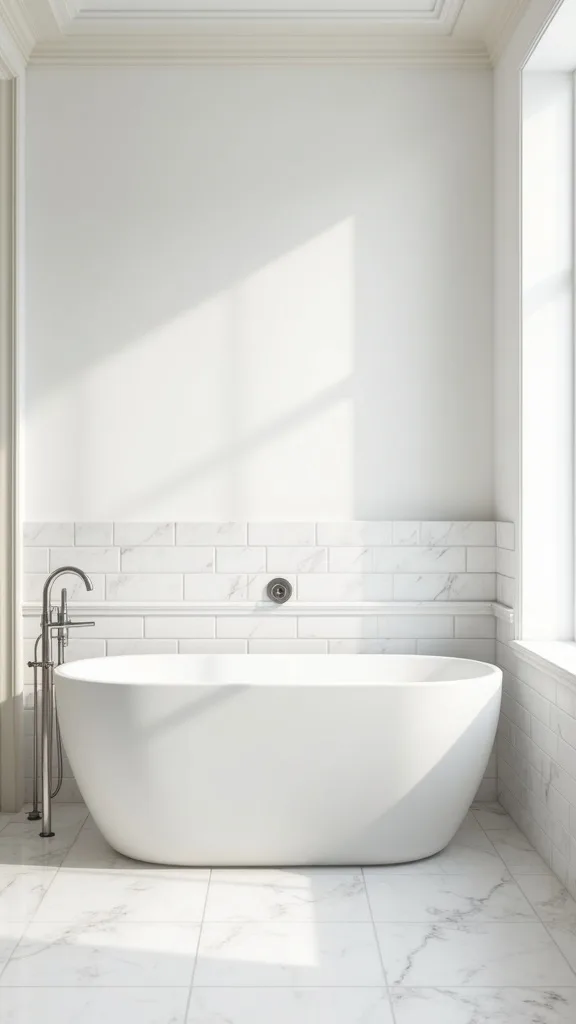
5. Brass Floor-Mounted Faucet as Jewelry for the Room
I think of a floor-mounted brass faucet the way I think of a statement watch: it’s functional, yes, but it also telegraphs taste. I find that this is one of the simplest upgrades that instantly pushes a bathroom into high-end territory.
I always start by choosing the faucet finish first, then I repeat it at least twice—on a mirror frame, towel hook, or cabinet pull—so it feels deliberate. Next, I align the faucet with the tub’s centerline and make sure the spout reaches comfortably without splashing. If you’re renovating, I recommend asking your installer to confirm placement with the actual tub on-site, not just a drawing.
Brushed brass feels warm and spring-ready against matte white tubs and marble tile. I also like pairing it with creamy paint and pale oak accents to avoid anything too cold.
Pro tip: choose a faucet with a handheld sprayer—because the most luxurious rooms are the ones that support real life with grace.
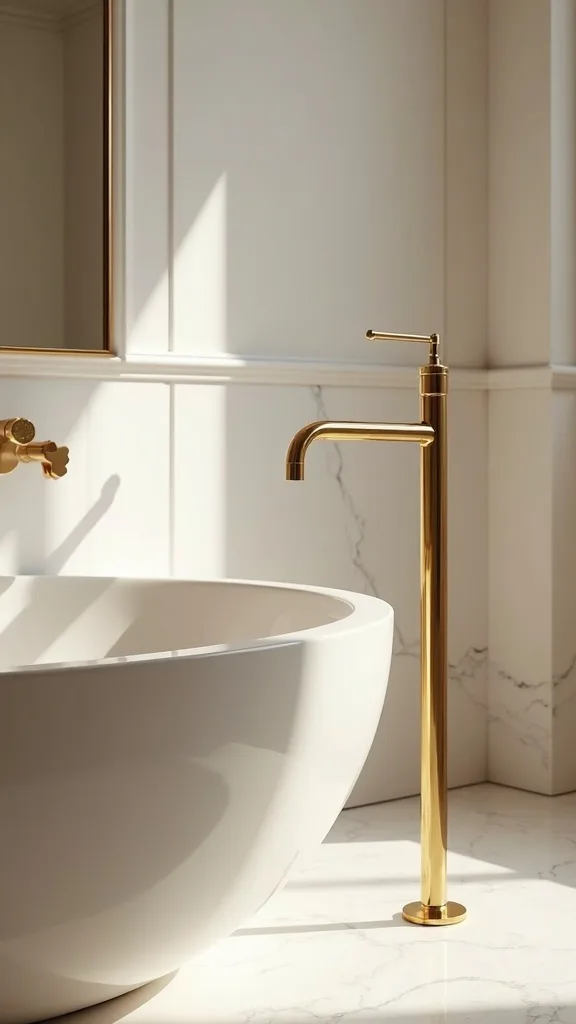
6. Soaking-Tub Styling with a Minimal Tray Moment
I find that a soaking tub only feels truly luxurious when the styling is restrained—more curated than cluttered. One of my favourite approaches is using a single, beautiful bath tray to create a ritual without turning the tub into storage.
I always start by choosing one “hero” item for the tray: a candle, a bath soak jar, or a small vase. Then I add one practical piece—like a folded washcloth or a lidded container—so the setup feels intentional, not staged. If you love reading in the bath, I recommend a water-safe book stand rather than stacking items at the rim.
Materials I love: pale wood, sealed stone, or acrylic for the tray; glass apothecary jars; and a soft white towel palette with one muted accent like sage or blush for spring.
Pro tip: I always recommend keeping anything scented in a lidded vessel—because the room should smell like clean air and calm, not a perfume counter.
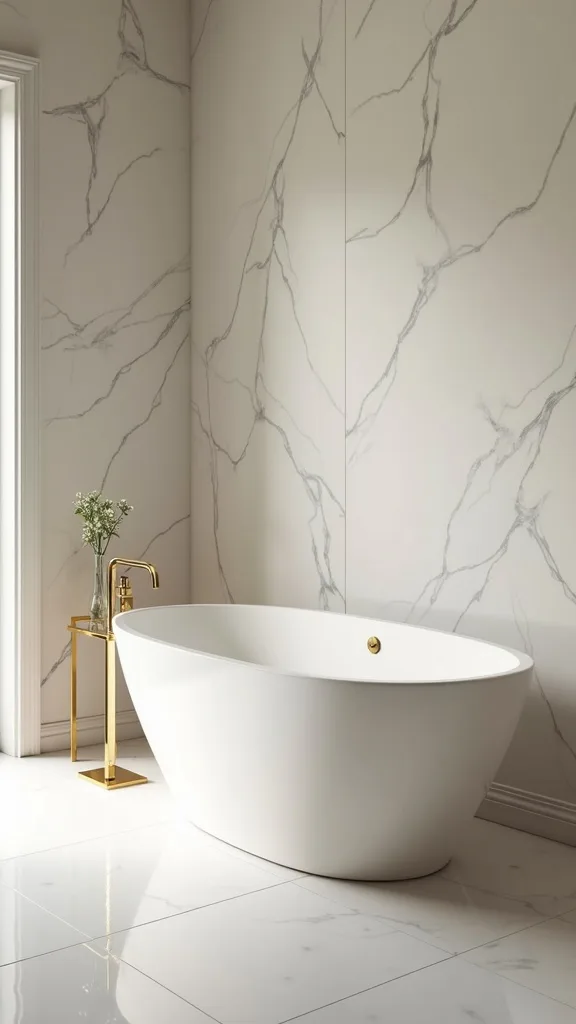
7. Layered Lighting for a Soft, Hotel-Level Mood
From my experience, lighting is where a bathroom either feels expensive or falls flat, no matter how beautiful the tub is. When I design this look, I layer light so the space feels flattering at every hour—especially during spring evenings when you want a gentle glow.
I always start by adding two wall sconces at mirror height to eliminate harsh shadows. Then I include an overhead fixture on a dimmer so I can shift from bright morning routines to slow, spa-like baths. If you’re updating bulbs, I always recommend warm white light (2700K–3000K — the cosy, yellowish tone you see in most homes) for that inviting, candlelit feel.
Finishes that work beautifully: brass sconces, opal glass shades, and a simple ceiling fixture that doesn’t compete with the tub. I like mirrors with thin metal frames to echo the hardware.
Pro tip: I choose bulbs based on brightness (measured in lumens) and aim for “bright enough to function, soft enough to linger”—because true luxury is comfort you can see.
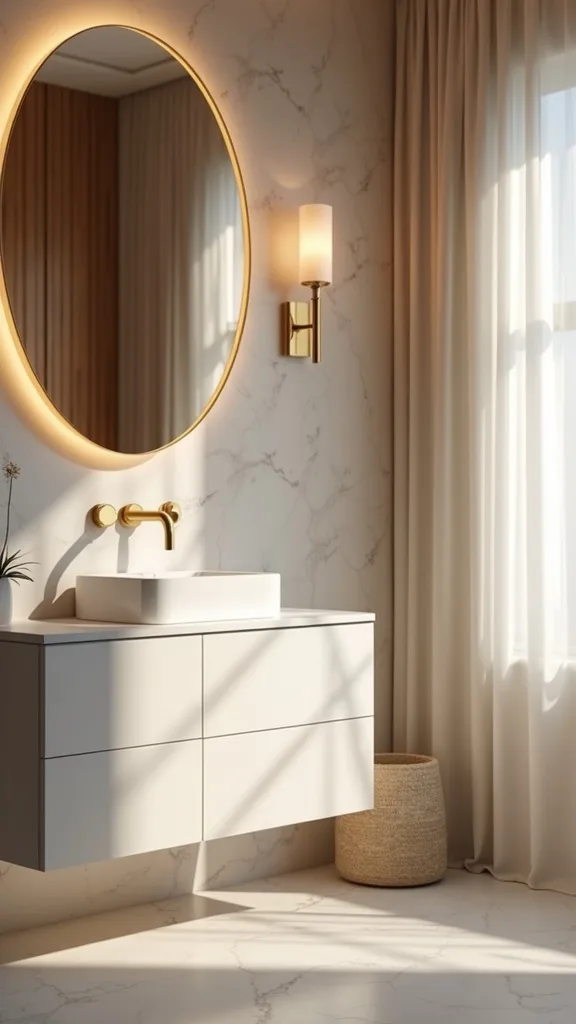
8. A Spring Palette: Warm Whites, Soft Stone, and Brass
I find that spring luxury is less about bold color and more about nuance—whites that feel creamy, stones that feel sun-warmed, and metals that glow. In my opinion, this palette is the most timeless foundation for freestanding bathtub ideas because it makes every material look intentional.
I always start by selecting the “white” first: tub white, tile white, and paint white should harmonize rather than match perfectly. Then I layer in stone tones through marble, limestone-look porcelain, or a soft gray grout. Finally, I bring in brass in a few key places so it reads like jewelry, not clutter.
For products and textures, I love waffle towels, a linen roman shade, and a pale oak stool beside the tub. A single accent color—like celadon, blush, or misty blue—keeps it spring-fresh.
Pro tip: I always recommend testing paint and tile samples in morning and evening light—because the most sophisticated rooms are the ones that look beautiful all day, not just at noon.
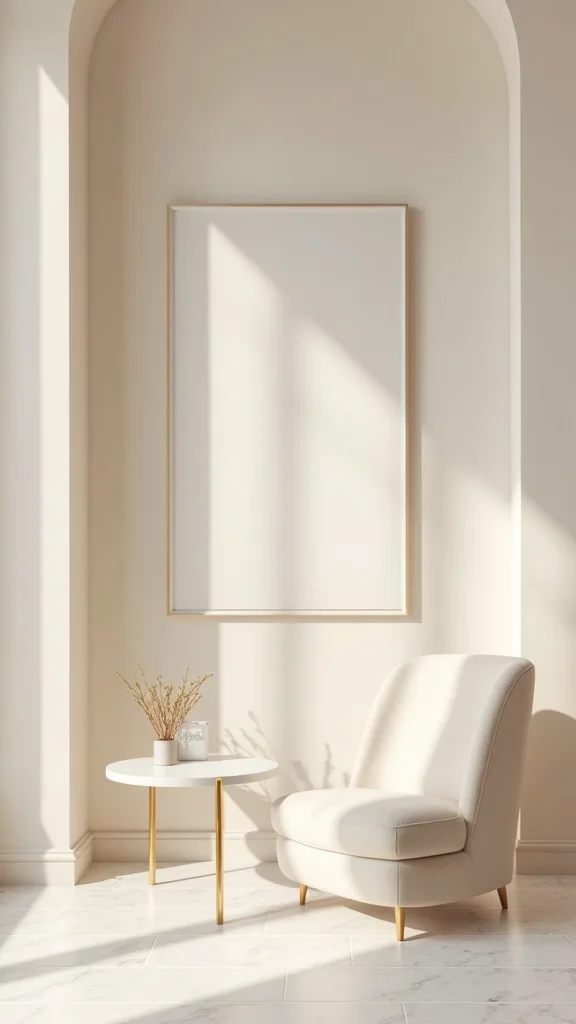
9. The Rug Strategy: Plush Underfoot Without Looking Messy
I always recommend a rug plan before you commit to final styling, because a freestanding tub zone can feel cold and echo-y without softness. From my experience, the right rug makes the whole bathroom feel like a suite—quiet, layered, and welcoming.
I always start by placing a washable runner where you’ll step out of the tub, not directly under it, so it stays practical. Then I choose a size that feels generous; a too-small mat reads temporary. If you’re worried about moisture, I like a thin rug pad underneath to keep it stable and to help it dry faster.
For colors, I find that ivory, sand, or pale gray work beautifully with marble subway tile and matte white tubs. Subtle pattern—like a faded vintage motif—adds depth without stealing attention from the tub.
Pro tip: I keep the rug palette aligned with towels and window treatments—because cohesion is what makes a bathroom feel designed, not decorated.
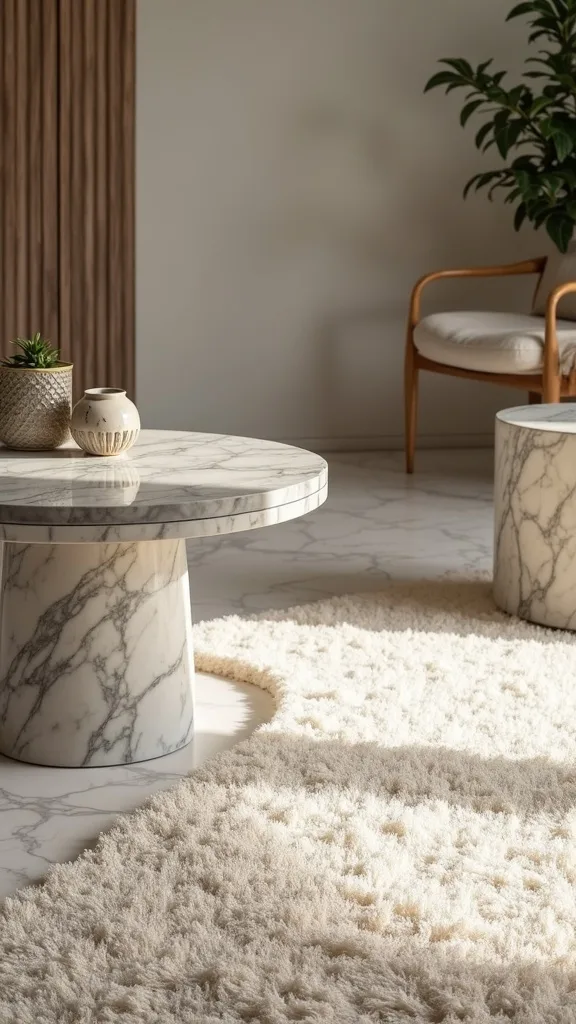
10. A Vintage-Inspired Clawfoot Moment with Modern Restraint
I love the romance of a clawfoot tub, but I find the most sophisticated version is edited—less “victorian vignette,” more modern heirloom. When I design this look, I let the tub bring the nostalgia and keep everything else clean and architectural.
I always start by choosing one vintage cue to emphasize: either ornate feet, a traditional roll rim, or a classic faucet silhouette. Then I pair it with modern elements like a simple frameless mirror, streamlined sconces, and crisp marble subway tile. If you’re mixing eras, I recommend keeping the color palette quiet so the style blend feels intentional.
Materials that elevate the look: matte white enamel, brushed brass, and soft white paint with minimal sheen. I also like adding a contemporary art print to keep the room from feeling themed.
Pro tip: I always recommend upgrading to a substantial towel warmer if you can—because nothing says luxury like stepping out of a bath into warmth and ease.
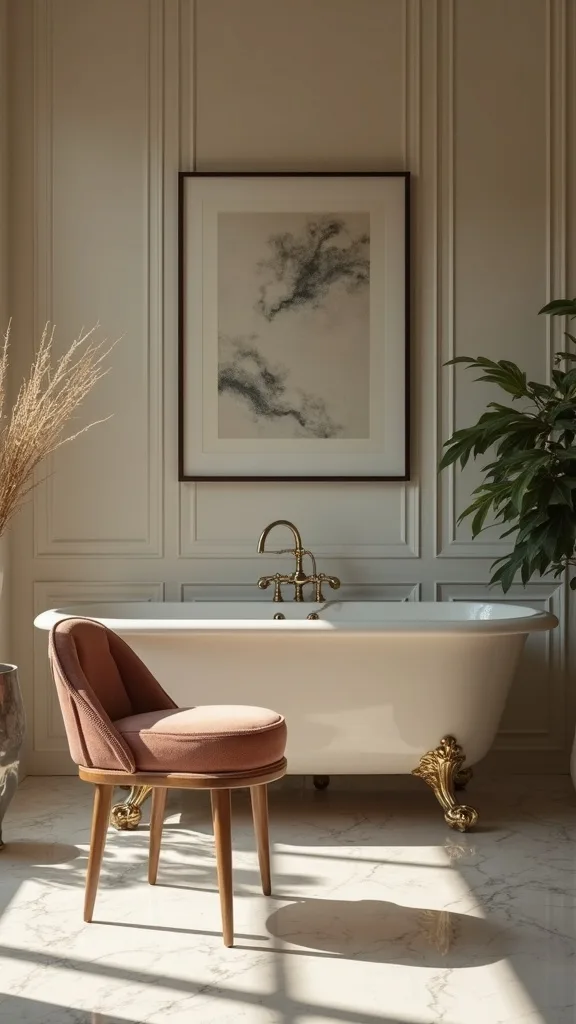
11. A Slim Bath Stool That Works Like a Butler
I find that the smallest furniture piece can make the biggest difference beside a freestanding tub. One of my favourite approaches is adding a slim stool that acts like a quiet butler—holding what you need, then disappearing into the background.
I always start by measuring the clearance so the stool doesn’t interrupt the walkway. Then I choose a piece that’s water-friendly and easy to wipe down, and I keep the styling minimal: one folded towel and one lidded container for bath salts. If you’re short on space, I recommend a narrow teak shower bench that can tuck tight to the wall.
For materials, teak, sealed oak, or powder-coated metal look beautiful against marble subway tile. I love pairing the stool with brass accents so the whole corner feels curated.
Pro tip: I always recommend choosing a stool with a lower shelf—because hidden storage is the secret to that serene, high-end calm.
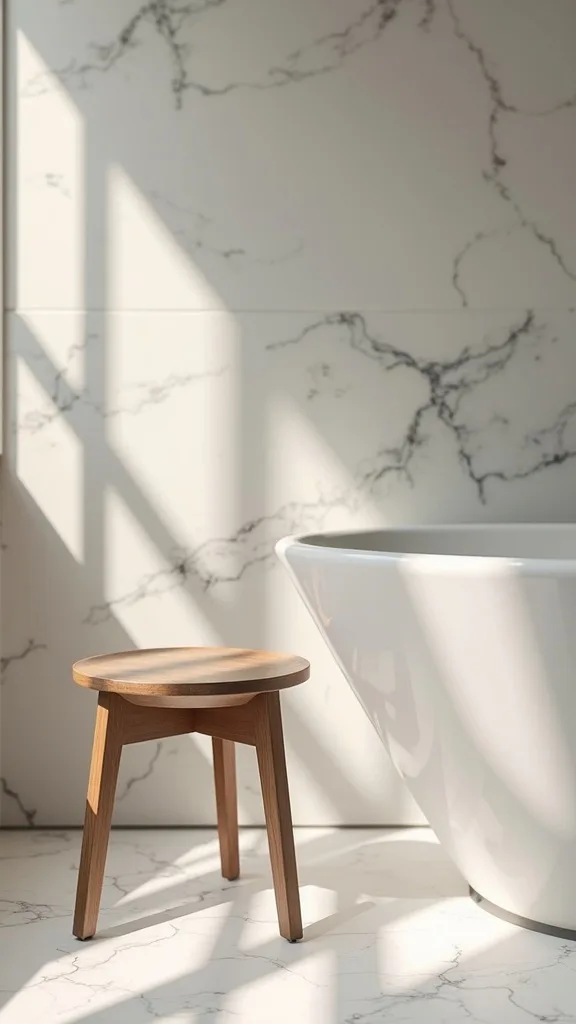
12. A Statement Mirror to Reflect the Tub’s Silhouette
From my experience, a great mirror doesn’t just reflect—it doubles the feeling of space and light, which is priceless in a bathroom. When I design this look, I use a statement mirror to echo the tub’s curves and make the entire room feel more intentional.
I always start by deciding the mirror’s shape: arched mirrors soften marble lines, while a thin rectangular frame feels crisp and editorial. Then I align it with either the tub centerline or the vanity, so the room feels ordered. If you’re adding brass, I recommend a mirror with a subtle brass edge rather than a heavy ornate frame.
Materials I love: thin brass frames, soft black accents for contrast, and clean white walls that keep reflections bright. If you want extra polish, add picture lighting above the mirror.
Pro tip: I always recommend placing a small, beautiful object where it will reflect—because a single thoughtful detail can make the whole room feel like a boutique hotel.
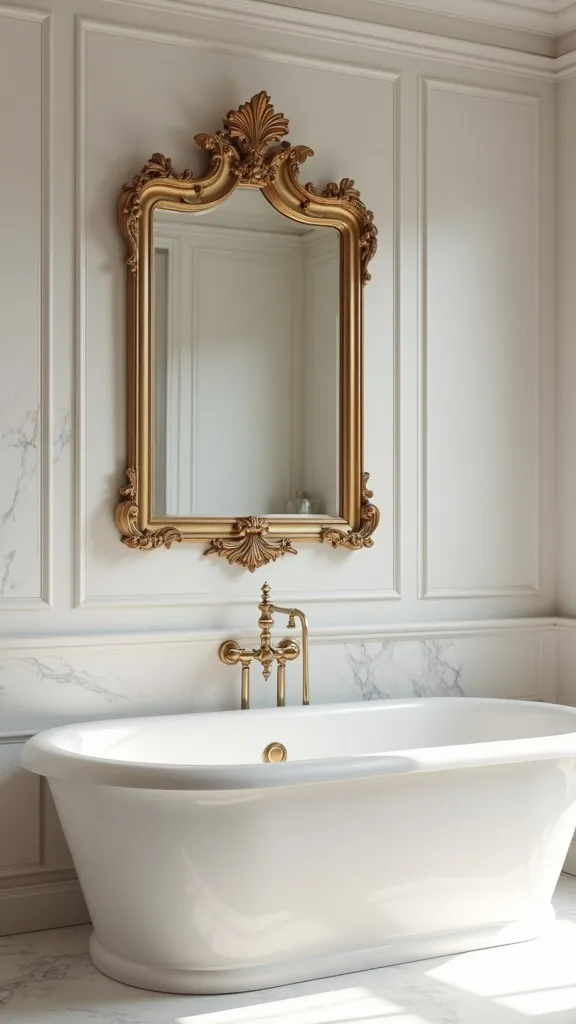
13. Discreet Storage That Keeps the Tub Area Serene
I find that visual calm is the true marker of luxury bathroom design, and clutter is the quickest way to lose it. I always start by planning storage so the tub zone stays open, airy, and indulgent—like it’s waiting for you.
I always start by identifying what must live in the room daily (towels, toiletries, cleaning basics), then I hide 80% of it behind closed doors. If you’re renovating, I recommend a recessed niche or a shallow built-in cabinet painted to match the wall. For renters or quick refreshes, a tall, slim linen cabinet works beautifully without eating floor space.
For finishes, I like warm white cabinetry, brass knobs, and a marble or quartz top that ties back to the tile. Woven baskets add texture while keeping the palette soft for spring.
Pro tip: I decant everyday products into matching bottles—because when everything looks cohesive, the room feels instantly more expensive and restful.
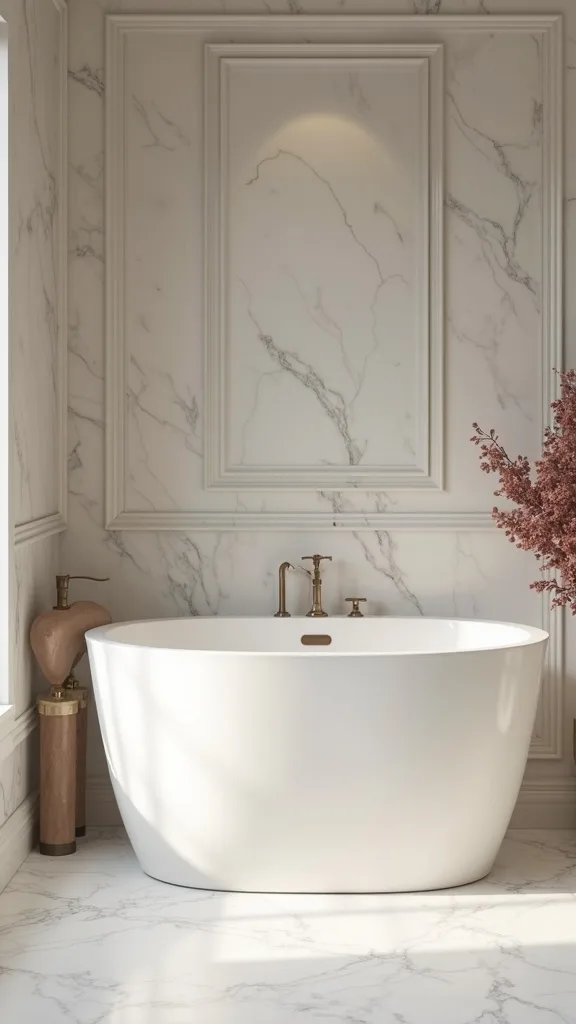
14. The Quiet Luxury of Matching Metals (Without Being Boring)
I find that mixed metals can be gorgeous, but for a truly high-end bathroom, matching metals often reads more tailored. When I design this look around brass, I treat it like a signature—repeated with intention, never scattered.
I always start by choosing one dominant finish for the “big moments” (tub filler, shower trim, vanity faucet), then I echo it in smaller details like hooks and a toilet paper holder. If you want dimension, I recommend varying the sheen—brushed brass for most pieces, with one polished accent for sparkle. The key is to keep the mix controlled so it feels curated.
Brass looks stunning with matte white tubs, marble subway tile, and creamy paint. I also love adding a small black accent (like a frame) to sharpen the palette.
Pro tip: I always recommend ordering a single metal sample early and checking it in your bathroom light—because brass should glow warmly, not read yellow or brassy in the wrong way.
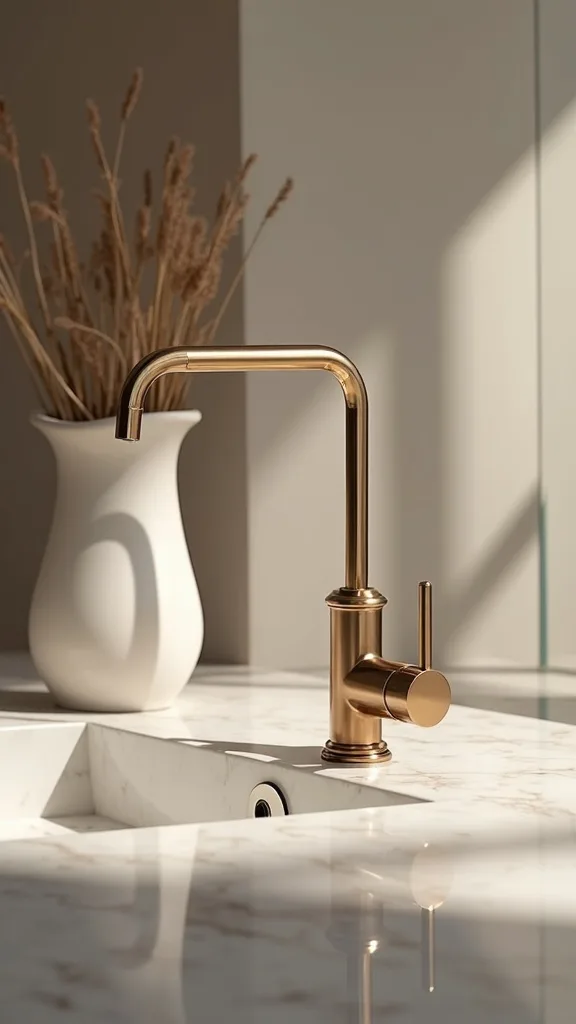
15. A Marble-Look Floor That Feels Grand but Livable
From my experience, the floor is what makes a freestanding tub feel grounded and grand at the same time. I find that a marble-look floor gives you that old-world elegance without the constant worry, which is ideal for a spring refresh that’s meant to be enjoyed.
I always start by choosing a tile with gentle veining and a finish that isn’t overly glossy, so it feels sophisticated and safe underfoot. Then I keep grout lines subtle and consistent to avoid visual noise. If you’re renovating, I recommend extending the same flooring into adjacent spaces (if possible) to create a seamless, high-end flow.
Colors I love: soft white with gray veining, warm greige stone, or a pale limestone tone. Brass hardware and a matte white tub look especially refined against these floors.
Pro tip: I always recommend adding a radiant-feeling comfort layer like a plush runner—because the most luxurious spaces are the ones that feel good in bare feet, every single day.
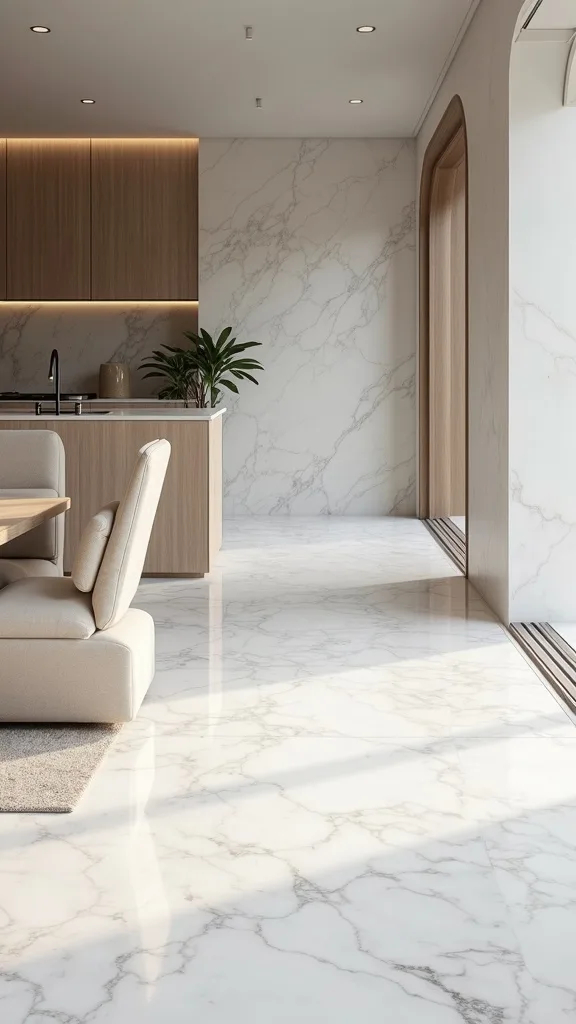
16. A Freestanding Tub in a Small Bathroom (Yes, Really)
I find that small bathrooms can handle big style when the choices are disciplined, and a freestanding tub can actually make the room feel more open. In my opinion, this is the most empowering of all freestanding bathtub ideas because it proves luxury isn’t only for sprawling square footage.
I always start by selecting a compact tub with a slimmer rim and a clean silhouette, then I keep the surrounding fixtures visually light—wall-mounted shelves, a pedestal sink, or a floating vanity. Next, I choose a clear shower screen or a ceiling-mounted curtain that doesn’t chop the room into pieces. If storage is tight, I recommend a recessed niche and a tall cabinet rather than bulky drawers.
For finishes, I keep it bright: matte white tub, marble subway tile, and brass accents for warmth. A large mirror helps bounce light and expand the feel.
Pro tip: I always recommend editing your color palette to three tones max—because in a small space, restraint is what reads expensive.
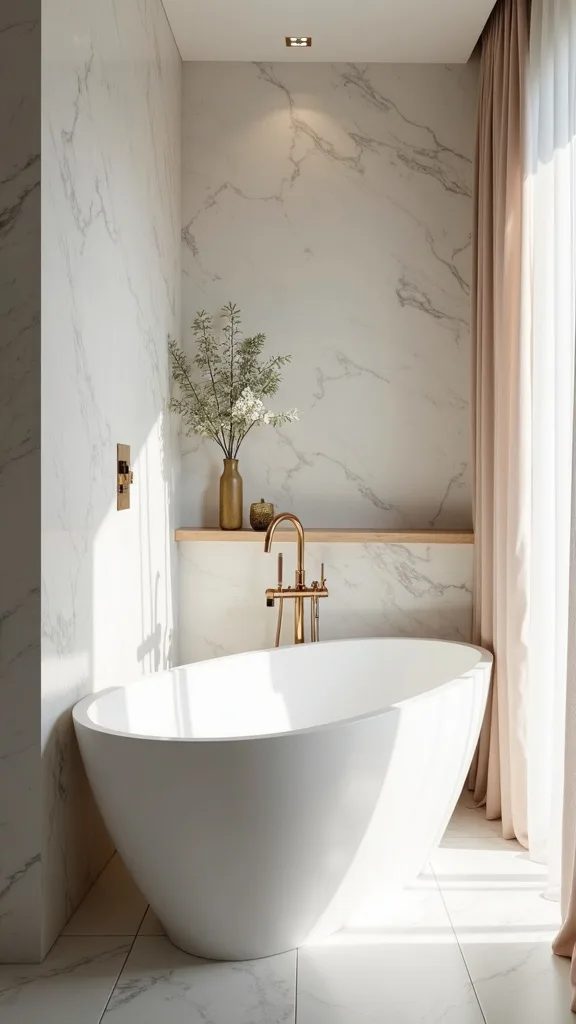
17. A Soft Green Accent for Spring Without Losing Sophistication
When I design a spring luxury bathroom, I love introducing a whisper of green—it feels like fresh stems in a vase, subtle and alive. I find that a muted sage or eucalyptus accent pairs beautifully with marble and brass without turning the room trendy.
I always start by keeping the hard finishes timeless (white tub, marble subway tile, brass), then I add green through paint on a single wall, a roman shade, or towels. If you’re cautious, I recommend starting with textiles first; it’s the easiest way to test the mood. To keep it editorial, I avoid bright greens and stick to dusty, gray-leaning tones.
Materials that work: linen in sage, a pale oak stool, and clear glass accessories that keep the look airy. A simple botanical print can echo the palette without feeling literal.
Pro tip: I always recommend repeating the green just twice—because a restrained accent feels like a designer’s choice, not a color experiment.
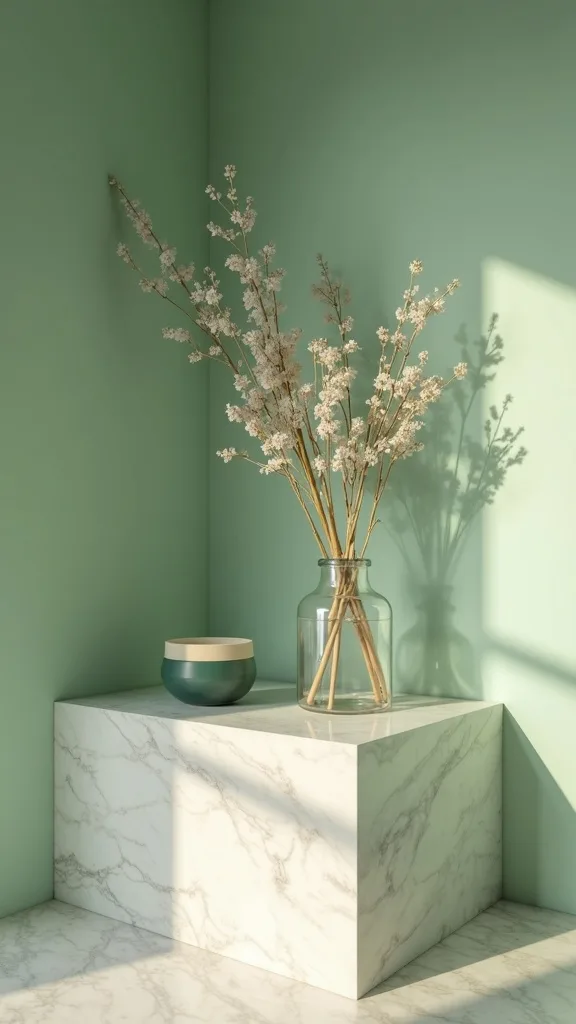
18. Black-Framed Art to Add Contrast and Confidence
I find that a bathroom with marble and brass can sometimes feel a touch too sweet unless you add a confident contrast. One of my favourite approaches is introducing black-framed art—simple, graphic, and instantly grounding.
I always start by choosing one oversized piece rather than several small ones, because it reads more high-end and less busy. Then I hang it where it can be appreciated from the tub, keeping it safely away from direct splashes. If you’re unsure what to choose, I recommend abstract line art or soft photography—pieces that feel calm, not loud.
For cohesion, I like a thin black frame, a white mat, and art that echoes the palette—creams, grays, and a whisper of warm tones. Brass lighting nearby makes the black look even sharper.
Pro tip: I always recommend using moisture-friendly frames or sealing the back—because protecting the details is part of maintaining that effortless luxury.
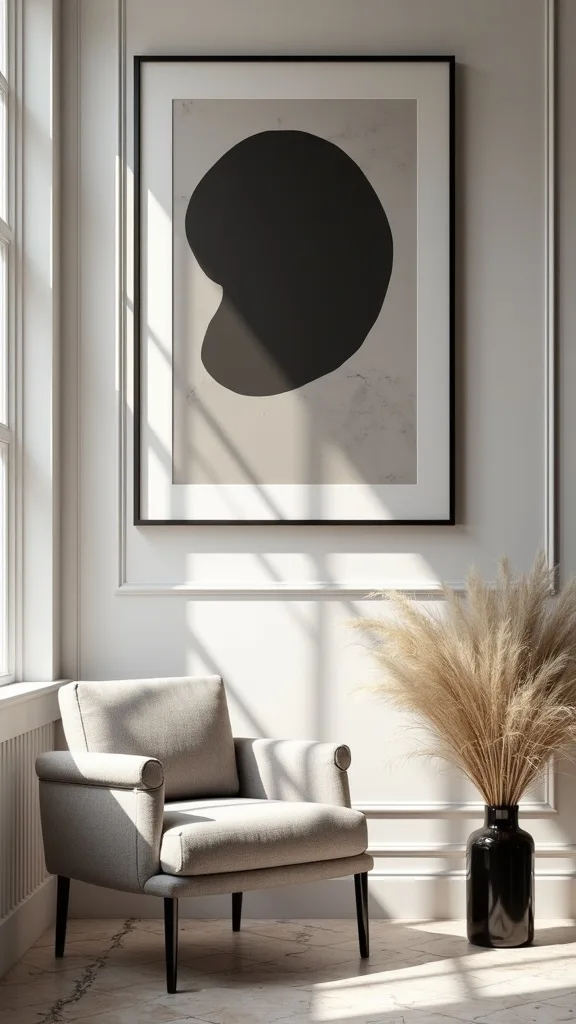
19. A Curtain Moment That Feels Like a Boutique Hotel
From my experience, the right curtain can make a bathroom feel like a suite, especially when you’re working with a freestanding tub and want softness. I find that fabric near tile creates a beautiful tension—structured and serene at once.
I always start by hanging the curtain higher than you think, close to the ceiling, to elongate the room. Then I choose a simple linen or linen-look panel in warm white, and I keep the hardware elegant—brass rings or a clean rod. If you need a shower curtain near the tub, I recommend a high-quality liner hidden behind the fabric so the look stays polished.
Colors that work best: creamy white, pale oatmeal, or the softest gray. Pair with marble subway tile and brass accents for that spring-luxury glow.
Pro tip: I always recommend steaming the curtain regularly—because crisp, draped fabric reads like hospitality-level care, and it changes the whole atmosphere.
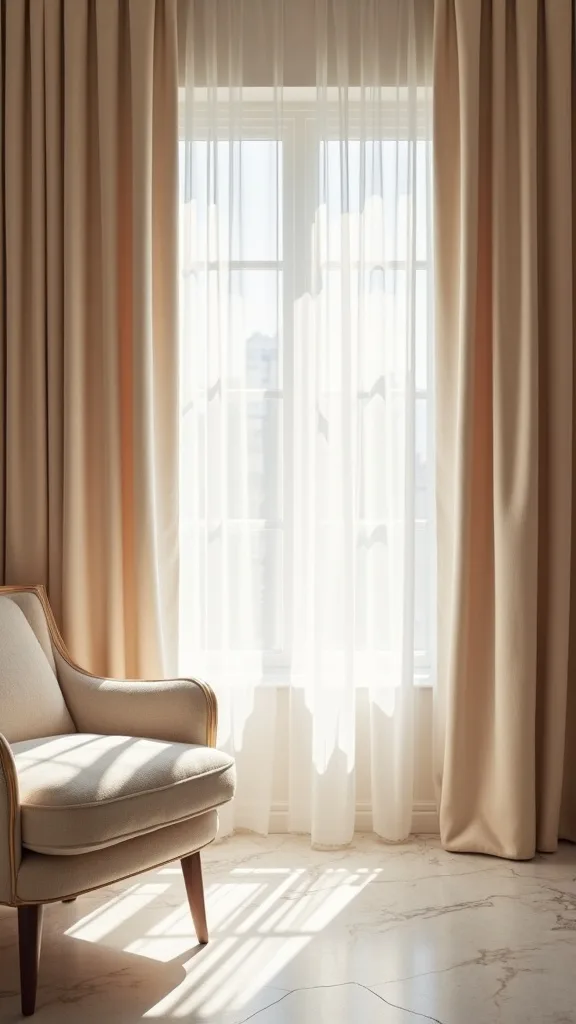
20. A Built-In Ledge for Candles and Bath Essentials
I find that the most livable luxury is the kind that anticipates your needs, and a ledge near the tub is exactly that. When I design this look, I add a slim surface so everything you love is within reach—without cluttering the tub rim.
I always start by deciding whether the ledge should be tiled, stone, or wood, based on your overall palette. Then I place it at a comfortable height for setting down a drink, a book, or bath salts. If you’re renovating, I recommend integrating it into a half-wall or niche so it looks architectural rather than added on.
For materials, I love a marble cap or a quartz ledge that echoes the tile. Keep accessories minimal: one candle, one lidded jar, one small vase.
Pro tip: I always recommend choosing one signature scent for the bathroom—because a consistent sensory note is what makes the space feel like a true personal retreat.
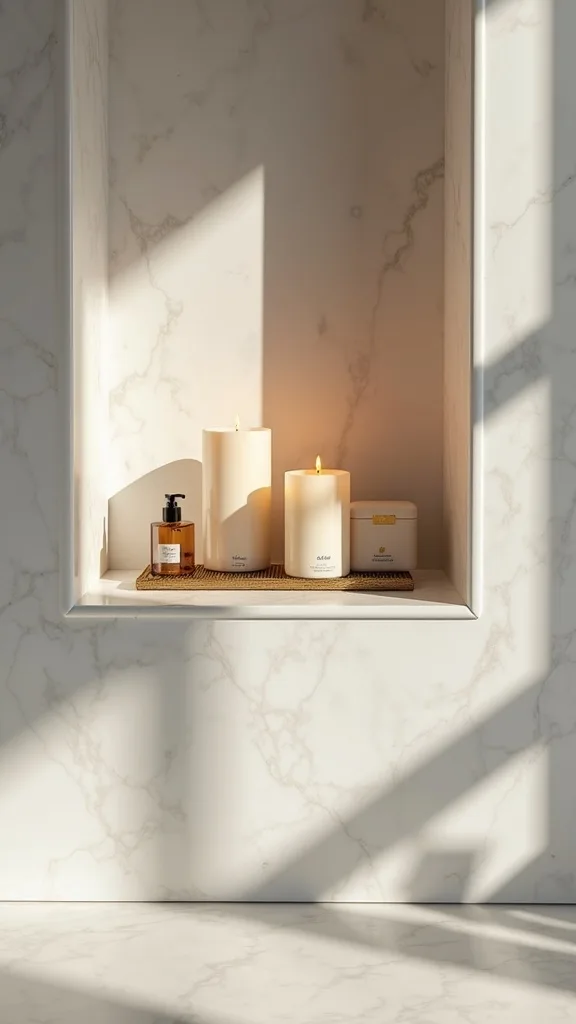
21. A Towel Warmer for Instant, Everyday Indulgence
In my opinion, a towel warmer is one of the most convincing upgrades you can make if you want the bathroom to feel truly high-end. I find that it turns a beautiful tub into an experience—especially on cool spring nights when you want comfort without heaviness.
I always start by choosing where it will live: close enough to the tub to reach easily, but not so close that it feels crowded. Then I decide whether I want a freestanding rack (easy upgrade) or a wall-mounted style (more integrated). If you’re renovating, I recommend planning the placement early so cords and outlets don’t disrupt the look.
Finishes I love: brushed brass for harmony with faucets, or clean white for a quiet, architectural feel. Pair with plush white towels for that hotel effect.
Pro tip: I always recommend warming your robe too—because luxury isn’t a single moment; it’s the way the room cares for you from start to finish.
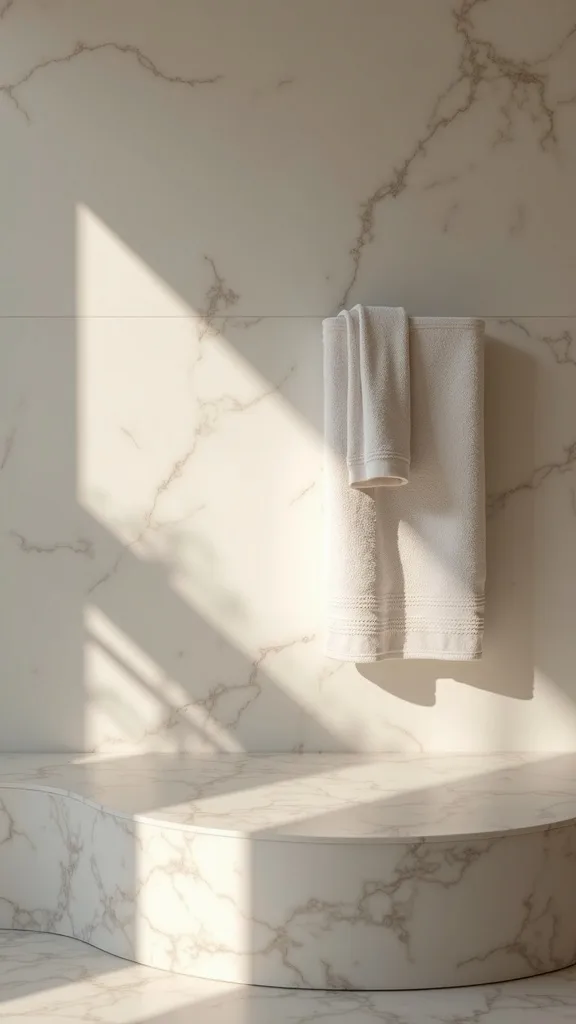
22. Aroma and Atmosphere: Spring-Specific Bath Ritual Styling
I find that spring luxury is about lightness—clean scents, gentle textures, and a feeling of renewal. When I design this look around a freestanding tub, I build a ritual that feels fresh rather than heavy or overly perfumed.
I always start by choosing one scent family and sticking to it: eucalyptus, soft citrus, or herbal florals. Then I keep the styling minimal—one candle, one bath soak, one body oil—so the room doesn’t feel like a product shelf. If you want greenery, I recommend a single stem in a vase or a small plant placed away from splash zones.
Materials that support the mood: clear glass, pale wood, white ceramics, and linen textiles. Brass accents add warmth so the space never feels sterile.
Pro tip: I always recommend storing backups out of sight—because the most sophisticated bathrooms feel like a sanctuary, not a supply closet, and that calm is the real luxury.
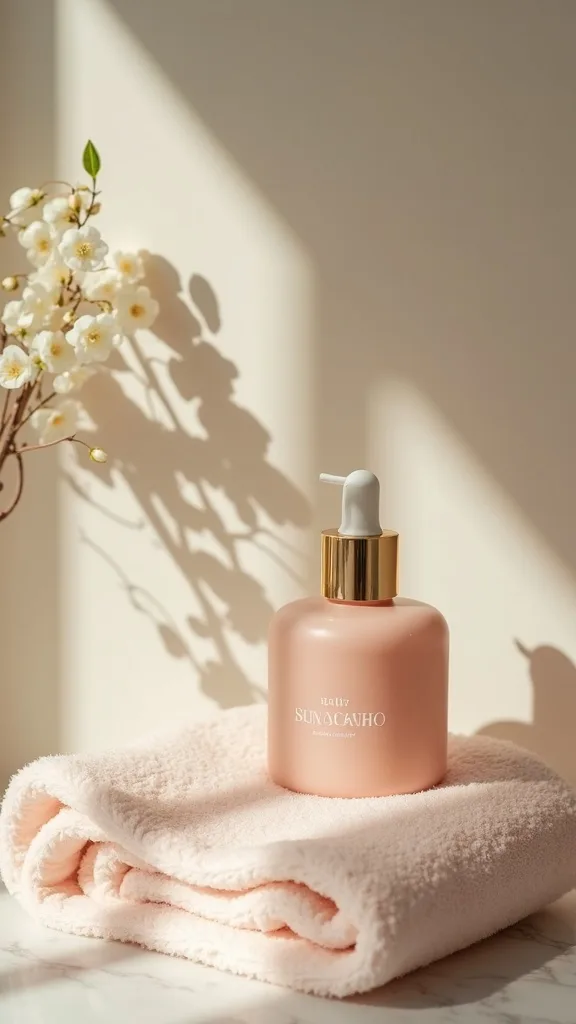
23. The Perfect Pairing: Freestanding Tub and a Minimal Vanity
From my experience, a freestanding tub looks most expensive when it’s paired with a vanity that doesn’t compete. I find that a minimal vanity—clean lines, quiet hardware, and thoughtful storage—lets the tub be the hero while still keeping the room functional.
I always start by choosing the vanity finish to complement the tub: warm white, pale oak, or a soft greige. Then I keep the countertop simple and durable, and I limit items on top to a soap dispenser and one small tray. If you’re renovating, I recommend a wall-mounted vanity to create more visible floor space, which makes the whole room feel larger.
For cohesion, I repeat brass in the faucet and pulls, and I echo marble subway tile nearby to tie everything together. A single sconce on each side of the mirror adds symmetry.
Pro tip: I always recommend prioritizing drawers over open shelves—because hiding the everyday is what keeps the room feeling calm, polished, and truly luxurious.
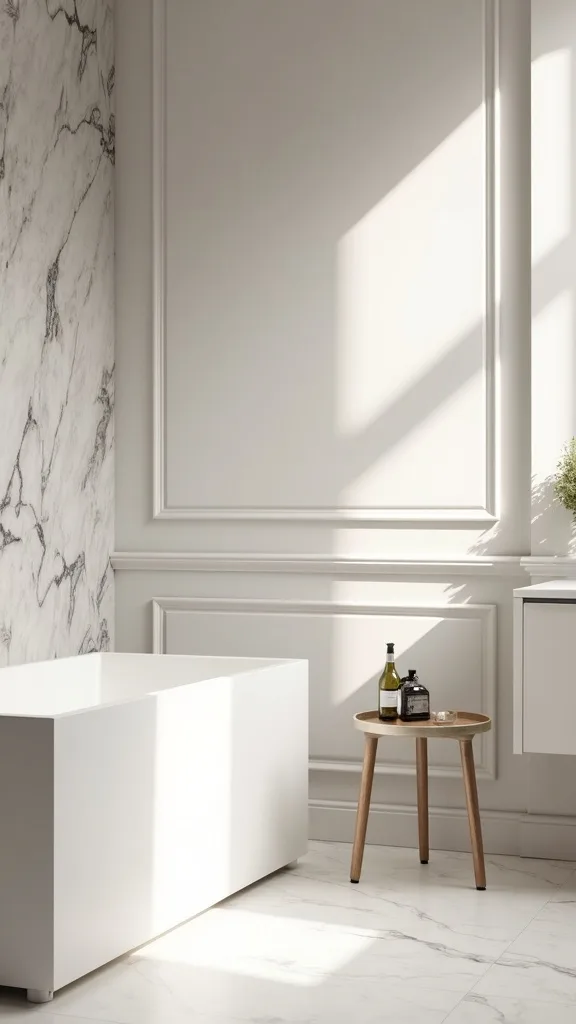
24. A Quiet Moment of Texture: Waffle Towels and Linen Robes
I find that texture is what makes a bathroom feel layered and expensive, even when the palette is mostly white. One of my favourite approaches is leaning into waffle towels and linen robes—materials that feel airy for spring and refined year-round.
I always start by choosing a towel set in a consistent tone (white, cream, or soft stone), then I add one contrasting texture rather than a contrasting color. Next, I display towels intentionally—rolled in a basket, folded on a shelf, or hung in a neat stack—so it feels like a hotel, not a laundry pile. If you want a little color, I recommend a single hand towel in muted sage or pale gray.
Materials I love: cotton waffle weave, linen-blend robes, and woven baskets in natural tones. Brass hooks look especially elegant against these soft textiles.
Pro tip: I always recommend buying fewer, better towels—because quality you can feel is the kind of luxury that never goes out of style.
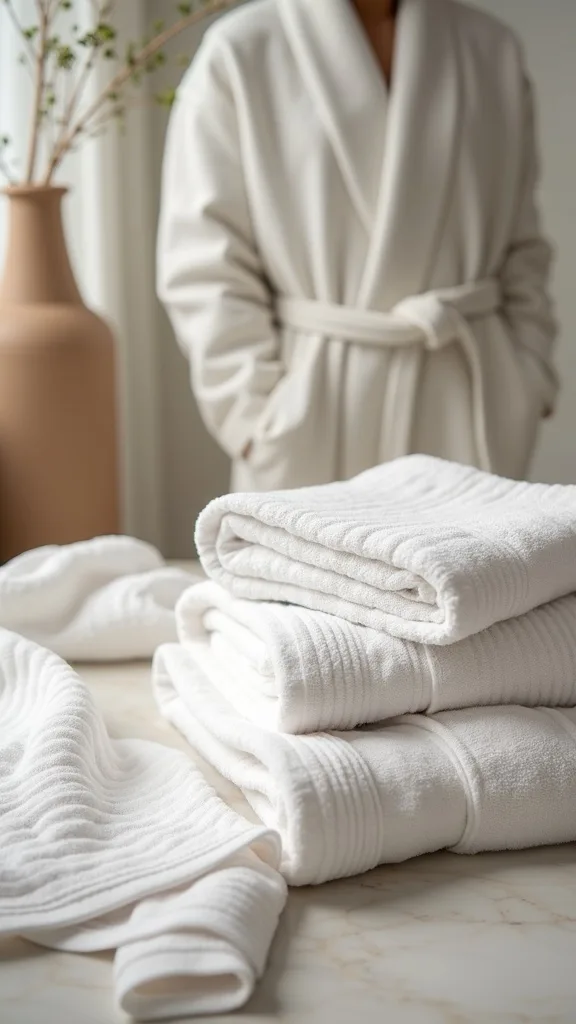
25. My Renovation Checklist for a Freestanding Tub That Feels Truly High-End
I always start by reminding myself that the most beautiful bathrooms are planned like a story: the tub is the main character, and every detail supports it. From my experience, the best bathroom renovation inspiration becomes real when you focus on comfort, proportion, and cohesion—not just individual products.
I always start by confirming placement and clearances, then I plan the faucet location so it feels perfectly aligned with the tub. Next, I choose my finish “trio” (matte white, brass, marble) and repeat it consistently across lighting, hardware, and accessories. If you’re renovating, I recommend deciding early on storage and lighting, because those two choices determine whether the room feels serene or stressful.
For materials, I lean on timeless surfaces: marble subway tile, warm white paint, and water-friendly wood accents like teak. I also like adding one personal touch—art, a sculptural vase, or a signature scent.
Pro tip: I always recommend taking one final step back and editing—because the most sophisticated rooms feel like they’re breathing, and that spacious calm is the ultimate luxury.
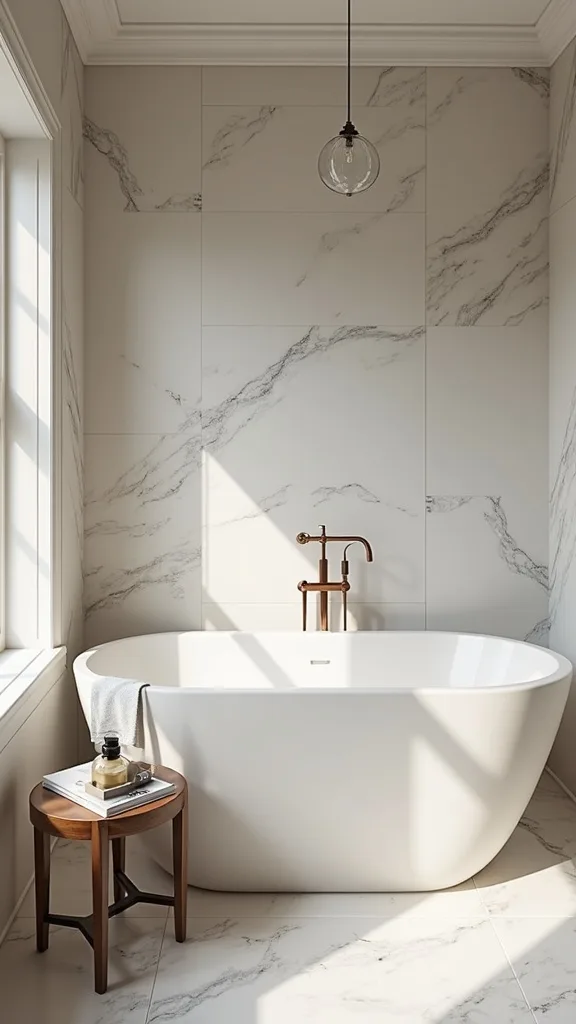
Final Thoughts
I find that the most unforgettable bathrooms aren’t the ones packed with trends—they’re the ones that feel like a daily invitation to slow down. When I build a scheme around a freestanding tub, I’m always chasing that springtime sensation of renewal: clean light on marble, the warmth of brass, and a tub silhouette that makes the room feel quietly important.
From my experience, the magic is in the mix of romance and restraint. If you choose one strong focal point (like a clawfoot or sculptural soaking tub), repeat your finishes with intention, and edit the accessories down to what you truly use, you’ll end up with a space that feels polished, personal, and genuinely restorative.
I always recommend starting with one upgrade you can feel immediately—better lighting, softer towels, a more thoughtful tub-side surface—then building outward as your budget allows. Luxury, in my opinion, is simply the art of making everyday rituals feel beautifully cared for.
Products I Recommend for This Project
Here are some of my favourite products to help you bring these ideas to life:
- Kingston Brass Vintage Freestanding Tub Faucet with Hand Shower (Brushed Brass) — I love how it delivers that floor-mounted, jewelry-like statement while making rinsing and cleaning feel effortless.
- YITAHOME Bamboo Bathtub Tray Caddy (Expandable) — I use a tray like this to keep the soaking-tub ritual elegant and contained, without cluttering the rim.
- Govee Smart Dimmable LED Bulbs — I like these for dialing in a softer mood with warm white light (2700K–3000K — the cosy, yellowish tone you see in most homes) when I want a spa feel.
- Gorilla Grip Original Luxury Bath Rug Mat — I recommend a plush, reliable rug to make stepping out of the tub feel instantly more high-end and comfortable.
- Amazon Basics Waffle Weave Cotton Bath Towels — I reach for waffle texture when I want that boutique-hotel look with a light, spring-ready feel.