
This post contains affiliate links. As an Amazon Associate, I earn from qualifying purchases at no extra cost to you.
Homework doesn’t fail because kids “won’t focus.” It fails because the house has no landing pad for papers, pencils, chargers, and half-finished math pages that need to be found again tomorrow.
This guide turns a garage wall into a calm, durable children study area that can handle backpacks, art projects, and real life. You’ll get layout moves, storage systems, and lighting choices that make the space feel intentional instead of improvised.
This is perfect for families who need a kids study space that doesn’t steal the kitchen table every night and still stays affordable.
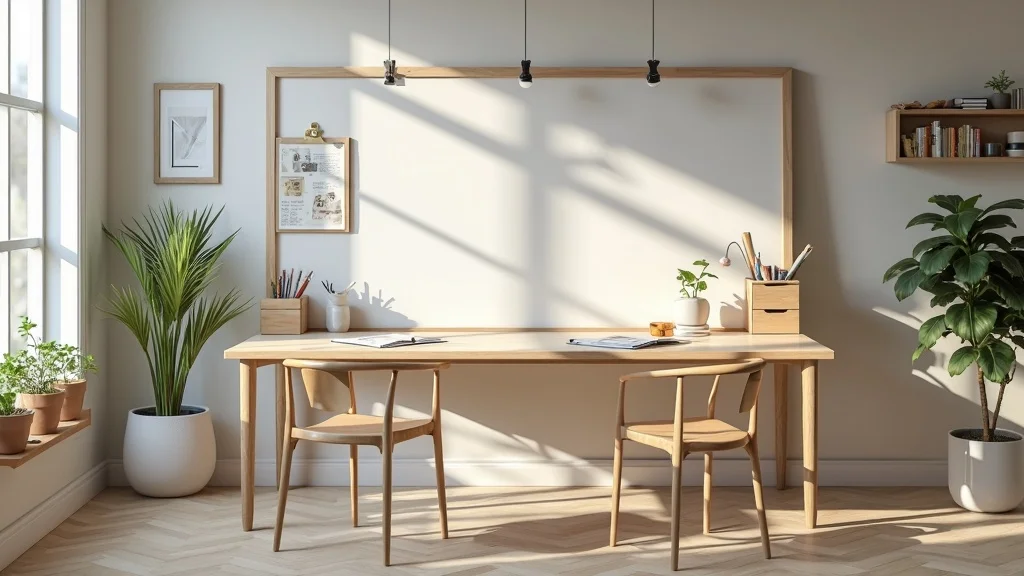
Inside you’ll see a two-seat table setup, a vertical art supply organization kids tower, a clip-up display for completed work, and small upgrades that make a basic surface feel like a proper homework desk kids can stick with.
Below are 25 Kids Homework Station & Study Space Ideas that turn an underused garage corner into a repeatable routine your kids can actually follow.
Products I Recommend for This Project
Here are some of my favourite products to help you bring these ideas to life:
- IKEA LAGKAPTEN Tabletop + ADILS Legs — A budget-friendly way to get a wide, wipeable work surface for two kids.
- IRIS USA 10-Drawer Rolling Storage Cart — A slim art supply tower that keeps crafts vertical and easy to sort by activity.
- mDesign Metal Desk Organizer Caddy (with handle) — A sturdy pencil holder caddy that lifts supplies off the table and makes cleanup fast.
- LEPOWER Metal Desk Lamp — Simple task lighting that makes garage studying feel like a real room.
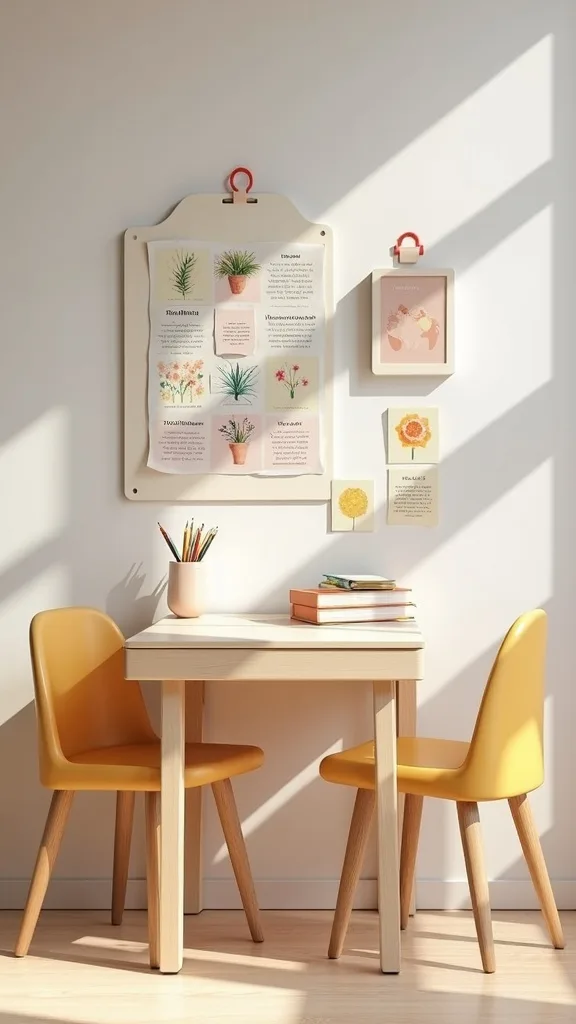
- Command Medium Utility Hooks — Quick, drill-free hooks for headphones, clipboards, and lightweight backpack accessories.
1. The two-seat table + caddy + tower + clip-up display wall
This is the backbone setup that stops nightly chaos. Two seats prevent “my turn” fights and the vertical pieces keep the tabletop empty for actual work.
Place a 48–60 inch table against a garage wall and center it under a simple display strip. Add a pencil holder caddy in the middle so both kids can reach it, then park a slim art supply tower at one end for paper, markers, and glue. Finish with a clip-up line (or a rail with clips) at kid eye level for completed work display so papers don’t pile up on the table.
Choose a white or light oak top for brightness, black metal legs for durability, and clear bins so kids can see what’s inside. Use a washable runner under the caddy to catch pencil shavings and stray paint.
Pro tip: label the tower shelves by activity—“color,” “cut,” “glue,” “turn in”—so cleanup becomes a quick sequence, not a negotiation.
2. Where should a homework station go in a garage?
The best spot is the wall that stays quiet, bright, and out of the car path. In a garage, that usually means the side wall closest to the door into the house, not the back corner where everything gets dumped.
Claim a 6-foot stretch of wall and treat it like a small room. Sweep it clean, patch obvious holes, and paint the lower half in a scuff-resistant satin so backpack rub marks wipe off. Keep the station at least 36 inches away from the garage door track so the space feels safe and predictable.
Use a neutral wall color that bounces light—soft white or pale greige—then warm it with a textured rug under the table. Add one wall hook per child for headphones and a light jacket so the table stays clear.
Pro tip: avoid placing the table directly under a shelf loaded with heavy bins. The visual weight overhead makes kids tense, and it turns the station into a storage afterthought instead of a real kids study space.
3. How do you set up a kids study space on a tight budget?
Budget wins come from buying fewer, sturdier pieces and assigning every item a job. A clean surface, a decent chair, and controlled supplies beat a Pinterest wall of tiny containers every time.
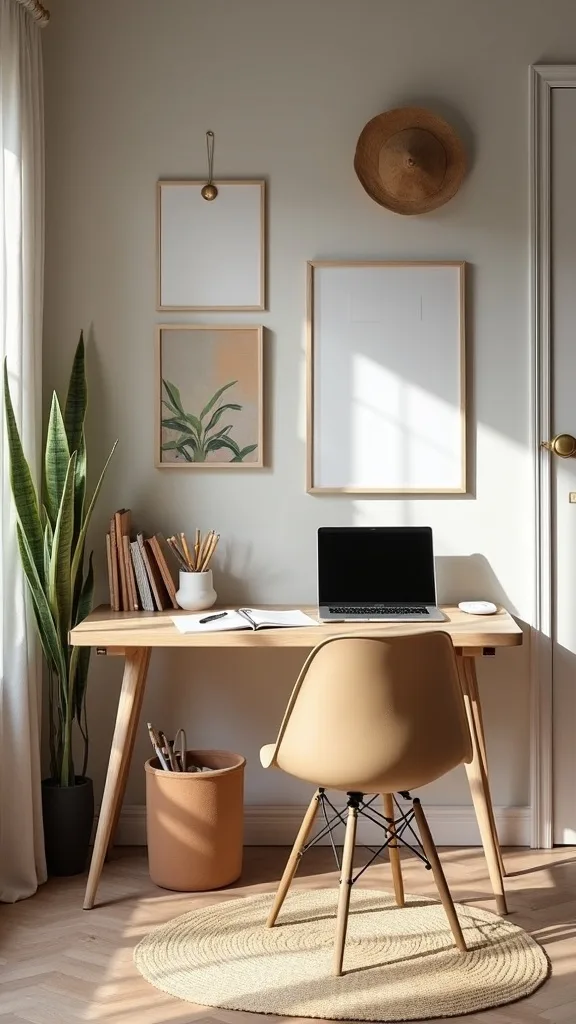
Start with a basic folding table or an IKEA-style desk and upgrade it with one add-on: a clamp-on task lamp. Use a single lidded bin for “school papers” and one open tray for “today,” then store both on a $20 wall shelf above the table. Keep the center of the tabletop empty except for a pencil caddy and a timer.
Choose a cheap cotton rug for softness and sound, and add peel-and-stick floor protectors under chair legs so scraping doesn’t become the nightly soundtrack. Stick to two colors—wood + white, or black + white—for instant order.
Pro tip: avoid buying organizers before you sort supplies. Organizers should fit your categories, not force your kids into random compartments.
4. What size table works for two kids doing homework together?
Two kids need elbow room or the whole thing falls apart. A table that’s too small turns into bumping, whining, and papers sliding onto the floor.
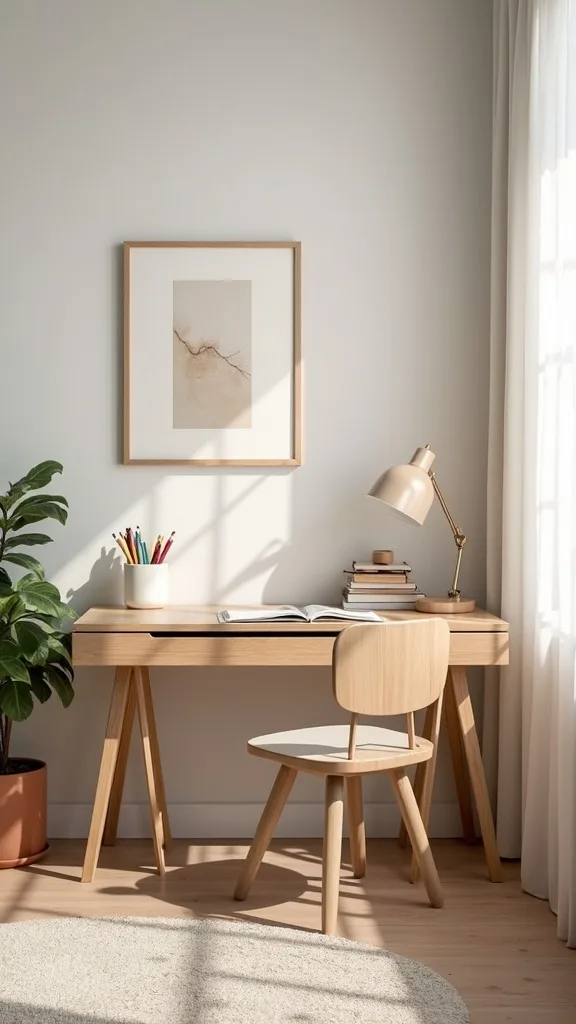
Aim for 48 inches wide minimum, with 24 inches of depth so notebooks and a Chromebook can sit side by side. If you can go to 60 inches, do it—especially for older kids who spread out. Mark each side with a subtle boundary: a thin desk mat or a woven placemat that signals “your zone.”
Choose a top that wipes clean and doesn’t glare under a lamp. Light wood grain hides pencil smudges, while matte white keeps the station bright in a garage that might feel dim.
Pro tip: avoid a thick farmhouse plank top with deep grooves. Those grooves trap eraser crumbs and glitter, and you’ll feel it every time you try to clean fast on a school night.
5. How do you make garage homework lighting feel like a real room?
Lighting is the difference between “punishment corner” and a place kids choose. Garages often have one harsh overhead bulb that flattens everything and makes eyes tired.
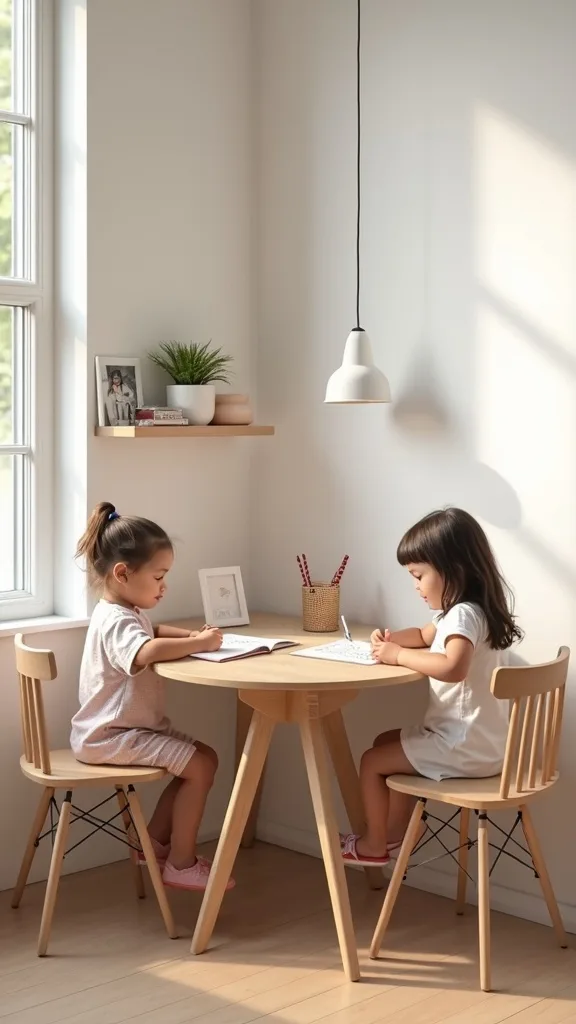
Layer the light. Keep the overhead on for general brightness, then add a task lamp at each seat with warm white light (2700K–3000K — the cosy, yellowish tone you see in most homes). Aim the lamp so it hits the paper, not the child’s eyes, and tuck cords along the wall with adhesive clips so feet don’t snag them.
Pick lamps with simple shades—white metal or linen—so they reflect light back down. If the ceiling light is painfully cool, swap the bulb to a warmer tone so the whole kids study space feels calmer.
Pro tip: avoid relying on one super-bright bulb. Comfort comes from even light, not glare, and kids will last longer when the light feels steady.
6. What’s the simplest paper-control system that actually works?
Papers don’t need a complex filing cabinet. They need a clear path: in, active, done, and out of the house.
Mount two wall pockets or magazine files above the table labeled TO DO and TURN IN. Add a slim clipboard for each child and hang them on hooks—today’s worksheet lives there, not under a cereal bowl. Then install a clip-up line for finished work you want to keep for a week before recycling or filing.
Use kraft paper folders in two colors so each kid has a visual cue. Keep a small stapler and a tape runner in the pencil caddy so multi-page packets stay together.
Pro tip: avoid letting “keepsake” papers mix with school paperwork. Give art a separate portfolio sleeve so homework stays fast and functional.
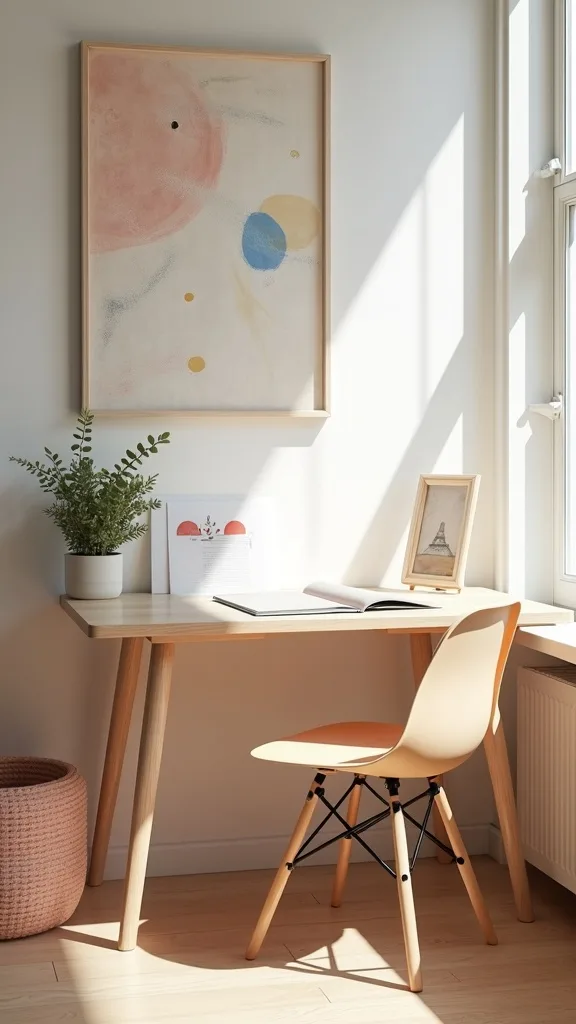
7. How do you organize art supplies for kids without a mess?
Art supplies explode when everything is stored by object instead of by activity. Kids don’t think “markers belong here.” They think “I’m coloring.”
Build your art supply organization kids around four bins: Color, Cut, Stick, and Paint. Put them in a vertical tower so the footprint stays small, and keep only one “special” bin (glitter, beads, sequins) on a higher shelf that requires permission. Add a roll of kraft paper in the bottom of the tower for quick table coverage.
Use clear, lidded containers for paint and glue so they don’t leak. Choose a tower in white or light gray so it reads like furniture, not garage storage.
Pro tip: avoid open-top baskets for markers. They tip, they dry out, and they end up under the table. Upright cups inside a lidded bin keep caps on and colors visible.
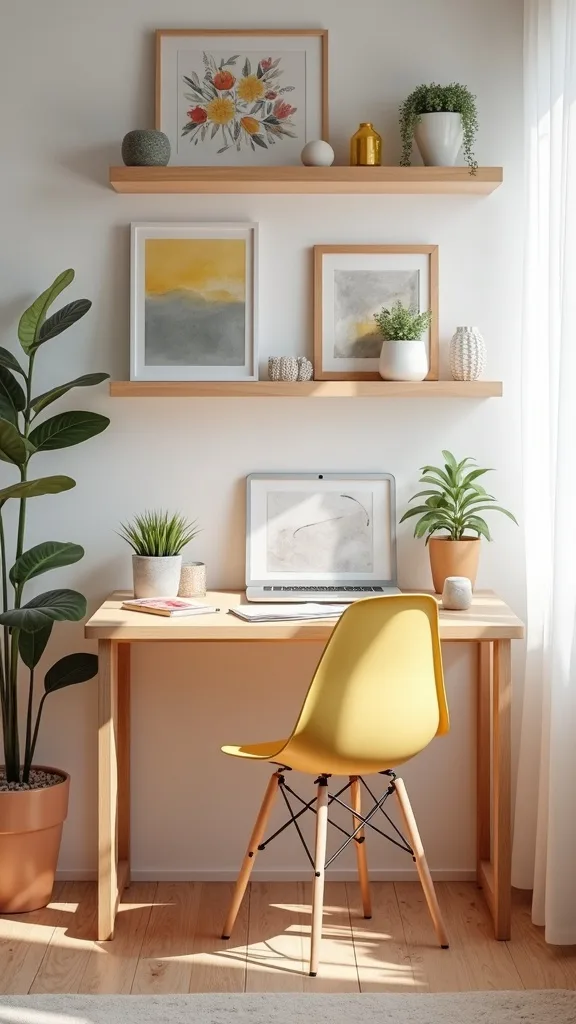
8. Can a pegboard be a kids study space win (and not look cluttered)?
A pegboard works when it’s treated like a tool wall, not a junk wall. It keeps essentials vertical and off the tabletop, which is the whole point of a homework zone.
Hang a 2×4-foot pegboard above the table and assign zones: writing tools on the left, scissors and ruler in the middle, headphones and charging cable on the right. Add two small peg cups for pencils and dry-erase markers, and one shelf for a timer and a small speaker for quiet background music.
Paint the pegboard the same color as the wall for calm, then choose matching white hooks and cups for a clean look. Keep negative space. Empty holes are allowed.
Pro tip: avoid hanging every craft tool you own. Limit the pegboard to daily-use items so the wall stays readable and kids can reset it in under two minutes.
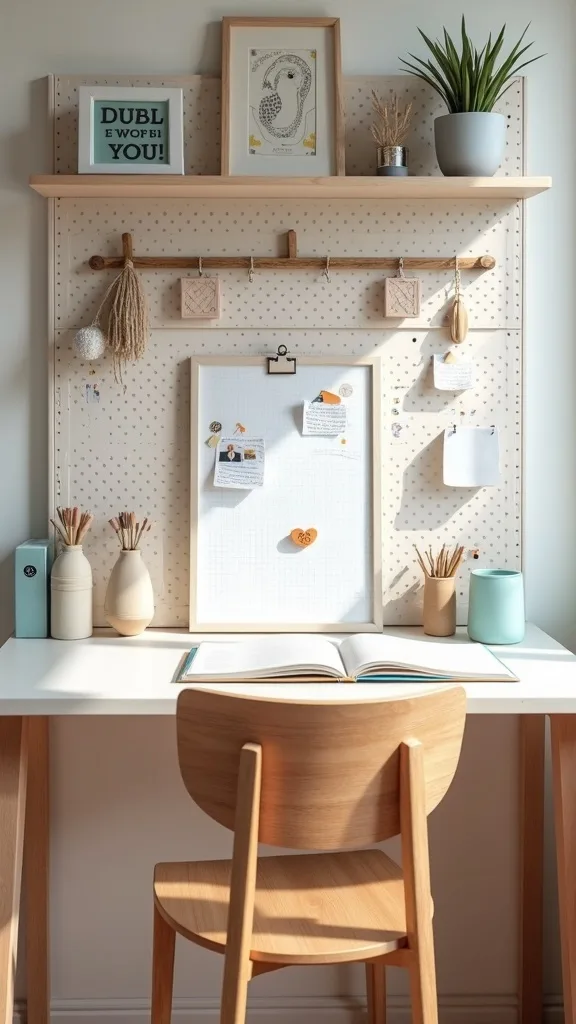
Cost & Materials Estimate
A functional two-kid garage homework station typically lands between a simple budget setup and a more finished, storage-heavy build.
| Item | Estimated Cost | Where to Buy |
|---|---|---|
| 48–60 inch table or desk | $55–$160 | IKEA / Amazon |
| 2 sturdy chairs (wipeable seats preferred) | $70–$180 | Walmart (online) / Amazon / IKEA |
| Rolling 10-drawer cart or slim art supply tower | $45–$110 | Amazon / Wayfair |
| 2 task lamps (warm white light bulbs if needed) | $30–$90 | Amazon / Home Depot |
| Clip-up display line/rail + clips | $12–$35 | Amazon / Home Depot |
| 5×7 flat-weave rug (indoor-outdoor) | $45–$130 | Wayfair / Lowe’s |
Total estimated cost: $257–$705 Save money by using a basic table and adding better lighting; splurge on chairs because comfort is what keeps kids seated.
9. How do you handle devices and chargers at the homework station?
Chargers on the floor are a guaranteed trip hazard. They also turn into a nightly scavenger hunt that delays homework before it starts.
Mount a power strip under the table with screws or strong adhesive strips and route cords through a simple cable tray. Add one labeled charging box on the tabletop edge—phones go in during homework, not beside the worksheet. If your kids use tablets, store them vertically in a file holder so screens aren’t stacked and scratched.
Choose a neutral charging box in black or white so it blends with the station. Add a small analog clock so kids aren’t checking the time on a screen.
Pro tip: avoid letting the station become an entertainment dock. Keep charging for school devices only, and park gaming controllers somewhere else entirely.
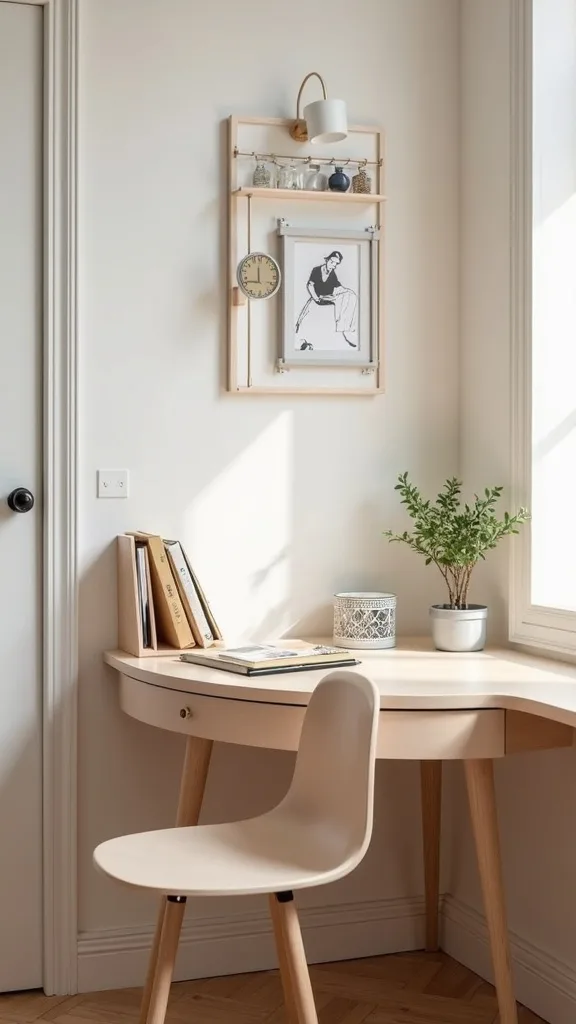
10. What flooring makes a garage homework area feel finished?
Cold concrete drains the comfort out of any children study area. A soft layer underfoot makes the space feel like part of the home, not a temporary setup.
Start with an indoor-outdoor rug in a flat weave so chairs slide without catching. Choose a 5×7 size to fit under the table and both chairs, with at least 12 inches of rug showing on all sides. If the garage gets damp, add a rug pad designed for hard floors to prevent slipping.
Go for a medium-tone pattern—thin stripes or a small grid—to hide pencil crumbs and tracked-in dust. Keep the palette quiet so the wall display and schoolwork stand out.
Pro tip: avoid shag rugs here. They trap paper scraps and eraser bits, and they make chair legs wobble, which triggers fidgeting.
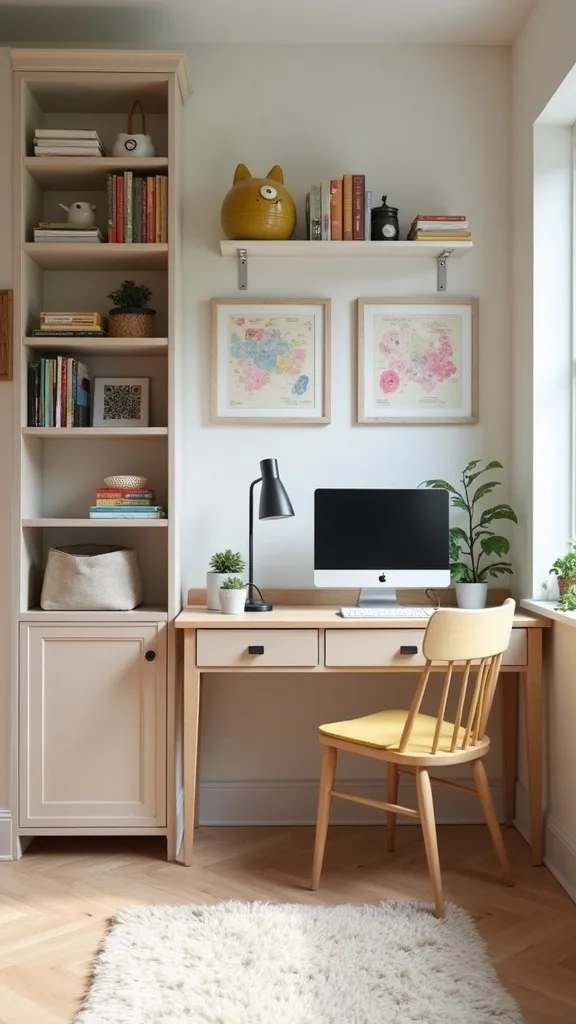
11. How do you create boundaries in a shared garage space?
Kids focus faster when the space has a clear edge. In a garage, boundaries also protect school supplies from becoming “available” for every project and repair.
Define the station with a painted rectangle on the wall or a simple panel of beadboard behind the table. Add a narrow shelf above the display line for only school-related items—dictionary, calculator, extra notebooks. Keep garage tools and sports gear on the opposite wall so the visual noise doesn’t bleed into the study zone.
Use one consistent material across the station, like light wood shelves and white bins. That repetition makes the corner feel designed.
Pro tip: avoid storing paint cans or strong-smelling chemicals anywhere near the kids study space. Odors distract, and it’s not worth the exposure in a spot where kids sit for an hour.
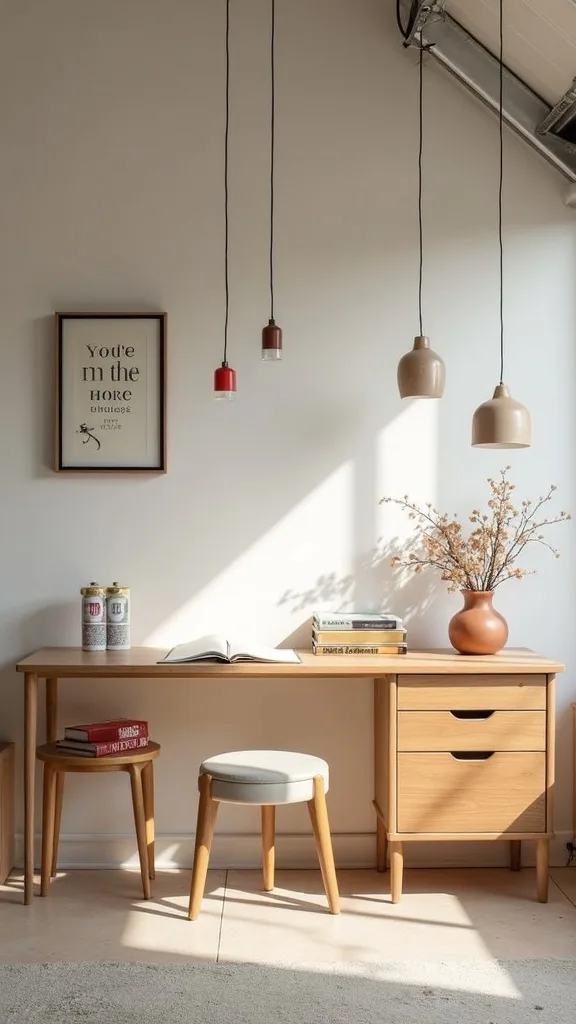
12. What wall display keeps kids motivated without looking messy?
A good display celebrates effort and keeps paper moving forward. The wrong display becomes a permanent collage that nobody reads.
Install a simple clip-up line or a curtain rod with rings and clips. Dedicate one section per child, then add one “current goals” clip for spelling words or a math formula sheet. Clear it weekly. When new work goes up, old work goes into a portfolio or gets recycled—no exceptions.
Use natural wood clips for warmth against a painted wall. Add one small frame for a rotating “favorite piece” so the display feels curated, not chaotic.
Pro tip: avoid taping papers directly to the wall. Tape peels paint, curls corners, and trains kids to treat work as disposable clutter instead of something they can finish and file.
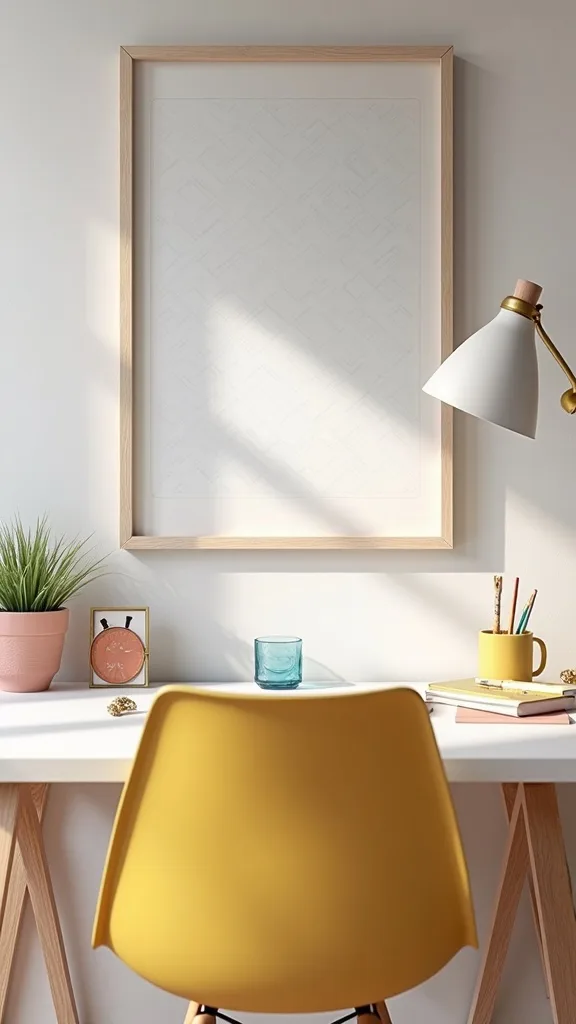
13. How do you choose chairs that survive real kid use?
Chairs matter more than the desk. If the chair is uncomfortable, kids will sprawl, slide, and quit early.
Pick sturdy dining-style chairs with a wipeable seat or add a washable seat pad tied to the back. For younger kids, use a footrest (even a simple wooden step stool) so feet don’t dangle. Keep chair height consistent so shoulders stay relaxed over the table.
Choose black metal or sealed wood legs that can handle garage grit. Add felt pads so the scraping sound doesn’t become a daily irritation.
Pro tip: avoid cheap swivel office chairs in the garage station. They invite spinning, they collect dust in the wheels, and they turn “sit down” into a whole separate battle.
14. How do you build a homework routine into the space?
The room should cue the habit. When the station signals “start here,” kids waste less time negotiating where and when to work.
Keep a small routine board on the wall: Hang backpack, set timer, do hardest subject first, pack folder. Store a kitchen timer in the pencil caddy so it’s always visible. Add one lidded bin labeled “after-school drop” where permission slips land the second kids walk in from the house door.
Use a chalkboard or whiteboard in a simple frame so it looks like decor, not classroom leftovers. Keep the writing to five lines max.
Pro tip: avoid changing the station’s layout every week. Consistency is the design. Kids relax when they know exactly where the eraser lives.
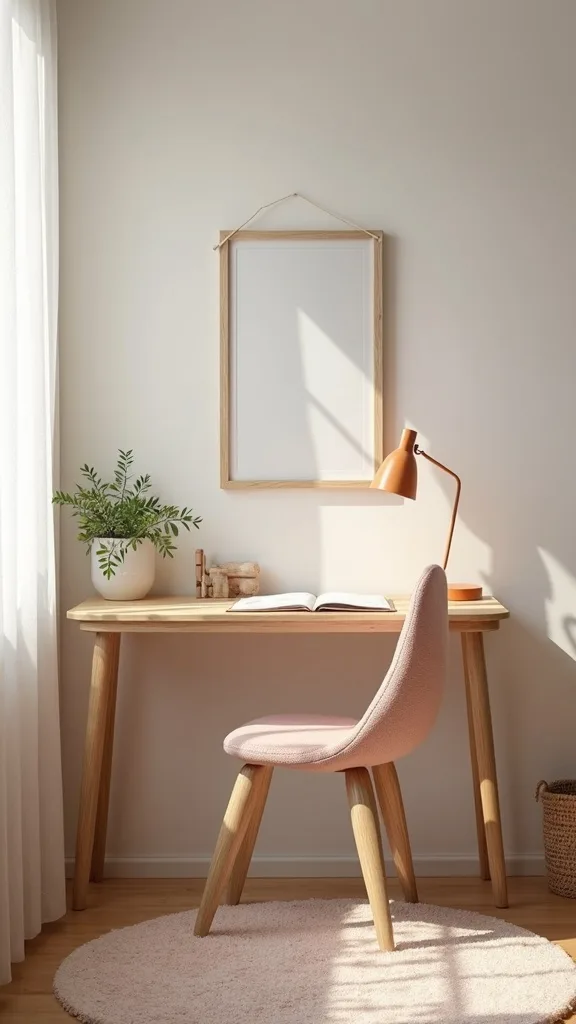
15. What’s the best way to store textbooks and notebooks in a garage?
Books need vertical storage and a dry, predictable spot. Stacking them on the table turns the workspace into a pile before homework even starts.
Add a low bookcase or cube shelf beside the table and assign one cube per child. Stand books upright with bookends so spines are readable. Use one waterproof bin on the bottom shelf for backups—extra notebook paper, replacement glue sticks, spare pencils—so you don’t run to the store mid-week.
Choose bins with lids if your garage gets dusty. Keep colors neutral and labels bold for quick scanning.
Pro tip: avoid storing paper directly on the floor of the garage shelf. Even “dry” garages have humidity swings, and paper curls fast when it sits low and exposed.
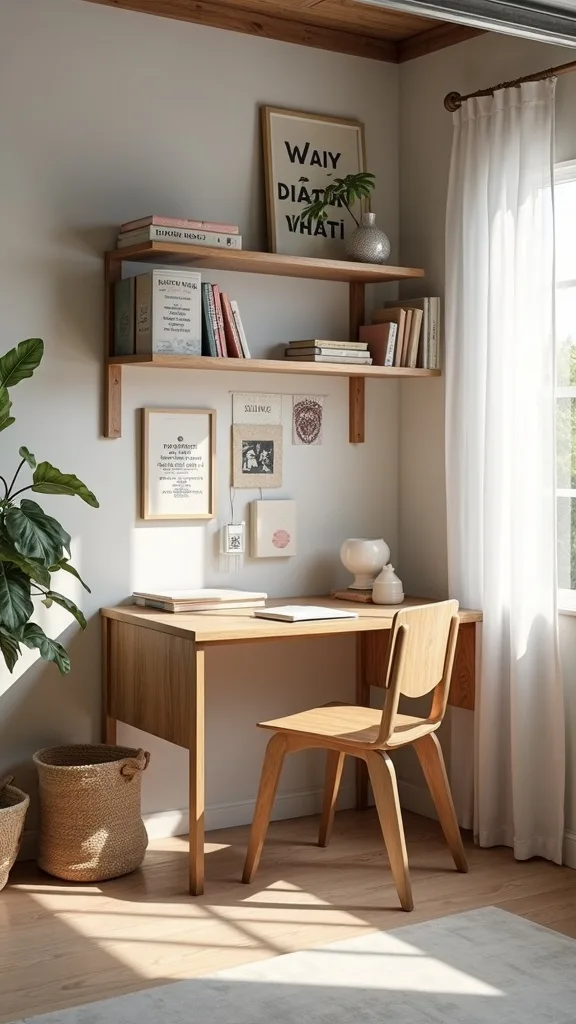
16. How can you make a small garage corner feel cozy for studying?
Cozy is not fluff. Cozy is what keeps kids at the table long enough to finish, especially when the garage feels echoey.
Soften the edges with one textile layer: a flat-weave rug and two seat cushions in a durable canvas. Add a simple curtain panel on a tension rod if the station faces open shelving; it hides visual clutter in seconds. Keep one small basket for a throw blanket for winter homework sessions when the slab floor feels cold.
Choose warm neutrals—sand, cream, muted navy—so the corner reads calm. Keep patterns small and repeatable.
Pro tip: avoid over-decorating with pillows and plush. They collect dust in a garage and steal the clean lines that make the station feel like a purposeful work zone.
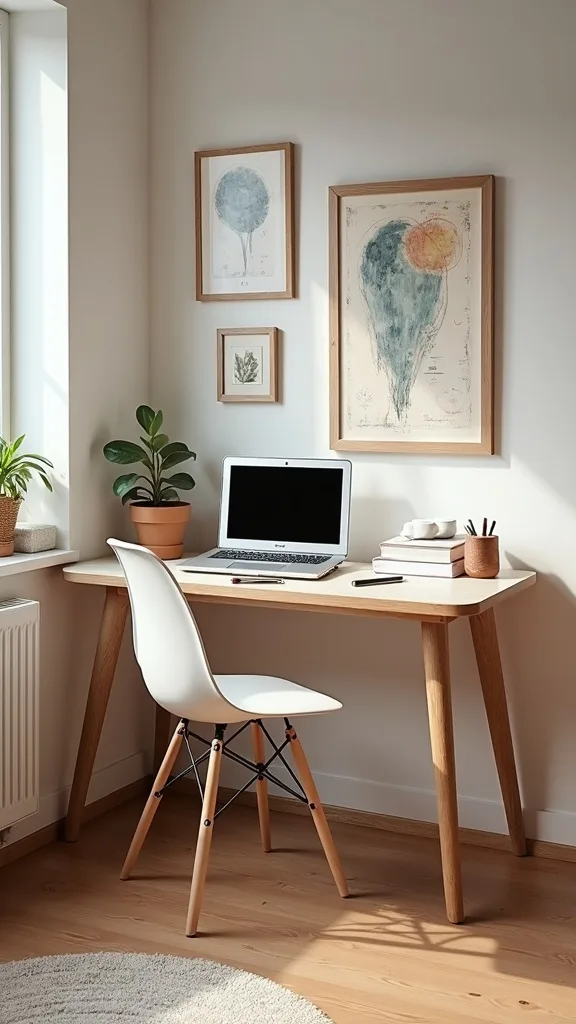
17. How do you add greenery safely in a garage study area?
A touch of green makes the space feel alive, even in a utilitarian garage. The trick is choosing plants that tolerate lower light and won’t become a spill hazard.
Place one pothos or snake plant on a high shelf away from papers, or use a small faux plant if your garage runs hot or cold. If you go real, keep it in a heavy ceramic pot with a saucer so it won’t tip when a backpack swings by. Water it on a set day so it doesn’t become a surprise puddle under the table.
Choose a planter in matte white or terracotta for warmth against garage surfaces. Keep it to one plant so it feels intentional.
Pro tip: avoid tiny glass vases or narrow pots. Kids bump them, water spills, and suddenly your homework desk kids rely on is a damp mess.
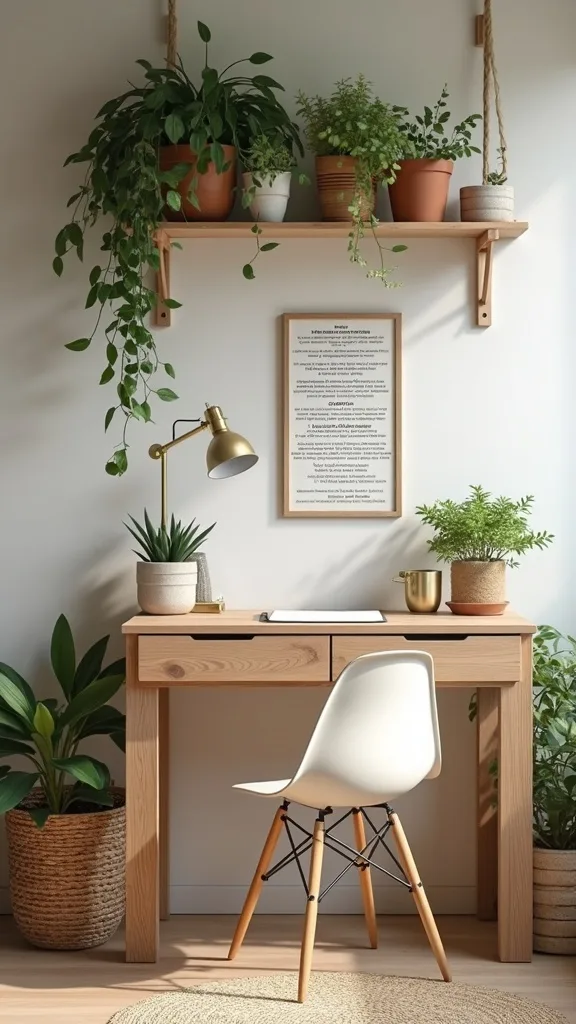
18. What should you avoid putting on the desktop?
The desktop should feel like a runway, not a storage shelf. Visual clutter triggers distraction before the first pencil hits paper.
Keep only three things on the surface: the pencil caddy, a timer, and a small tray for “today’s” assignment. Everything else lives vertically—pegboard, tower, wall pockets, or shelf. If you need a reference chart, hang it on the wall and keep the table for writing and reading.
Choose one tray in a durable material like melamine or metal so it wipes clean. Keep the caddy low so sightlines stay open.
Pro tip: avoid leaving last night’s work out “to finish later.” Put it in the TO DO pocket. The table should reset to zero every evening so starting tomorrow feels easy.
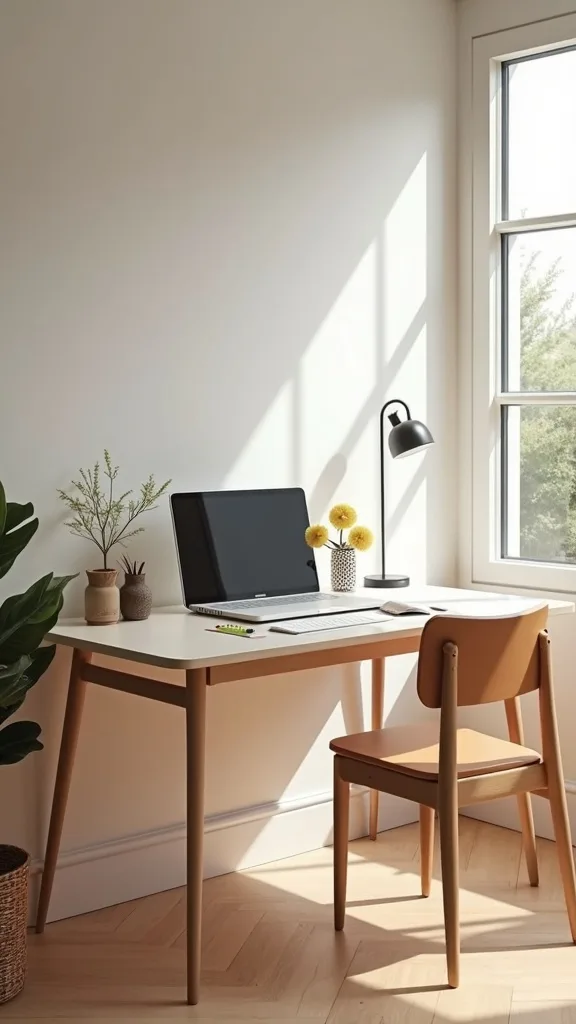
19. How do you make a garage station work for both homework and art?
Homework needs calm. Art needs freedom. You can serve both by switching surfaces, not by mixing supplies on the same plane.
Store a roll-up desk mat or a sheet of corrugated plastic in the tower. Homework happens on the bare table; art happens on the mat. Keep a separate art caddy that comes out only during art time, then returns to the tower so the homework setup stays intact.
Choose a dark desk mat for paint days and a light one for marker days so kids can see what they’re doing. Add a small lidded cup for water and a microfiber cloth for quick spills.
Pro tip: avoid using loose newspaper as your “art layer.” Ink transfers, pages slide, and kids end up feeling like the whole station is disposable instead of cared for.
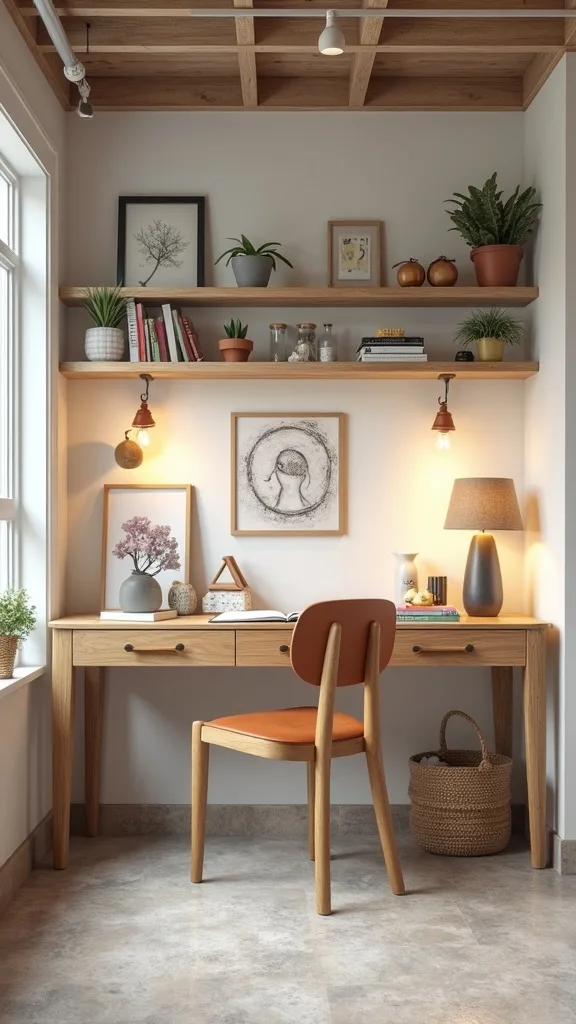
20. How do you handle noise and echoes in a garage kids study space?
Garages bounce sound. That echo makes reading out loud and concentrating feel harder than it should.
Add soft surfaces in strategic places: a rug, fabric seat pads, and one set of thick curtains if you have a window. If there’s no window, hang a textile panel—like a large canvas drop cloth—on a curtain rod behind the table to absorb sound and visually warm the wall. Keep headphones on a hook for audio lessons, but don’t default to them for everything.
Choose textiles in mid-tone colors that hide dust. Washable is non-negotiable in a garage setting.
Pro tip: avoid playing TV audio “for company.” Background dialogue competes with reading and math in a way music doesn’t, and kids will drift toward the sound every time.
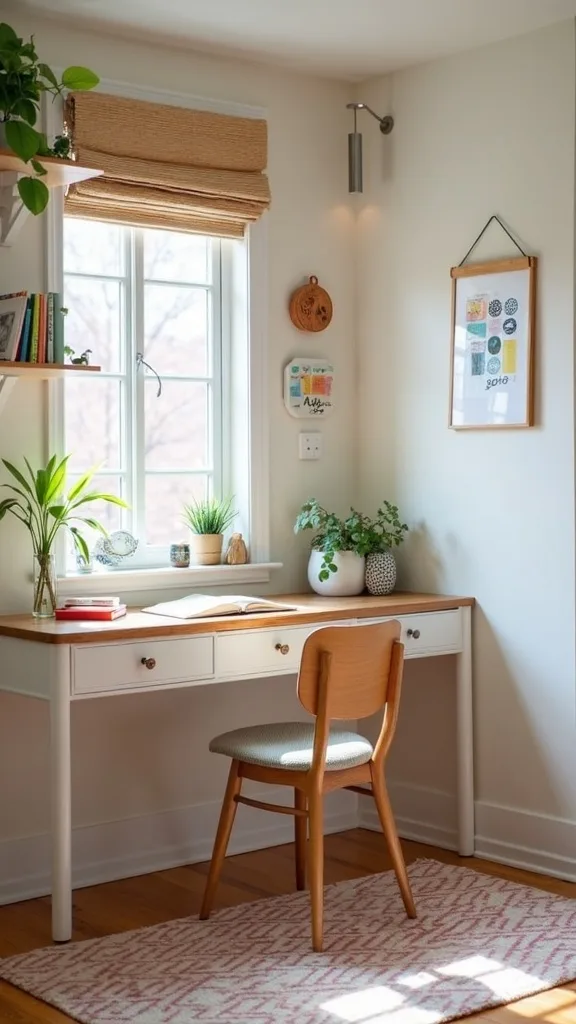
21. What’s a smart way to store backpacks and lunchboxes near the station?
Backpacks on the floor become obstacles, and they drag dirt into the study zone. A dedicated drop point keeps the homework corner clean and keeps mornings faster.
Install a row of sturdy wall hooks 50–54 inches from the floor so kids can reach them. Add a narrow bench or a shoe shelf underneath for lunchboxes and water bottles. Put a small tray on the bench for library books and return items so they don’t land on the homework table.
Choose hooks in matte black for durability and a bench in sealed wood that wipes clean. Add name labels directly above each hook for instant ownership.
Pro tip: avoid open baskets for backpacks. Kids shove bags in sideways, papers crumple, and you end up re-sorting every Friday.
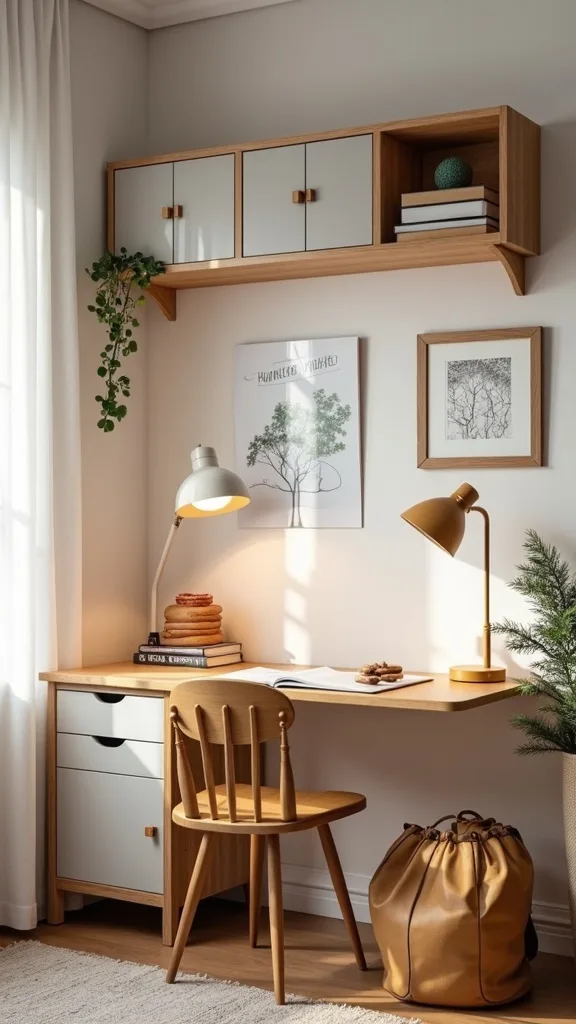
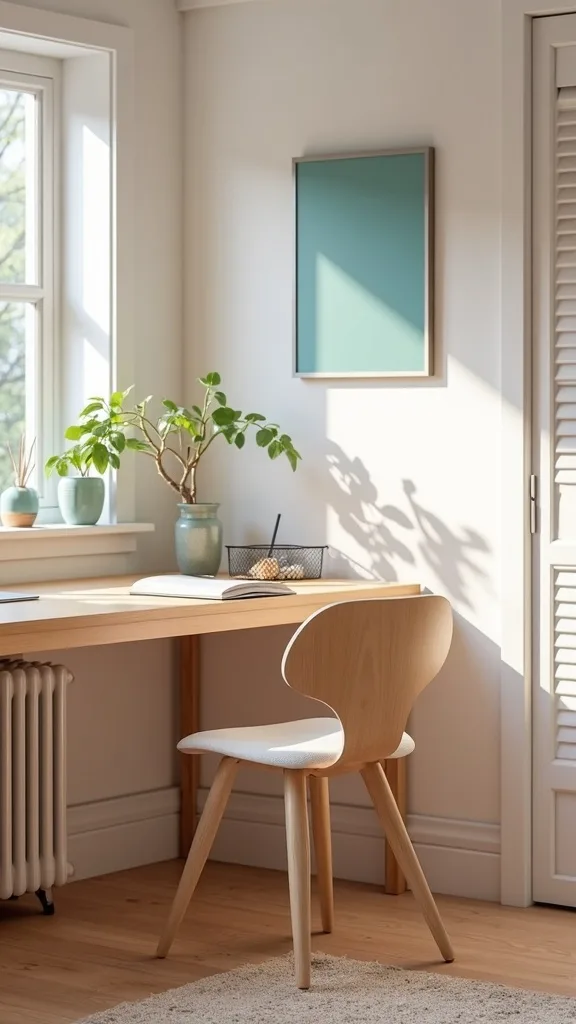
22. How do you make the station feel ‘grown up’ for older kids?
Older kids resist anything that feels babyish. A more mature setup keeps them using the space instead of retreating to the bed with a laptop.
Swap bright bins for neutral storage and add one cork strip for notes instead of cartoon boards. Use a slim desk shelf riser to lift a monitor or laptop and create a spot underneath for notebooks. Add a simple metal letter tray for assignments and a dedicated pen cup for black pens and highlighters only.
Choose charcoal, white, and light wood for a clean palette. Add one framed print with typography or a map for visual interest without silliness.
Pro tip: avoid motivational posters with loud slogans. Teens tune them out. One calm, well-framed piece of art does more to set the tone.
23. How do you keep siblings from mixing supplies?
Shared stations fail when ownership is fuzzy. Kids need their own “home base” within the shared footprint.
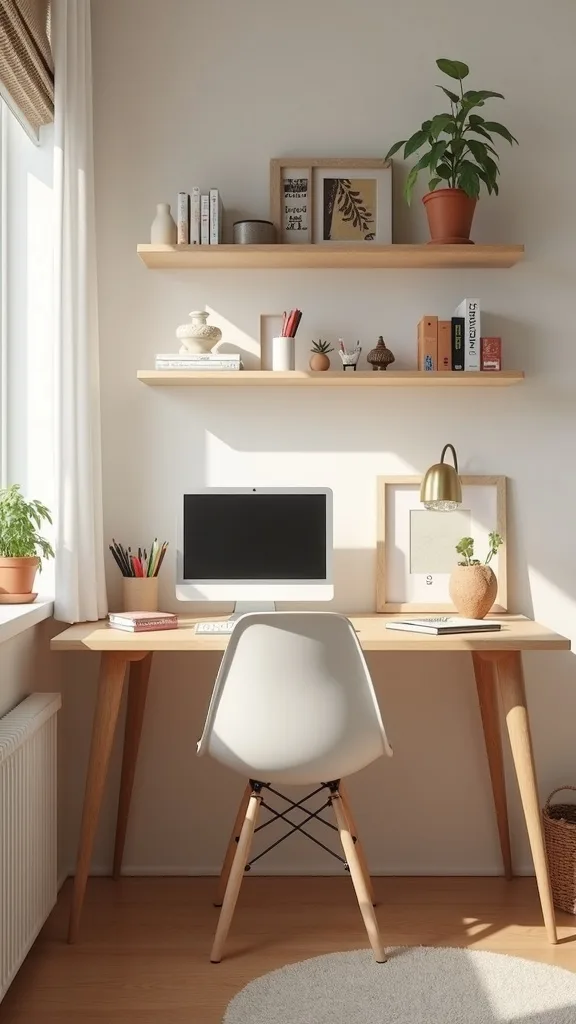
Give each child a labeled drawer bin or a zip pouch that lives in the tower. One side of the table gets one color desk mat; the other side gets a different color. Put shared supplies in the center caddy—pencils, erasers, glue sticks—and keep personal items off-limits unless asked.
Use bold label tape and keep the labels on the front edge where kids see them from standing height. Stick to two colors only so it stays clean.
Pro tip: avoid sharing scissors. It sounds small, but it’s the fastest way to spark conflict. Buy two pairs and end the drama permanently.
24. How do you reset the station in five minutes each night?
The nightly reset is the secret to a station that lasts past September. A clean start tomorrow depends on a simple, repeatable closing routine tonight.
Set a five-minute timer. Papers go into TO DO or TURN IN. Pencils go back into the caddy. Trash goes into a small lidded can beside the tower. Wipe the table with a damp microfiber cloth and roll the desk mat back into the tower if it was used for art.
Choose a trash can with a foot pedal so kids don’t touch the lid with gluey hands. Keep one hook for the cloth so it’s always visible.
Pro tip: avoid “reset later.” Later never comes on school nights. Make the reset the last step before snack or screen time so it becomes automatic.
25. What’s the one upgrade that makes it feel designed, not temporary?
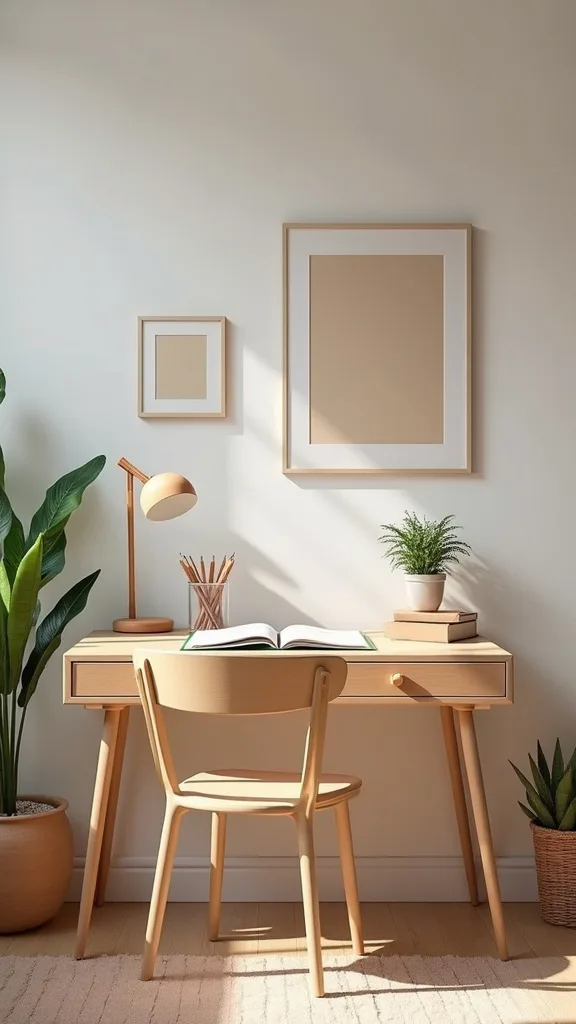
A station feels designed when the wall behind it has intention. One continuous backdrop pulls the pieces together and makes the corner read like a room.
Add a simple painted arch or a rectangular color block behind the table, about 60 inches wide and 48 inches tall. Center the two-seat table within that shape, then mount your clip-up display line across the top third. The color block becomes a visual frame for the kids study space and instantly hides minor garage wall imperfections.
Choose a muted color that plays well with school supplies—dusty blue, soft sage, or warm greige. Keep the rest of the wall plain so the station stays crisp.
Pro tip: avoid picking a super-saturated color that fights with bright folders and crayons. A quiet backdrop makes the daily mess feel smaller and the work feel more important.
Final Thoughts
A garage can be the most reliable study zone in the house because it doesn’t compete with dinner, TV noise, or the constant pull of the kitchen. Give it bones that don’t move: a two-seat table, vertical storage, and a paper path that goes from TO DO to TURN IN without detours.
Skip the clutter that looks productive but blocks the work. Choose wipeable surfaces, warm lighting, and one display line that makes progress visible. The real win is not a picture-perfect corner. It’s a week where you don’t lose a worksheet.
Do this today: clear one 6-foot garage wall, place the table, and hang a clip-up line at kid eye level—then set a five-minute timer tonight and reset the station to zero. Styling tip: paint a 60-inch-wide color block behind the table in soft sage so the whole corner reads finished in one stroke.
What I’d Do Differently
When I first tried this, I treated the garage homework corner like a storage problem instead of a routine problem. I bought three different organizers, lined them up on the table, and felt accomplished—until Monday night hit. My kid couldn’t find the one pencil that wasn’t broken, papers slid under bins, and the “organizers” became the mess. The specific mistake was putting too much on the desktop. The correct approach is ruthless: keep the tabletop nearly empty and push storage vertical, then give papers a two-pocket system so nothing drifts.
I also wish I’d installed the completed-work clip line on day one. Seeing finished pages up on the wall changed the mood instantly, and it kept the table clear without me nagging. If you do one thing before school starts, mount the clips, set out the caddy, and run a five-minute reset tonight so tomorrow begins clean.