
This post contains affiliate links. As an Amazon Associate, I earn from qualifying purchases at no extra cost to you.
Those Pinterest-perfect kitchens are gorgeous… and also kind of suspicious. Nobody’s counter stays empty when you’re packing lunches, rinsing berries, and trying to find the one measuring spoon that always vanishes. If your small kitchen feels “messy” when it’s really just “busy,” you’re not alone.
This guide is all about kitchen organization that fits real life and real budgets: upcycled DIY fixes, dollar store finds that actually hold up, and a few Amazon Basics-style helpers that earn their keep. You’ll see where to spend $10 for a tool that replaces three gadgets, and where a free shoebox is honestly the best bin you own.
This is perfect for renters, first apartments, busy families, and anyone who needs their kitchen to work harder without a remodel.
Inside, you’ll find quick cabinet “zones,” vertical tricks that make one shelf act like two, and small swaps that make mornings calmer—like a snack station kids can handle and a coffee corner that doesn’t spill into everything else.
Below are 25 Budget-Friendly Small Kitchen Organization 2026: DIY Upcycled, Dollar Store Finds, Amazon Basics & Multi-Purpose Tools to Save Space & Money that save space, protect your budget, and make your kitchen feel easier to live in.
Products I Recommend for This Project
Here are some of my favourite products to help you bring these ideas to life:
- Amazon Basics Expandable Kitchen Cabinet Shelf Organizer — Adds a second level so plates, bowls, or pantry items stop stacking into a mess.
- mDesign Plastic Pantry Storage Bins with Handles — Easy pull-out “zones” for snacks, breakfast, or lunch supplies.
- Copco Non-Skid 3-Tier Spice Organizer — Makes spice labels visible in a cabinet so you stop buying duplicates.
- YouCopia StoreMore Adjustable Pan & Lid Rack — Stores pans and lids vertically to cut down on clanging stacks.
- OXO Good Grips POP Container (Medium) — One reliable airtight container for a high-use item (like cereal or flour) that reduces bag clutter.
1. A “Before You Buy Anything” Mini Reset That Highlights DIY + Cheap Wins
This is the fastest way to get that “wow, I can breathe again” feeling—without spending a dime. It works because it clears visual noise first, then replaces it with creative DIY and inexpensive product solutions that actually fit your cabinets.
Set a 20-minute timer. Pull everything out of one problem zone (one drawer, one under-sink area, or one snack shelf). Toss expired items, wipe the shelf, then put back only what belongs there. Anything homeless goes in a temporary “float bin” (an old cereal box works) so your counters don’t get buried mid-project.
Use what you already have: shoeboxes for packets, a mug for utensils, an empty pasta jar for stir sticks. If you want one cheap add-on, grab two matching bins in a neutral color (white, clear, or soft gray) so the space feels calmer instantly.
Pro tip: Take one quick “before” photo. Progress over perfection is easier to believe when you can literally see it.
2. How Do I Organize a Small Kitchen When I Have Almost No Counter Space?
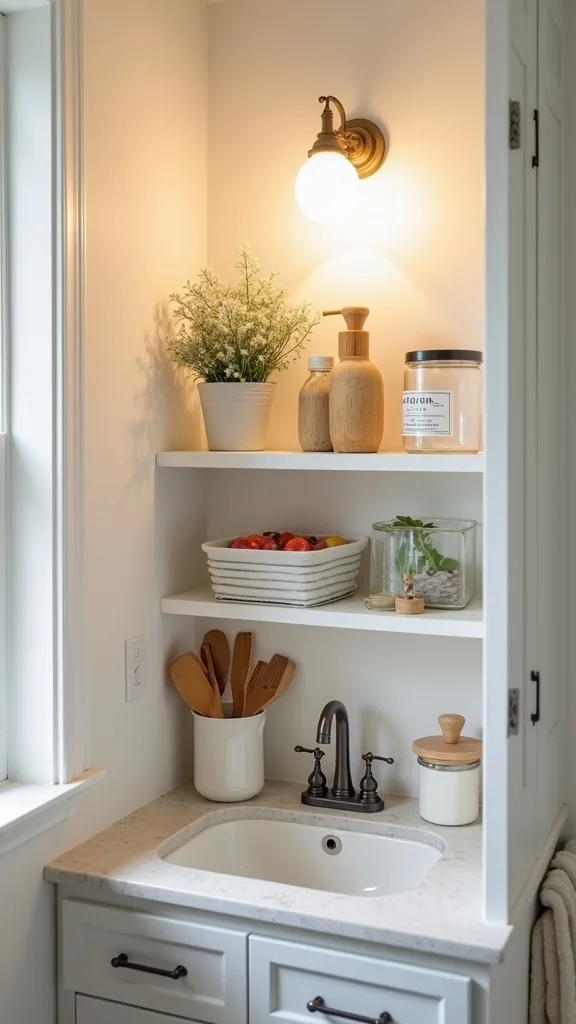
In a small kitchen, counter clutter isn’t a cleanliness issue—it’s a surface-area issue. The fix is moving daily items up, down, or inside, so the counter becomes a working zone again.
Start by choosing one “landing strip” that stays clear: even 18 inches beside the stove counts. Then mount or stick storage vertically: adhesive hooks inside cabinet doors for measuring cups, a slim rail for dish towels, or a magnetic strip for metal tools. If drilling isn’t an option, use removable adhesive strips and keep weight light.
Colors matter here. Clear bins reduce the “where is it?” stress, while matte white or light gray containers visually quiet the space. Keep only one countertop canister set—flour, sugar, coffee—if you truly use it daily.
Pro tip: If it lives on the counter “just in case,” give it a 7-day trial in a cabinet. If you don’t miss it, you just bought yourself space.
3. What’s the Cheapest Way to Create Cabinet “Zones” That Stay Put?
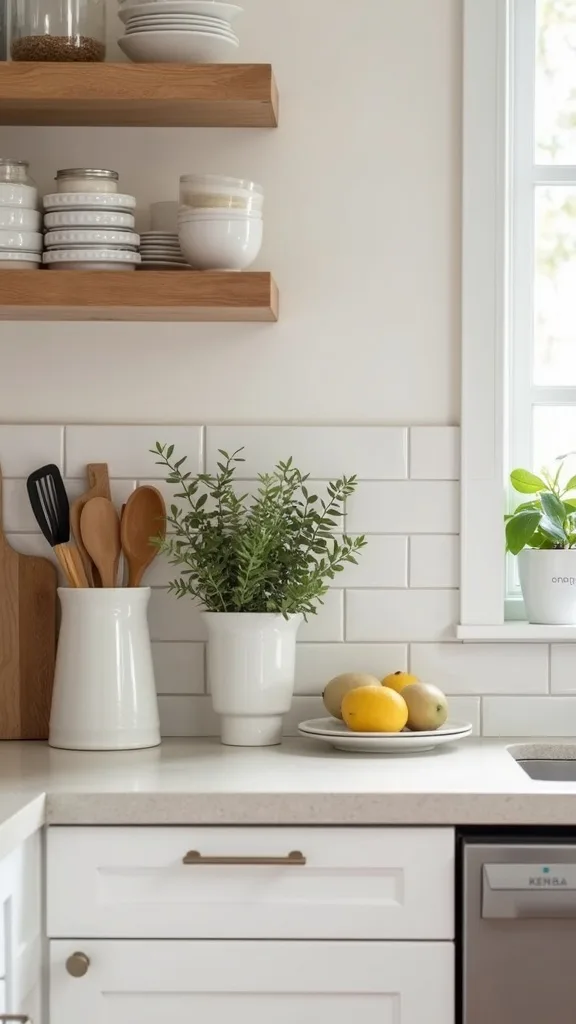
Zones work because they stop the daily shuffle. When every category has a home, you’re not re-organizing from scratch after every grocery run.
Pick 4 zones most families actually use: breakfast, lunch packing, cooking, and snacks. Then assign one shelf or bin to each. Use dollar store dishpans, shoeboxes, or sturdy gift bags as “pull-out bins” so you can grab the whole category at once. Label with painter’s tape and a marker first—no pressure to make it pretty yet.
For a more cohesive look, choose one container style per cabinet: all clear, or all white. Mixing too many bin types can make a small kitchen feel busier than it is.
Pro tip: Put the “snacks” zone at kid height. When kids can self-serve, your kitchen stays calmer—and that’s a win you feel every single day.
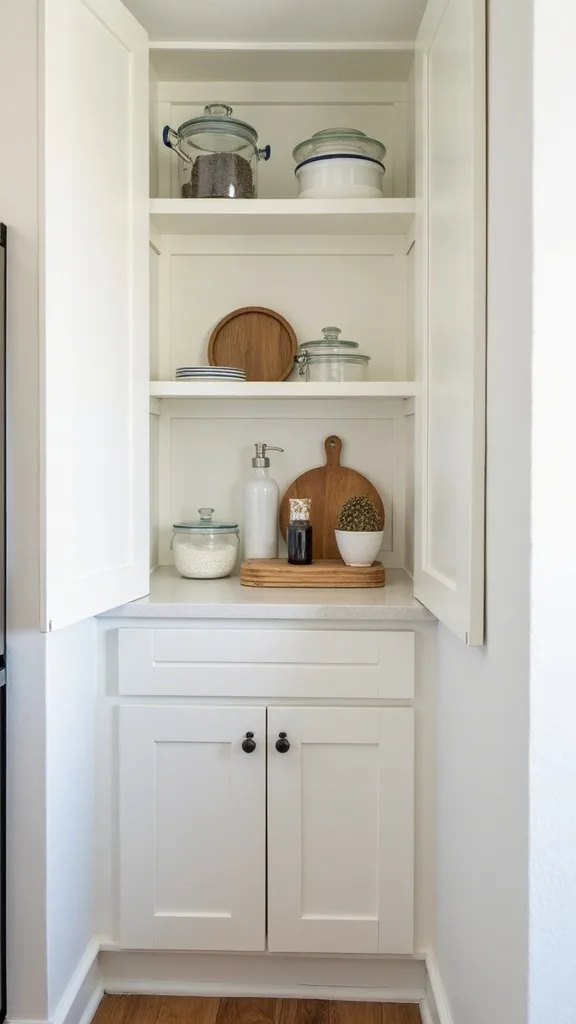
4. How Can I Double My Cabinet Space Without Installing New Shelves?
If you’ve got tall cabinet shelves, you’re paying for air. Shelf risers and stackable inserts turn one shelf into two, which is one of the biggest space wins for kitchen organization on a budget.
Measure the cabinet height first (even a quick tape measure check helps). Add one wire or bamboo shelf insert to create a second level for plates, bowls, or pantry cans. For mugs, use an under-shelf hanging rack so handles aren’t fighting for space. Keep heavier items on the lower level so the setup feels stable.
Look for simple finishes: white-coated wire blends into most cabinets; bamboo warms up builder-grade kitchens. Amazon Basics-style shelf inserts are usually affordable and sturdy for everyday dishes.
Pro tip: Don’t stack “miscellaneous” on the new level. Use the extra shelf for one category only, and it’ll stay organized longer.
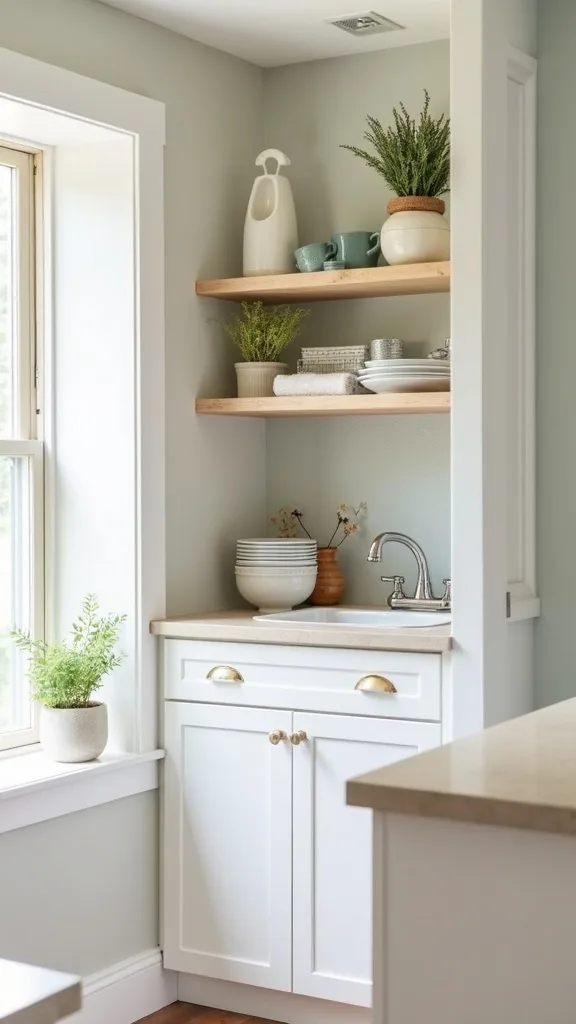
5. What Dollar Store Finds Actually Help a Small Kitchen (Not Just Look Cute)?
Some dollar store storage is flimsy… and some is secretly brilliant. The goal is choosing items that handle daily grabbing without cracking or tipping.
Best practical picks: small plastic bins for packets and bars, tension rods (for under-sink sprays), over-the-cabinet hooks for towels, and stackable baskets for onions/potatoes (if you have airflow). Use a shallow bin as a “junk drawer corral” so batteries, lighters, and scissors stop migrating.
Stick to two colors max—clear + white is the easiest. If you love a pop of color, keep it to one zone like snacks so it feels intentional, not chaotic.
Pro tip: Avoid super-thin bins for cans. Spend the extra few dollars on thicker plastic for heavy pantry items—you’ll replace them less, which is the real budget win.
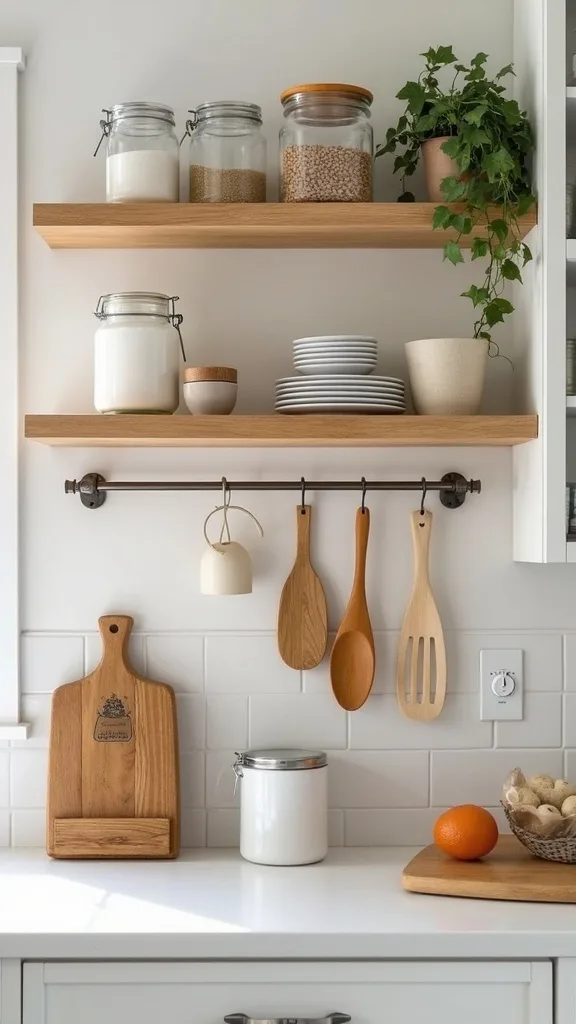
6. How Do I Organize Pots and Pans in a Small Kitchen Without a Remodel?
Pots and pans feel impossible because they’re bulky, loud, and nested like a puzzle. A simple divider system reduces the daily clanging and makes putting things away feel doable.
Use a file organizer or a pan rack to store pans vertically, like books. Lids are the true troublemakers—stand them in a rack, or mount command hooks inside a cabinet door for lighter lids. If you have one deep drawer, add a non-slip liner and stack pans with a felt protector (even cut-up old T-shirts work).
Choose a rack in white or chrome so it disappears visually. Keep your most-used pan in front so you’re not unstacking everything for Tuesday tacos.
Pro tip: If a pot hasn’t been used in a year, it might be costing you daily peace. Letting go is also organization.
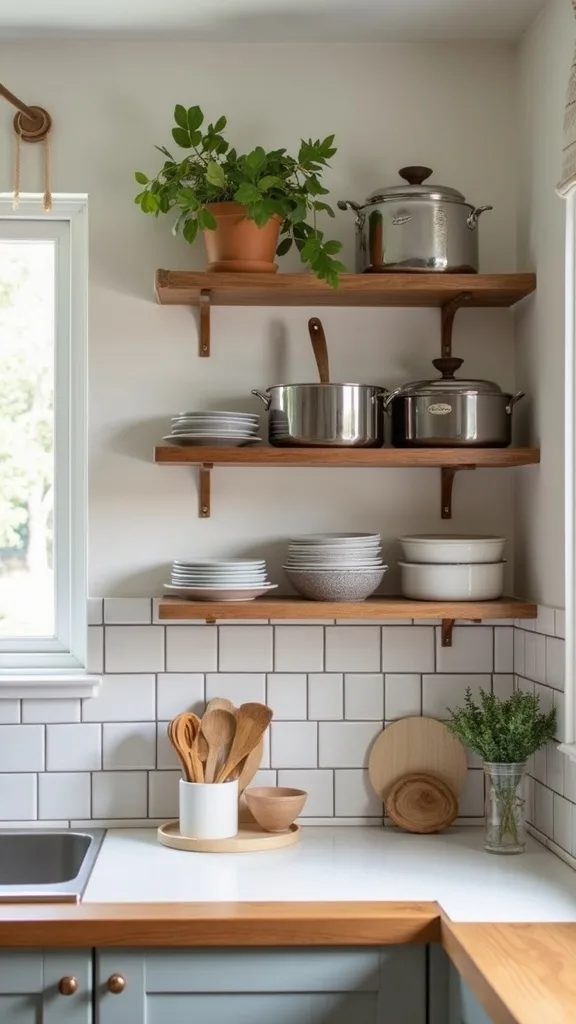
7. What’s the Best Way to Store Food Containers and Lids on a Budget?
Containers don’t create clutter—mismatched lids do. The fix is separating bases and lids so you can grab what you need without an avalanche.
Pick one cabinet or drawer as the container zone. Stand lids upright in a narrow bin, magazine holder, or even a cut-down cereal box. Stack bases by size, and cap the total number to what fits comfortably in one spot. If you’re replacing anything, buy one set with interchangeable lids so your system stays simple.
Clear bins help you see what you own. Neutral labels keep it calm. And yes—keeping fewer containers is the cheapest organization trick there is.
Pro tip: Keep 2–3 “emergency” containers for leftovers, then donate the rest. Your future self will thank you at 9 pm.
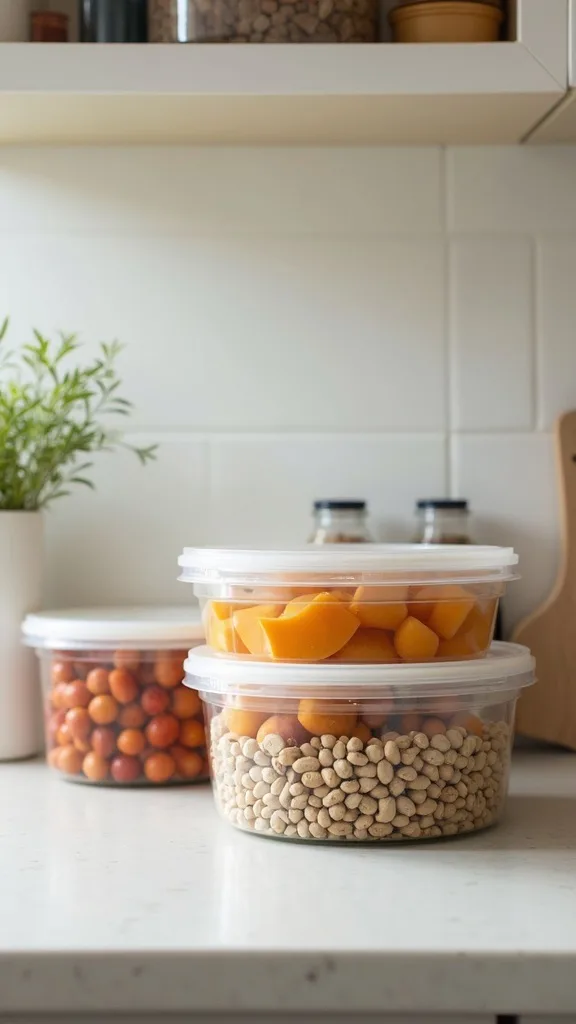
8. How Can I Make a Tiny Pantry Shelf Feel Twice as Big?
Pantry shelves get messy because packages are different shapes and heights. A few simple “levels” and bins make it feel like a mini grocery aisle you can actually shop from.
Use a lazy Susan for oils, sauces, or nut butters so nothing hides in the back. Add one riser for cans. Then corral snacks into two bins: “grab-and-go” and “refill.” If you don’t have a pantry, do the same thing on one cabinet shelf—small kitchen rules still apply.
Go for clear or lightly tinted bins so you can see inventory. If you decant anything, choose just one category (like cereal) so you’re not creating a new chore.
Pro tip: Keep a Sharpie in the pantry and write the open date on bags. Less waste is a budget win you’ll feel at checkout.
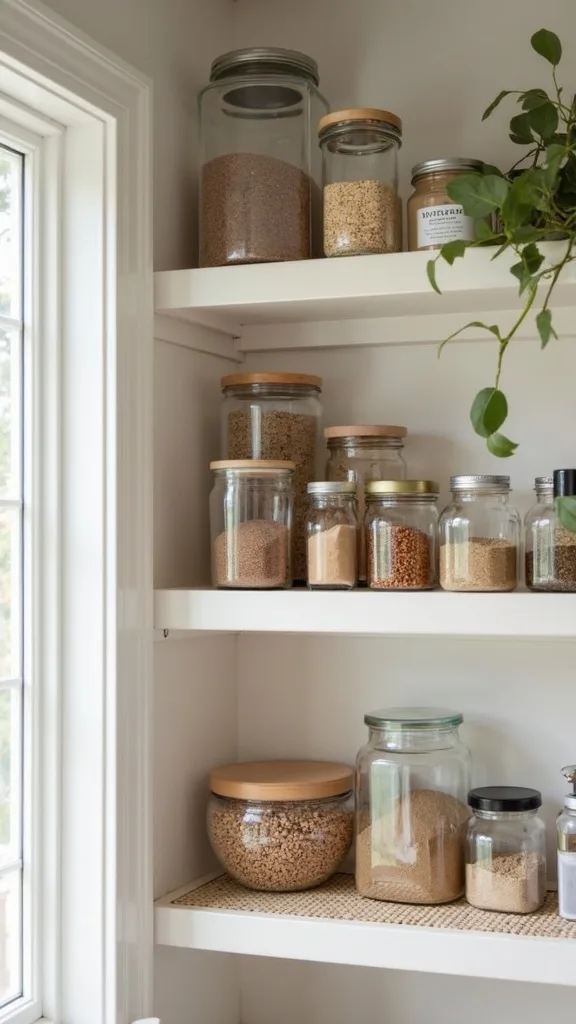
Cost & Materials Estimate
A realistic budget range for refreshing a small kitchen with these organization ideas is $25–$120, depending on how many zones you tackle at once.
| Item | Estimated Cost | Where to Buy |
|---|---|---|
| Clear pantry bins (set of 4) | $18–$32 | Amazon |
| Shelf insert / cabinet riser (1–2 pack) | $14–$28 | Amazon |
| Lazy Susan turntable (10–12 inch) | $10–$22 | IKEA |
| Adhesive hooks + tension rods | $8–$18 | Home Depot |
| Drawer liner + small dividers | $9–$20 | Lowe’s |
Total estimated cost: $25–$120 Save money by starting with one problem cabinet and using upcycled boxes for the first round, then upgrading only the bins you touch daily.
9. How Do I Organize Under the Sink When It’s Full of Pipes?
Under-sink storage is awkward because it’s interrupted space. The win comes from working around the pipes with narrow bins and vertical stacking.
Start by adding a small tension rod across the back to hang spray bottles by the trigger. Then use two slim pull-out bins—one for dish supplies, one for trash bags and backups. If you have room, stack with a small two-tier shelf so sponges and dishwasher pods aren’t sitting in puddles.
Choose plastic or coated metal (it handles drips better). Keep colors light so it’s easier to spot leaks or spills quickly.
Pro tip: Avoid cardboard down there. It warps fast and turns “organized” into “mystery smell” before you know it.
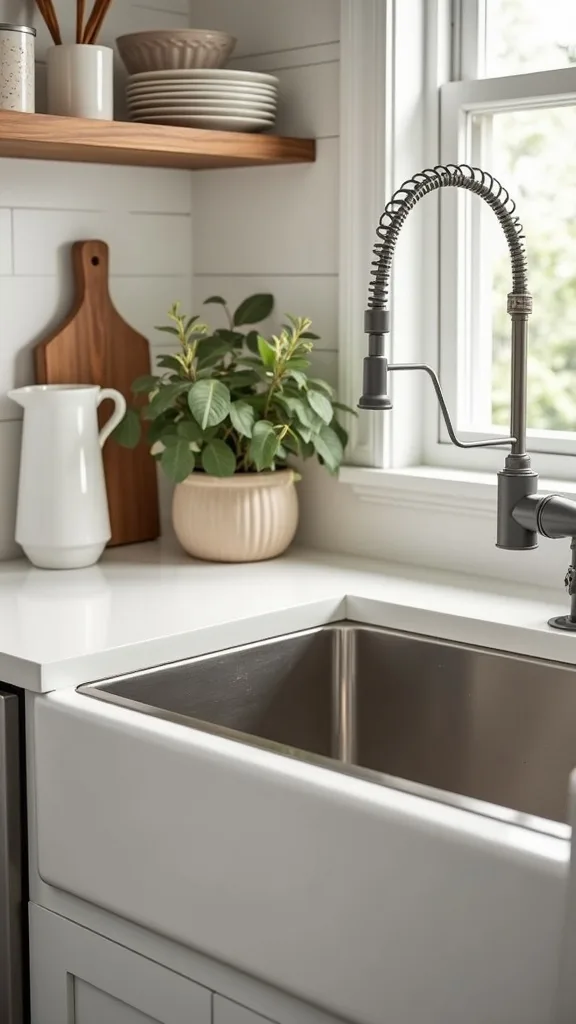
10. What’s a Budget-Friendly Way to Create a Coffee or Tea Station in a Small Kitchen?
A drink station saves time because it stops the morning scavenger hunt. It also keeps one corner from exploding across the whole counter.
Pick a tray (thrifted, dollar store, or a baking sheet) and corral your mug, sweetener, and pods/tea bags in one contained footprint. Add a small bin for extras like filters. If cabinet space is tight, hang mugs on hooks under a shelf and keep the station below it.
Warm neutrals—wood, cream, black—make it feel intentional even if the rest of the kitchen is in motion. This is one of those small changes with a big emotional payoff.
Pro tip: Keep only one “backup” bag of coffee in the station. Too many extras turn stations into clutter magnets.
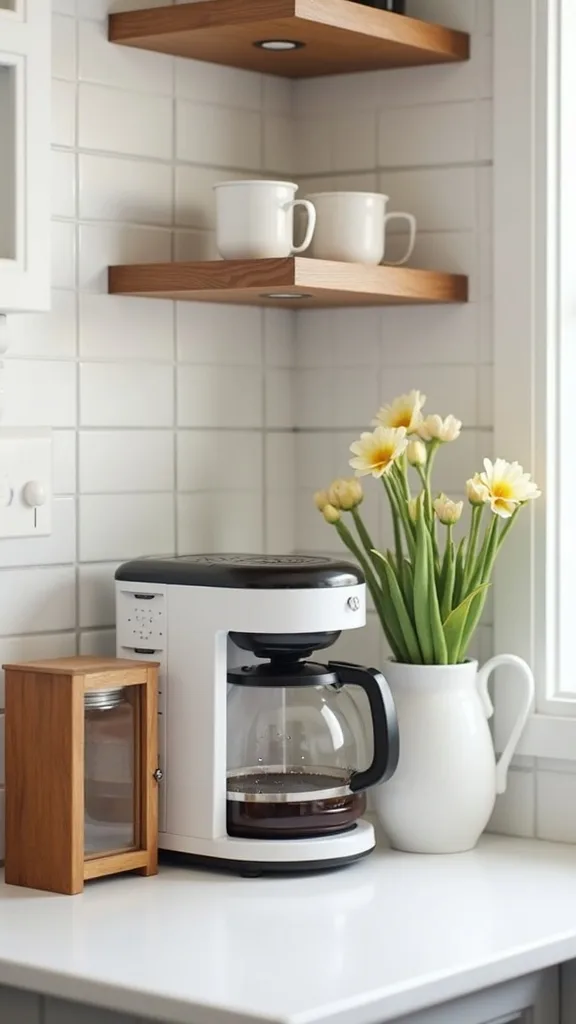
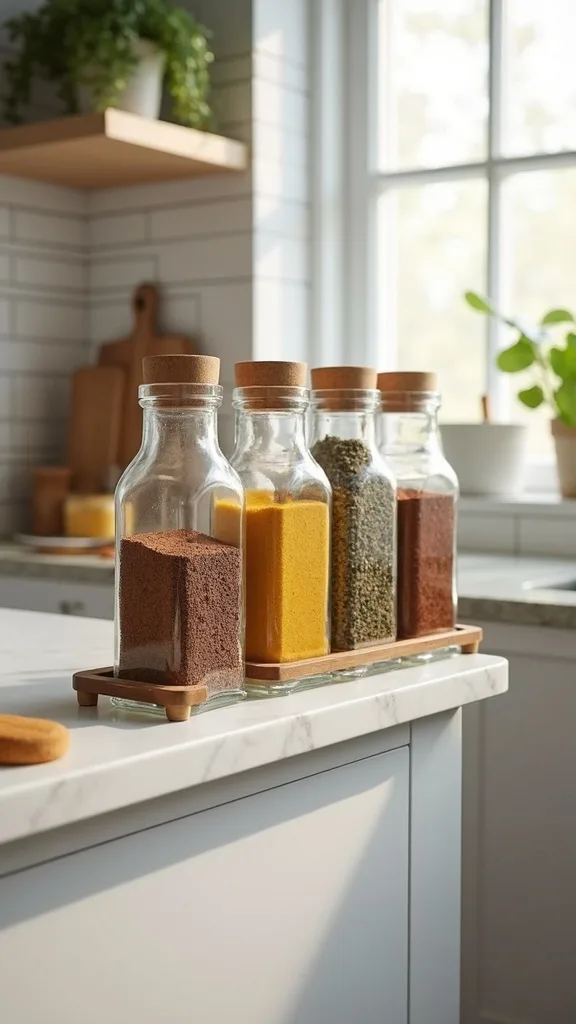
11. How Can I Organize Spices Without Buying an Expensive Rack?
Spices are tiny, which means they disappear. The easiest budget fix is putting them where you can see labels at a glance—without taking up counter space.
Use a slanted drawer insert if you have a drawer, or add a small tiered riser inside a cabinet. No riser? Repurpose a narrow cardboard box as a step by cutting it down and reinforcing with tape. Group by how you cook (everyday, baking, spicy) instead of alphabetizing like a library.
Matching labels help, but they’re optional. What matters is visibility and a system your family will actually follow.
Pro tip: Avoid buying large spice jars “because it’s a deal.” In a small kitchen, bulky extras steal space and go stale before you use them.
12. How Do I Keep a Small Kitchen Drawer From Turning Into a Junk Drawer?
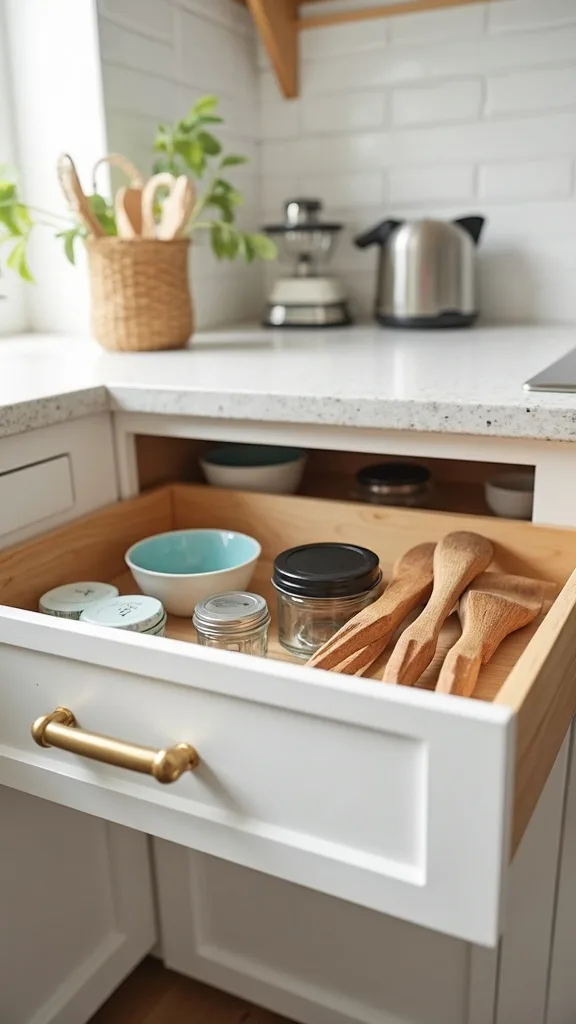
Every kitchen needs a catch-all. The goal isn’t to eliminate it—it’s to keep it from swallowing your scissors and sanity.
Empty the drawer and put in a non-slip liner. Then use small containers (Dollar Tree bins, takeout containers, or ice cube trays) to create sections: tools, batteries, tape, and “random.” Give “random” one small bin only. If it overflows, it’s a sign to sort, not a sign you failed.
Stick to neutral containers so the drawer feels calmer when you open it. A label on the inside edge helps everyone put things back without asking.
Pro tip: Don’t store papers here. Receipts and manuals multiply fast—redirect them to a folder in a different room.
13. How Can I Store Cutting Boards and Baking Sheets in a Narrow Space?
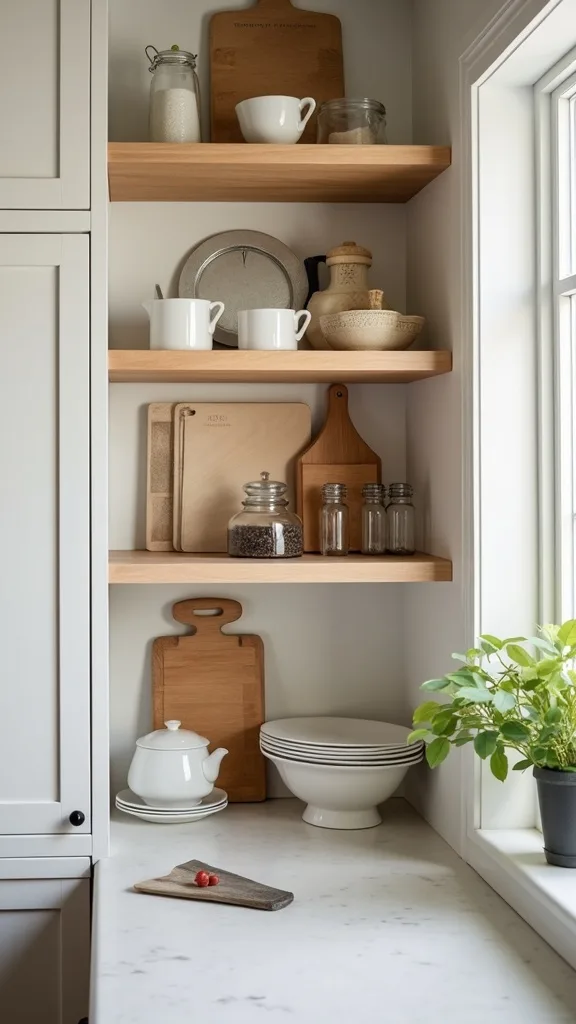
Flat items are the easiest to store vertically, and doing so instantly frees up a whole shelf. This is one of the most satisfying small kitchen fixes because it looks “clean” with almost no effort.
Use a file organizer, a cooling rack, or a cheap bakeware organizer to stand boards and sheets on edge. Tuck it beside the fridge, inside a lower cabinet, or even on a pantry shelf. Keep the heaviest sheet at the back so the organizer doesn’t tip when you pull one out.
White wire organizers blend in and feel light visually. If you prefer warmer tones, a bamboo organizer gives a cozy, intentional look.
Pro tip: Store parchment paper and foil right next to the sheets. Less walking around = less mess.
14. What’s a Smart Way to Organize Kids’ Snacks Without Constant Re-Stocking?
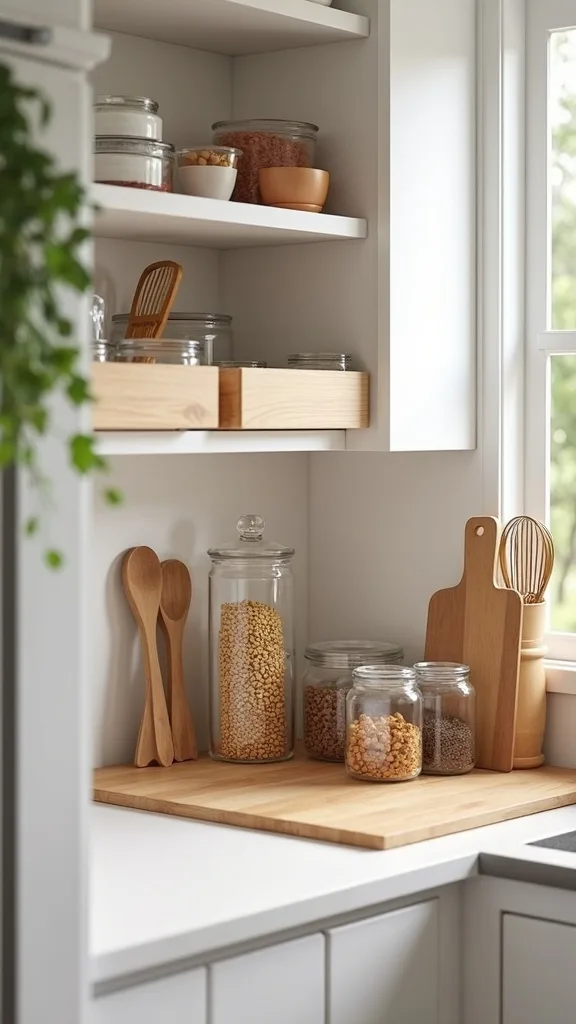
Snack chaos usually comes from two things: kids can’t see options, and everything is in giant boxes. A simple bin system makes snack time smoother and reduces waste.
Decant snacks into two handled bins: “today” (what they can grab) and “refill” (backstock). Put the “today” bin at kid height and pre-portion a few items in reusable bags. You don’t need a full Sunday reset—just refill when the bin looks low.
Clear bins help kids choose without digging. If you’re using labels, keep them simple: bars, crackers, fruit snacks.
Pro tip: Avoid open baskets for crumbly snacks. Bins with sides keep crumbs contained—and your shelf stays cleaner longer.
15. How Do I Make the Fridge Feel Organized Without Buying Fancy Clear Sets?
Fridge organization isn’t about matching containers. It’s about making food visible so it gets eaten before it turns into science.
Use what you have first: washed produce in the crisper, leftovers on one shelf, drinks together. Add one “eat me first” bin (a $1–$3 plastic bin works) for leftovers and near-expiring items. Store condiments in a small bin so you can pull them out at once when cooking.
Clear bins are helpful, but you only need 2–3 to make a difference. Keep it realistic—this is about weeknight ease, not a photo shoot.
Pro tip: Avoid overfilling the door shelves. When they’re packed tight, things fall, leak, and you stop trusting your fridge.
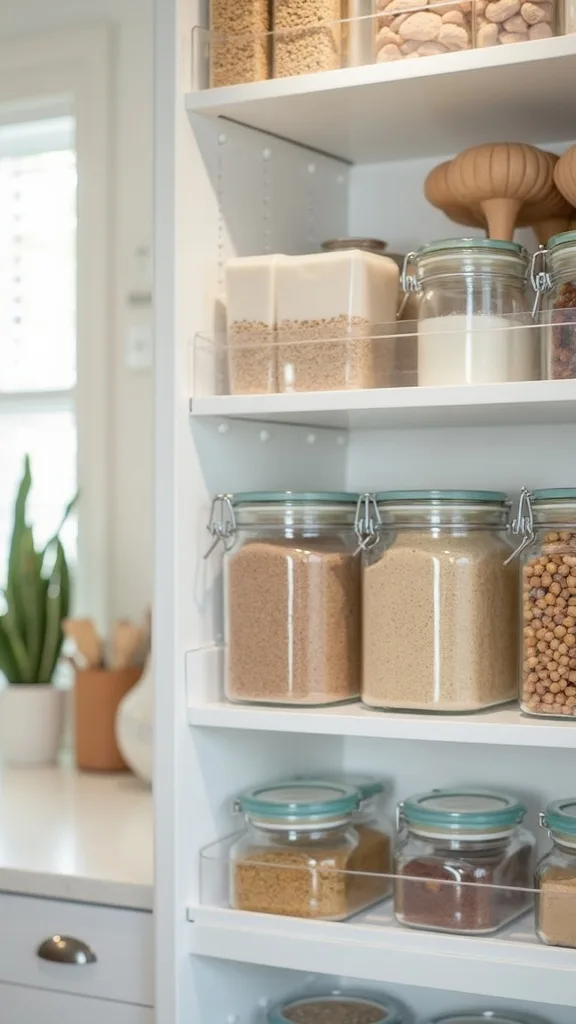
16. How Can I Use Wall Space for Kitchen Organization Without Making It Look Cluttered?
Wall storage can look amazing—or feel like visual noise. The key is keeping it consistent and using it for items you reach for daily.
Try a small rail with hooks for towels, a pegboard for utensils, or two floating shelves for everyday mugs and a plant. Keep the palette simple: black hardware + wood shelf, or white shelf + clear jars. In a small kitchen, repetition reads as calm.
Use wall space for light items (measuring spoons, small pans, oven mitts). Heavy cast iron belongs in a cabinet unless you have proper studs and anchors.
Pro tip: Leave 20–30% of the wall area empty. That breathing room is what makes wall storage feel styled instead of stuffed.
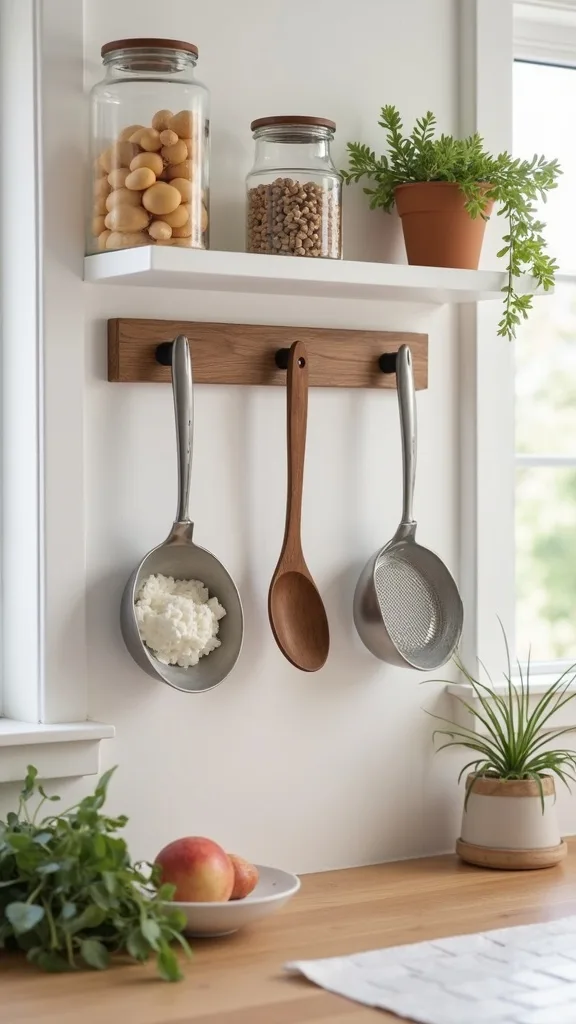
17. What Multi-Purpose Tools Actually Save Space and Money?
Single-use gadgets multiply fast, especially in tight drawers. Multi-purpose tools are the quiet heroes of budget-friendly kitchens because they replace clutter with function.
Look for tools that do at least two jobs: a silicone spatula set that scrapes and stirs, kitchen shears that cut herbs and packaging, and a box grater with a container base that catches mess. If you bake, a simple digital kitchen scale can reduce measuring cups needed for some recipes (and cuts down on dishes).
Choose neutral colors like black, gray, or soft white so your tools don’t make the drawer feel chaotic. Store them in a tall cup or a drawer divider so they don’t tangle.
Pro tip: Avoid buying “space-saving” gadgets that require special parts. If it’s annoying to clean, it won’t stay in rotation.
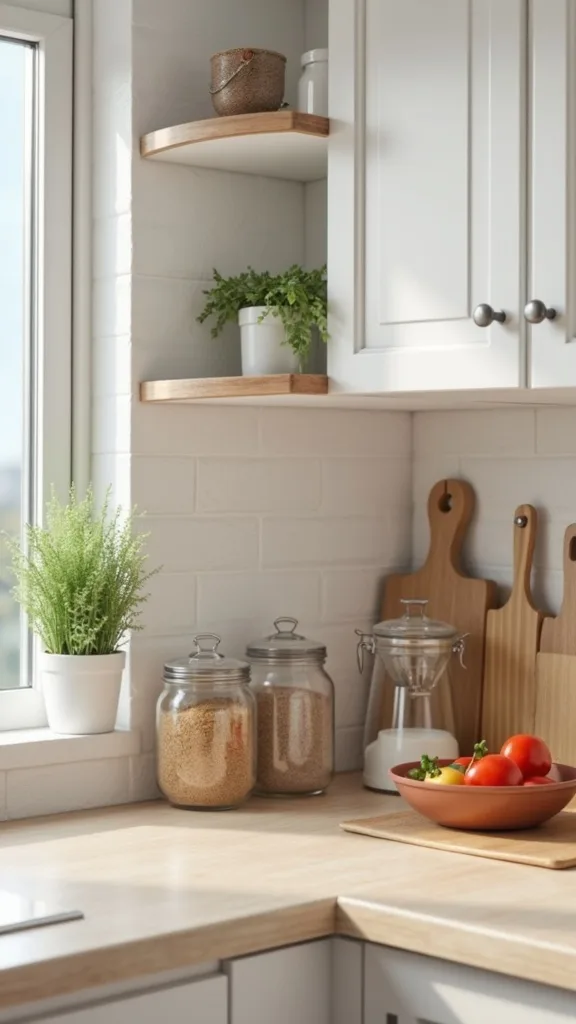
18. How Do I Organize a Small Kitchen for Cooking Faster on Weeknights?
Weeknight cooking feels hard when the tools and ingredients you need are spread out. A simple “cooking zone” makes dinner feel less like a scavenger hunt.
Keep oils, salt, pepper, and your most-used utensils near the stove—either in a small bin inside the nearest cabinet or on a tray if you truly use them daily. Store pots, pans, and sheet pans within one step of the stove if possible. Put your cutting board and knife (safely) near your prep area so you’re not crossing the kitchen mid-chop.
Pick one container style for the zone so it feels intentional. Even a repurposed loaf pan can hold utensils neatly.
Pro tip: Don’t over-optimize. The best system is the one you’ll follow when you’re tired and hungry.
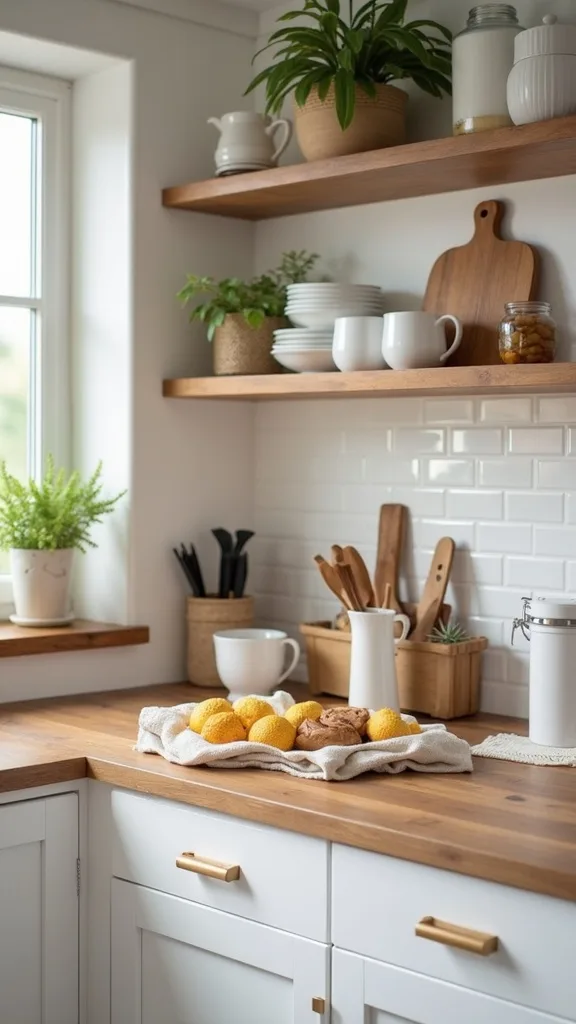
19. How Can I Organize Cleaning Supplies So They Don’t Take Over?
Cleaning supplies expand to fill whatever space you give them. A small, contained kit keeps you prepared without sacrificing half your kitchen.
Create a “cleaning caddy” using a handled bin: all-purpose spray, microfiber cloths, gloves, and dishwasher pods. Store refills (trash bags, sponges) in a second bin behind it. If you’re short on space, hang gloves and brushes on adhesive hooks inside the cabinet door.
Neutral bins make the under-sink area feel less chaotic. A simple label like “daily clean” helps everyone in the house find what they need quickly.
Pro tip: Avoid keeping half-used bottles “just in case.” Combine duplicates or finish one before opening the next to save space and money.
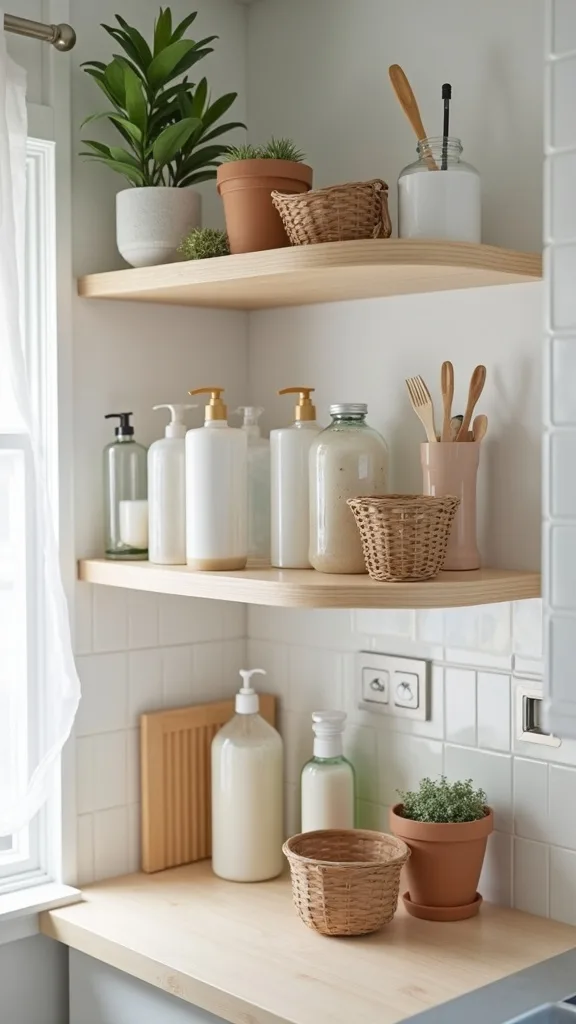
20. What’s the Easiest DIY Upcycled Organizer I Can Make in 10 Minutes?
The easiest upcycle is turning packaging into purpose. It works because it’s sized for cabinets already—and you can customize it without tools.
Make a packet organizer from an empty cereal box: cut it diagonally so it becomes a low “bin,” then cover it with leftover contact paper, a paper grocery bag, or even a clean tea towel glued on. Use it for sauce packets, seasoning mixes, or snack bars in a cabinet or pantry shelf. Add a simple label with tape so it doesn’t become a mystery bin.
Choose a solid color wrap (white, kraft brown, or black) to keep it looking tidy. This is one of those small changes that makes a shelf feel instantly calmer.
Pro tip: Make two at once. When bins match, your kitchen looks organized even when life is loud.
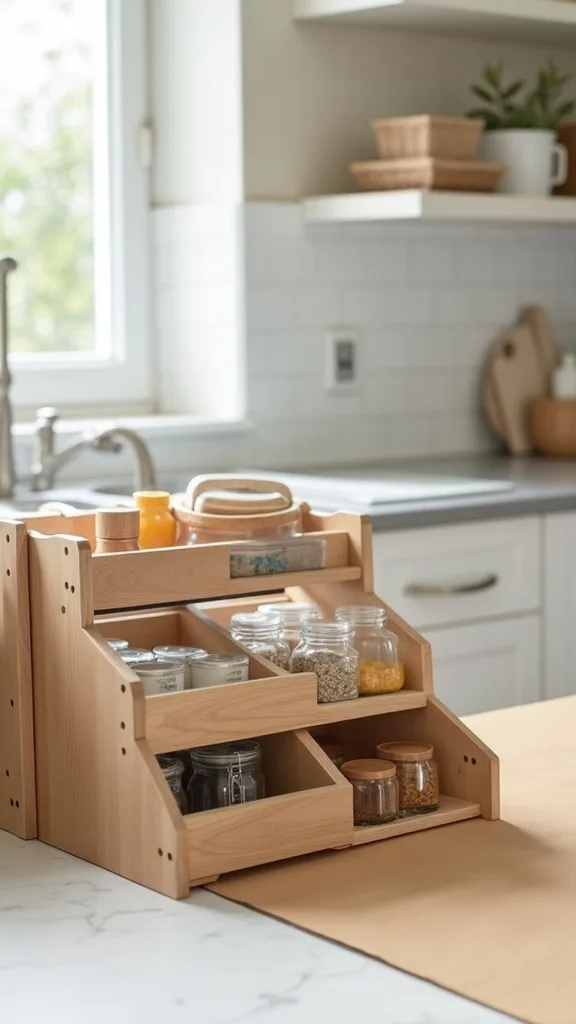
21. How Do I Organize a Small Kitchen When I Rent and Can’t Drill?
Rental-friendly organization is all about removable solutions that still feel sturdy. You can make a huge difference without a single hole in the wall.
Use adhesive hooks inside cabinet doors for measuring cups and oven mitts. Add tension rods under the sink for sprays, or between cabinet walls to create a divider for cutting boards. Try stackable shelf inserts and lazy Susans—both move with you later. If you want a backsplash moment, peel-and-stick tiles can also create a “zone” behind a coffee station without permanence.
Keep finishes consistent: white, black, or clear blends best in rentals with mixed cabinet styles. Store anything heavy in cabinets rather than relying on adhesives.
Pro tip: Avoid overloading adhesive products. A few light items done well beats a wall full of hooks that eventually fall.
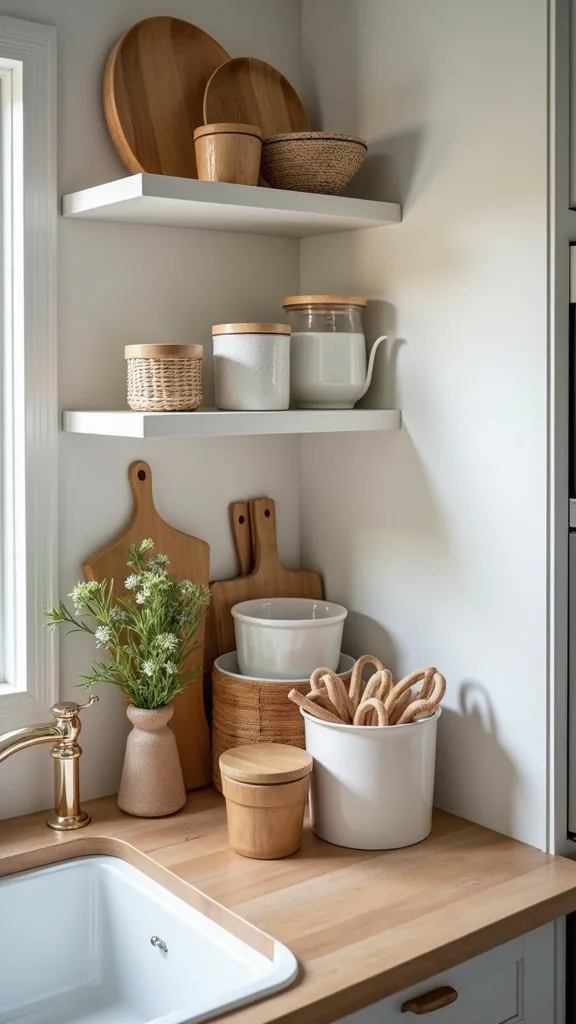
22. How Can I Store Produce Without a Big Pantry or Counter Bowl?
Produce storage gets tricky when counters are tight. The goal is airflow without turning your kitchen into a market stand.
Use stackable wire baskets in a corner or on top of the fridge (if it’s safe and reachable). Keep onions and potatoes separated, and don’t store produce under the sink where moisture can spoil it faster. If you have a spare cabinet, convert one shelf into a produce zone with a ventilated basket and a small bin for garlic and ginger.
Black wire baskets look clean and hide visual clutter. If you prefer bright, go with white baskets to blend into lighter kitchens.
Pro tip: Avoid buying huge bags of produce if you don’t have a storage plan. A smaller weekly buy can be cheaper than tossing spoiled food.
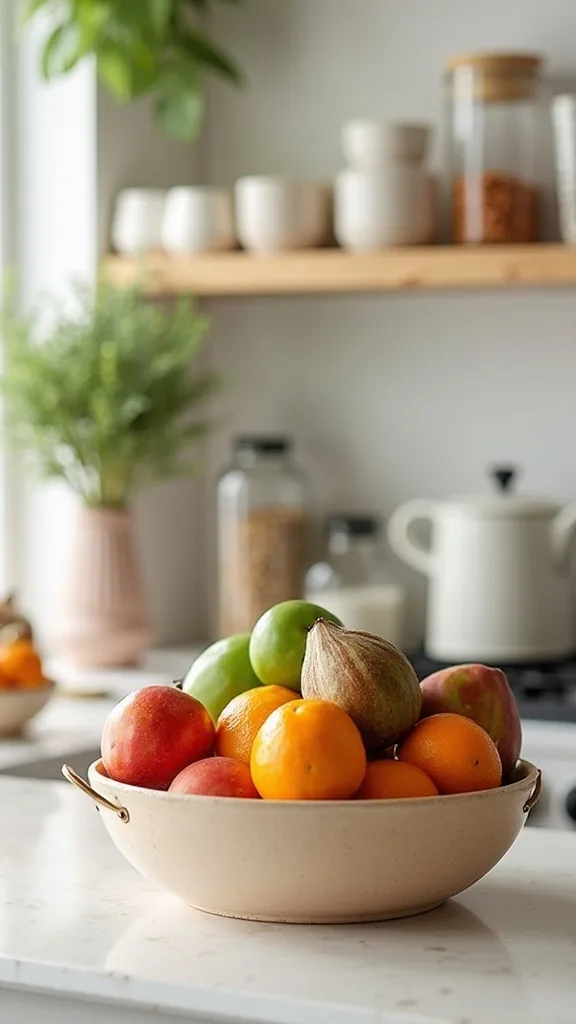
23. What Should I Avoid When Doing Budget Small Kitchen Organization?
The biggest budget trap is buying containers before you declutter. It feels productive, but it often creates new clutter—because the stuff didn’t change, it just got new plastic around it.
Instead, measure your shelves first and edit down categories. Then buy only what solves a specific problem (like lids tipping, snacks spilling, or cans hiding). Another thing to avoid: organizing by “aesthetic” alone. Clear bins are helpful, but if you hate pulling them out, you won’t use them. Choose the system that matches your habits, not someone else’s photo.
If you’re shopping, aim for a matching set of 2–4 bins rather than a random pile. Consistency makes a small kitchen feel calmer without needing more space.
Pro tip: Set a 24-hour pause on purchases. If you still have the same problem tomorrow, buy the fix with confidence.
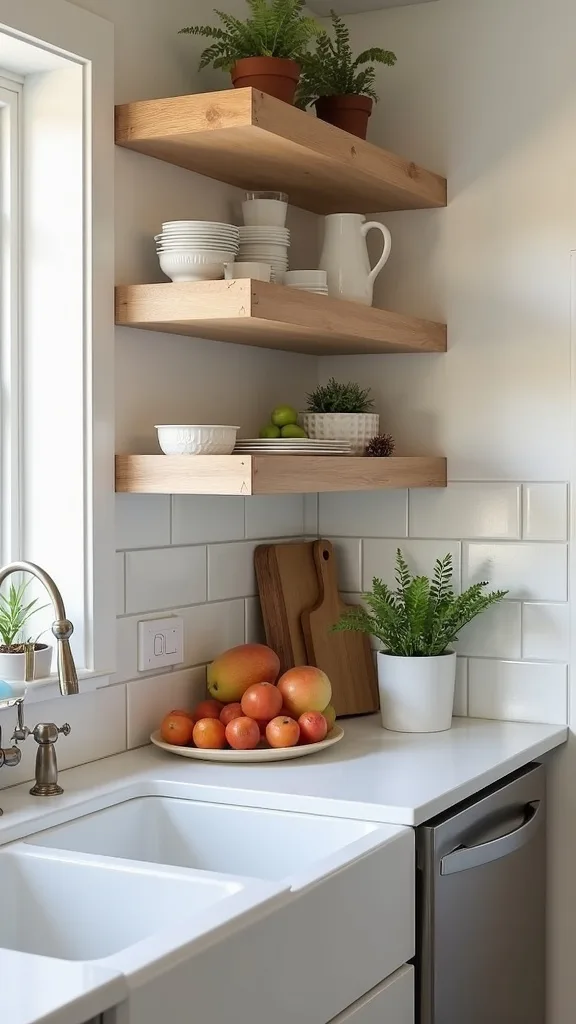
24. How Do I Keep My Kitchen Organized With a 5-Minute Daily Reset?
Organization sticks when it’s maintained in tiny moments, not big weekend overhauls. A 5-minute reset works because it’s short enough to actually happen.
Each evening, do three things: clear the sink, return items to their zones, and refill one bin (snacks, coffee, or lunch supplies). Put a small “return basket” on the counter for anything that wandered—then put it away once a day instead of multiple times. If you have kids, make one job theirs, like refilling the snack bin.
Keep the reset tools simple: one microfiber cloth, one spray, one small basket. Less stuff = more follow-through.
Pro tip: Tie the reset to something you already do, like starting the dishwasher. Routine is the real secret.
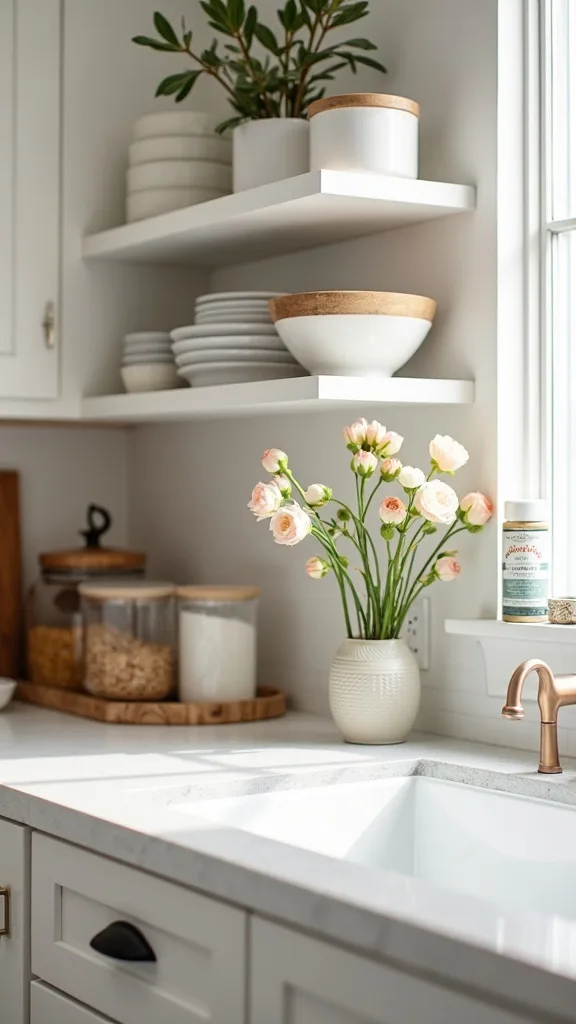
25. How Do I Make Budget Small Kitchen Organization Feel Like a Home Upgrade?
The emotional win isn’t “a perfect kitchen.” It’s walking in and knowing where things are. That feeling is a home upgrade, even if your cabinets are older and your counters are small.
Choose one visible spot to make “nice”: a tidy coffee tray, a clear counter strip, or a neatly labeled snack bin. Add one small comfort detail, like a wipeable runner, a tiny plant, or warm white light (2700K–3000K — the cosy, yellowish tone you see in most homes) under a shelf so evenings feel softer. Keep it functional first so it survives real life.
Stick to a simple palette—clear + white + one accent—so your organization reads as calm, not fussy.
Pro tip: Celebrate the progress you can feel: fewer spills, fewer lost lids, fewer sighs. That’s the point, and it counts.
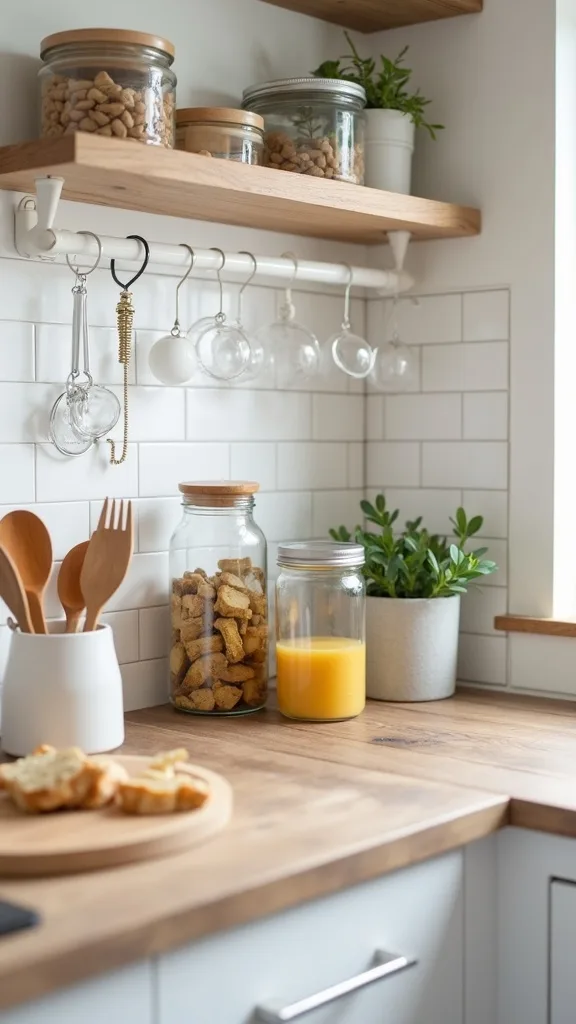
Final Thoughts
Your kitchen doesn’t need to look like an inspiration photo to feel good to live in. The real win is opening a cabinet and finding what you need without moving five other things first—especially on a hot July evening when everyone’s hungry and patience is thin.
If you try one idea and it doesn’t stick, that’s not failure. That’s feedback. Adjust the bin, move the zone, label it differently, or simplify the category. Progress over perfection is how small kitchens get easier—one practical change at a time.
Do one thing today: pick one cabinet or drawer, set a 20-minute timer, and create a single zone with a shoebox or bin you already own. Imperfect is not just acceptable here—it’s the point.
What I’d Do Differently
When I first tried this, I made the classic mistake: I bought containers before I picked a zone. I came home with a handful of cute clear bins, set them on the counter, and then realized none of them fit the cabinet where the real problem lived—the one with the food containers and that one leaning stack of sheet pans. For a week, those bins became their own clutter pile, and I felt like I’d failed at something that was supposed to make life easier. What actually worked was choosing one specific pain point (lids) and measuring the space first, then using one narrow bin to stand lids upright like files.
I also wish I’d known that “matching” matters less than “grab-ability.” A handled bin you can pull out with one hand beats a perfect-looking container you avoid using. Start with one drawer today, set a 20-minute timer, and let the first win carry you into the next.