
This post contains affiliate links. As an Amazon Associate, I earn from qualifying purchases at no extra cost to you.
Nothing exposes a living room faster than late-afternoon light. When the sun drops low and pours through the windows, every hard edge feels harder—flat pillows, shiny surfaces, that “we just moved in” emptiness. The fix usually isn’t more stuff. It’s better layers that catch the light softly and make the room flow like it’s always been this easy.
This list is built for real life: pieces under $75 that add warmth without visual noise, and that play nicely with the way most American living rooms actually get used—feet up, door open, breeze coming in from the patio. You’ll see minimalist, hygge, rustic, and modern finds that mix without fighting.
This is perfect for anyone who wants cozy living energy on a budget, especially renters, first-time homeowners, and anyone tired of “decor” that looks cute but feels stiff.
Inside, the biggest wins are the ones you touch daily: a throw that doesn’t shed, a lamp that makes evenings kinder, a tray that turns clutter into a ritual, and a couple of natural textures that make the space feel grounded.
Below are 25 10 Cozy Living Room Decor Pieces Under $75 2026: Minimalist, Hygge, Rustic & Modern Finds for Budget-Conscious Shoppers that bring cozy living room decor budget upgrades into reach—without sacrificing the calm, airy flow you want in your living room.
Products I Recommend for This Project
Here are some of my favourite products to help you bring these ideas to life:
- MIULEE Pack of 2 Corduroy Throw Pillow Covers (18×18) — Adds soft, modern texture without overwhelming a minimalist palette.
- Utopia Bedding Throw Blanket Fleece (50×60) — A lightweight, easy-care layer that makes the sofa feel instantly more inviting.
- DEKALA Arched Table Lamp with Linen Shade — Creates warm, diffused light for evenings without needing any installation.
- Yangbaga Seagrass Woven Storage Basket — Hides everyday clutter while adding natural, hygge-friendly texture.
- Hosley Unscented Pillar Candles Set — Gives a cozy glow without overpowering scent, perfect for sensitive households.
1. A “mix-and-match” starter set that keeps the room feeling collected (not themed)
This approach combines affordability with diverse decor styles, so the room feels layered and personal instead of locked into one look. It works because you’re repeating textures and finishes, not buying a matching set that reads like a catalog page.
How to do it: pick one warm metal (brass or matte black), one wood tone (light oak or walnut), and one soft neutral (cream, oatmeal, or warm gray). Then choose 3–4 small pieces under $75 that echo those cues—think tray + throw + candle + small vase.
For materials, I like linen-look cotton for softness, matte ceramic for glare control, and a wood finish that looks hand-rubbed rather than glossy. These surfaces catch window light gently and keep the room calm.
Pro tip: if you’re unsure, keep the big items quiet and let one small piece be the “spice” (a rust-toned pillow or smoked-glass candle). The room will feel easy to live in, not carefully staged.
2. What throw blanket actually feels cozy on the couch year-round?
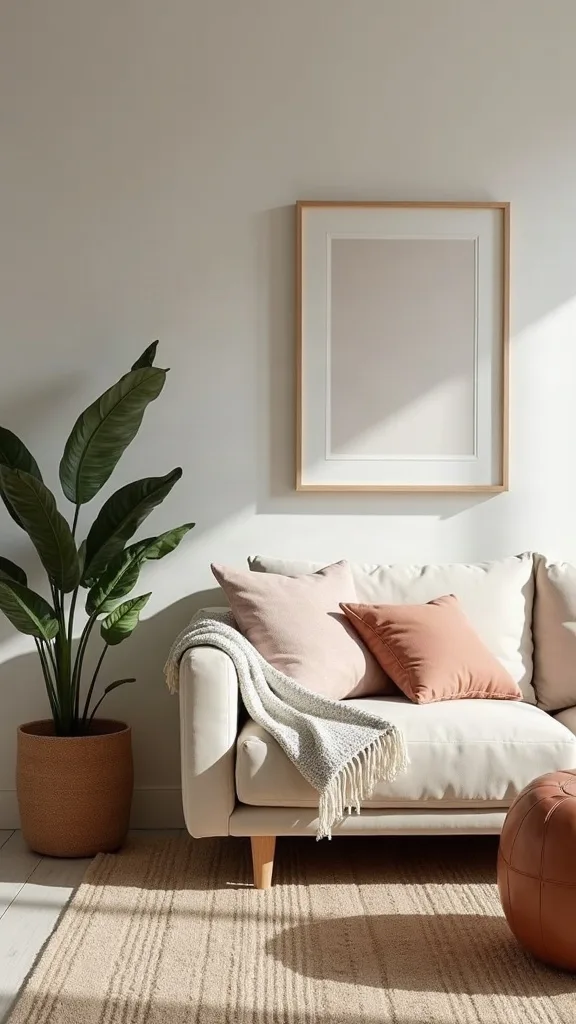
A throw blanket is instant comfort because it changes how your sofa feels against skin—especially when evening air drifts in from an open slider. The right one adds weight and texture without turning into a sweaty pile by October.
Aim for a 50″ x 60″ throw in brushed microfiber, cotton knit, or a lightweight faux wool. Drape it over the “sun side” of the couch so it catches natural light and reads soft instead of flat.
Look for chunky knit texture in cream, camel, or a foggy greige; those shades warm up both minimalist and modern rooms. If you lean rustic, choose a subtle herringbone weave rather than loud plaid.
Pro tip: wash it once before styling. A pre-washed throw relaxes, drapes better, and instantly feels like it belongs—like the living room has been cozy for years, not since your last delivery.
3. Which pillow inserts make a budget pillow look expensive?
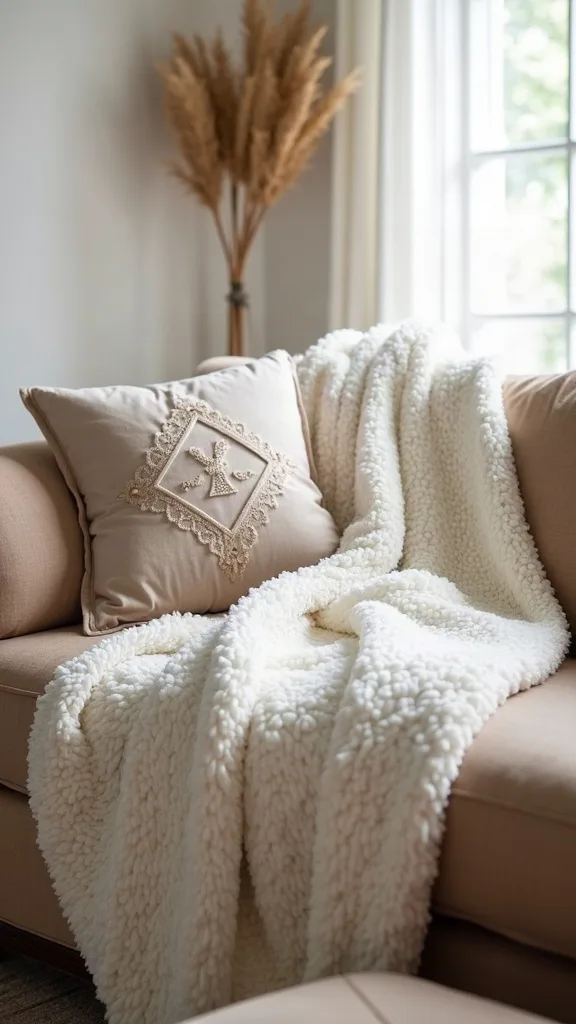
Most “cheap-looking” pillows aren’t about the cover—they’re about limp inserts that collapse the second you sit down. A fuller insert creates that supportive, sink-in feel that makes a sofa the default hangout spot.
Use 18″ x 18″ covers with 20″ x 20″ inserts for a plumper look, and do one lumbar (12″ x 20″) for lower-back comfort. Stick to two solids and one texture so the room stays airy.
Materials that win: down-alternative microfiber for softness, boucle or washed linen covers for tactile warmth, and colors like oatmeal, clay, or warm white that glow in afternoon light.
Pro tip: do the “karate chop” only if the pillow is actually supportive. If you have to fight it into shape, the insert is too cheap—upgrade that one thing and your whole seating area feels calmer.
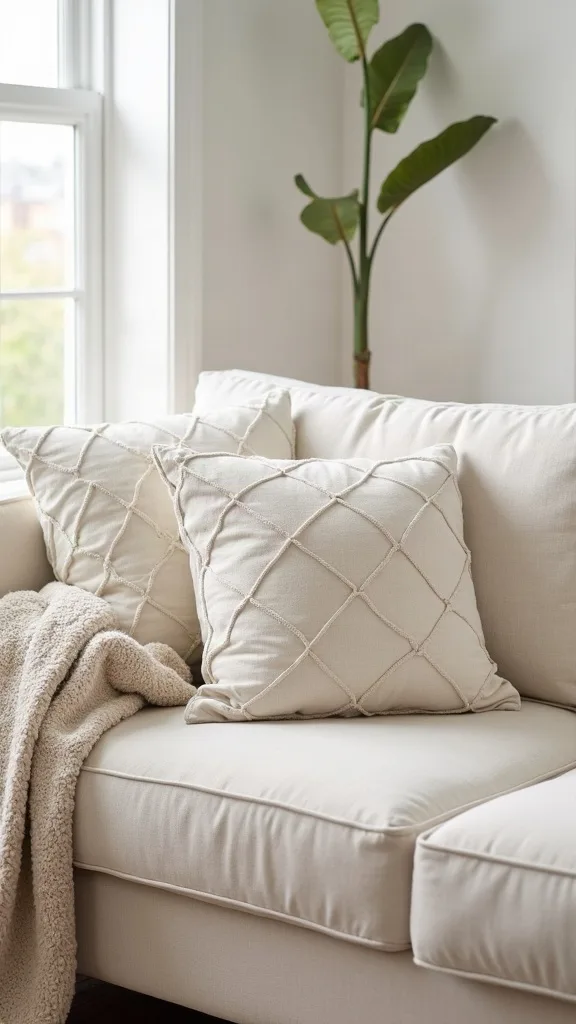
4. How do you add warm lighting without installing anything?
Lighting is the fastest way to change the mood from “daytime functional” to “stay awhile.” Warm light smooths shadows, softens corners, and makes even a simple room feel like a place you want to land.
Go for a plug-in table lamp or a small accent lamp with warm white light (2700K–3000K — the cosy, yellowish tone you see in most homes). Place it on the side where your room feels darkest at 6–9 p.m., usually opposite the main window.
Choose a linen or paper shade for a gentle glow; avoid clear glass shades that throw harsh glare. Finishes like matte black, aged brass, or warm oak read modern but relaxed.
Pro tip: put it on a simple plug-in timer. Walking into a softly lit living room after sunset feels like your home is taking care of you.
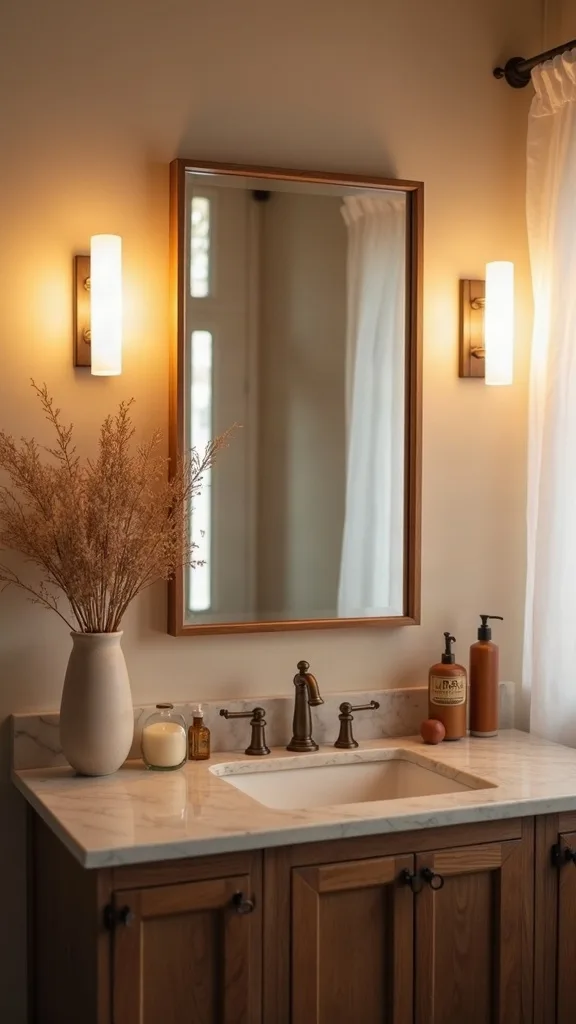
5. What’s the easiest way to make a coffee table look tidy every day?
A tray is basically a boundary line for real life—remotes, matches, coasters, and that one lip balm that always migrates. It works because it turns “clutter” into a deliberate zone, so the table stays usable.
Pick one tray that’s about 12″–18″ wide, depending on your table. Center it slightly off to one side so you still have a clear spot to set a mug.
Materials: matte black metal for modern rooms, acacia wood for rustic warmth, or a woven seagrass tray for hygge softness. Add one candle and one small vessel (like a bud vase) and stop there.
Pro tip: keep the tray light enough to lift with one hand. The best living rooms flex—movie night, takeout, board games—without you rearranging the whole setup.
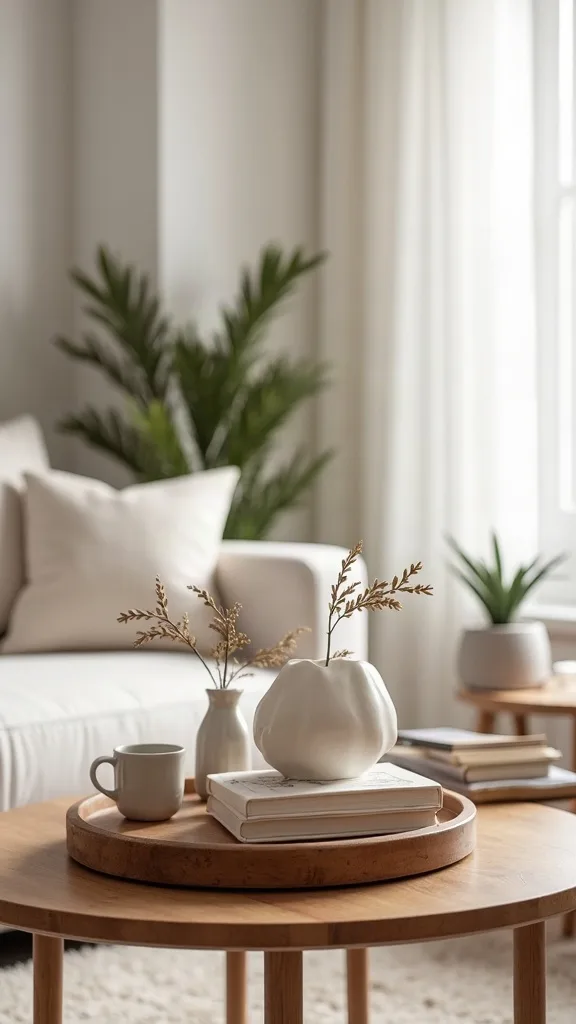
6. How can you add rustic warmth without going full farmhouse?
Rustic doesn’t have to mean barn signs and distressed everything. One grounded, natural element—wood, stone, or woven fiber—adds warmth that plays beautifully with clean modern lines.
Try a small acacia wood bowl or a set of wood coasters. Place it where hands naturally land: the coffee table, the sofa arm, or the ottoman.
Look for natural wood grain with a satin finish (not shiny). Warm walnut tones deepen a minimalist room; lighter oak tones keep things breezy if you get lots of sun.
Pro tip: avoid faux “distressed” finishes with heavy gray wash. They can read cold in natural light and fight the cozy vibe. Real-looking wood, even in a small dose, makes the room feel grounded and easy.
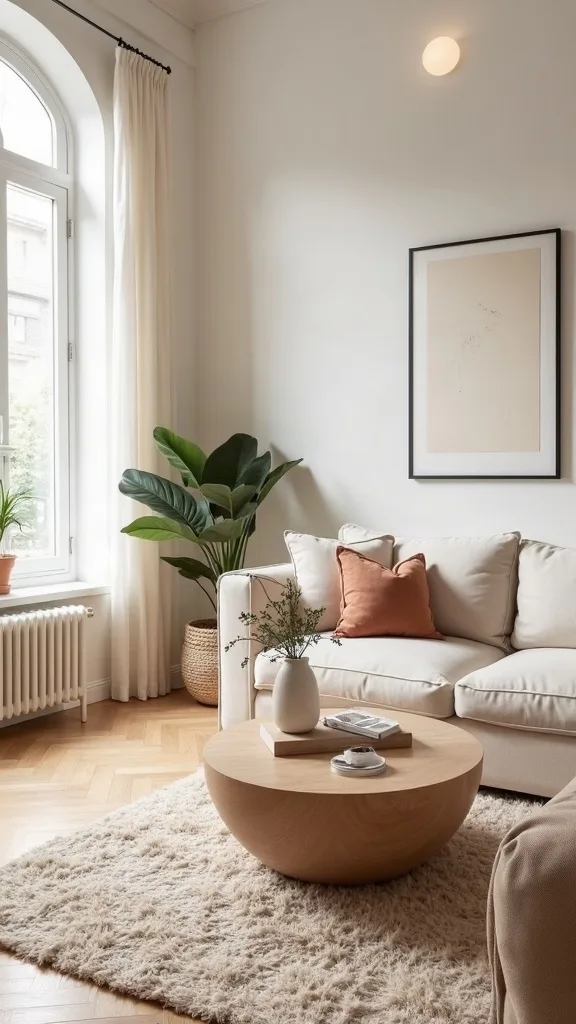
7. Which area rug upgrade matters most when you can’t buy a new rug?
If a full rug isn’t in the budget, a rug pad can still change how the room feels underfoot. That soft rebound makes your seating area feel more comfortable and less echo-y, especially in apartments.
Choose a non-slip rug pad sized slightly smaller than your current rug (trim if needed). Focus on the front half of the sofa zone—where feet actually land.
Look for cushioned non-slip material that’s safe for your flooring type (hardwood vs. vinyl). Even a thin pad helps the rug lay flatter and look more intentional.
Pro tip: avoid super squishy pads that make furniture wobble. You want gentle support, not a trampoline. The goal is that quiet luxury feeling—soft, steady, and calm as you move through the room.
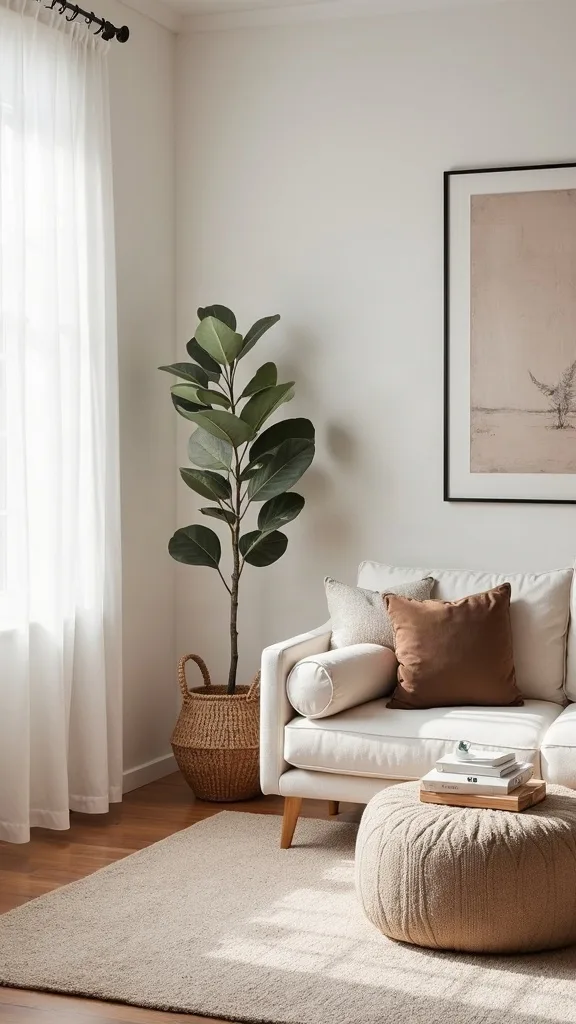
8. How do you style a blanket ladder without it looking like unused storage?
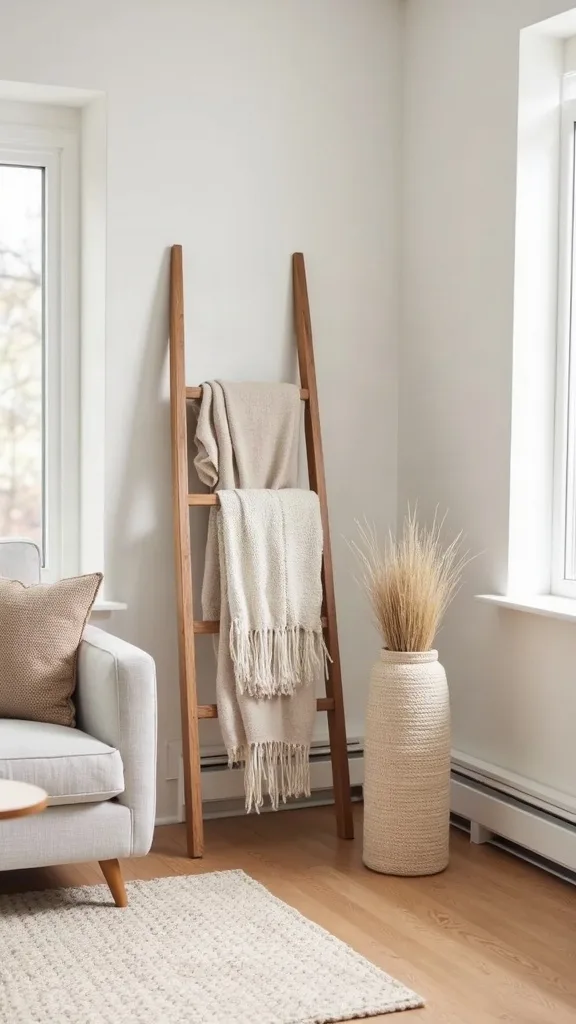
A blanket ladder works when it feels like an indoor-outdoor habit—grab a throw for the couch, grab another for the patio chair when the marine layer rolls in. It adds height and texture without eating floor space.
Keep it simple: one ladder, two throws max. Lean it near a corner that needs vertical balance, ideally across from a window so the textiles pick up light.
Choose bamboo or light wood for Scandinavian calm, or matte black metal for modern edge. Avoid overly distressed ladders that pull the room into theme territory.
Pro tip: add one woven basket at the base for extra pillows. When everything has a place, the room feels more spacious—even if you’re actually adding layers.
Cost & Materials Estimate
Most living rooms can get a noticeably cozier feel with a small bundle of 4–6 under-$75 pieces, typically landing in the $60–$300 range depending on what you already own.
| Item | Estimated Cost | Where to Buy |
|---|---|---|
| 50″ x 60″ throw blanket | $18–$45 | Amazon |
| Set of 2 pillow inserts (20″ x 20″) | $22–$38 | Amazon |
| Small table lamp + warm bulb | $29–$75 | IKEA |
| Coffee table tray (wood or metal) | $14–$35 | Wayfair |
| Woven storage basket | $20–$55 | Home Depot |
Total estimated cost: $103–$248 Save by choosing one “hero” upgrade (usually lighting) and keeping the rest to texture basics like throws and baskets.
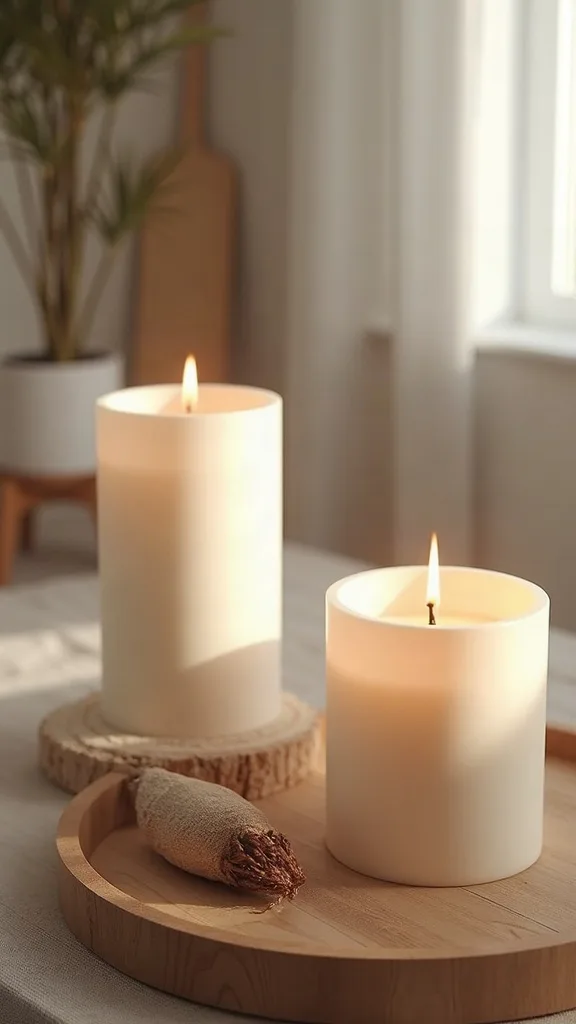
9. What candle choice makes a living room feel cozy without smelling overpowering?
A candle is about atmosphere, but it should never bully the room. The best ones add a soft glow and a subtle scent that blends with everyday life—coffee, clean laundry, fresh air from an open window.
Go for a soy or soy-blend candle in a matte ceramic or amber jar. Place it on a tray or coaster so heat and wax never touch your furniture.
Scents that stay mellow: vanilla + sandalwood, soft linen, or cedar. If you’re sensitive, choose unscented and let the warm flicker do the work.
Pro tip: avoid super sweet “bakery” scents in small rooms—they can feel heavy fast. A gentle candle turns weeknights into a ritual, not a fragrance event.
10. How do you make a small living room feel bigger with decor (not furniture)?
Small rooms open up when you control visual noise and bounce light. The right decor pieces create clean pauses—places for the eye to rest—so the space feels wider.
Use one large, simple mirror (or a set of two slim mirrors) and place it where it reflects a window or greenery. Keep surrounding objects low so the mirror can “breathe.”
Frames in thin matte black, warm brass, or light oak work across modern, minimalist, and rustic styles. Skip ornate frames that feel heavy.
Pro tip: avoid placing the mirror directly opposite the TV if glare drives you crazy. Reflecting daylight and plants is what makes the room feel like it has an indoor-outdoor flow, even if you’re in a townhouse.
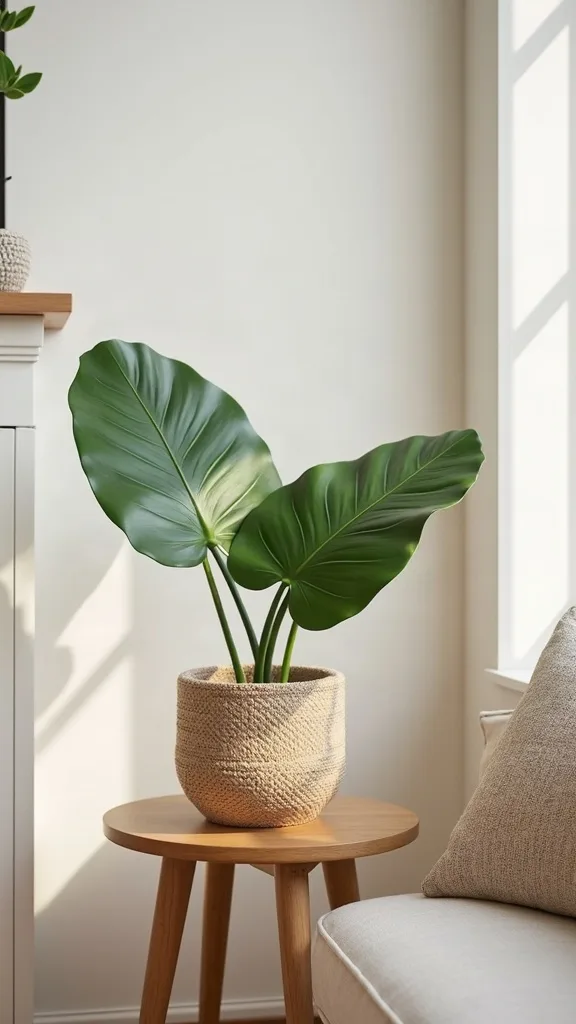
11. Which faux plant looks real enough for a living room shelf under $75?
Greenery makes a room feel alive, and it softens all the straight lines that modern living rooms tend to have. Faux is totally fair game if it saves you from crispy leaves and guilt.
Pick a faux olive, eucalyptus, or pothos with varied tones. Place it near natural light anyway—your brain reads it as more believable when it “belongs” by a window.
Choose a matte ceramic planter in warm white, sand, or charcoal. Avoid shiny plastic pots; they scream “temporary.”
Pro tip: add a little real texture on top—preserved moss or small pebbles—to hide the base. The point isn’t to fool a botanist; it’s to make your everyday living feel calmer and more grounded.
12. How can you use baskets to make the living room feel calmer fast?
Baskets are quiet heroes for cozy living because they hide the stuff that breaks the mood—chargers, dog toys, throw pillows you actually use. They work best when they’re part storage, part texture.
Place one medium basket beside the sofa or under a console. Give it a job: “blankets only” or “kid stuff only,” so it doesn’t become a random pile.
Materials: seagrass or water hyacinth for warm, beachy lightness; woven rope for a cleaner minimalist look; darker rattan for rustic depth.
Pro tip: avoid tiny baskets that can’t hold anything meaningful. If it doesn’t reduce mess, it’s just another object. A good basket makes the room feel like it has breathing room again.
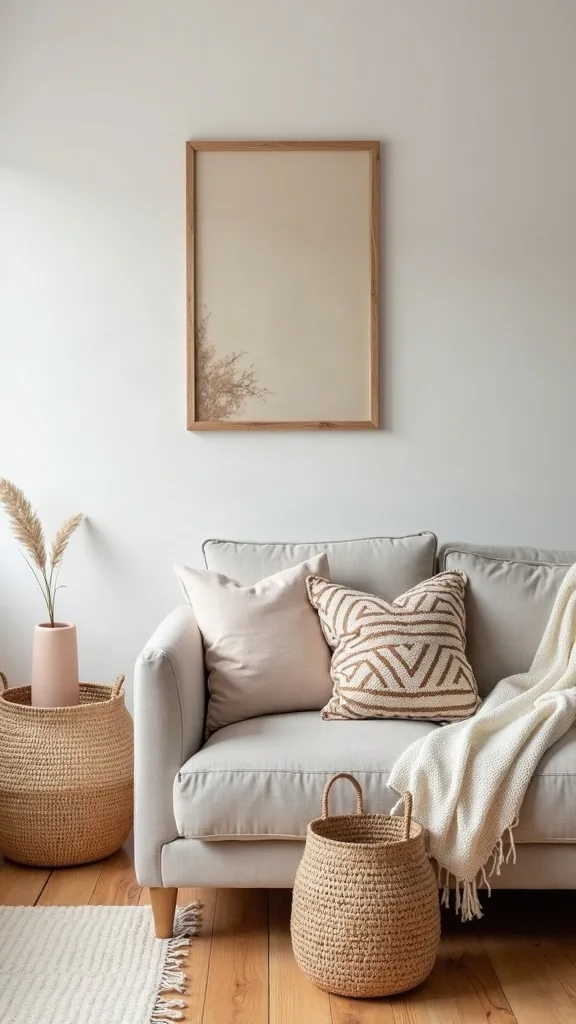
13. What wall art looks modern and cozy without costing gallery prices?
Wall art should soften the room, not shout over it. The most comfortable living rooms use art to echo the palette—like the way sunset light warms everything for a few minutes.
Go for downloadable prints (then print locally) or affordable framed art with simple line work, landscapes, or abstract shapes. Hang at eye level—center of the piece around 57″ from the floor is a good guide.
Frames: light oak for Scandinavian warmth, thin black for modern clarity, or muted gold for a hint of California polish.
Pro tip: avoid hanging art too high, especially above a sofa. When art floats near the ceiling, the seating area feels disconnected. Keep it grounded and the room immediately feels more welcoming.
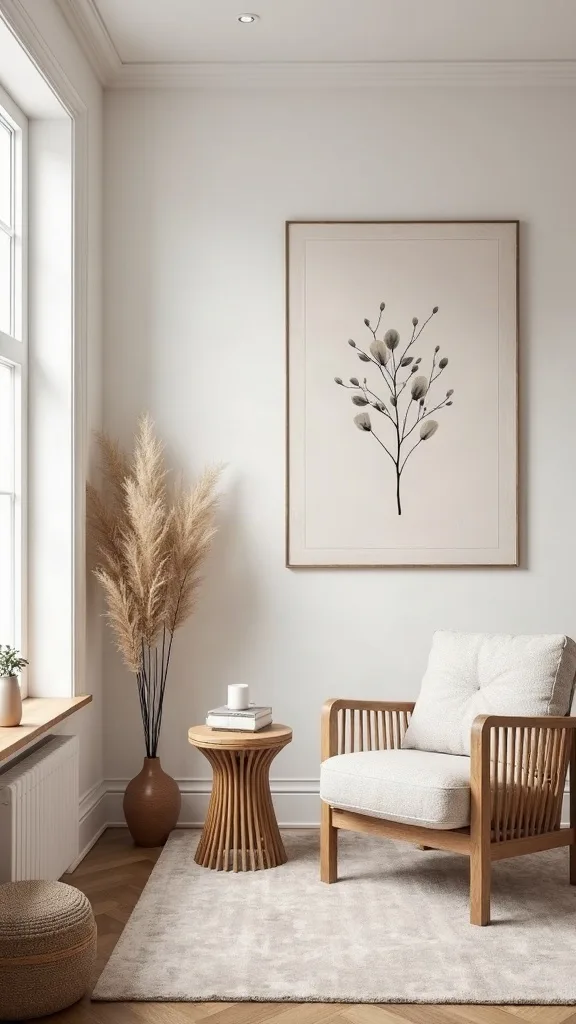
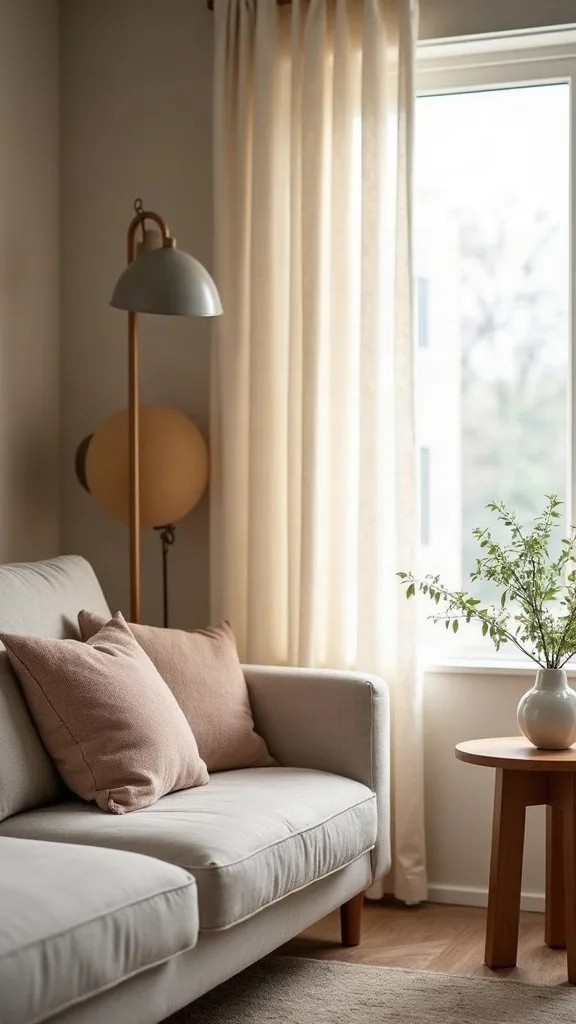
14. How do you choose curtains that make the room feel softer (not darker)?
Curtains are basically light filters. Sheer or semi-sheer panels diffuse harsh sun and make the room feel gentle, especially in late afternoon when shadows can get sharp.
Choose panels that are long enough to kiss the floor, and hang the rod 4″–6″ above the window frame to visually lift the ceiling. If you need privacy, layer sheers with blackout panels later.
Go for linen-look fabric in warm white, flax, or sand. Avoid icy gray if you’re chasing coziness—it can read cool in natural light.
Pro tip: skip short curtains that stop at the sill. They can make a room feel chopped up. Long, relaxed panels create flow—like the room is exhaling.
15. What coffee table book actually adds warmth (and gets used)?
A coffee table book is a lifestyle object when it’s chosen well—something you flip through while waiting for the kettle, or when friends are chatting and you want a shared moment.
Pick one book that matches your real interests: architecture, coastal landscapes, gardens, design, cooking. Stack it with a small object on top (a candle snuffer or coaster) so it feels integrated.
Covers in neutral linen, matte photography, or earthy tones sit nicely in minimalist and modern rooms without looking busy.
Pro tip: avoid novelty books you don’t actually like. Guests can tell when something is performative. A book you genuinely enjoy makes the living room feel like yours, not styled for someone else.
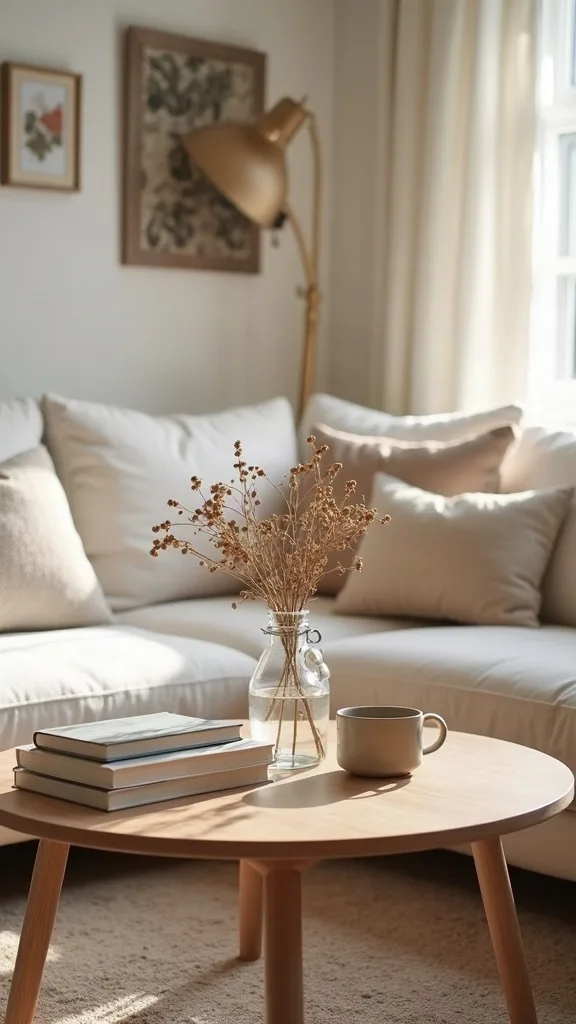
16. How do you make a TV wall feel less cold on a budget?
TV walls get cold because they’re a big dark rectangle surrounded by emptiness. Warmth comes from balancing that visual weight with texture and low, soft light.
Add a slim console styling moment: a woven tray, a small plant, and a low-profile lamp or LED accent behind the TV. Keep it minimal so cables and clutter don’t take over.
Choose matte finishes—ceramic, wood, woven fiber—so light doesn’t bounce harshly. If you add LEDs, pick warm white light (2700K–3000K — the cosy, yellowish tone you see in most homes).
Pro tip: avoid neon-bright color LEDs in the living room. They can feel like a gaming setup, not a place to unwind. Soft backlight makes movie nights feel intentional and calm.
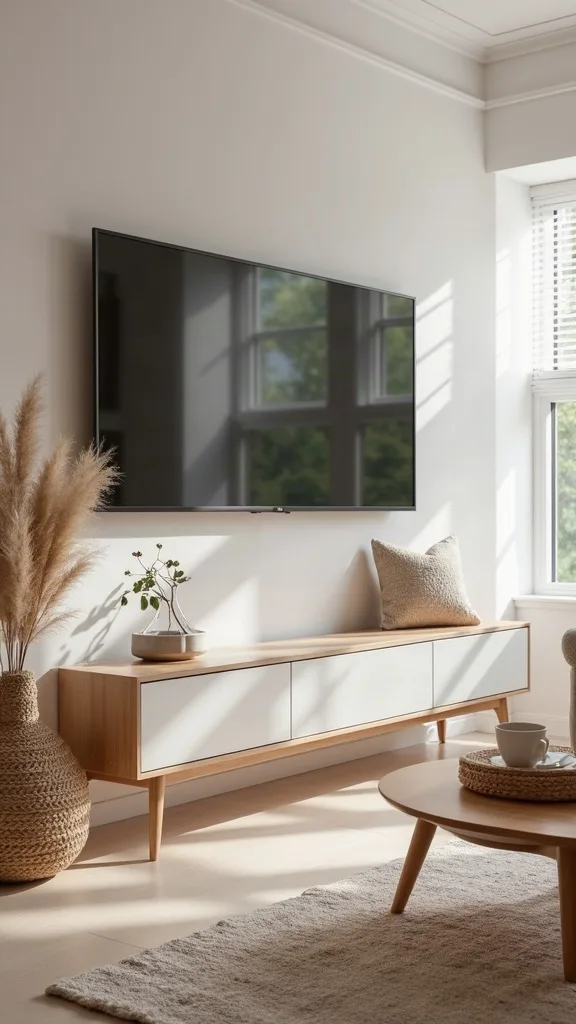
17. Which side table decor is useful instead of just decorative?
The best side table styling supports your day: a place for water, a book, hand cream, reading glasses. When it’s right, you stop wandering around looking for things.
Use the “rule of three”: one light source (small lamp or candle), one practical item (coaster stack), and one soft object (small dish for keys or rings).
Materials that feel good: travertine-look resin coaster for modern calm, acacia wood for warmth, or a matte ceramic catchall.
Pro tip: avoid tall decor that blocks your line of sight across the room. Clear sightlines keep the space feeling open, especially if your living room connects to a dining area or patio door.
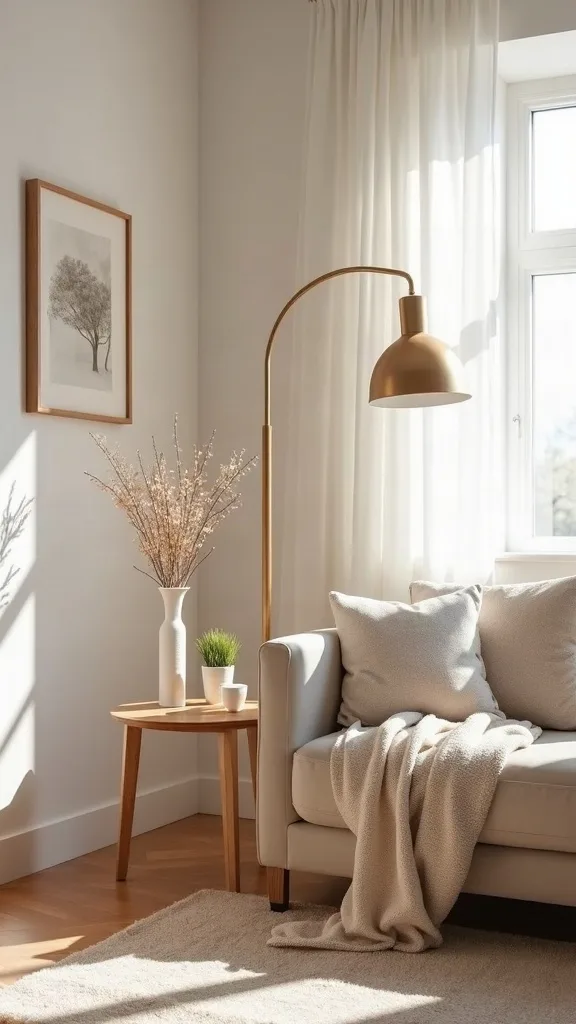
18. How can you add hygge texture without adding clutter?
Hygge is less about owning more and more about choosing softer surfaces. One or two high-touch textures—boucle, sherpa, ribbed knit—make the room feel instantly more inviting.
Add a boucle pillow cover or a small sherpa ottoman cover (if you have an ottoman). Keep the color close to your existing palette so it reads as a texture upgrade, not a new theme.
Stick to cream, oatmeal, and soft taupe—they glow in natural light and feel calm at night.
Pro tip: avoid mixing too many fuzzy textures at once. If everything is plush, the room can feel visually “loud.” One cozy texture placed where you actually sit is the sweet spot.
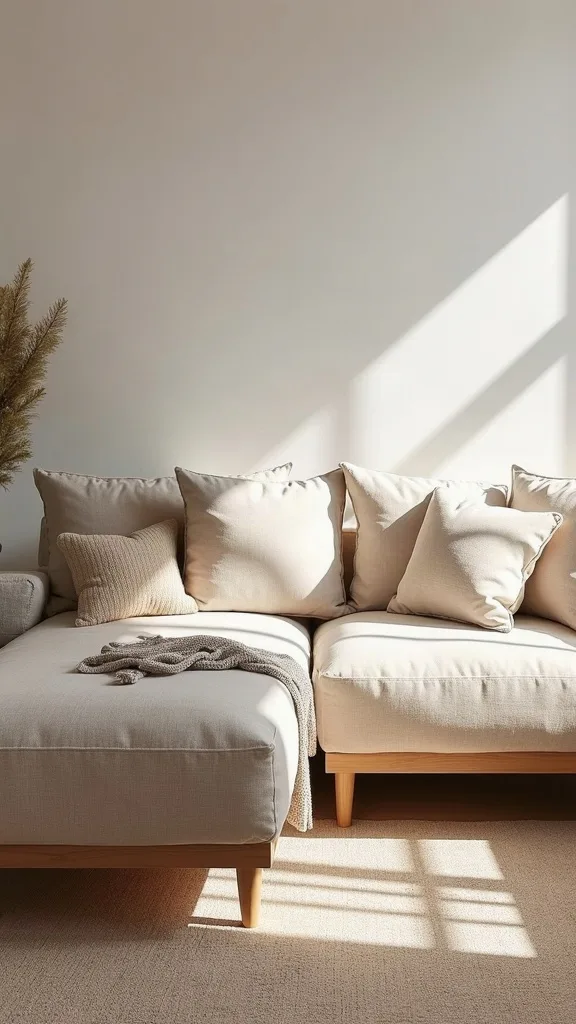
19. What’s a modern way to do faux fur without it feeling dated?
Faux fur can be chic when it’s restrained—more like a soft accent than a statement. It adds instant warmth when the AC is running or the evening cool comes in.
Choose a small faux fur throw or pillow in a solid color and short pile. Drape it over one chair or one corner of the sofa, not everywhere.
Colors that stay modern: ivory, mushroom, or charcoal. Avoid bright white with long shag; it can look costume-y fast.
Pro tip: pair faux fur with something structured like a matte black tray or a clean-lined lamp. That contrast is what keeps the room feeling current and relaxed.
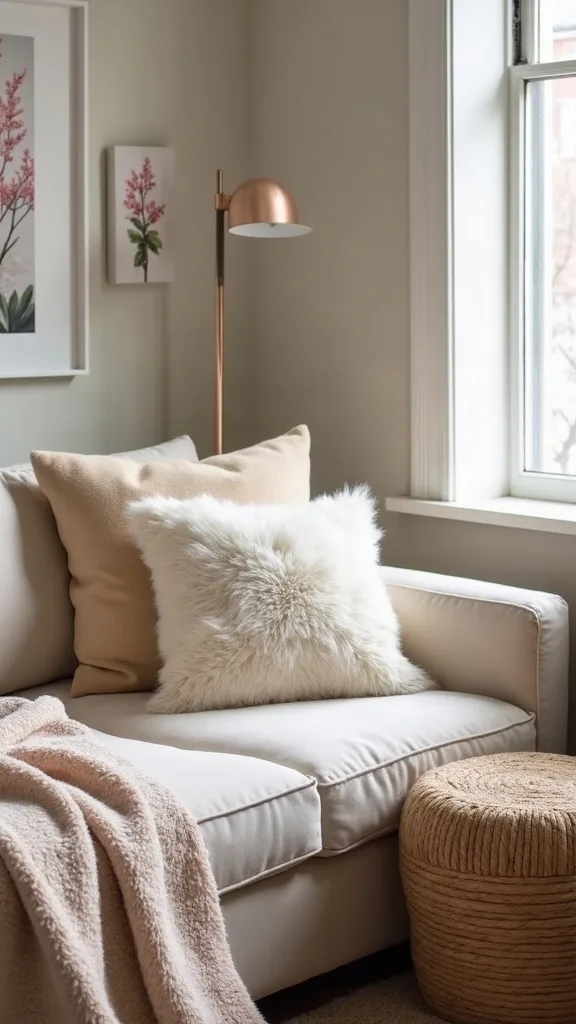
20. How do you create a cozy reading corner with less than $75?
A reading corner is a feeling: softened light, a place to set a drink, and a textile that makes you want to sit longer. You don’t need a new chair—just a small zone that signals “pause.”
Add a clip-on reading light or small lamp, a throw, and a compact side table or stool. Position it where you get indirect daylight, so it’s comfortable without glare.
Choose warm white light (2700K–3000K — the cosy, yellowish tone you see in most homes) and a shade that diffuses it. Add one pillow in a textured neutral to support your back.
Pro tip: avoid placing the chair facing a blank wall if you can. Angle it toward a window or plant so the corner feels connected to the rest of the room—like indoor-outdoor living, even on a random Tuesday.
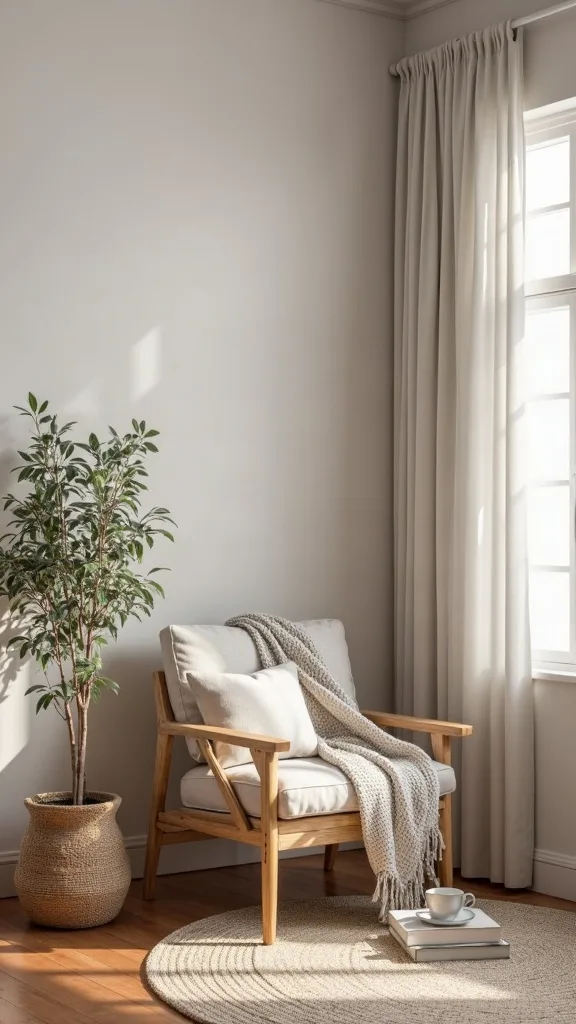
21. Which decorative bowls and vases look good even when empty?
The most livable decor pieces don’t require constant maintenance. A good bowl or vase holds its own even when you don’t have fresh flowers—because life gets busy.
Pick one sculptural ceramic vase (8″–12″ tall) or a low bowl for the coffee table. Keep the silhouette simple: rounded, slightly imperfect, matte.
Finishes that feel elevated: chalky white ceramic, sand stoneware, or smoked glass. These materials absorb and soften light instead of reflecting it.
Pro tip: avoid shiny, highly reflective vases near windows—they can create glare and feel harsh. A quiet matte vessel makes the room feel settled, like you’re not always “finishing” it.
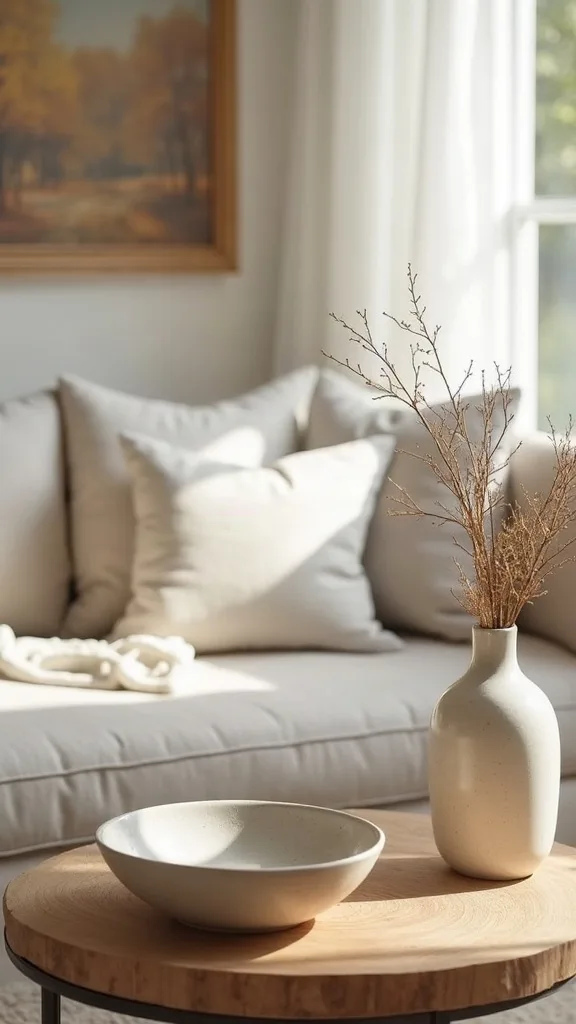
22. How do you make a living room smell fresh in a cozy way (not like chemicals)?
Scent is part of comfort, but it should feel like clean air drifting through, not a synthetic fog. A subtle diffuser or room spray can make the room feel freshly reset after cooking or pets.
Use a reed diffuser on a console near the entry to the living room, so the scent disperses gently as you walk by. Keep it away from direct sunlight so it doesn’t evaporate too fast.
Scents to try: cedar, bergamot, soft linen. Choose glass bottles in amber or clear with minimal labels for a modern look.
Pro tip: avoid mixing three different scents at once (candle + diffuser + spray). One signature scent is more luxurious—and it makes your home feel consistent day to day.
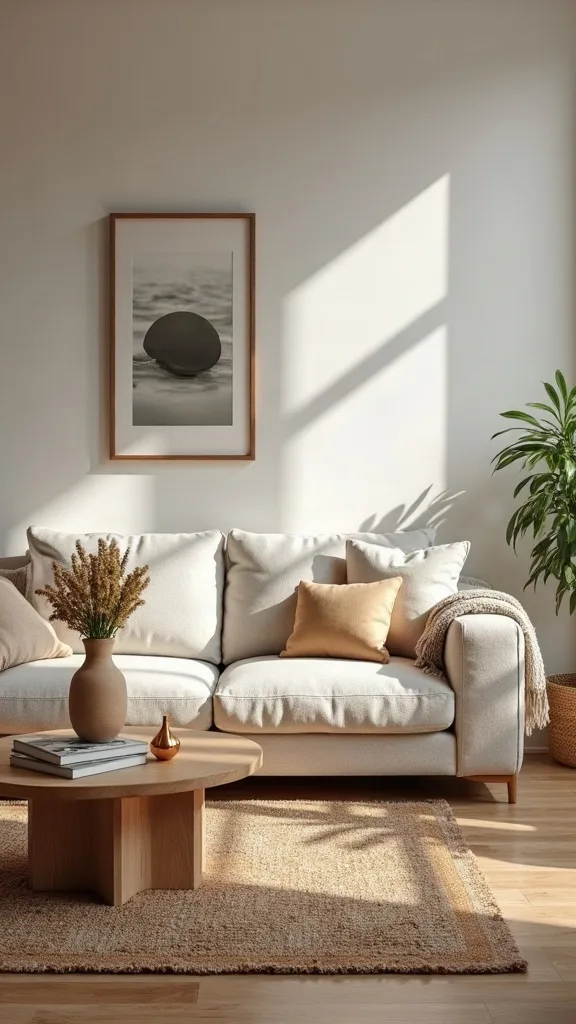
23. What’s one thing to avoid when decorating for cozy on a budget?
The biggest budget-killer is buying lots of small, random “cute” items that don’t relate to each other. It creates visual static, and the room ends up feeling smaller and more stressful.
Instead, pick a simple edit: one tray, one textile, one light source, one natural texture. Then repeat finishes—like matte black + warm wood—so the space feels coherent.
If you’re tempted by bargain bins, ask: will I touch this weekly? Does it add softness, warmth, or function? If not, it’s probably clutter.
Pro tip: leave a little emptiness on purpose. Negative space is part of cozy living—it lets your favorite pieces stand out and keeps the room flexible for real life.
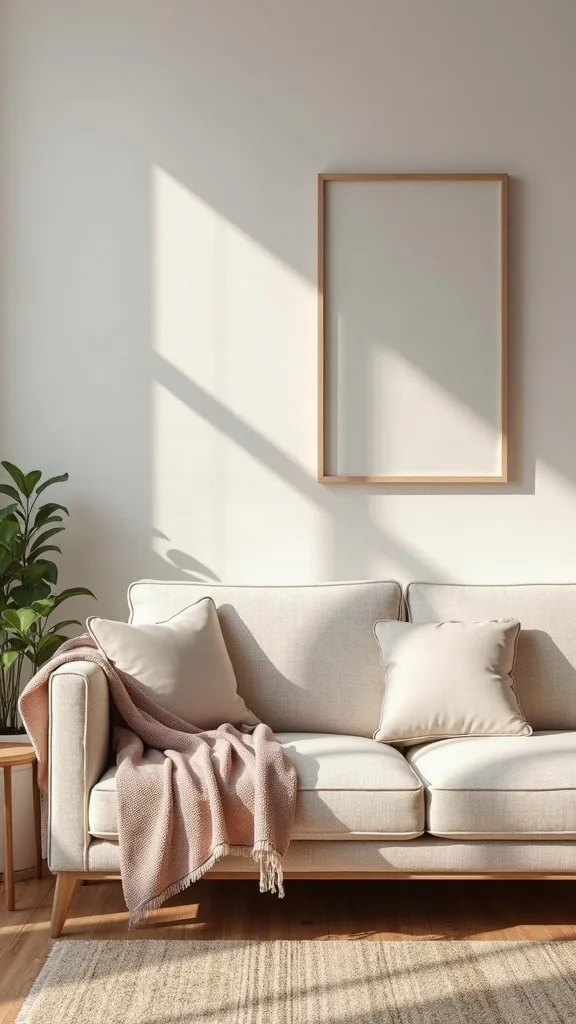
24. How do you pull minimalist and rustic together without clashing?
Minimalist + rustic works when rustic shows up as material, not decoration. Think clean shapes in warm, natural finishes—simple, grounded, and calm.
Choose one rustic texture (woven basket or wood bowl) and pair it with one minimalist line (thin black frame or modern lamp). Keep the palette tight: warm neutrals with one deeper accent like cocoa or olive.
Materials that bridge both: acacia wood, linen-look cotton, matte ceramic. They feel honest and tactile, especially in natural light.
Pro tip: avoid mixing too many wood tones at once. If you already have a dark espresso table, choose lighter accessories sparingly and repeat one tone to keep the room feeling intentional.
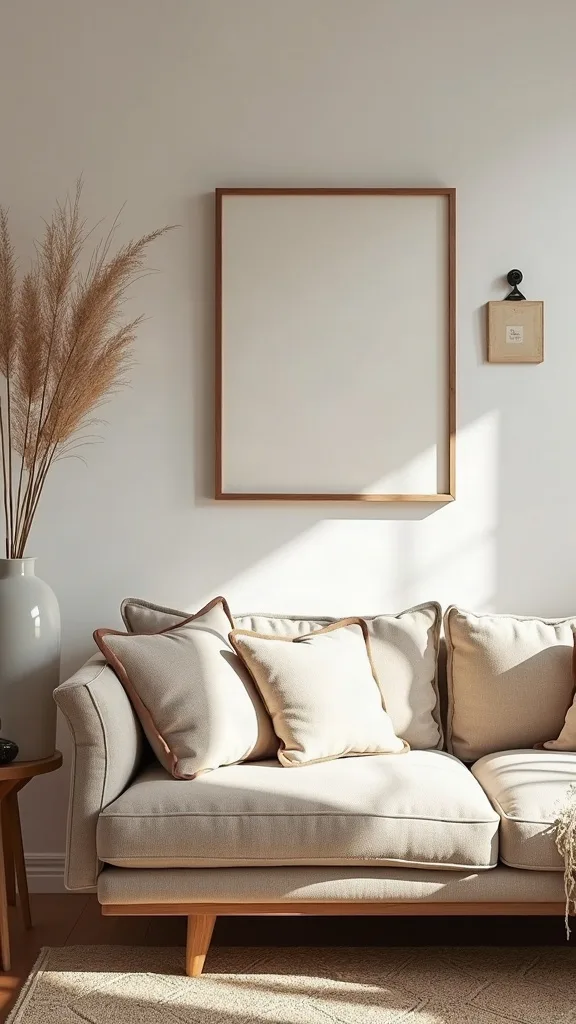
25. What’s the fastest 20-minute reset to make the living room feel cozy tonight?
The fastest reset is about controlling light and touch points—what your hands reach for, where your eyes land, and how the room feels when you sit down. Cozy happens when friction disappears.
Do this: clear the coffee table, set a tray with coasters, add one candle, fold one throw over the sofa arm, and fluff two pillows. Then turn on one lamp with warm white light (2700K–3000K — the cosy, yellowish tone you see in most homes) instead of overhead lighting.
Add a woven basket beside the sofa for anything that doesn’t belong. One container equals instant calm.
Pro tip: open a window or slider for two minutes, even if it’s just a crack. Fresh air plus warm light is a quiet luxury move—and your living room will feel like a place you actually want to be.
Final Thoughts
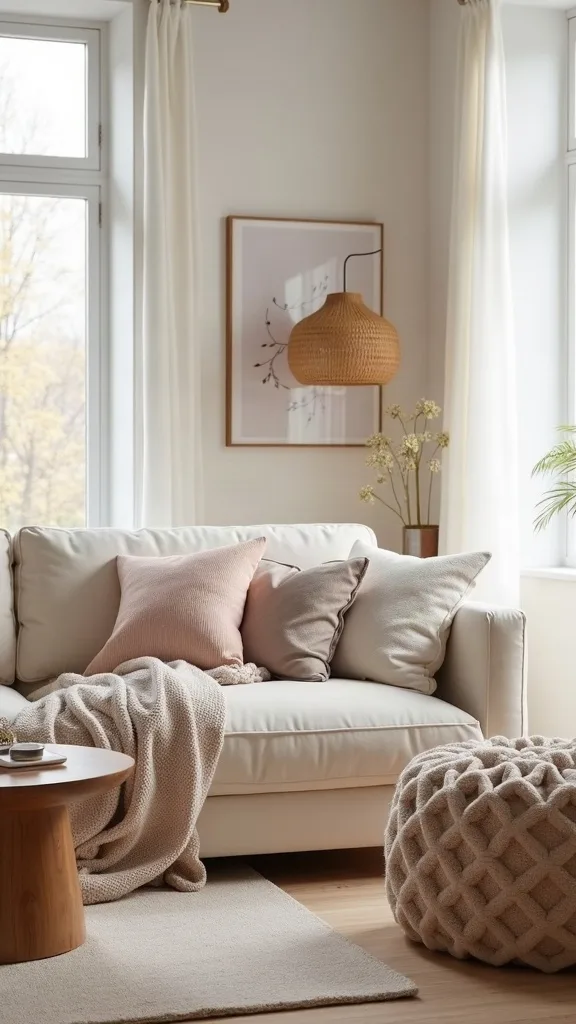
The living room gets cozy when the light is kind and the surfaces feel good—soft where you land, warm where you reach, grounded where you set things down. That’s the whole game. A few under-$75 choices, repeated thoughtfully, can make the space feel calmer than a big, scattered spending spree ever will.
Let the room stay breathable. Keep the pathway clear from entry to patio door, and use texture where life actually happens: the sofa arm, the side table, the spot where you kick off shoes. If something doesn’t improve comfort, edit it out. Cozy isn’t crowded—it’s supported.
Do one thing today: pick a warm lamp or a throw you’ll touch every night, place it where you naturally unwind, and remove three random items that don’t serve the room. That single reset starts a home that feels personal, not decorated.
What I’d Do Differently
When I first tried this, I made the classic mistake: I bought a bunch of small “cozy” things because they were under $25—mini signs, little knickknacks, a random stack of objects for the coffee table. In my late-afternoon light, it all looked busy and somehow still felt cold. The room didn’t flow; it felt like everything was competing for attention. The correct approach is to pick fewer pieces that change how the room behaves—one warm light source, one textile you actually reach for, and one container that hides real mess. That’s what makes the space feel calm at the end of the day.
I also wish I’d known how much a single matte finish can unify a room. Once I committed to repeating matte black (frame + tray) and warm wood (bowl + basket), everything felt “collected” without trying. Choose your two finishes, buy one useful piece tonight, and let the room get cozier with you.