
This post contains affiliate links. As an Amazon Associate, I earn from qualifying purchases at no extra cost to you.
Patio inspiration photos always look like nobody lives there—no damp towels, no rogue chalk, no “where did that juice box come from?” energy. Real patios are more like a hallway that happens to be outside: everybody passes through, and it shows.
This is a practical patio refresh for late summer that doesn’t ask you to buy all new furniture or pretend the weather is already sweater-season. You’ll get simple, high-impact swaps that bridge the outdoor fall transition so your space feels intentional now and still works when nights cool down.
It’s perfect for families who want the patio to feel welcoming on a Tuesday night—not just “company-ready” twice a year.
Inside, you’ll see quick color shifts (without repainting), lighting that makes everyone linger, and small decor moves—like pumpkins and planters—that feel harvest-y without screaming Halloween. There’s also one thing to avoid that saves a lot of money and frustration.
Below are 25 Late Summer Patio Refresh & Seasonal Transition that make your seasonal patio feel warmer, calmer, and more usable—without chasing perfection.
Products I Recommend for This Project
Here are some of my favourite products to help you bring these ideas to life:
- Brightech Ambience Pro Solar Outdoor String Lights — Adds warm, steady patio glow without needing an outlet.
- Enido Flameless LED Candles with Timer (Outdoor) — Gives flicker and coziness with less worry around kids, pets, and wind.
- Kirkland’s Style Faux Pumpkin Variety Set (similar sets on Amazon) — Creates an instant harvest cluster you can reuse every year.
- MIULEE Outdoor Waterproof Throw Pillow Covers (Rust/Terracotta) — An easy color swap that carries your seating from summer into fall.
- TomCare Metal & Glass Lantern (Hurricane Style) — Protects candlelight from breezes and makes the patio feel finished at night.
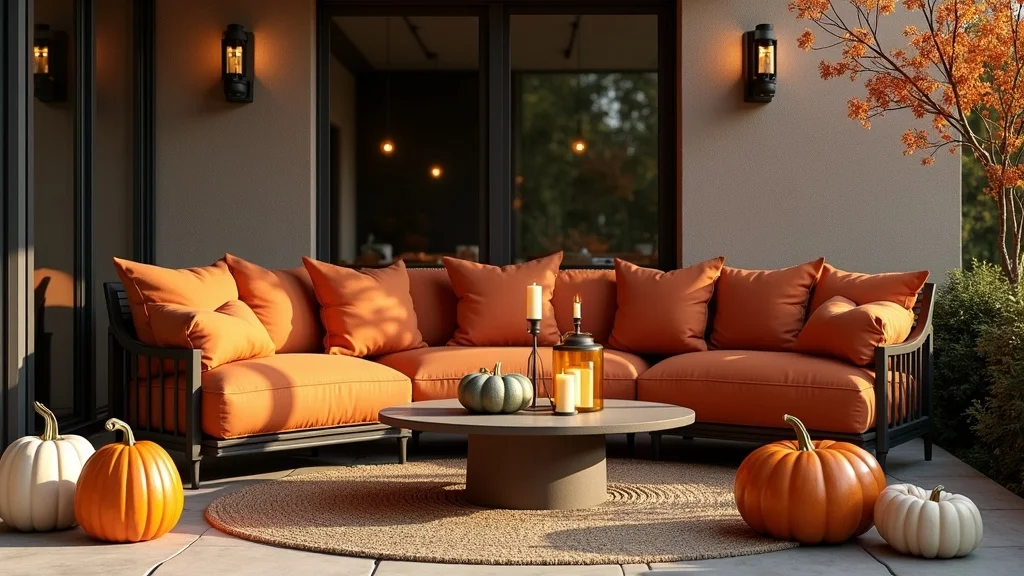
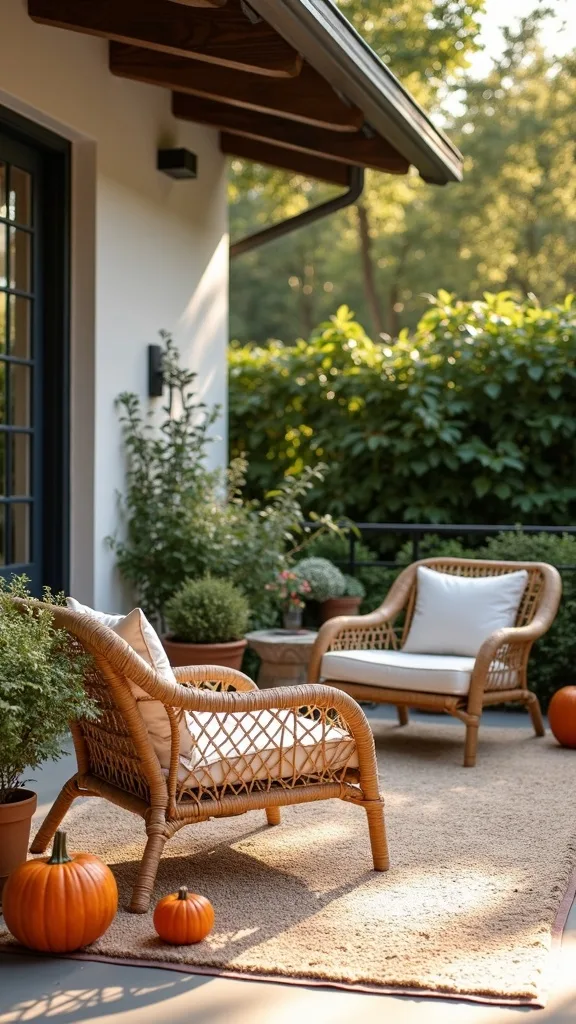
1. Swap bright cushions for rust/amber, add harvest pumpkins, and add outdoor candles
This is the fastest way to make the space feel like you meant to decorate—without moving a single piece of furniture. Warm textiles plus a small harvest moment reads “cozy” even when it’s still 85°F outside.
Start by swapping two to four cushion covers from citrus/brights to rust, amber, or muted terracotta; keep the inserts so it’s a 10-minute job. Cluster 3–5 small pumpkins (real or faux) on a tray, then add two outdoor-safe candles or lanterns to bring in evening glow.
Look for rust/amber covers in washable fabric, a simple wood or metal tray, and LED outdoor candles if you have kids, pets, or windy nights. If you do real candles, choose a jar style so the flame is protected.
Pro tip: repeat the color three times (pillows, one throw, one pumpkin cluster) so it looks pulled together—progress over perfection still feels like a win.
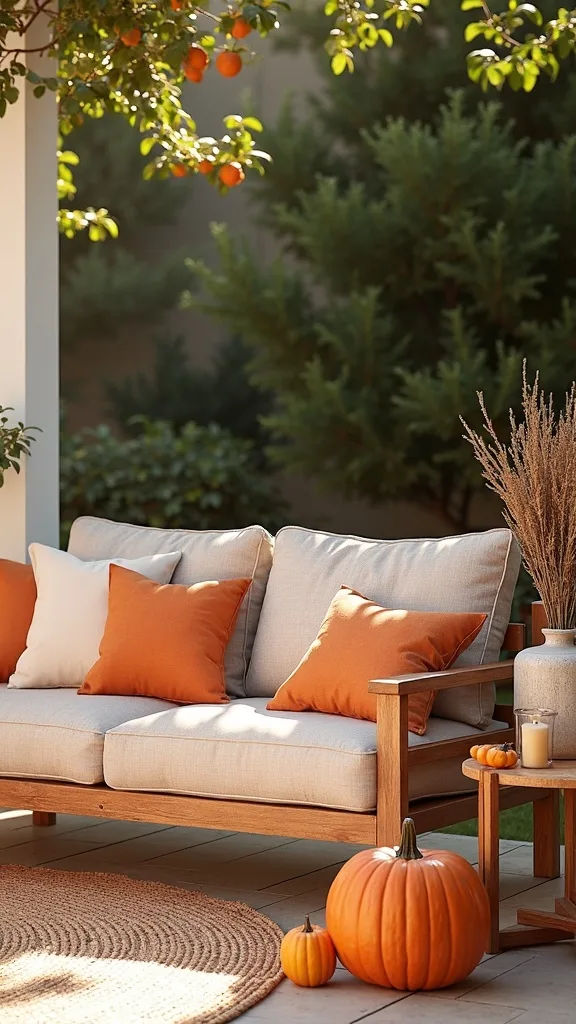
2. How do I refresh my patio fast without buying new furniture?
The quickest refresh comes from changing what your eye lands on first: textiles and tabletops. Furniture is the “bones,” but soft goods are the mood.
Do a 15-minute reset: wipe the table, shake out the rug, and remove anything that doesn’t belong outside (random toys, empty planters, broken citronella). Then add one new surface moment—like a tray with a candle and a small vase—so the patio looks “kept” even when life is busy.
Choose washable pillow covers, a weather-safe tray (metal or sealed wood), and a small thrifted pitcher for stems. Colors that bridge seasons—camel, olive, rust—work longer than neon.
Pro tip: leave one basket or bin outside for “patio clutter.” Hiding the mess counts as cleaning, and it makes the space feel calm immediately.
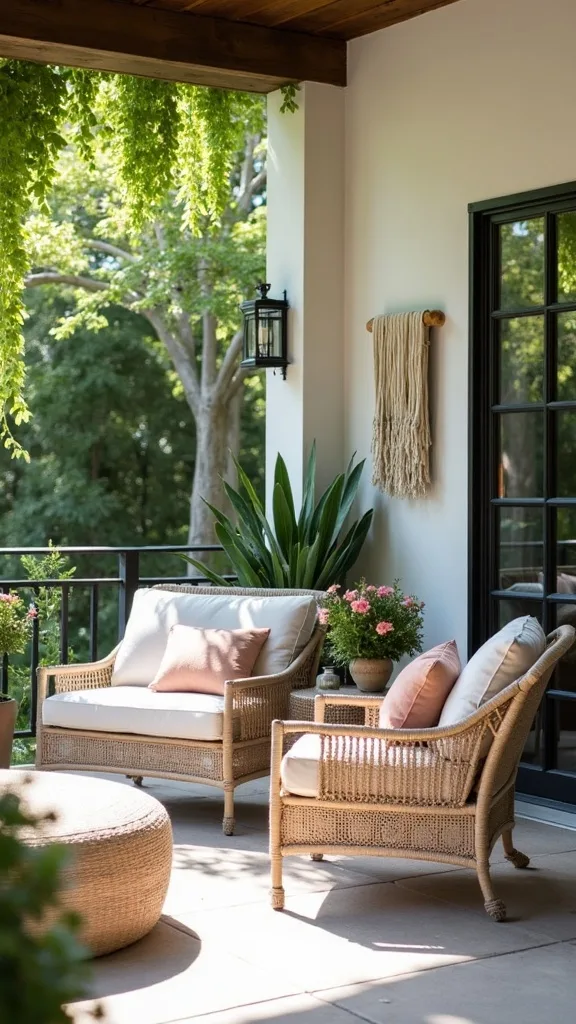
3. What colors work best for a summer to fall outdoor transition?
The sweet spot is “sunset tones”: warm but not heavy, cozy but not gloomy. They read fall-adjacent without making August feel like November.
Pick one main warm shade (rust, amber, cinnamon) and one grounding neutral (cream, tan, charcoal). Then add a tiny hit of deep green—like a plant or plaid accent—to hint at fall without going full theme.
Materials matter as much as color: textured neutrals (slub cotton, woven throws, jute-look rugs) feel seasonal even if the palette stays simple. If your furniture is gray, warm it up with camel and terracotta; if it’s wood-toned, add cream and olive.
Pro tip: avoid adding five new colors at once. Two core shades + one accent looks intentional, and it’s easier to keep looking nice when kids and snacks happen.
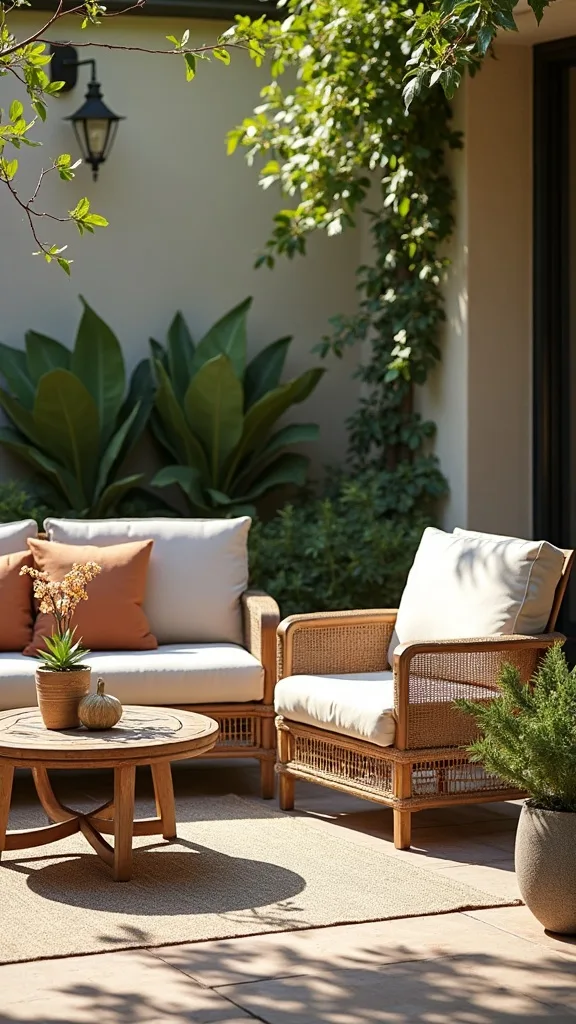
4. How do I make a seasonal patio feel cozy at night with simple lighting?
Cozy outdoor lighting is less about brightness and more about layers. One harsh light makes everything feel like a parking lot.
Aim for three light sources: a string-light line, a tabletop glow, and one corner lantern. Choose warm white light (2700K–3000K — the cosy, yellowish tone you see in most homes) so faces look soft and the space feels inviting.
Try solar string lights along the railing, two outdoor lanterns by seating, and LED candles on the table for flicker without worry. If you need more visibility, add one small rechargeable lamp instead of a bright flood.
Pro tip: set a timer so the lights come on before dinner. When the patio is already glowing, people naturally drift outside—and you’ll actually use the space.
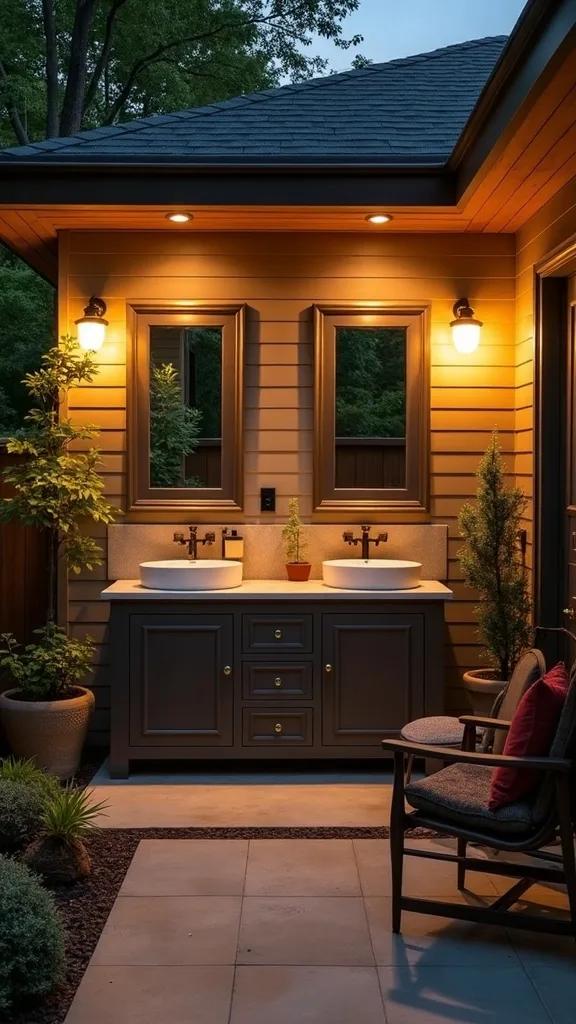
5. What’s one thing to avoid during a late-summer patio refresh?
Avoid buying “almost outdoor” decor that can’t handle heat, sun, or surprise rain. It’s the fastest way to waste money and end up with warped trays and mildewy pillows.
Before you add anything new, check labels for outdoor-safe or weather-resistant. If you’re using indoor items temporarily, keep them on a grab-and-go tray so you can bring them in quickly when the weather turns.
Skip untreated wood left in full sun, cheap fabric that isn’t washable, and candles that melt into a puddle on a hot table. Instead, choose powder-coated metal, sealed wood, and textiles you can toss in the washer.
Pro tip: the goal isn’t a showroom patio—it’s a space that survives real life. Durable choices feel better every single day.
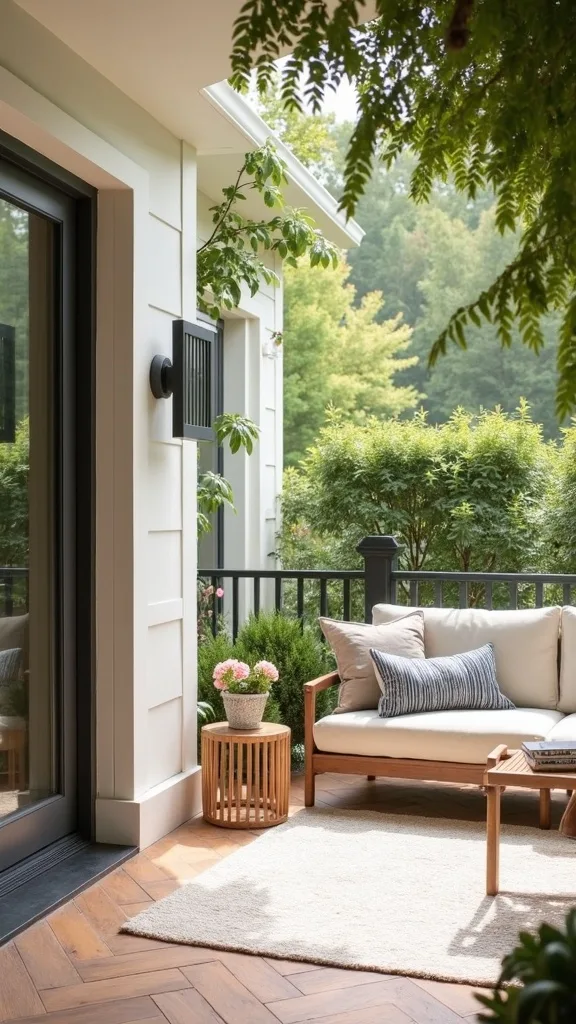
6. How can I make my patio seating feel new with just one add-on?
If you add only one thing, add a throw that feels good against your skin when the air cools. Comfort is what keeps people outside.
Drape one outdoor-friendly throw over the arm of a chair or fold it into a basket near the door. Choose a size around 50″ x 60″ so it actually covers legs, not just vibes.
Look for outdoor knit throws or quick-dry woven blankets in camel, rust, or cream. If you already have pillows, match the throw to one pillow color so it looks planned.
Pro tip: keep a second “mess-friendly” throw for kids and pets. When you’re not worried about spills, you relax—and that’s the whole point of a seasonal reset.
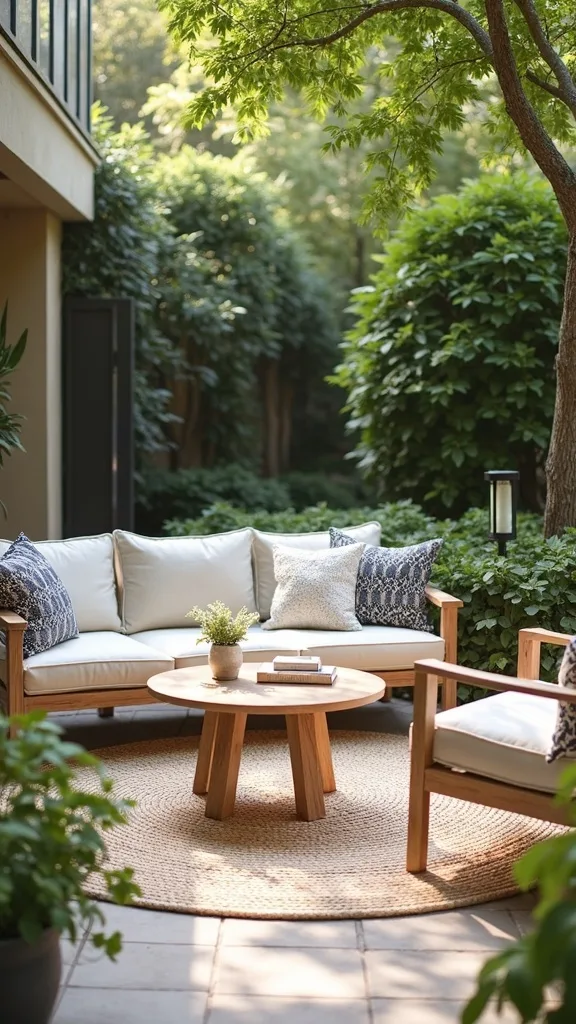
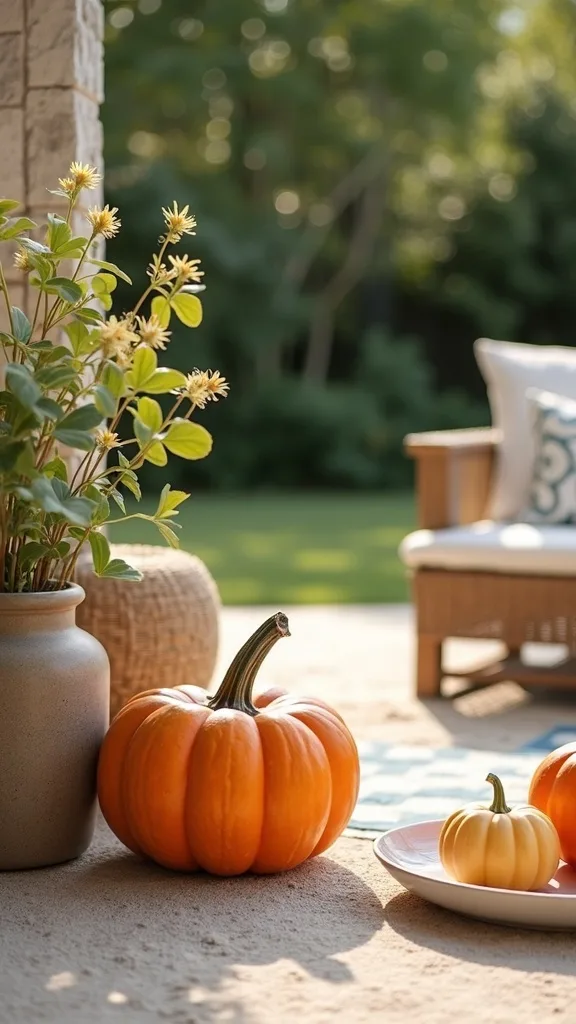
7. Where should I place pumpkins so they look tasteful, not cluttered?
Pumpkins look best when they’re grouped and grounded. One lonely pumpkin reads like you forgot to put it away.
Use the rule of odd numbers: 3 or 5 pumpkins in mixed sizes. Place them where they visually “anchor” something—at the base of a planter, beside steps, or clustered on a low table tray.
Choose muted pumpkins (white, pale green, soft orange) for a more grown-up look, or add one striped pumpkin for pattern. If critters are an issue, faux pumpkins or dried gourds save your sanity.
Pro tip: keep pumpkins off high-traffic paths. A seasonal patio should feel welcoming, not like an obstacle course in the dark.
8. How do I keep outdoor candles from blowing out (or freaking me out)?
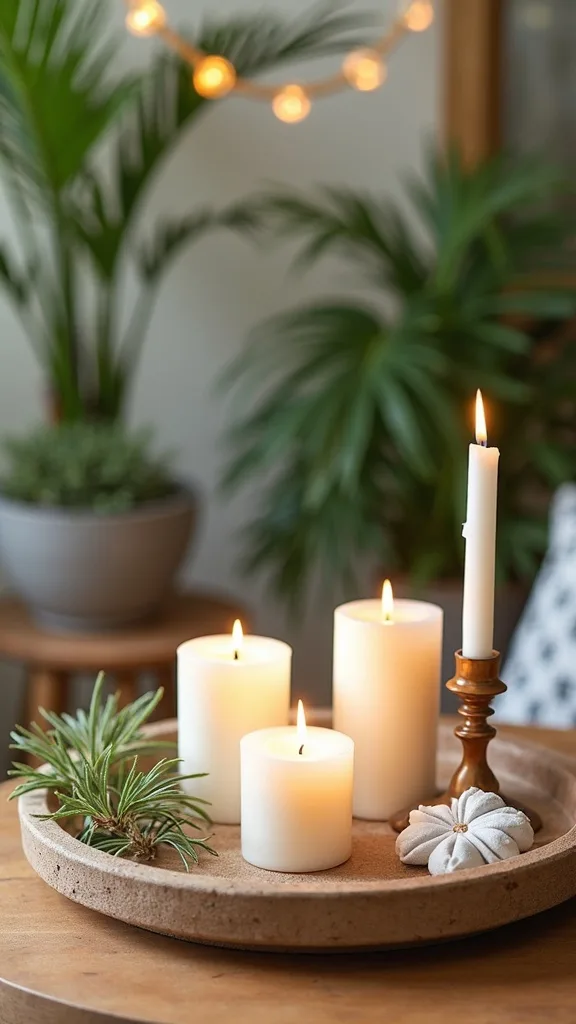
Wind and open flames don’t care how cute your tablescape is. The safest cozy glow is protected glow.
Use hurricane-style lanterns or jar candles with tall sides, and keep flames centered on stable surfaces. If you have kids, pets, or a breezy deck, switch to LED candles with a timer—same mood, less stress.
Look for glass hurricane lanterns, timer LED candles, and citronella options if bugs are still lingering. If you use real candles, trim wicks so the flame stays steady and doesn’t smoke.
Pro tip: place candles lower than eye level. Low light feels intimate and calming, and you’ll actually want to sit and stay awhile.
Cost & Materials Estimate
A realistic late-summer patio refresh typically lands between $60 and $250 depending on how many textiles and lighting pieces you swap.
| Item | Estimated Cost | Where to Buy |
|---|---|---|
| Set of 2 outdoor pillow covers (rust/amber) | $18–$32 | Amazon |
| Outdoor LED candles with timer (set of 2–3) | $22–$45 | Amazon |
| Hurricane lantern (metal/glass) | $24–$55 | Home Depot |
| Faux pumpkin set (6–12 pieces, mixed sizes) | $16–$35 | Amazon |
| Outdoor throw blanket (50″ x 60″ approx.) | $20–$40 | Wayfair |
Total estimated cost: $60–$250 Save money by reusing pillow inserts and shopping end-of-season clearance; splurge on lighting because it changes the mood every night.
9. How do I create an outdoor fall transition without going full Halloween?
The trick is to lean into harvest textures instead of spooky icons. Think “farm stand,” not “haunted house.”
Swap in natural elements: a bowl of mini pumpkins, dried grasses in a vase, and a simple plaid pillow—then stop there. Leave your summer greenery in place so the space still feels alive.
Choose dried pampas or wheat stems, matte ceramics, and warm metals like aged brass tones. Avoid loud signage and character decor if you want the look to last from August through October.
Pro tip: if you love seasonal fun, keep it to one removable piece (like a door wreath). That way your patio stays transitional, not dated two weeks later.
10. What’s the easiest way to make a small patio feel styled, not cramped?
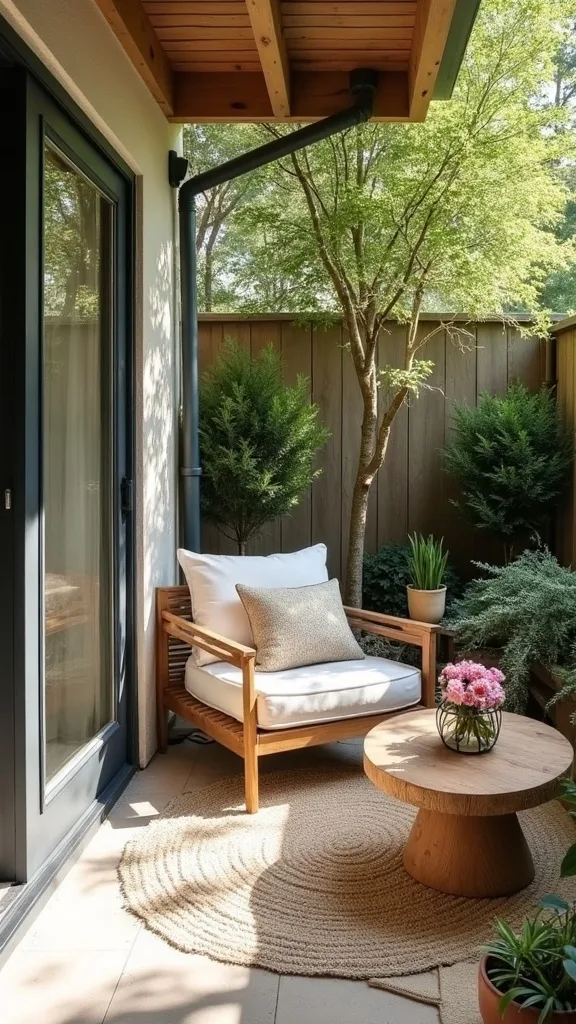
Small patios don’t need more stuff—they need clearer zones. When every surface is covered, the space feels busy even if it’s clean.
Create one “main moment”: a bistro table or coffee table with a tray centerpiece. Then keep the floor open by using vertical elements like a tall planter or wall hook for a lantern.
Try stackable stools, a slim outdoor side table, and one oversized planter instead of three small ones. Rust and amber accents look especially good in small spaces because they warm things up without adding visual clutter.
Pro tip: limit yourself to one pattern. One striped pillow + solids everywhere else reads calm, and calm is what makes a patio feel bigger.
11. How can I update a patio table for late summer without a full tablescape?
A patio table doesn’t need “decor”—it needs a landing spot that makes daily life easier. The win is function that also looks nice.
Set up a simple tray with three items: a candle (or LED), a small vase, and a catch-all bowl for matches, bug spray, or hair ties. Keep the tray under 14″–16″ wide so it doesn’t steal elbow room.
Choose melamine or outdoor-safe dishes if you eat outside often, and a wipeable runner in a warm neutral if your table feels too bare.
Pro tip: leave space for real life—pizza boxes, homework, a card game. A seasonal patio works when it’s used, not when it’s staged.
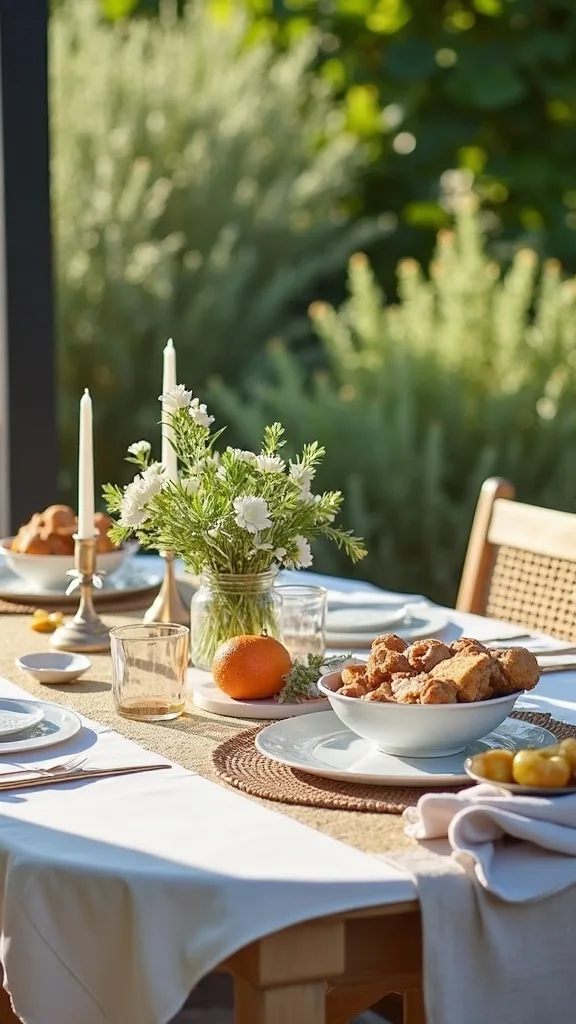
12. Which plants look good from late summer into fall (and don’t feel fussy)?
Late summer is the moment for plants that can handle heat now and still look intentional when nights cool. You want sturdy, not precious.
Add one statement pot with something tall (ornamental grass) and one lower pot with flowers (mums) or texture (heuchera). Place them near seating so you see them up close, not hidden in a corner.
Great options: ornamental grasses, mums, marigolds, and sedum. Keep pots in warm neutrals or matte black so the plant colors do the seasonal work.
Pro tip: don’t overwater as temperatures dip. Slightly drier soil helps prevent root rot, and your patio stays greener longer—without extra effort.
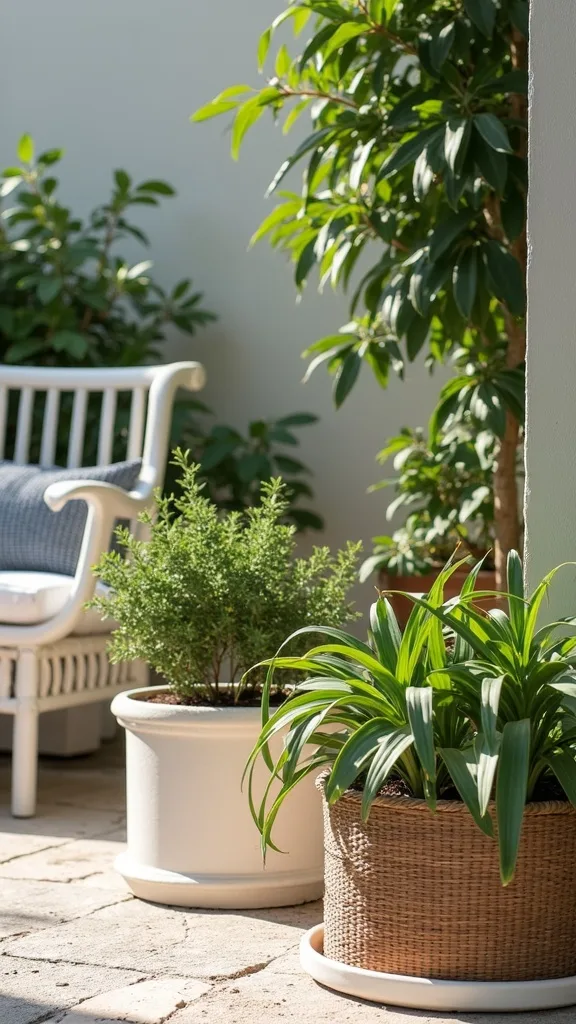
13. How do I make my patio feel cleaner without deep-cleaning everything?
Most patios don’t look “dirty”—they look visually noisy. A quick edit reads cleaner than an hour of scrubbing.
Do a two-bag sweep: one bag for trash, one bin for items that belong inside. Then rinse the main walking path with a hose and add a doormat so new dirt stops at the door.
Use outdoor storage like a deck box or slim bench, and choose one lidded basket for small items. If your rug is past saving, flipping it or turning it 90 degrees can buy you a season.
Pro tip: pick one “clean line” to maintain—like the edge of the rug to the door. When that strip stays tidy, the whole patio feels more put together.
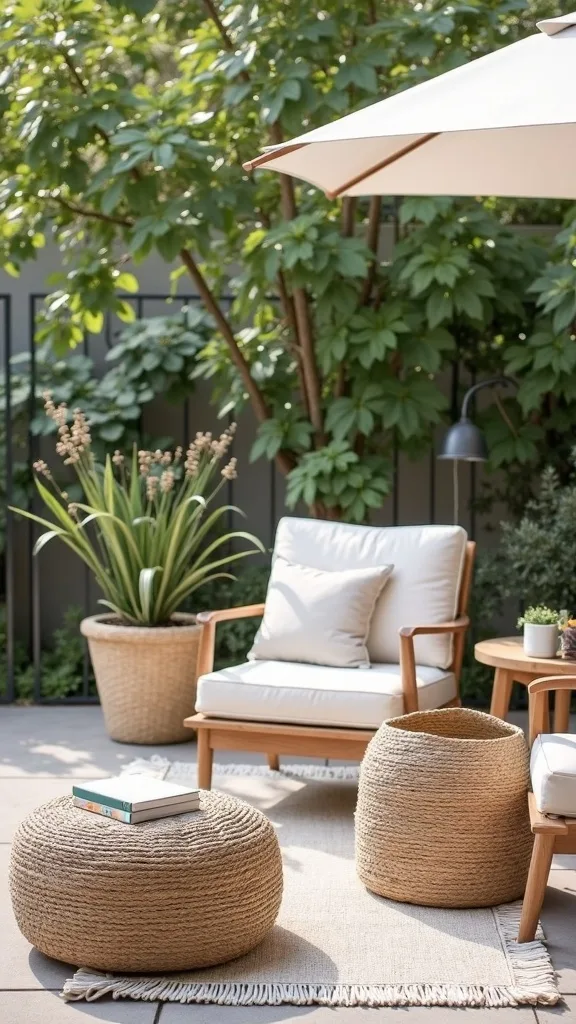
14. What’s a budget-friendly way to refresh patio decor for under $100?
You can get a big emotional shift with a small cart of basics. The goal is a new color story and warmer light, not a full replacement.
Spend on three things: two pillow covers, one LED candle set, and one small seasonal accent (pumpkins or a dried-stem bundle). Shop end-of-season summer clearance for neutral outdoor pieces that will work again next year.
Look for pillow covers in sets, battery candles with timers, and faux pumpkins you can store flat in a tote. Rust + cream is an easy, forgiving combo.
Pro tip: avoid buying tiny knickknacks. One larger item looks more intentional, and it’s easier to keep clean when you’re living real life outside.
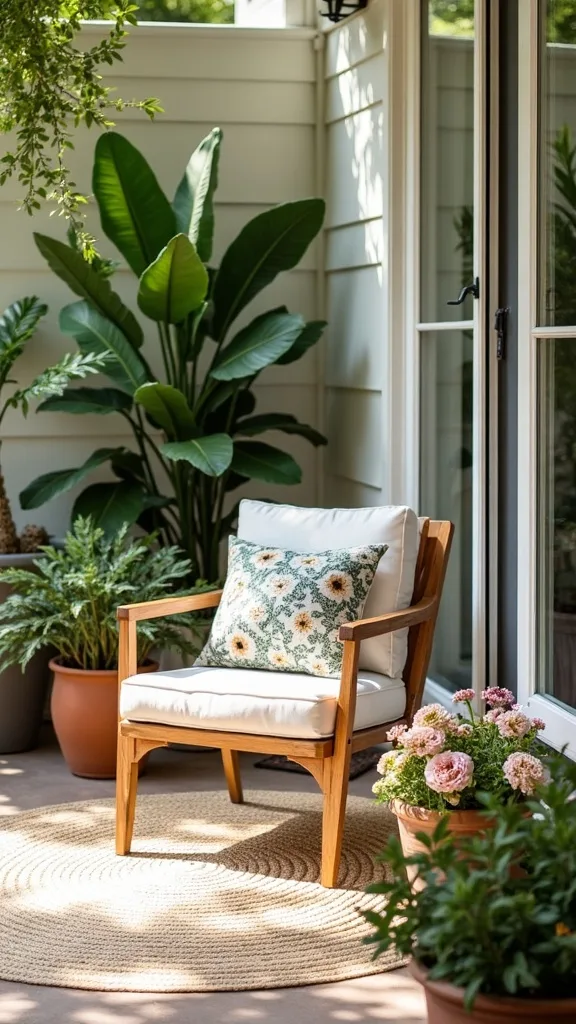
15. How do I make outdoor seating more comfortable as evenings cool down?
Comfort is what turns “nice patio” into “we’re out here every night.” When the air shifts, your body notices first.
Add a thin seat cushion if your chairs are hard, and keep a basket with two throws near the door so you don’t have to go back inside. If you have a metal bench, a cushion is non-negotiable once nights cool.
Choose quick-dry seat pads, textured throws, and a footrest or pouf if you have the space. Warm tones make the whole seating area feel psychologically warmer too.
Pro tip: keep one throw that’s strictly for outside. It doesn’t have to stay pristine—progress over perfection means you get to actually use it.
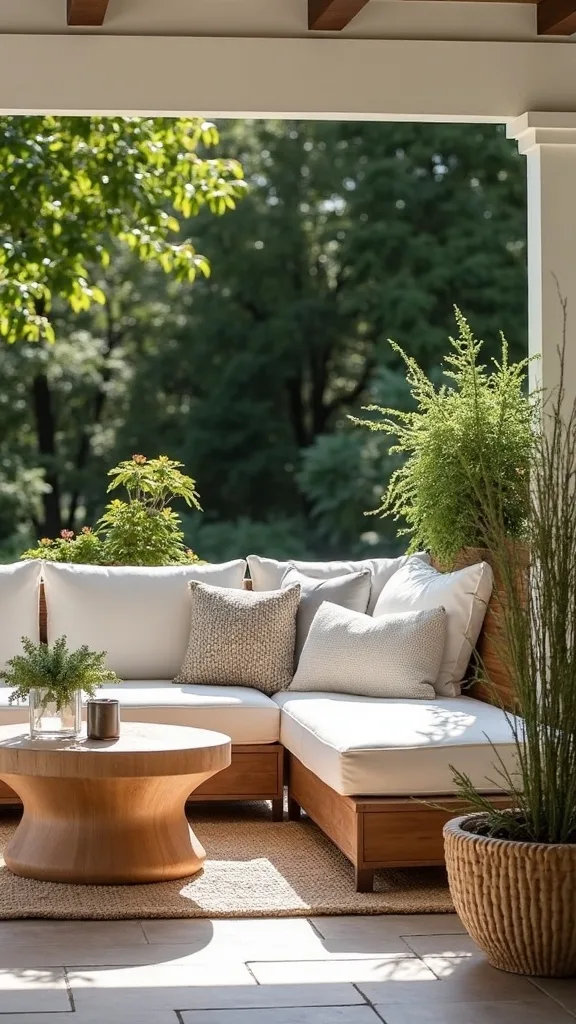
16. How can I add privacy for late summer hangouts without building anything?
Privacy makes a patio feel like a room, not a stage. Even a small visual buffer can help everyone relax.
Try an outdoor curtain panel on a tension rod (for covered spaces) or use tall planters with grasses to create a soft screen. A folding outdoor screen can also block a neighbor’s view without permanent changes.
Look for tall planters, outdoor-rated curtains, and neutral colors that won’t fade as quickly. If wind is an issue, weigh planters with gravel at the bottom.
Pro tip: aim for “filtered” privacy, not a fortress. When light and air still move through, the patio stays breezy and comfortable.
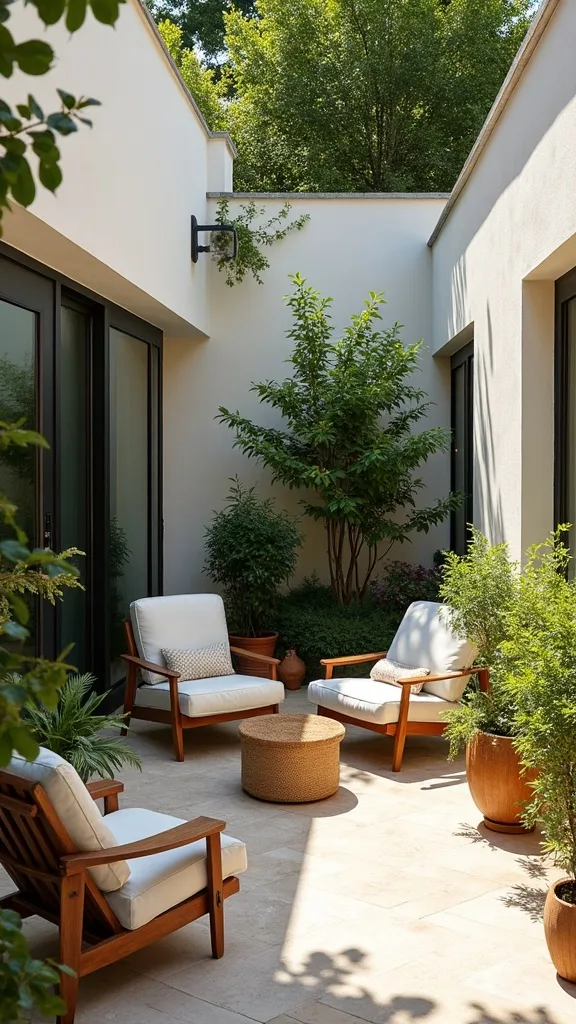
17. What’s the best way to handle bugs during the summer to fall outdoor season?
Bugs can ruin the vibe faster than any decor mistake. The best fix is a mix of prevention and comfort.
Clear standing water, wipe down sticky spills, and keep a small fan nearby—moving air makes it harder for mosquitoes to land. Add citronella in lantern form near the perimeter, not right next to your food.
Use citronella candles, a rechargeable fan, and a lidded container for snacks. If you have kids, bug-repellent wipes in the tray centerpiece make it easy without turning it into a production.
Pro tip: don’t rely on one “miracle” product. Small habits plus a couple of tools keep your seasonal patio usable longer into September.
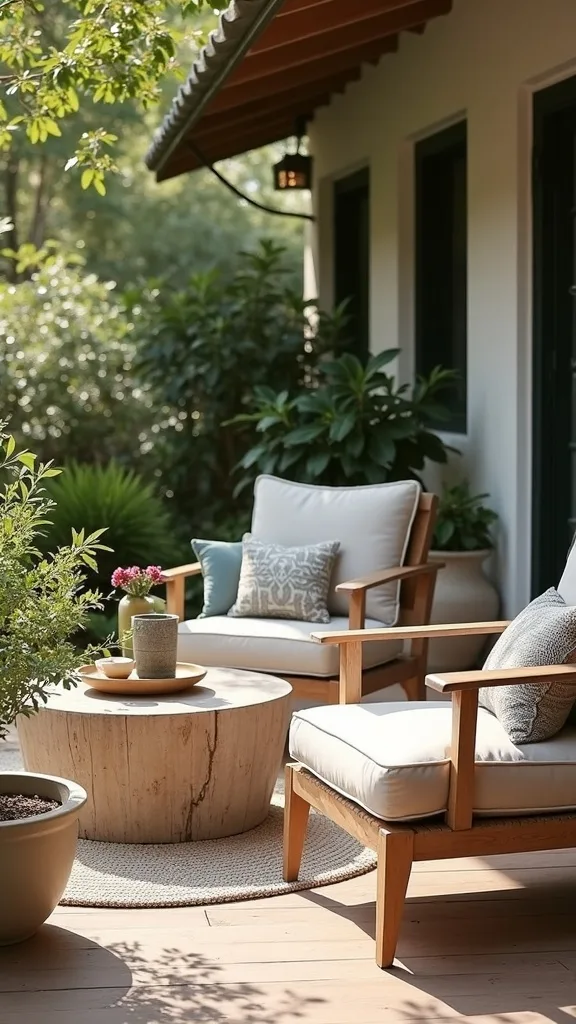
18. How do I style an outdoor rug for a patio refresh (and keep it practical)?
An outdoor rug instantly makes seating feel like a room. It also hides a lot of “real life” scuffs and stains.
Choose a rug big enough that front chair legs sit on it—usually 5′ x 7′ for a small conversation set. Hose it off, let it dry in the sun, and rotate it once a month so it wears evenly.
Go for flatweave outdoor rugs in warm neutrals with a subtle pattern (stripes, small geometrics). Avoid super light cream if your patio gets muddy traffic.
Pro tip: add a rug pad made for outdoors if it slides. A stable rug feels safer for kids and grandparents, and it keeps the whole area looking tidy.
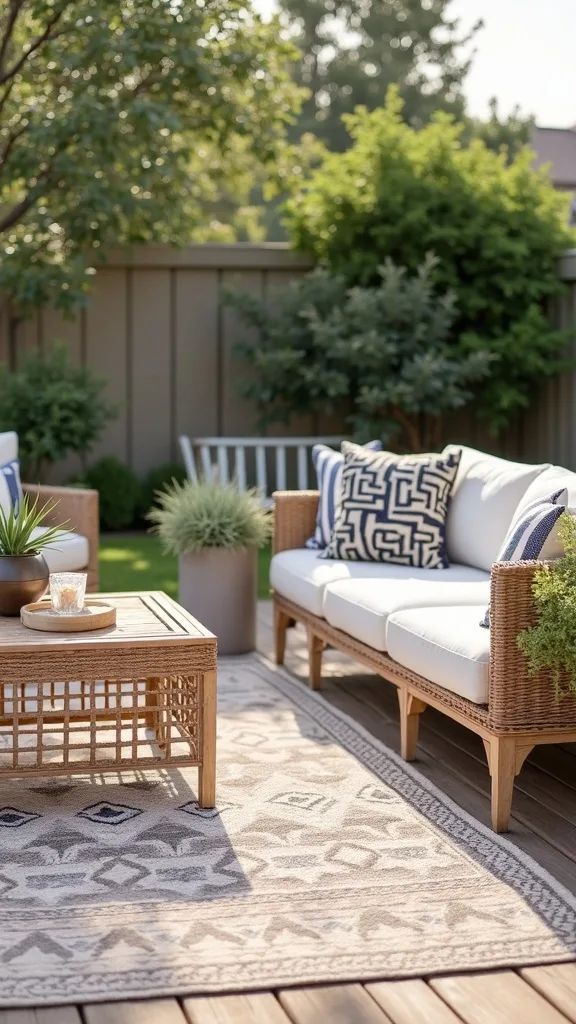
19. How can I make my patio feel like a place we actually eat dinner?
If outdoor dinner feels like a hassle, it won’t happen—no matter how cute the pillows are. Make it easy to say yes.
Keep a small “outdoor dining kit” in a bin: melamine plates, a roll of paper towels, and a lighter for candles. Add a simple centerpiece that doesn’t block conversation, like a low lantern.
Choose unbreakable dinnerware, cloth napkins in rust tones, and a wipeable tablecloth if your table stains easily. One hook by the door for a fly swatter is not glamorous, but it’s real.
Pro tip: start with one night a week. A patio refresh is about how life feels, and one easy dinner outside changes the whole week’s mood.
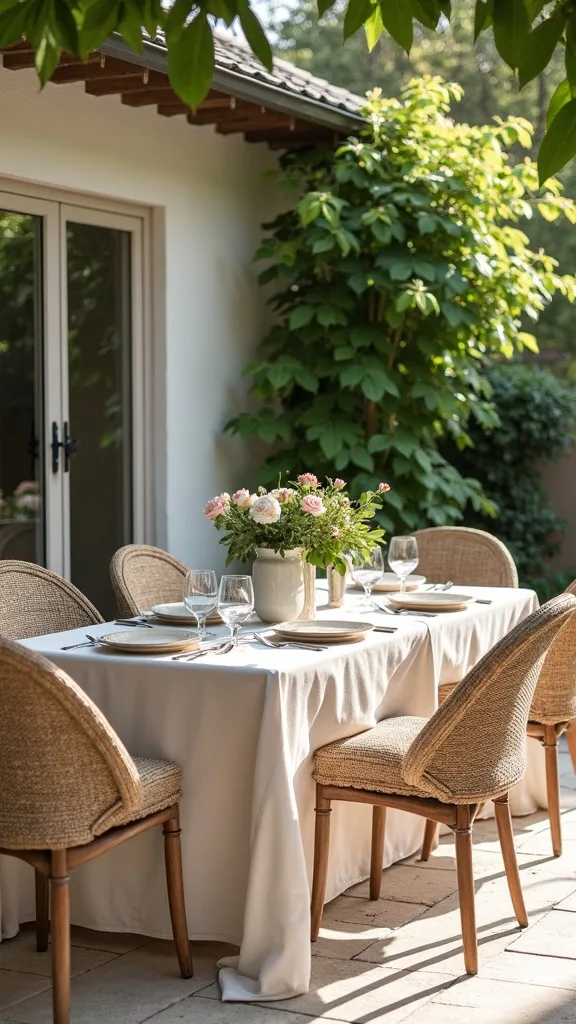
20. What small decor detail makes a patio look ‘finished’ for the season?
A single “repeat” detail makes everything click. It’s the difference between random items and a seasonal story.
Pick one finish—black metal, warm wood, or woven natural—and repeat it in two or three spots (lantern, tray, planter). Then repeat your accent color (rust/amber) in textiles so the eye connects the dots.
Try black metal lanterns, a matching plant stand, and one woven basket. Keep the rest simple so it doesn’t feel like you’re managing decor instead of enjoying it.
Pro tip: take one photo from your doorway. If your eye bounces around, remove one item. Less really is more when you’re building a patio that’s meant to be lived in.
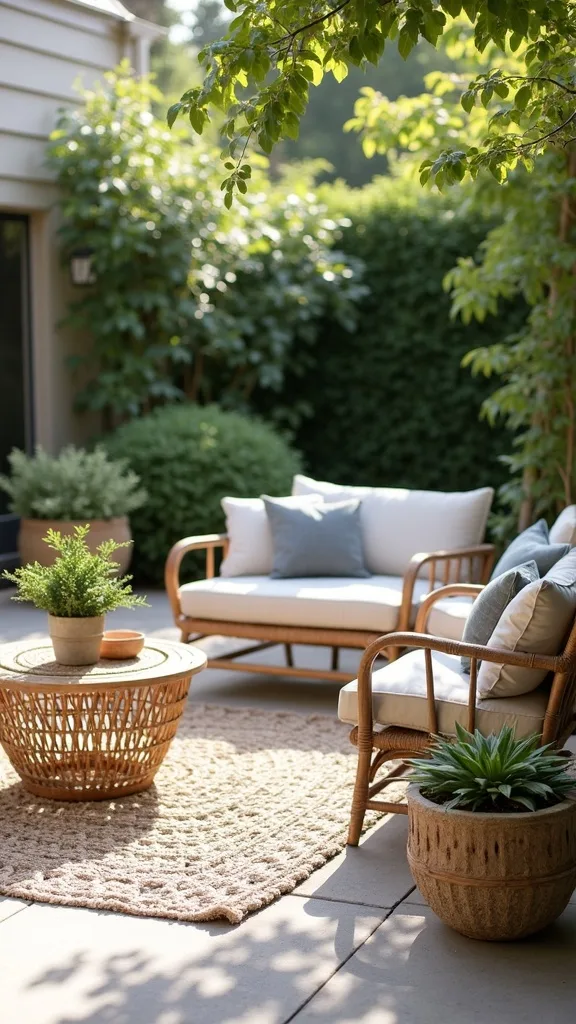
21. How do I transition patio decor when it’s still hot during the day?
Late summer is tricky because the days say “pool” and the nights say “sweater.” The answer is breathable coziness.
Use lighter-weight throws, open-weave pillows, and decor that signals fall without adding heaviness. Keep shade handy—an umbrella or canopy—so the patio stays comfortable for daytime use.
Choose linen-look outdoor pillows, dried stems instead of dense wreaths, and warm colors in small doses. If you have an umbrella, swapping to a taupe or striped canopy can feel like a whole new room.
Pro tip: don’t pack away summer completely. Keeping one summer element (like a bright plant pot) makes the transition feel natural and keeps your patio from feeling “too early.”
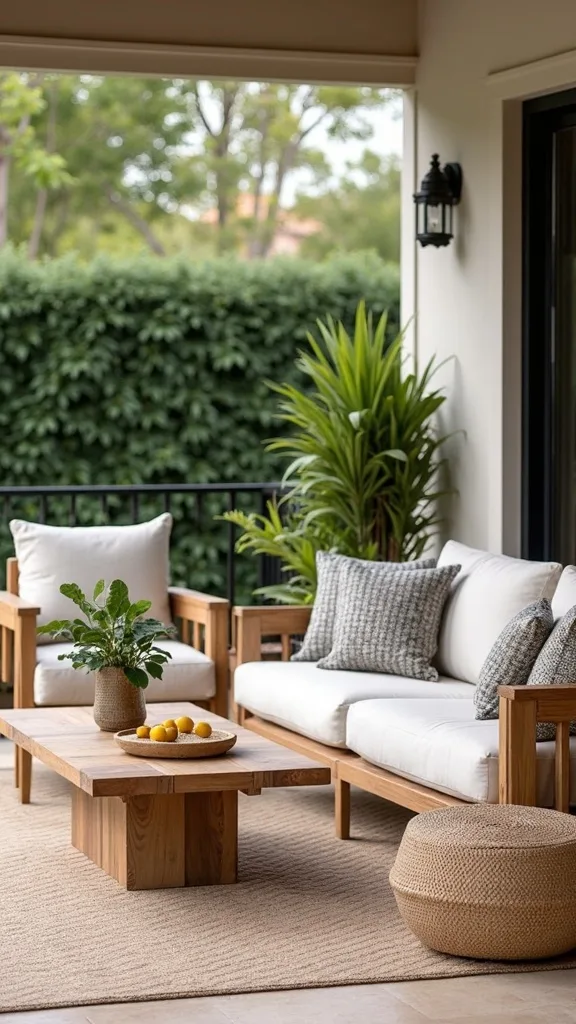
22. How can I refresh patio furniture with cleaning that actually works?
Sometimes the refresh is simply seeing the true color of your furniture again. A quick clean can make “old” look cared for.
Mix a bucket of warm water with a small squirt of dish soap, wipe frames down, and rinse. For cushions, brush off debris first, then spot-clean with soapy water and let them dry fully in the sun.
Use microfiber cloths, a soft brush, and a hose sprayer. Avoid harsh bleach mixes on colored fabric—they can fade patterns fast, especially in late-summer sun.
Pro tip: clean one seating area, not the whole patio. A single “fresh” zone motivates the rest, and progress-over-perfection momentum is real.
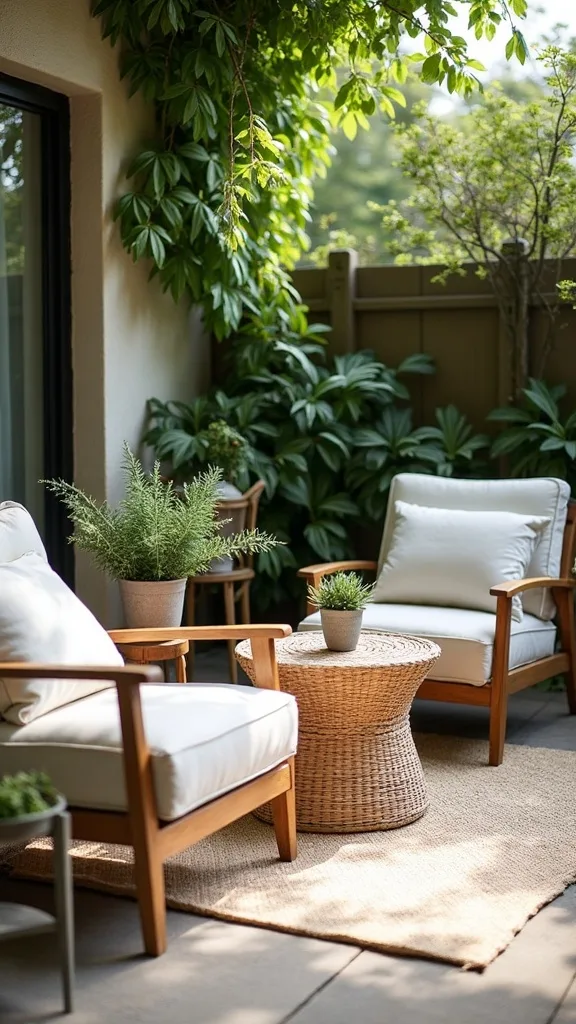
23. How do I style a porch or patio for fall if I rent?
Renters can absolutely do seasonal transitions—just focus on removable layers. You’re styling, not renovating.
Use pillow covers, a rug, planters, and lighting that plugs in or runs on solar. Add a wreath with a removable hook, and keep decor in a tote so it stores easily when you move.
Choose command outdoor hooks, lightweight faux pumpkins, and lanterns you can bring inside. A small deck box doubles as storage and extra seating.
Pro tip: keep a “neutral base” (black, tan, cream) and swap only accents. It’s cheaper, it’s easier, and it still gives you that seasonal patio feeling.
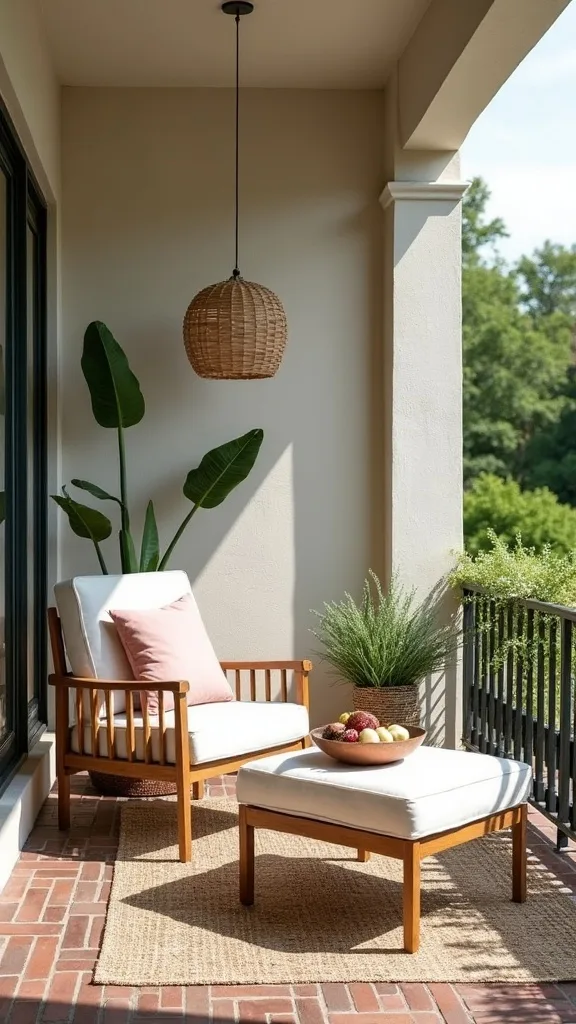
24. How can I make my patio feel welcoming for guests on short notice?
Guests don’t remember perfect styling—they remember how comfortable they felt. Your job is to make it easy to sit, sip, and stay.
Do a 10-minute sweep, set out enough seating, and add two light sources so nobody’s squinting. Put a small bin out for bug spray and extra napkins, and you’ve basically hosted like a pro.
Use extra folding chairs (even two), a lantern or string lights, and a simple drink station on a tray. A bowl of mini pumpkins on the table is an instant seasonal cue.
Pro tip: keep one “hosting tote” ready—lighter, candle, wipes, trash bags. When it’s easy, you’ll say yes to people more often, and that’s what makes a home feel full.
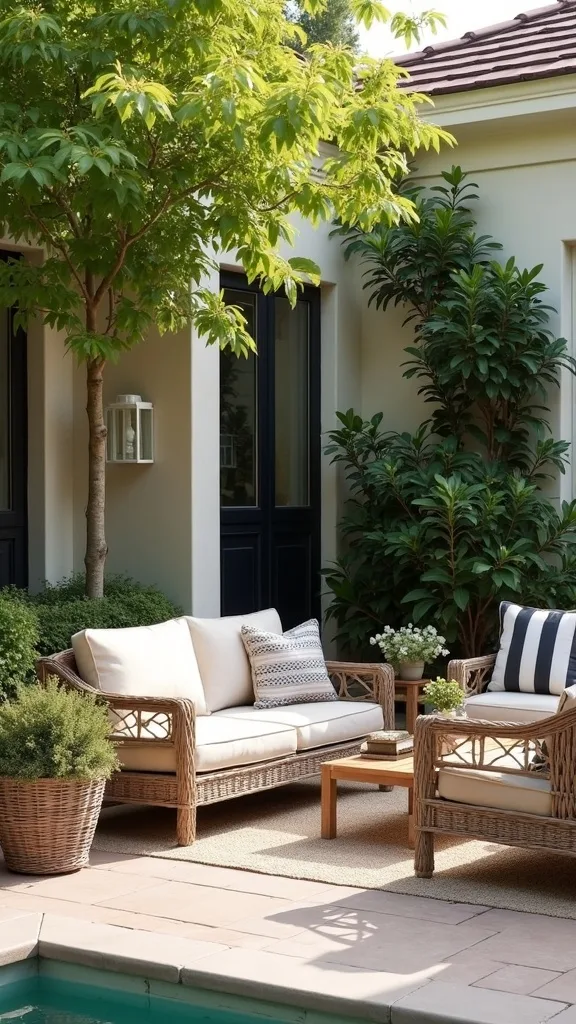
25. How do I keep a late-summer patio refresh from becoming another unfinished project?
The most sustainable refresh is the one you can maintain on a tired weeknight. If it takes too many steps, it won’t stick.
Set a 30-minute limit and choose three changes only: one textile swap, one lighting upgrade, and one seasonal accent. Put everything else on a “later list” and let that be enough for now.
Choose easy-care materials, a timer candle, and a small pumpkin tray you can move in seconds. Keep a lidded bin nearby so cleanup is fast.
Pro tip: take a quick after photo and save it. On messy days, it reminds you the space can feel good again—and imperfect is the whole point.
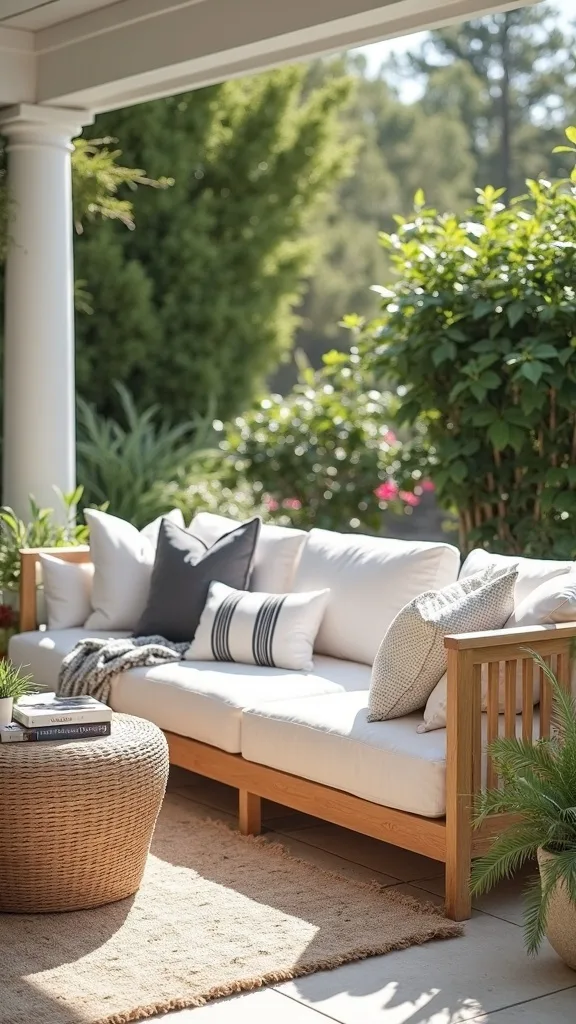
Final Thoughts
That in-between season can feel messy—hot afternoons, cooler evenings, and a patio that’s doing its best while everybody lives on it. A few warm swaps, a little candlelight, and one harvest touch can make the outdoors feel like a place you want to be again, not just a space you walk past.
If you only do one thing, do the easiest thing: change what you touch and what you see at eye level. Pillows, a throw, and a small tray moment do more for daily comfort than a big, exhausting overhaul.
Do this today: set a 20-minute timer, pull two bright pillows, and replace them with one rust/amber cover (or even a neutral) plus one lantern or LED candle on the table. Let it be a small win—because progress over perfection isn’t just acceptable, it’s the point.
What I’d Do Differently
When I first tried this, I treated my outdoor fall transition like a mini holiday decorating sprint—I bought a bunch of cute little items and scattered them everywhere. It looked fine in one photo, but day-to-day it was annoying. The tiny pumpkins rolled around, the candle holders collected dust and pollen, and every time we ate outside I had to move ten things just to set down plates. The mistake wasn’t “decorating.” The mistake was skipping function. What finally worked was choosing one contained centerpiece (a tray) and one textile color shift (rust/amber pillow covers). Everything seasonal lived in those two spots, so the patio stayed usable.
I also wish I’d known to pick materials that can handle surprise weather—because late summer storms do not care about your vibe. Now I default to LED candles with timers and washable covers, and I keep a lidded bin for anything that shouldn’t get soaked. Pick your three easiest upgrades and do them this week—you’ll feel the difference the very first evening you step outside.