
This post contains affiliate links. As an Amazon Associate, I earn from qualifying purchases at no extra cost to you.
Pinterest mudrooms look like nobody has kids, dogs, or a job that requires leaving the house before sunrise. Real mudrooms look like one missing mitten away from a meltdown—and that’s normal. Fall just makes it louder: wet leaves, muddy cleats, surprise rain, and that one pair of boots that always “can’t be found.”
This is a practical fall seasonal swap for the garage/entry zone where life actually lands. We’ll do a mudroom seasonal swap that makes mornings smoother, keeps wet stuff contained, and gives your space that cozy “we’ve got this” feeling without turning it into a showroom.
This is perfect for families who need entryway fall storage that works even when everyone is carrying three things and someone is crying.
Inside you’ll find small moves that change everything: a boot tray that actually fits your household, an umbrella stand that stops puddles, a scarf-and-hat swap that doesn’t become a floor pile, and labels that make kids weirdly capable. There’s even one thing to avoid so your refresh doesn’t boomerang into clutter.
Below are 25 Mudroom Fall Seasonal Refresh & Storage that…
Products I Recommend for This Project
Here are some of my favourite products to help you bring these ideas to life:
- HOMEIDEAS Boot Tray for Entryway (Large) — Deep-lip tray that actually holds puddles, leaf bits, and mud without leaking onto the floor.
- mDesign Decorative Steel Umbrella Stand Holder — Slim, weighted profile with a drip base that keeps umbrellas upright and contained.
- Command Heavyweight Wall Hooks — Great for quick hook upgrades when you can’t (or don’t want to) drill into studs right away.
- Brother P-touch Label Maker (PTD210) — Makes bold, readable labels that help the whole family stick to the system.
- iDesign Plastic Storage Bins with Handles — Easy-to-wipe bins that work for gloves, scarves, and kid gear in a garage-style mudroom.
1. Do the “Fall Landing Strip” Swap (Boot Tray + Umbrella Stand + Scarves + Labeled Bins)
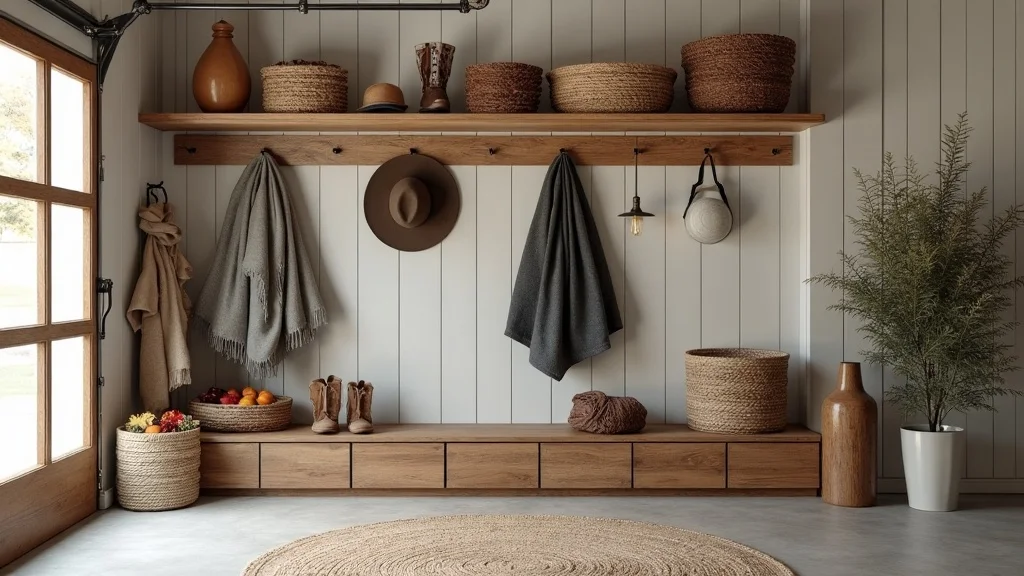
This idea is the whole vibe in one move: pull out the fall boot tray, add an umbrella stand, swap summer hats for scarves, and label fall bins. It works because it matches what actually happens in October—wet shoes, damp gear, and a daily shuffle in and out of the garage.
Start by clearing one 3-foot stretch near the door. Set down a boot tray mudroom style tray where shoes naturally pile up, then place a slim umbrella stand right next to it so dripping umbrellas stop “traveling” through the house. Move summer hats and pool stuff into a tote, then bring forward scarves, beanies, and gloves in one open bin kids can reach.
Look for a tray with a raised lip (so water stays put) and a stand that won’t tip when someone drops an umbrella in sideways. Black, charcoal, and warm wood tones hide scuffs and feel fall-ready without trying too hard.
Pro tip: Label the fall bin with one simple word (“GLOVES”) in big letters—less cute, more effective. When the system feels obvious, your mornings feel lighter.
2. What Size Boot Tray Do You Actually Need for Fall?
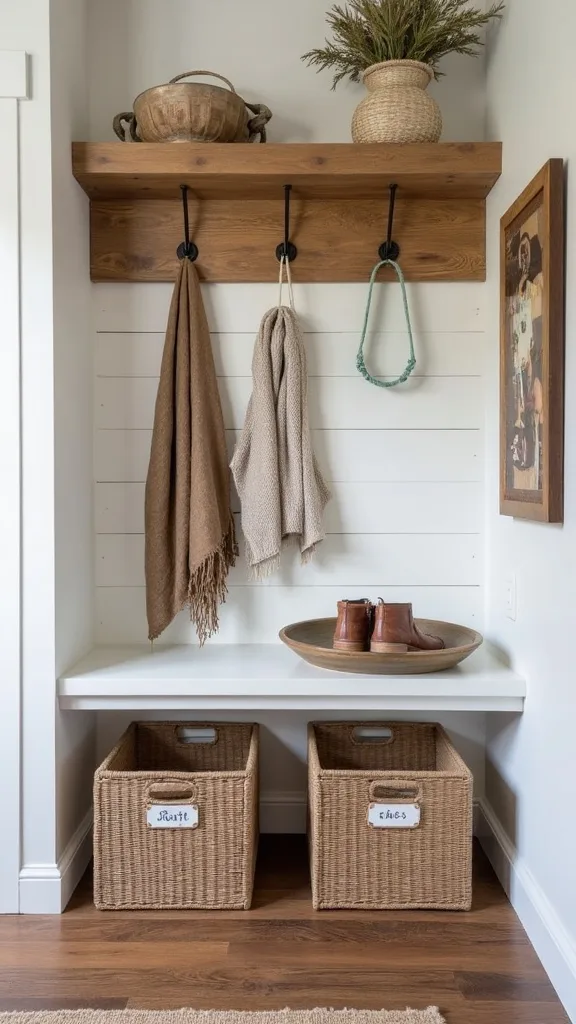
A boot tray works when it’s sized for your real household, not a catalog photo with two perfect pairs of boots. The right size keeps puddles contained and makes fall mudroom organization feel automatic instead of fussy.
Count the pairs that show up daily (not the ones you wish people wore). For many families, a 30″ x 15″ tray fits about 3–4 pairs of adult shoes; if you’ve got kids, you may need two trays or one larger 36″ x 18″ style. Place it where the door swings won’t knock shoes off, and leave 6–8 inches of “step-in” space so people can stand and pull boots off without hopping around.
Materials matter: rubber trays are grippy and easy to rinse; metal looks sharp but can clang and scratch floors if it’s not coated. Dark gray or black hides leaf bits and salt later in the season.
Pro tip: If your tray is always overflowing, that’s not a failure—it’s data. Add a second tray and call it a win.
3. How Do You Stop Wet Boots From Making the Whole Mudroom Smell?
Fall boots bring moisture, and moisture brings that sour “what is that?” smell. This fix works because it treats the cause—trapped damp—without requiring perfection.
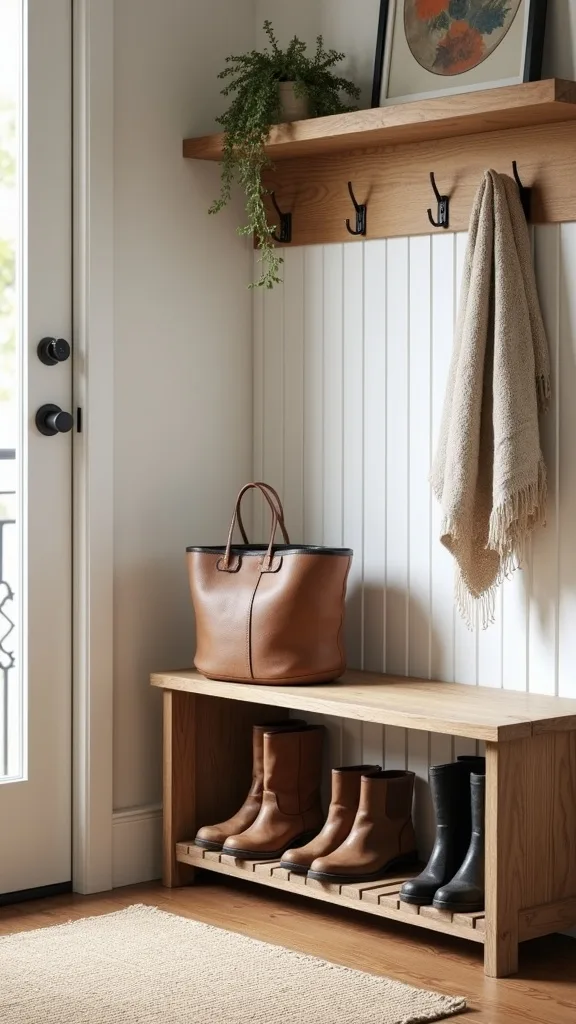
First, give boots airflow. Add a small wire shelf above the tray for “drying pairs,” or use boot shapers so shafts stay open. Sprinkle a little baking soda into the tray once a week and dump it when you shake out leaves. If you can, crack the garage door for 5 minutes when you get home—just enough to swap humid air for drier air.
For products, a simple shoe deodorizer spray helps, and cedar shoe inserts are a low-effort upgrade. Keep a small lidded trash can nearby for wet paper towels and muddy debris so it doesn’t linger.
Pro tip: Avoid storing wet boots in closed cabinets “to hide them.” Hidden damp turns into stubborn odor fast. Let the space look lived-in while things dry—progress over perfection feels better than fake tidy.
4. Where Should Umbrellas Go So They Don’t Drip Everywhere?
An umbrella stand sounds small, but it’s one of those changes that makes a home feel calmer immediately. It works because it gives rain gear a “yes” spot—no more dripping on the floor while you hunt for a hook.
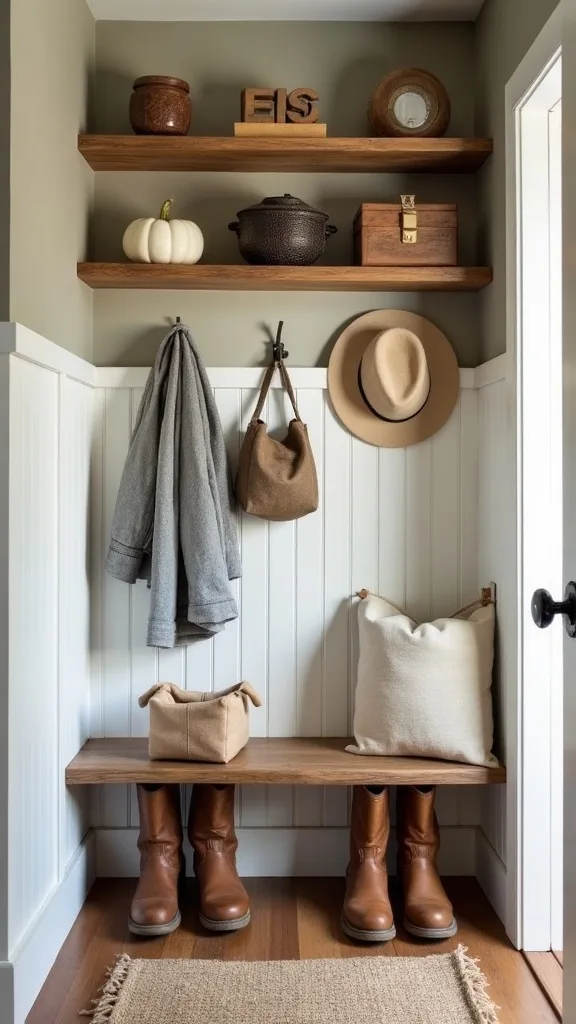
Put the stand on the same side as the door handle so it’s the first drop zone after you step in. If your mudroom is in the garage, tuck it between the door and the boot tray so puddles stay contained. Add one command hook above it for a dog leash or tote bag—rainy-day essentials grouped together is the whole goal.
Choose a weighted, narrow stand (about 8–10 inches wide) with a drip tray or removable base. Matte black or oil-rubbed bronze hides scuffs and blends with most garage entry setups.
Pro tip: Keep two old microfiber cloths in the bottom of the stand. When an umbrella is soaked, wrap it once before dropping it in. Tiny habit, big payoff.
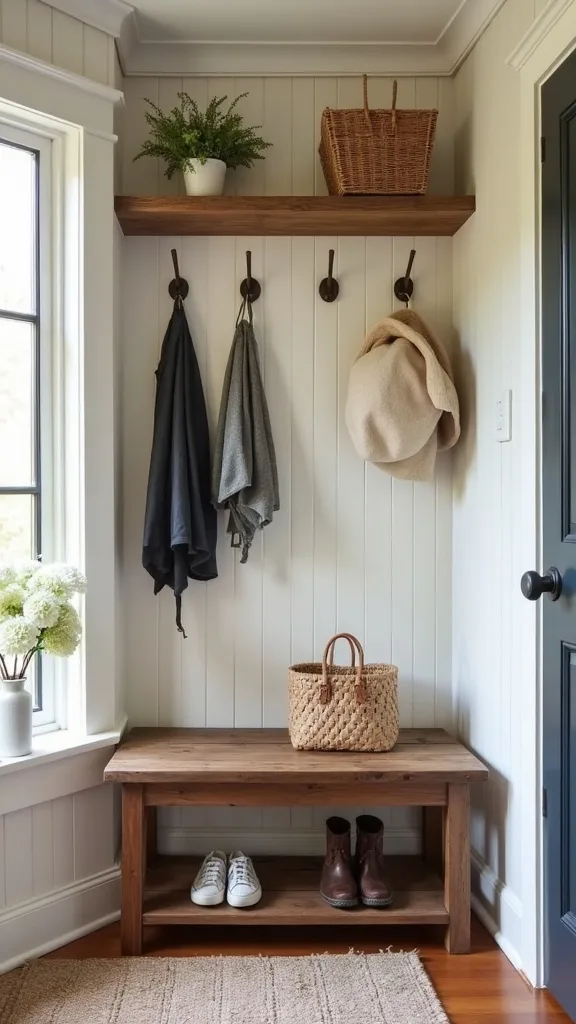
5. How Do You Do a Mudroom Seasonal Swap Without Making a Bigger Mess?
The easiest way to make a seasonal swap stressful is to pull everything out “just to sort.” This approach works because it swaps in place—one category at a time—so your entryway stays usable.
Set a timer for 20 minutes and start with what’s visible: shoes, outerwear, and accessories. Move summer items directly into a tote labeled “SUMMER ENTRY,” then slide it to a garage shelf. Bring down the fall tote and only put out what you’ll use in the next two weeks—extras can stay stored until the weather fully turns.
Clear bins help if you like seeing what’s inside, but opaque bins look calmer. Either way, use bold labels on two sides so you can read them from the shelf edge.
Pro tip: Avoid “maybe” piles. If you’re unsure about an item, it goes into a small quarantine bag with a date. If nobody asks for it by Thanksgiving, you’ve got your answer—and your floor stays clear.
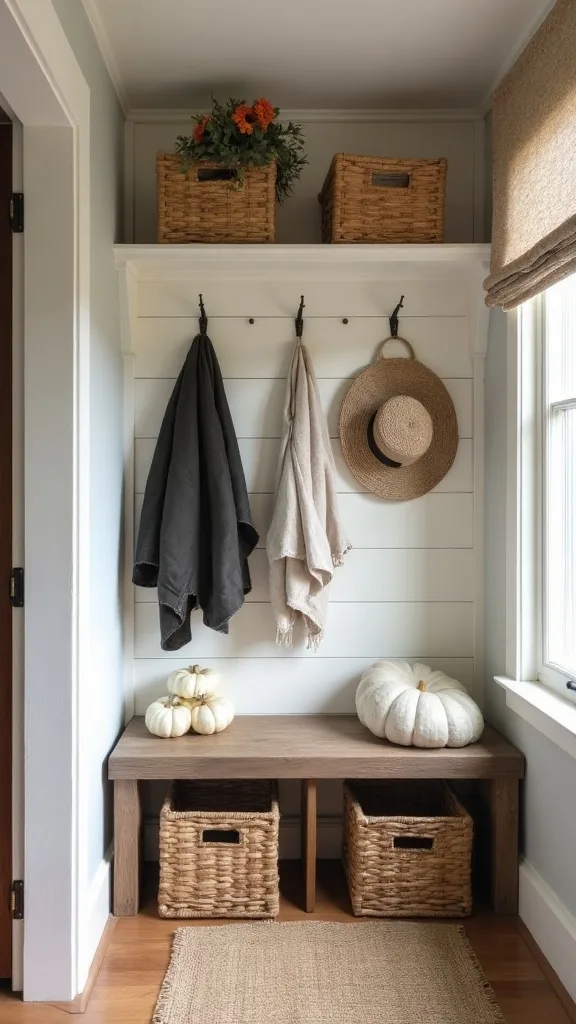
6. What’s the Easiest Way to Swap Summer Hats for Scarves (Without a Tangle)?
Scarves are cozy until they become a knotted nest. This swap works because it gives scarves structure—each one gets its own lane—so grabbing one doesn’t pull five down with it.
Use a hanger with multiple loops, a scarf ring, or even shower curtain rings clipped to a hanger. Place it at kid height if they wear scarves, or at adult height if you want it to stay neat. Move straw hats and visors into a breathable tote (not a trash bag) so they don’t get musty in storage.
Warm neutrals—camel, cream, charcoal—mix easily, but this is also where a little plaid looks right at home. If you prefer bins, roll scarves like burritos and stand them upright so you can see each option.
Pro tip: Keep only 5–7 scarves in the active zone. The rest can live in a labeled bin. Less choice in the morning feels like more peace.
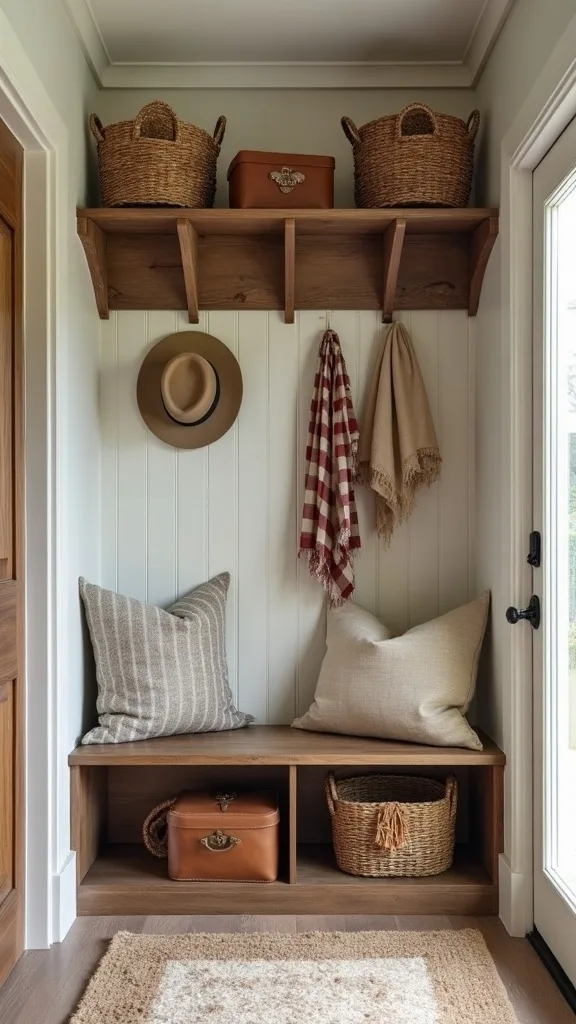
7. How Do You Create Entryway Fall Storage When You Don’t Have a Real Mudroom?
If your “mudroom” is a slice of garage wall or a corner by the door, you can still make it work. This idea works because it builds vertical storage and a clear landing zone without taking much floor space.
Start with three anchors: hooks, a tray, and one bin. Mount a hook rail (or three heavy-duty hooks) 60–66 inches from the floor for adult coats; add a second row at 36–42 inches for kids. Place the boot tray below, and add one lidded bin for gloves and hats. That’s enough to create a system.
Look for slim profile pieces: a 4–6 inch deep shelf, narrow cubbies, and wall-mounted baskets. Choose finishes that hide wear—black metal, sealed wood, or white that you can wipe down.
Pro tip: Avoid a full bench if your walkway is tight. A clear path beats a cute seat you trip over every day.
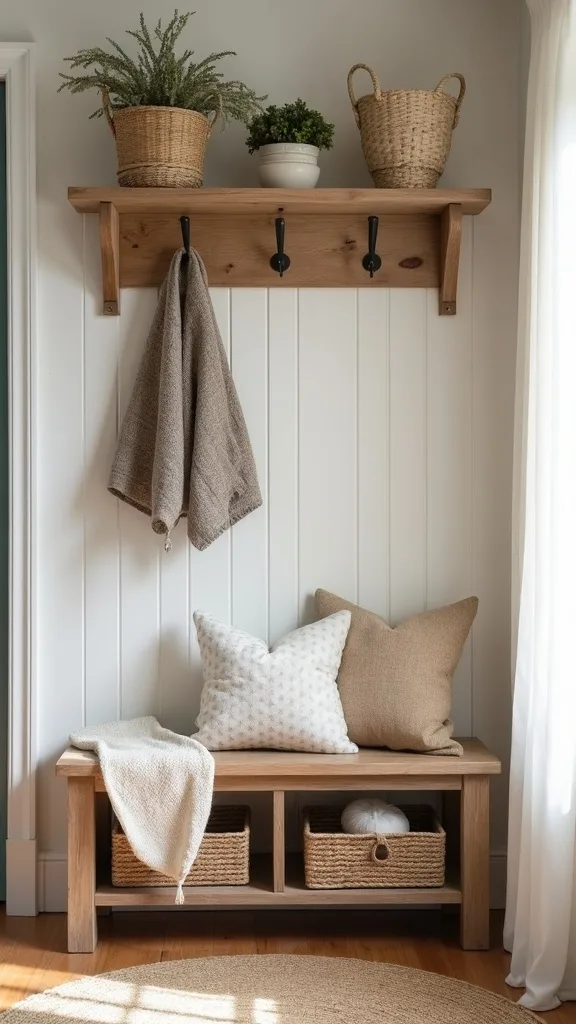
8. What Hooks and Heights Work Best for Kids’ Fall Gear?
Kids can be independent… if the setup lets them. This works because it removes the “I can’t reach it” excuse and turns fall mudroom organization into a habit instead of a lecture.
Install kid hooks at about shoulder height for your child (often 36–48 inches, depending on age). Give each kid one hook for a coat and one for a backpack. Add a small labeled basket underneath for gloves and hats—one basket per kid if you can swing it, or one shared “KID GLOVES” bin if you’re keeping it simple.
Choose hooks that can handle real weight (backpacks get heavy fast). Rounded edges are kinder to little fingers and less likely to snag sweaters.
Pro tip: Avoid fancy tiny hooks that only hold “aesthetic” items. If it can’t hold a puffy coat, it’s not helping. Make the system sturdy and your kids will surprise you.
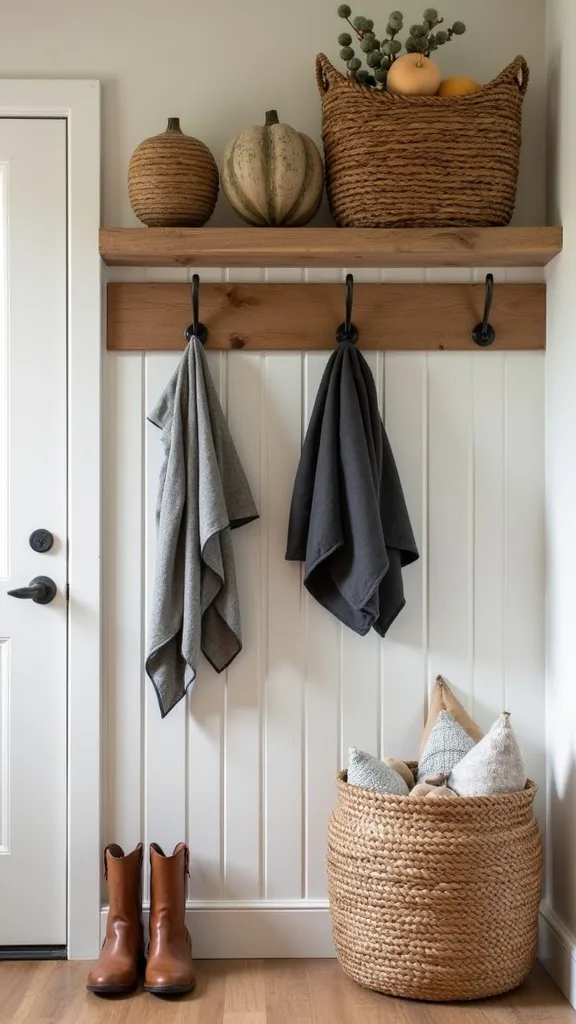
Cost & Materials Estimate
A practical fall mudroom refresh typically lands between $40 and $220, depending on whether you add new hooks/shelving or mostly reuse bins you already own.
| Item | Estimated Cost | Where to Buy |
|---|---|---|
| Large boot tray (30″–36″) | $18–$45 | Amazon |
| Slim umbrella stand with drip base | $22–$55 | Wayfair |
| Wall hook rail (4–6 hooks) | $16–$40 | Home Depot |
| 2–3 storage bins + label set | $20–$60 | IKEA |
| Indoor/outdoor entry rug | $25–$70 | Lowe’s |
Total estimated cost: $101–$270 Save money by reusing any bins you already have and splurge on the boot tray (it does the dirtiest job every day).
9. How Do You Label Fall Bins So People Actually Use Them?
Labels aren’t about being extra—they’re about saving your brain from running the house solo. This works because it turns your storage into a shared language everyone can follow.
Use big, plain labels: “FALL GLOVES,” “RAIN GEAR,” “SOCCER,” “DOG.” Put labels on the front and top so you can read them from above on a shelf. If you have younger kids, add a simple icon (umbrella, mitten) next to the word. Keep one small caddy nearby with a marker and spare labels so you can adjust as routines change.
Chalk labels look cute but can smudge in a garage. Vinyl or laminated labels last longer and wipe clean. Black-on-white is the easiest to read in low light.
Pro tip: Avoid labeling by person if your household shares gear. Label by category first. It’s faster to put away and easier to maintain—which is the whole point.
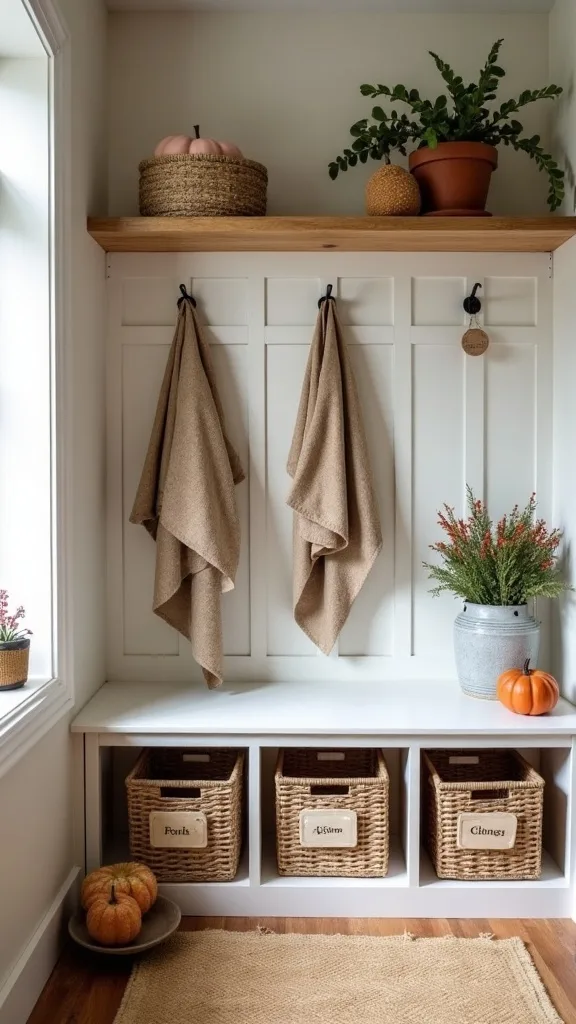
10. Where Do You Store Sports Gear and Cleats During Fall Mud Season?
Fall sports bring the mess home: cleats, shin guards, muddy balls. This setup works because it contains the grime to one washable zone instead of letting it migrate across your garage entry.
Use a plastic tote or milk crate as a “sports drop bin” and place it right next to the boot tray. Add a small mesh bag inside for socks or mouthguards so tiny things don’t disappear. If you’ve got room, mount a wire basket on the wall for balls and helmets and label it clearly.
Choose materials you can hose off. A $10–$20 plastic tote is more useful than a pretty basket that absorbs odor. Dark colors hide scuffs; mesh helps things dry faster.
Pro tip: Avoid storing sweaty pads in sealed bins. Give them airflow for a day, then move them to longer-term storage. Your nose will thank you.
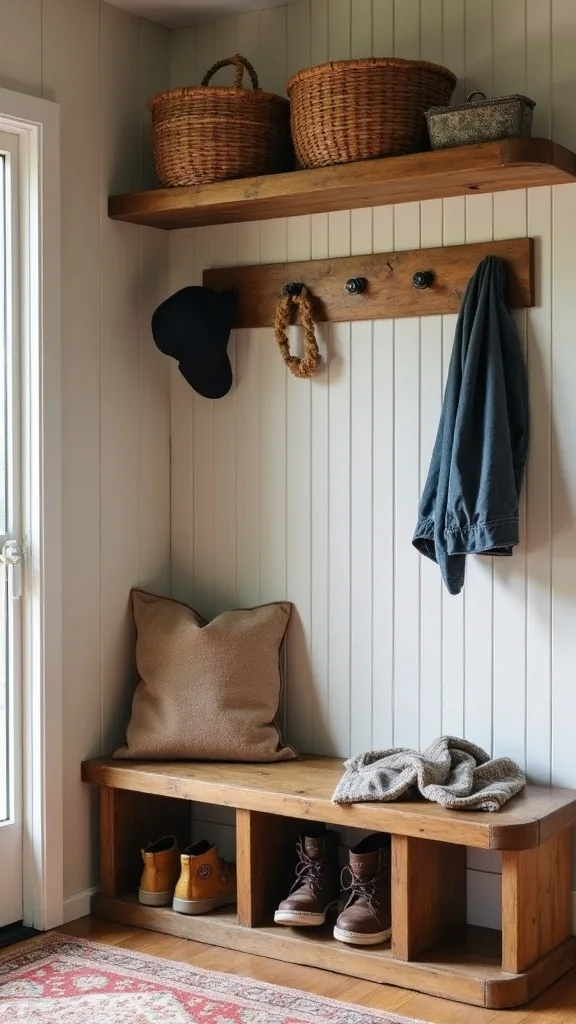
11. How Can You Make a Garage Mudroom Feel More Like Home for Fall?
Garages can feel cold and chaotic, which makes mornings feel cold and chaotic too. This works because one cozy cue—light, texture, or color—changes the emotional temperature without changing the whole room.
Add a durable indoor/outdoor rug (something you can shake out) and a warm white light (2700K–3000K — the cosy, yellowish tone you see in most homes) in a simple fixture or plug-in lamp. Keep the palette grounded: charcoal, warm wood, soft cream. Then add one small fall touch that won’t get in the way—like a wreath on the interior door or a tiny framed print on the wall.
Stick to wipeable surfaces. A washable rug and a sealed wood shelf will survive real life better than anything delicate.
Pro tip: Avoid adding “decor” that becomes one more thing to clean around. In a mudroom, cozy should be functional—or it turns into clutter.
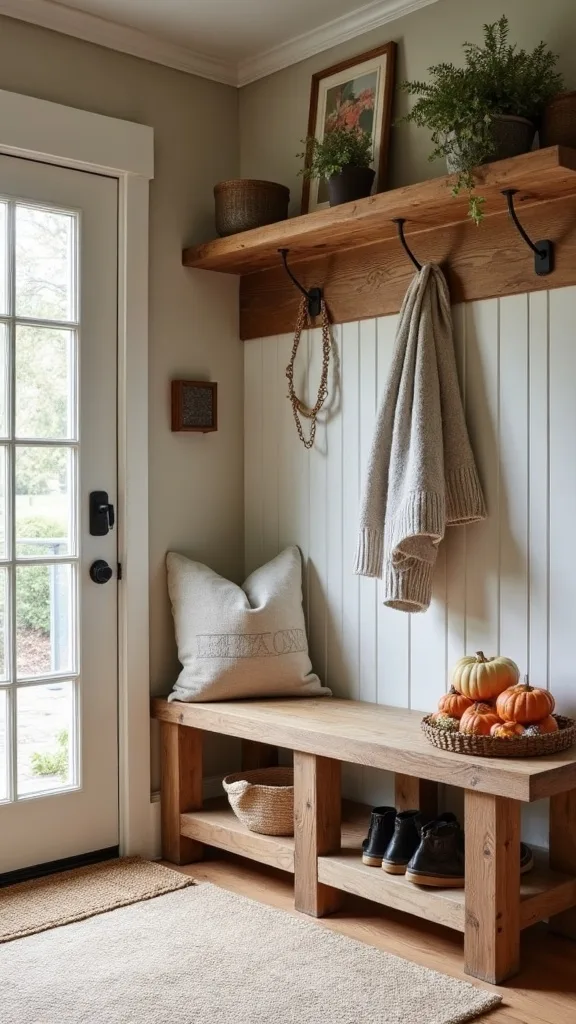
12. What’s the Best Way to Handle Wet Dog Gear in the Fall?
Wet leashes and muddy paws are basically a fall tradition. This works because it creates a dog-specific station so the rest of your entryway can stay calmer.
Hang a small hook set low for leashes and harnesses, and keep a shallow bin with paw wipes and a towel right by the door. If your dog comes in through the garage, put a small mat in front of the boot tray so you can wipe paws before they hit the main floor. A lidded bin for dog raincoat or booties keeps it from tangling with human gear.
Choose quick-dry microfiber towels and a plastic bin you can rinse. Neutral colors hide stains, and a simple label (“DOG”) makes it easy for anyone to help.
Pro tip: Avoid storing wet towels in a closed bin. Hang them on a hook to dry first. The goal is a system that doesn’t punish you later.
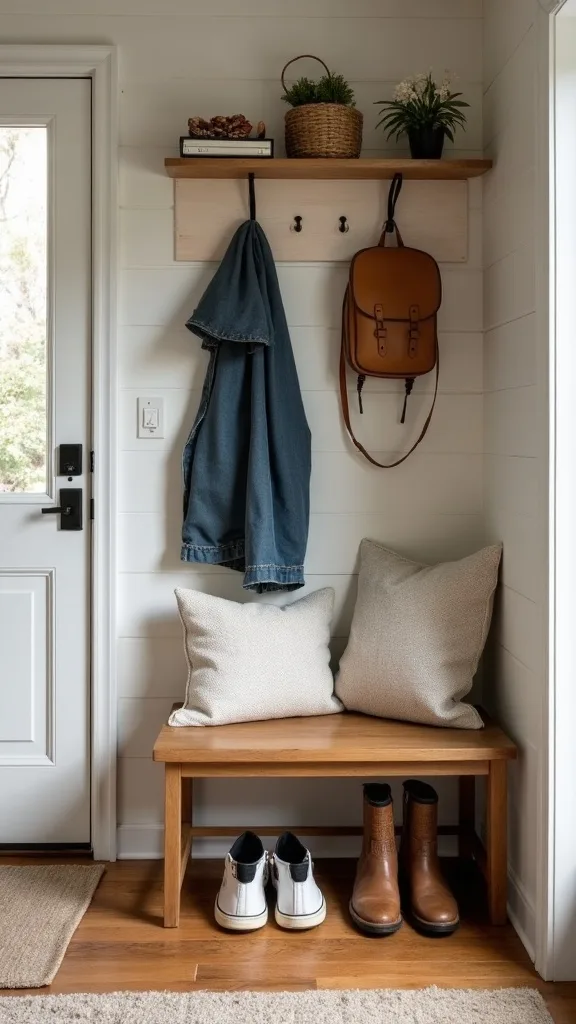
13. How Do You Keep Leaves and Dirt From Spreading Past the Entryway?
Leaves have a talent for showing up in every room. This works because it creates a two-step capture zone: scrape outside, contain inside.
Place a tough doormat outside the garage entry and a second mat or rug inside. Keep a small handheld broom and dustpan on a hook right by the door so you can do a 15-second sweep when you notice debris. If you have kids, make it part of the routine: shoes on tray, quick tap, done.
Coir mats scrape well but shed; rubber-backed mats stay put. Inside, choose a low-pile rug that won’t trap every crumb. Dark patterns hide dirt between cleanings.
Pro tip: Avoid fluffy rugs in the mudroom. They look cozy for a day and then become a leaf sponge. Simple textures win in high-traffic spaces.
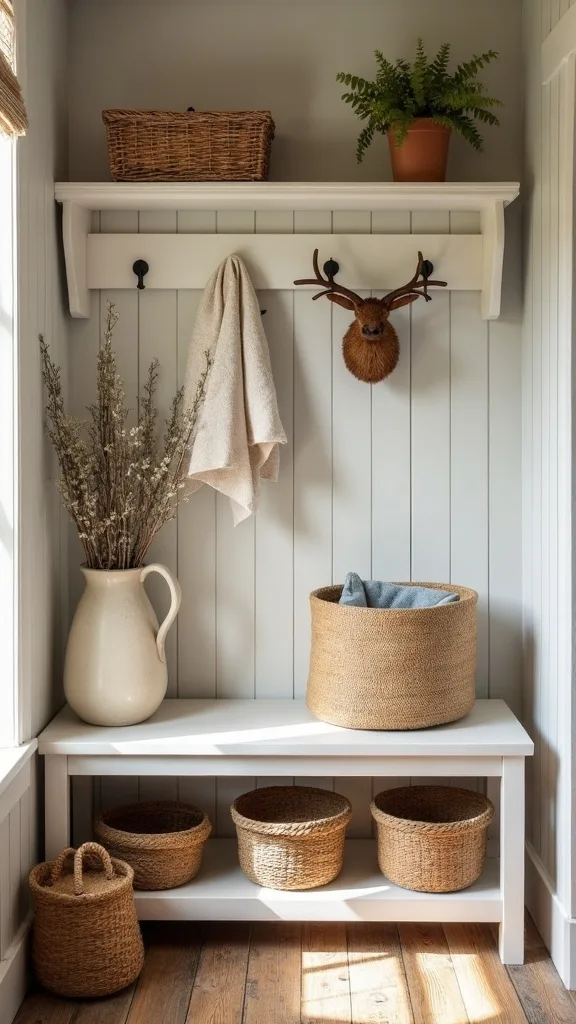
14. Can You Do a Mudroom Fall Refresh in 30 Minutes? Yes—Here’s the Order
You can absolutely reset your mudroom fast, even on a Tuesday. This works because it prioritizes the highest-friction spots first: shoes, coats, and the “where does this go?” pile.
Minute 1–10: clear the floor and put shoes onto the tray (or into a temporary box if you’re waiting on a tray). Minute 11–20: swap summer accessories into one bin and bring forward fall gear. Minute 21–30: label one bin and add one hook or basket where things currently land. Stop there. Done is the goal.
Use what you have: painter’s tape labels, a spare dish tub as a temporary tray, and a cardboard box as a sorting station. You can upgrade later.
Pro tip: Avoid deep-cleaning as your first step. A working system makes cleaning easier later. Let the refresh be imperfect and still useful—because that’s real life.
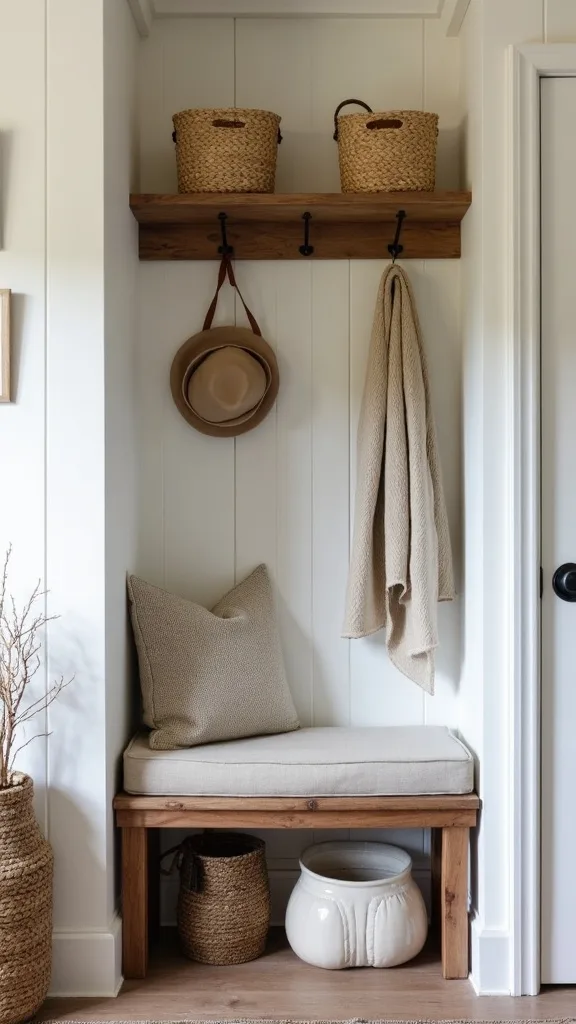
15. What’s One Thing You Should Avoid During a Fall Mudroom Organization Reset?
Avoid buying storage before you know what you’re storing. It’s the easiest way to end up with bins that don’t fit shelves, hooks that don’t hold coats, and a prettier version of the same mess.
Instead, do a quick audit: what comes in daily (boots, backpacks, dog leash), weekly (sports gear), and “sometimes” (pumpkin patch stuff, extra blankets). Build your zones around those rhythms. Measure your shelf depth and the width of the wall space before ordering anything—five minutes now saves returns later.
If you’re itching to shop, start with flexible basics: a sturdy tray, a hook rail, and two matching bins. Neutral colors make future swaps easier and look calmer in a garage setting.
Pro tip: Let your home tell you what it needs. The most satisfying organization is the kind that fits your habits—not someone else’s.
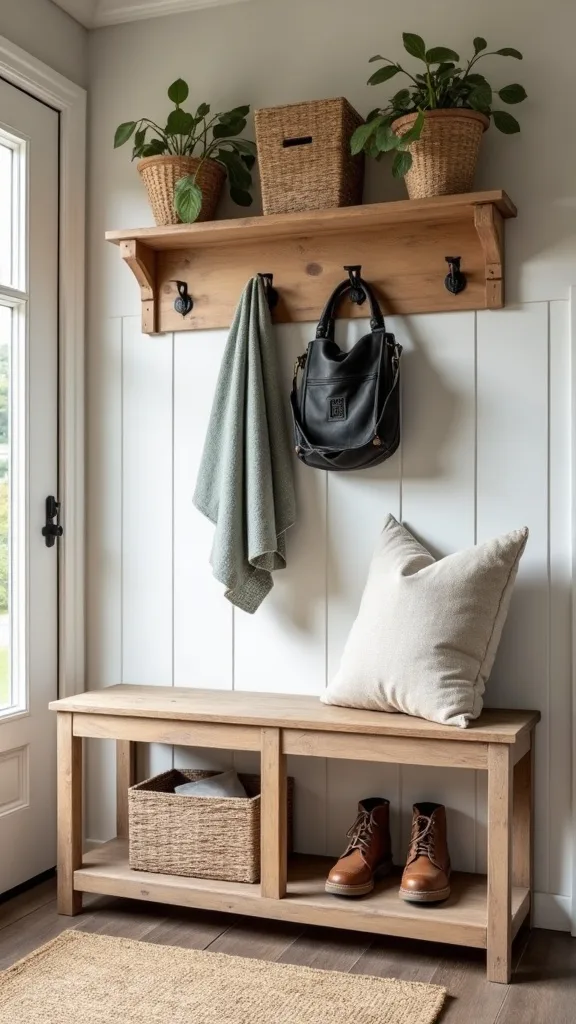
16. How Do You Add a Simple ‘Catch-All’ That Doesn’t Become a Junk Pile?
Every entry needs a catch-all—keys, school notes, the random screw somebody found. This works when it’s small and specific, so it can’t turn into a doom basket.
Use a shallow tray or wall pocket near the door and give it rules: only items that need to leave the house within 24 hours. Add a pen cup and one small notepad. If you’re in a garage mudroom, mount it higher so it stays out of the splash zone and away from curious pets.
Choose a wipeable material like metal, sealed wood, or plastic. Warm wood tones soften garage vibes; matte black looks clean and hides scuffs.
Pro tip: Avoid oversized baskets for paper clutter. Bigger containers invite bigger messes. Keeping it small is how it stays kind.
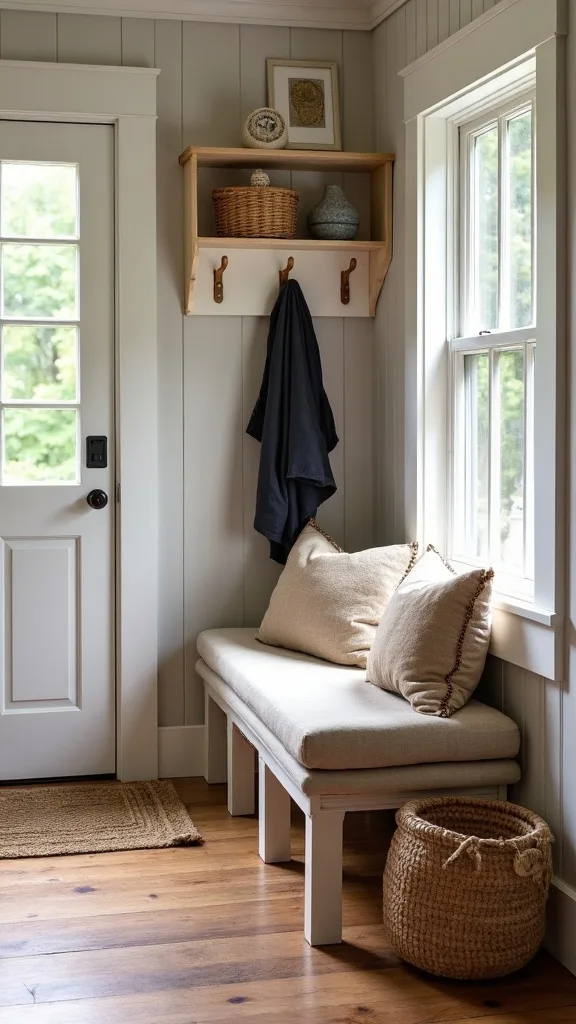
17. What Storage Works Best for Gloves, Beanies, and Tiny Fall Accessories?
Tiny items cause outsized stress when they disappear. This works because it gives small gear a predictable home that’s easy to toss things into (no folding required).
Use a bin with an open top for daily gloves and hats, and a second lidded bin for extras. If you have multiple kids, use three smaller bins instead of one big one—less digging, fewer tears. Place bins on a shelf at waist height so you can see inside without crouching.
Felt bins look cozy but can trap moisture; plastic or woven baskets with a liner are easier in a garage. Stick with labels in bold print for quick put-away.
Pro tip: Add one “single glove” jar. It sounds silly until it saves your morning. Sometimes the most functional systems are the least glamorous—and that’s a compliment.
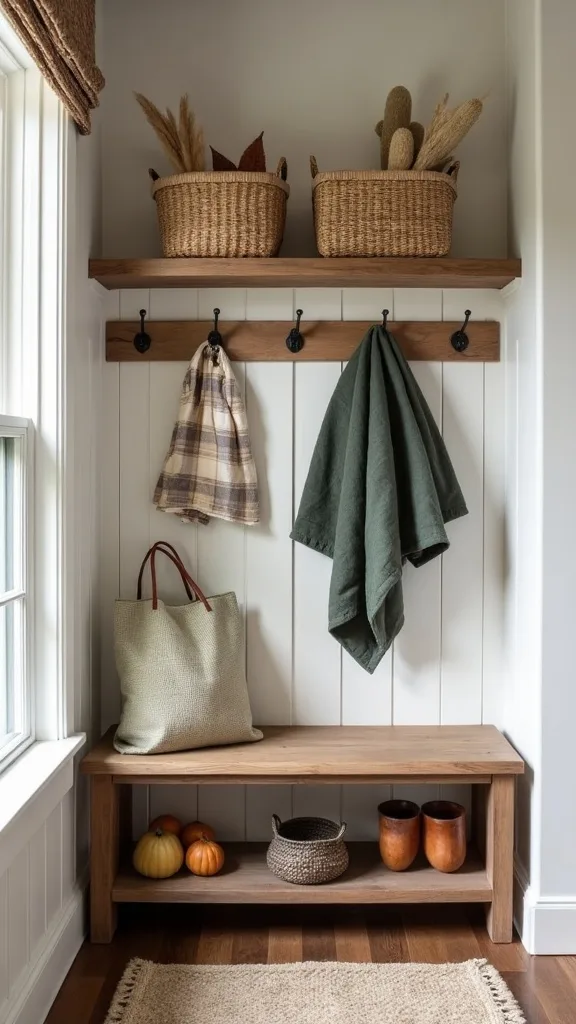
18. How Do You Organize Coats So They Don’t Avalanche Off the Hooks?
Coat piles happen when hooks are overloaded or too few. This works because it limits what lives on hooks and gives overflow a clear backup plan.
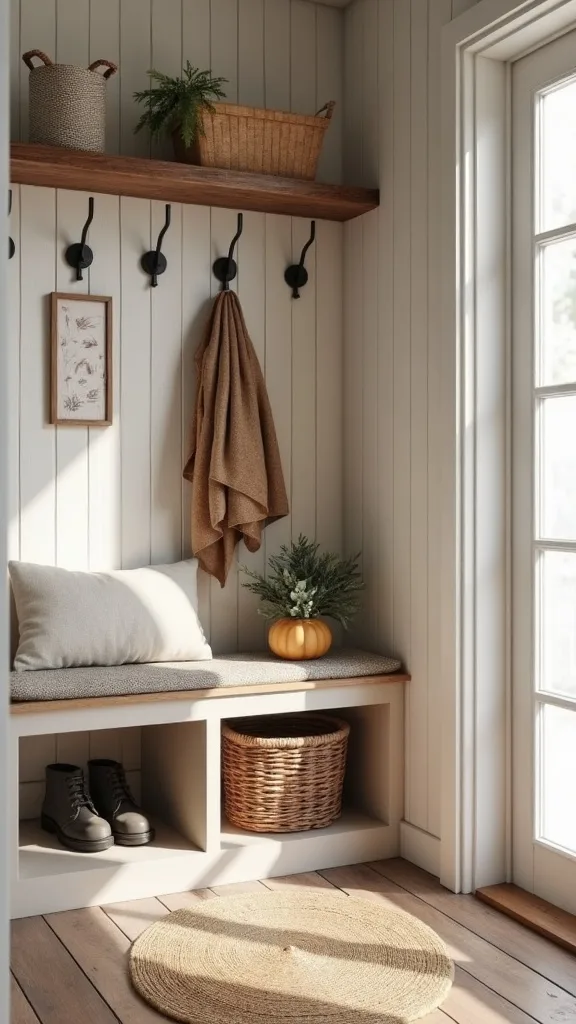
Set a simple rule: only the current season’s daily coats stay on hooks. Off-season and rarely worn items go into a closet or a labeled bin (“WINTER COATS”). Add sturdy hooks spaced 4–6 inches apart so bulky coats aren’t fighting for space. If you can, add one shelf above the hooks for hats and a basket for scarves.
Metal hook rails are strong and easy to wipe down. Wood rails feel warmer and still hold up if they’re well-mounted into studs (or with proper wall anchors).
Pro tip: Avoid double-hanging (two coats per hook) if you want the system to last. One hook, one coat is the boring rule that actually works.
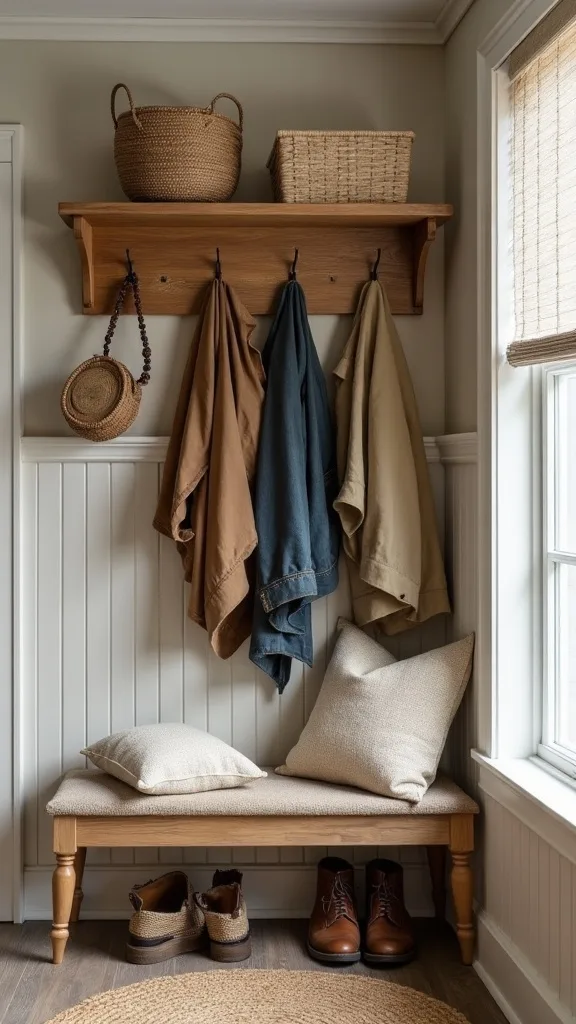
19. How Can You Make Space for Rain Gear Without Adding a Whole Closet?
Rain gear needs to be grab-and-go, not buried. This works because it uses narrow, vertical storage—perfect for garage entries and tight mudrooms.
Add a slim wall-mounted basket for rain jackets, or hang them on a separate “wet hook” away from regular coats. Keep a small bin for ponchos and a backup umbrella. If you have kids, store rain pants clipped to hangers so they don’t slump into a heap.
Choose quick-dry materials and baskets that can handle damp. Wire baskets are great for airflow; plastic bins are better if you’re dealing with drips and want easy wipe-down.
Pro tip: Avoid mixing rain gear with everyday sweaters. Damp transfers fast. A separate zone keeps the rest of your stuff feeling clean and comfortable.
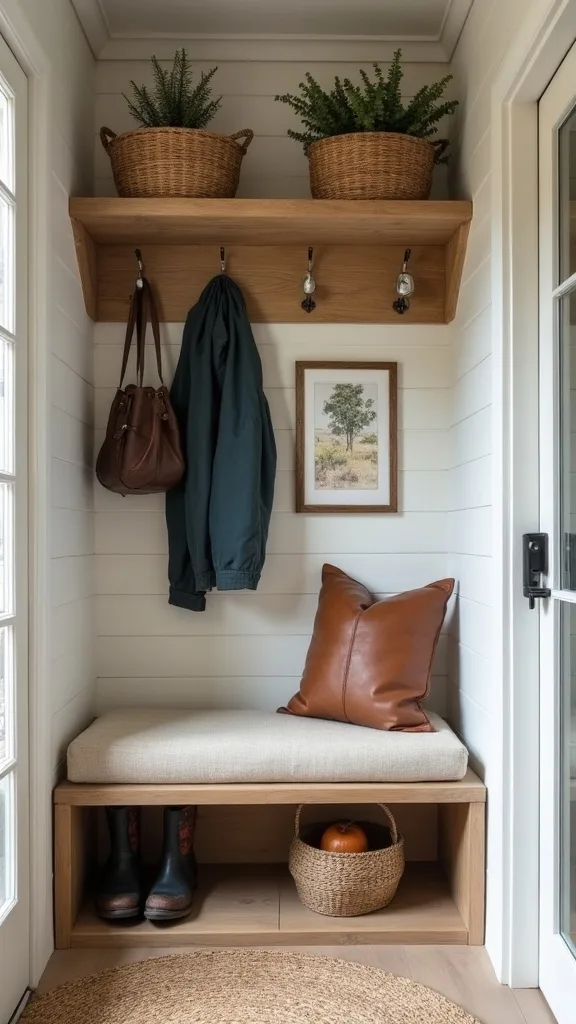
20. What’s the Best Way to Store Pumpkins, Porch Supplies, and Fall Outdoor Extras?
Fall decor and outdoor supplies can quietly take over the garage entry. This works because it keeps seasonal items close—but not in the daily traffic lane.
Use one labeled tote for “FALL OUTDOOR” and store it on a shelf above eye level. Keep only the items you touch weekly in the mudroom zone (like lantern candles or a lighter for outdoor lights). If you’re storing small pumpkins for a few days, place them in a crate off the floor so they don’t get kicked and bruised.
Opaque bins look calmer and protect items from garage dust. Choose stackable totes so you’re not playing Jenga every time you need something.
Pro tip: Avoid storing anything edible (like birdseed) in flimsy bags in the entry area—critters find it. A sealed bin saves you a very annoying surprise.
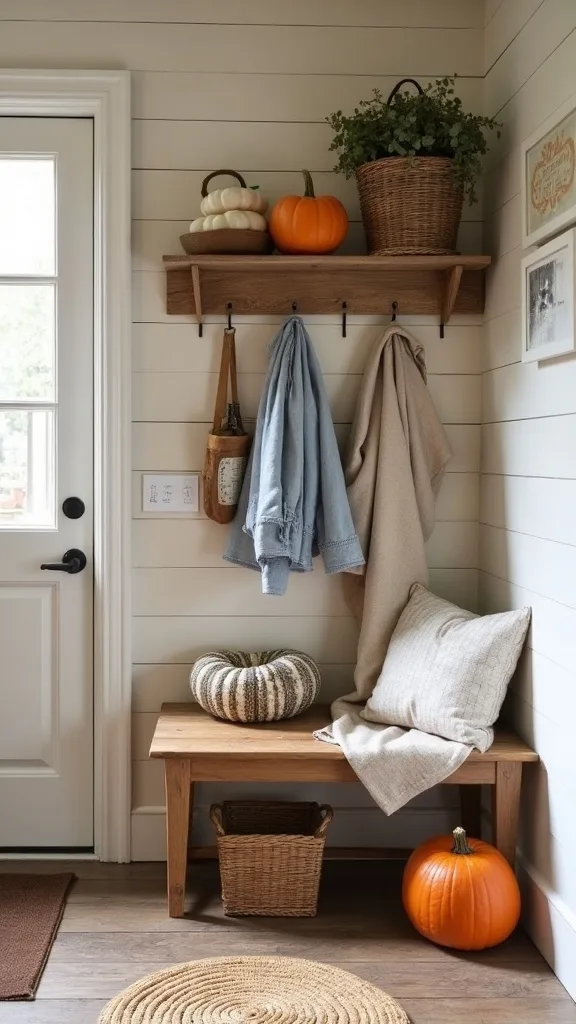
21. How Do You Set Up a “Backpack Drop” That Keeps the Floor Clear?
Backpacks on the floor are a daily trip hazard. This works because it gives backpacks a vertical home and makes it easier to spot what needs to go back to school tomorrow.
Install sturdy hooks or a wall-mounted rail, and assign one hook per kid. Add a narrow shelf or basket above for lunchboxes so they don’t swing and spill. If your garage mudroom gets dusty, a closed bin for lunch gear keeps it cleaner without much effort.
Look for hooks rated to hold heavier loads and a rail long enough that backpacks don’t overlap. Neutral finishes keep it from feeling visually loud—even when it’s full.
Pro tip: Avoid putting backpack hooks behind the door. If it’s annoying to use, it won’t get used. Make the “right” choice the easy choice.
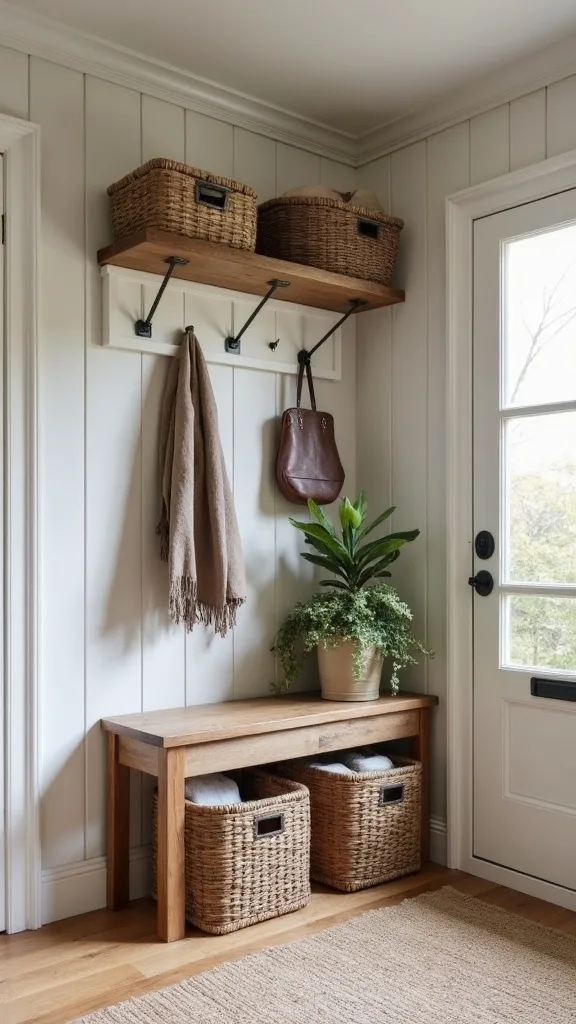
22. How Do You Add Seating Without Losing Storage Space?
Sometimes you need a place to sit and yank on boots—especially with little kids. This works when seating also earns its footprint with storage underneath.
Use a narrow storage bench (around 12–15 inches deep) or a sturdy stool that can tuck under a shelf. Add two bins beneath for shoes or accessories, and keep the top mostly clear so it doesn’t become a dumping ground. If you already have a bench, add labeled bins under it and call it refreshed.
Choose wipeable cushions and darker fabrics that won’t show every muddy fingerprint. Wood or metal frames hold up better in a garage-adjacent setup.
Pro tip: Avoid soft upholstered benches in wet climates—they absorb moisture and odors. Practical materials can still feel cozy when the routine is smooth.
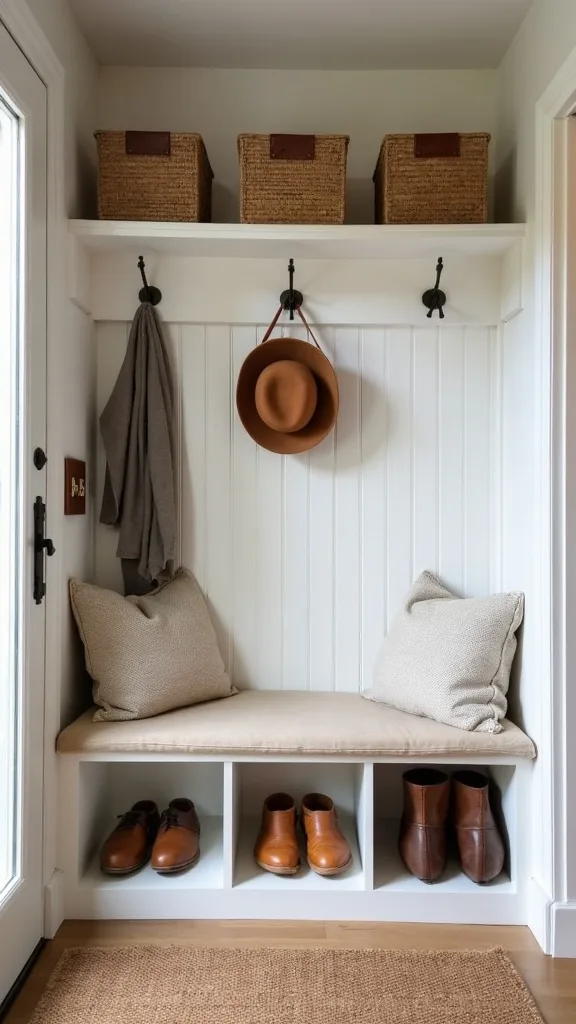
23. How Can You Make the Mudroom Easier to Clean All Fall?
A mudroom that’s hard to clean becomes a mudroom you resent. This works because it reduces surfaces that trap dirt and sets up a 2-minute reset you can actually keep up with.
Keep one small cleaning caddy in the mudroom: a disinfecting wipe pack, a handheld brush, and a mini lint roller for leaves and pet hair. Choose a boot tray you can lift and dump. If you can, keep a small bin for “things that belong elsewhere” and empty it once a day while you’re already walking through the house.
Wipeable paint and washable rugs are your friends. Darker mats hide grime between cleanings, which is a kindness to your schedule.
Pro tip: Avoid storing cleaning supplies in a spot you have to dig for. Convenience is what makes habits stick—and habits are what make a home feel calm.
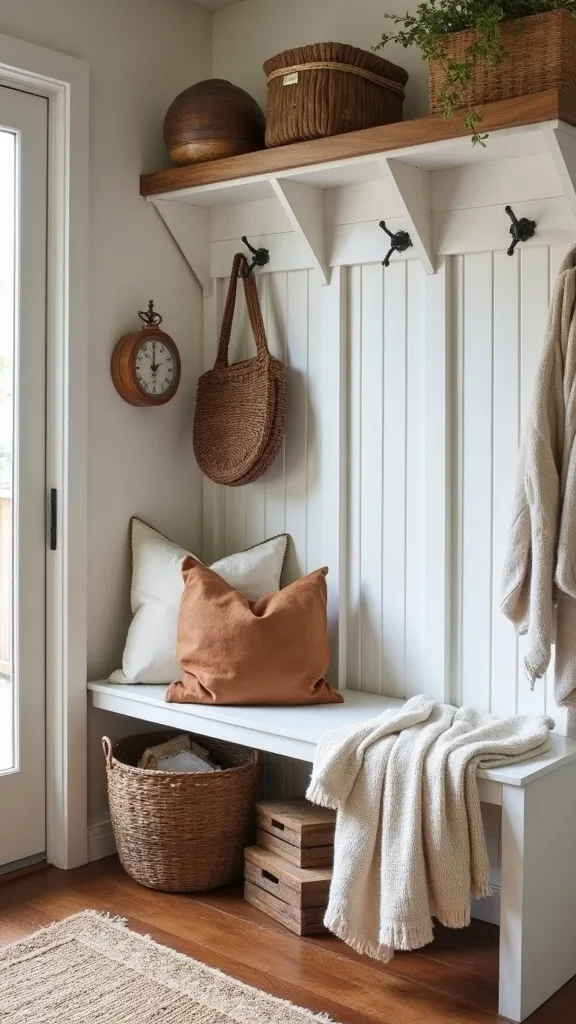
24. What Lighting Helps a Garage Entry Feel Safer and Less Gloomy in Fall?
Fall gets darker earlier, and a dim entry makes everything feel harder—finding shoes, spotting mud, getting kids out the door. This works because better light reduces friction and makes the space feel welcoming.
Add a bright bulb overhead and, if needed, a motion-sensor light so hands-free entry is easier when you’re carrying groceries. Choose warm white light (2700K–3000K — the cosy, yellowish tone you see in most homes) so it feels homey instead of harsh. If you’re adding a small lamp, put it on a timer so it’s on when you need it most.
Look for fixtures that are easy to wipe down and bulbs that provide enough brightness (measured in lumens) for tasks—especially near the boot tray and hooks.
Pro tip: Avoid super cool “blue” lighting in the entry—it can feel sterile and make messes look worse. Warm light makes real life feel more manageable.
25. How Do You Keep the System Going After the First Week?
The goal isn’t a one-day makeover—it’s a mudroom that stays helpful. This works because it builds tiny routines instead of relying on motivation.
Pick one daily reset: shoes on tray, backpacks on hooks, and one sweep if needed. Then pick one weekly reset: dump the boot tray, swap out damp towels, and check the glove bin for strays. Keep your labels visible and your bins light enough that anyone can move them without grumbling.
Choose systems that forgive you: open bins, sturdy hooks, and a tray that can handle puddles. Neutral storage pieces make future mudroom seasonal swap changes easier.
Pro tip: Write the weekly reset on a sticky note and put it inside a cabinet door or on a shelf edge. When life gets messy (it will), your system will still catch you—and that’s the win.
Final Thoughts
A fall reset doesn’t have to be a dramatic before-and-after to change how your day feels. When your boots land where they’re supposed to land, and the umbrellas stop dripping across the floor, you get back a little patience you didn’t know you were spending.
If your mudroom still looks “lived in” after you organize it, that’s not a problem—it’s proof it’s doing its job. Celebrate progress over perfection on purpose. The goal is a space that supports your people, not a photo that could never survive a rainy soccer Saturday.
Do one thing today: clear a 3-foot stretch by your garage entry, set down a boot tray (or a temporary substitute), and label one bin “GLOVES.” Imperfect is not just acceptable here—it’s the point.
What I’d Do Differently
When I first tried this, I made the classic mistake: I bought cute baskets before I understood what was actually landing in our entry every day. The baskets looked great for about 48 hours—and then the first rainy week hit. Wet boots didn’t fit, umbrellas dripped into the basket weave, and the “scarf basket” became a tangled blob because everyone grabbed from the top and shoved things back in sideways. I kept thinking I needed more discipline, but the real fix was a better system: a real boot tray with a lip, a weighted umbrella stand with a drip base, and one open bin with a big label that made putting things away almost mindless.
I also wish I’d measured the wall space before hanging hooks. I mounted them too close together, and puffy coats fought for space all season. If I could redo it, I’d space hooks wider and keep the active zone smaller—only what we use this month, not the whole fall wardrobe. Pick one corner today, set a timer for 20 minutes, and make one change that helps tomorrow morning.