
This post contains affiliate links. As an Amazon Associate, I earn from qualifying purchases at no extra cost to you.
The secret to a small covered patio isn’t cramming in more—it’s making every inch feel intentional, like the outdoor version of a well-edited living room. You want that moment where you slide the door open and the air shifts, the light softens under the cover, and suddenly you have a “room” that just happens to be outside.
Pinterest is pushing compact patio and balcony setups hard for 2026, and honestly, it makes sense. Covered spaces are the sweet spot: you get shade, a little privacy, and a ceiling for lighting—without needing a full renovation. This post leans into the details that change daily life: where you set your coffee, how you move through the space, and why your plants don’t die the second a heat wave hits.
This is perfect if your patio is apartment-small, townhouse-tight, or that narrow side nook you keep meaning to “do something with.”
Inside you’ll find vertical garden moves that don’t eat floor space, folding furniture that looks grown-up (not camping), and multi-functional decor that makes the patio feel calm at 7 a.m. and inviting at 7 p.m.
Below are 25 5 Small Covered Patio Ideas 2026: Space-Saving, Vertical Gardens, Folding Furniture & Multi-Functional Decor for Cozy Outdoor Nooks that prioritize vertical space, flexible furniture, and that effortless indoor-outdoor flow.
Products I Recommend for This Project
Here are some of my favourite products to help you bring these ideas to life:
- Brightown Outdoor String Lights 48ft (G40) — Adds warm, layered glow under a cover and instantly makes the space feel like an outdoor room.
- Keter Westwood 150 Gallon Resin Deck Box — Hides cushions and garden supplies while doubling as a clean visual “bench” along a wall.
- AMERLIFE Outdoor Rug 5×7 (Polypropylene Flatweave) — Grounds seating, softens echo, and gives you that indoor-outdoor living room feel without worrying about weather.
- Worth Garden Metal Trellis Panel (Wall/Planter Support) — Makes vertical gardening easy so greenery climbs up instead of spreading out across the floor.
- O’Bright Dimmable Rechargeable LED Table Lamp — Creates a cozy, candle-like layer of light on small tables with no cords to trip over.
1. How do I maximize a small covered patio with vertical elements and versatile furniture?
This idea is the whole vibe: treat the walls like usable real estate and keep the floor open so the space breathes. It works because covered patios already feel like a “ceilinged room,” so vertical layers read intentional—not cluttered.
Implement it by mounting a slim trellis panel or wall grid on the most sun-friendly wall, then pairing it with a folding bistro set you can collapse in 10 seconds when you need room. Add one narrow console (8–12 inches deep) for drinks and a plant or two, and keep a clear path from the door to the seating.
Look for powder-coated black steel for the grid, teak or acacia wood for warmth, and outdoor cushions in oatmeal, clay, or soft charcoal. A wall-mounted planter rail plus folding café chairs instantly feels like a European courtyard—just scaled right.
Pro tip: hang one oversized lantern-style sconce (plug-in is fine) to anchor the wall and make the patio feel like an extension of your living room, not a leftover zone.
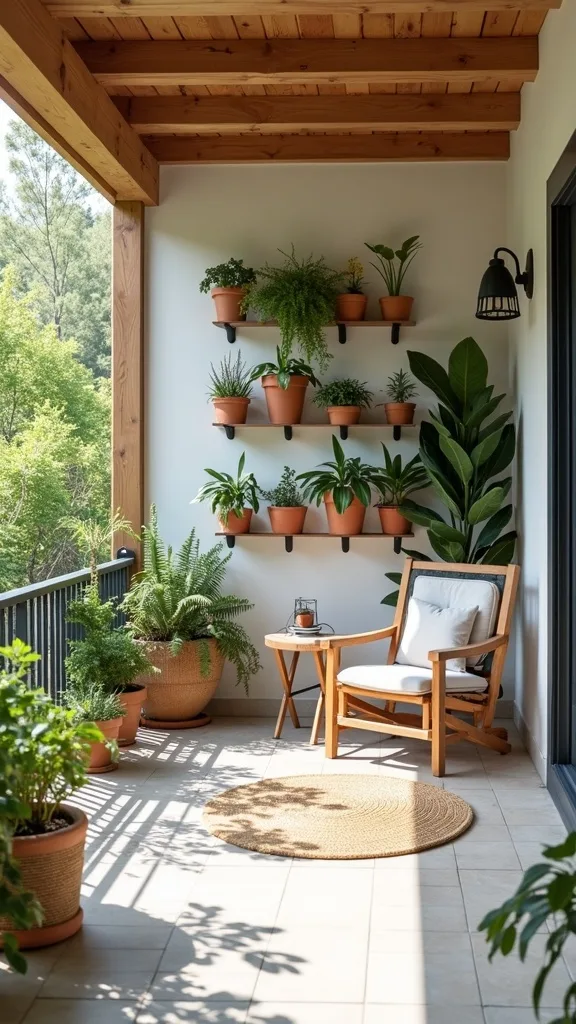
2. What’s the easiest layout for a narrow covered patio or balcony?
The easiest layout is “one-side living”: seating and storage on one long wall, open walkway on the other. It works because your body relaxes when you’re not sidestepping furniture every time you carry a plate outside.
Start by pushing a bench or loveseat tight to the wall, then add a tiny round table (18–24 inches wide) that can slide closer when you’re eating and tuck away when you’re not. If you want two seats, choose armless chairs so your knees aren’t fighting the frame.
For materials, a slatted acacia bench with a light cushion keeps it airy, while a stone-look side table in fiberglass concrete gives that quiet California luxury without the weight. Add a flatweave outdoor runner to visually “hallway” the space.
Upgrade: install a slim curtain rod under the cover and hang outdoor panels for soft privacy—when the light filters through, the whole patio feels calmer and more livable.
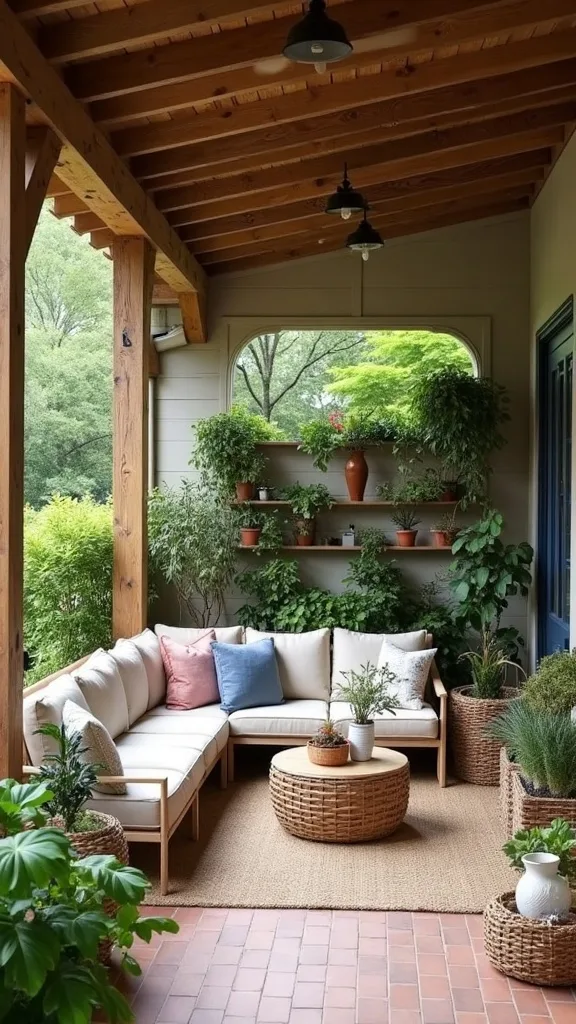
3. How can I add a vertical garden without drilling into the patio walls?
A no-drill vertical garden is basically a freestanding plant wall that leans and looks built-in. It works because you get height and greenery without upsetting a landlord—or committing to holes you’ll regret.
Use a ladder shelf or a slim plant stand that’s 12–16 inches deep, then group plants by light needs: herbs and succulents up top, thirstier plants lower where watering is easier. Place a waterproof boot tray under the bottom shelf to catch drips and keep the floor clean.
Choose a matte black metal frame for structure and mix terracotta pots with a few warm ivory planters for that sun-baked, indoor-outdoor feel. Add a self-watering pot insert for anything that wilts when you forget one day.
Pro tip: keep one shelf intentionally empty as “breathing space”—it makes the whole arrangement feel curated, like a living sculpture.
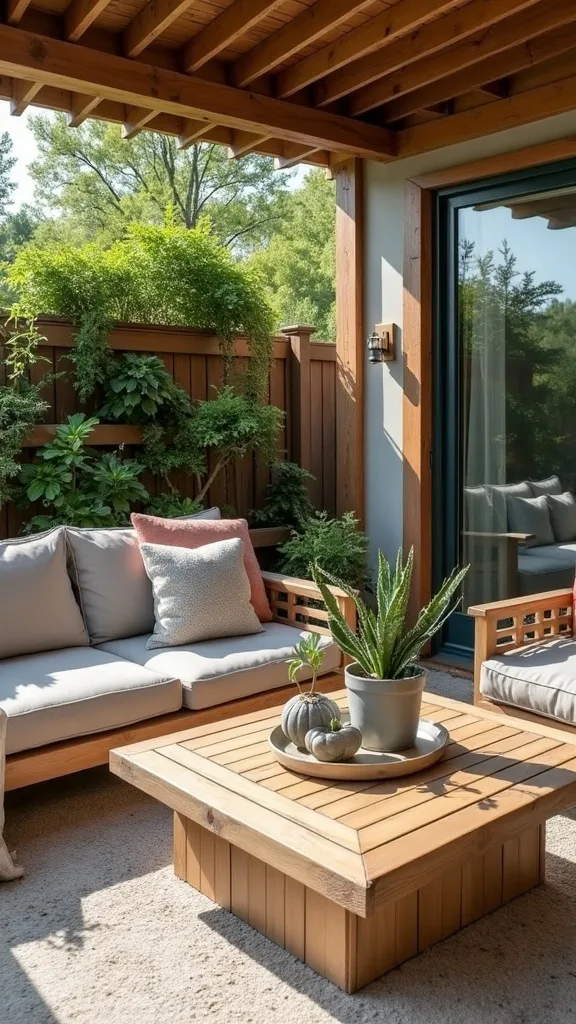
4. Which folding patio furniture actually feels comfortable (not temporary)?
The right folding furniture feels like real seating because it supports you in the right places and doesn’t wobble. It works for small patios because you can host, lounge, and then reclaim the floor for yoga, kid play, or just visual calm.
Pick a folding bistro chair with a wider seat and a slightly reclined back—test for comfort by sitting for five minutes, not five seconds. Add a thin tie-on cushion so the chair still folds flat, and store extras on a wall hook or inside a deck box.
Look for acacia or eucalyptus wood with a warm oil finish, or powder-coated aluminum in sand or black. Pair it with a drop-leaf wall table so you can dine without a permanent footprint.
Upgrade: swap the standard hardware for stainless screws if you live near the coast—small detail, big longevity, and you’ll feel it every time you open and close the chair.
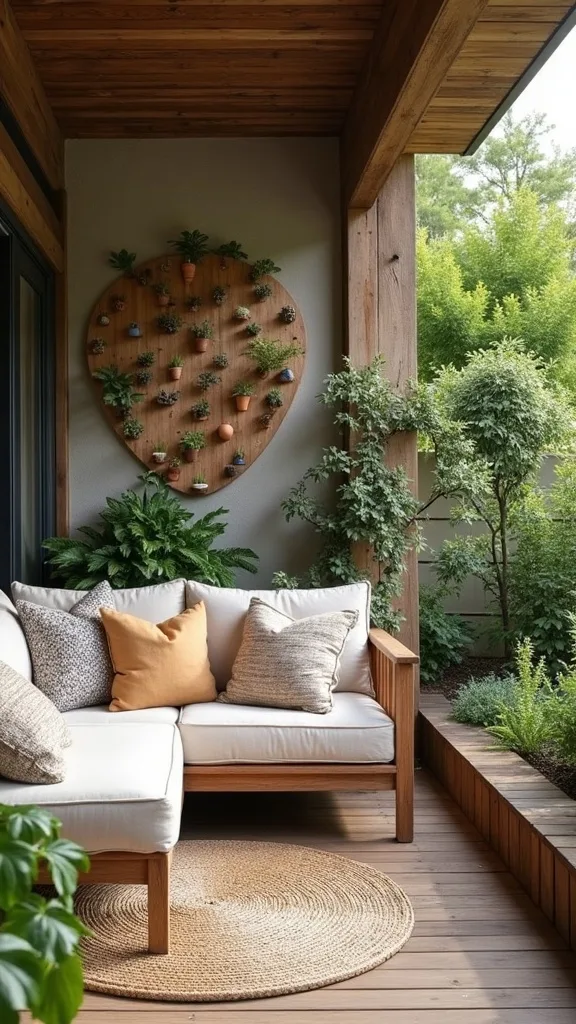
5. How do I create shade and softness under a covered patio roof?
Even covered patios can feel harsh if the light bounces around like a box. Soft layers work because they diffuse sun, reduce glare, and make the space feel like an outdoor lounge instead of a utility porch.
Add an outdoor rug first—it’s the fastest way to calm echo and visually “ground” your seating. Then hang outdoor curtains or a roll-up bamboo shade on the sun side to filter late-afternoon brightness without blocking the breeze.
Go for performance fabric in flax, oatmeal, or warm gray, and choose hardware in brushed brass or matte black for a polished finish. A natural fiber look rug (polypropylene, so it survives weather) gives you that beach-house texture without the shedding.
Pro tip: leave curtains slightly longer so they kiss the floor—when they move in the wind, the patio feels alive and slow, like you actually have time.
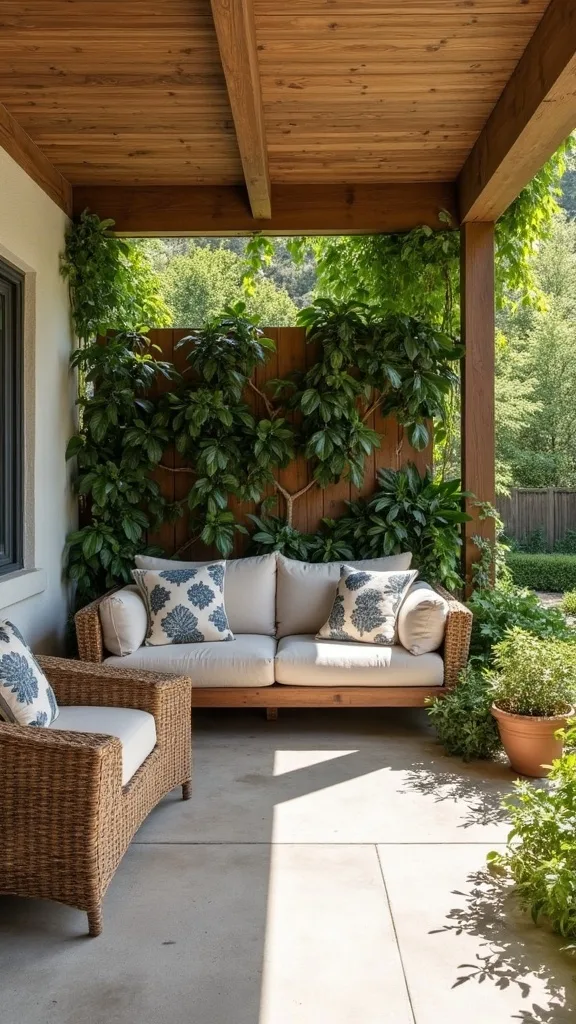
6. What lighting makes a small covered patio feel cozy every night?
Cozy patio lighting is less about brightness and more about layers that flatter skin and soften corners. It works because a small covered patio can feel like a dark cave at night unless you create a warm, welcoming glow.
Start with one overhead anchor—string lights or a plug-in pendant—then add a second layer at table height like a rechargeable lamp. Finish with a third layer near the floor: lanterns or step lights to guide the walkway.
Choose warm white light (2700K–3000K — the cosy, yellowish tone you see in most homes) and avoid icy “daylight” bulbs that make outdoor spaces feel like a parking lot. Mix finishes: black metal + woven rattan is an easy indoor-outdoor blend.
Upgrade: put everything on a timer so the patio is already glowing when you’re winding down—your future self will actually use the space.
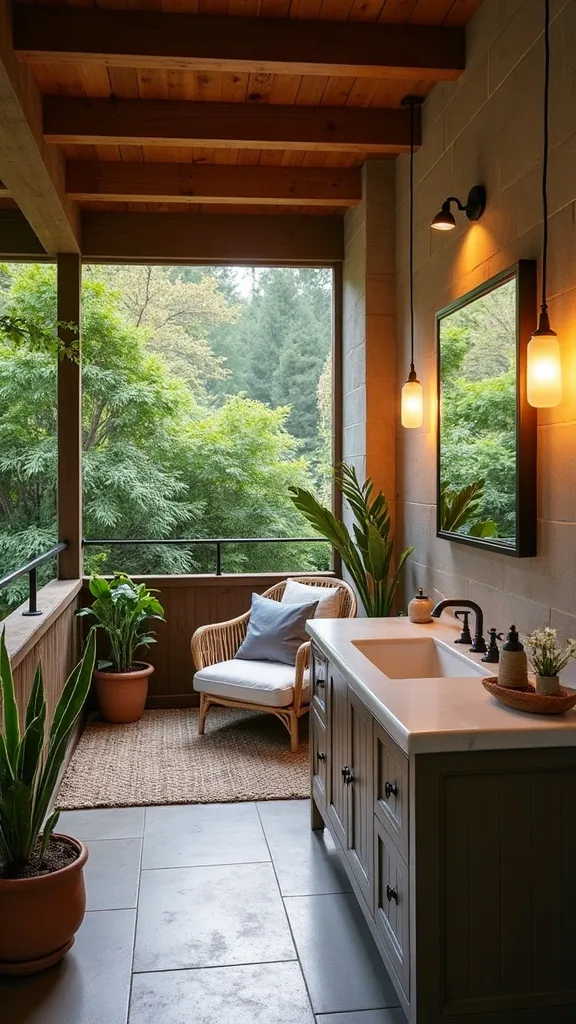
7. How can I add privacy on a small covered patio without blocking light?
Privacy works best when it’s filtered, not walled off. It works because you still want that covered-patio light—just not the feeling of being on display.
Use a slatted screen, outdoor curtains, or tall planters placed strategically at sightlines (think: where a neighbor’s window meets your chair). Keep the screen to one side so you don’t lose airflow, and angle seating slightly inward to create a “room” feeling.
Materials that feel elevated: cedar slats with a clear sealant, or composite panels in a soft driftwood tone. Add a tall narrow planter with ornamental grass for movement and sound.
Pro tip: leave a 2–3 inch gap at the bottom of screens—light passes through, leaves don’t pile up, and it feels intentional instead of improvised.
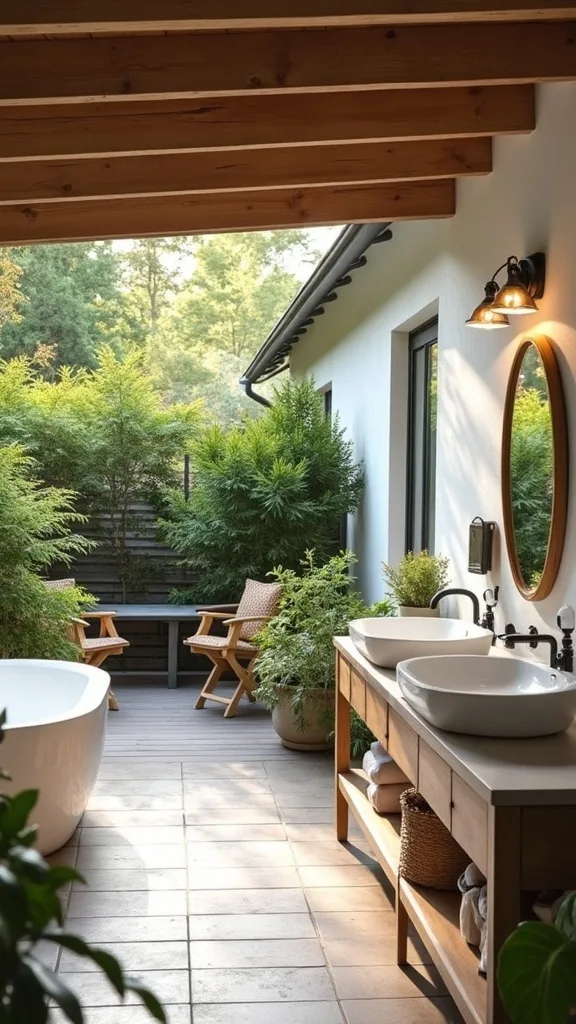
8. What plants thrive on a covered patio with partial shade?
Covered patios often get bright indirect light, which is perfect for lush, forgiving plants. It works because you can get that layered garden feel without battling full-sun stress every afternoon.
Start with a simple trio: one tall plant (like a palm or dracaena), one trailing plant (pothos or ivy), and one flowering pot for color. Group them near the brightest edge of the cover and rotate pots monthly so growth stays even.
Use lightweight resin planters that look like ceramic, in warm white, charcoal, or terracotta. For a polished look, repeat one pot style and change only plant texture—instant cohesive greenery.
Upgrade: add a saucer with hidden wheels under the largest pot so you can chase the light seasonally without throwing your back out.
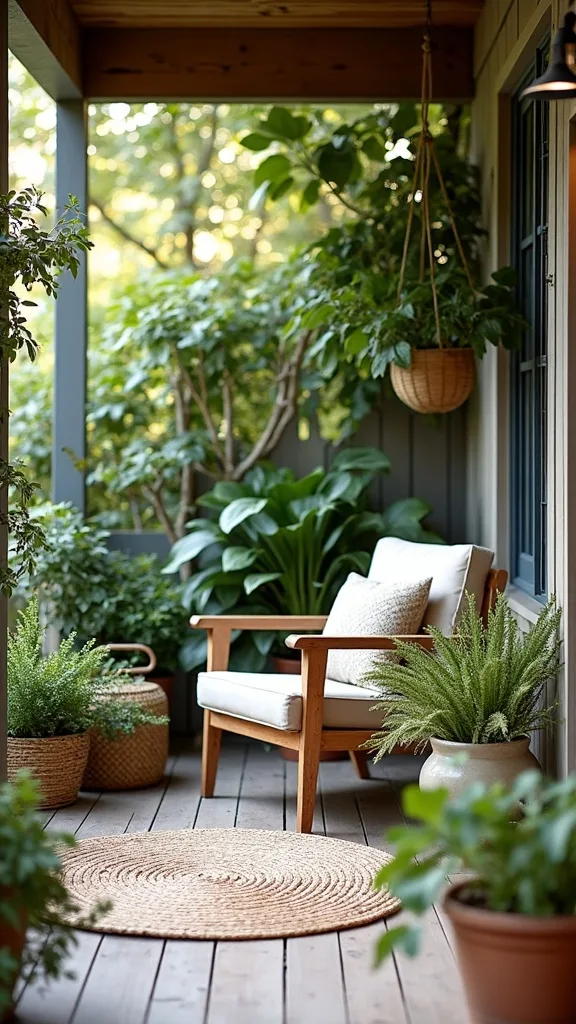
Cost & Materials Estimate
Most small covered patio refreshes land between a simple $150 setup and a more layered $900 upgrade, depending on furniture and lighting.
| Item | Estimated Cost | Where to Buy |
|---|---|---|
| Folding bistro set (table + 2 chairs) | $90–$180 | IKEA |
| Outdoor rug (5′ x 7′ flatweave) | $55–$120 | Wayfair |
| Vertical trellis panel or wall grid | $28–$75 | Home Depot |
| String lights (outdoor-rated, 48 ft) | $19–$45 | Amazon |
| Storage bench or deck box (small) | $70–$160 | Lowe’s |
Total estimated cost: $262–$580 Save money by choosing a smaller rug and DIYing the vertical plant wall; splurge on seating comfort because that’s what makes the patio get used.
9. How do I fit dining on a tiny covered patio?
Dining on a small patio is possible when the table adapts to you, not the other way around. It works because you don’t need a “forever” dining setup—just a surface that shows up when you’re eating.
Choose a wall-mounted drop-leaf table or a narrow console that doubles as a serving bar. Pair it with two folding chairs you can hang on hooks, and keep the center open so you can pull chairs out without scraping everything.
Finishes that feel like indoor furniture: warm wood top with black brackets, or a stone-look laminate that wipes clean. Add a tray centerpiece so clearing the table takes one lift.
Pro tip: keep one slim outdoor pillow on each chair—comfort is what makes you linger, and lingering is what makes the patio feel like part of your home.
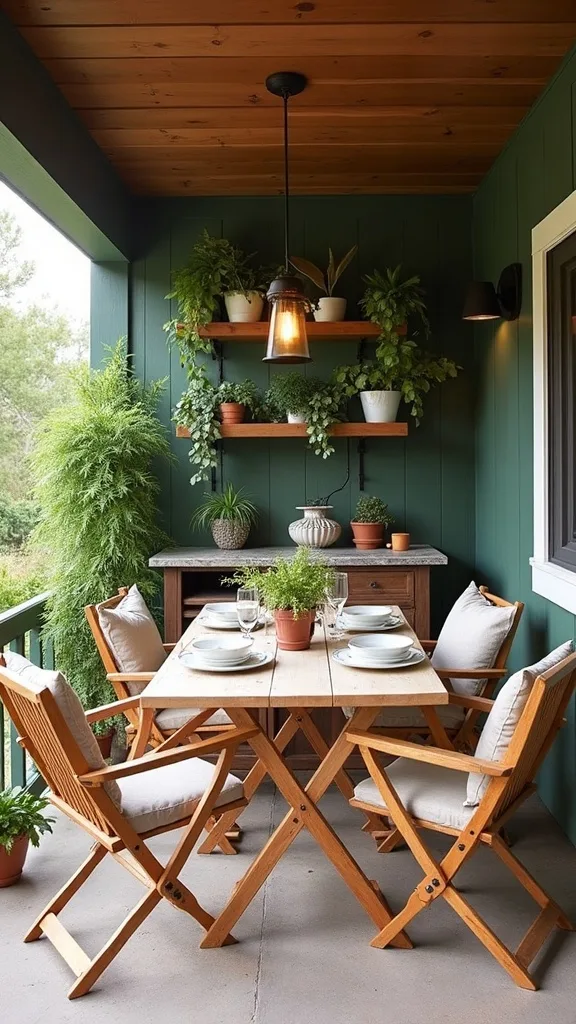
10. What’s the best way to add storage without making the patio feel crowded?
Hidden storage is the difference between “cozy” and “cluttered.” It works because small patios collect stuff fast—cushions, watering cans, bug spray—and visual noise kills the calm.
Use a storage bench as your main seat, or tuck a slim deck box under a console table. Store soft goods in zip bags inside the box so they stay fresh, and keep only one “grab basket” out for daily essentials.
Choose resin wicker in a warm espresso or driftwood tone, or a matte black steel bench with a teak lid for a more modern look. Add a lidded storage ottoman that can become extra seating.
Upgrade: label one small bin “night kit” (matches, citronella, throw blanket) so evenings feel effortless—like the patio is already set for you.
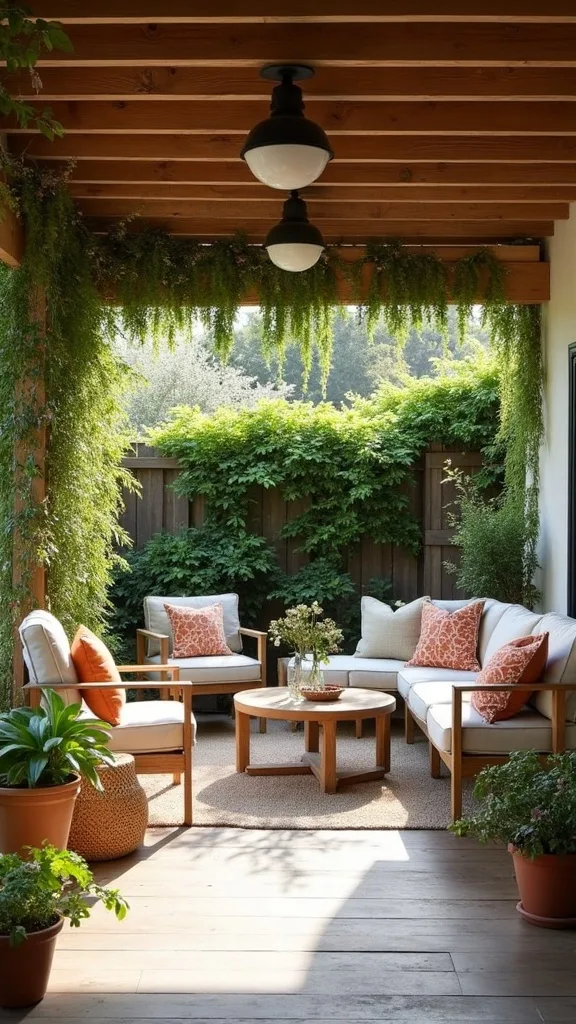
11. How can I make a small covered patio feel like an outdoor living room?
An outdoor living room is about comfort cues you recognize from inside: softness, layered light, and a place for your hands to land. It works because your brain reads the patio as a real room, so you naturally use it more.
Start with a rug, then add a loveseat or two lounge chairs with a small table between. Keep furniture legs visible (not bulky skirting) to maintain lightness, and angle seating toward each other so conversation happens without effort.
Go for performance fabric in a warm neutral, then bring in texture with woven poufs, a knit-look outdoor throw, and a ceramic side table. A low profile lounge set under a cover feels especially luxurious because it’s protected.
Pro tip: add one piece of “indoor” decor—like a framed outdoor-safe print—so the transition from inside to outside feels seamless.
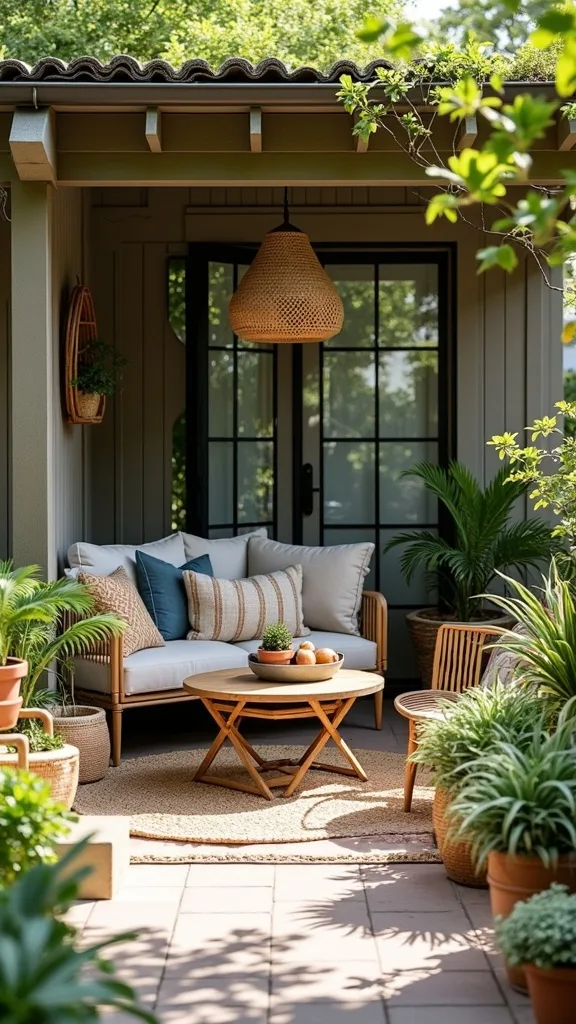
12. How do I use mirrors on a covered patio without making it look strange?
Outdoor mirrors work when they reflect greenery and light—not your neighbor’s clutter. It works because a small covered patio can feel boxed in, and a mirror quietly doubles the sense of space.
Choose a weather-resistant mirror (or a regular mirror placed under deep cover) and hang it where it catches the brightest part of the day. Keep it at eye level when seated so it feels like an intentional “window.”
Frames that read elevated: arched black metal, antique gold, or warm teak. Pair it with a vertical plant moment nearby so the reflection is always pretty, even when the patio is messy.
Upgrade: place a candle lantern below the mirror—at night, it creates depth and that soft glow that makes you want to stay outside a little longer.
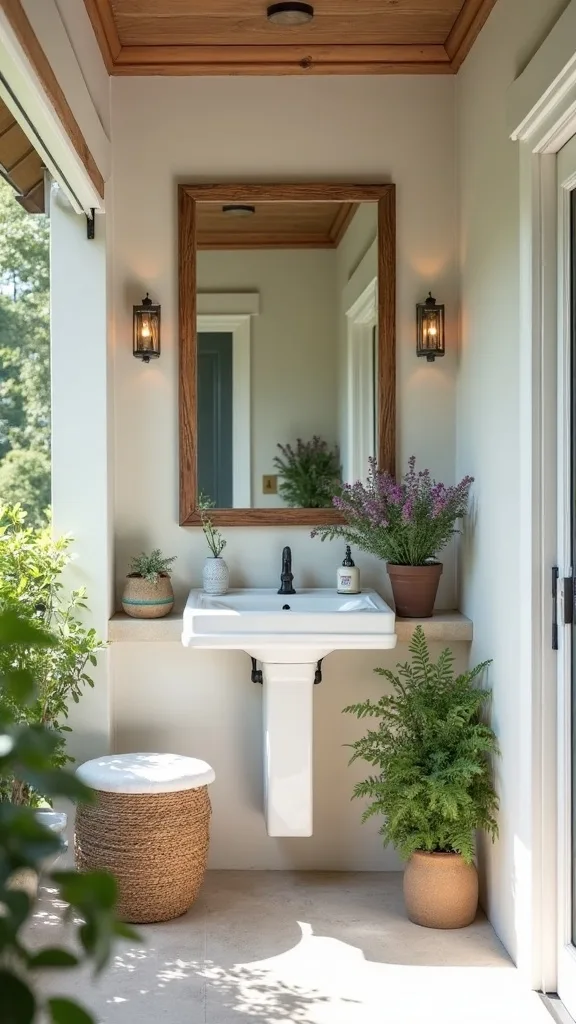
13. What’s a smart way to create a reading nook on a small covered patio?
A patio reading nook is basically one great chair plus a tiny support system. It works because you don’t need a full set—just a corner that feels like it’s waiting for you.
Pick a lounge chair with arms, add a C-shaped side table that slides under the seat, and keep a basket for a throw and book. Position it where the cover gives shade but you still get a slice of morning light.
Materials: teak or acacia chair, linen-look outdoor cushion in sand, and a black metal side table for contrast. Add a clip-on reading light with warm white light (2700K–3000K — the cosy, yellowish tone you see in most homes).
Pro tip: choose one signature scent—like a cedar citronella candle—so stepping outside instantly shifts you into “off-duty” mode.
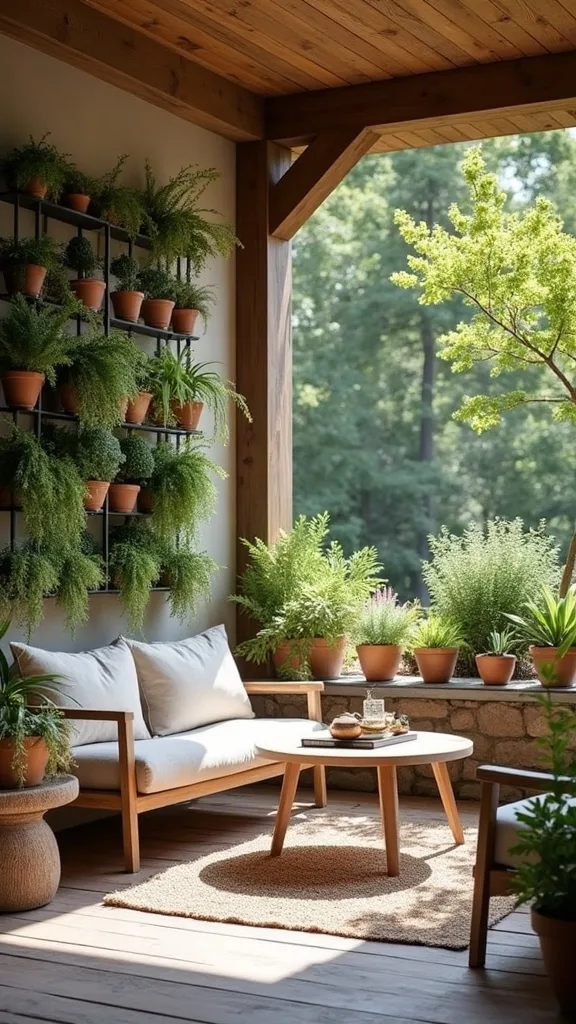
14. How do I style a small covered patio for morning coffee rituals?
Morning styling is about ease: you want to walk out barefoot and have everything you need within reach. It works because daily rituals are what turn a patio into a lifestyle, not a weekend project.
Set up a small bistro table near the door, add two comfortable chairs, and keep a tray ready for mugs and a French press. If space is tight, swap the table for a wall shelf at standing height and pull up one folding chair.
Choose finishes that feel calm in morning light: creamy ceramic, light wood, and brushed metal. Add a tiny herb pot (mint is easy) so the patio smells alive.
Upgrade: keep a lightweight throw draped over the chair year-round—when the air is cool, you’ll still sit outside, and that’s when the patio starts paying you back.
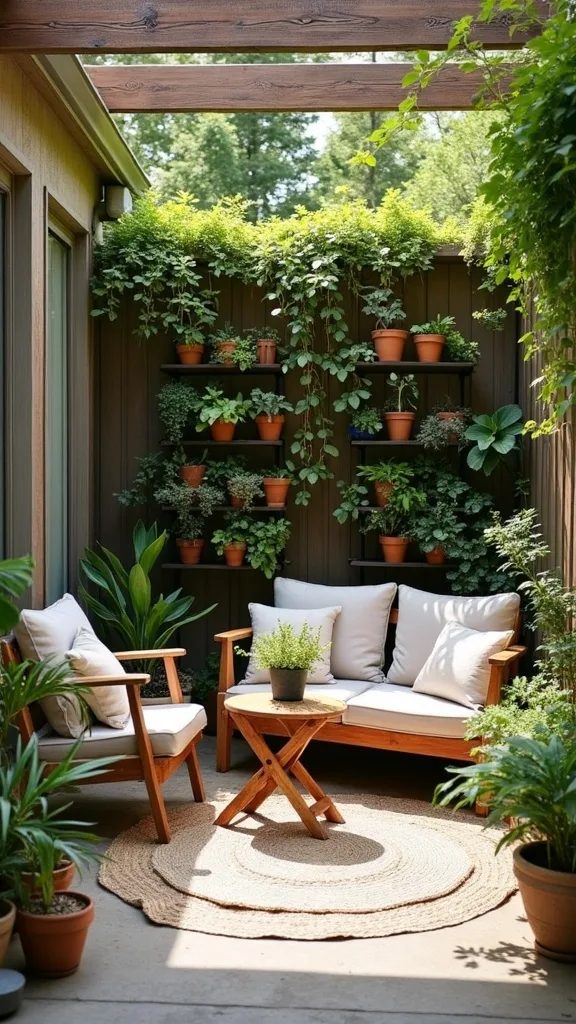
15. How can I do a vertical herb garden on a covered patio?
A vertical herb garden is practical and beautiful—your dinner tastes better, and the wall looks styled. It works because herbs don’t need a huge footprint, just consistent light and easy watering.
Mount a rail system with hanging pots, or use a pocket planter that attaches to a fence panel. Keep herbs you use most (basil, parsley, cilantro) at chest height so harvesting is effortless, and place a shallow catch tray below to protect the floor.
Go for matte black rails with terracotta or cream pots; the contrast reads clean and modern. Add a small watering can that lives on a hook so you actually use it.
Pro tip: plant one “sacrifice” herb like extra basil—when it bolts in summer, you won’t feel like you failed; you’ll just swap it and keep the wall looking full.
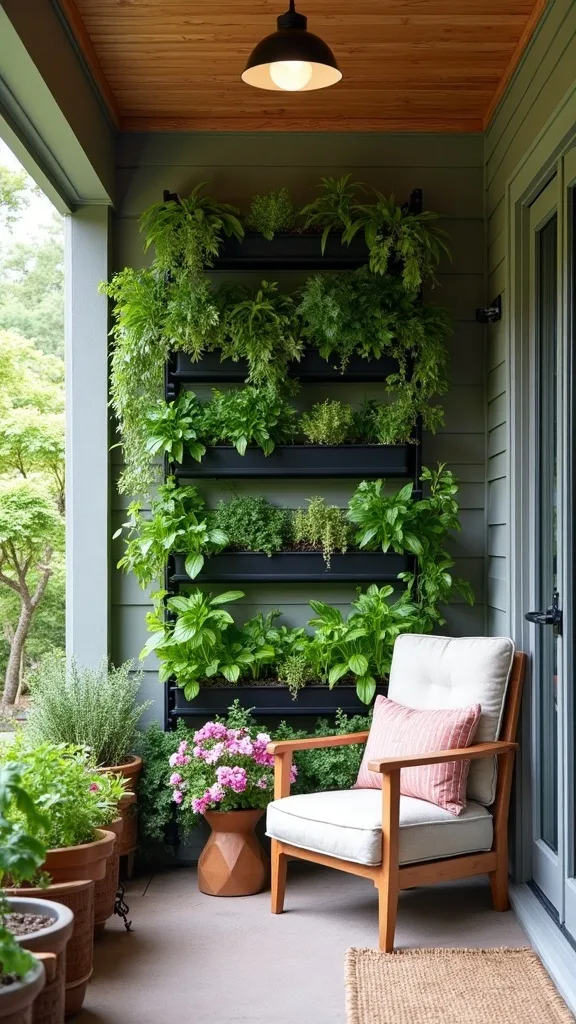
16. What decor makes a small patio feel finished without adding clutter?
Finished doesn’t mean filled. It works because on a small covered patio, a few intentional pieces read expensive and calm, while too many reads like storage.
Use the rule of three: one soft item (rug or cushion), one hard item (table or planter), and one glow item (lantern or lamp). Keep surfaces mostly clear so you can set down a drink without rearranging decor.
Choose a limited palette—warm neutrals plus one accent like olive or terracotta—and repeat it in small ways. A single oversized planter often looks more luxurious than five tiny pots.
Upgrade: add one sculptural object that’s weather-safe, like a stone-look bowl on the table—quiet, tactile, and it makes the patio feel like it belongs to you.
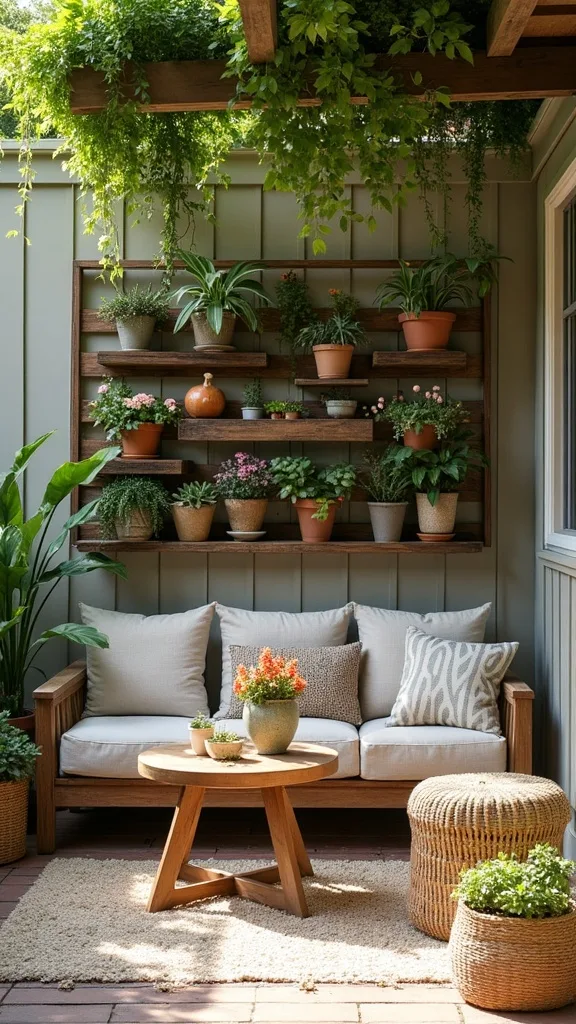
17. How do I use multi-functional decor on a small covered patio?
Multi-functional decor is the cheat code for small spaces: everything earns its footprint twice. It works because the patio stays flexible—ready for dinner, lounging, or a quick work call.
Try an ottoman that’s also storage, a side table that becomes a stool, or a bar cart that doubles as a plant stand. Keep the “primary function” obvious so it doesn’t feel gimmicky.
Materials: powder-coated steel carts, teak-top stools, and outdoor-safe woven baskets. A lidded pouf in a neutral weave is especially good under a cover because it stays cleaner longer.
Pro tip: pick one hero multi-tasker and keep the rest simple—when everything transforms, nothing feels restful, and the patio starts to feel like a showroom.
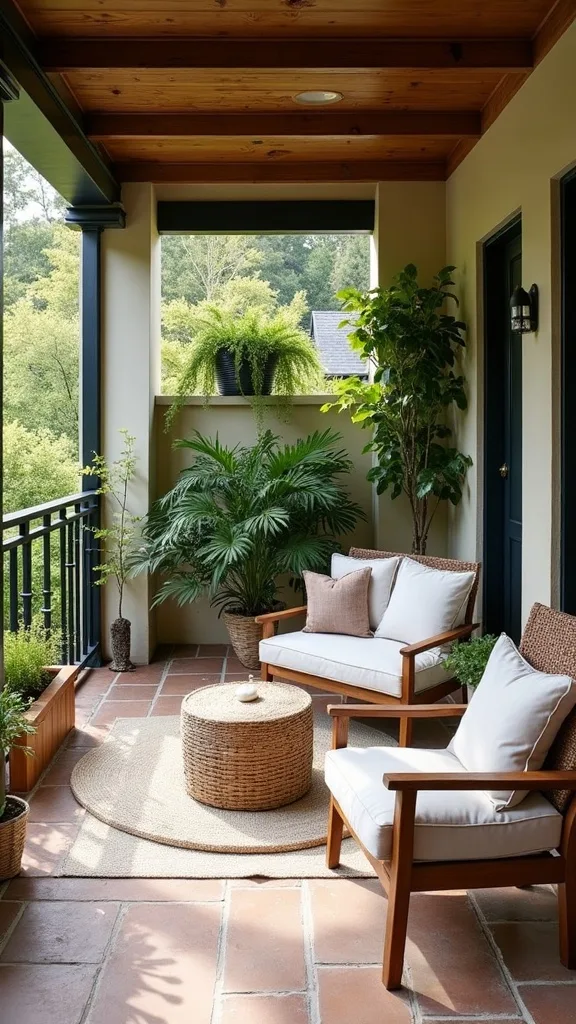
18. What’s a renter-friendly way to decorate a covered patio ceiling?
The ceiling is your secret design surface—especially under a cover. It works because overhead details pull your eye up, making a small patio feel taller and more intentional.
Use removable hooks to hang string lights in a clean perimeter line, or add a plug-in pendant with a swag hook so you don’t need hardwiring. If you have beams, wrap them lightly with outdoor-rated twinkle lights for a soft glow.
Choose black wire for a modern look or warm copper for a softer feel. Pair lighting with a woven pendant shade so the light feels diffused, not bare.
Upgrade: add a small ceiling-mounted fan if allowed—moving air makes summer evenings actually comfortable, and comfort is always the real luxury.
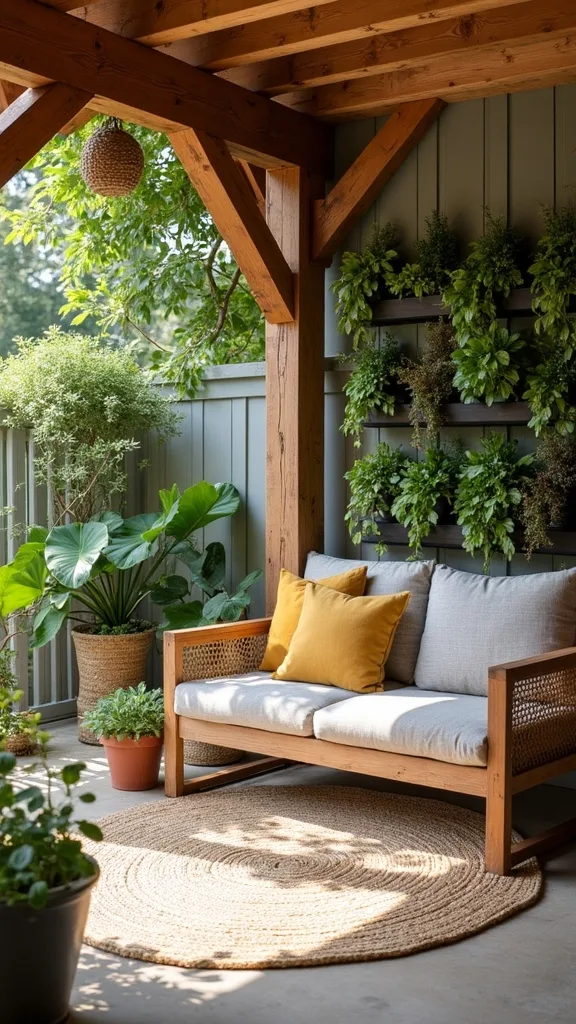
19. How do I keep bugs away on a small covered patio without harsh vibes?
Bug control should feel like part of the decor, not a battle station. It works because when the solution looks good, you’ll keep it out and actually use the patio at dusk.
Use a discreet fan (bugs hate airflow), add citronella candles in lidded lanterns, and place mosquito-repelling plants like rosemary or lavender near seating. Keep food covered and wipe tables quickly—tiny spaces amplify smells.
Choose glass-and-metal lanterns in black or brass, and keep candles in a matching set so it reads intentional. A tabletop fan in matte white or black disappears visually.
Pro tip: avoid blue-white “bug lights”—they make skin look flat and the patio feel cold. Warm, layered light keeps the mood relaxed while you handle the practical stuff.
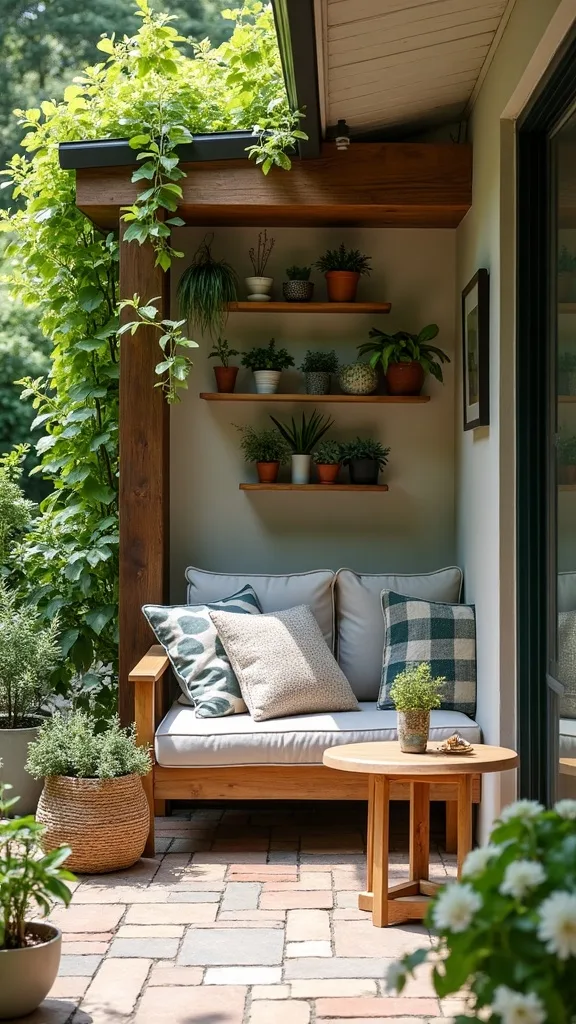
20. How can I add a water feature to a small covered patio?
A small water feature adds sound, which is the fastest way to make a patio feel private. It works because even a gentle trickle masks street noise and shifts the whole space into spa mode.
Choose a compact tabletop fountain or a slim floor fountain that plugs in. Place it near a wall outlet, then style around it with one plant and one lantern so it feels like a vignette, not a random appliance.
Look for stone-look resin in warm gray or sand, with simple shapes—nothing too ornate. Add a river rock base in a shallow tray to catch splashes and elevate the look.
Upgrade: run it for 20 minutes before guests arrive—the sound sets the tone, and suddenly the patio feels like a retreat you didn’t know you had.
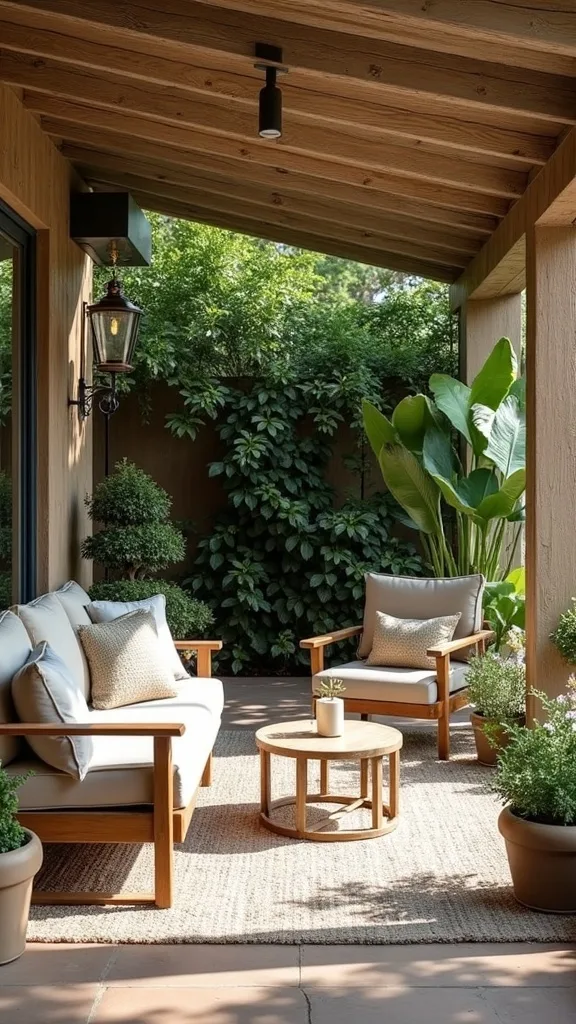
21. What should I avoid when designing a small covered patio?
Avoid oversized sectionals and bulky dining sets that swallow the walkway. It doesn’t just look cramped—it changes how you move, and daily friction is what makes patios go unused.
Instead, measure your space and protect at least a 24-inch clear path from the door to the main seat. Choose armless or slim-armed seating, and keep one “fold-away” option for when you need extra room.
Also avoid too many tiny planters scattered around; they read messy fast. Swap them for a single large statement planter and one vertical plant wall so greenery feels intentional.
Upgrade: if you’re unsure, tape the furniture footprint on the floor with painter’s tape for a day. Living with the layout for 24 hours will tell you more than any mood board ever could.
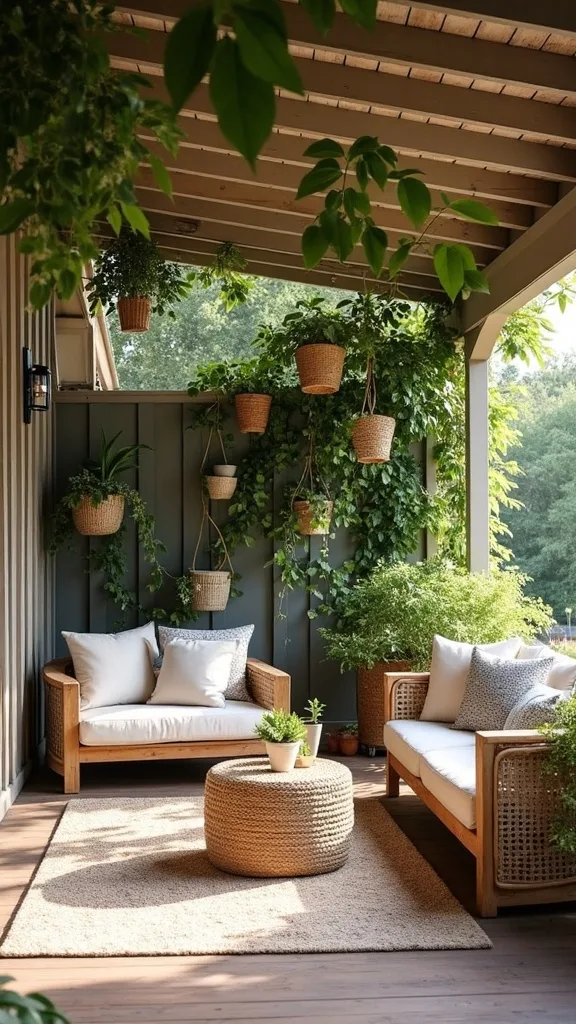
22. How do I make a small covered patio feel cooler in summer?
Cooling a covered patio is about shade control and airflow, not gadgets. It works because the cover can trap warm air—especially in late afternoon.
Add an outdoor roller shade on the hottest side, use a small fan to keep air moving, and choose light-colored textiles that don’t hold heat. Water plants in the morning so they transpire during the day (they naturally cool the air around them).
Pick breathable cushions in light sand or soft gray, and avoid dark rugs that soak up heat. A bamboo shade plus portable fan is a simple combo that feels immediately better.
Upgrade: keep a slim ceramic pitcher in the fridge and bring it out—cold water on hand means you’ll actually stay outside, even when the day runs warm.
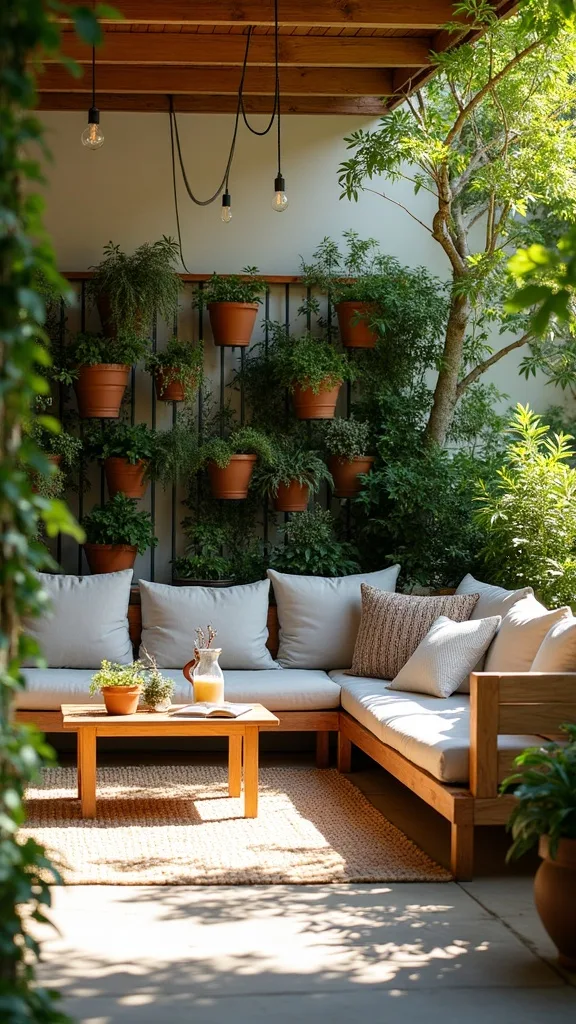
23. How can I add seasonal decor on a covered patio without storing a ton?
Seasonal patio decor should be swap-in, not stack-up. It works because small spaces don’t have storage for bins of themed items—and they don’t need them.
Use changeable textiles: switch pillow covers, add a different table runner, or rotate one statement planter with seasonal blooms. Keep the base neutral so the seasonal layer feels like a fresh accent, not a full reset.
Choose durable covers in rust, olive, or coastal blue depending on your vibe, and keep everything else consistent. A set of zippered pillow covers takes almost zero space to store.
Upgrade: add one seasonal scent—like a eucalyptus candle in summer or cedar in fall—because the way a space feels is more powerful than any themed object.
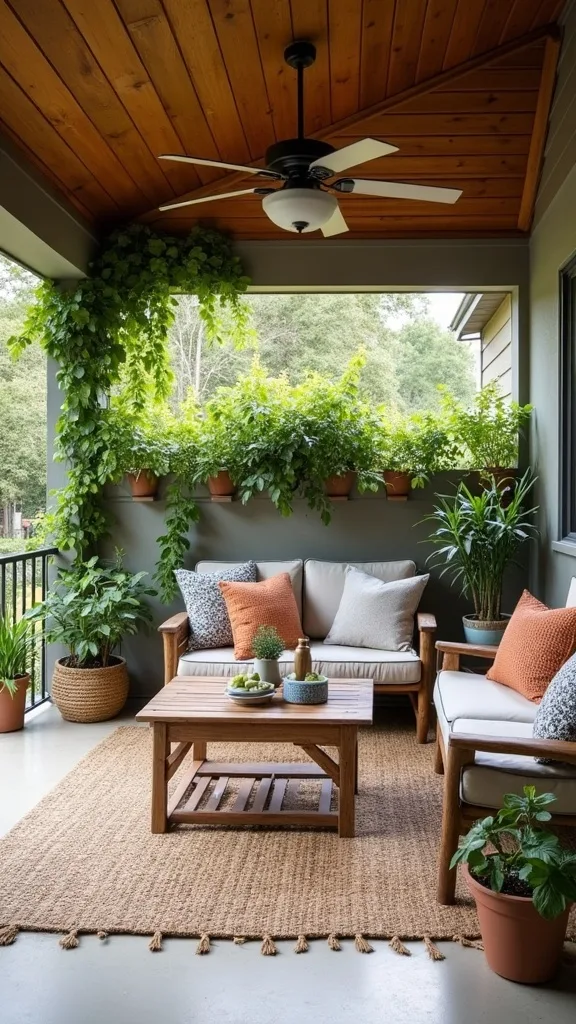
24. How do I create a small covered patio “bar” for entertaining?
A patio bar is really just a landing zone for drinks and snacks. It works because it keeps people from hovering in the doorway and makes hosting feel relaxed.
Use a narrow console table (or bar cart) against the wall, then hang two hooks above it for a towel and bottle opener. Keep a tray for glasses, a small ice bucket, and one plant so it feels styled even when it’s stocked.
Finishes that feel elevated: black metal frame with a wood top, or a faux-stone top that wipes clean. Add a rattan bar cart if you want softer texture under the cover.
Upgrade: keep one rechargeable lamp on the bar—when the sun drops, the glow makes everyone linger, and the patio becomes the place people remember.
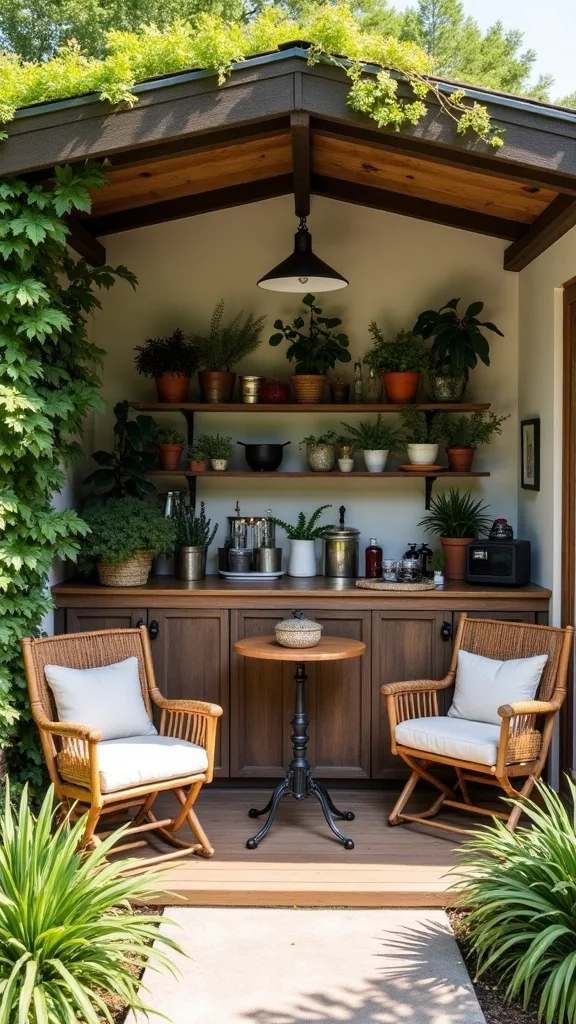
25. How do I make a small covered patio feel personal instead of “decorated”?
Personal patios have one or two choices that only make sense for your life. It works because the space stops being a style exercise and starts supporting your actual routines.
Add something you’ll use weekly: a hook for your sun hat, a basket for the dog leash, a small shelf for your speaker, or a plant you’ve kept alive for years. Keep the layout simple so those personal pieces stand out.
Choose materials that age well—teak that silvers, woven textures that soften, and ceramics that show a little patina. A handmade-looking planter or outdoor-safe art gives the patio soul.
Upgrade: write down the one feeling you want out there—calm, social, quiet—and let that guide every purchase. That’s how a small patio becomes yours.
Final Thoughts
A small covered patio doesn’t need to be “done” to be good—it needs to be easy. Easy to walk through, easy to sit down, easy to water, easy to turn on at night. When the flow is right, the space starts living like an extra room, and you naturally drift outside more often.
Keep the floor flexible, let the walls do the heavy lifting, and choose finishes that feel good in your hands: warm wood, matte metal, woven texture, ceramics that don’t look precious. Skip the oversized furniture and the scattered little clutter-pots. You’re building a calm pocket of your home, not a display.
Do one thing today: measure your patio, tape out a 24-inch walkway, and pick the single wall where you’ll add a vertical element (trellis, shelf, or screen). Once that anchor is in, everything else gets simpler—and the patio starts feeling personal, not decorated.
What I’d Do Differently
When I first tried this, I made the classic small-patio mistake: I bought the “cutest” chairs first and then tried to force everything else around them. The chairs had arms that looked substantial, but on my narrow covered patio they stole the walkway—so every coffee run turned into a sideways shuffle with a mug. I kept telling myself I’d get used to it. I didn’t. The patio started feeling like a storage zone because moving through it was annoying, and annoyance is the fastest way to stop using a space.
What I wish I knew: layout comes before shopping, always. Tape out a 24-inch clear path, decide where your feet actually go, and then choose furniture that respects that flow—usually armless, folding, or slim-profile pieces. I also wish I’d committed to one vertical “green wall” moment early, because it made everything else feel finished without adding clutter. Pick one wall, pick one function, and start today.