

This post contains affiliate links. As an Amazon Associate, I earn from qualifying purchases at no extra cost to you.
Our bedroom “before” looked like we lost a fight with a fitted sheet… and then tried to cover it up with one sad, pilled blanket. Every night was the same routine: get cold, add blanket, get hot, kick blanket off, repeat until 2:17 a.m. It wasn’t charming. It was just loud shuffling and the occasional dramatic whisper of, “Why is it freezing on my side?”
This post covers a step-by-step fall bed refresh: how we built cozy bedroom layers that actually work for cool nights, what we bought, and what we’d skip next time. We’re also sharing small choices that made a big difference—like when to use a duvet and blanket together and when that’s basically asking to sleep in a burrito.
This is perfect for anyone doing a fall bedroom transition without replacing the whole bed set (or anyone who’s tired of playing temperature roulette at midnight).
Inside, you’ll find our linen + quilt + chunky knit formula, the pillow-fill combo that stopped our neck complaints, and a few “please don’t do what we did” moments—like the time we accidentally bought a duvet cover that was the exact color of oatmeal.
Below are 25 Layered Bedding Ideas for Fall & Cozy Bedroom that make nights warmer, mornings easier, and your bed look intentionally put together with layered bedding, fall bedding ideas, and cozy bedroom layers in mind.
Products I Recommend for This Project
Here are some of my favourite products to help you bring these ideas to life:
- Simple&Opulence 100% Linen Sheet Set — Breathable linen that’s great for fall because it warms up fast without trapping heat.
- HORIMOTE HOME 100% Cotton Quilt Set — A lightweight cotton quilt that adds texture and steady warmth as a middle layer.
- CASOFU Chunky Knit Throw Blanket — Big, cozy texture at the foot of the bed with a drape that makes any setup look finished.
- Beckham Hotel Collection Bed Pillows (2-Pack, Down Alternative) — Fluffy, easy-care pillows that hold shape and feel cozy without feather allergies.
- Coop Home Goods Original Adjustable Pillow (Shredded Memory Foam) — Adjustable fill lets you dial in height and support for cooler nights when you tuck in.
1. The Linen + Cotton Quilt + Chunky Knit Throw Stack (with Two Pillow Fills)
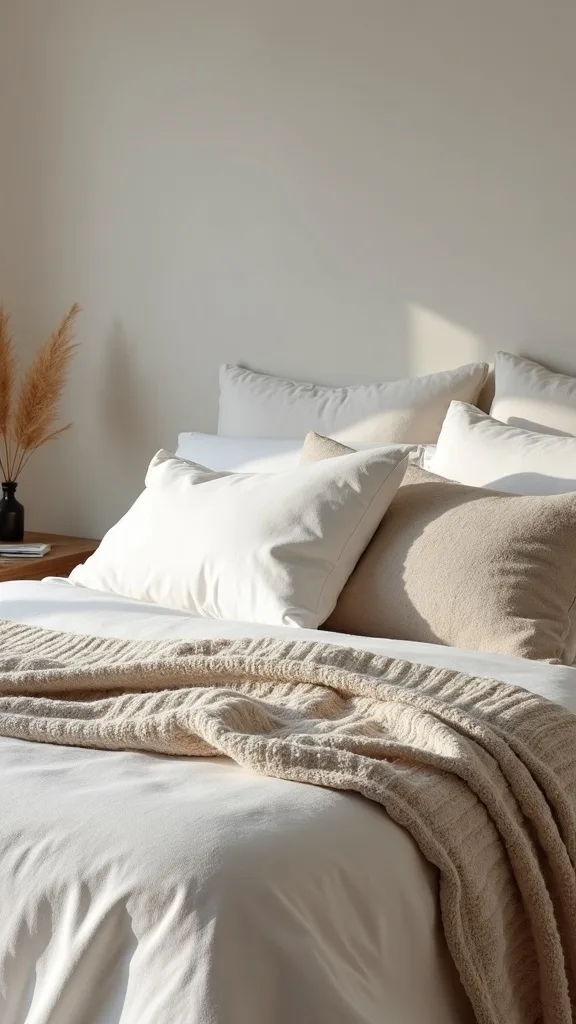
This is our go-to fall stack: linen sheet, cotton quilt, and a chunky knit throw you can yank on and off without waking up mad. It works because each layer does one job—breathable base, steady warmth, and adjustable “I’m chilly” insurance.
How to do it: start with linen sheets (they feel cool at first, then warm up fast), add a cotton quilt as the main cover, then fold the knit throw across the bottom third of the bed. For pillows, we mix one down-alternative fill (fluffy, holds shape) with one shredded memory foam fill (more supportive) so both stomach-sleepers and side-sleepers stop complaining.
Go for warm neutrals like oatmeal, clay, or soft charcoal so it reads “fall” without screaming pumpkin. We learned the hard way that bright white + cream + beige can look like a laundry pile.
Pro tip: size up the throw (we like 50″x70″) so it drapes instead of perching like a napkin—your bed will look relaxed in the best way.
2. How Do You Transition Your Bed From Summer to Fall Without Buying Everything New?
The easiest fall bedroom transition is swapping only the top two layers, not the whole closet of bedding. It works because your sheets can stay breathable, while the visible layers do the seasonal heavy lifting.
Keep your summer cotton percale or linen sheets, then add a quilt and one warmer topper (a duvet or throw). We also rotate pillowcases: lightweight for early fall, then flannel or brushed cotton when nights dip. The almost-went-wrong moment: we tried to “just add a duvet” over our old thin blanket and it slid off all night like it was escaping.
Stick to a simple palette—cream + rust, taupe + olive, or gray + camel—so new pieces match what you already own. If your room is small, choose one pattern max (like a subtle stripe) and keep everything else solid.
Pro tip: fold the duvet at the foot during warmer weeks; when the first cold snap hits, pull it up and feel smug that you planned ahead.
3. What’s the Best Order for Cozy Bedroom Layers (So You Don’t Overheat)?
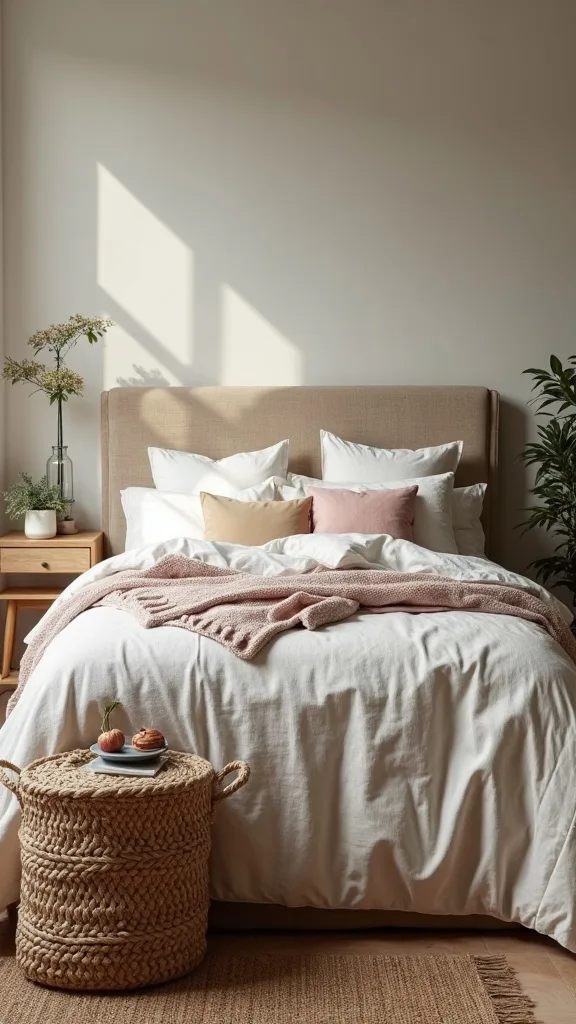
The best order is breathable-to-warm: sheets first, then a quilt or blanket, then a duvet if you need it. It works because moisture (sweat—sorry, but true) can escape through the base layers instead of getting trapped under a heavy top.
Set it up like this: fitted sheet + flat sheet, then a cotton quilt as your main cover. If you’re cold at night, add a duvet and blanket combo only if one is lightweight—otherwise you’ll wake up like a baked potato. We almost ruined this by putting the thickest blanket under the duvet; it felt cozy for 10 minutes, then we both woke up annoyed.
Materials to consider: cotton quilt for steady warmth, linen sheets for breathability, and a down-alternative duvet insert if allergies are a thing.
Pro tip: if you run hot, swap the duvet for a waffle blanket; you still get texture, but your body won’t stage a protest at 3 a.m.
4. How Can You Make a Bed Look Layered Without It Feeling Bulky?
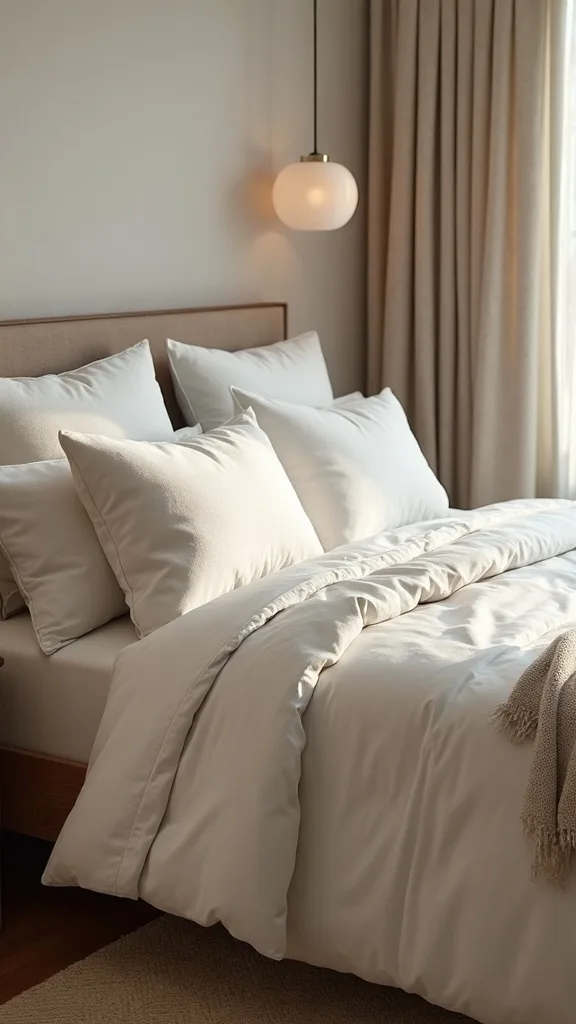
You can get the layered look by using varied textures, not extra thickness. It works because the eye reads “cozy” from contrast—linen + quilt stitching + knit—without you actually stacking five blankets.
Do this: keep the quilt as your main cover, then add one throw across the foot and two pillow sizes (standard + euro or standard + lumbar). We tried three throws once. It looked like a yarn store exploded. One is plenty.
Choose a smooth base (linen or cotton), a quilt with visible stitching, and a throw with big texture like a chunky knit or boucle. Colors should be close cousins—like cream, sand, and camel—so it’s calm instead of busy.
Pro tip: use a bed-making “rule” we swear by—if you can’t pull the top layer up in one motion, you’ve added too much. Cozy should still be functional.
5. Duvet and Blanket Together: When Does It Make Sense?
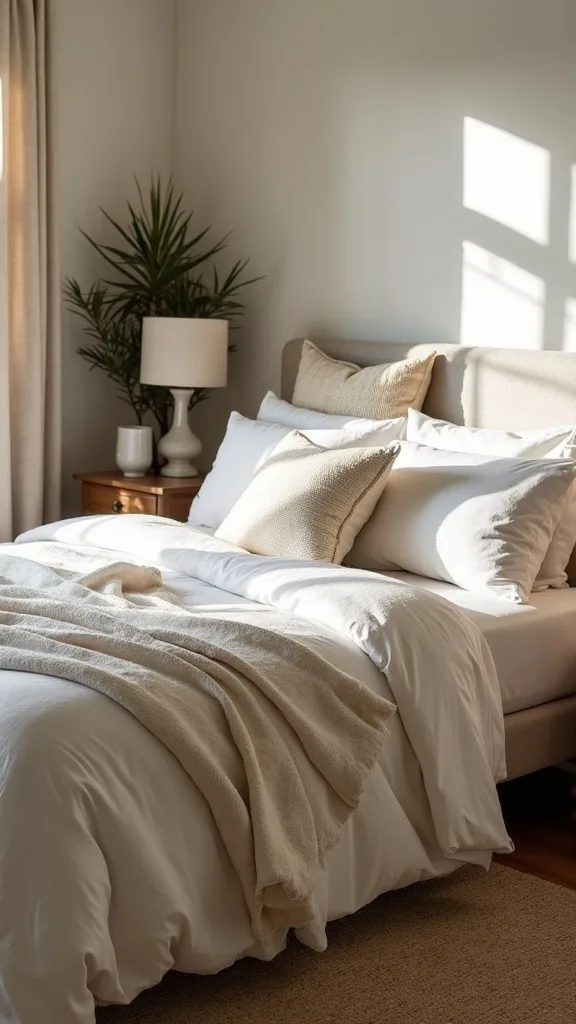
A duvet and blanket combo makes sense when one layer is for warmth and the other is for weight or texture. It works because you can adjust comfort without changing your whole bed setup.
Here’s the setup: keep a lightweight blanket (like a cotton herringbone or waffle weave) between the top sheet and the duvet. That way, early fall nights you can sleep with just the blanket; later, add the duvet. We almost messed this up by buying a heavy fleece blanket—warm, yes, but it grabbed every crumb and pet hair like a magnet.
Consider a down-alternative duvet insert for easy washing and a cotton blanket for breathability. Stick with solids so it doesn’t look like a pattern fight.
Pro tip: if you hate wrestling a duvet cover, tie the insert corners (most covers have loops) so it doesn’t bunch up into a sad lump by morning.
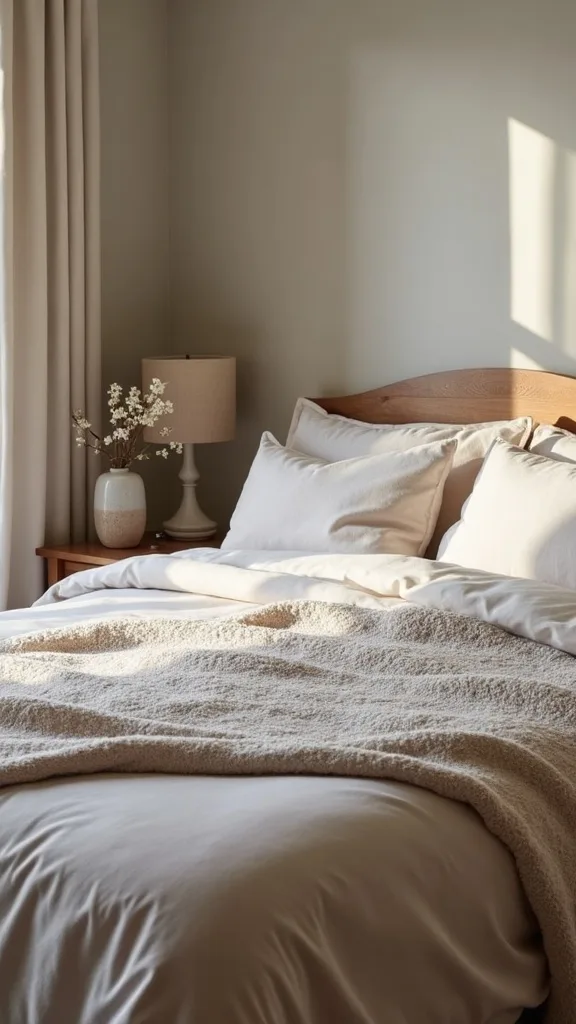
6. What Fabrics Actually Feel Cozy in Fall (Without Making You Sweat)?
Cozy for fall is about breathable warmth—cotton, linen, and wool blends beat pure polyester most nights. It works because natural fibers regulate temperature better, so you’re not hot-cold-hot like a thermostat with feelings.
We use linen sheets, a cotton quilt, and a knit throw (cotton or wool blend). If you want extra warmth, add a brushed cotton blanket instead of fleece. The near-miss: we bought microfiber sheets once because the package said “soft.” They were soft… in the way a plastic grocery bag is soft.
Colors: warm whites, clay, olive, and muted plaid accents. If you do flannel, keep it to pillowcases or a top sheet if you run cold.
Pro tip: if you’re not sure, touch test in-store or order from places with easy returns—your skin knows the truth immediately, and it does not care about marketing copy.
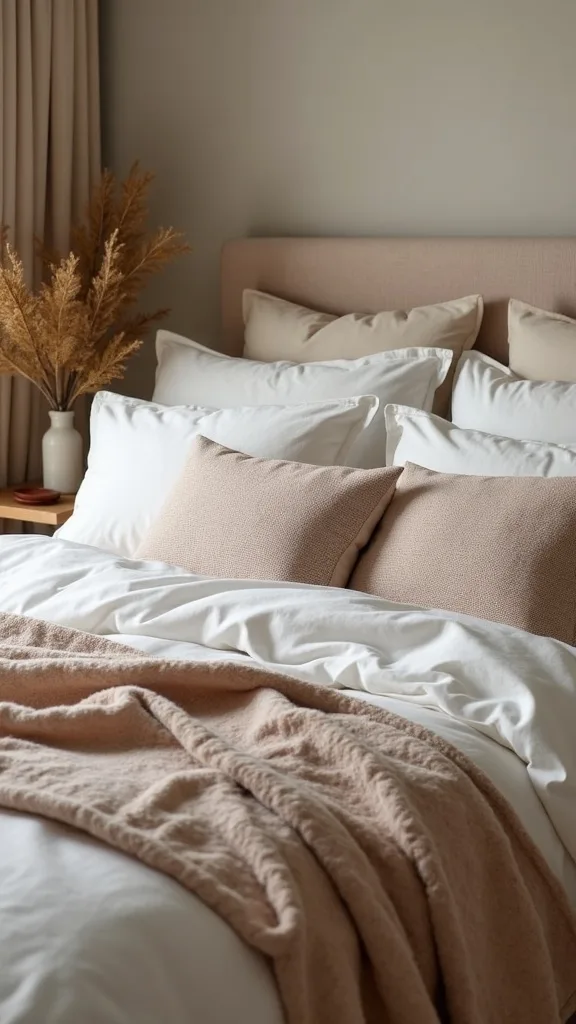
7. How Do You Choose Pillow Fill for Cool Nights and Fewer Neck Complaints?
Pillow fill matters more in fall because you tend to tuck in and sleep “smaller,” which can crank your neck. It works when you match support to how you actually sleep, not how you wish you slept.
We keep two types: a down-alternative pillow for the top (fluffy, squishy, good for hugging) and a shredded memory foam pillow for the bottom (supportive, adjustable loft—meaning height). We almost got this wrong by buying two super-firm foam pillows; it felt like sleeping on polite bricks.
Look for washable covers and a fill you can add/remove (foam) if you’re picky. For side sleepers, slightly higher pillows help keep your head level.
Pro tip: put the supportive pillow in a crisp cotton case and the fluffy one in a softer linen case—tiny difference, but it signals which one is which when you’re half asleep.
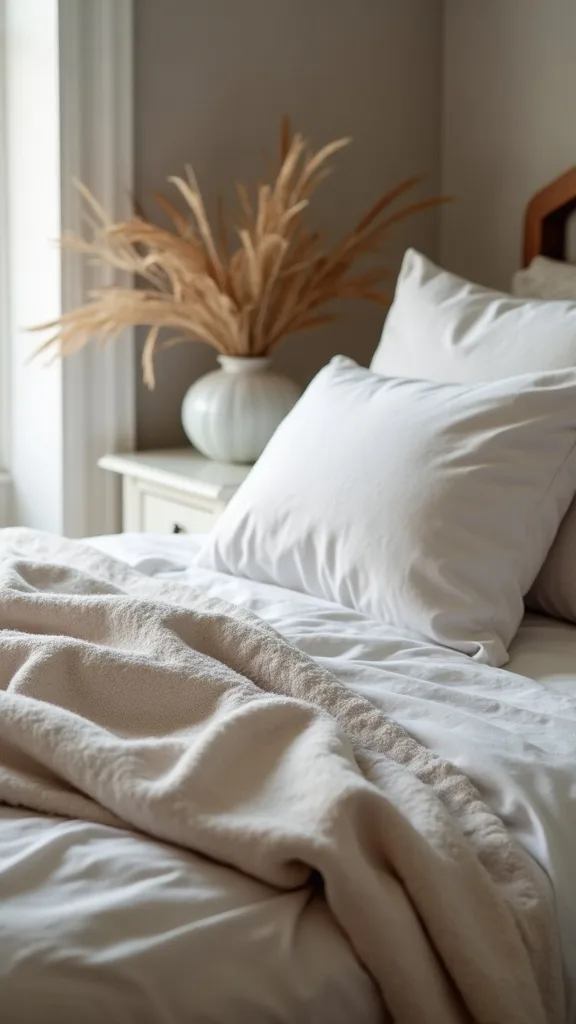
8. What’s One Thing to Avoid When Layering Bedding for Fall?
Avoid stacking two heavy heat-trapping layers (like fleece + thick duvet) unless you genuinely live in a drafty cabin. It “works” for about 20 minutes, then you overheat and hate everything.
Instead, build with one warm layer and one breathable layer: cotton quilt plus a duvet, or quilt plus wool-blend throw. We learned this after a night where we both woke up sweaty and blamed the other person for “turning the heat on” (no one did).
Materials to skip: cheap fuzzy throws that shed, and plastic-feeling microfiber that traps heat. If you have pets, avoid anything that grabs hair like Velcro.
Pro tip: do a one-night test with your usual pajamas before you commit. If you wake up to kick layers off, swap the top layer for something lighter—you’ll sleep better and your bed will still look cozy.

Cost & Materials Estimate
For a practical fall bed refresh (sheets + quilt + one throw + pillow updates), most people land between $220 and $520 depending on what you already own.
| Item | Estimated Cost | Where to Buy |
|---|---|---|
| Linen sheet set (Queen) | $89–$129 | Amazon |
| Cotton quilt (Queen) | $64–$110 | Wayfair |
| Chunky knit throw (50″x70″ or larger) | $38–$79 | Amazon |
| Down-alternative pillow (2-pack) | $34–$58 | Amazon |
| Shredded memory foam pillow (single) | $29–$49 | Amazon |
| Duvet cover (cotton, Queen) | $42–$85 | IKEA |
Total estimated cost: $220–$520 Save money by keeping your current sheets; splurge on the quilt or throw since those do the most visible work.
9. How Can You Add Fall Color Without Going Full Pumpkin Patch?
Fall color is easiest in the removable pieces: throws and pillow covers. It works because the bed stays neutral, and the accents do the seasonal vibe without locking you into orange until March.
Try this: keep sheets and quilt in cream, white, or light gray, then add one rust or olive throw and two pillow covers in a small pattern (thin stripe, mini check). We almost went too far with a bold plaid duvet cover—cute online, but in our room it looked like a giant picnic.
Good color combos: cream + rust + walnut brown, or white + olive + charcoal. Stick to 2–3 accent colors max.
Pro tip: if you’re nervous, start with one lumbar pillow cover. It’s the lowest-commitment way to test a color, like dipping a toe into the cider.
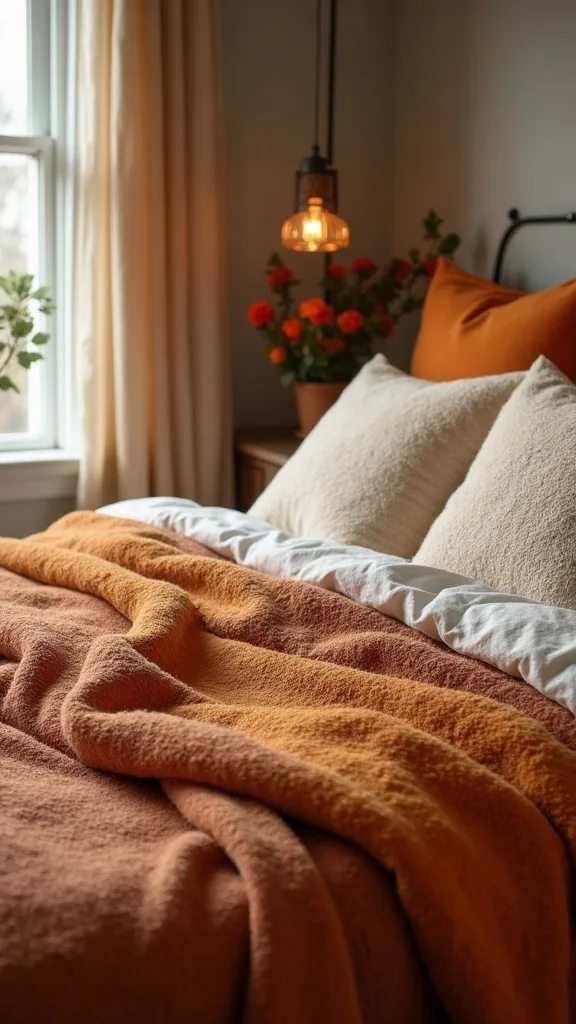
10. How Do You Make a Quilt Look Intentional (Not Like a Guest Room)?
A quilt looks intentional when it’s the “main character” layer and everything else supports it. It works because quilts have texture built in—stitching, pattern, weight—so they don’t need competing prints.
Place the quilt on top of the flat sheet and let it hang evenly on both sides. Add a folded duvet at the foot if you need extra warmth later. Our almost mistake: we tucked the quilt too tight and it looked like a motel bed (no offense to motels, but we weren’t going for that).
Choose a cotton quilt in a solid or subtle stitched pattern. Pair it with linen pillow shams for a relaxed look.
Pro tip: wash the quilt once before styling. That first wash gives it a softer drape so it looks lived-in—in the good way, not the “we gave up” way.
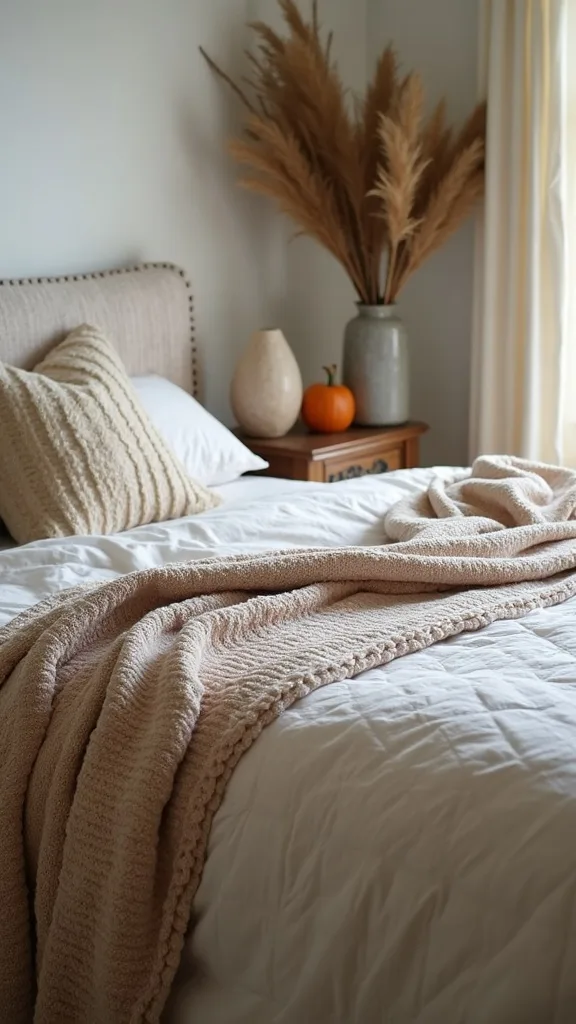
11. What Size Throw Blanket Looks Right on a Queen or King Bed?
The throw size matters because a too-small throw looks like it fell off the couch and gave up halfway. It works when the throw is wide enough to drape and long enough to fold without bunching.
For a queen, we like around 50″x70″; for a king, closer to 60″x80″ if you can swing it. Drape it across the bottom third or diagonally across one corner if you want a casual vibe. We once used a tiny 40″x60″ throw and it looked like the bed was wearing a scarf.
Chunky knit, waffle weave, or brushed cotton all photograph well and feel warm. Pick a color one step darker than your quilt for contrast.
Pro tip: if the throw is decorative-only, tuck the ends slightly under the mattress so it doesn’t migrate to the floor overnight like it’s trying to escape.
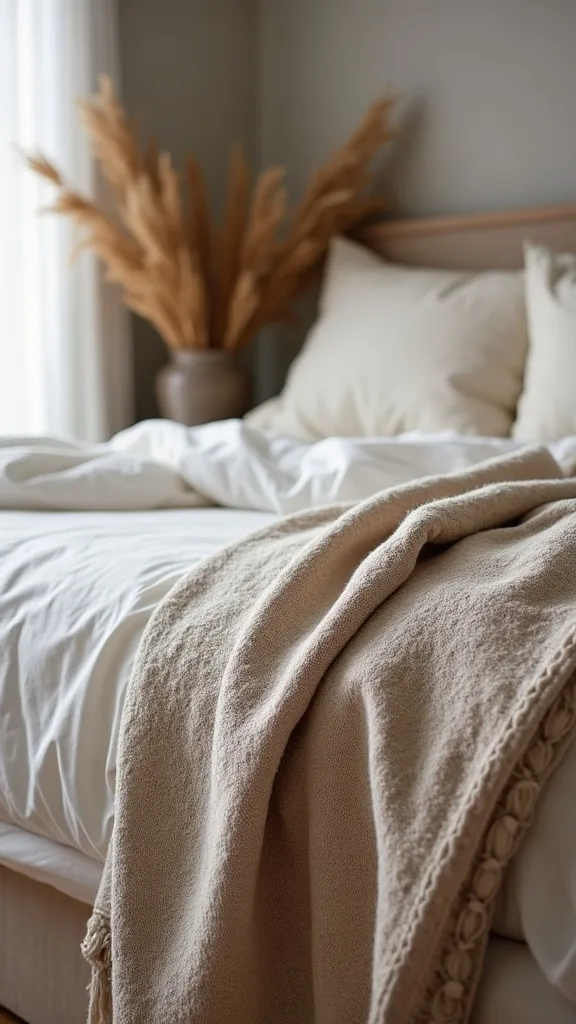
12. How Do You Keep Layers From Sliding Off at Night?
Layers slide when fabrics are too slick or sizes don’t match. It works better when the bottom layer has a little grip and the top layers are properly sized.
Use a cotton quilt (less slippery than satin-y blankets) and make sure your duvet insert is the right size for the cover. We once had a full/queen insert inside a king cover and it turned into a traveling lump that visited every corner except the one we needed.
Consider duvet cover ties, a slightly heavier quilt, and a fitted sheet with strong elastic. If your mattress is tall, deep-pocket sheets actually matter.
Pro tip: add a thin cotton blanket between sheet and quilt. It adds friction (in a good way) and helps everything stay put so you’re not re-making the bed at 6 a.m.

13. What’s the Easiest Way to Layer Bedding for Couples Who Sleep Different Temperatures?
If one person runs hot and the other runs cold, split the warmth at the top layer. It works because you can customize without building a pillow fort down the middle.
We do shared sheets + shared quilt, then add a throw on the colder sleeper’s side only. Yes, it looks slightly asymmetrical. No, it doesn’t matter at 2 a.m. We almost started a nightly argument over the duvet, so this solved it with minimal drama.
Choose a throw in a similar color to the bed so it blends. Wool blend or chunky knit works great for targeted warmth.
Pro tip: keep a second throw in a basket by the bed. It’s the adult version of a security blanket, and it prevents the cold sleeper from stealing the hot sleeper’s only layer like a raccoon.
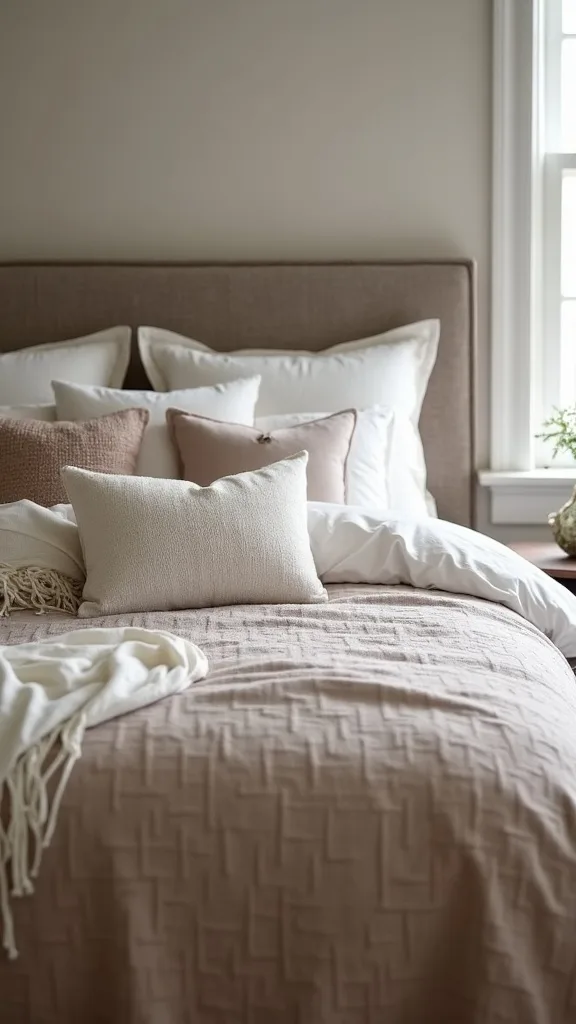
14. How Can You Use Pattern Without Making the Bed Look Busy?
Pattern works when it’s small-scale and limited to one or two pieces. It works because the rest of the bed acts like a calm background.
Try patterned pillow covers (like thin stripes or tiny checks) with solid sheets and a solid quilt. Or do a subtle patterned quilt and keep everything else plain. We once mixed plaid pillows with a striped blanket and a textured duvet and it looked like the bed was shouting.
Good fall patterns: ticking stripe, windowpane check, micro plaid, or a simple botanical print in muted tones.
Pro tip: if you’re unsure, take a photo from the doorway. If your eyes don’t know where to land, remove one patterned item and suddenly it looks curated instead of chaotic.
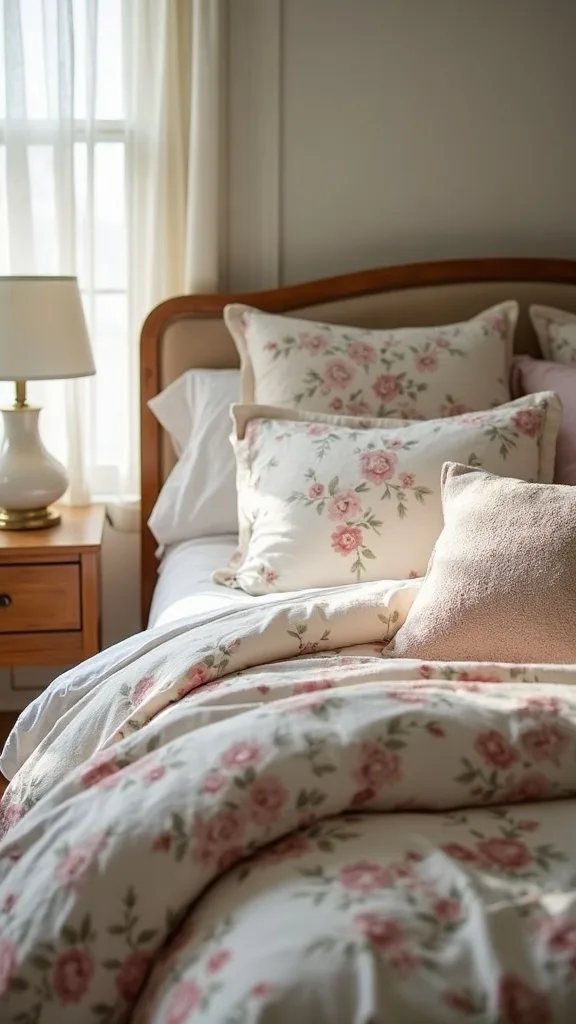
15. What’s a Simple Minimalist Layered Bed for Fall?
A minimalist fall bed uses fewer items, but each one is high-impact in texture. It works because the contrast comes from fabric, not clutter.
Do this: linen sheets, one cotton quilt, and one neutral throw. Keep pillows to four (two sleepers + two shams) so you’re not tossing twelve pillows onto the floor like a nightly workout. We tried the “pillow mountain” once and it was basically CrossFit at bedtime.
Colors: white, sand, soft gray, or warm taupe. Choose a quilt with visible stitching so it doesn’t feel flat.
Pro tip: add one darker accent—like a charcoal throw or deep olive pillow cover. Minimalist doesn’t mean bland; it means every piece earns its spot.
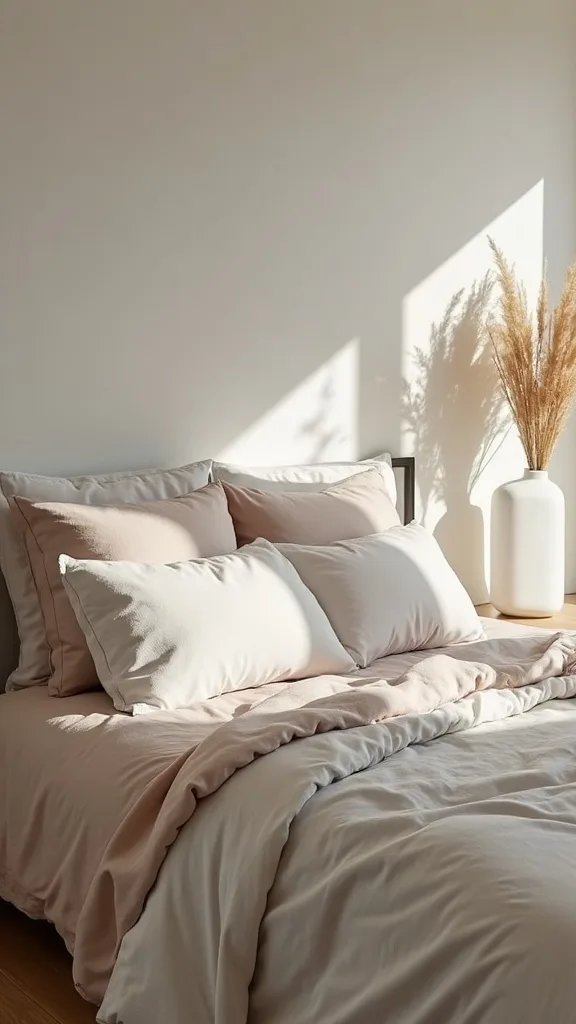
16. How Do You Make a Small Bedroom Feel Cozier With Bedding Alone?
In a small bedroom, bedding sets the mood because it’s the biggest surface in the room. It works when you keep the palette tight and add texture for depth.
Use light sheets and quilt to keep the room bright, then add a chunky knit throw for warmth and visual weight at the foot. We almost chose a super-dark duvet that made our room feel like a cave—cozy, yes, but also mildly depressing at 7 a.m.
Stick to one main neutral and one accent color. Soft cream + camel or white + olive are easy wins.
Pro tip: choose slightly oversized bedding (like a quilt with a longer drop) so the bed looks plush and finished. It’s a simple trick that makes the whole room feel more intentional.
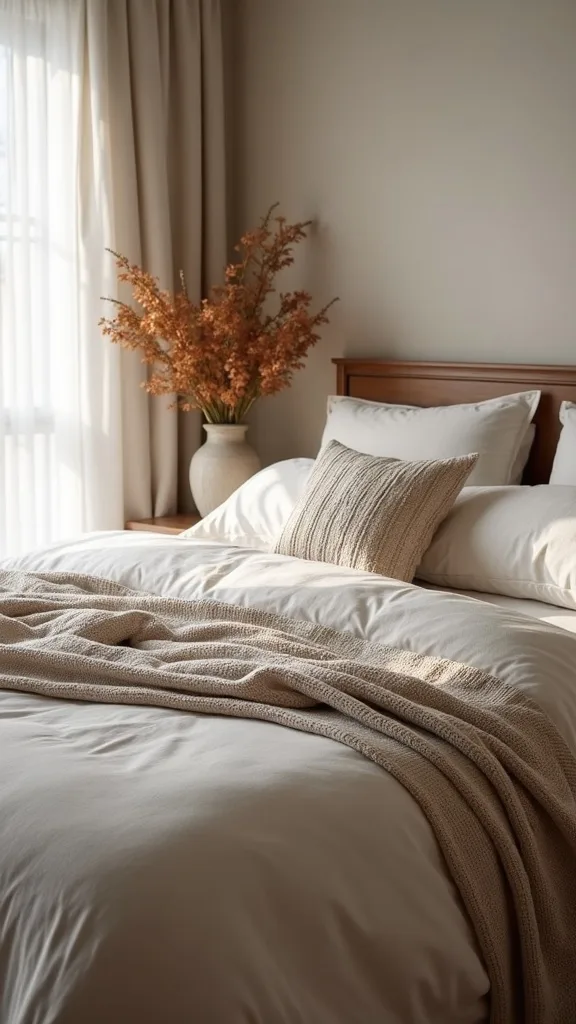
17. How Do You Layer a Bed for Guests Who Might Be Too Polite to Ask for More Blankets?
Guest beds need options built in. It works because people sleep differently, and nobody wants to text you at midnight asking where the extra blanket is.
Start with cotton sheets, add a quilt, then fold a duvet and blanket at the foot so guests can grab what they need. We used to hide extra blankets in a hall closet and then forget to mention it—classic hosting fail.
Choose easy-care fabrics: cotton quilt, down-alternative duvet insert, and a washable throw. Keep colors neutral so it feels calm.
Pro tip: leave one extra pillow (even a basic one) in the room. Some folks like a higher stack, and it makes the bed feel generous—like you thought ahead, even if you absolutely did not.
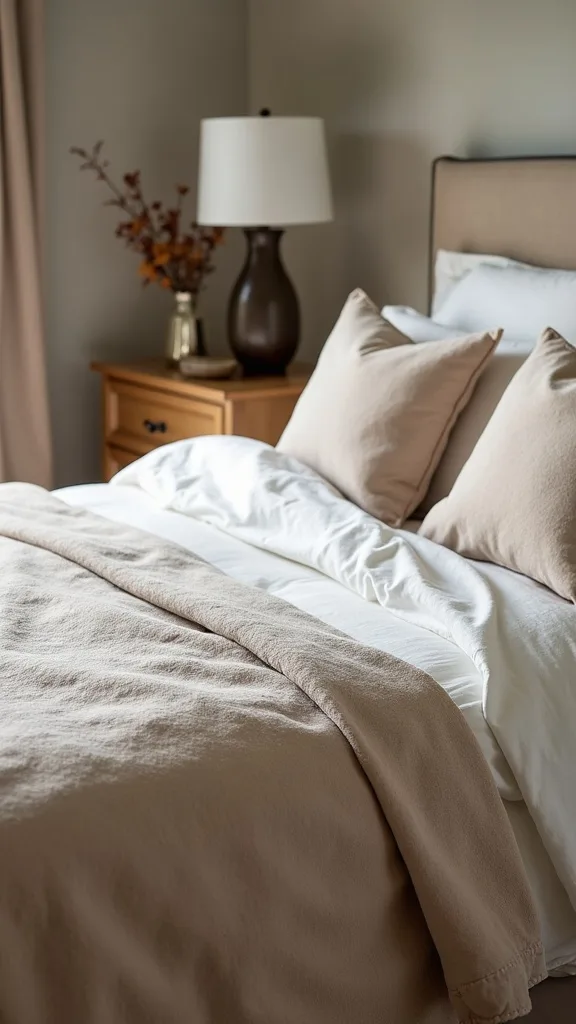
18. What’s the Best Way to Style the Foot of the Bed for Fall?
The foot of the bed is where fall texture shines. It works because that area is visible even when the rest gets rumpled by real life.
Fold a chunky knit throw into thirds lengthwise, then drape it across the foot. Add a lumbar pillow in a warm tone if you like. We almost did two throws plus a bench plus extra pillows and it started looking like a store display where you’re not allowed to sit.
Materials: chunky knit, waffle weave, or wool blend in camel, rust, or deep taupe. Keep it one statement piece.
Pro tip: if you have a dog who thinks throws are invitations, choose a tighter weave (waffle) so it doesn’t snag. Your future self will thank you when you’re not trimming loose yarn at midnight.
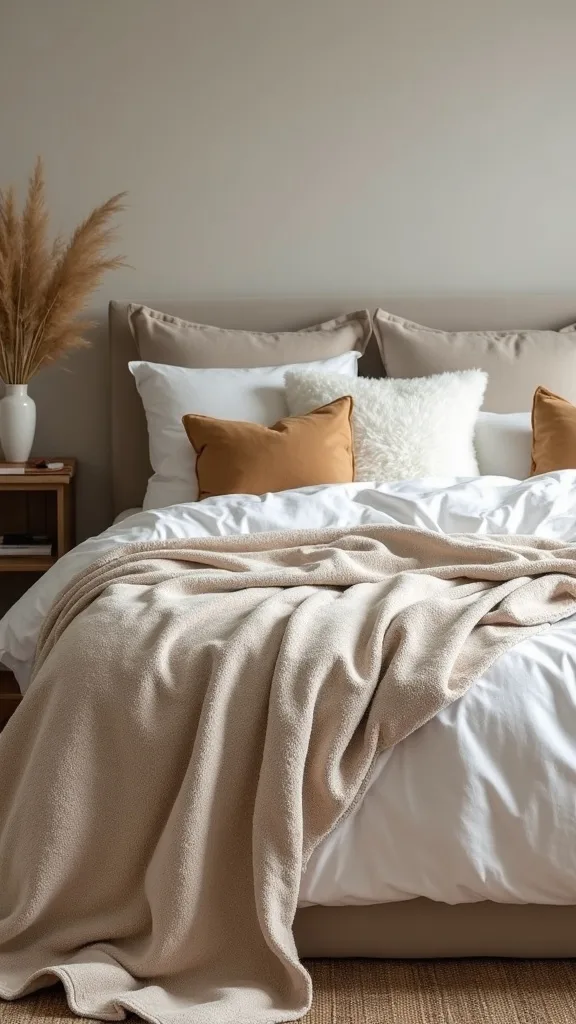
19. How Can You Make White Bedding Feel Warm for Fall?
White bedding can feel fall-ready when you add warm-toned texture. It works because the base stays fresh, while the accents bring the season.
Keep white sheets and a white or cream quilt, then add a camel knit throw and pillow covers in rust or olive. We tried cool gray accents once and the room felt like February, not October.
Choose creamy whites (not stark bright white) if possible; they read warmer under most bedroom lighting. Add natural materials like linen and cotton for depth.
Pro tip: swap one item to “warm” the whole bed—like a tan throw. It’s the easiest change with the biggest payoff, and it won’t clash with your existing decor.
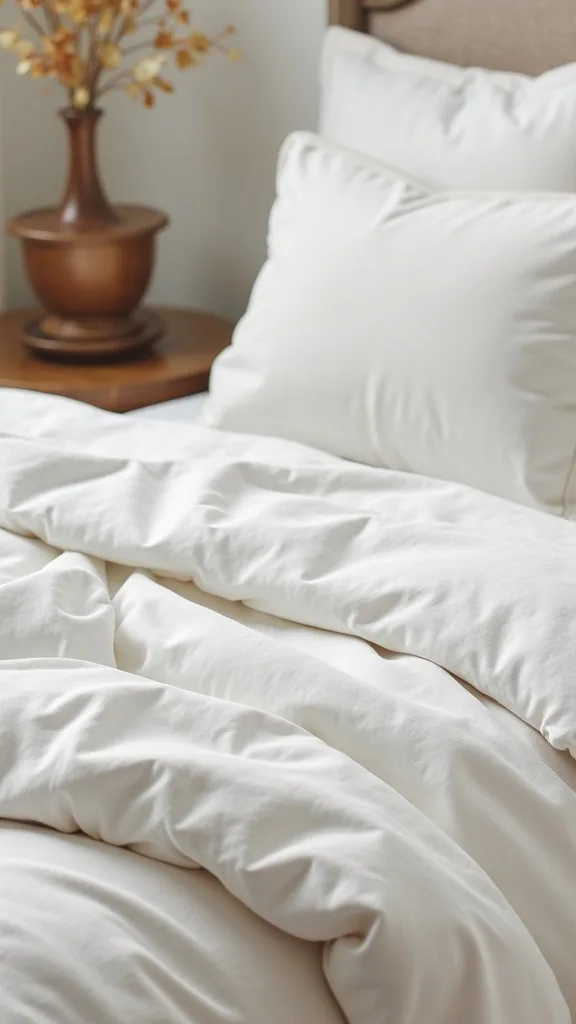
20. How Do You Keep a Layered Bed Easy to Wash and Maintain?
The secret is choosing washable layers and not overcomplicating the stack. It works because you can rotate pieces without stripping the entire bed every time life happens.
We use a washable duvet cover, a machine-washable cotton quilt, and throws that can handle a gentle cycle. The almost-went-wrong: we fell in love with a “dry clean only” blanket, then remembered we are not dry-clean people.
Stick to cotton, linen, and down-alternative inserts. Darker throws hide small stains better, especially if you drink coffee in bed (we do, against all good judgment).
Pro tip: keep a spare set of pillowcases. Swapping pillowcases midweek makes the whole bed feel fresh, even if you didn’t have time to wash everything else.
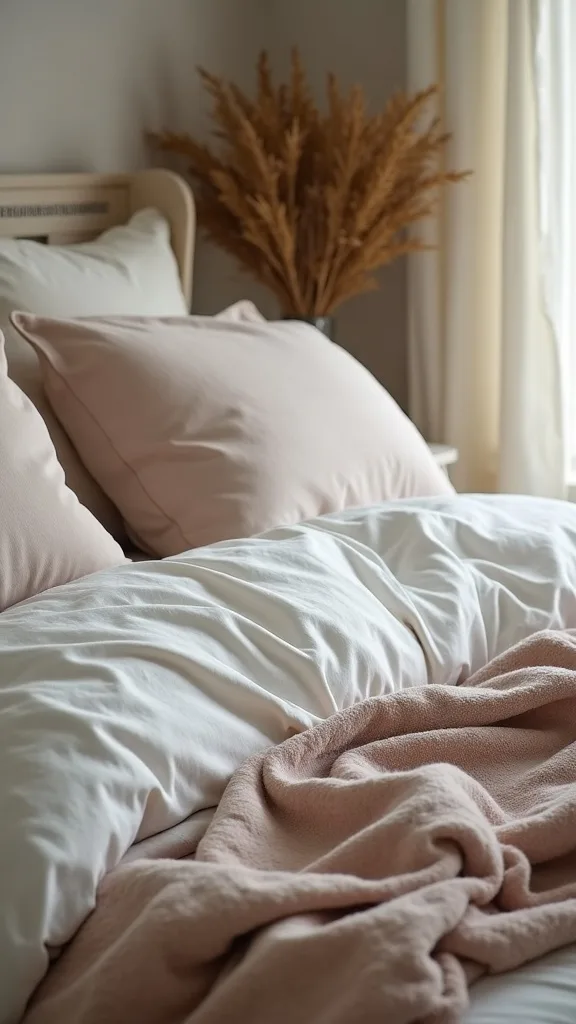
21. What Are the Best Fall Bedding Ideas for Allergies (Without Losing Cozy)?
Allergy-friendly can still be cozy if you focus on washable, low-dust materials. It works because you reduce allergens without giving up warmth.
Choose a down-alternative duvet insert, washable pillow protectors, and cotton or linen covers that can be hot-washed when needed. We once used an old feather pillow and spent the night sneezing like we were auditioning for a tissue commercial.
Avoid super-shedding throws and anything that can’t be washed regularly. Look for tightly woven cotton quilts that don’t trap as much dust.
Pro tip: wash duvet covers and pillowcases weekly during peak allergy season, and vacuum the mattress when you rotate bedding. It’s not glamorous, but you’ll breathe easier and sleep deeper.
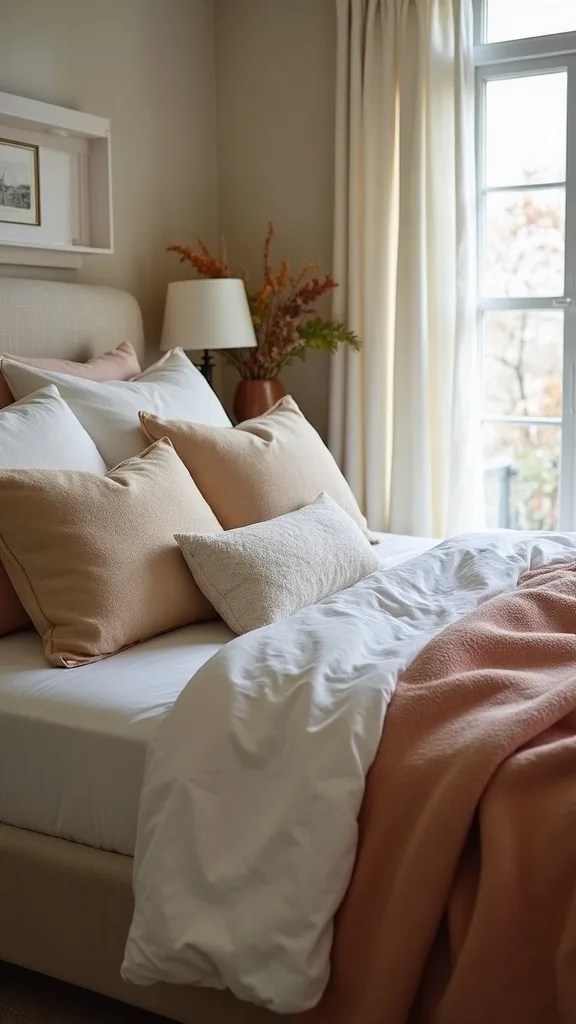
22. How Do You Choose the Right Duvet Weight for Early vs Late Fall?
Duvet weight matters because fall isn’t one temperature—it’s a moving target. It works when you pick a medium insert and rely on layers for adjustability.
Early fall: use the quilt alone, keep the duvet folded at the foot. Late fall: pull the duvet up and add a throw if needed. We almost bought an ultra-warm insert in September and would’ve regretted it until December.
Look for an “all-season” down-alternative insert if you want one-and-done. Pair it with a breathable cotton duvet cover.
Pro tip: if you’re between choices, go lighter. You can always add a blanket, but you can’t un-sweat at 3 a.m. once you’re trapped under too much insulation.
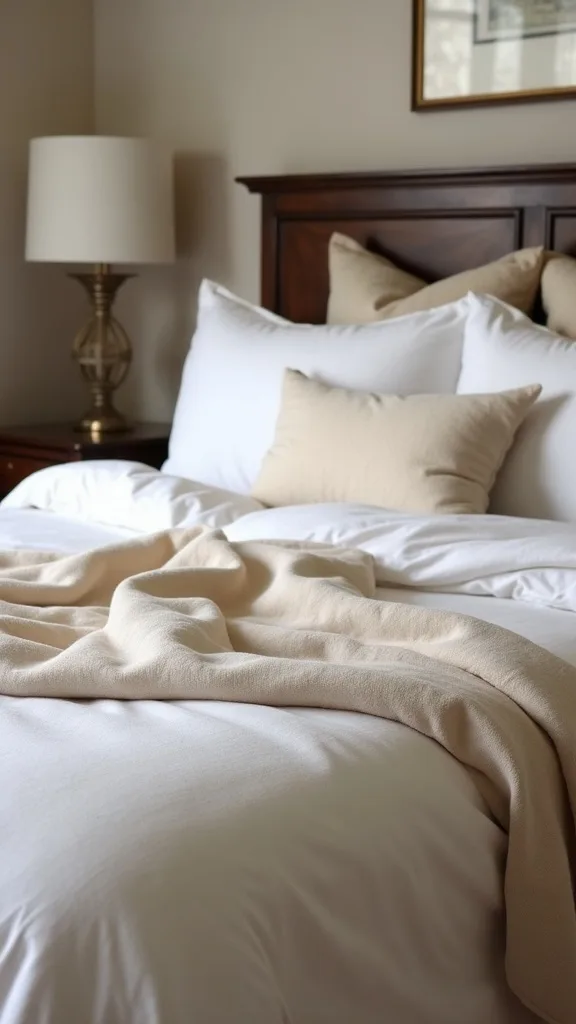
23. How Can You Make Budget-Friendly Cozy Bedroom Layers Look Expensive?
Budget layers look elevated when the textures feel intentional and the colors coordinate. It works because “expensive-looking” is mostly about consistency, not price tags.
Pick two neutrals and one accent color, then repeat them across sheets, quilt, throw, and pillows. We’ve found a cotton quilt can look high-end if it’s pressed once and styled simply. Our almost fail was buying three cheap throws in three different shades of beige—none matched, and it looked accidental.
Shop cotton quilts, linen-blend sheets, and one statement throw. Focus on stitching, weave, and weight (how substantial it feels in your hands).
Pro tip: steam or iron the top sheet and pillowcases. Five minutes of effort makes the whole bed look like you have your life together—even if your laundry basket says otherwise.

24. What’s a Rustic-Fall Layered Bed That Doesn’t Feel Like a Cabin Theme Park?
Rustic fall works when you hint at it with texture and earthy color, not novelty prints. It works because subtle choices feel timeless instead of costume-y.
Start with neutral linen sheets, add a quilt in warm cream, then bring in one plaid accent pillow or a wool-blend throw in olive or brown. We almost bought a duvet cover with giant deer on it. It was… a lot.
Materials: linen, cotton, wool blend. Colors: cream, tobacco brown, forest green, and muted red.
Pro tip: keep any plaid small and concentrated (one pillow or one throw). The room will feel cozy and grounded, not like you’re about to sell maple syrup out of your nightstand.
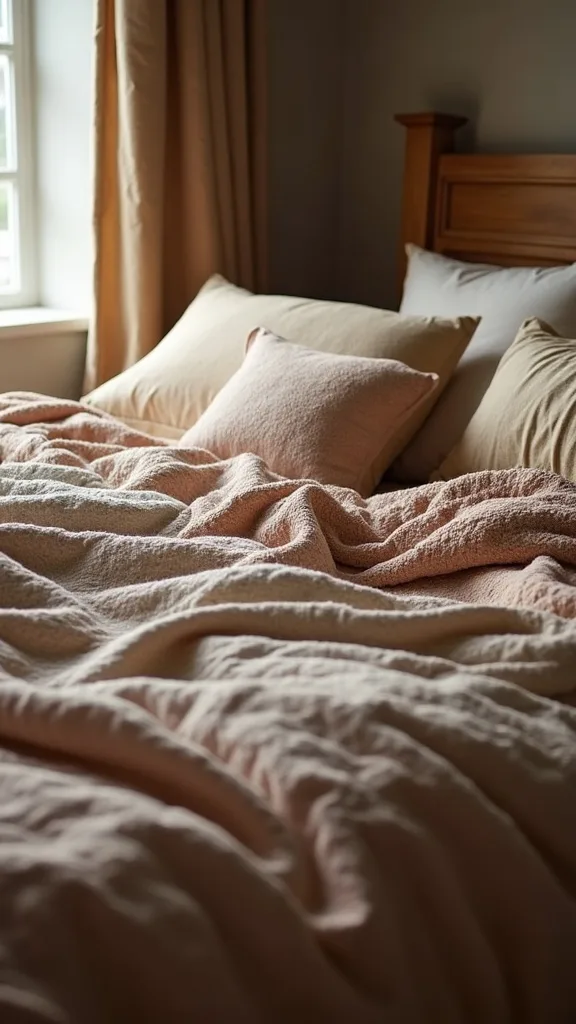
25. How Do You Do a One-Hour Fall Bed Reset When You’re Busy?
A one-hour reset works when you focus on the visible layers and skip the perfection spiral. It works because the bed is the focal point—change it, and the whole room feels updated.
Set a timer: 15 minutes to strip and remake with clean sheets, 20 minutes to add quilt + throw, 10 minutes to swap pillow covers, 15 minutes to tidy the nightstands. We almost lost the hour to “just reorganizing the linen closet,” which is a trap disguised as productivity.
Choose a simple stack: linen sheets, cotton quilt, chunky knit throw, and two pillow fills that suit your sleep style.
Pro tip: keep a small basket for throws at the foot or beside the bed. When life gets messy, you can still make the bed fast—and that tiny win feels surprisingly good.
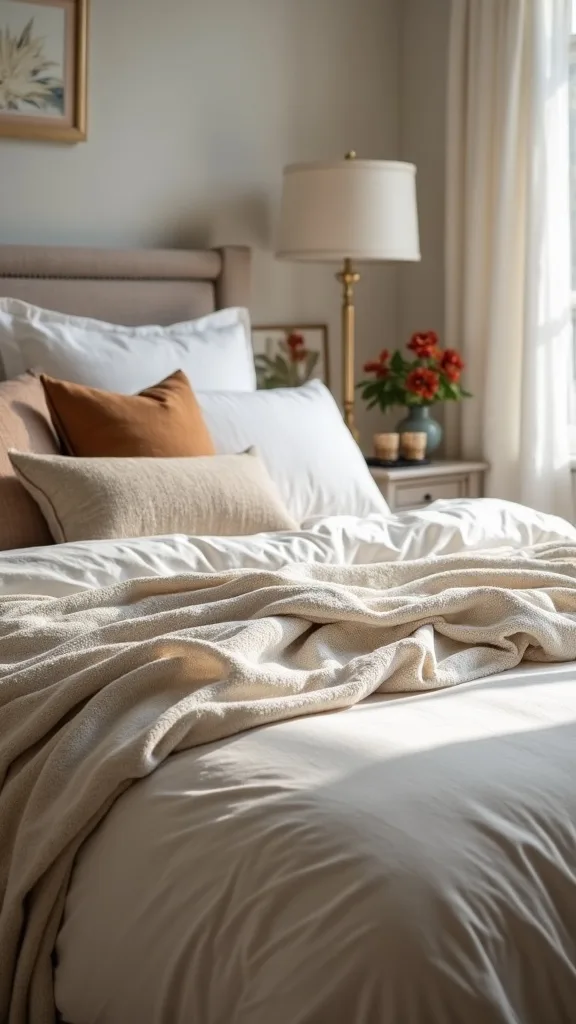
Final Thoughts
Our bed now looks like a place you’d actually want to land at the end of a cold day instead of a wrinkled pile of “we’ll fix it later.” The funniest part is how small the changes were: one cotton quilt, one throw with real texture, and the pillow-fill swap that stopped the nightly neck grumbling.
If you take one thing from these fall bedding ideas, let it be this: your layers should be adjustable. If you can’t kick something off easily in the middle of the night, it’s not cozy—it’s a trap. And if your colors don’t quite match? Congratulations, you live in a real house and not a catalog.
Do one action today: pick one top layer to upgrade (either a quilt or a throw), then make your bed using the breathable-to-warm order tonight so you can feel the difference immediately.
What I’d Do Differently
When I first tried this, I treated bedding like a sandwich where “more layers = more cozy,” and I built a bed that was basically un-sleepable. The specific mistake: I stacked a thick fleece blanket under a heavy duvet because it looked plush in a photo. In real life, it trapped heat so badly that we both woke up sweaty, then froze after kicking everything off. The correct approach is lighter, breathable layers you can adjust—linen or cotton sheets, a cotton quilt as the steady middle, then one warm topper (duvet or chunky knit) that you can remove in seconds.
I also wish I’d known to plan the colors before ordering anything. We ended up with three “almost the same” beiges that somehow fought each other under our bedroom light. If I were starting over, I’d pick one base neutral, one warm accent, and buy the throw last so it can tie everything together. Grab one layer you can upgrade today and do a one-night test—you’ll learn more from sleeping on it than from scrolling.