
This post contains affiliate links. As an Amazon Associate, I earn from qualifying purchases at no extra cost to you.
Summer hosting has a way of exposing the awkward truth: the “extra space” you brag about is usually a hot, echoey garage with a camping chair and someone’s old treadmill. Guests smile, but they sleep lightly. And you feel it—because comfort has a sound, a temperature, and a sense of privacy.
This guide breaks a garage guest room into the moves that matter: how to make it quiet, cool, and finished, then how to style it so it feels like it always belonged. You’ll see layout decisions, storage strategies, and a few high-impact upgrades that make a garage to living space conversion look editorial, not improvised.
This is perfect for homeowners who host often, want an ADU conversion vibe without overbuilding, and prefer timeless finishes over novelty.
Inside, you’ll find smart ways to hide utilities, build a wardrobe that replaces a closet, add a French door entry that changes the entire mood, and create a guest-ready vanity moment—even when plumbing is limited. Along the way, I’ll point out what to avoid so your guest suite garage doesn’t telegraph “former garage” in all the wrong ways.
Below are 25 Garage Conversion Guest Suite Ideas that turn a humble bay into a garage to living space retreat with ADU conversion polish.
Products I Recommend for This Project
Here are some of my favourite products to help you bring these ideas to life:
- MRCOOL DIY 12,000 BTU 3rd Gen Mini-Split Air Conditioner & Heat Pump — A guest-controlled cooling solution that’s quiet and efficient for summer hosting.
- Great Stuff Pro Gaps & Cracks Insulating Foam Sealant — An easy way to air-seal the small leaks that make garage conversions drafty and dusty.
- Kwikset Halifax Passage Door Lever (Matte Black) — Clean, modern hardware that instantly makes new doors feel intentional.
- Unicozin Floating Wall-Mounted Bathroom Vanity (24 inch) — Creates that suite-like vanity moment while keeping the floor visually open.
- DEWENWILS Plug-in Wall Sconce Set with On/Off Switch — Adds bedside lighting without opening walls, and frees up nightstand space.
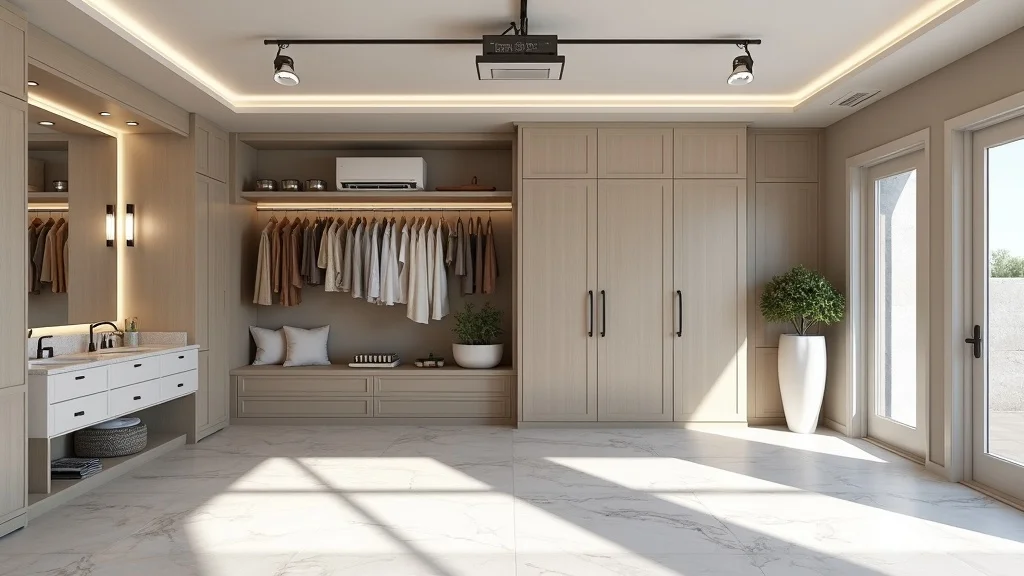
1. Start with the “comfort stack”: mini split AC + spray foam + French doors + floating vanity + built-in wardrobe
This idea is the backbone of a guest suite garage that feels like a real suite, not a renovated storage unit. It works because comfort and credibility come from what you can’t see first: stable temperature, quiet walls, and a proper threshold at the entry.
Implement it in a deliberate order: seal gaps, then add spray foam insulation to tame heat and street noise; install a mini split AC so guests can control their own comfort; replace the garage door look with a French door entry (or build a framed wall with doors) to signal “home.” Inside, anchor one wall with a built-in wardrobe so luggage disappears, and carve a niche for a floating vanity with a mirror and sconce lighting for that hotel-ready ritual.
Choose calm, architectural finishes—warm white paint, pale oak, matte black hardware—and a vanity top in quartz-look laminate for durability. Pro tip: add one “suite” detail—soft-close drawers or a framed full-length mirror—so the whole room reads intentional and quietly luxurious.
2. How do you make a garage guest room feel like part of the house?
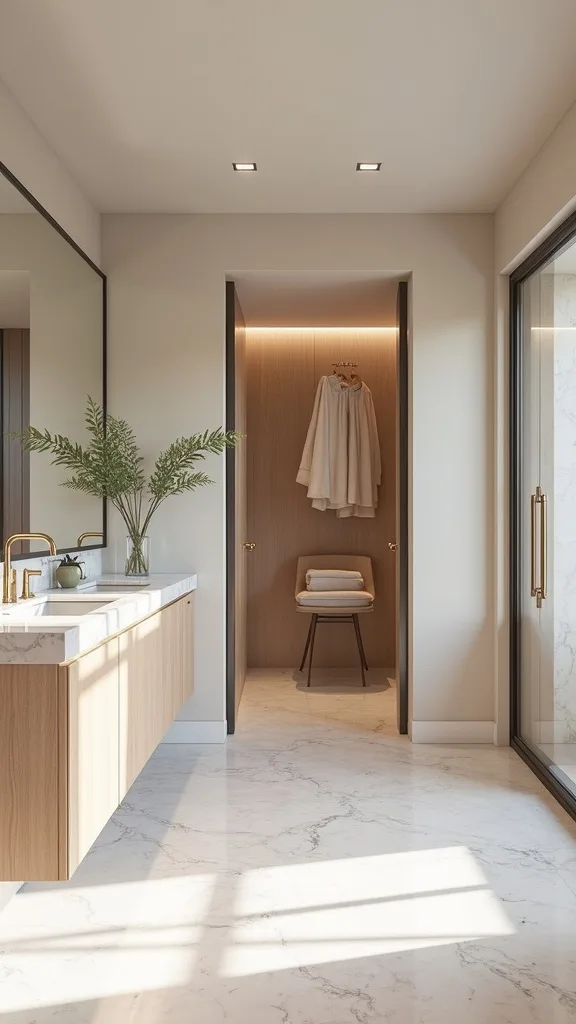
The fastest way to make a garage guest room feel integrated is to copy one design language from your main home and repeat it with restraint. It works because guests read continuity as quality: matching trim profiles, aligned flooring tones, and consistent door hardware create a subconscious sense of “this belongs.”
Start by choosing one “house cue”—your interior door style, your baseboard height, or your wall color—and bring it into the conversion. If your home is modern, use flat stock trim and simple lever handles; if it’s traditional, add a slightly taller baseboard and classic casing. For flooring, aim for the same undertone (warm vs. cool) even if you choose a more durable product in the garage.
Materials that read upscale without fuss: engineered wood-look planks, satin-finish paint, and a single metal finish (brushed nickel or matte black). Pro tip: hang one oversized piece of art at eye level—one strong gesture makes the space feel curated, not patched together.
3. What layout works best for a garage conversion bedroom with no closet?
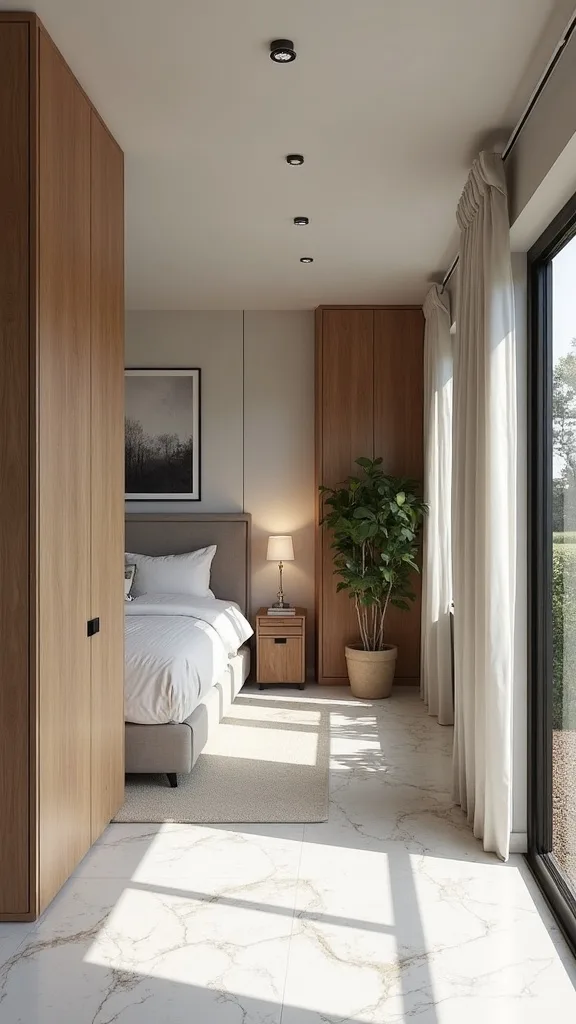
A closet-less garage conversion bedroom succeeds when storage is built in, not added on as an afterthought. It works because freestanding dressers eat floor area and create visual clutter—the exact opposite of “guest suite.”
Plan a built-in wardrobe wall that’s 24 inches deep (deep enough for hangers) and at least 6 feet wide if you can spare it. Use a mix: one hanging bay, one drawer stack, and an upper cabinet run for extra linens. If you’re tight on space, use sliding doors or a curtain panel on a ceiling track to keep the footprint clean. Leave a 30–36 inch walkway around the bed so it feels calm, not cramped.
Consider white or light-oak fronts with simple pulls; add an interior battery puck light so guests aren’t hunting for switches. Pro tip: build a 12-inch-deep “luggage shelf” at the bottom—suitcases land there, and your floors stay pristine.
4. How do you keep a converted garage cool enough for summer hosting?
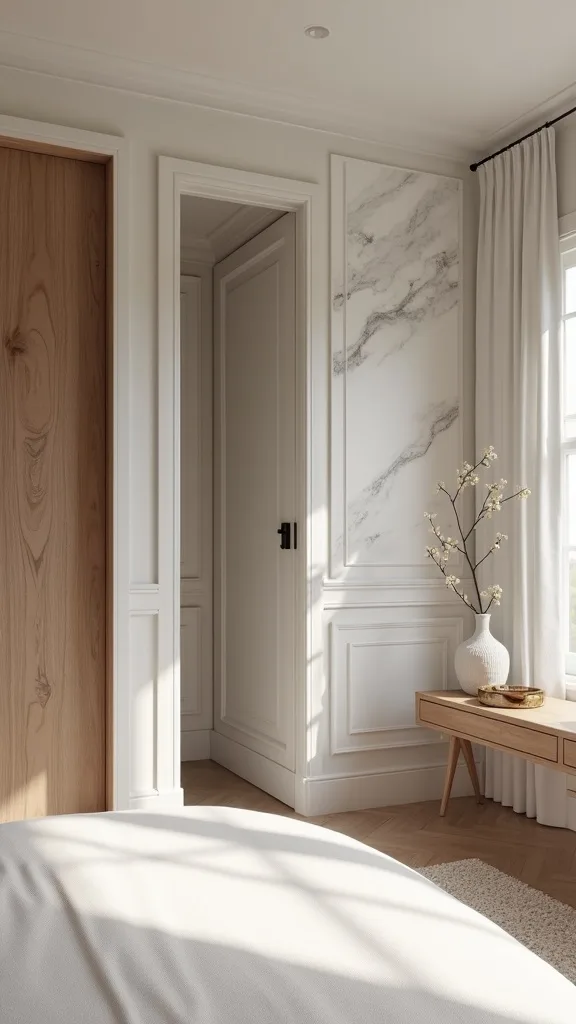
Cooling is the difference between a guest staying two nights versus quietly booking a hotel. It works because garages are designed to vent, leak, and bake; without dedicated cooling, even good decor feels like window dressing.
For most climates, a mini split AC is the cleanest solution: it’s efficient, quiet, and doesn’t steal window space. Place the indoor head on a wall that can “see” the bed area, not tucked behind a wardrobe. Pair it with sealed weatherstripping around doors and a ceiling fan to circulate air at a low setting. If your budget is tighter, a high-quality inverter window unit can work—just plan cabinetry or drapery that visually integrates it.
Finish the room with breathable textiles: cotton percale bedding, linen-look curtains, and a low-pile rug. Pro tip: add blackout shades; the sun is free heat, and blocking it is the most elegant “cooling upgrade” you can buy.
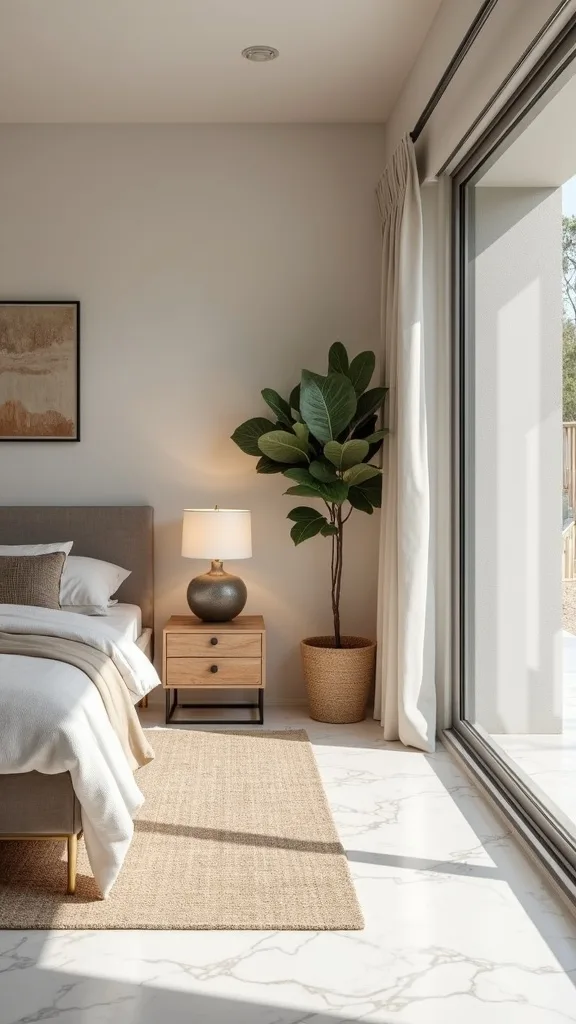
5. What’s the best way to insulate a garage to living space conversion without bulky walls?
Insulation should make the room feel quiet and steady—never “padded.” It works because the goal isn’t just warmth; it’s sound control and temperature consistency so guests can sleep like they’re in the main house.
If you’re opening walls, spray foam insulation is a premium choice because it seals tiny air leaks that make garages feel drafty. Closed-cell foam also adds rigidity and helps with moisture control in many regions. If you need a cost-conscious alternative, dense-pack cellulose or fiberglass batts paired with meticulous air-sealing can perform beautifully—just don’t skip sealing around outlets, sill plates, and any penetrations.
For finishes, use 1/2-inch drywall with a smooth matte paint; avoid textured patchwork that highlights old walls. Pro tip: upgrade the door to a solid-core interior door at the house connection—sound control is a luxury you’ll feel every time someone arrives late.
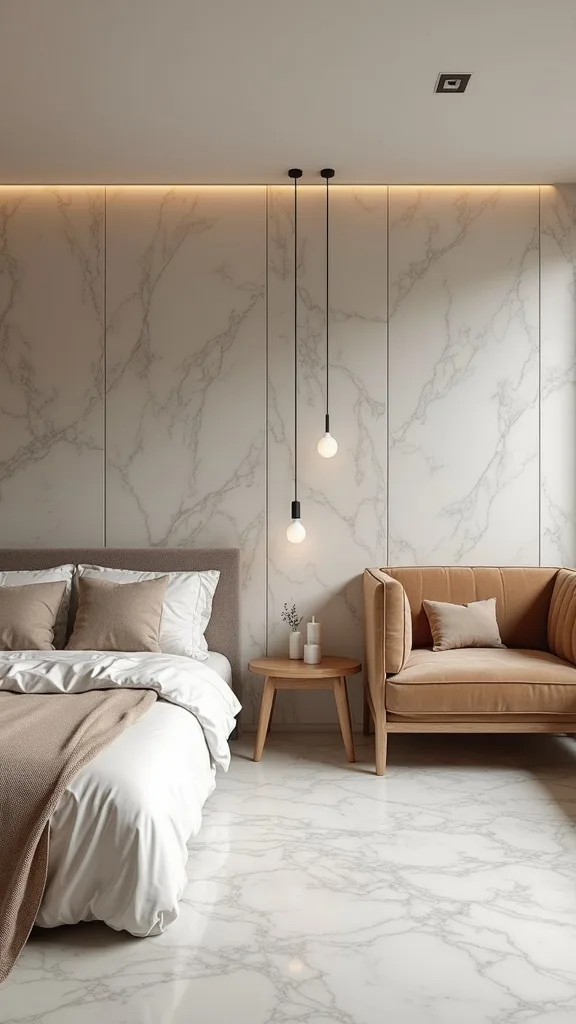
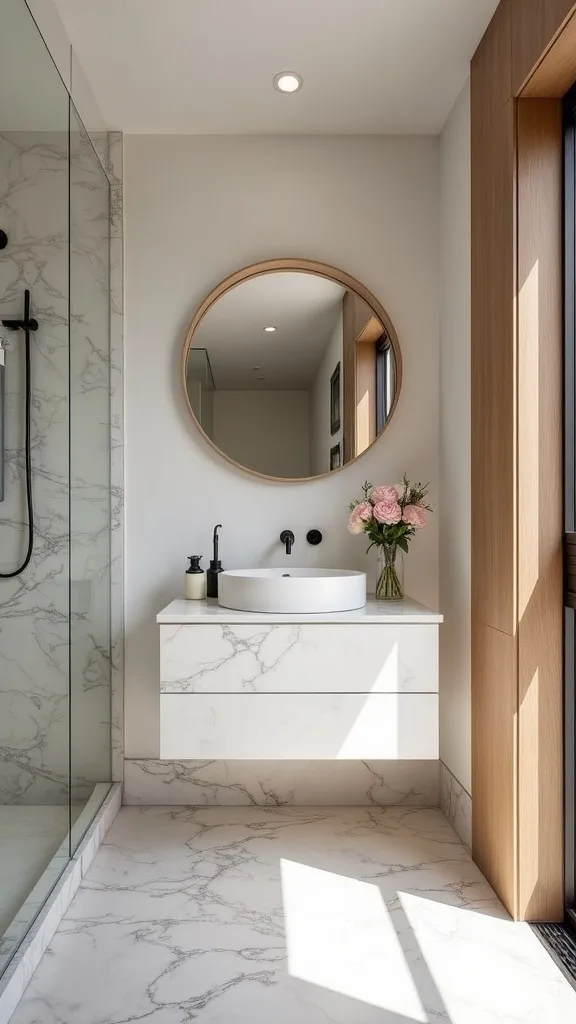
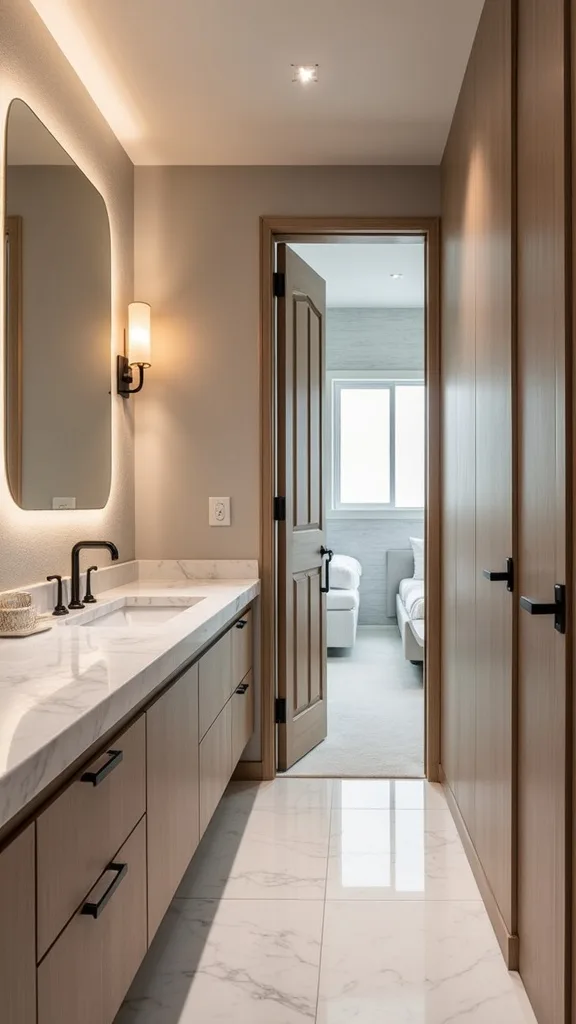
6. How can you add a bathroom feel with a floating vanity—even if you’re not building a full bath?
A floating vanity creates the suite ritual guests crave: a place to set toiletries, plug in a curling iron, and feel settled. It works because “bathroom function” is as much about surfaces and light as it is about plumbing.
If you’re adding a true bath, place the floating vanity on the wall closest to existing plumbing to reduce cost and wall surgery. If you’re not ready for a full bathroom, create a “vanity zone” with a wall-mounted cabinet, a vessel sink if plumbing allows, or even a bar sink with a deep drawer below for towels. Add a mirror with integrated lighting or a pair of sconces at face height for flattering illumination.
Look for a slim-profile vanity in light oak or matte white, plus a quartz-look top. Pro tip: include one covered waste bin and a small tray; it’s a tiny move that makes the space feel like a boutique hotel.
7. What should you avoid so a guest suite garage doesn’t feel like a garage?
Avoid leaving the “tells” exposed: unfinished slab edges, visible garage-door hardware, and a random mix of leftover furniture. It works to remove them because the eye reads those clues faster than it reads your new rug or paint color.
Instead, commit to one clean perimeter. If the concrete slab is staying, add a proper threshold and baseboards so it doesn’t look like a utility floor. Box in any remaining mechanicals with a vented panel. Replace fluorescent shop lights with layered lighting: ceiling fixture plus bedside lamps plus a reading sconce. If you need storage, hide it behind doors or curtains, not open shelving full of bins.
Choose finishes that absorb sound and light softly—curtains that reach the floor, an upholstered headboard, and a large rug. Pro tip: if you can only fix one “garage tell,” fix the lighting; nothing says workshop faster than harsh overhead glare.
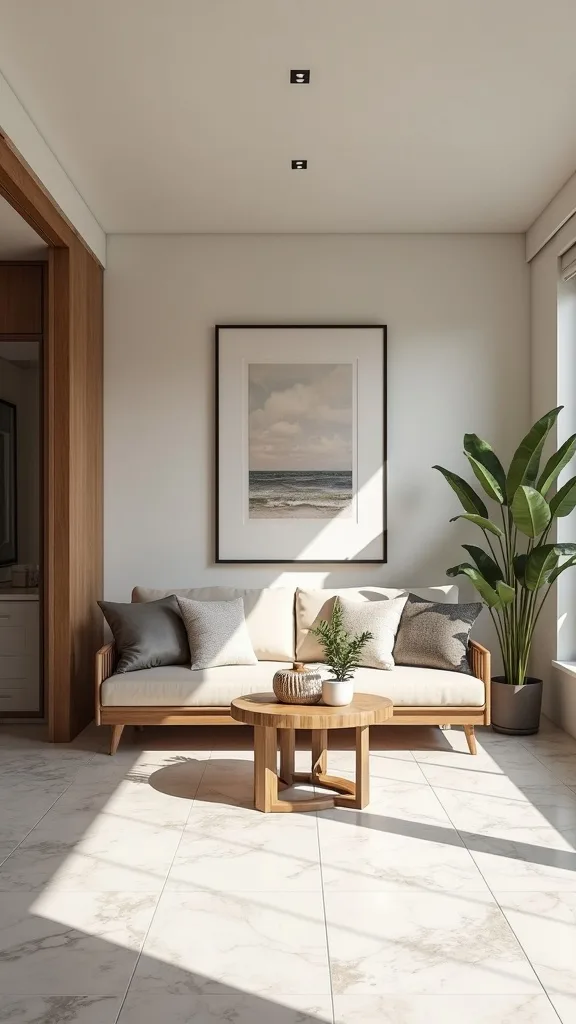
8. How do you create privacy at the entry without building a full hallway?
Privacy is what turns a spare room into a suite. It works because guests relax when they can enter, drop their bag, and close off their world—especially during summer hosting when the main house is busy.
Use a French door entry if you’re building a new front wall; it brings daylight while still feeling substantial. Inside, create a micro-foyer with a 36-inch-wide console or shallow cabinet and a coat hook rail. If the door opens straight to the bed, add a 48–60 inch divider wall or a ceiling-mounted curtain that can pull across when needed. Keep sightlines soft, not blocked; the goal is discretion, not darkness.
Materials: reeded glass for the doors, a slim jute runner, and a lidded basket for shoes. Pro tip: place a small lamp on a timer in the entry—guests arriving at dusk feel instantly welcomed.
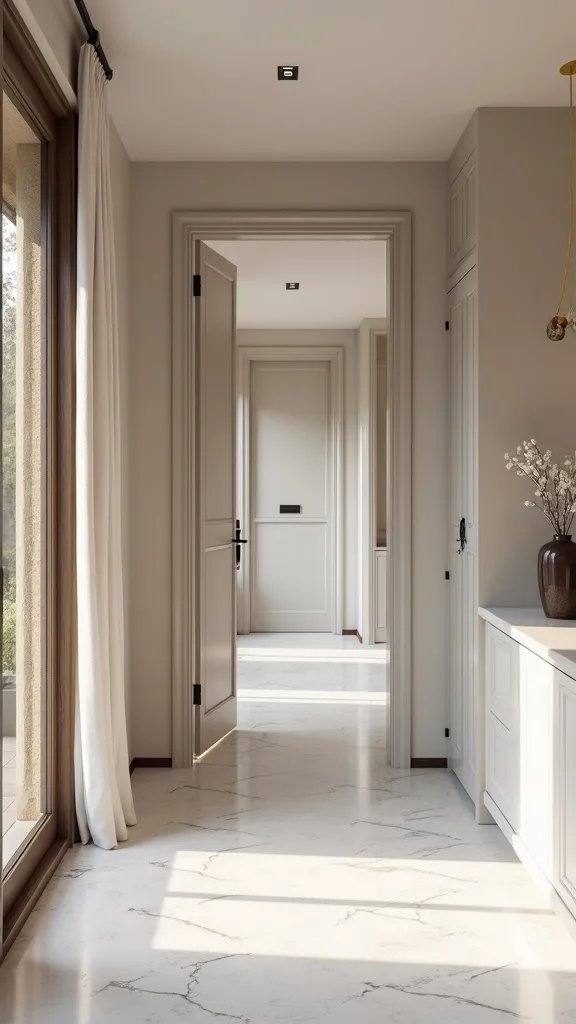
Cost & Materials Estimate
For a guest-ready garage conversion, a realistic comfort-and-finish range is typically mid four figures to low five figures depending on insulation, cooling, and whether you add plumbing.
| Item | Estimated Cost | Where to Buy |
|---|---|---|
| Mini split AC (equipment + typical install) | $3,800–$7,500 | Home Depot |
| Spray foam insulation (single-car garage envelope) | $1,800–$4,200 | Lowe’s |
| French door entry (prehung unit + trim) | $650–$1,800 | Home Depot |
| Floating vanity + mirror + faucet (midrange set) | $350–$1,200 | Wayfair |
| Built-in wardrobe (IKEA system + doors + basic trim) | $900–$2,600 | IKEA |
Total estimated cost: $7,500–$17,300 Save by choosing an IKEA-based wardrobe and a quartz-look vanity top; splurge on insulation and cooling because comfort is what guests actually feel.
9. Can you do an ADU conversion feel without a full kitchen?
Yes—an ADU conversion mood is more about self-sufficiency than square footage. It works because guests don’t need a range to feel independent; they need a place to make coffee, chill drinks, and store snacks.
Create a “micro-refreshment” wall: a 24-inch undercounter fridge, a floating shelf for mugs, and a compact cabinet for tea and pantry items. Add a small bar sink if plumbing is nearby; if not, skip water and focus on a high-end electric kettle and a tray setup. Tuck a lidded trash can into a pull-out cabinet so it stays invisible.
Style it like a boutique minibar: warm wood, a stone-look counter, and one framed print above. Pro tip: add two real glasses and a bottle opener in a drawer—tiny hospitality details make the space feel finished and generous.
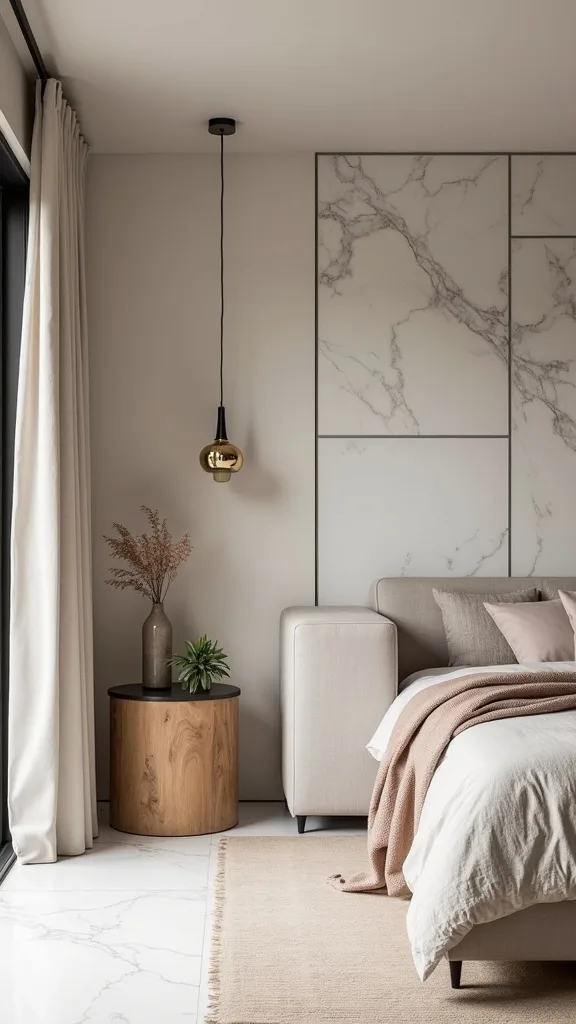
10. What paint colors make a converted garage look brighter (without feeling sterile)?
Garages often have low, flat light, so paint has to do more than “be white.” It works to choose warm, soft neutrals because they bounce daylight while keeping skin tones flattering—important in a space with a vanity mirror.
Pick a warm white or pale greige with a subtle undertone; test it at morning and late afternoon when summer sun shifts fast. Paint walls in an eggshell finish for cleanability, and use a slightly higher sheen on trim to crispen edges. If you want depth, paint the wardrobe wall one shade darker than the rest so it reads built-in, not bulky.
Pair with textiles in sand, oatmeal, and muted sage; add black accents sparingly for structure. Pro tip: if the ceiling feels low, paint it the same color as the walls—one continuous envelope can feel taller and calmer.
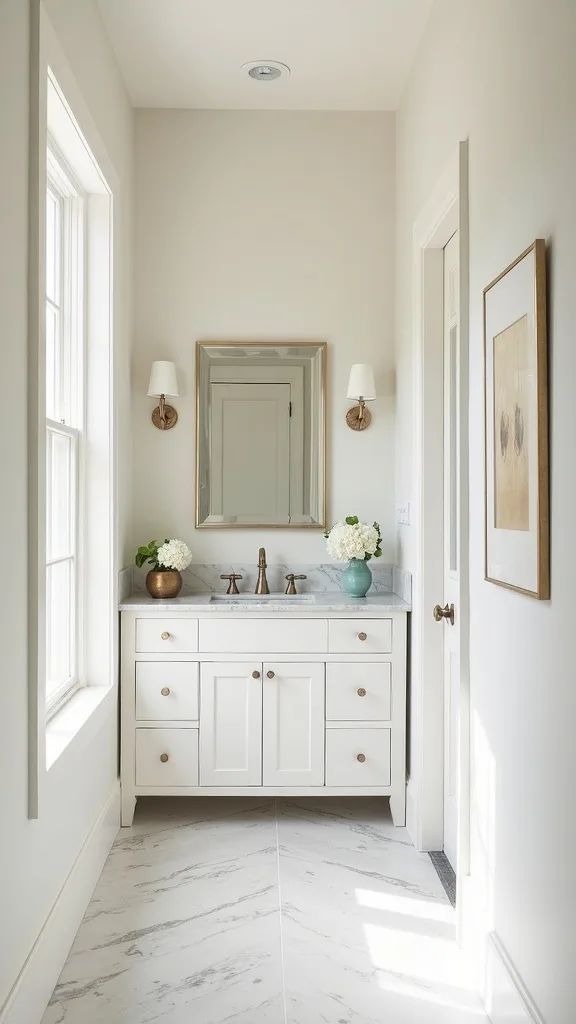
11. How do you light a garage conversion bedroom so it feels like a hotel suite?
Hotel lighting is layered, flattering, and controllable. It works because guests want options: bright enough to find things, soft enough to unwind, and a bedside switch that doesn’t require crossing the room in the dark.
Start with a ceiling fixture on a dimmer, then add two bedside lamps or sconces, plus one task light at the wardrobe or vanity. Use warm white light (2700K–3000K — the cosy, yellowish tone you see in most homes) so the room doesn’t feel like a workspace. Aim for symmetry at the bed; it reads intentional even in a small footprint.
Choose linen shades, opal glass, and matte metal finishes that match your hardware. Pro tip: add one plug-in picture light above art—one narrow beam instantly upgrades the room’s mood like a boutique stay.
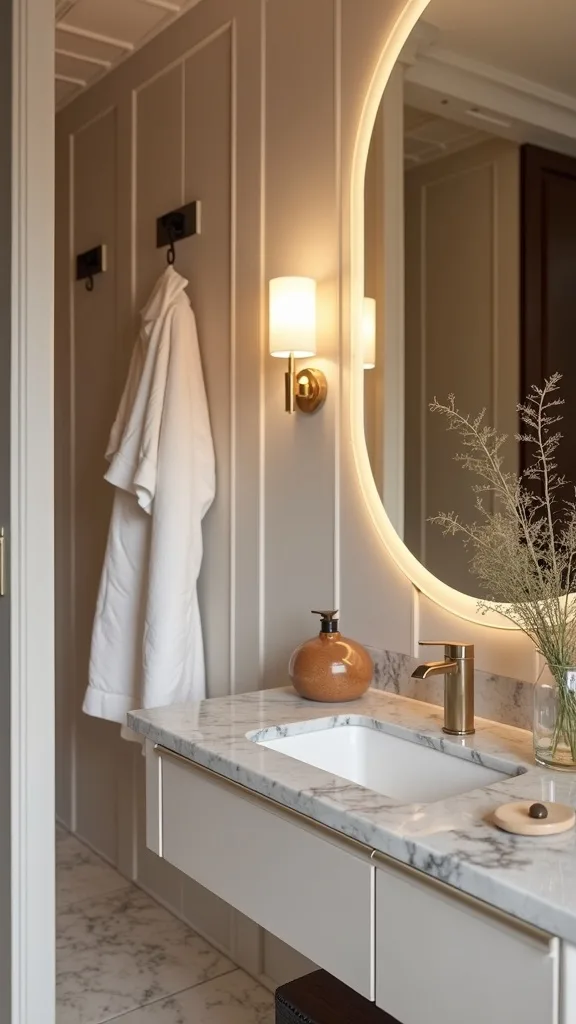
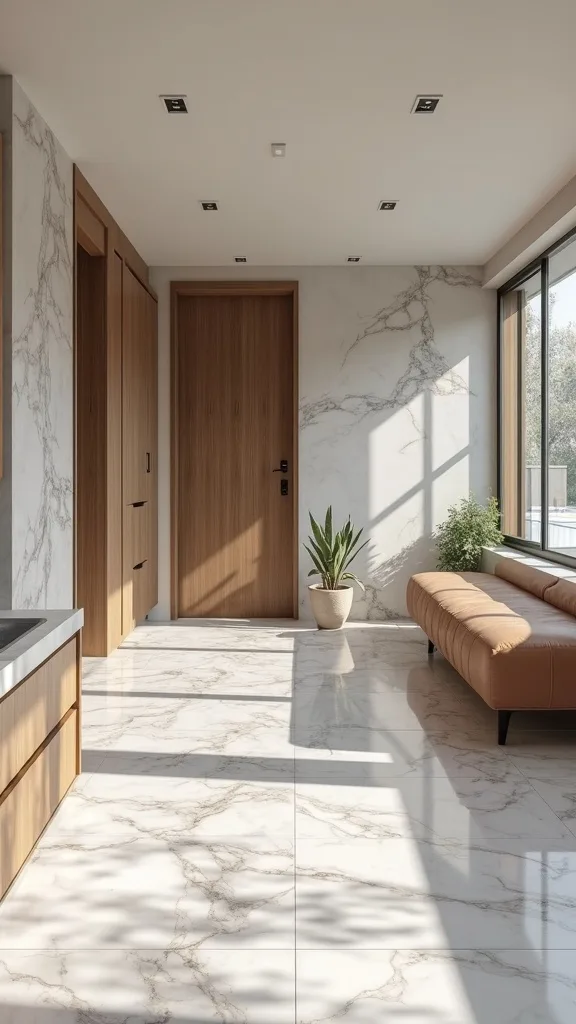
12. What flooring is best over a garage slab for comfort and style?
Flooring has one job in a conversion: make the slab disappear underfoot. It works because cold, hard floors are the number-one “garage” giveaway—and they make even expensive bedding feel less inviting.
If you can raise the floor slightly, install a subfloor system designed for slabs, then add luxury vinyl plank or engineered wood for a quiet, resilient surface. If you’re keeping it simple, choose a thick underlayment and a high-quality vinyl plank rated for temperature swings. Finish edges with real baseboards and shoe molding so it reads like a room, not a garage makeover.
Colors that wear well: medium oak, light walnut, or a soft warm gray with visible grain. Pro tip: use one large rug (8′ x 10′ is a sweet spot for a queen bed) to soften sound and instantly make the space feel furnished.
13. How do you soundproof a garage guest room enough for light sleepers?
Soundproofing is a kindness. It works because garages sit near driveways, streets, and mechanical noise—exactly where summer gatherings tend to be loudest.
Start with sealing: weatherstrip doors, caulk gaps, and add a door sweep. Inside the walls, insulation helps, but the big leap comes from adding mass and decoupling—practically speaking, that can mean thicker drywall or sound-dampening panels behind the bed wall. Use soft surfaces intentionally: curtains, upholstered headboard, and a rug pad beneath your area rug. If there’s a door to the main house, swap it for solid-core and add perimeter seals.
Consider acoustic art panels that look like framed textiles—functional and refined. Pro tip: place the bed on the wall farthest from the driveway; layout is the cheapest soundproofing you’ll ever do.
14. How can you fit a queen bed and still keep the room airy?
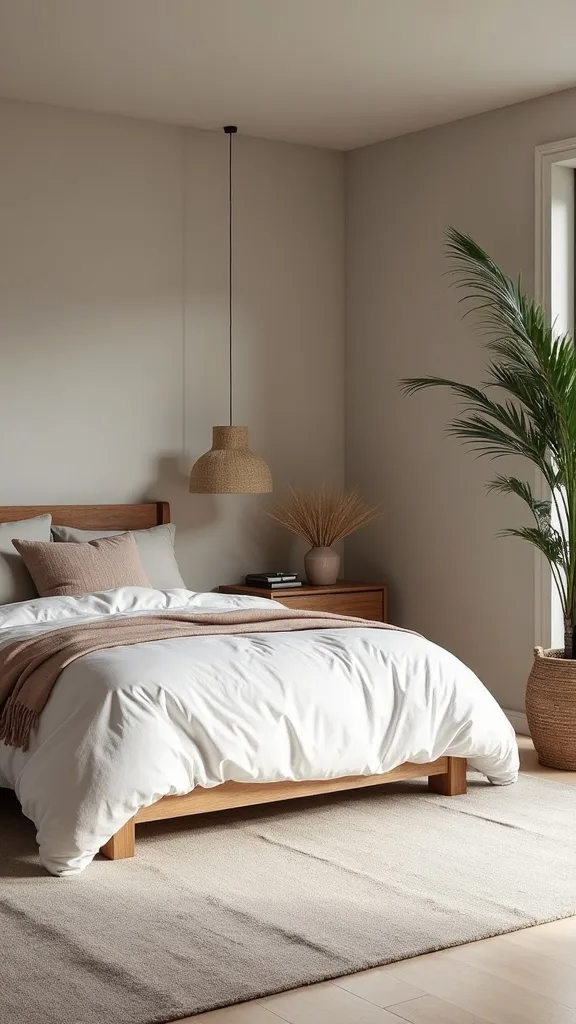
A queen bed can feel generous or jammed—it depends on what you do around it. It works to keep the perimeter light because visual weight at the edges makes a room feel smaller than it is.
Choose a bed with a slim frame and an upholstered headboard that adds softness without bulk. Use wall-mounted nightstands or narrow tables (10–12 inches deep) so circulation stays clear. Skip the footboard; it shortens the room instantly. If storage is needed, use a bed with drawers rather than adding a bulky dresser.
Stick to a restrained palette—crisp white bedding, a textured throw, and two pillows in a muted color. Pro tip: hang drapery high and wide, even on small windows; it makes the wall feel taller and the bed area more composed.
15. What window treatments work for heat control and privacy?
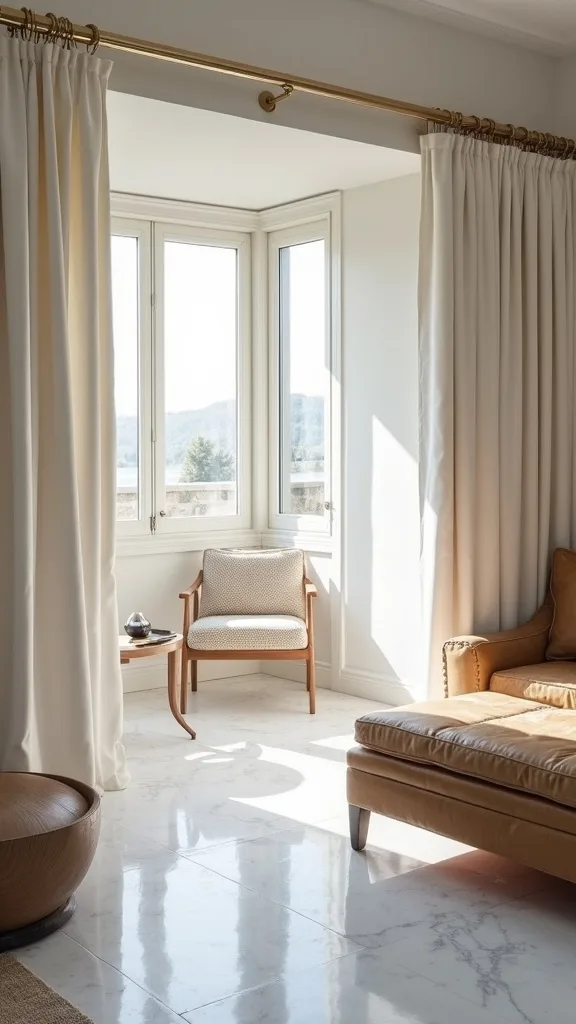
Window treatments aren’t decoration here—they’re climate control. It works because a converted garage often has fewer windows, and each one matters for both privacy and temperature in summer.
Use blackout roller shades for function, then layer curtains for softness. Mount curtains close to the ceiling and extend the rod beyond the window frame so glass can be fully exposed when open. If you have French doors, consider a tailored Roman shade on adjacent windows and keep the doors clean with reeded or frosted glass for privacy without darkness.
Choose linen-blend curtains in warm white or oatmeal; they read elevated and calm. Pro tip: add a cordless shade system—guests shouldn’t have to wrestle with tangled cords to sleep well.
16. How do you create a small seating area without sacrificing storage?
A seating moment makes a guest suite feel adult and complete. It works because guests need a place that isn’t the bed—somewhere to read, put on shoes, or decompress after a backyard barbecue.
Use a storage bench at the foot of the bed or a compact slipper chair paired with a C-table. If you’re tight on floor space, install a wall-mounted drop-leaf desk that doubles as a breakfast perch. Keep the seating near an outlet and a lamp so it’s actually usable. If you’ve built a wardrobe wall, tuck a small ottoman into an open bay for a tailored look.
Materials: boucle or performance fabric upholstery, and a wood table that matches your wardrobe tone. Pro tip: one throw blanket in a textured weave makes the chair feel like an invitation, not an afterthought.
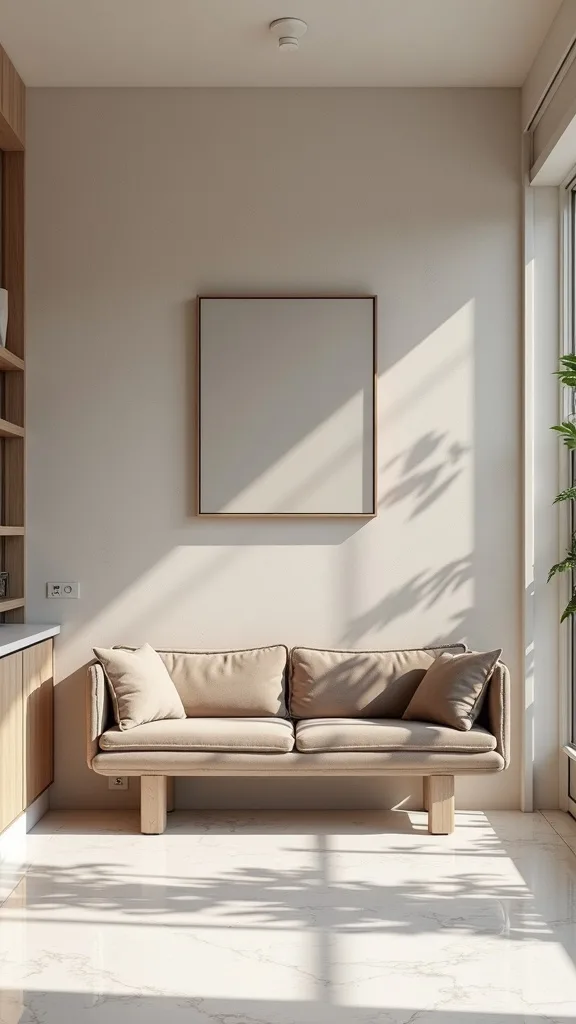
17. How can you hide utilities and still keep access for maintenance?
Utilities are unavoidable; ugliness is optional. It works to conceal them with removable panels because you keep the room elegant without creating future headaches when something needs service.
Build a shallow utility cabinet with magnetic or hinged doors, or use a slatted wood screen that allows airflow. For water heaters or electrical panels, follow clearance rules and keep access unobstructed—then make the surrounding wall a feature with art or a tall mirror. If you have a mini split line set, paint the cover to match the wall so it visually disappears.
Choose simple panel fronts in the same finish as your wardrobe, or paint-grade trim for a seamless look. Pro tip: label shutoff valves and keep a small diagram inside the cabinet—future you will feel profoundly cared for.
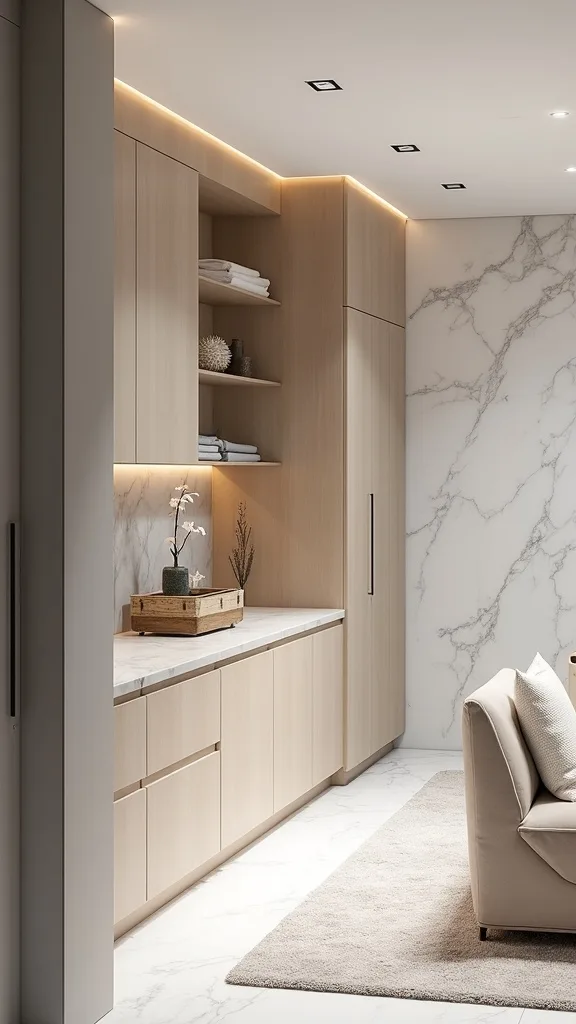
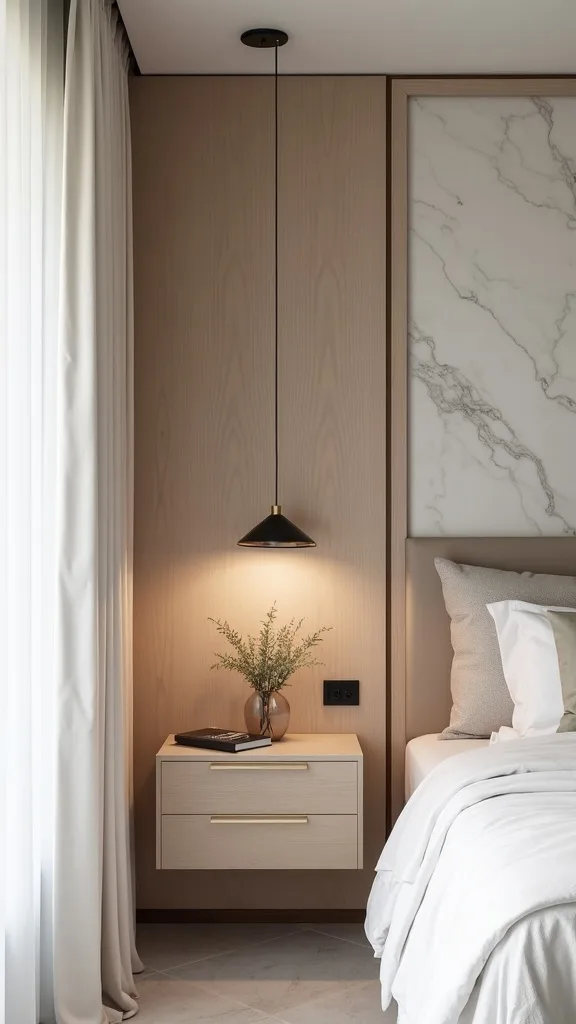
18. What’s the most space-saving way to add bedside storage?
Bedside clutter is what makes a room feel temporary. It works to go wall-mounted because you gain floor space, improve cleaning, and create a built-in vibe without custom millwork.
Install floating nightstands or narrow picture ledges with a concealed drawer. Position the top at mattress height for easy reach, and add a sconce above each side so surfaces stay clear. If you prefer lamps, use plug-in sconces with a small integrated shelf—guests get light and a landing spot for a phone without a full table.
Finishes: light oak, matte white, or a tone that matches your wardrobe. Pro tip: add one small tray on each side; it’s a subtle cue that says “this room is ready for you.”
19. How do you make a garage to living space conversion feel less echoey?
Echo is the silent giveaway of a former garage. It works to address it with layered softness because hard surfaces bounce sound; textiles and upholstered pieces absorb it and instantly make the room feel calm.
Start with a large rug and a quality rug pad. Add full-length curtains even if the window is small. Choose an upholstered headboard and one soft chair. If the ceiling is high, consider adding simple beams or a fabric-wrapped acoustic panel “cloud” above the bed area—decorative, but quietly functional. Avoid sparse minimalism here; you want edited comfort, not emptiness.
Stick to tactile neutrals: boucle, linen, cotton, and wool blends. Pro tip: books are sound absorbers—one slim shelf with a few hardbacks can be both styling and acoustics in disguise.
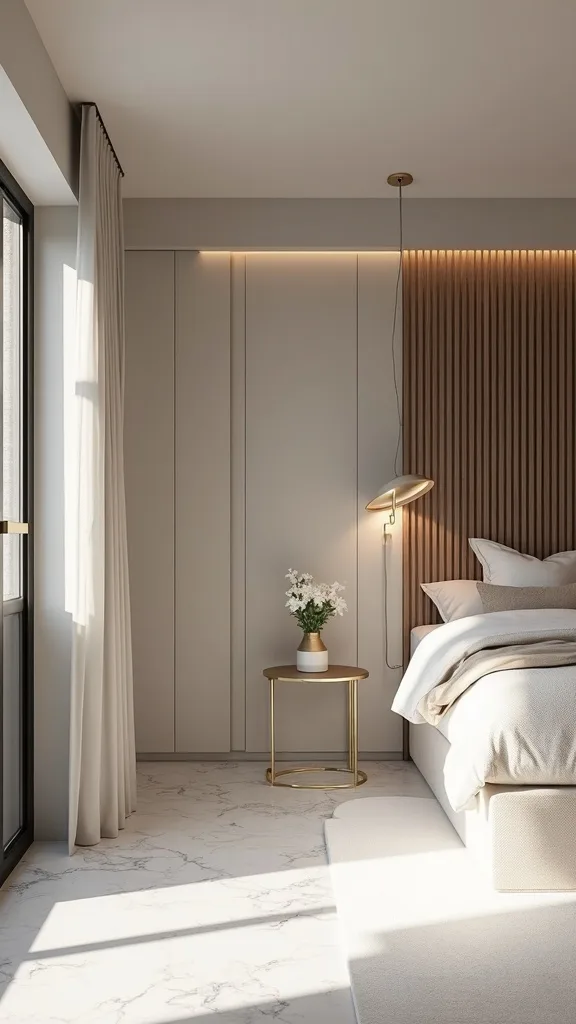
20. Can a guest suite garage include a laundry nook without looking utilitarian?
A laundry nook can coexist with a suite if it’s treated like cabinetry, not equipment. It works because the eye forgives function when it’s framed, aligned, and closed away behind doors.
Stack the washer and dryer in a closet-style enclosure with upper cabinets for detergent and extra towels. Add a counter for folding (even 18 inches deep helps) and a hanging rod for air-dry items. Use vented doors or louvered panels for airflow, and keep the finishes consistent with the wardrobe wall so it reads intentional.
Materials: cabinet fronts in matte white, a butcher-block or laminate counter, and a simple sconce above. Pro tip: include a pull-out hamper drawer—guests never have to wonder where towels go, and the room stays serene.
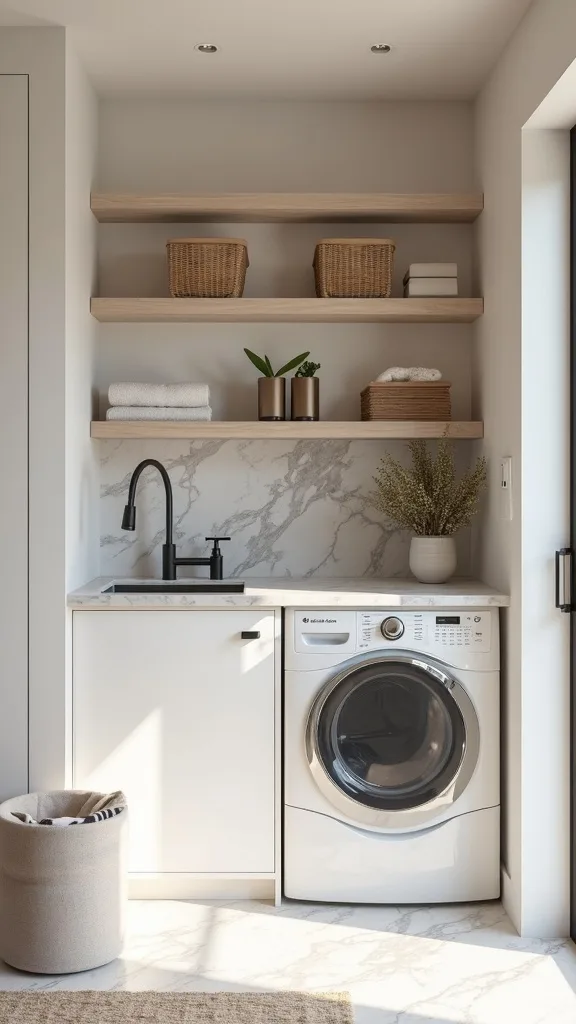
21. How do you design a guest suite that’s also a home office when no one’s visiting?
The best conversions earn their keep year-round. It works to design dual-purpose zones because a guest suite that sits unused starts to feel like a storage room again—no matter how pretty it is.
Use a wall-mounted desk or a compact writing desk opposite the bed, then add a comfortable chair that can double as guest seating. Choose a wardrobe with one bay that functions as a supply cabinet, and add a concealed charging drawer for cords. When guests arrive, clear the desktop, set out a carafe and glass, and the room reads as hospitality first.
Colors: calm neutrals with one disciplined accent (ink blue, olive, or warm terracotta). Pro tip: keep one lidded box labeled “Guest Setup”—fresh linens, extra chargers, and a candle—so the switch from office to suite takes 10 minutes.
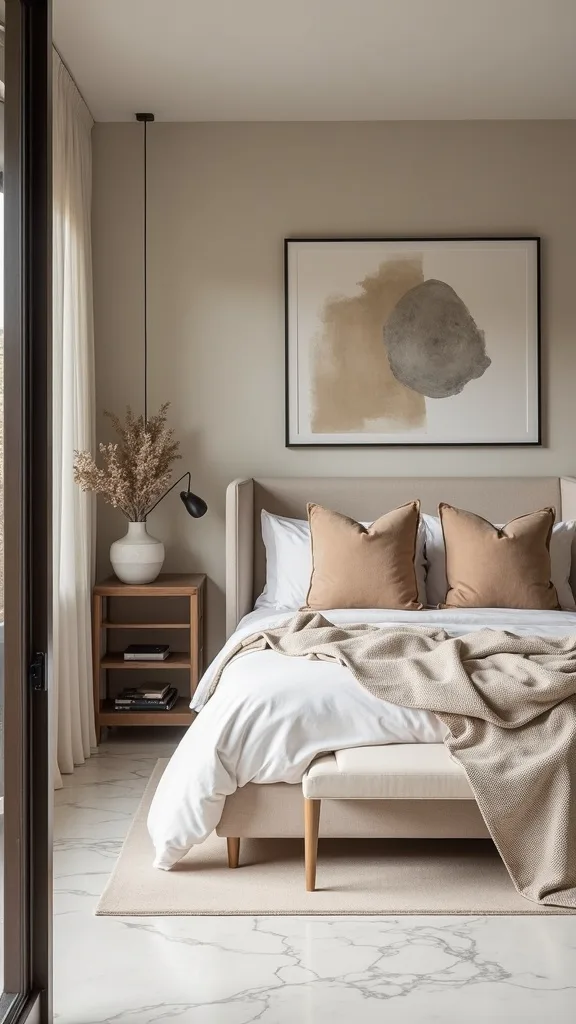
22. What small details make guests feel hosted (without over-decorating)?
Hosting isn’t about more stuff; it’s about fewer questions. It works to add a handful of cues because guests relax when the room quietly explains itself—where to put luggage, how to control the temperature, where towels live.
Provide a visible luggage stand or bench, a labeled Wi‑Fi card in a small frame, and a bedside charging station. Hang two hooks near the entry for bags and hats. If you have a mini split AC, leave a simple one-page instruction card in a drawer so guests don’t feel awkward asking. Keep decor restrained: one plant, one art piece, one beautiful tray.
Choose a subtle room fragrance (not overpowering) and crisp, white towels. Pro tip: add a carafe and two glasses—water within reach is the most quietly luxurious amenity you can offer.
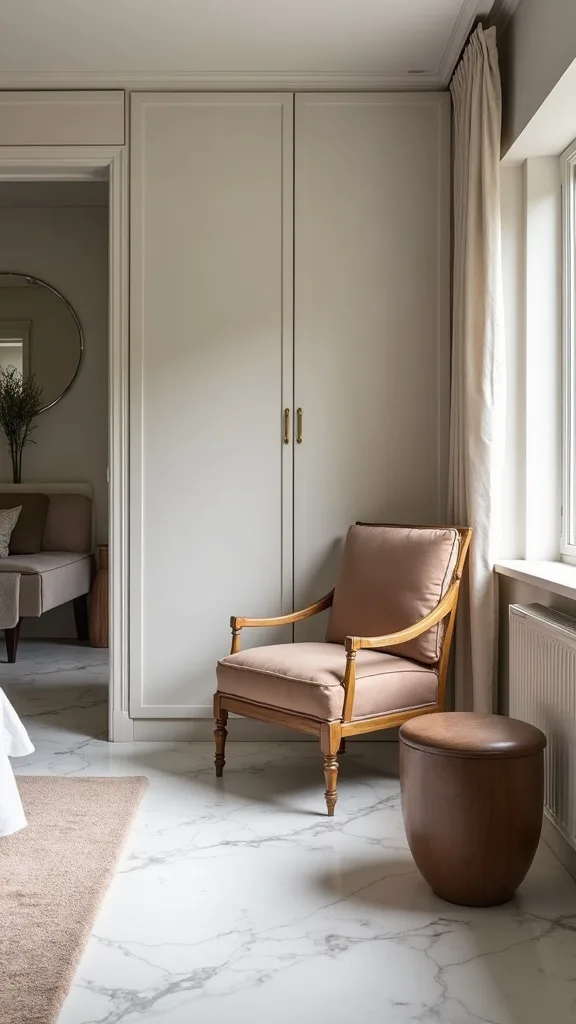
23. How do you handle low ceilings or awkward beams in a converted garage?
Low ceilings can feel intimate or oppressive. It works to “stretch” the room visually by simplifying the overhead plane and pulling attention to vertical lines—curtains, art, and tall wardrobes.
Paint the ceiling the same color as the walls, then use low-profile lighting rather than bulky fixtures. Keep furniture legs visible to create air beneath pieces. If there’s a beam, don’t fight it—wrap it in clean drywall or paint it to match so it reads architectural. Place the bed so the lowest point isn’t directly above your pillow if possible; comfort is psychological as much as physical.
Use vertical elements: a tall mirror, narrow art stacks, and drapery mounted high. Pro tip: a tall built-in wardrobe can make a low ceiling feel intentional—like a tailored hotel room with perfectly planned proportions.
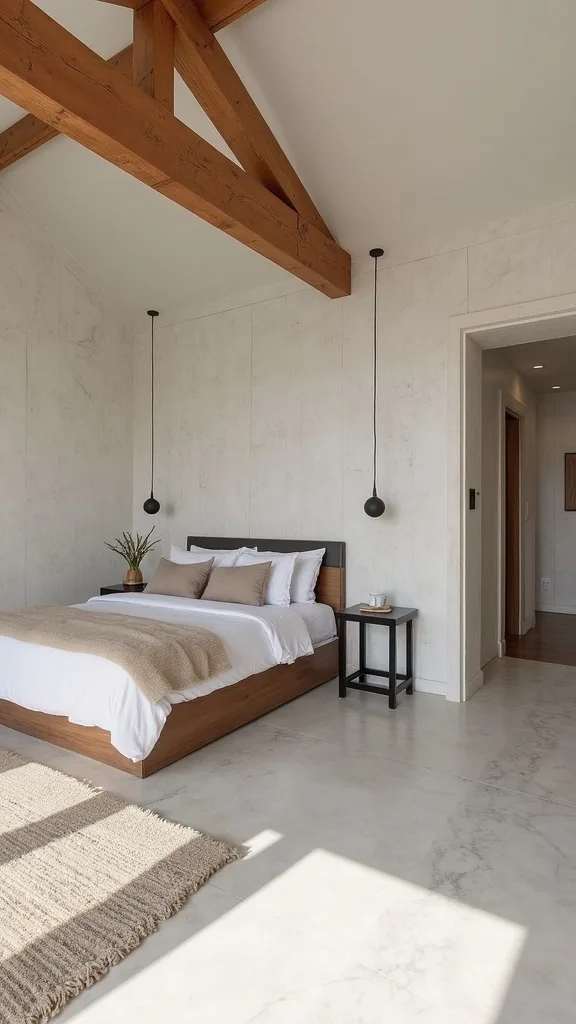
24. How do you create an outdoor connection for summer guests?
Summer hosting is about flow—inside to outside, drink in hand, no awkward detours. It works to add an outdoor connection because a guest suite feels larger when it borrows a view and a path to fresh air.
If possible, orient your French door entry toward a small patio zone. Even a 6′ x 8′ gravel pad with two chairs and a planter can feel like a private terrace. Use solar path lights to guide the way at night, and add a simple outdoor rug to define the space. Inside, mirror that calm with natural textures and a restrained palette.
Materials: teak-look chairs, a black metal side table, and one oversized planter with something sculptural. Pro tip: give guests one dedicated outdoor hook for towels—small logistics make outdoor living feel effortless.
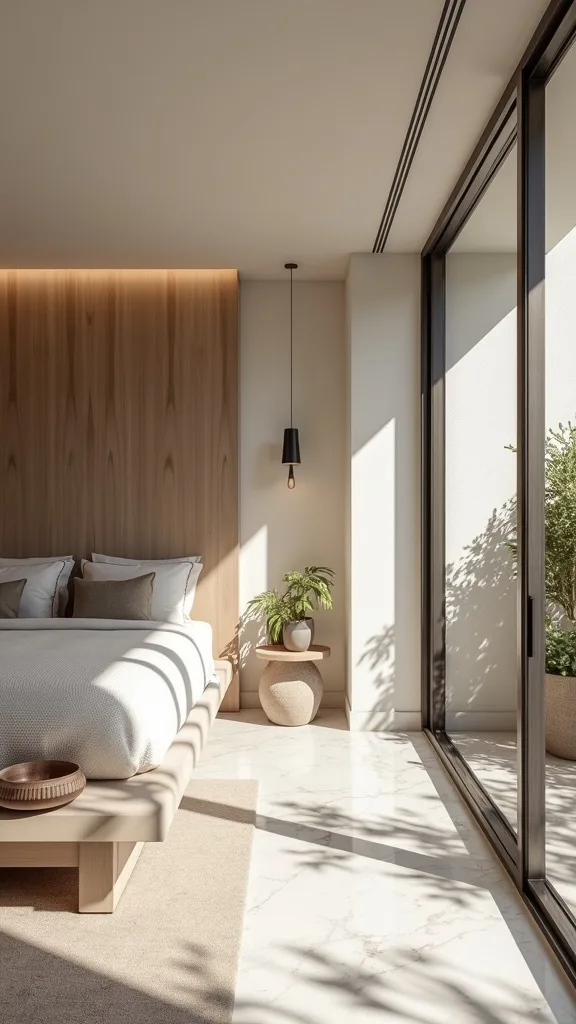
25. How do you style the room so it photographs well (and lives even better)?
A room that photographs well is usually a room that’s edited well. It works because the camera rewards clarity: fewer, larger pieces; consistent materials; and one focal point that anchors the eye.
Start with the bed as the hero—crisp bedding, one textured throw, and two pillows that echo your accent color. Add a large rug, matched bedside lighting, and one substantial artwork. Keep surfaces calm: a tray on the vanity, a small stack of books on the nightstand, and one plant that looks alive even in heat (snake plant, pothos). If you’ve built a wardrobe, style one open shelf with a basket and a single ceramic piece.
Stay in a tight palette—warm whites, oak, and black accents. Pro tip: leave negative space; sophistication isn’t what you add, it’s what you have the confidence to leave out.
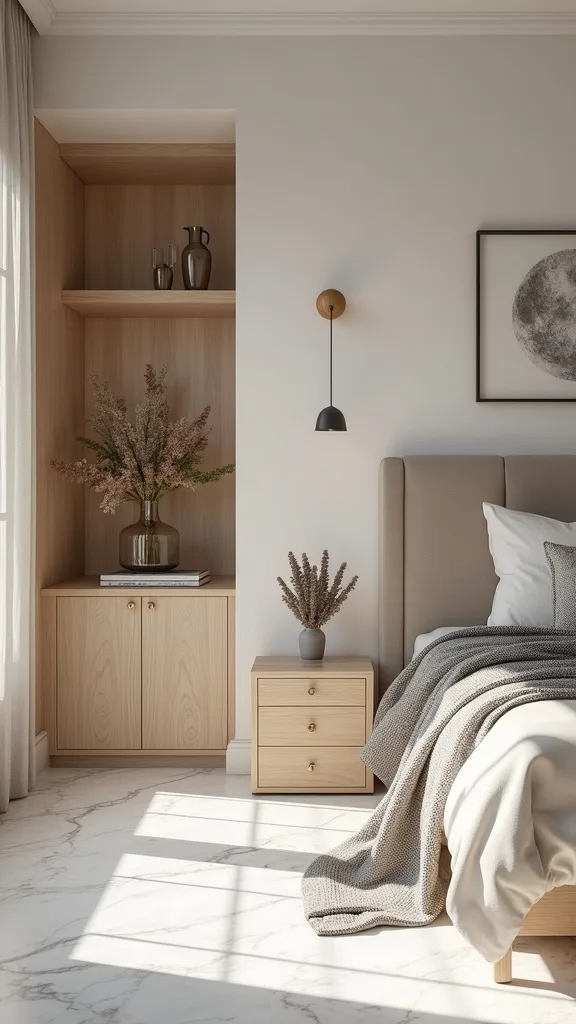
Final Thoughts
The best garage conversions don’t announce themselves. They simply feel like the most considerate room in the house—cool when the backyard is blazing, quiet when the kitchen is still buzzing, and orderly in a way that makes guests exhale.
If you take nothing else from these ideas, take this: finish the bones first, then decorate. A mini split AC and insulation won’t show up in photos the way a new rug will, but your guests will remember how they slept, not what your throw pillows looked like.
Rule of thumb: if it wouldn’t feel acceptable in a primary bedroom, it won’t feel luxurious in a garage conversion. Today, pick one wall and sketch your built-in wardrobe and vanity zone to scale (even on graph paper), then measure your clear walkways—those numbers will guide every purchase that follows.
What I’d Do Differently
When I first tried this, I treated the garage like a decorating project instead of a comfort project. I bought a rug, painted the walls, and even set up a cute little “suite” tray—then hosted family during a hot week and realized the room was still fighting the garage’s original job. The temperature swung all day, the space felt slightly damp in the morning, and the noise from the driveway traveled right through. My specific mistake was skipping air-sealing and insulation because I wanted to get to the fun part. The correct approach is to start with the envelope: seal gaps, insulate, and plan cooling before you pick finishes. Everything you love visually works better when the room is stable and quiet.
I also wish I’d planned the storage wall earlier. Once the bed was placed, I was stuck with awkward furniture that never looked intentional. If I’d sketched a simple built-in wardrobe first, the layout would have snapped into place and stayed tidy with almost no effort. If you’re on the fence, start by measuring your longest uninterrupted wall today—storage is the move that makes the whole suite feel effortless.