
This post contains affiliate links. As an Amazon Associate, I earn from qualifying purchases at no extra cost to you.
There’s a specific kind of calm you only get when a living room stops “trying” and starts whispering. You walk in, your shoulders drop, and everything feels intentional—like a boutique hotel suite, but warmer, softer, and made for real life (including iced coffee rings and summer sandals by the door).
This Summer Design Challenge is all about restraint with payoff: building depth without clutter. We’re going to use the tonal formula—symmetry, layering, scale, and contrast—to create an all-terracotta story that runs from rust to blush across plaster walls, a wool rug, and matte pots.
This is perfect for anyone who loves color but hates chaos, or who wants a monochromatic living room that feels elevated without needing custom furniture.
You’ll see how to pull off a one color room without it looking like a paint store accident: the right way to repeat shapes, where to add shine, how to place a throw so it looks styled (not abandoned), and the candle grouping that instantly reads “designer.”
Below are 25 Monochromatic Room Design & Tonal Decor that build an all-terracotta palette with tonal decor tricks and same tone different textures layering.
Products I Recommend for This Project
Here are some of my favourite products to help you bring these ideas to life:
- Philips LED Dimmable A19 Bulb (Warm Glow, 2700K) — Keeps terracotta looking rich and consistent from day to night.
- MIULEE Velvet Throw Pillow Covers (Rust/Terracotta, 18×18) — Adds soft sheen for instant depth without introducing new colors.
- NICETOWN Linen Blend Curtain Panels (Off-White/Beige) — Creates that tailored, airy window finish that elevates tonal rooms.
- Hosley Set of 3 Ceramic Vases (Matte Neutral/Terracotta Tones) — An easy way to build sculptural height with same-tone texture.
- Kate and Laurel Lipton Decorative Tray (Antique Brass Finish) — Corrals coffee table styling so it looks curated, not cluttered.
1. Start with an all-terracotta base (rust to blush) so the room reads intentional
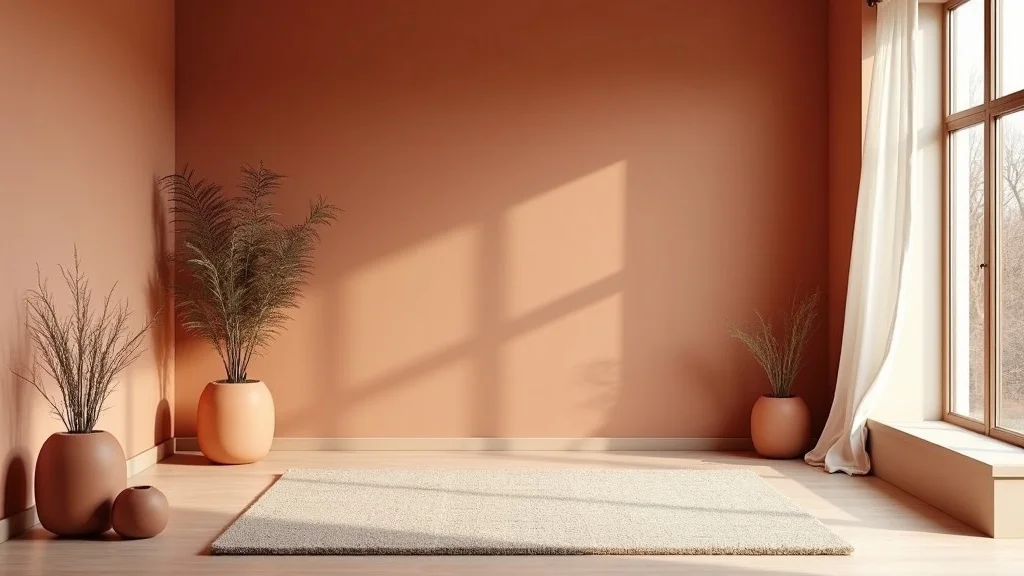
This idea is the backbone: an all-terracotta room that moves through rust, clay, cinnamon, apricot, and blush so the eye feels guided, not overwhelmed. It works because the color story is tight, while the finishes—plaster walls, wool rug, matte pots—keep it dimensional and luxe.
Implement it by choosing one “middle” terracotta (think classic clay) as your connector shade, then add two darker notes (rust, burnt sienna) and two lighter notes (apricot, blush). Keep the largest surfaces calm: walls and rug in softer, dustier versions; let accents carry the deeper spice. If you’re painting, sample at least three swatches and view them morning and evening before committing.
Consider limewash-style paint for a plaster look, a low-pile wool rug, and matte ceramic planters in slightly different undertones. The goal is same tone different textures, not one flat color.
Pro tip: add one quiet “cooling” neutral (warm white lamp shade or creamy linen) so terracotta feels sunlit, not heavy—like a Mediterranean afternoon brought indoors.
2. How do you pick the right shade range for tonal decor (without guessing wrong)?
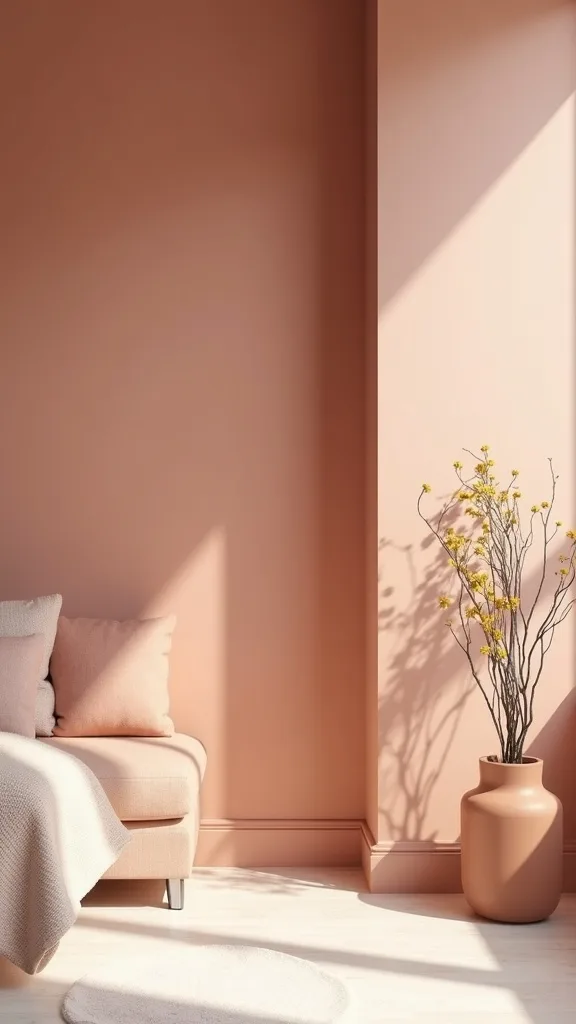
The trick to tonal decor is choosing a range that has a clear temperature—either consistently warm or consistently rosy—so it feels cohesive. It works because undertones do the heavy lifting; when undertones clash, even expensive pieces look accidental.
Implement it by holding your main fabric (sofa slipcover, curtain panel, or rug sample) next to three paint chips: one lighter, one matching, one deeper. In terracotta, decide early if you’re “spiced” (rust/cinnamon) or “sunset” (apricot/blush). Then repeat that undertone in at least three places: a pillow, a pot, and a piece of art.
Materials to consider: a rust velvet pillow, blush boucle, and a clay-toned linen. Keep metals warm—aged brass or bronze—so they harmonize with the palette.
Upgrade: photograph your samples in the room and turn the image to black-and-white; if you see clear light/medium/dark steps, your one color room will have built-in depth.
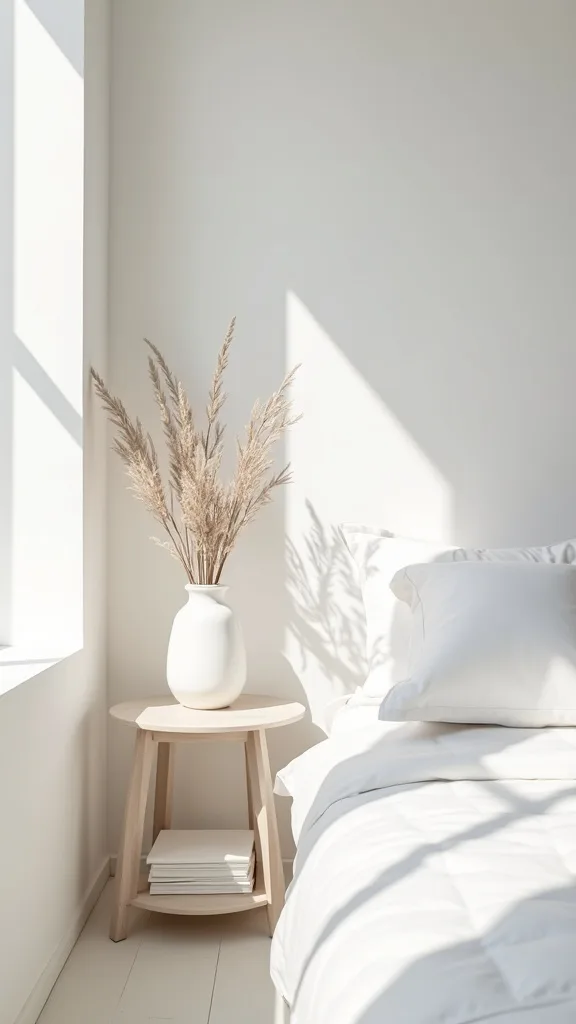
3. What’s the fastest way to make a monochromatic living room feel expensive?
Luxury shows up in structure: symmetry, deliberate spacing, and a few oversized shapes that feel calm. It works because the eye reads order as “designed,” especially when the palette is quiet and tonal.
Implement it by anchoring your seating with matching side tables (or at least same height) and two lamps that visually “bookend” the sofa. Keep the coffee table styling to three objects only: a tray, a stack, and one sculptural piece. Leave negative space—empty tabletop is part of the look.
Materials/products: a large shallow tray in warm wood or brass, a linen-bound book stack, and a terracotta or travertine object. Choose lamps with warm white light (2700K–3000K — the cosy, yellowish tone you see in most homes) to soften the clay palette.
Upgrade: go one size larger than you think on the tray; that single scale move makes the whole vignette feel custom and composed.
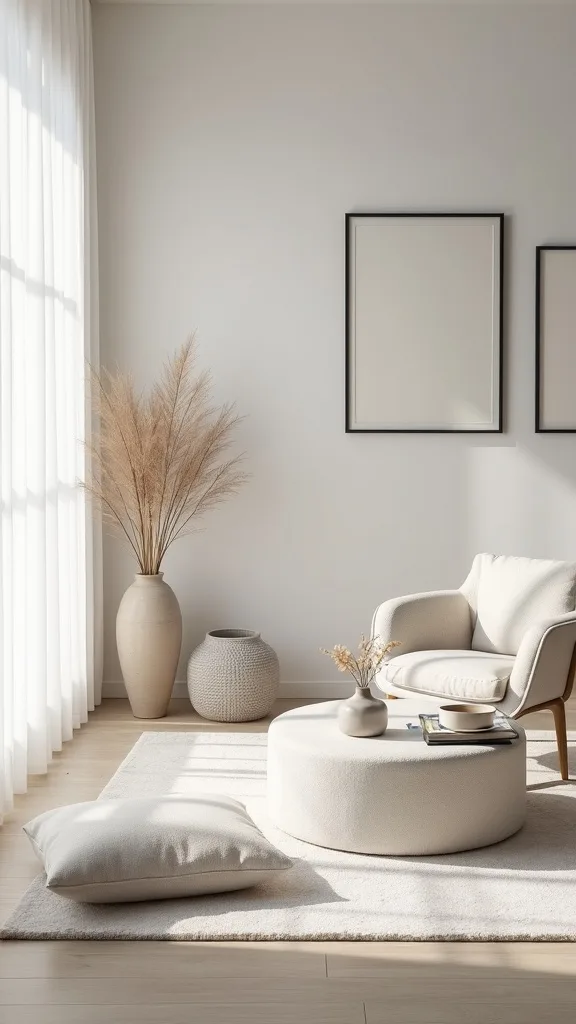
4. How do you keep a monochromatic room from looking flat?
Flat happens when everything shares the same finish and the same value (lightness). It works to mix texture and value because your eye can “feel” the room even when the color stays in one family.
Implement it by assigning roles: one nubby texture (wool/boucle), one smooth matte (plaster/ceramic), one soft sheen (velvet/satin), and one natural grain (wood/leather). Then build a clear ladder of light-to-dark: curtains light, sofa medium, accents deep. If your sofa is already dark terracotta, keep walls and rug lighter so the room breathes.
Consider: a wool rug, linen drapery, matte ceramic pots, and a velvet lumbar pillow in rust. This is the definition of same tone different textures.
Pro tip: add one small reflective note—like a bronze picture frame—to bounce light and make the tonal layers glow.
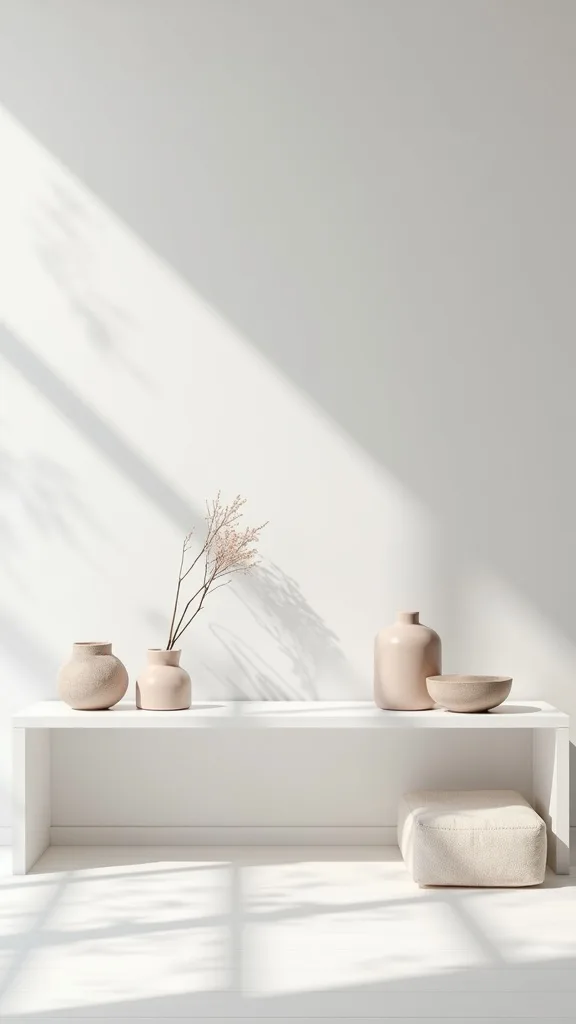
5. Where should contrast live in a one color room?
In a one color room, contrast should live in edges: outlines, shadows, and crisp silhouettes—not random pops of unrelated color. It works because the room stays serene, but your eye still gets definition.
Implement it by choosing one “outline” element and repeating it: thin blackened-bronze frames, a dark wood coffee table, or a charcoal piping detail on pillows. Keep contrast to 5–10% of the visual field—think frames, lamp hardware, and one vessel—so terracotta remains the star. If you add black, keep it warm (espresso, bronze-black) rather than blue-black.
Materials: bronze curtain rods, espresso-stained wood, and ink-toned art lines over a clay wash background. Pair with matte finishes so the contrast feels sophisticated, not harsh.
Upgrade: use contrast in pairs (two frames, two candlesticks) for instant symmetry—small repetition, big designer energy.
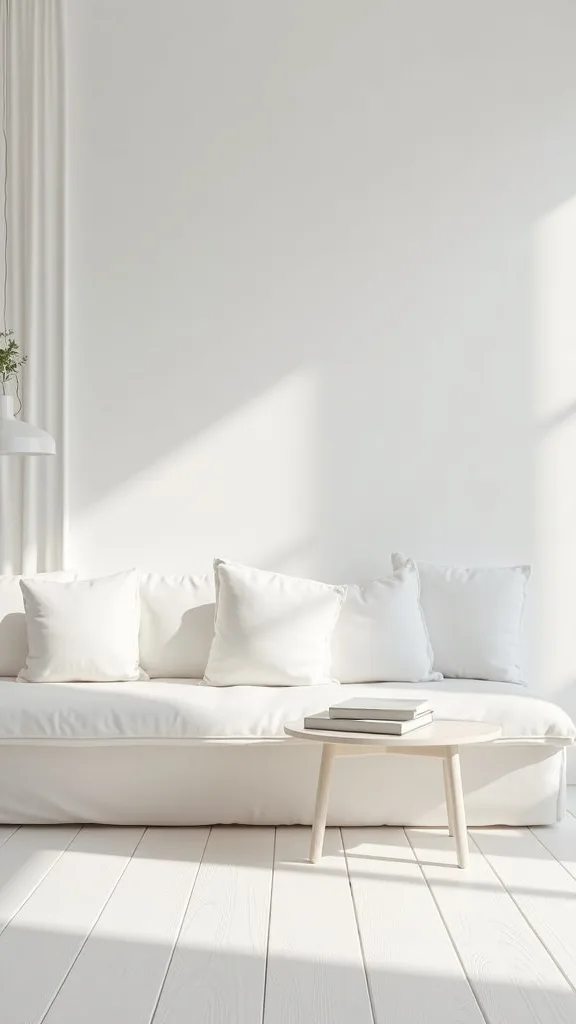
6. How do you layer rugs in a tonal palette without it looking busy?
Layering rugs works when the base is quiet and the top has texture, not pattern overload. It works because it adds thickness and “collected” charm while staying within the terracotta story.
Implement it by starting with a large neutral-warm base (jute, sisal, or a flatweave in sand) sized so front legs of all seating sit on it. Then add a smaller wool rug (like 5×7) in dusty clay or blush, centered under the coffee table. Keep the top rug low-contrast and let texture do the talking.
Materials: natural jute base, heathered wool top, and a rug pad so layers don’t shift. Choose tones that differ by at least one step (light base, medium top).
Upgrade: angle the top rug slightly if your room is long and narrow—subtle asymmetry can make the layout feel editorial, not rigid.
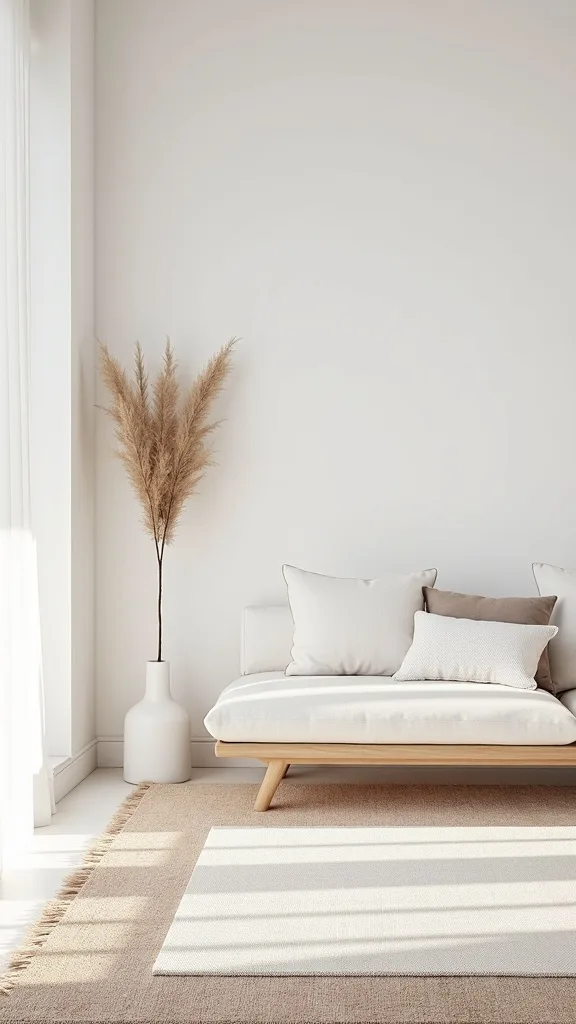
7. What curtains look best in an all-terracotta living room?
Curtains should act like soft light, not a bold statement, in a tonal space. It works because the walls and textiles already carry the color; the window treatment’s job is to make everything look more expensive and calm.
Implement it by choosing linen or linen-blend panels in warm white, oatmeal, or pale blush, and hang them high and wide. A simple rule: mount the rod 4–6 inches above the window frame and extend it 6–10 inches past each side so fabric stacks neatly when open. That extra width makes the window feel larger—instant luxury.
Materials: linen panels, bronze rod, and ring clips for easy, even folds. Skip heavy grommets; they read casual in a refined tonal room.
Upgrade: steam the panels and train the folds for 24 hours—those crisp vertical lines are the quiet detail that makes tonal decor feel tailored.
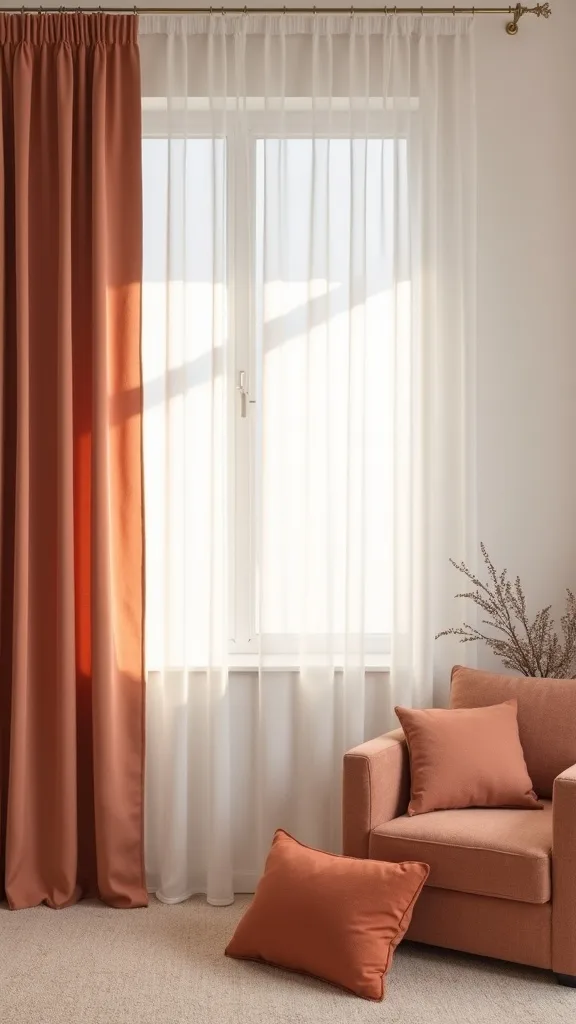
8. How do you style a coffee table tray in a monochromatic living room?
A tray is the difference between “stuff on a table” and a deliberate still life. It works because it creates boundaries, which is essential when everything sits in the same color family.
Implement it with a three-part formula: one grounded stack (2–3 books), one glow element (candle), one sculptural curve (bowl or object). Place the tray slightly off-center so it feels relaxed, then leave one entire quadrant of the table empty. For the throw, drape it in a clean diagonal over the sofa arm—one fold, not a wad.
Materials: a warm wood or antiqued brass tray, a terracotta bowl, and a candle in an amber glass. Keep labels minimal or turned away.
Upgrade: choose a tray that’s at least 16–18 inches wide; that scale reads “custom,” even if the pieces are budget-friendly.
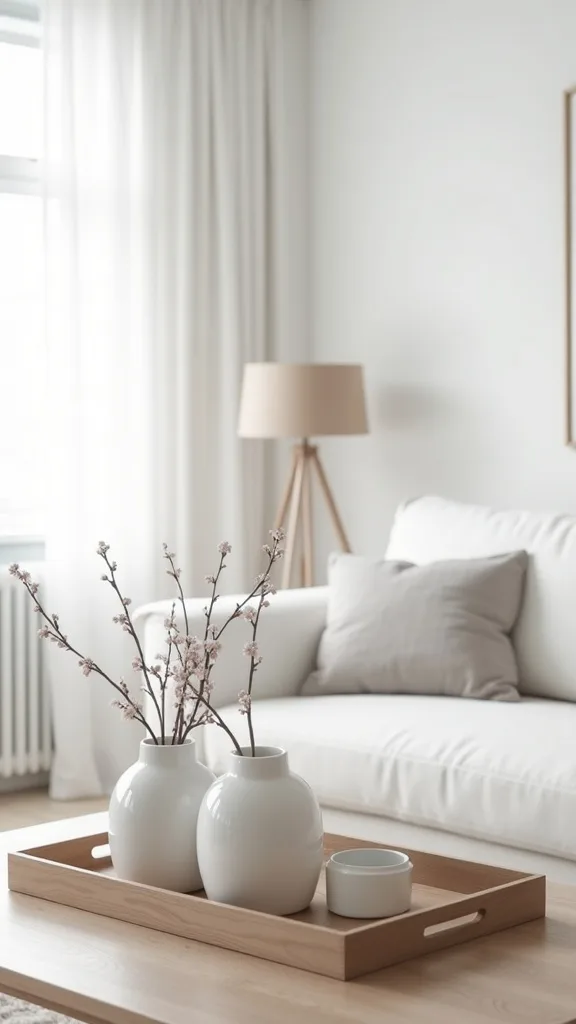
Cost & Materials Estimate
Plan on spending about $250–$1,800 to refresh a terracotta-toned living room, depending on whether you’re repainting and swapping larger textiles like a rug and curtains.
| Item | Estimated Cost | Where to Buy |
|---|---|---|
| Interior paint (2 gal) in clay/terracotta + supplies | $90–$160 | Home Depot |
| 8×10 area rug (wool or wool-blend look) | $180–$600 | Wayfair |
| Linen-blend curtain panels + bronze rod | $85–$220 | IKEA |
| Pillow covers (4) + inserts | $70–$180 | Amazon |
| Matte ceramic pots/vases (set of 3–5) | $60–$220 | Amazon |
| Two table lamps + warm white LED bulbs | $120–$420 | Target (via Amazon) / Lowe’s |
Total estimated cost: $250–$1,800 Save by keeping your sofa and upgrading textiles first; splurge on the rug because it sets the entire tonal foundation.
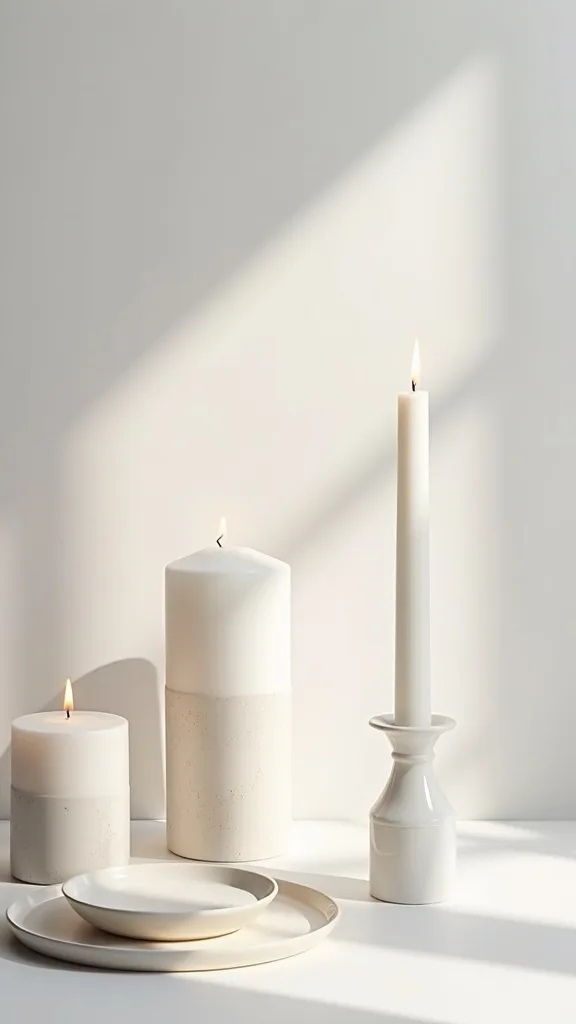
9. What’s the right candle grouping for tonal decor (so it doesn’t look like clutter)?
Candles look luxurious when they’re treated like sculpture, not scattered fragrance experiments. It works because repetition of shape and height creates rhythm in a monochrome palette.
Implement it by grouping in threes: one pillar, one votive, one taper (or three pillars in stepped heights). Keep them on one small dish or stone coaster so they read as a unit. In terracotta rooms, choose warm scents and warm containers—amber glass, matte clay, or cream ceramic—to avoid a jarring bright white label moment.
Materials: unscented tapers for dinner-party polish, a single scented candle for everyday, and a shallow plate in travertine or ceramic. Place the grouping near the sofa but not at the room’s centerline.
Upgrade: light only one candle during the day and all three at night—your room will shift from sun-baked to candlelit without changing a thing.
10. How do you use art in a monochromatic room without breaking the palette?
Art should add contrast in value and line, not introduce a totally new color story. It works because you get visual punctuation while keeping the terracotta world intact.
Implement it by choosing pieces with clay, blush, sand, and charcoal/bronze lines—think abstract washes, minimalist figure sketches, or sepia photography. Use larger frames than you think; one 24×36 print often looks cleaner than a cluster of small pieces. If you do a pair, keep them identical in size and frame for symmetry.
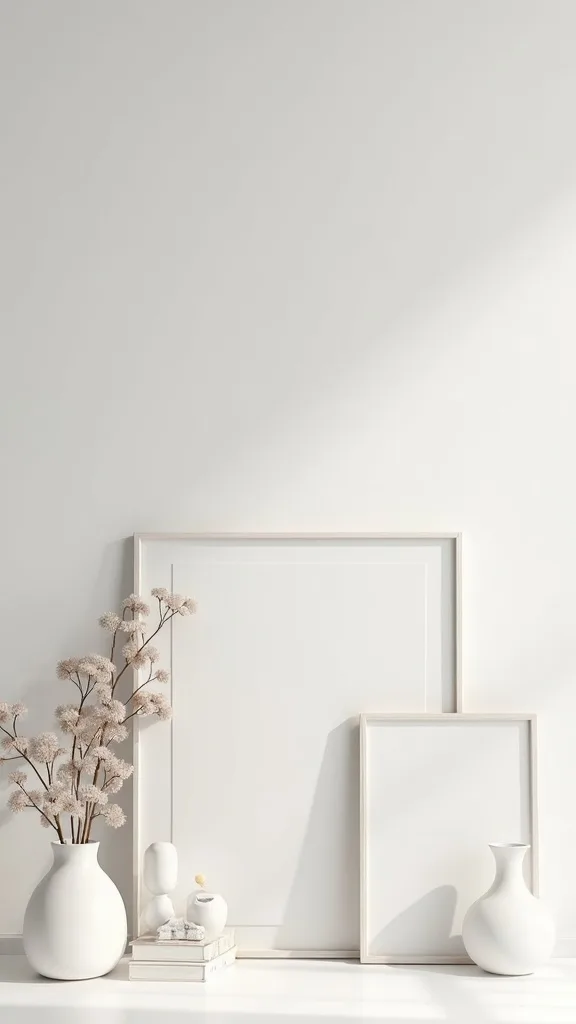
Materials: thin bronze frames, off-white mats, and art with warm neutrals. Avoid bright optic whites; they can look icy next to terracotta.
Upgrade: hang art so the center sits around 57–60 inches from the floor—gallery height—then align the top edges of frames for that quietly “designer” order.
11. What kind of sofa fabric works best for a terracotta tonal scheme?
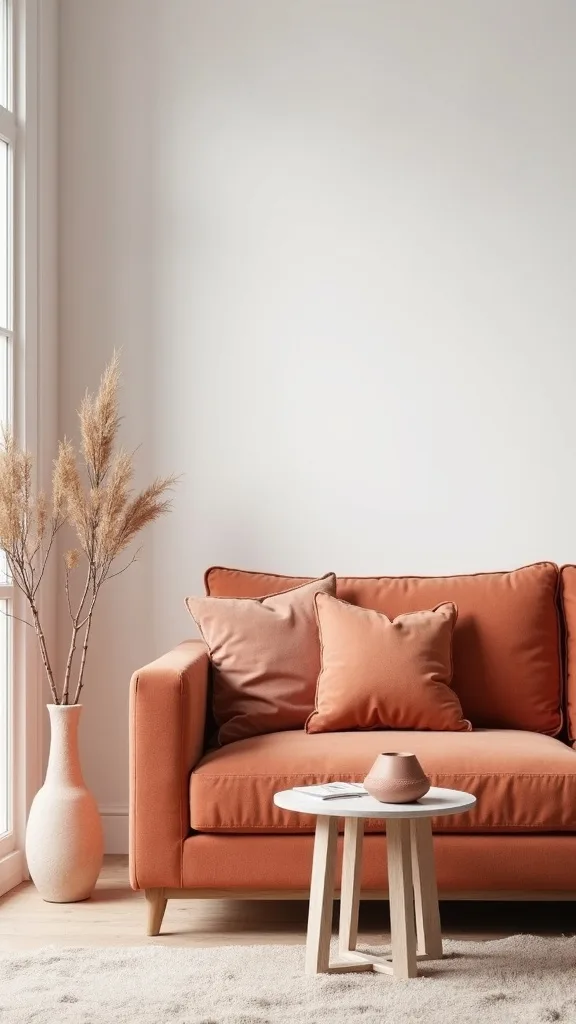
The sofa is your largest textile, so it sets the room’s “volume.” It works to choose a slightly muted terracotta because it wears well visually and lets accessories move lighter or darker without fighting.
Implement it by picking a fabric with depth: performance velvet, brushed chenille, or textured weave. If you’re not buying a new sofa, use a slipcover in clay or warm sand and let pillows carry the rust. Keep the silhouette simple; tonal rooms love clean lines because the color already does the talking.
Materials: clay slipcover, rust velvet pillow, blush boucle pillow, and one lumbar in a tighter weave for structure. Mix square and lumbar shapes to vary the geometry.
Upgrade: add one tailored detail—like a pillow with subtle piping in a deeper rust—so the seating reads finished, not just “matched.”
12. How do you style throw pillows using the 60/30/10 rule in one color?
The 60/30/10 rule still works in a tonal palette—it just becomes a value rule instead of a color rule. It works because your eye needs a dominant field, a supporting layer, and a small punch of depth.
Implement it on a sofa with four pillows: two in your “60” (soft clay linen), one in your “30” (rust velvet), and one in your “10” (deep cinnamon or earthy brown). Keep patterns minimal—tone-on-tone stripes or a subtle weave is plenty. Place the deepest pillow slightly inward, not on the outer edge, so it feels integrated.
Materials: linen covers, velvet cover, and one nubby bouclé for tactile contrast. Use feather inserts one size up for a fuller, relaxed chop.
Upgrade: limit yourself to two shapes (square + lumbar); restraint reads expensive in a monochromatic living room.
13. What lighting makes terracotta look rich instead of orange?
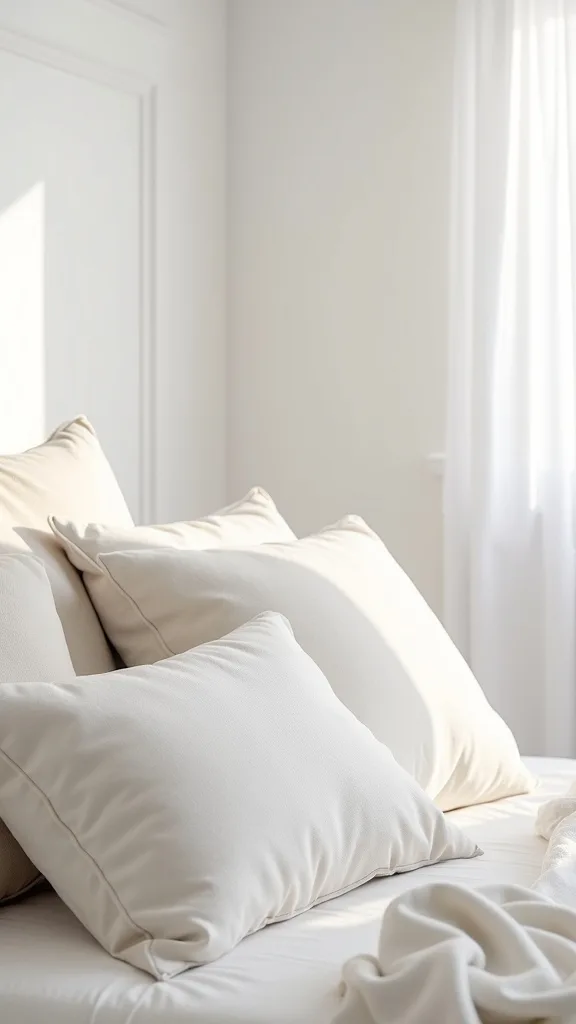
Terracotta can swing “pumpkin” under the wrong bulb. It works to choose warm, consistent lighting because it keeps the palette sun-baked and sophisticated, not cartoonish.
Implement it by using warm white light (2700K–3000K — the cosy, yellowish tone you see in most homes) across all lamps in the room so your walls and textiles don’t change color from corner to corner. Layer three sources: a floor lamp for height, a table lamp for softness, and one accent light (picture light or small sconce). If you can, put lamps on dimmers; lower light makes terracotta feel like velvet.
Materials: linen lamp shades, bronze bases, and dimmable LED bulbs. Look for bulbs with high color quality so reds look natural.
Upgrade: swap one shade to a slightly warmer linen (not bright white); that tiny shift makes the whole room feel like late golden hour.
14. How can you add greenery without ruining a one color room vibe?
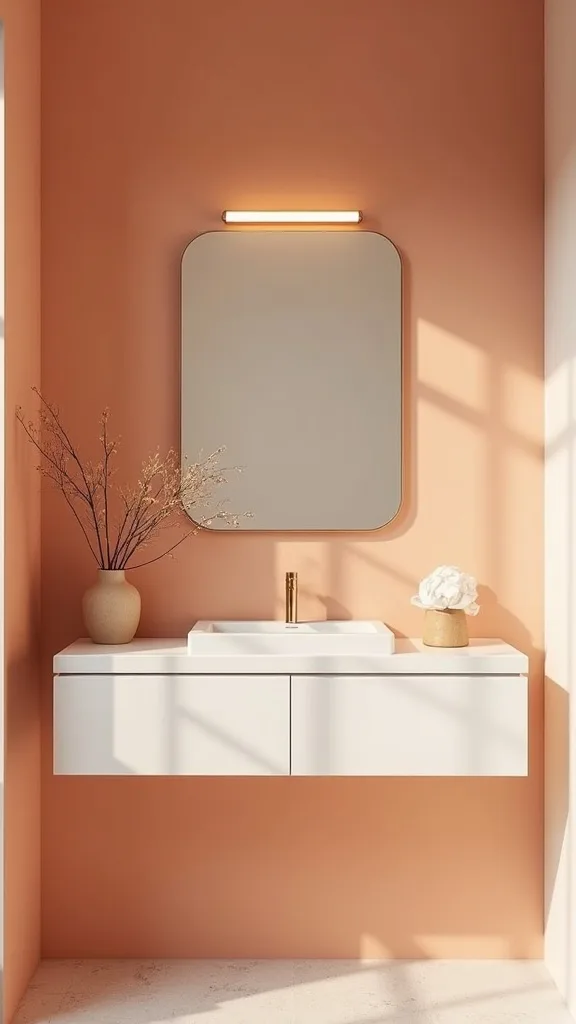
Greenery doesn’t “break” a tonal palette when it’s treated as a natural neutral. It works because plants add life and shadow, and terracotta is already a garden-adjacent color family.
Implement it by choosing one plant shape and repeating it—like two olive trees or two upright snake plants—rather than mixing five random species. Keep planters matte and within the clay range, and place plants where they balance the room (opposite corners or flanking a console). For summer, a simple branch in a tall pot can look more editorial than a crowded shelf of small plants.
Materials: matte terracotta planters, a tall cylindrical pot, and a plant with sculptural leaves. Use hidden saucers to protect floors.
Upgrade: top the soil with a thin layer of sand or small stones; that clean finish is subtle, but it reads like a styled set.
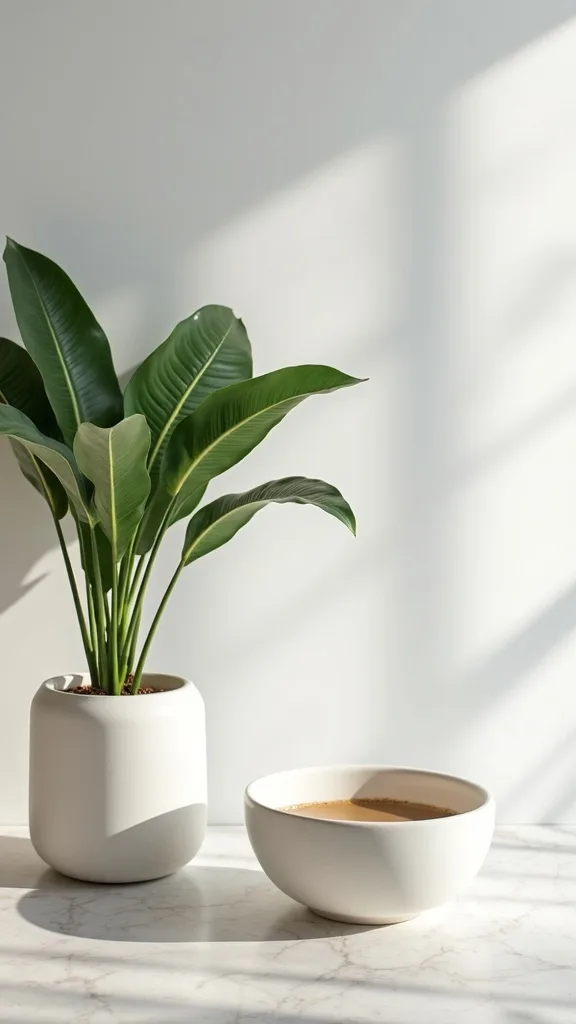
15. How do you use matte pots and ceramics as decor, not just planters?
Ceramics are tonal room jewelry: quiet, tactile, and collected. It works because matte surfaces absorb light, creating soft depth against plaster and fabric.
Implement it by grouping pots in odd numbers (3 or 5) with varied heights: one tall vessel, one medium bowl, one small bud vase. Keep the palette tight—rust, clay, blush—and vary the rim shapes so the grouping feels curated. Place them where the hand naturally pauses: on a console near the entry, or the far end of a coffee table tray.
Materials: matte ceramic planters, a handmade-look vase, and one glossy glaze piece in the same family for contrast. Avoid shiny plastic faux-terracotta; it cheapens the story fast.
Upgrade: add a single dried stem (pampas, bunny tail, or eucalyptus) to one vessel—just one—so the composition stays airy and intentional.
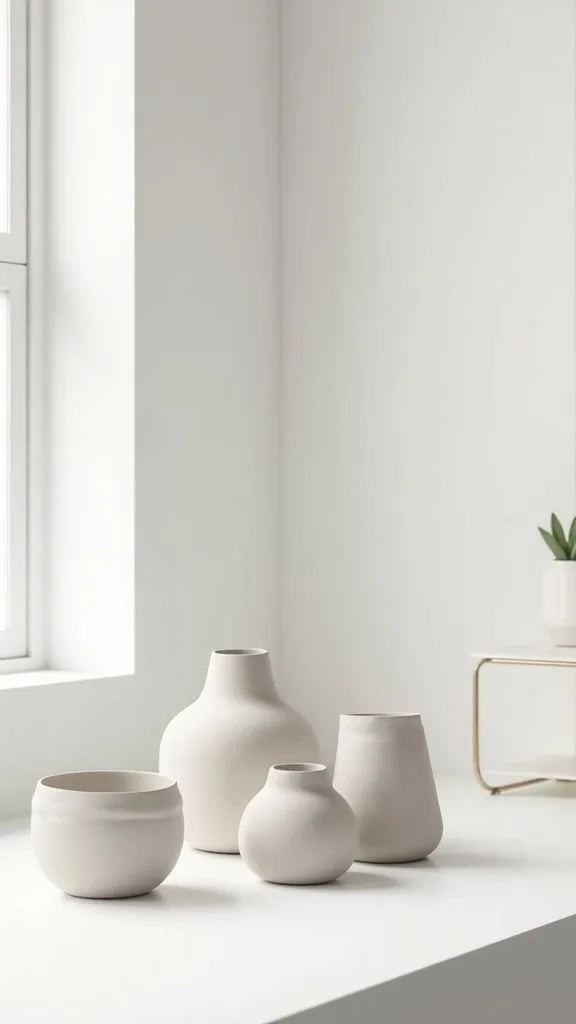
16. What’s the best way to bring plaster-wall texture into a rental?
Plaster walls feel expensive because they’re imperfect in a controlled way. It works in rentals when you mimic the texture visually without permanent changes.
Implement it with removable strategies: choose a limewash-look peel-and-stick wallpaper for one focal wall, or create a “plaster moment” through large-scale art and lighting. A big textured canvas in warm clay tones can give you that soft, mineral effect without touching the paint. If you can paint, choose a flat or matte finish; higher sheen reflects too much and kills the plaster illusion.
Materials: textured peel-and-stick wallpaper, large neutral-tonal canvas, and a grazing light (floor lamp angled toward the wall) to emphasize texture. Keep the wall decor minimal so texture can be the feature.
Upgrade: add a narrow picture light above the art; that gentle wash of light makes the wall feel architectural, even in an apartment.
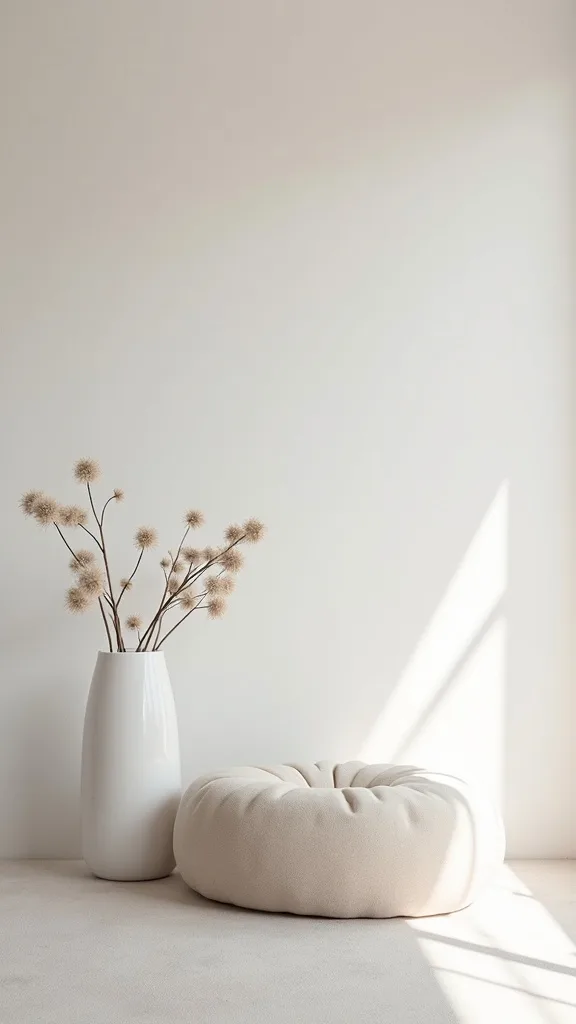
17. How do you use symmetry without making the living room feel stiff?
Symmetry is the luxury shortcut, but it needs one “soft break” so it doesn’t feel like a showroom. It works because balance calms the eye, and one relaxed element adds life.
Implement it by creating symmetrical anchors: two lamps, two side tables, or two matching frames. Then break it with something organic—an asymmetrical branch arrangement, a casually draped throw, or a slightly off-center tray. Keep pathways clear; a symmetrical layout only feels good if you can move through it easily.
Materials: matched lamp pair, matched table pair, and one sculptural vase that’s intentionally irregular. Stick to warm metals and wood tones that complement terracotta.
Upgrade: repeat one curve (arched mirror, round bowl, curved lamp base) in three places; that subtle echo looks “designed,” not forced.
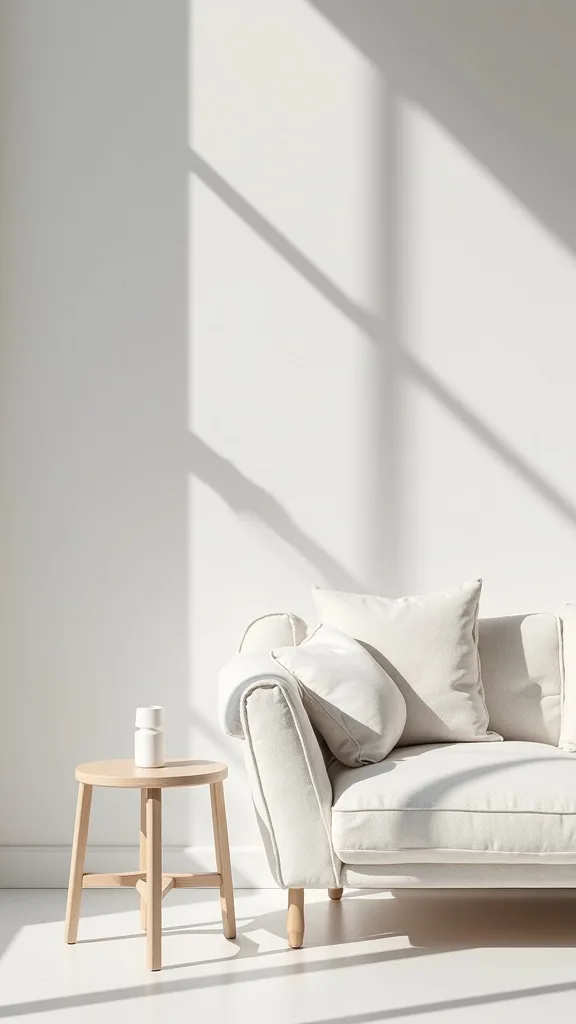
18. What’s the luxury vs accessible formula for a tonal decor console table?
A console is where tonal decor can look either curated or chaotic. It works when you treat it like a mini gallery: strong base, restrained objects, clean spacing.
Luxury version: a stone console with a large art piece leaned behind, a designer lamp, and one oversized vessel. Accessible version: a simple wood console, a framed print, and a thrifted lamp with a linen shade—same layout, different price tag. Keep the styling to a left-right weight balance: lamp on one side, tall vase on the other, and one small object centered.
Materials: warm wood console, bronze frame, terracotta vase, and a small catchall dish for keys. Add a shallow tray if you tend to drop clutter there.
Upgrade: hide one practical item (remote basket or charging dock) in a lidded box; invisible function is what makes it feel high-end.
19. How do you choose a coffee table shape for a monochrome layout?
Shape is your silent contrast. It works because in a tonal palette, geometry becomes the visual interest—rounds soften, rectangles sharpen, ovals elongate.
Implement it by matching shape to traffic: if you walk around the table constantly, choose round or oval to avoid sharp corners. If your sofa is long, a rectangle gives grounding. For terracotta schemes, warm wood or travertine-look tops pair beautifully; avoid cool gray stone that fights the warmth.
Materials: round wood table, oval upholstered ottoman tray-top, or a travertine-look coffee table. Add felt pads so pieces slide quietly—small detail, big polish.
Upgrade: if you can’t change the table, change the silhouette on top—use a round tray on a rectangular table for a layered, designer mix.
20. What should you avoid in a monochromatic room (so it doesn’t look cheap)?
A tonal room can look surprisingly inexpensive when everything is the same saturation and the same material finish. It works to avoid “matchy sets” because the room needs variation to feel collected and real.
Avoid buying five identical terracotta accessories at once—especially glossy ones. That creates a themed, store-display vibe. Instead, build slowly: one matte pot, one textured pillow, one woven basket, one piece of art, each in a slightly different shade. Also avoid stark white accents; they can look like leftovers from another room rather than part of the palette.
Materials to choose instead: matte ceramics, woven textures, and warm neutrals like cream and sand. If you want shine, use it sparingly in metal or glass.
Upgrade: before you add anything new, remove one small item that doesn’t fit the undertone—editing is the most affordable luxury move you can make.
21. How do you style shelves with same tone different textures?
Shelves are where tonal rooms either sing or get cluttered fast. It works to style shelves with texture-forward pieces because they create depth without needing multiple colors.
Implement it with a three-layer rhythm on each shelf: books (spines turned inward if they’re too colorful), a ceramic piece, and one soft element like a small woven box. Vary heights—tall, medium, low—and leave breathing room around the tallest object. In terracotta, use warm book covers, clay vessels, and one piece of driftwood or walnut for natural grain.
Materials: matte pottery, linen-bound books, woven lidded boxes, and a small framed sketch in bronze. Keep knickknacks to a minimum.
Upgrade: repeat one finish three times (matte clay, for example) across different shapes; repetition is what makes tonal decor feel intentional.
22. How do you make a small living room feel bigger using one color?
One color can visually expand a room because it reduces hard stops for the eye. It works when you keep values close on large surfaces and save contrast for smaller accents.
Implement it by matching wall color to the dominant upholstery tone (or staying within one step lighter). Use a large rug—bigger than you think—so furniture sits on it; an undersized rug chops the room up. Choose a mirror with a warm frame and place it opposite a window to double the light and make terracotta feel airy for summer.
Materials: 8×10 rug, warm-frame mirror, and streamlined side tables with open bases. Keep legs visible; floating furniture reads lighter.
Upgrade: paint trim the same color as the walls (if you can). That single move blurs edges and makes a monochromatic room feel more expansive.
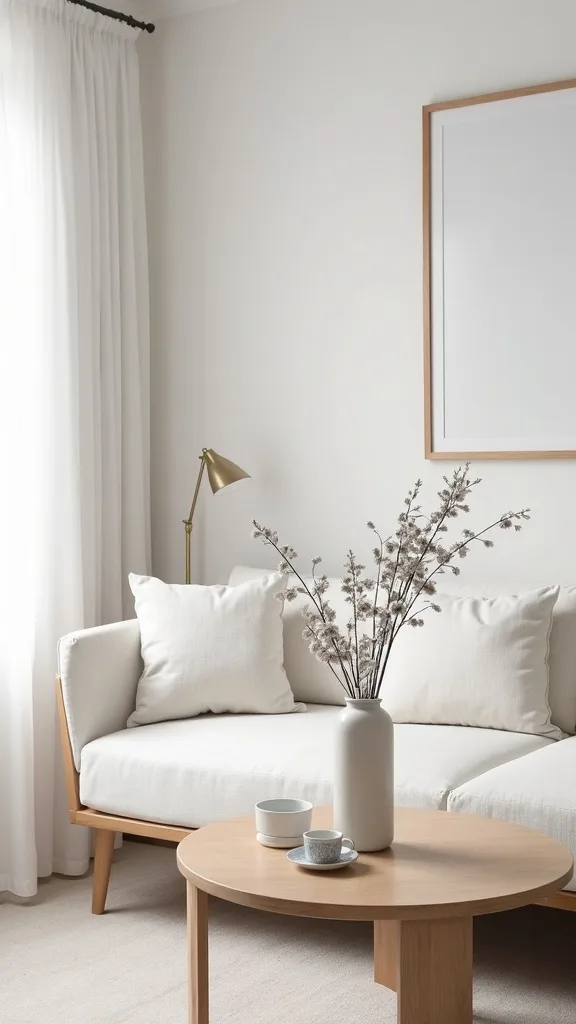
23. What’s the best way to do tonal decor with thrifted finds?
Thrifting is perfect for tonal rooms because variation in age and finish is exactly what makes them feel layered. It works because you can collect unique textures—ceramic, wood, brass—without introducing loud color.
Implement it by shopping with a strict palette note in your phone: rust, clay, blush, warm cream, bronze. Look for forms first (a heavy bowl, a tall vase, a sculptural lamp), then check undertones in daylight near a window. If a piece is the wrong color but the right shape, paint it in a matte terracotta or warm neutral.
Materials: thrifted pottery, vintage brass candlesticks, and a secondhand frame. Add new linen pillow covers to keep the overall look crisp.
Upgrade: swap lamp shades to linen; a $25–$45 shade change can make a thrifted lamp look like a boutique find.
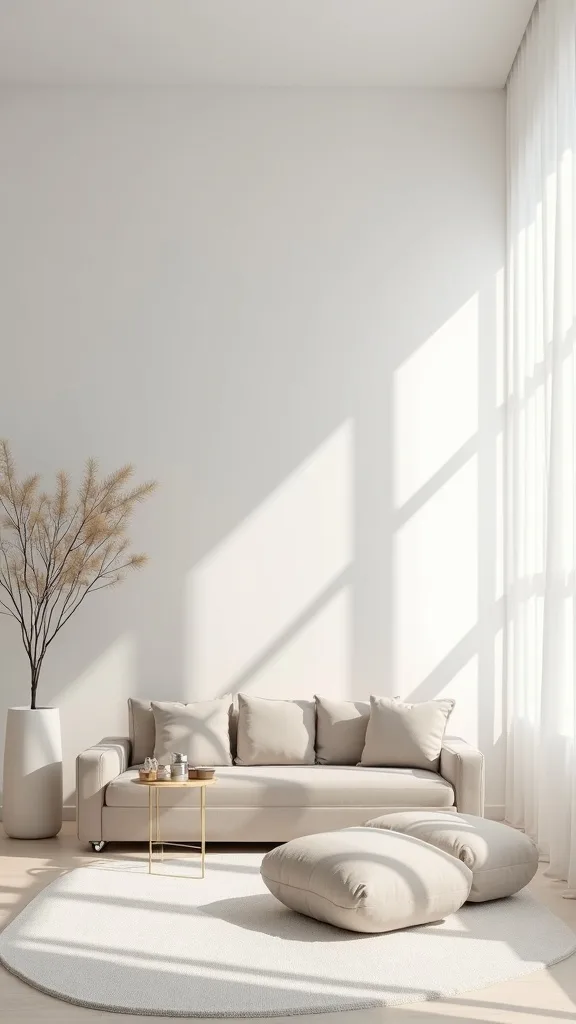
24. How do you create a tonal “moment” with scent, sound, and touch for summer?
Luxury isn’t only visual—it’s sensory, and tonal rooms are the perfect backdrop for that. It works because when the palette is calm, small sensory cues feel amplified and intentional.
Implement it with three additions: one summer scent (fig, sandalwood, or orange blossom), one soft textile within reach (linen throw on the sofa arm), and one sound layer (a small speaker tucked on a shelf). Keep the throw placement deliberate: fold lengthwise, drape over the arm, and let the fringe just kiss the seat cushion—neat but relaxed.
Materials: amber-glass candle, linen throw in apricot or sand, and a small woven basket to hide remotes. Choose a matte tray for your candle so wax drips don’t become a “patina” you didn’t ask for.
Upgrade: refresh the room weekly—trim the candle wick and re-fold the throw; tiny rituals make the space feel cared for.
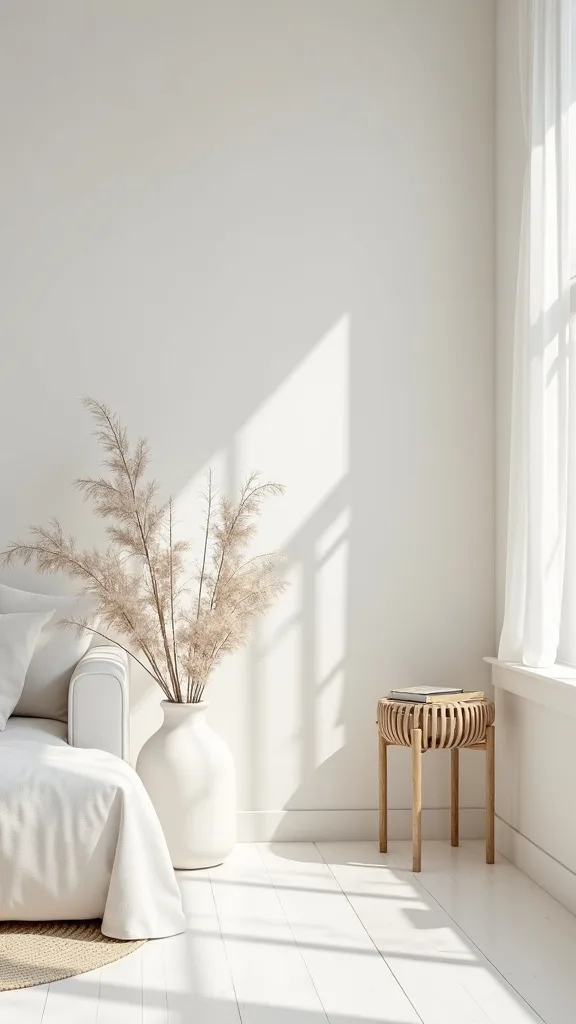
25. What’s the one detail that makes tonal decor look professionally finished?
The finishing detail is alignment—clean, repeated lines that tell the eye “this was planned.” It works because in a restrained palette, small misplacements are louder than they would be in a colorful room.
Implement it by choosing one alignment rule and applying it everywhere: lamp shades at the same height, frames aligned by top edge, curtains kissing the floor (not hovering), and pillows sitting at consistent angles. Then do a final “edit pass”: remove one extra object from every surface. Your room should have space to breathe, especially in summer when the light is strong and shadows are crisp.
Materials: matching felt pads under decor, a simple measuring tape, and a level for frames. These aren’t glamorous, but they’re what makes the glamour believable.
Upgrade: once everything is aligned, add one organic curve—like a branch in a matte clay vase—so the room feels lived-in, not staged.
Final Thoughts
Terracotta works for summer because it feels like sun on stucco—warm, grounded, and quietly transportive. The magic isn’t in owning a roomful of matching pieces; it’s in building a deliberate ladder of light-to-dark and letting texture do the flirting.
If you take one thing from this, let it be this: edit harder than you decorate. A tonal palette rewards restraint, and every surface needs at least one patch of empty space to look expensive.
Do one thing today: clear your coffee table completely, put back only a tray, one candle, and one sculptural object—then align them with the sofa edge so the whole scene snaps into place.
What I’d Do Differently
When I first tried this, I treated terracotta like a single paint chip and bought everything in the exact same “clay” color—pillows, vase, throw, even a little tray. In the store it looked cohesive; at home it looked oddly flat, like a showroom display that hadn’t been lived in yet. The worst part was the lighting: at night, that same shade shifted orange and suddenly the whole room felt louder than I wanted. The fix was embarrassingly simple: I stopped matching and started layering. I kept the main clay tone, then added a blush textile, a deeper rust accent, and a warm cream shade—plus one reflective bronze frame to bounce light.
I also wish I’d known to pick my “connector” shade from a fabric sample, not from paint. Fabric holds undertone more consistently across the room, especially in a living space that changes from bright summer afternoon to lamplight. Choose your middle tone first, build lighter and darker around it, and start with one corner (sofa + lamp + tray) before you style the whole room.