
This post contains affiliate links. As an Amazon Associate, I earn from qualifying purchases at no extra cost to you.
Sunday night hits and suddenly the bedroom is doing five jobs: homework station, closet overflow, snack corner, and the place every charger in the house goes to disappear. The problem usually isn’t “too much stuff.” It’s that the stuff has no clear destination, so it piles up where decisions are hardest—on the desk and the bed.
The central design principle that makes a back to school bedroom work is zoning: create a sleep zone, a study zone, and a two-minute reset zone near the door. That structure lowers daily decision fatigue (your brain stops negotiating where things go) and it protects attention—because the study area stops visually competing with laundry, cords, and random papers.
This is perfect for a student bedroom that has to function like a mini apartment—especially if you’re working with a shared room, a small footprint, or hand-me-down furniture you don’t want to replace.
Inside, you’ll get study space ideas that fit real life: a corner desk that feels intentional, a monitor arm that frees up surface area, floating shelves that don’t eat floor space, and supply organization that keeps “school stuff” from spreading into “sleep stuff.”
Below are 25 Back to School Bedroom Organization Ideas that make the room easier to use every day—without turning it into a showroom.
Products I Recommend for This Project
Here are some of my favourite products to help you bring these ideas to life:
- VIVO Single Monitor Desk Mount (Adjustable Monitor Arm) — Frees up desktop space and lets you position the screen at a comfortable height.
- Anker 6-in-1 Charging Station (Power Strip + USB) — Creates one predictable charging spot so cords stop spreading across the room.
- IKEA LACK Wall Shelf — A budget-friendly floating shelf option for books, bins, and a clean vertical setup.
- SimpleHouseware Stackable Desk Document Letter Tray Organizer — Builds a quick IN/ACTIVE paper system that prevents the dreaded desk pile.
- SOULWIT Cable Management Clips + Hook-and-Loop Ties Set — Keeps cords routed and easy to unplug without yanking everything loose.
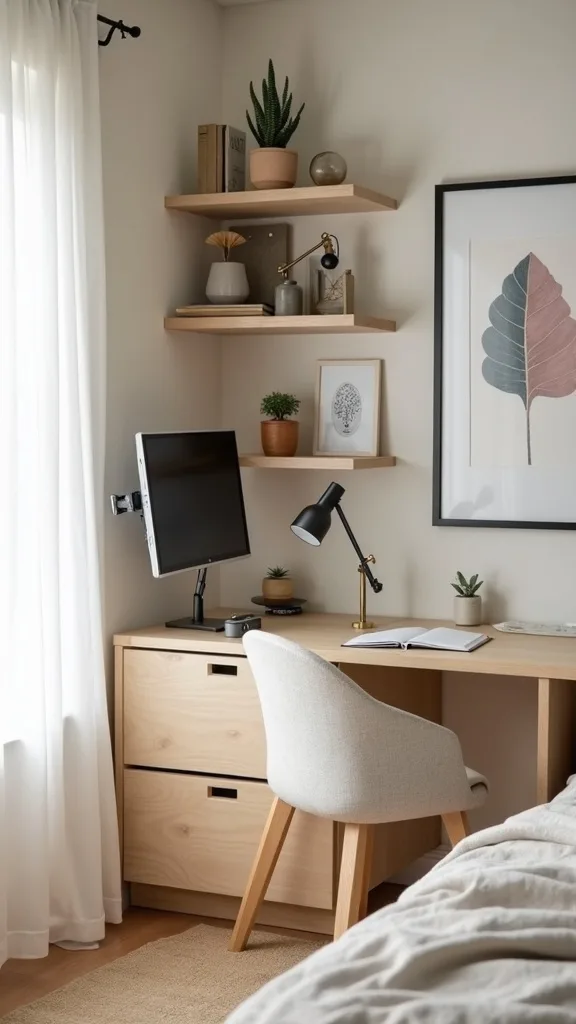
1. Build the “Corner Command Center” (monitor arm + floating shelves + charging + supplies)
This idea turns one corner into a true work hub, so the rest of the room can stay restful. It works because it concentrates visual noise—cords, paper, tools—into one controlled zone instead of letting it creep onto the bed and floor.
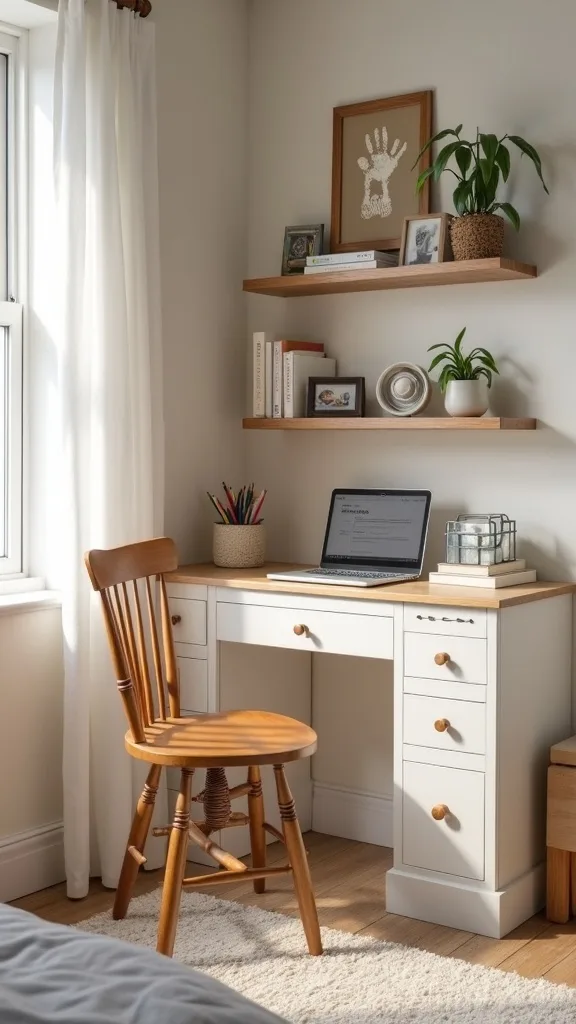
Implement it by placing a compact corner desk tight to the walls, then adding a monitor arm so the screen floats and the desktop stays clear for writing. Mount two floating shelves 14–18 inches above the desk for books and bins, and set a charging station on the top shelf or the far desk corner to corral cords.
Choose matte black or white hardware for modern rooms, warm wood shelves for traditional, or mixed metal/wood for transitional. Add clear stackable supply drawers or a divided caddy for pens, sticky notes, and calculator.
Pro tip: label one small bin “Today” for active papers only—everything else gets filed or recycled. The desk starts feeling like a tool, not a storage unit, and homework gets lighter.
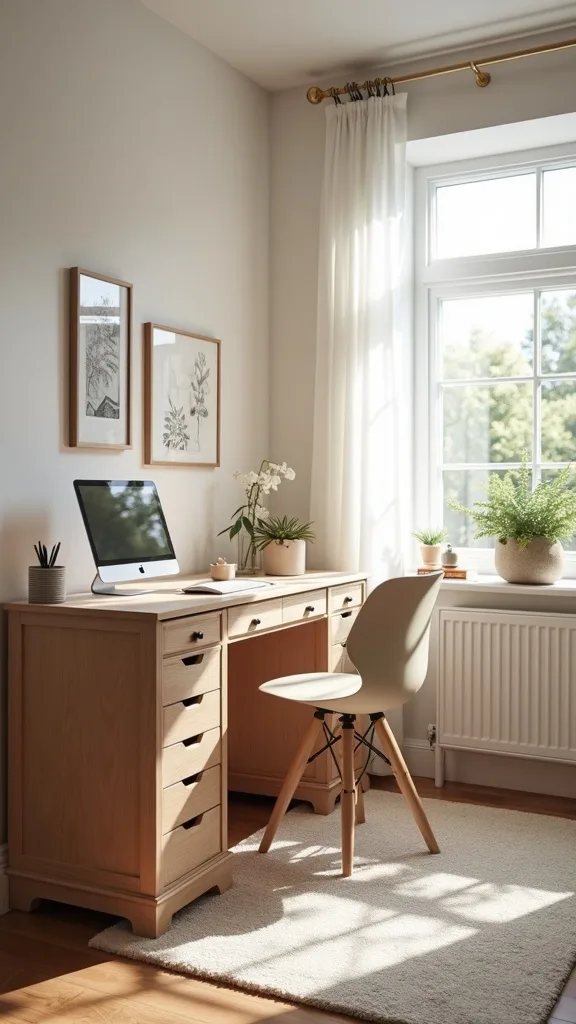
2. Where should the desk go in a bedroom for better focus?
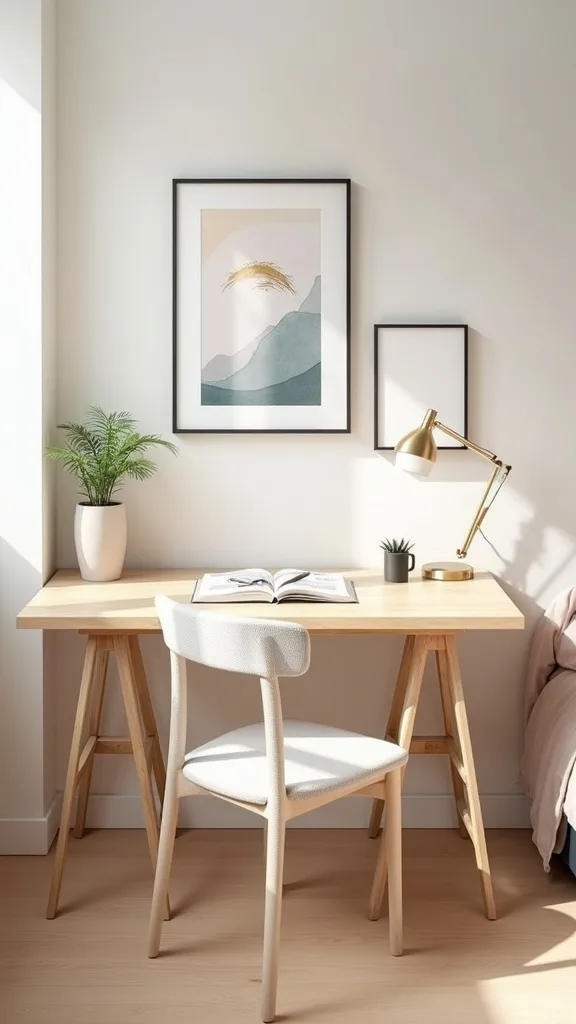
The best desk placement reduces distractions without making the space feel punished. Psychologically, facing a wall or window gives your brain a single “attention target,” while facing the bed invites task-switching and procrastination.
Place the desk in a corner if possible, with the chair able to slide back at least 24 inches without hitting the bed. If the window is bright, angle the screen slightly so glare doesn’t fight you during afternoon work. Keep the bed out of your direct line of sight from the chair when you can.
For modern style, use a slim desk and a neutral chair; for traditional, a small writing desk with tapered legs; for transitional, a simple desk with one drawer and soft brass pulls.
Beginner version: just rotate the existing desk so the chair faces a blank wall and move the trash can within arm’s reach. That one change often upgrades your study area setup more than buying anything new.
3. How do you set up a small study area without buying a new desk?
A small study zone works when it has a defined surface, defined storage, and defined stopping point. That “stopping point” matters—your brain relaxes when there’s a clear end to the work area.
Use what you have: a nightstand, dresser top, or vanity can become a desk if you clear a 30-inch-wide work strip and add a supportive chair. Create vertical storage with a wall grid, a narrow shelf ledge, or a pegboard above the surface.
Modern: black-and-white wall grid and clear containers. Traditional: a small cork board with a wood frame and a desktop letter sorter. Transitional: neutral bins with one warm accent (camel, olive, navy).
Pro tip: add a clip-on lamp with warm white light (2700K–3000K — the cosy, yellowish tone you see in most homes) to signal “focus time” without making the whole room feel like an office. Beginner version: a single lidded bin labeled “School” that lives under the surface and gets pulled out only for work.
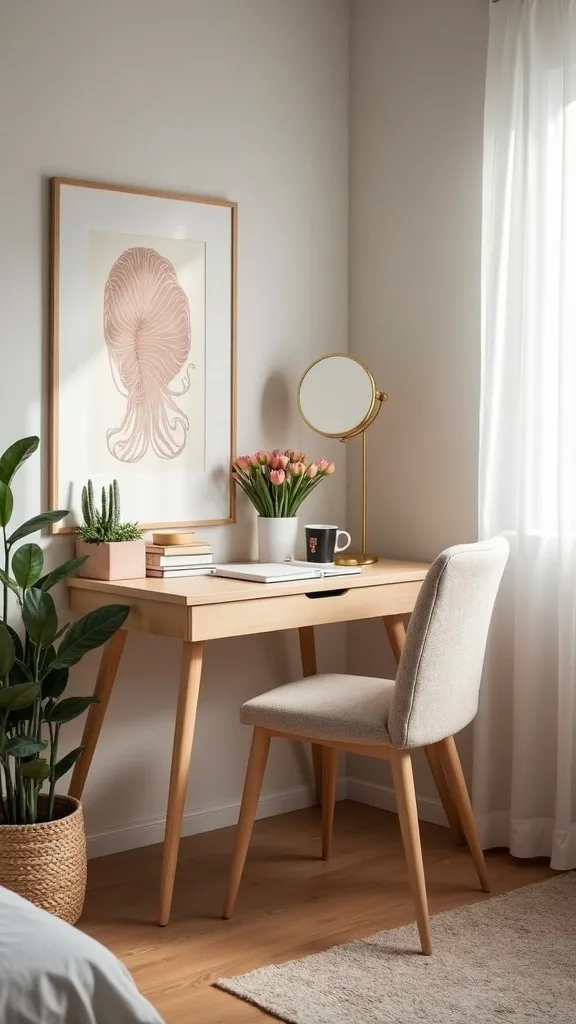
4. What’s the easiest desk organization system for students?
The easiest system is the one that requires the fewest steps. Students stick with desk organization student routines when each category has a container and the containers don’t move.
Set up three zones on the desktop: left = tools (caddy), middle = work (clear space), right = papers (2-tier tray). Put rarely used items—stapler, tape, extra lead—into a top drawer bin or a lidded box on the shelf.
Modern: monochrome trays and one acrylic drawer unit. Traditional: a wood desktop organizer and a fabric pencil cup. Transitional: woven bins paired with a clean-lined metal tray.
Pro tip: keep only two pens and one highlighter in the caddy; store the “fun extras” elsewhere. It feels strict, but it prevents the desk from turning into a mini store aisle. Beginner version: use two shoeboxes—one labeled “Tools,” one labeled “Paper”—and you’ve already won.
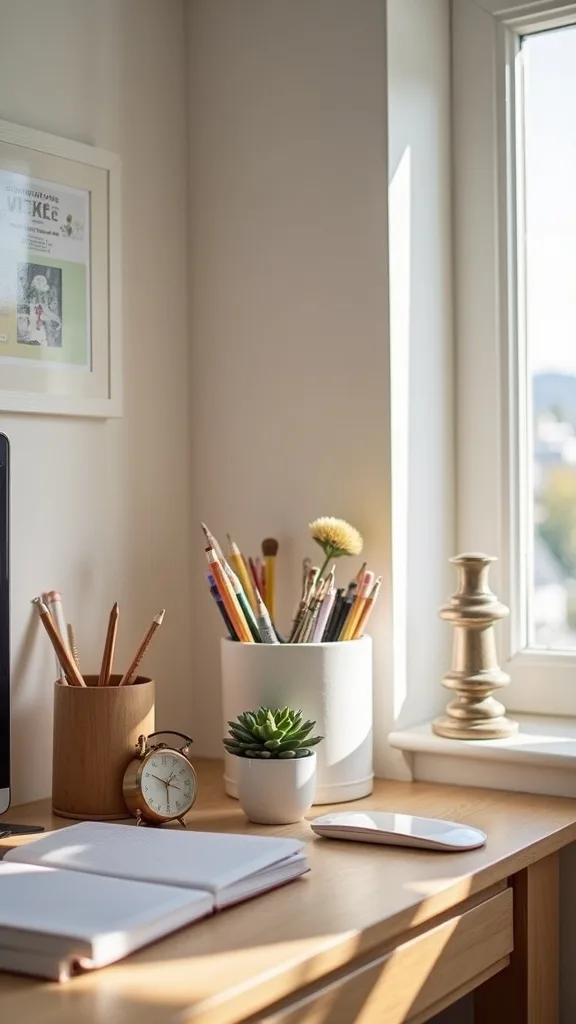
5. How do you keep chargers from taking over the nightstand?
Chargers spread because they’re constantly in motion—and cords are visual clutter magnets. A dedicated charging zone works because it removes the daily “where did I set it?” loop that causes frantic searching.
Create a charging station using a small tray plus a multi-device charging dock, placed either on a floating shelf by the desk or on a slim bedside shelf. Route cords through adhesive cable clips, and shorten slack with hook-and-loop ties so nothing drapes.
Modern: a white dock and matching clips. Traditional: a wood tray with a linen-look cable box. Transitional: a neutral tray with brushed brass clips.
Avoid charging on the bed. It trains the bed to feel like an activity zone and increases the chance of tangled cords, spills, and late-night scrolling. Beginner version: put one power strip in a lidded box and cut a small cord exit—instant calm, even if everything else stays the same.
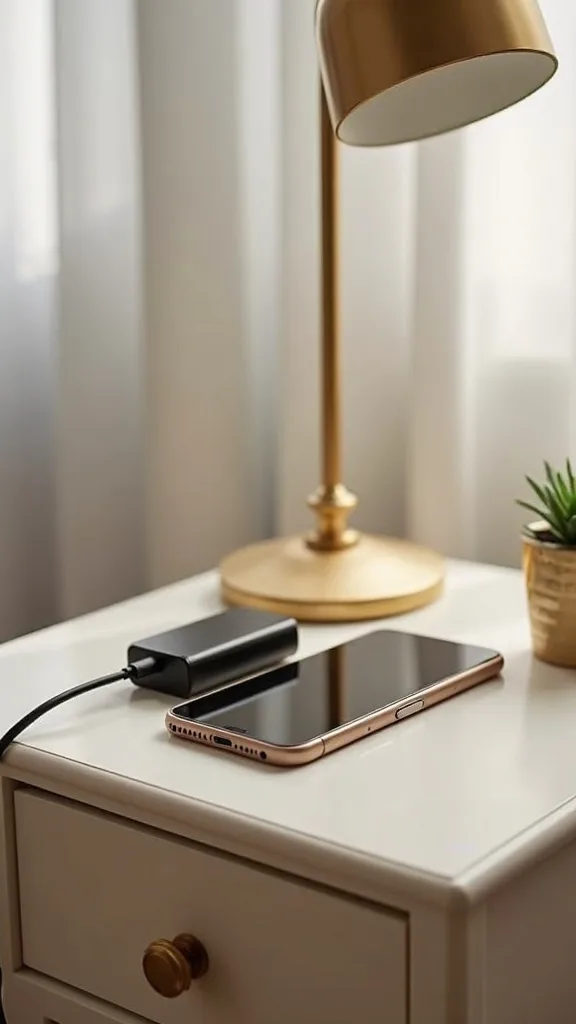
6. What floating shelf height works best above a desk?
Floating shelves work when they’re reachable but not in your face. The psychology is simple: if storage is too high, you avoid using it; if it’s too low, it feels like looming clutter.
Mount the first shelf about 14–18 inches above the desktop so you can grab a book without standing. If adding a second shelf, leave 10–12 inches between shelves for bins and textbooks. Keep heavier items toward the wall studs and lighter decor toward the edges.
Modern: thin, straight shelves in white or oak. Traditional: thicker shelves with subtle brackets. Transitional: simple shelves plus one framed print to soften the “school corner.”
Pro tip: reserve one shelf section for “active semester” only—no trophies, no random candles. Beginner version: install a single 24-inch shelf and place two identical bins on it; symmetry makes even cheap storage look intentional.
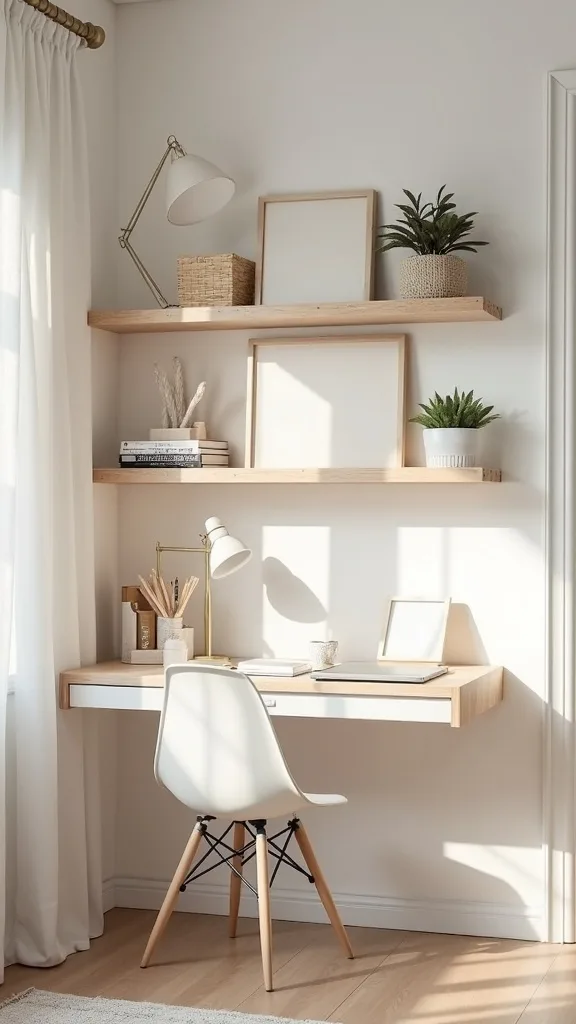
7. How can you organize school supplies so they don’t scatter?
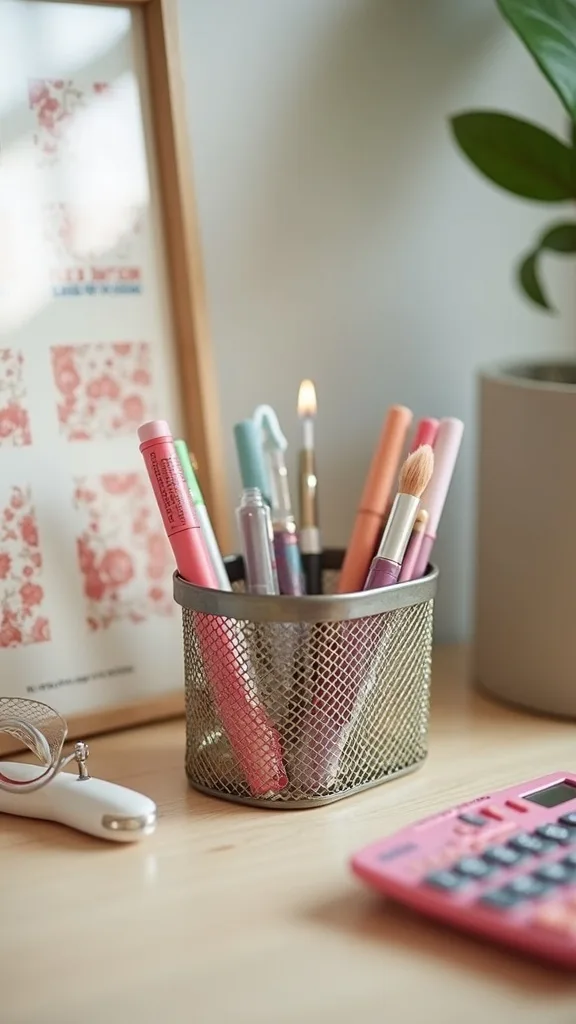
Supplies scatter when they don’t have a closed home. Open cups look cute, but they invite overfilling and they show every stray marker.
Use a divided supply box for daily tools and a lidded bin for backups. Store backups on the top shelf or in a desk drawer: extra notebooks, glue sticks, printer paper, index cards. Keep one “grab-and-go” pouch for library days or study group.
Modern: clear stackable drawers with label tabs. Traditional: canvas zip pouches in muted colors. Transitional: neutral bins with one bold label strip.
Pro tip: create a “sharps” mini-container (scissors, compass, spare pencil lead) so nothing pokes through bags. Beginner version: repurpose a clean food container with a lid for small items—closed storage is the real upgrade, not the price tag.
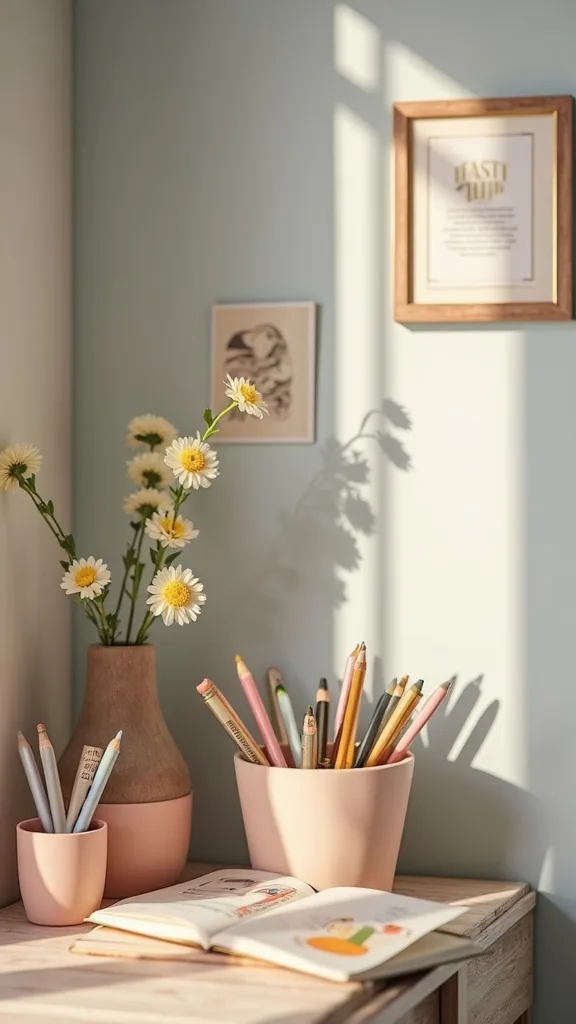
8. How do you set up a paper system that doesn’t become a pile?
Paper becomes a pile when there’s no middle step between “important” and “trash.” A simple flow—In, Active, Filed—keeps the desk usable.
Place an “In” tray on the desk for anything coming home. Add a second tray labeled “Active” for this week’s assignments and permission slips. Everything else gets filed weekly into a portable file box by subject.
Modern: black mesh trays and a sleek file box. Traditional: a wood two-tier sorter. Transitional: fabric trays with clean labels.
Avoid stuffing papers into drawers “for later.” That’s how you lose forms and end up printing things twice. Beginner version: use three manila folders in a magazine holder labeled IN / ACTIVE / FILED. It’s not fancy, but it’s fast—which is the whole point.
Cost & Materials Estimate
A practical bedroom study-and-organization refresh typically lands between $60 and $250 depending on how much you already have (desk, lamp, bins).
| Item | Estimated Cost | Where to Buy |
|---|---|---|
| 2-pack floating shelves (24–36 in) | $25–$55 | IKEA / Home Depot / Amazon |
| Monitor arm (single) | $35–$90 | Amazon |
| Charging station or multi-device dock | $18–$45 | Amazon |
| Cable management kit (clips + ties + sleeve) | $10–$25 | Amazon / Home Depot |
| Desktop paper trays + label pack | $15–$35 | Amazon / Target (via Amazon alternatives) / IKEA |
| 2 under-bed rolling bins | $22–$55 | Walmart (via Amazon alternatives) / Amazon / Wayfair |
Total estimated cost: $125–$305 Save money by starting with labels + trays first, and splurge only on the monitor arm if you need serious desk space back.
9. What’s a realistic nightly reset routine for a student bedroom?
A nightly reset works when it’s short enough to do on tired days. The psychology is momentum: a two-minute win makes tomorrow feel lighter before it even starts.
Set a timer for 2 minutes. Do only three actions: return supplies to the caddy, put papers into the Active tray, and clear the bed surface completely. Keep a small laundry hamper and a trash can within 3 steps of the desk.
Modern: minimal surfaces and one hidden bin. Traditional: a small lidded wastebasket and a structured hamper. Transitional: a neutral hamper with a simple tag label.
Pro tip: keep a microfiber cloth in the top drawer and do one quick wipe of the desk—clean surfaces reduce stress signals. Beginner version: if nothing else, clear the bed. Sleep is the engine behind every good study space idea.
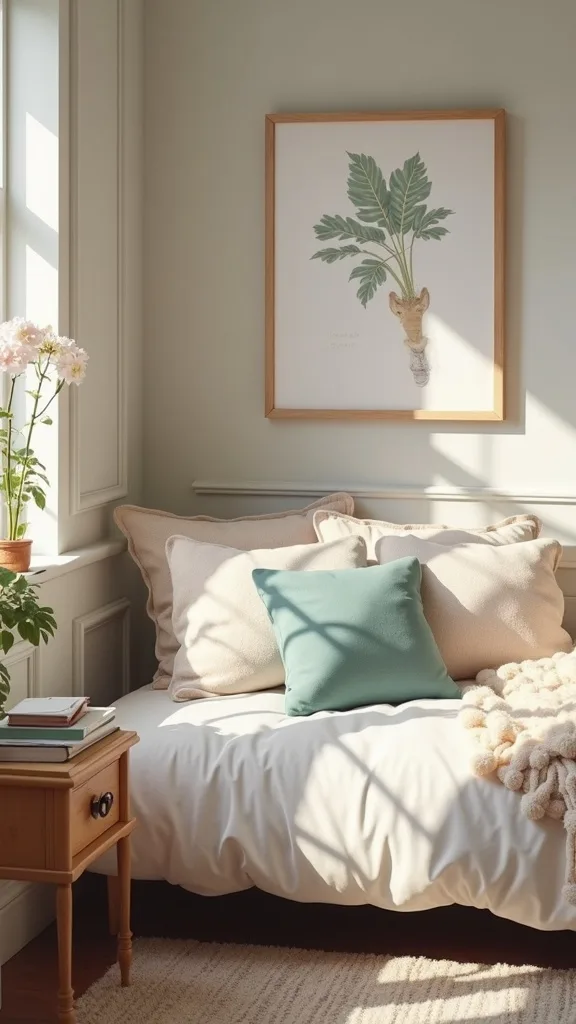
10. How do you handle backpack and sports gear without a floor pile?
Floor piles happen because drop zones are missing. A single hook can change the whole morning, because it eliminates the “where is it?” scavenger hunt.
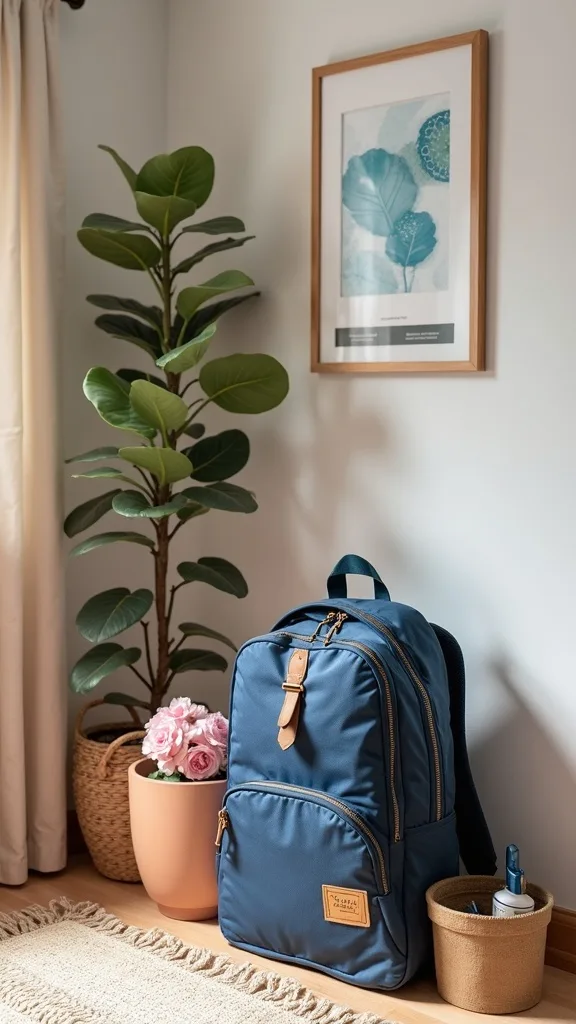
Install 2–3 wall hooks near the door or closet: one for backpack, one for jacket, one for sports bag. Add a small basket below for water bottle, keys, or ID lanyard. If you can’t drill, use heavy-duty adhesive hooks rated for the bag’s weight.
Modern: matte black hooks and a slim wire basket. Traditional: wood pegs on a rail. Transitional: brushed nickel hooks with a woven bin.
Avoid putting bags on the bed “just for now.” That’s how crumbs, dirt, and stress travel into your sleep zone. Beginner version: a single over-the-door hook plus a tote on the floor—contained clutter beats scattered clutter every time.
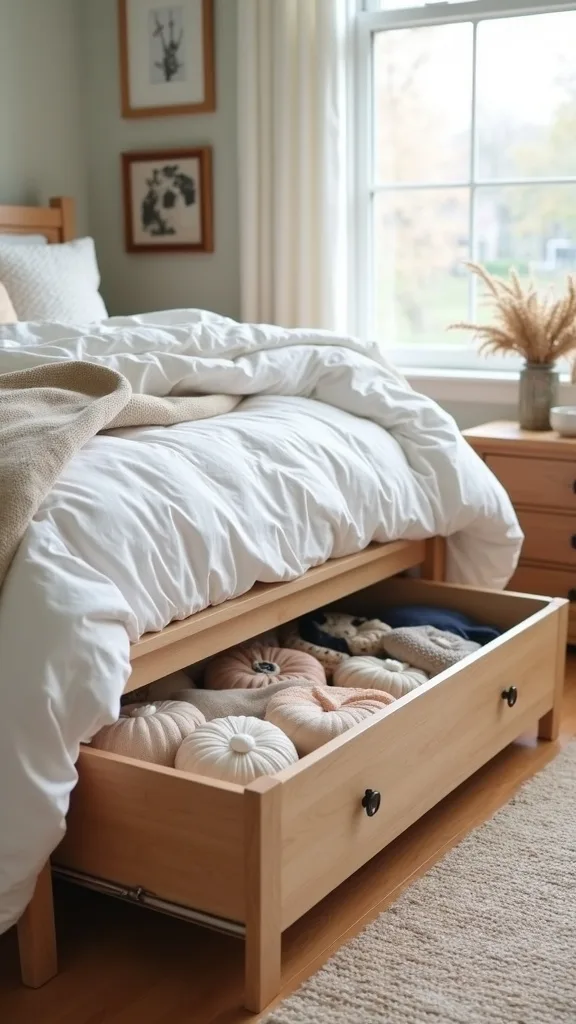
11. How can under-bed storage stay organized (and not turn into a junk drawer)?
Under-bed storage succeeds when it’s categorized and limited. Hidden space is psychologically dangerous: if you can’t see it, you’ll overstuff it.
Use two matching rolling bins: one for off-season clothes, one for school backups (extra notebooks, art supplies, poster board). Label the front edges so you can grab the right bin without pulling both out.
Modern: low-profile clear bins. Traditional: fabric zip bags with handles. Transitional: woven-look bins with lids.
Pro tip: keep 20% empty space in each bin so items slide in without a fight. Beginner version: even cardboard boxes work if you tape a paper label on the short end—just commit to categories and you’ll keep the student bedroom from swallowing your time.
12. What’s the best way to organize a closet for school mornings?
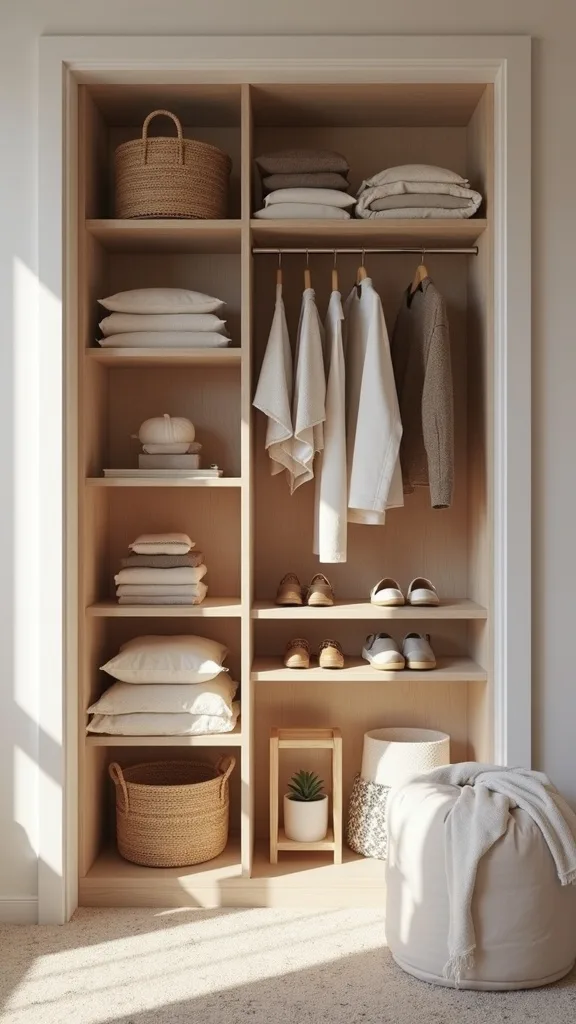
School mornings run on autopilot, so your closet needs to support autopilot. The key is reducing choices at the point of decision.
Create a “school week” section with 5–7 outfits on one side of the closet. Add a small shelf bin for socks/undergarments, and hang a vertical organizer for gym clothes or uniforms. Keep a laundry hamper inside the closet if floor space allows.
Modern: matching slim hangers for a clean line. Traditional: sturdy wood hangers and labeled shelf dividers. Transitional: velvet hangers plus neutral bins.
Avoid over-organizing by color if it slows you down. Function beats aesthetics in September. Beginner version: choose tomorrow’s outfit and hang it on the outside of the closet door—one tiny decision tonight saves a big one in the morning.
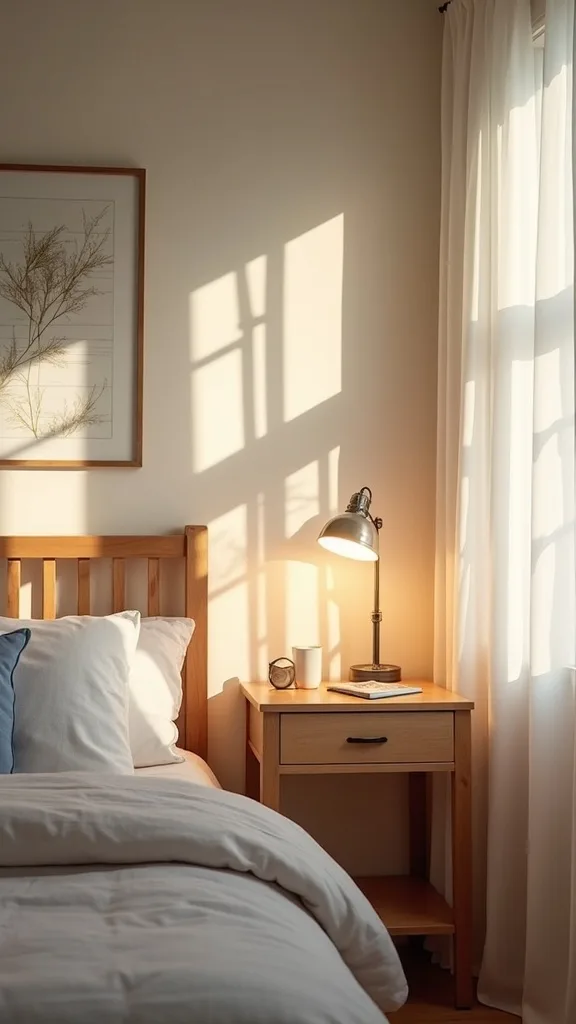
13. How do you organize a nightstand so sleep doesn’t compete with school?
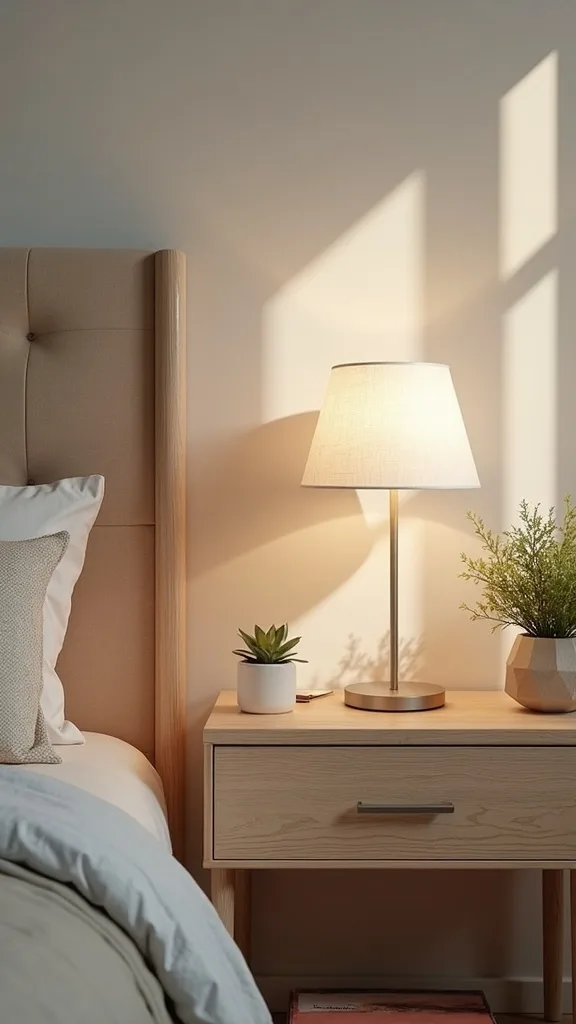
A nightstand should signal rest, not unfinished tasks. When homework items creep bedside, your brain keeps scanning for “what’s next,” which makes it harder to wind down.
Limit the surface to three items: lamp, water, and one personal comfort (book, journal, or small plant). Put chargers in the charging station (not the nightstand) and keep meds or essentials in a small drawer organizer.
Modern: a single tray to corral items. Traditional: a small lidded box for personal items. Transitional: a neutral catchall dish.
Pro tip: add a soft bedside basket for slippers and an eye mask—sleep accessories belong here, school supplies don’t. Beginner version: clear the nightstand completely, then add back only what you’d want to see at 11 p.m. on a stressful week.
14. How can you create a printer-free homework station?
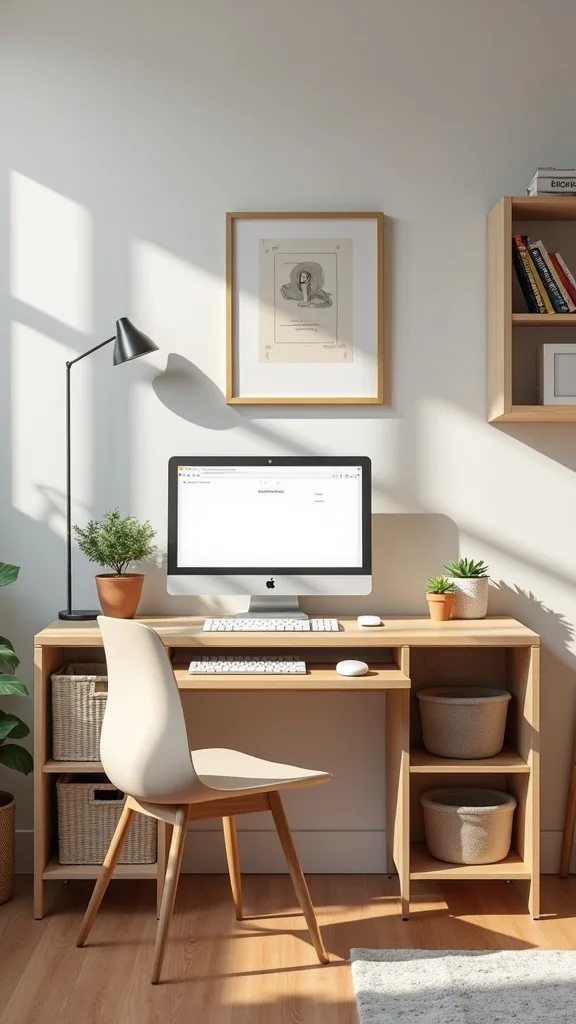
A printer-free setup reduces clutter and cuts the “paper drift” that buries desks. It works because fewer tools means fewer maintenance tasks.
Add a vertical file holder for a single notebook per subject and keep a small whiteboard or reusable notebook for planning. Use a phone stand for scanning worksheets (most schools accept photo uploads now) and keep a stapler-free approach with paper clips in a tiny lidded jar.
Modern: acrylic phone stand and a crisp whiteboard. Traditional: framed cork board and a leather-look notebook. Transitional: soft gray planning board with black markers.
Pro tip: store one envelope labeled “Must Keep Originals” for anything that truly needs paper. Beginner version: a clipboard plus one subject notebook—simple, portable, and surprisingly effective for study area setup in tight rooms.
15. How do you light a study corner without making the bedroom harsh?
Good lighting is a focus tool, not just decor. Your brain associates bright, directed light with alertness—so you want it at the desk, not blasting the whole room.
Use an adjustable desk lamp aimed at the work surface, plus a softer ambient lamp elsewhere. Choose warm white light (2700K–3000K — the cosy, yellowish tone you see in most homes) for the bedroom overall, and a slightly brighter desk lamp for tasks.
Modern: slim LED task lamp in black. Traditional: classic shade lamp with a warm bulb. Transitional: metal lamp with a linen shade.
Avoid blue-white bulbs in the bedroom; they can feel sterile and keep you wired. Beginner version: move an existing lamp to the desk and add a brighter bulb—instant upgrade without buying a new fixture.
16. What should go on the wall above a desk (and what should not)?
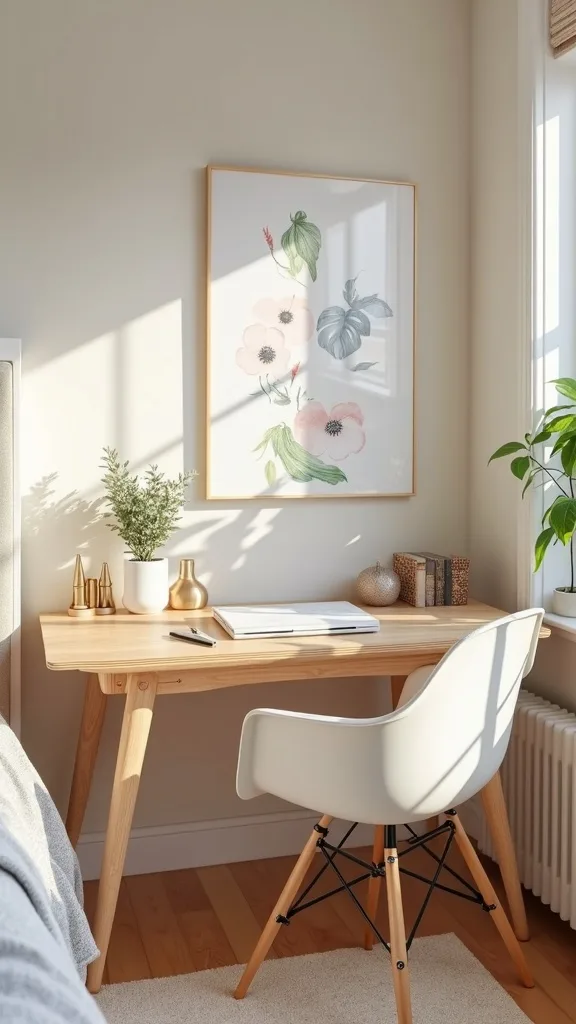
The wall above the desk should support memory and planning, not become a gallery of guilt. Too many reminders feel like visual shouting.
Hang one calendar or weekly planner plus one small pinboard area for current deadlines. Keep it within arm’s reach from the chair. If you add decor, make it calming—one print, one photo, not twelve.
Modern: magnetic board with clean grid lines. Traditional: framed cork board. Transitional: fabric memo board in a neutral tone.
Avoid taping random papers directly to the wall; it looks messy fast and trains you to ignore important info. Beginner version: use painter’s tape to “audition” where the planner should go before you commit to nails. Placement matters more than the product.
17. How do you store textbooks so they don’t eat the desk?
Textbooks are heavy and bulky, so they need a home that isn’t your working surface. The desk should be for doing, not stacking.
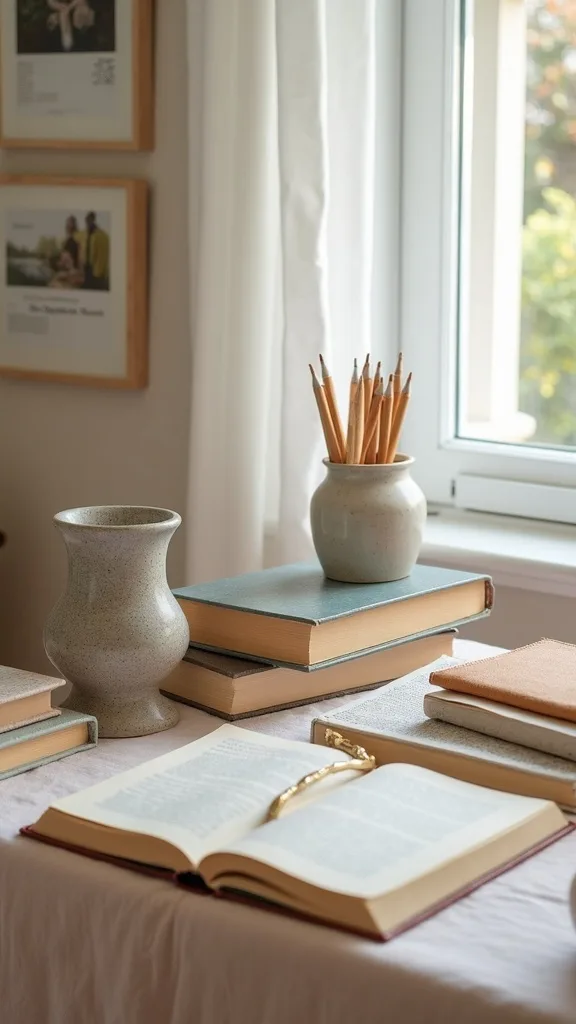
Use bookends on a floating shelf or a low bookcase beside the desk. Store the current two classes at arm’s reach, and put the rest one step away. If you’re tight on space, use a vertical magazine holder for thin workbooks.
Modern: metal bookends and a slim shelf. Traditional: wood bookends and a small bookcase. Transitional: neutral shelf bins with label tabs.
Pro tip: keep one empty “return slot” so books always have somewhere to go back to. Beginner version: stand books upright against a wall with one sturdy object as a bookend—then clear the desk again.

18. How can you make a shared bedroom study setup feel fair?
Shared rooms fail when boundaries are fuzzy. A fair setup assigns each person a defined footprint, which reduces conflict because expectations are visible.
Split the room into two mirrored zones if possible: each student gets one shelf bin, one hook, and one drawer or basket. If there’s one desk, create timed ownership (e.g., 4–6 p.m. for one person, 6–8 p.m. for the other) and use a rolling cart as the “mobile desk drawer.”
Modern: matching bins in two colors. Traditional: labeled baskets with initials. Transitional: neutral bins with subtle tags.
Avoid “borrowing” supplies without a return place—nothing causes chaos faster. Beginner version: two labeled tote bags that hold each person’s essentials. It’s simple, but it prevents the constant scavenger hunt.
19. How do you keep cords tidy around a monitor and laptop?
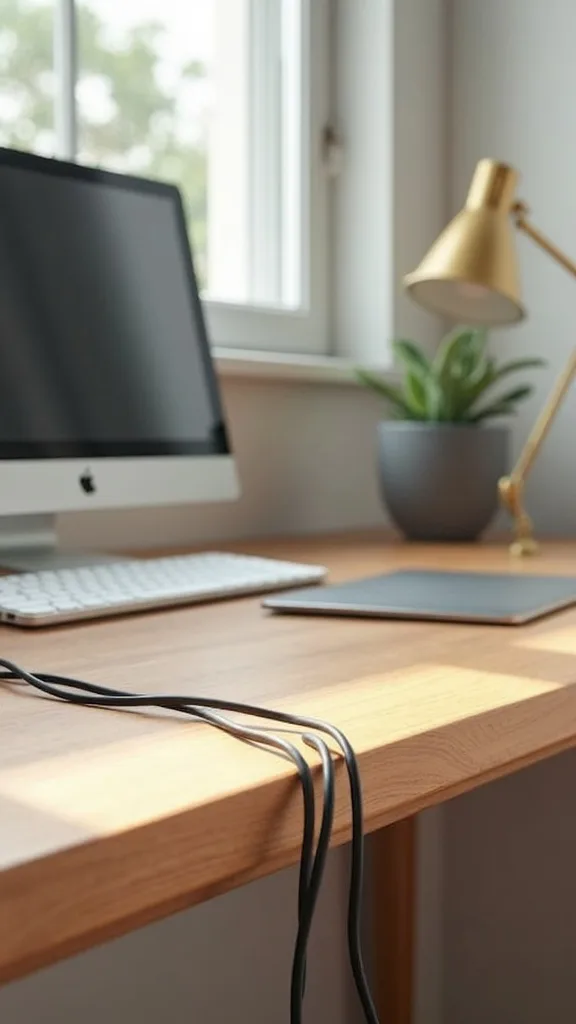
Cord clutter makes a desk feel messy even when it’s clean. The brain reads tangles as unfinished business.
Use adhesive cable clips along the back edge of the desk and route everything to one power strip. Add a cable sleeve or spiral wrap for the monitor, keyboard, and charger bundle, then hide the power strip in a ventilated cable management box.
Modern: black cable box and clips. Traditional: wood-look cable box. Transitional: neutral cable sleeve with matching clips.
Pro tip: label each cord near the plug with a tiny tag so unplugging isn’t a guessing game. Beginner version: twist-tie each cable and tape it to the underside of the desk—quick, cheap, and shockingly effective for day-to-day neatness.
20. What’s a good way to organize small items (earbuds, flash drives, calculators)?
Small items disappear because they don’t have friction—nothing stops them from sliding into cracks or pockets. Tiny containers create “parking spots” your hands learn.
Use a divided drawer organizer or a small hardware-style compartment box. Assign one compartment per item type: earbuds, flash drives, calculator batteries, sticky notes. Keep it in the top desk drawer or on the shelf in a lidded box.
Modern: clear compartment organizer. Traditional: small wooden keepsake box with sections. Transitional: fabric drawer dividers.
Avoid using one big “misc” cup. That’s just a slow-motion disappearance. Beginner version: an empty mint tin for earbuds and a zip pouch for everything else—two containers, zero chaos.
21. How do you make room for hobbies without wrecking the study zone?
Hobbies belong in the bedroom—but they need boundaries so schoolwork doesn’t drown. The key is a container limit: one hobby, one bin.
Choose one shelf bin or under-bed bin for art supplies, gaming gear, or crafting. When the bin is full, something has to leave. Keep the hobby bin away from the desk surface so it doesn’t become a “quick break” distraction.
Modern: solid-color lidded bin. Traditional: woven basket with a lid. Transitional: neutral bin with a leather tag label.
Pro tip: create a “swap ritual” before homework—hobby bin closes, school bin opens. Beginner version: use a reusable shopping bag as the hobby container; when it’s tied shut, you’re in focus mode.
22. How can you organize a bedside reading and study balance?
Reading is great, but mixing textbooks with leisure books at the bedside blurs the line between rest and responsibility. A simple separation keeps sleep cues clean.
Keep leisure reading by the bed in a small basket or on one shelf. Store school reading at the desk or in the Active tray. If nighttime study is unavoidable, use a clip-on light at the desk instead of moving books to bed.
Modern: small wire basket. Traditional: soft fabric basket. Transitional: neutral tray plus one book.
Avoid doing homework in bed as a habit. It teaches your brain the bed is a workstation, which makes falling asleep harder. Beginner version: designate one book only at the bedside—finish it, swap it. That limit keeps the nightstand from becoming a pile.
23. What are the best space-saving storage pieces for a student bedroom?
The best space savers do double duty and stay visually quiet. When storage looks chaotic, the room feels smaller—even if it’s technically organized.
Look for an ottoman with hidden storage, a slim rolling cart that tucks under the desk, and over-the-door organizers for shoes or accessories. Add a bed riser only if it’s sturdy and doesn’t make the bed feel too tall for comfort.
Modern: clean-lined storage ottoman in gray. Traditional: tufted ottoman in a warm neutral. Transitional: textured fabric ottoman with simple legs.
Pro tip: choose storage in one color family so the eye reads it as “one system.” Beginner version: one under-bed bin plus one over-the-door organizer—two pieces that often replace four messy piles.
24. How do you make the room look decorated, not like a supply closet?
A functional room still needs softness. The psychology is contrast: when the study zone is crisp, the sleep zone should feel calm and tactile.
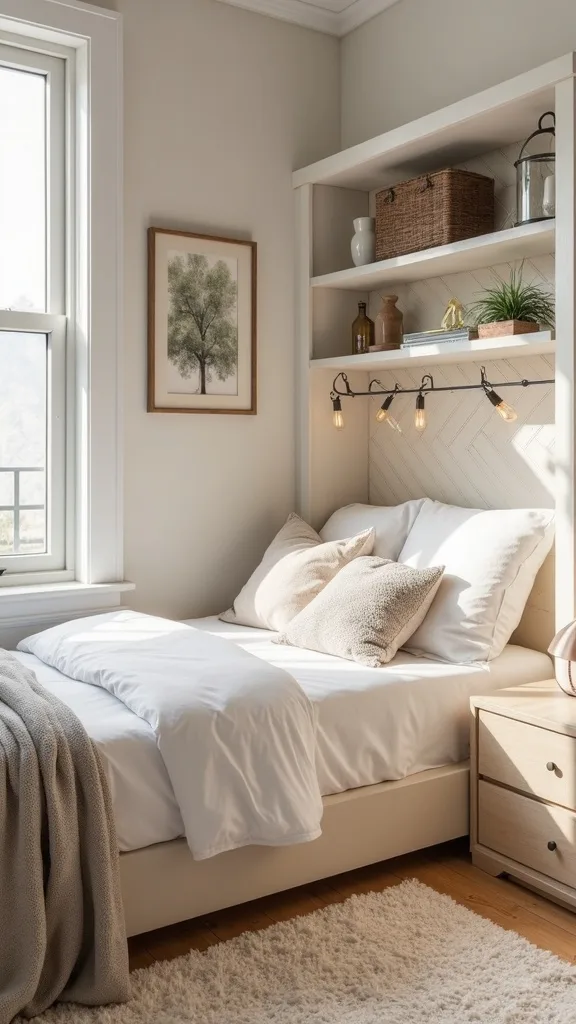
Keep supplies in matching bins, then add one intentional decor moment: a small plant, a framed photo, or a textured pillow. Use a limited palette—two neutrals plus one accent color—to make storage blend instead of shouting.
Modern: black/white with one green plant. Traditional: warm wood, cream textiles, navy accent. Transitional: gray, beige, and muted sage.
Avoid mixing five different bin styles and colors. That’s the fastest way to make organization look like clutter. Beginner version: swap just one thing—replace a random cardboard box with a lidded bin that matches the room. Small visual wins make habits stick.
25. How do you keep the system working after the first week of school?
Organization fails when it relies on motivation. A lasting system relies on routines that are shorter than your worst day.
Set two recurring checkpoints: a 2-minute nightly reset and a 10-minute Sunday reset. On Sunday, empty the In tray, restock the supply box, and clear one surface fully. If something doesn’t have a home, assign one immediately—don’t “set it aside.”
Modern: simple labels and minimal containers. Traditional: sturdy organizers that don’t tip. Transitional: matching bins with clear categories.
Pro tip: take a quick photo of the “reset” state of the desk and shelves. That picture becomes your target when life gets busy. Beginner version: pick one non-negotiable—clear the bed every night—and let that anchor the rest of your study space ideas.
Final Thoughts
A bedroom can support school without feeling like a classroom, but only if the room has clear jobs. Sleep stays in the sleep zone. Work stays in the study zone. And the reset zone catches the daily mess before it becomes a weekend project.
If you only copy one thing from this list, copy the habit that makes all the pieces work: a short reset that happens whether you feel like it or not. That’s what keeps bins from overflowing, desks from disappearing under paper, and mornings from turning into a scavenger hunt.
Do this today: clear one corner, place your desk (or surface) there, and set up three containers—Tools, Active Papers, Charging—then do a two-minute reset tonight before you sleep. The single most important thing to get right is protecting a clear work surface; everything else is secondary.
What I’d Do Differently
When I first tried this, I went straight for containers and completely skipped zoning. I bought a cute set of desktop organizers, lined them up, and felt accomplished—until the first real week of assignments hit. Papers landed wherever there was space (often the bed), chargers sprawled across the nightstand, and the “organized” pen cup became a landfill of dried markers. The mistake wasn’t the products; it was giving every category equal priority. The correct approach is to decide what the desk is for (active work), then protect that surface by moving storage up (shelves) and away (bins) so the desktop stays mostly empty.
I also wish I’d started with one non-negotiable reset habit instead of trying to maintain a whole system at once. If I’d committed to clearing the bed nightly and keeping an Active paper tray, everything else could have evolved naturally. Pick one corner, set up one simple flow (tools, paper, charging), and let that win build the rest—start tonight with a two-minute reset.