
This post contains affiliate links. As an Amazon Associate, I earn from qualifying purchases at no extra cost to you.
The back-to-school scramble doesn’t usually fail because teens don’t have supplies. It fails because the “desk” is a bed, the “planner” is a phone notification, and every charger cord is somehow in the wrong place at the exact wrong time.
This refresh solves that with one technique: build a small, dedicated work zone that’s physically separate from sleep—even if it’s only one wall. You’ll see how to set up a homework corner that stays tidy, how to choose lighting that actually reduces eye strain, and how to make storage look like décor.
This is perfect for anyone trying to upgrade a back to school bedroom without buying new furniture or rearranging the entire house.
The best ideas inside are the ones that quietly change daily habits: a floating surface that can’t collect clutter, a pin board that replaces “where did I put that?”, and a desk setup that feels grown-up without feeling precious.
Below are 25 Back to School Teen Bedroom Refresh that turn a blank wall into a calm, functional teen room desk zone—without blowing the budget.
Products I Recommend for This Project
Here are some of my favourite products to help you bring these ideas to life:
- Vekkia Clamp Desk Lamp with Swing Arm — A budget-friendly task light that aims exactly where homework happens.
- U Brands Cork Bulletin Board (16×20) — Big enough for weekly schedules without turning into a collage wall.
- mDesign Metal Mesh Pencil Cup Desk Organizer — Holds the daily tools while keeping the desktop visually quiet.
- Command Cord Bundlers — Makes chargers and lamp cords disappear without drilling into the wall.
- Anker USB Power Strip (with surge protection) — Adds easy charging at the desk so devices stop living on the floor.
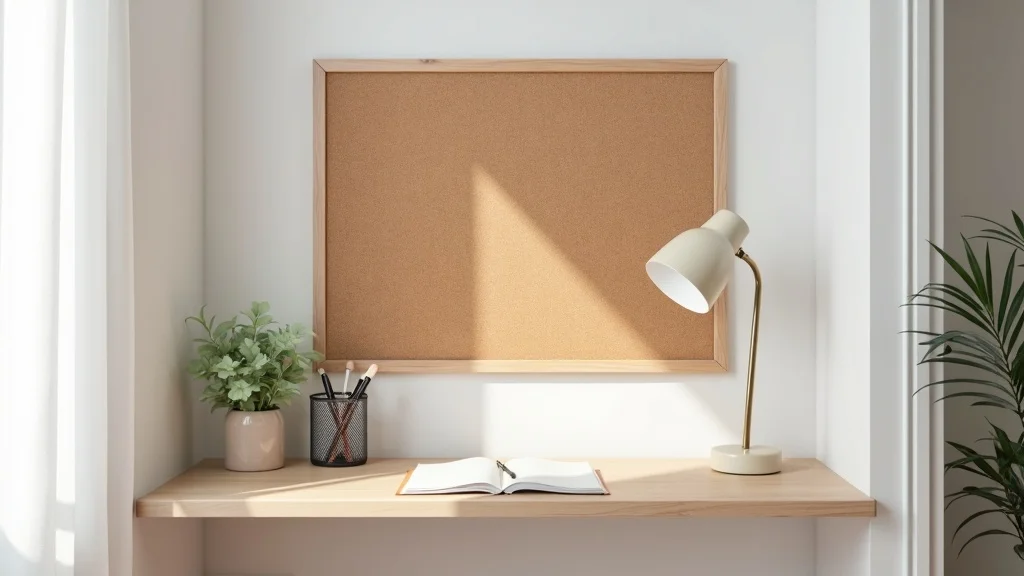
1. Build the $150 Floating-Desk Study Wall (Desk + Cork Board + Lamp + Caddy)
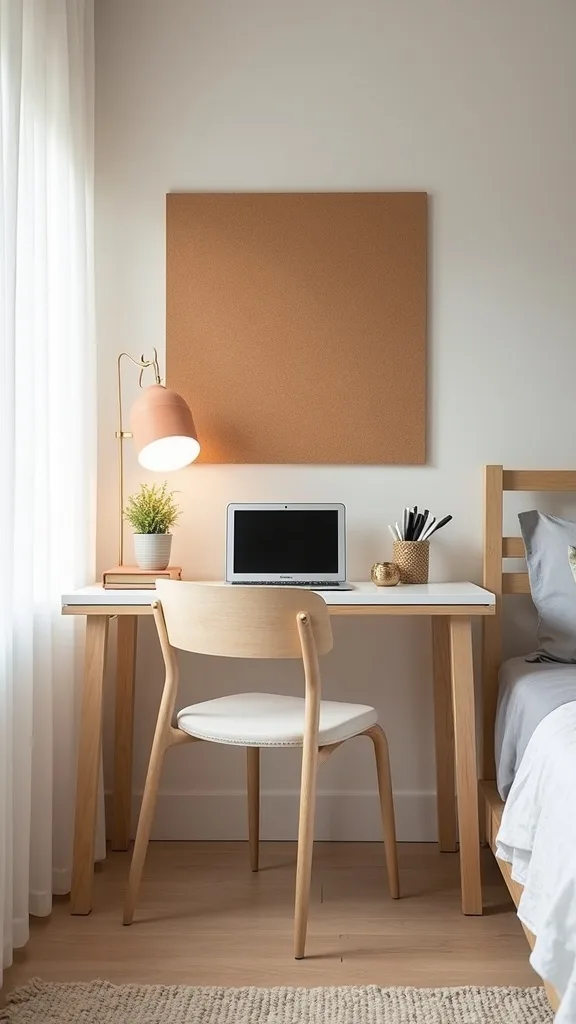
This is the backbone of a teen bedroom study corner: a wall-mounted floating desk, a cork pin board, a reading lamp, and a pencil cup caddy that keeps the surface clear. It works because it forces the mess upward (organized) instead of outward (sprawling).
Mount a 36–42 inch floating desk shelf at about 29–30 inches high (standard desk height), centered on the wall space you actually have. Hang a 16×20 cork board 6–8 inches above it for schedules and reminders, then add a clamp lamp or plug-in sconce to one side. Finish with a clip-on caddy for pens, scissors, and highlighters so the top stays open for a laptop and notebook.
Choose a light wood or white shelf, a simple black lamp, and a neutral cork board frame so it blends into the bedroom rather than screaming “school.”
Pro tip: Put one small tray on the desk for “today’s papers” only—everything else lives on the board or in the caddy, and the space suddenly feels bigger than it is.
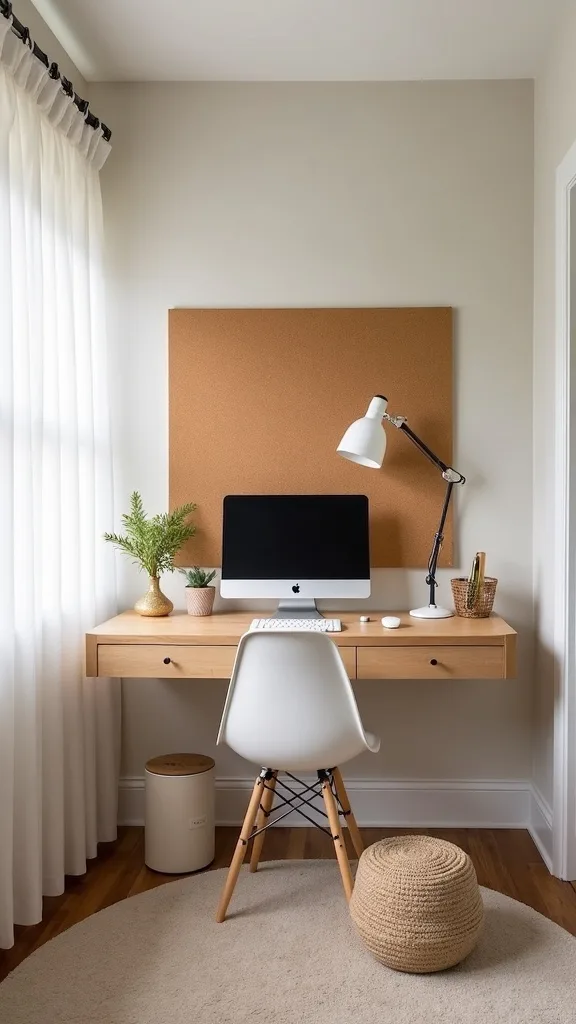
2. Where Should a Study Corner Go in a Teen Bedroom?
The best spot is the one that removes friction: close enough to outlets, far enough from the bed that “just five minutes” doesn’t turn into a nap. It works because location is a cue—your teen’s brain reads the zone and switches modes.
Aim for a wall near the door or closet, not the headboard wall. If you can, place the desk so the teen faces the wall, not the room; it reduces visual distraction and makes messy corners less visible on video calls. Keep at least 24 inches of clear walkway behind the chair so the corner doesn’t feel like an obstacle course.
If natural light is available, place the desk perpendicular to the window to avoid glare on screens while still getting daylight.
Pro tip: Avoid the “desk under the loft bed” setup unless you add serious task lighting—shadowy homework corners quietly kill motivation.
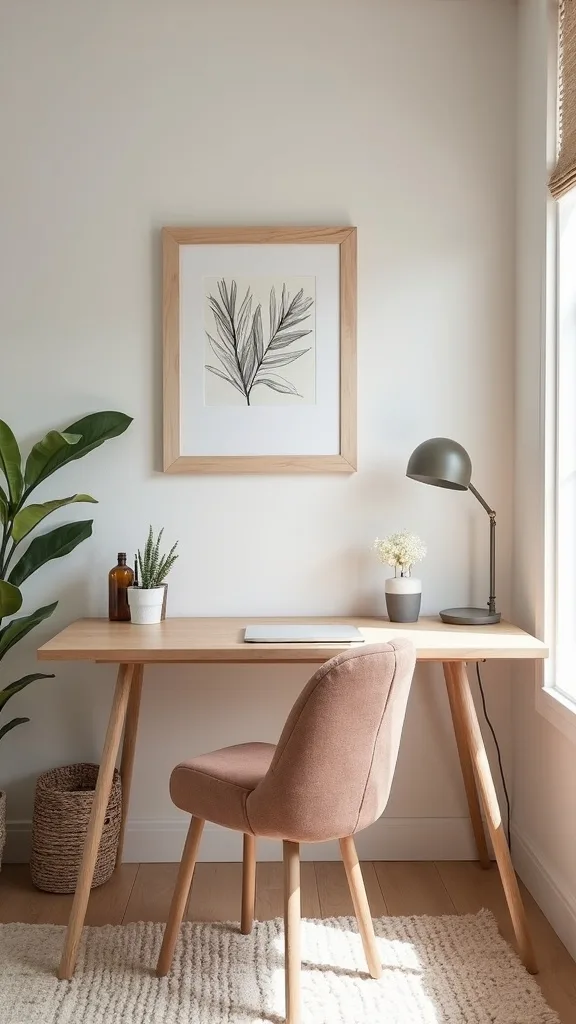
3. How Do You Choose the Right Desk Size for a Small Teen Room?
A teen doesn’t need a massive workstation; they need a surface that fits the way they actually work. This works because a right-sized desk prevents clutter from becoming permanent décor.
For most rooms, a 36-inch-wide surface is the sweet spot: enough for a laptop plus a notebook, not enough for three weeks of “I’ll file it later.” If you’re going narrower (around 30 inches), plan on wall storage—cork board, hooks, or a slim ledge—so the desktop can stay functional. Depth matters too: 16–20 inches deep feels comfortable without eating the room.
Look for a floating shelf rated for real weight, not just display items, and use proper wall anchors or studs.
Pro tip: If your teen uses a big textbook, test the depth with a dinner plate—if it fits with room to spare, the desk will feel usable.
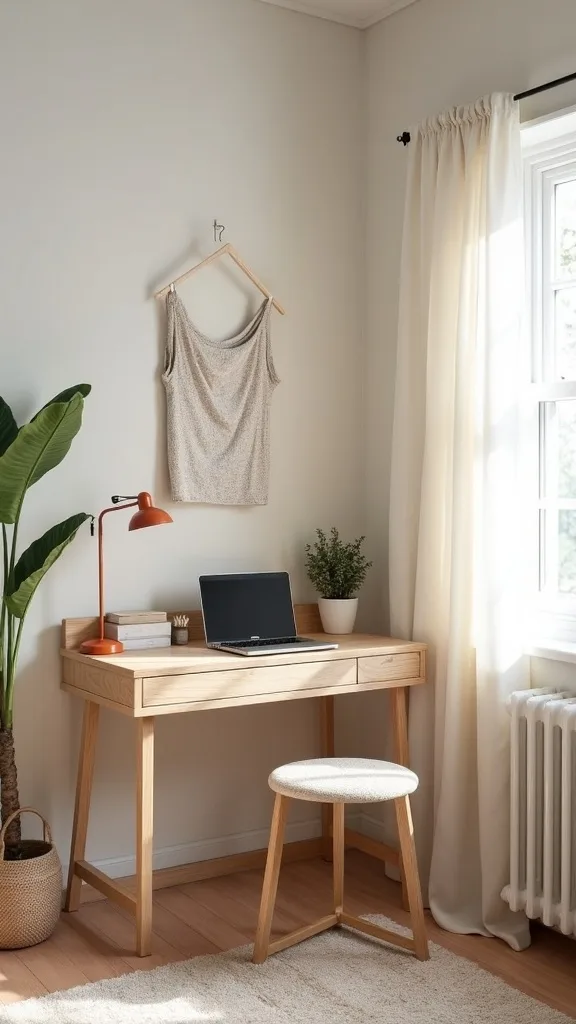
4. What Lighting Actually Helps With Homework (Without Making the Room Harsh)?
Overhead lights are fine for finding socks, not for reading. Task lighting works because it puts brightness (measured in lumens) exactly where the eyes need it, so your teen isn’t squinting or slouching.
Pick a lamp that aims down at the work surface and stays put—a clamp lamp, a small swing-arm lamp, or a plug-in wall sconce. Use warm white light (2700K–3000K — the cosy, yellowish tone you see in most homes) if the corner is also used in the evening; it feels calmer and still reads clearly on paper. Place the lamp on the opposite side of their writing hand to reduce shadows (right-handed = lamp on the left).
Matte shades and opaque bulbs cut glare, which matters more than people think.
Pro tip: Avoid bare, exposed bulbs at eye level—glare makes teens abandon the desk even when everything else is perfect.
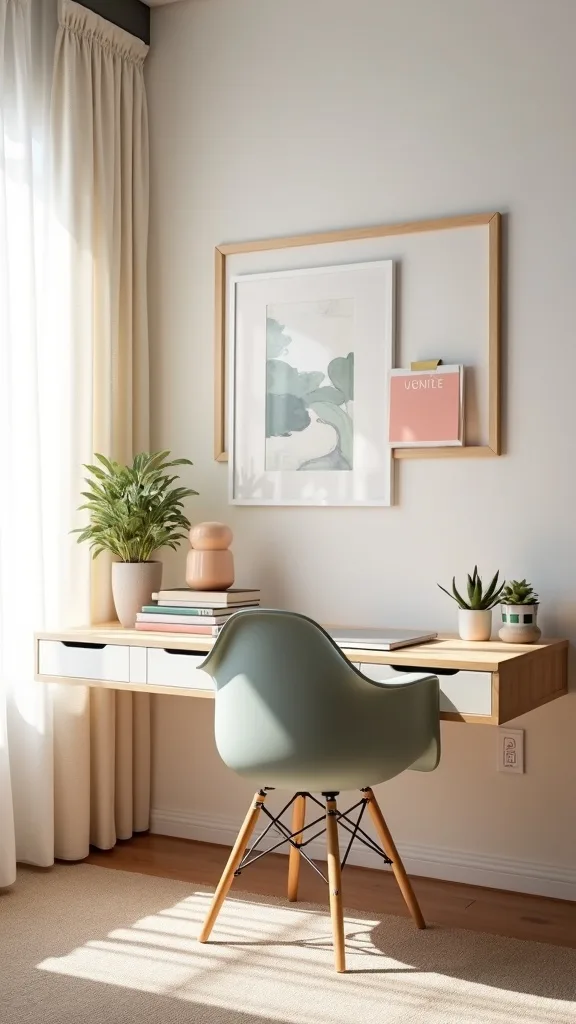
5. How Do You Keep a Floating Desk From Looking ‘Temporary’?
Floating desks can look like a quick fix unless you style them like they belong. It works because a few intentional choices make the corner read as built-in, not bolted-on.
Match the desk finish to something already in the room—dresser hardware, bed frame color, or even picture frames. Add one visual anchor above: a cork board with a simple frame, or a narrow art print next to it, so the wall feels designed. Keep the desktop to three items max: lamp, pencil cup caddy, and a small tray or bookend.
Stick to a tight palette—black + white + light wood is a reliable, teen-friendly trio that doesn’t feel childish.
Pro tip: Run a paintable cable channel straight down the wall to the outlet; hiding cords is the fastest way to make the setup look “real.”
6. What’s the Best Way to Add Storage Without Adding Furniture?
The best student bedroom ideas usually go vertical, because floor space is already spoken for. This works because wall storage keeps essentials visible but contained, which cuts the “where is it?” spiral.
Add two adhesive hooks or a small rail under the cork board for headphones and a lanyard. Mount a slim picture ledge above the board for a calculator, a timer, or a couple of reference books. If drilling is a no-go, use a strong adhesive caddy on the side wall for chargers and sticky notes—just keep it off the desk surface.
Choose storage in one finish (all black or all white) so it reads as a system, not a collection.
Pro tip: Avoid open baskets on the desktop—once there’s a “catch-all,” everything catches there.
7. How Do You Set Up a Homework Corner When There’s No Outlet Nearby?
No outlet doesn’t mean no study zone; it just means you plan the power path. It works because a tidy, safe power setup prevents the corner from becoming a cord nest.
Use a flat plug extension cord so furniture can sit closer to the wall, then run it along the baseboard with adhesive clips. Mount a power strip under the floating desk with screws or heavy-duty Velcro so chargers don’t live on the floor. If lighting is the issue, consider a rechargeable lamp—but choose one with a stable base so it doesn’t wobble during note-taking.
Keep cords black on dark baseboards and white on light walls for a cleaner look.
Pro tip: Avoid running cords across a doorway or under a rug—tripping hazards are the quickest way a “refresh” turns into a daily annoyance.
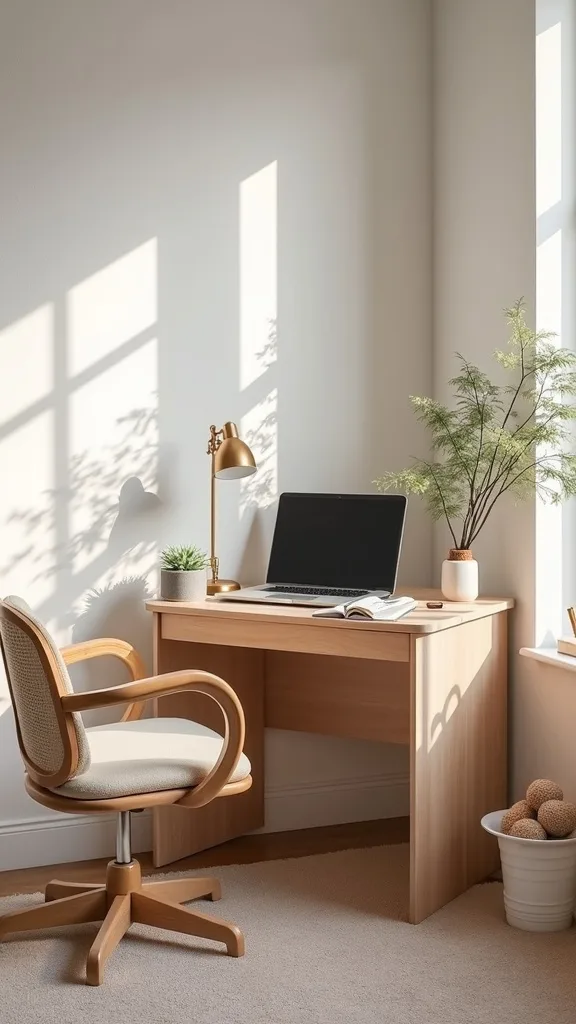
8. What Should Go on the Cork Board (So It Doesn’t Become Visual Noise)?
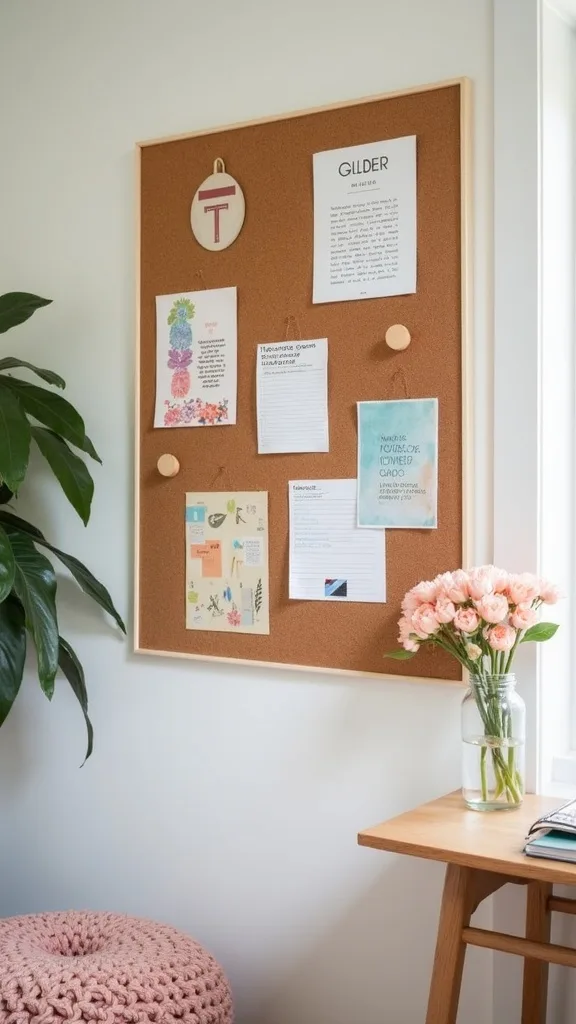
A cork board is either a command center or a chaos collage. It works when you treat it like a tool: fewer items, updated weekly.
Divide the board into three zones with washi tape: “This Week,” “Upcoming,” and “Keep.” Pin only what supports school routines—practice schedule, school calendar, one inspirational quote, and two reference sheets max. Use matching pushpins and a couple of binder clips for thicker packets. Leave 20–30% empty space on purpose; white space is what makes the board readable from across the room.
Neutral pins and a simple frame keep it from feeling like elementary school.
Pro tip: Avoid pinning loose stacks—if it’s more than five pages, it goes in a folder on a hook, not on the board.
Cost & Materials Estimate
This wall-based study setup typically lands between $105 and $150 depending on the desk length and lamp style.
| Item | Estimated Cost | Where to Buy |
|---|---|---|
| 36–42 in wall-mounted floating shelf / desk surface | $35–$55 | IKEA |
| 16×20 in cork pin board (framed) | $18–$28 | Amazon |
| Clamp lamp or plug-in wall sconce + LED bulb | $22–$40 | Home Depot |
| Pencil cup caddy (clip-on or adhesive) | $10–$18 | Amazon |
| Cord clips or paintable cable channel | $8–$15 | Lowe’s |
Total estimated cost: $105–$156 Save by repurposing a mug as the pencil cup and splurge on the lamp—good light is what makes the corner get used.
9. How Can You Make a Teen Room Desk Comfortable Without Buying a New Chair?
Comfort is the difference between “I can focus” and “my back hurts, I’m done.” It works because small tweaks support posture without turning the bedroom into an office.
Start by adjusting height: elbows should land comfortably near a 90-degree bend when typing or writing. If the chair is low, add a firm cushion; if it’s high, add a small footrest (even a sturdy storage box works). Place a pillow behind the lower back only if it doesn’t push them too far forward—support should feel subtle.
Choose a cushion cover in a washable fabric and a solid color so it looks intentional.
Pro tip: Avoid rolling desk chairs on thick carpet without a mat—fighting the chair every time they scoot in makes the corner feel like work in the worst way.
10. What’s the Fastest ‘Before and After’ Upgrade for a Back to School Bedroom?
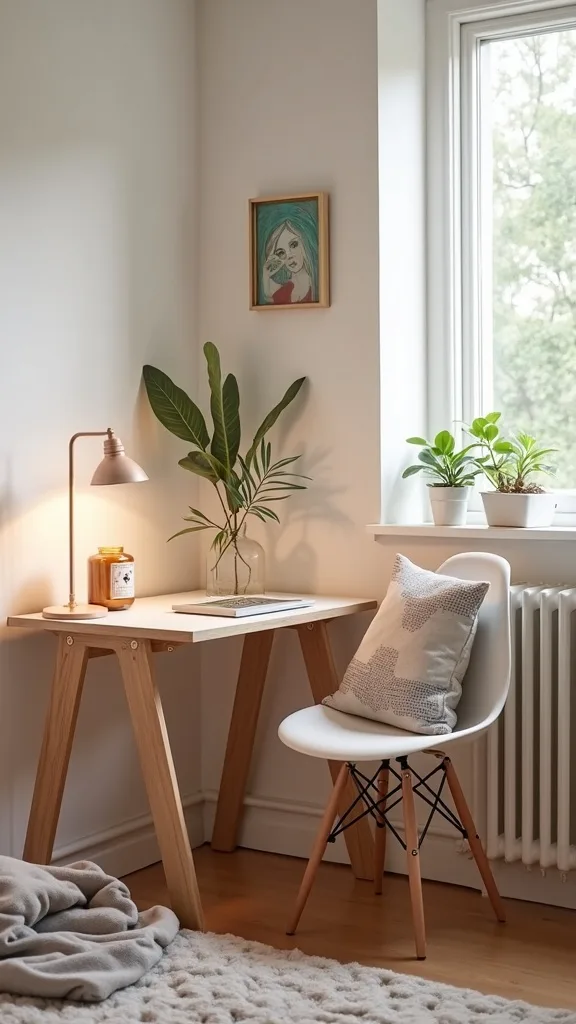
The fastest transformation is clearing the floor and claiming one wall. It works because the room instantly reads calmer, even if everything else stays the same.
Before: papers on the bed, backpack on the floor, lamp on a nightstand that’s already full. After: backpack hook by the desk, papers in one tray, and a dedicated light that turns on only for schoolwork. Install a single wall hook or over-the-door hook for the backpack within arm’s reach of the desk, and add a small bin for returned-library-book reminders or permission slips.
Stick to one bin and one hook; the point is a repeatable routine, not more containers.
Pro tip: Avoid putting the backpack on the desk “just for now”—it becomes the default, and the desk disappears again.
11. How Do You Make the Desk Area Feel Like Part of the Bedroom Style?
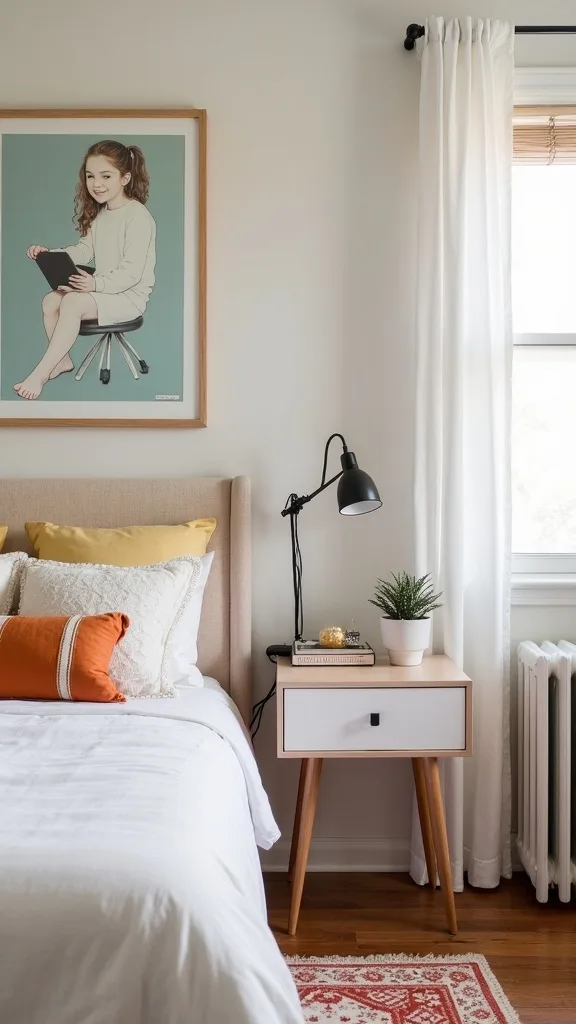
The study zone should blend, not clash. This works because when the corner feels cohesive, teens are less likely to reject it as “school invading my space.”
Pull one element from the room—bedding color, rug tone, or wall art—and repeat it at the desk in a small way: a pencil cup in the same color family or a cork board frame that matches existing wood. Keep school supplies mostly hidden in the caddy and tray, and let one personal item live on the wall (a photo strip, a small print, or a team schedule).
Matte finishes look more grown-up than shiny plastic, even on budget pieces.
Pro tip: Avoid themed décor (neon “study” signs, loud slogans). The corner will last longer if it’s simple and flexible.
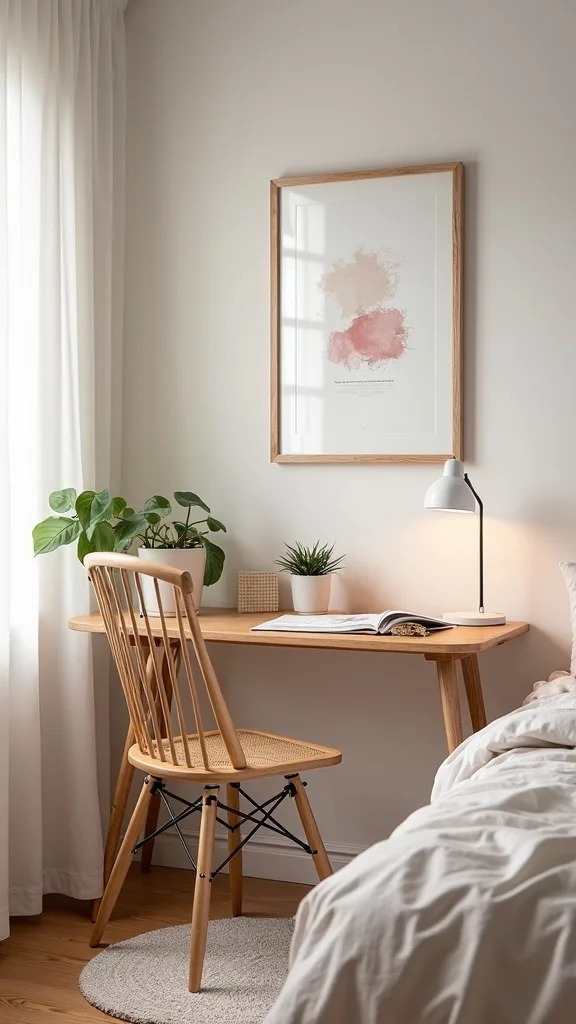
12. What Are the Best Student Bedroom Ideas for Shared Rooms?
Shared rooms need boundaries that don’t require new walls. It works because each teen gets a clear “this is mine” zone, which reduces friction.
Create two mirrored mini stations if possible: two 30–36 inch floating desks on separate walls, or one long wall shelf with two defined zones using separate cork boards. Use separate pencil cup caddies and separate trays—shared supplies sound nice until the night before a project. If space is tight, stagger schedules: one does homework at the desk while the other uses the bed with a lap desk, then swap.
Keep colors consistent but let each teen choose one accent (pin color, small print) so it feels personal.
Pro tip: Avoid a single shared cork board—mixing deadlines is a guaranteed way to miss one.
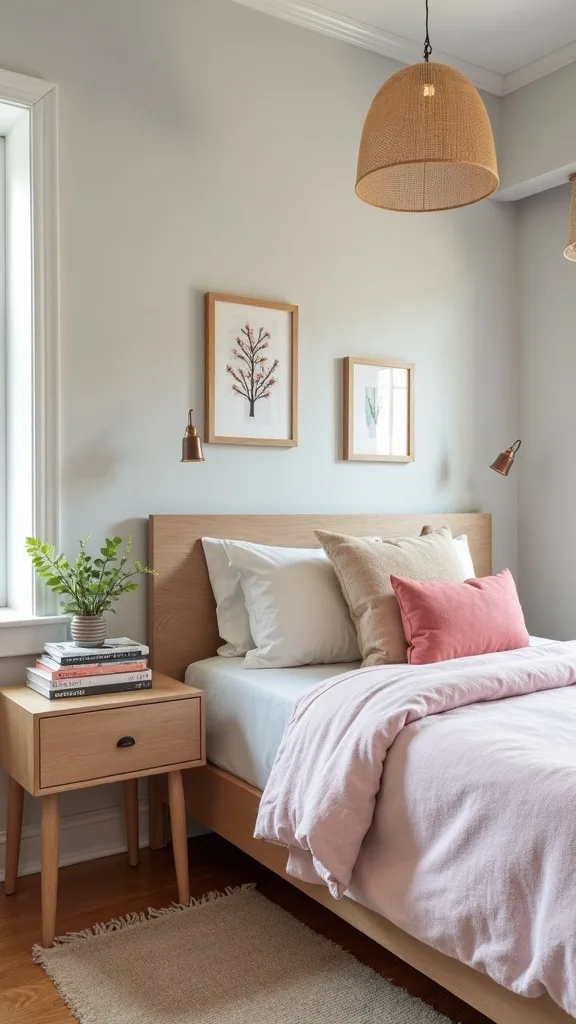
13. How Do You Prevent Paper Piles From Taking Over?
Paper clutter is usually a system problem, not a teen problem. It works when you give paper exactly two homes: “active” and “archived.”
Add one slim vertical file (or magazine holder) on the desk for active papers only—current week’s worksheets, study guides, forms to sign. Then add one folder box or binder spot on a nearby shelf for archived material. If something doesn’t fit in the active file, it’s either not needed or it belongs in the archive.
Neutral file holders look like décor; bright rainbow ones tend to feel chaotic quickly.
Pro tip: Avoid multiple stacks “sorted” by subject on the desk surface—stacks become mountains, and mountains become avoidance.
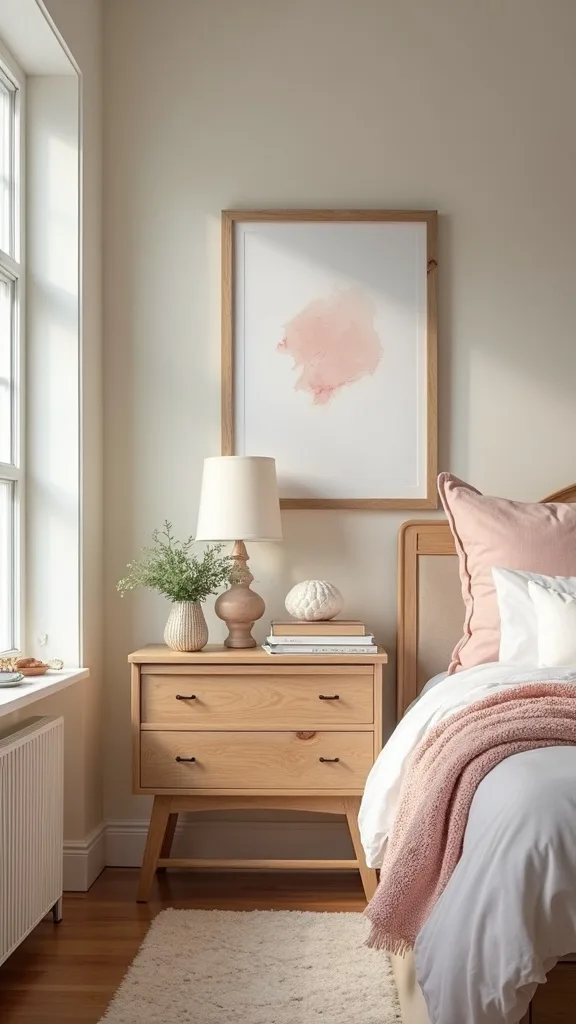
14. What Should You Avoid When Mounting a Floating Desk?
A floating desk is only as good as its install. It works because stability makes the corner feel trustworthy—no wobble, no excuses.
Avoid mounting into drywall only if the desk will hold a laptop and books; find studs when you can, or use heavy-duty anchors rated for the load. Don’t guess your height—mock it up with painter’s tape and a cardboard “desk” outline, then have your teen sit and test reach. Finally, don’t place it where a door swing will bang into a chair; measure the arc before you drill.
Choose brackets and hardware that match (all black or all silver) so the underside looks clean.
Pro tip: If you’re nervous about drilling, a wall-mounted fold-down desk can be a safer alternative—and still looks intentional when styled well.
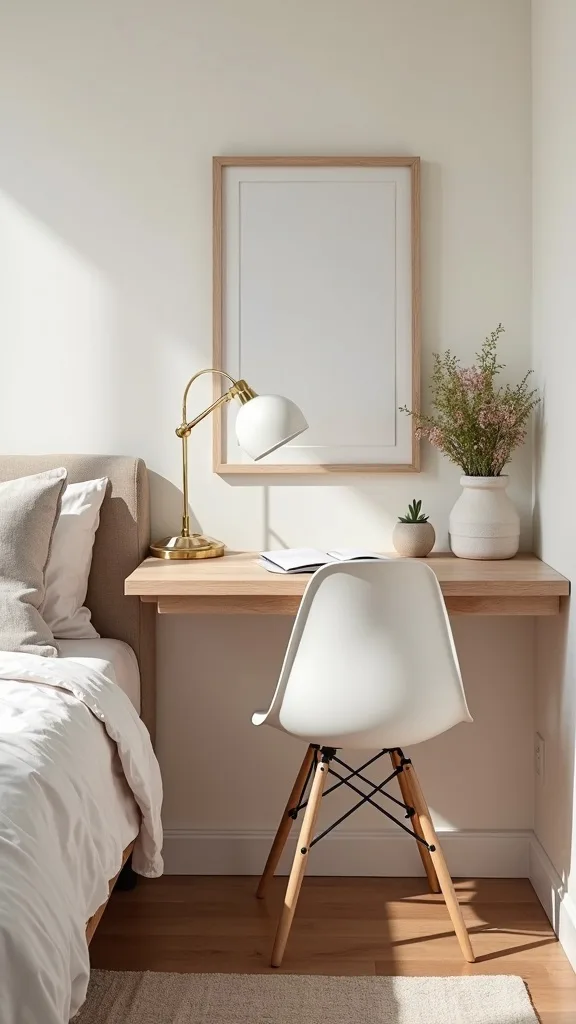
15. How Do You Create a Distraction-Resistant Study Corner Without Policing?
You can’t decorate away TikTok, but you can reduce ambient distraction. It works because the environment quietly nudges better choices.
Face the desk toward the wall and keep the most visually busy décor behind them, not in front of them. Add one small “phone parking” spot—like a lidded box or a drawer insert—so there’s a default place for it during homework. Use a simple timer (analog or digital) on the cork board ledge to encourage short focused sessions without lecturing.
Keep the wall above the desk mostly functional—board, one print, lamp. That’s it.
Pro tip: Avoid placing the desk directly under the TV or across from a gaming setup; you’re asking the corner to compete with entertainment, and it will lose.
16. How Do You Make a Small Desk Work for Art, Not Just Homework?
Many teens need a hybrid surface: schoolwork plus sketching or crafting. It works because planning for “messy mode” keeps the desk usable instead of abandoned.
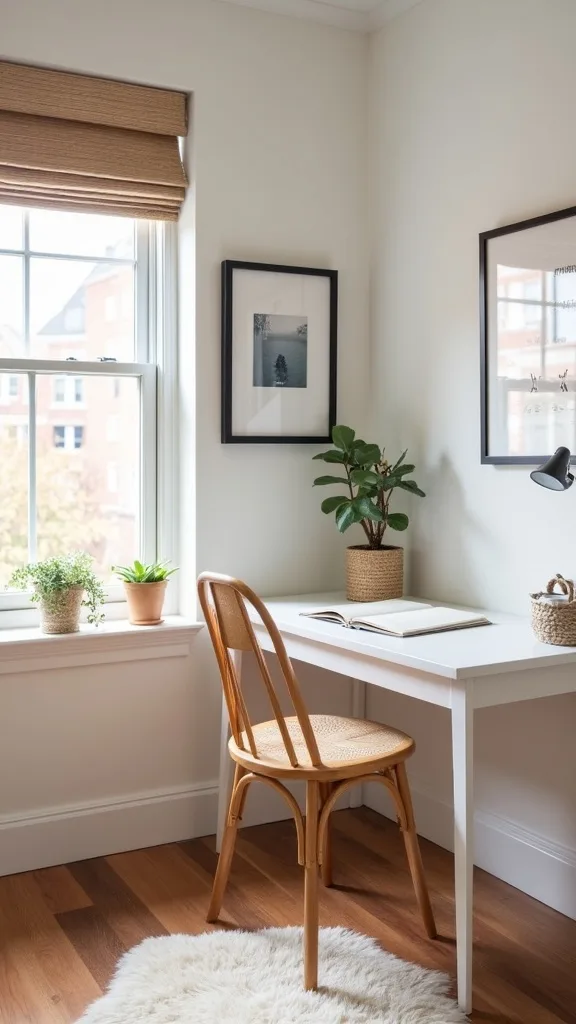
Add a washable desktop protector or a simple cutting mat that can slide behind the laptop when not in use. Use the pencil cup caddy for markers and brushes, and keep one small lidded container for anything that stains (ink, paint pens). If the desk is narrow, mount a small side hook for a sketchbook so it’s accessible but not living flat on the surface.
Choose a mat in black, clear, or a muted tone so it doesn’t dominate the corner visually.
Pro tip: Avoid storing wet or sticky supplies in open cups—one spill can ruin the “I’ll sit down for ten minutes” habit for weeks.
17. What Are Smart Color Choices for a Focused Back to School Bedroom?
Color can help focus, but only when it’s controlled. It works because a quieter palette reduces visual fatigue—especially in a bedroom that already has patterns and personal items.
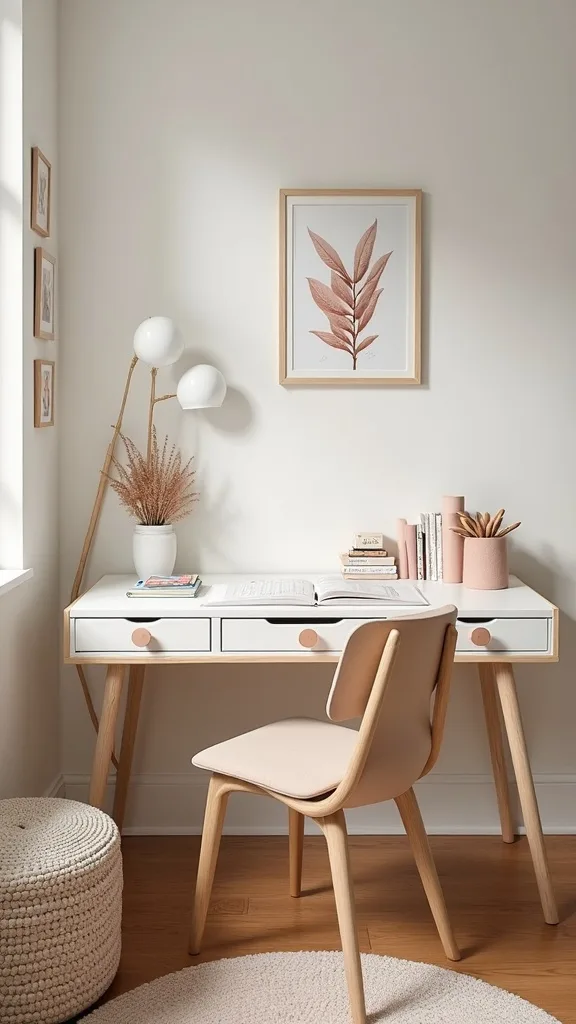
Keep the study wall mostly neutral: white, soft greige, light oak, or black accents. Then add one intentional color in small doses—navy file holder, olive pencil cup, or terracotta pushpins—to tie into the room. If you want a bigger change, paint a simple rectangle “zone” behind the desk in a muted shade; it frames the corner and makes it feel permanent without painting the whole room.
Matte paint hides scuffs better than glossy finishes in high-touch areas.
Pro tip: Avoid neon accents right at eye level—they feel energetic for a day and distracting for a semester.
18. How Can You Refresh a Teen Room Desk With What You Already Own?
A refresh doesn’t require a cart full of new bins. It works because reusing a few solid items lets you spend money only where it changes daily life—like lighting and surface space.
Repurpose a small kitchen tray as a paper catch, a mug as a pencil cup, and a clipboard as a mini pin board if you’re waiting on the bigger cork board. Use a bookend from another room to keep notebooks upright. Then spend your budget on the floating desk itself and a lamp—those are the two pieces that truly change how the corner functions.
Spray paint mismatched items one color (matte black is forgiving) to make them look like a set.
Pro tip: Avoid keeping “temporary” items longer than two weeks—set a date to upgrade, or the corner will slide back into improvised clutter.
19. How Do You Handle Printers and School Tech Without Ruining the Bedroom?
Printers and tech accessories can make a room feel like an office fast. It works when you separate “daily” tech from “occasional” tech.
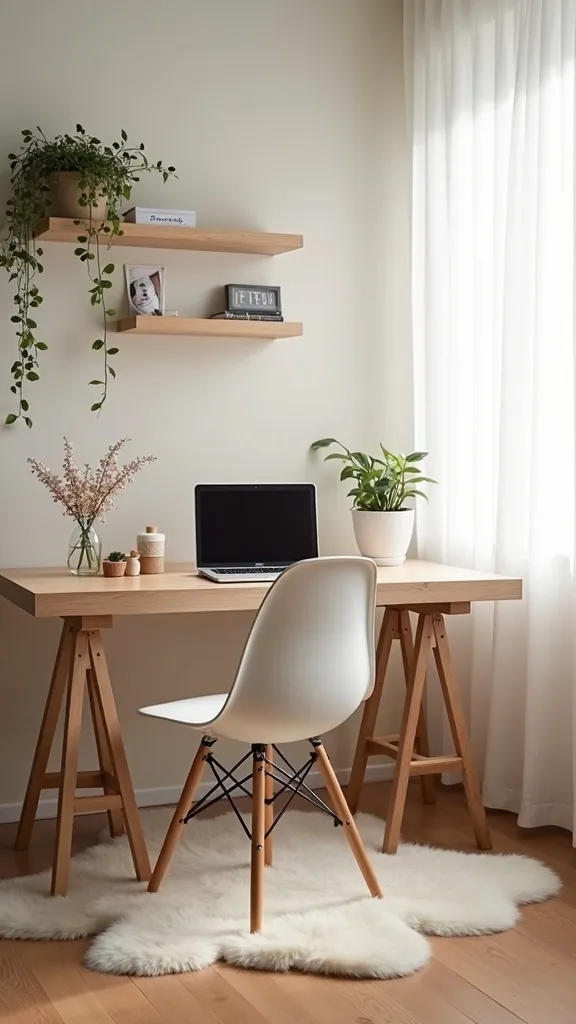
If a printer is necessary, put it in a closet on a shelf with ventilation space, or on a small rolling cart that can tuck away. Keep daily chargers mounted under the desk or in a side caddy, and label them once—no one should be guessing which cord is which at 10 p.m. Store spare ink, cables, and adapters in one lidded box so they don’t migrate.
Choose a cart in white or light wood to blend with typical bedroom furniture.
Pro tip: Avoid stacking a printer on the desk surface—it steals the only flat space that actually supports studying.
20. What’s a Good Homework Corner Setup for Reading-Heavy Classes?
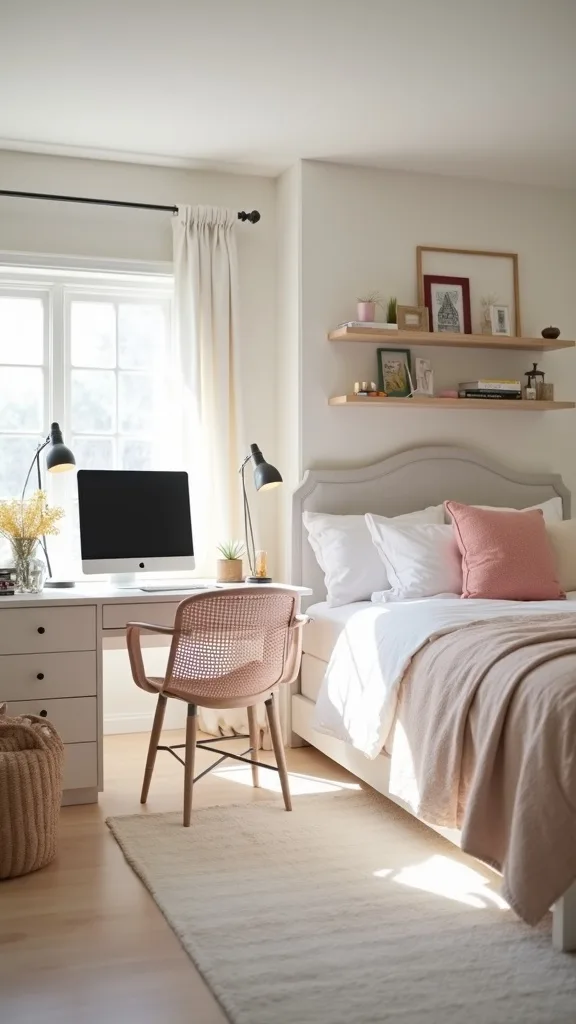
Reading-heavy workloads need comfort and light more than anything. It works because when the corner supports reading, teens stop doing it in bed—where focus fades.
Add a small book stand or tablet stand so pages sit upright, reducing neck strain. Place the lamp slightly in front of the reading position so the page is evenly lit, and keep a highlighter and sticky notes in the pencil cup caddy for quick annotation. If space allows, add a slim wall shelf beside the desk for “current reads” so books aren’t stacked on the work surface.
Warm white light (2700K–3000K — the cosy, yellowish tone you see in most homes) is especially helpful for evening reading.
Pro tip: Avoid dim lamps with decorative shades—pretty light that doesn’t reach the page is just mood lighting.
21. How Do You Make the Corner Easy to Keep Clean?
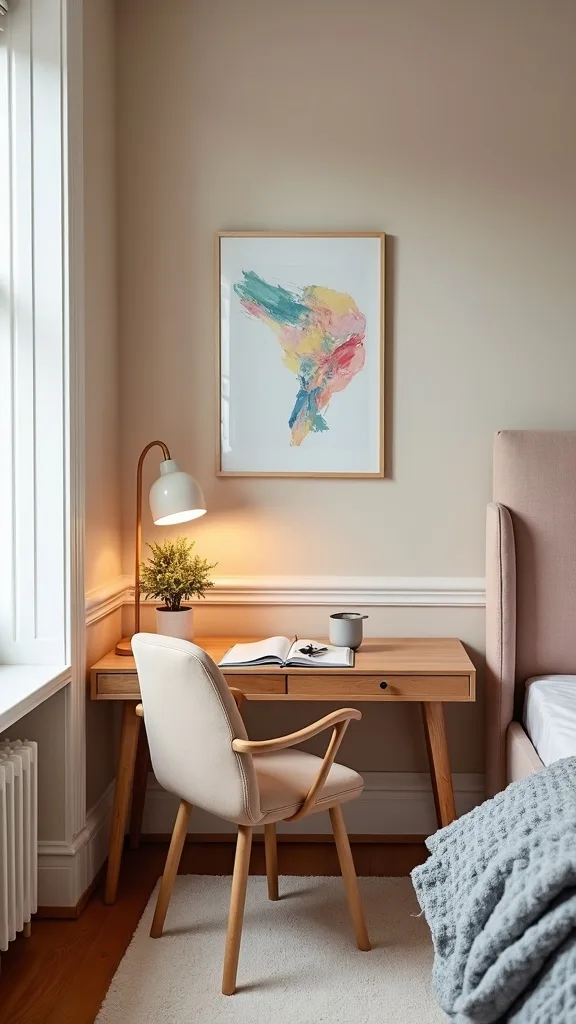
Maintenance is the secret ingredient. It works because a corner that takes two minutes to reset will actually get reset.
Choose wipeable surfaces: a sealed wood shelf or laminate desk top, a metal lamp, and a plastic or powder-coated caddy. Keep one small microfiber cloth in the desk tray so dusting isn’t a whole event. Add a mini trash can or a hanging bag hook nearby for snack wrappers and paper scraps—if trash requires crossing the room, it won’t happen.
Neutral, durable materials look more “adult” and survive real teen life.
Pro tip: Avoid fabric desk organizers near drinks—one spill and the corner feels permanently grimy.
22. How Can You Make a Study Corner Feel More ‘Grown-Up’ for High School?
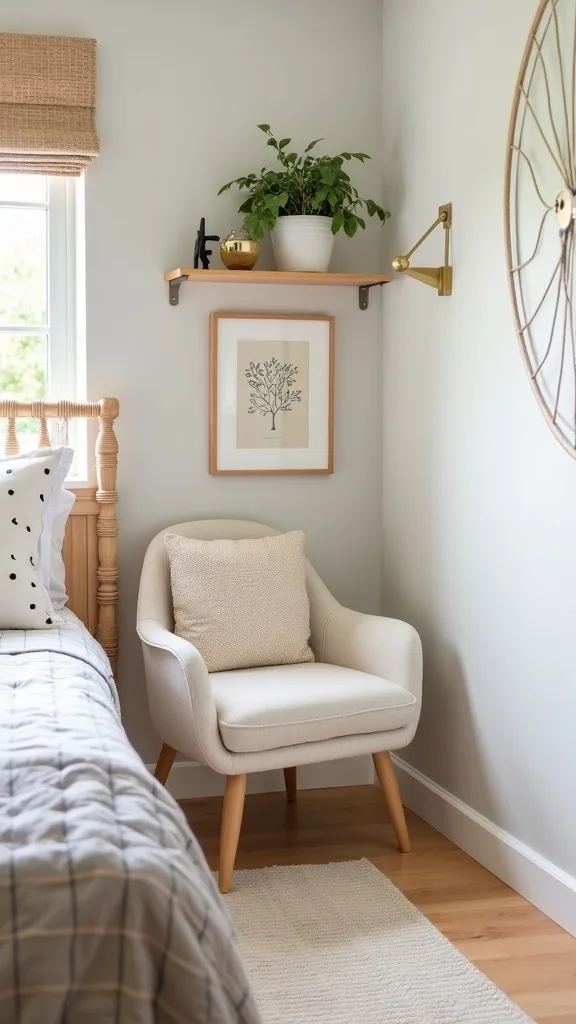
High schoolers want spaces that don’t feel like a kid’s craft table. It works because a more mature setup gets used—pride is a motivator.
Pick one sleek lamp, one framed cork board, and one uniform set of supplies (all black pens, matching notebooks). Swap novelty organizers for simple shapes: a metal mesh pencil cup, a clean tray, and a single file holder. If you want one personal detail, choose something graphic and minimal—like a small line-art print or a monochrome photo.
Black + wood + off-white is a classic combo that photographs well and doesn’t date quickly.
Pro tip: Avoid too many quotes on the wall; one good one beats six that read like a classroom poster.
23. How Do You Set Rules for the Desk Without Starting a Fight?
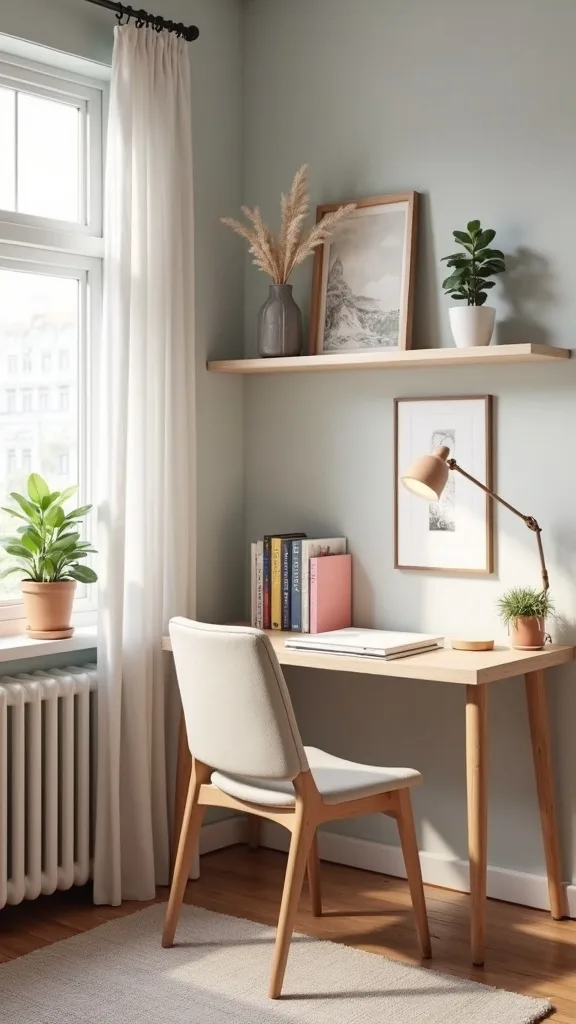
The goal is a corner that runs itself. It works because clear, simple limits reduce decision fatigue—and reduce parent/teen negotiations.
Make two rules only: the desktop gets cleared nightly, and food stays off the desk. Give the corner a “reset ritual”: papers in the tray, pens in the caddy, laptop charged, chair pushed in. If your teen pushes back, offer one choice that keeps the system intact—like picking the tray style or the pin board layout.
Keep the rules posted subtly on the cork board (a small card), not announced like a contract.
Pro tip: Avoid complicated organizing systems with ten categories; if it takes more than a minute, it won’t last past September.
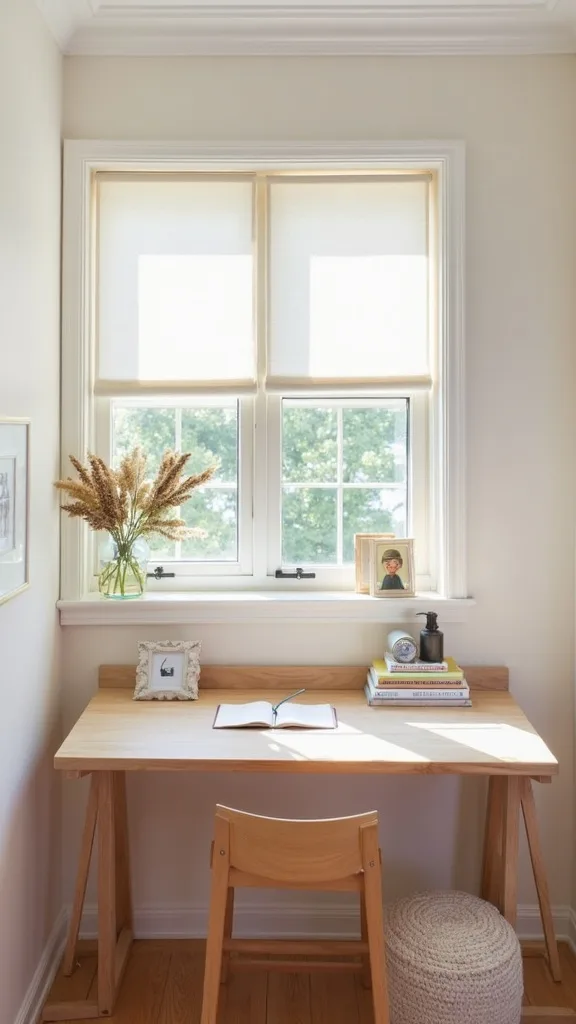
24. What’s a Budget-Friendly Alternative to a Cork Board and Floating Desk?
You can still get the function without the exact pieces. It works because you’re replicating the same roles: surface, vertical planning space, and light.
Instead of a floating desk, use two heavy-duty shelf brackets and a pre-cut board from Home Depot—often cheaper than branded wall desks. Instead of a cork board, use a large clipboard, a wire grid panel, or even a framed piece of foam board wrapped in linen-look fabric. Keep the lamp and caddy; those two items do the daily heavy lifting.
Choose materials that look intentional—wood grain, matte black metal, and simple white frames read “designed,” not “patched together.”
Pro tip: Avoid flimsy adhesive-only shelves for laptops—saving $20 isn’t worth a cracked screen.
25. How Do You Know the Refresh Worked After the First Week of School?
Success isn’t a photo-ready desk—it’s a corner that gets used without reminders. It works because you’re measuring behavior, not perfection.
After one week, check three things: Is the desk surface mostly clear? Are papers ending up in the tray instead of the bed? Is the lamp getting turned on for homework? If one piece isn’t working, adjust the system, not the whole room—move the caddy to the dominant hand side, lower the board, or swap the tray for a vertical file.
The best student bedroom ideas evolve a little as the semester reveals what your teen actually needs.
Pro tip: Avoid judging the corner on day one—give it seven school days, then tweak one detail and watch the habit get easier.
Final Thoughts
A back-to-school bedroom refresh doesn’t need new furniture or a weekend-long rearrange. It needs one reliable place where schoolwork can land, get done, and get cleared—so the rest of the room can stay a bedroom.
If you take the wall-mounted approach, you’ll notice the “after” quickly: fewer lost papers, fewer late-night cord hunts, and a cleaner visual field that makes starting homework feel less heavy. The main thing to avoid is building a pretty corner that can’t handle real life; stability, light, and a simple paper system matter more than matching accessories.
Rule of thumb: if it doesn’t have a home off the desktop, it will become desktop clutter. Today, pick one wall, measure 36 inches, and tape out your desk height—then order or pull the four essentials (surface, board, lamp, caddy) so you can install this weekend.
What I’d Do Differently
When I first tried this, I made the classic mistake: I built the desk area around what looked good in the room, not around how homework actually happens. I mounted a floating shelf desk a little too high because it “lined up nicely” with wall art, and I skipped the under-desk power strip because I didn’t want to see cords. Within three days, the chair was pulled away (uncomfortable elbow angle), the laptop charger lived on the floor, and the whole corner got abandoned in favor of the bed again. The fix was simple: I dropped the desk to true desk height, mounted the power strip underneath, and added a pencil caddy so supplies stopped migrating.
I also wish I’d mocked it up with painter’s tape first. Ten minutes of testing would have saved an hour of patching holes and re-leveling brackets. If you take one thing from my do-over, let it be this: set the height for comfort, then style it—your teen will feel the difference immediately, so grab a tape measure and start today.