
This post contains affiliate links. As an Amazon Associate, I earn from qualifying purchases at no extra cost to you.
Labor Day weekend has a way of arriving with big “end of summer” energy… and a patio that still looks like it’s waiting for June. If your outdoor table has sunscreen smudges, mismatched chairs, and a toy that’s been “temporarily” living under it since Memorial Day, you’re in good company.
This guide is about those small changes that make a real family table feel cared for—without pretending you have unlimited time or a magazine-ready backyard. You’ll get practical ways to shift from late-summer hosting to early-fall comfort, plus easy patio fall decor moves that hold up to wind, kids, and the inevitable extra plate request.
This is perfect for anyone planning a labor day outdoor meal and wanting the space to feel a little more intentional—whether you’re working with a tiny balcony, a basic concrete slab, or a full backyard set.
Inside you’ll find quick table-setting formulas, a few “buy once, use all season” staples, and simple ideas for a transitional outdoor space that doesn’t require a full furniture overhaul.
Below are 25 Outdoor Dining Fall Prep & Labor Day Setup that make your table feel welcoming, functional, and ready for the season—without needing perfection.
Products I Recommend for This Project
Here are some of my favourite products to help you bring these ideas to life:
- DII Farmhouse Braided Stripe Table Runner (Rust) — An easy, durable way to add that deep rust tone without committing to a full tablecloth.
- Winlyn Assorted Dried Pampas Grass Bouquet — Gives you a breeze-proof centerpiece that looks fall-ready for weeks.
- Stonebriar Glass Hurricane Candle Holders (Set of 2) — Protects flames from wind and makes simple candles feel intentional.
- Brightech Ambience Pro Waterproof LED String Lights — Adds warm, flattering patio light for dinners that stretch past sunset.
- US Acrylic Stackable Acrylic Tumblers (Set of 8) — Kid-friendly and patio-safe, with an “actual grown-up” look.
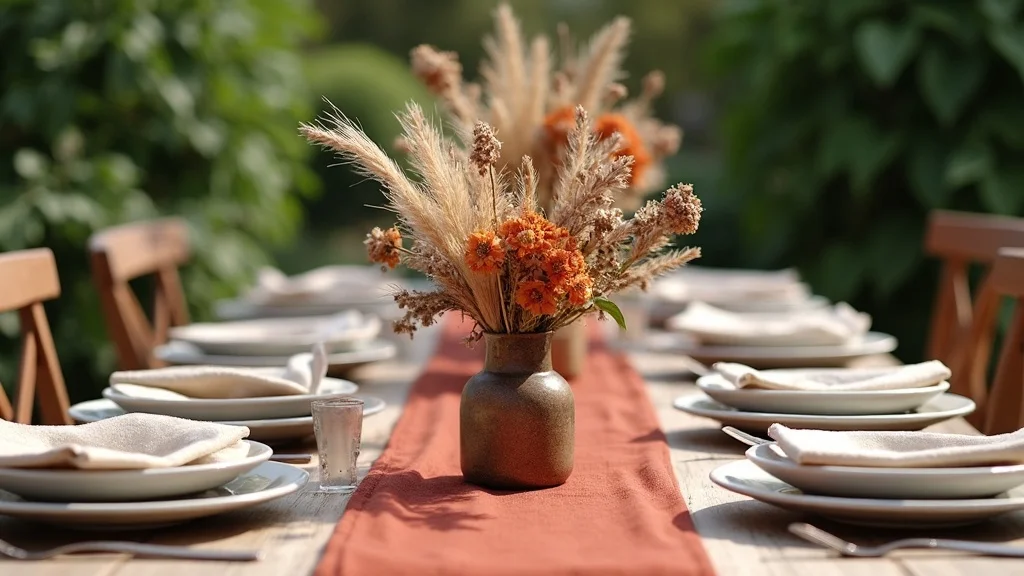
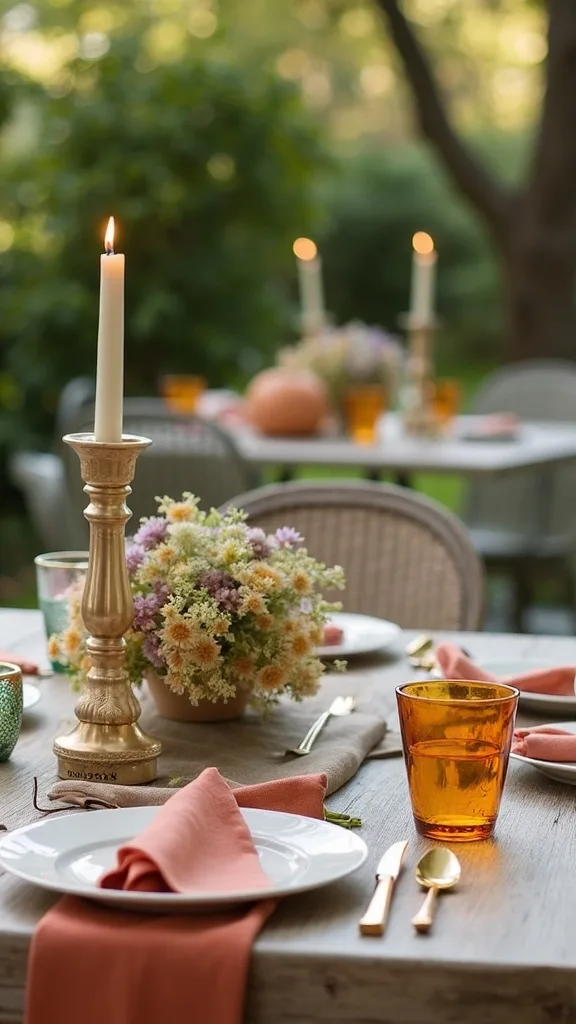
1. Start with the hero table look: rust linen + dried botanicals + layered plates
This look works because it reads “fall” without shouting pumpkins, and it hides real-life mess (crumbs, water rings, the occasional ketchup dot). A deep rust linen runner instantly warms up an outdoor table, while dried botanicals don’t wilt in heat or droop in the sun.
To do it: lay a 72-inch runner down the center, then cluster a few small bud vases or a low tray of dried stems so people can still see each other. Build layered place settings with a neutral dinner plate, a salad plate in a warmer tone, and linen napkins tucked under the top plate so they don’t blow away.
Look for rust, terracotta, and warm cream, plus matte stoneware that won’t glare in afternoon light. If your plates don’t match, keep them in the same “quiet” family of colors.
Pro tip: add one small pop—like amber glasses or brass-toned flatware—so the table feels finished, and remember that slightly imperfect layers are what make it feel like home.
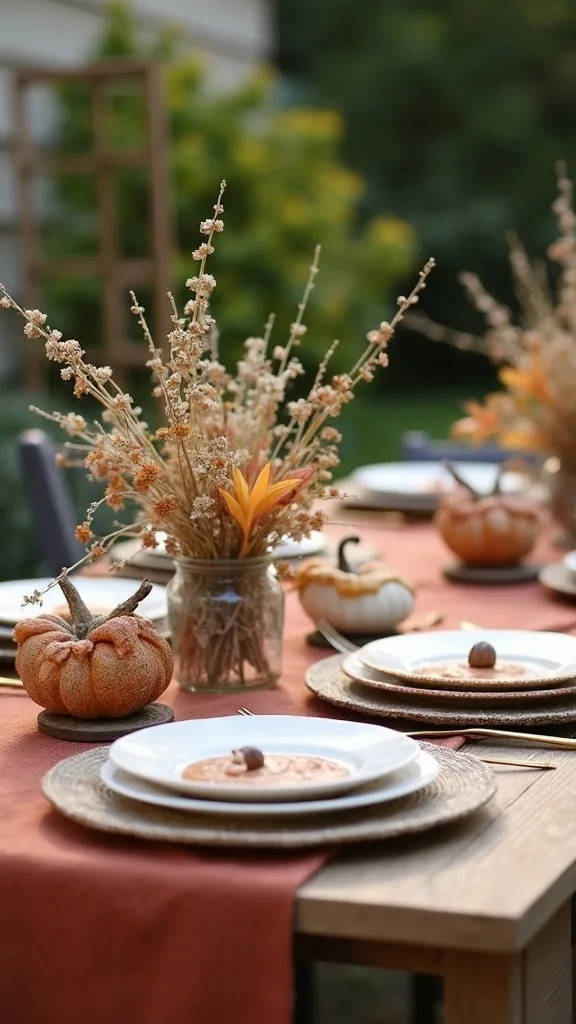
2. How do I prep my patio for Labor Day without doing a full makeover?
The trick is to focus on what you’ll touch and use: seating comfort, tabletop surface, and lighting. Those three changes create the emotional “we’re hosting” feeling fast, even if the rest of the yard is doing its own thing.
Start with a 15-minute reset: wipe the table, shake out chair cushions, and do a quick sweep where feet will land. Then add one seasonal layer—like a runner or placemats—and one comfort layer—like a basket of light throws near the door.
Choose items that can live outside: acrylic drinkware, outdoor-friendly pillows, and a lidded container for matches or a lighter. Keep colors grounded: rust, olive, and warm neutrals read as early fall without looking heavy.
Pro tip: avoid trying to “decorate the whole patio.” A tight, cared-for dining zone beats scattered decor every time, and progress over perfection makes hosting feel possible.
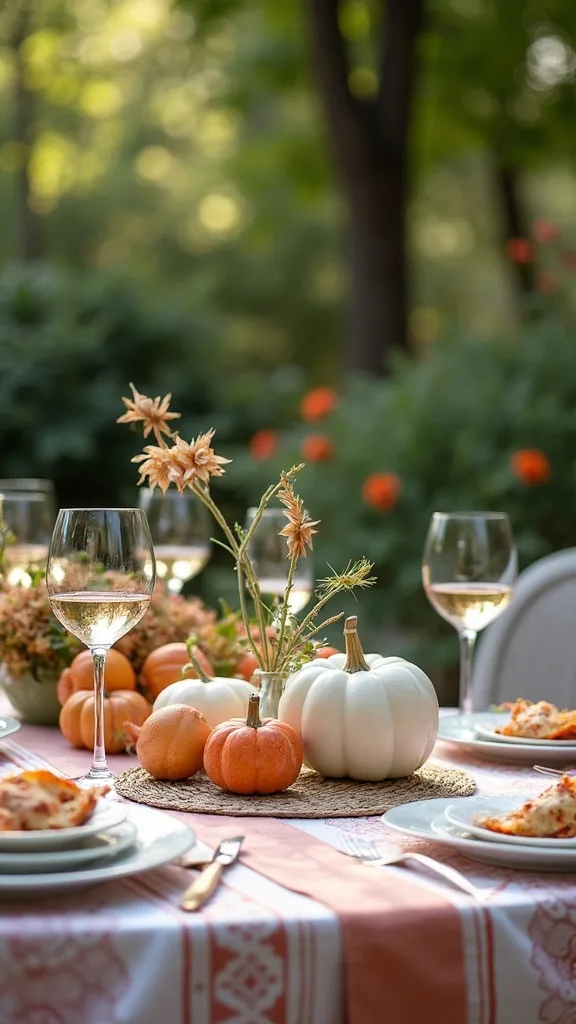
3. What’s the fastest way to make outdoor seating feel cozy for early fall nights?
Comfort is what turns a quick dinner into lingering conversation, especially when evenings start cooling off. Cozy seating works when you add warmth where bodies actually feel it—backs, laps, and feet.
Set out two textures: one washable throw per two chairs, and a couple of outdoor pillows with some structure. If you can, place a small outdoor rug under the table to cut the “cold feet on concrete” feeling.
Go for chunky knits in performance fabric or simple fleece throws you can toss in the wash. Colors like camel, rust, and charcoal make the space feel grounded and forgiving.
Pro tip: avoid delicate fringe throws that snag on chair arms and end up on the ground. Choose durable pieces so you’re not stressed the whole meal—and that relaxed feeling is the entire point.
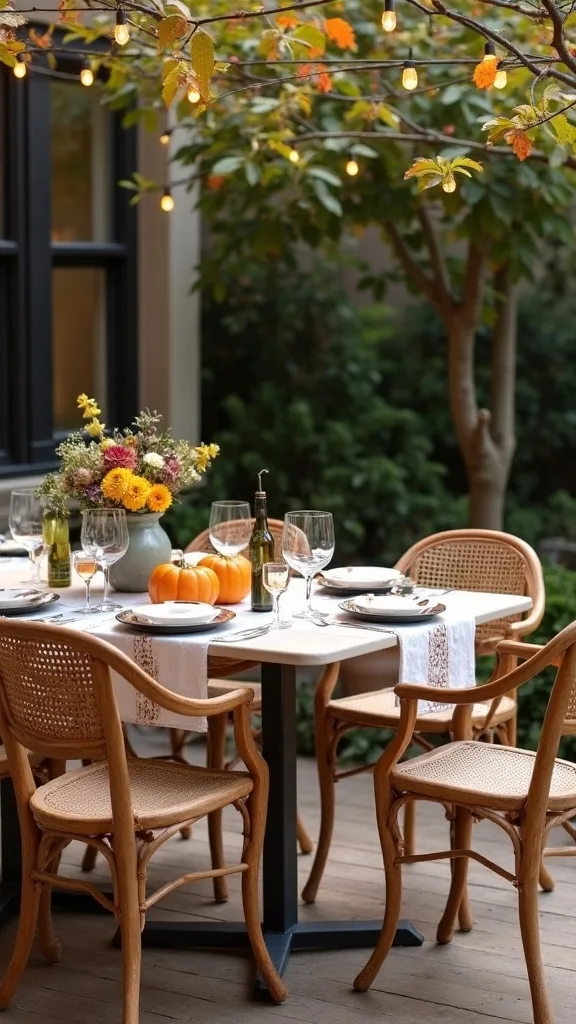
4. How do I create a transitional outdoor space from summer to fall?
A transitional outdoor space is less about new furniture and more about shifting the mood: warmer tones, softer light, and materials that feel a little more “harvest season.” It works because you’re bridging seasons instead of forcing a sudden theme change.
Swap bright summer patterns for solids or subtle plaids, then add one natural element—wood, rattan, or dried stems. Keep your core pieces (table, chairs) the same and layer on top: textiles, lighting, and a centerpiece.
Choose a palette that plays well with greenery: rust, tan, muted gold, and deep green. If you’re buying anything new, buy it in a neutral so it works through October.
Pro tip: avoid overcommitting to pumpkins in early September. A slow shift feels more natural—and you’ll actually enjoy the season instead of racing it.
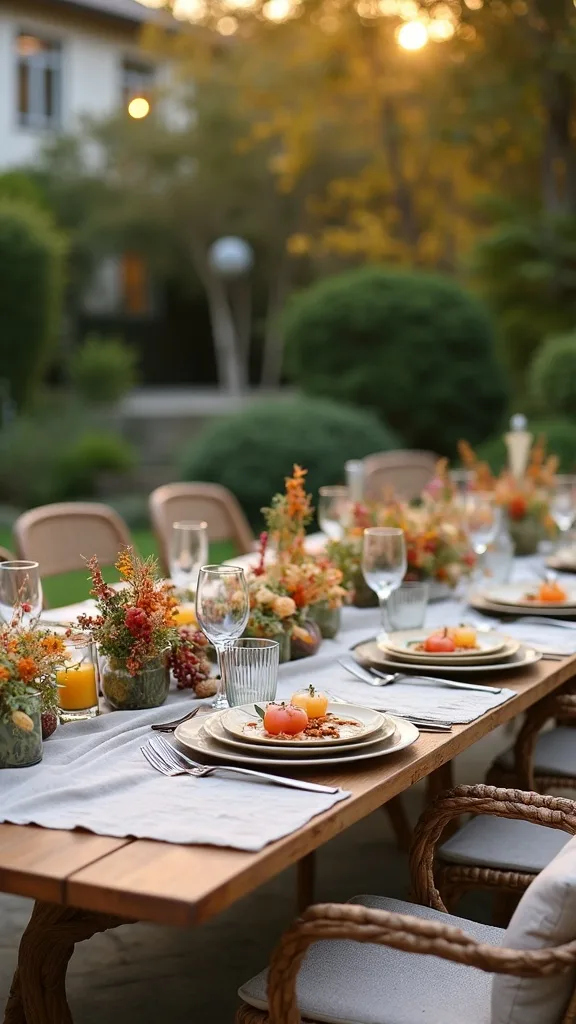
5. What centerpiece won’t blow away during a breezy backyard dinner?
Outdoor centerpieces succeed when they’re low, weighted, and not made of anything that turns into confetti. Dried botanicals and squat vessels are your best friends for al fresco fall dining.
Use a shallow tray or a wooden board as a base, then add three small, heavy-bottom vases. Fill with dried grasses, eucalyptus, or preserved stems, and keep height below eye level. If you love candles, use hurricane glass or lanterns so flames aren’t fighting the wind.
Think amber glass, ceramic bud vases, and a few mini pumpkins as “paperweights” around the base. Skip anything glittery or overly fluffy that will shed.
Pro tip: avoid tall arrangements that become a conversation barrier. A centerpiece should set a mood, not referee the table.
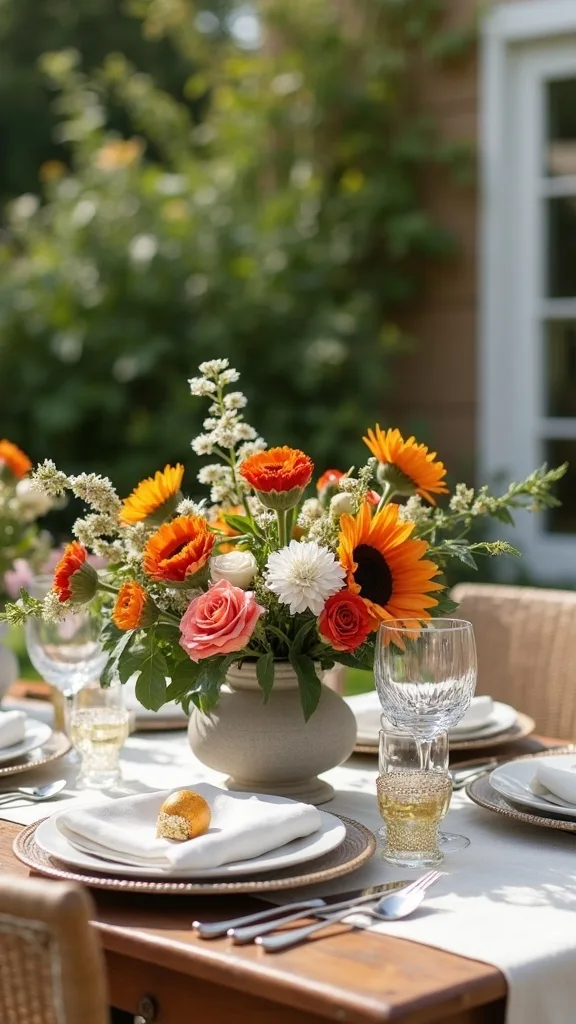
6. How can I make my outdoor table look set even with mismatched dishes?
Mismatched dishes can look intentional when you repeat two things: one color and one shape. That repetition reads as “planned,” even if you’re pulling plates from three different cabinets.
Pick a base plate everyone gets (even if it’s a simple white dinner plate). Then mix salad plates in warm fall tones—rust, tan, olive—keeping them all the same size. Finish with matching napkins, because textiles unify faster than ceramics.
Stoneware and melamine both work outdoors; just keep the finish similar (matte with matte, glossy with glossy). Add a simple place card or a sprig of rosemary to make each setting feel cared for.
Pro tip: avoid using every pattern you own. Two patterns max keeps the table calm, and calm is what makes dinner feel like a break.
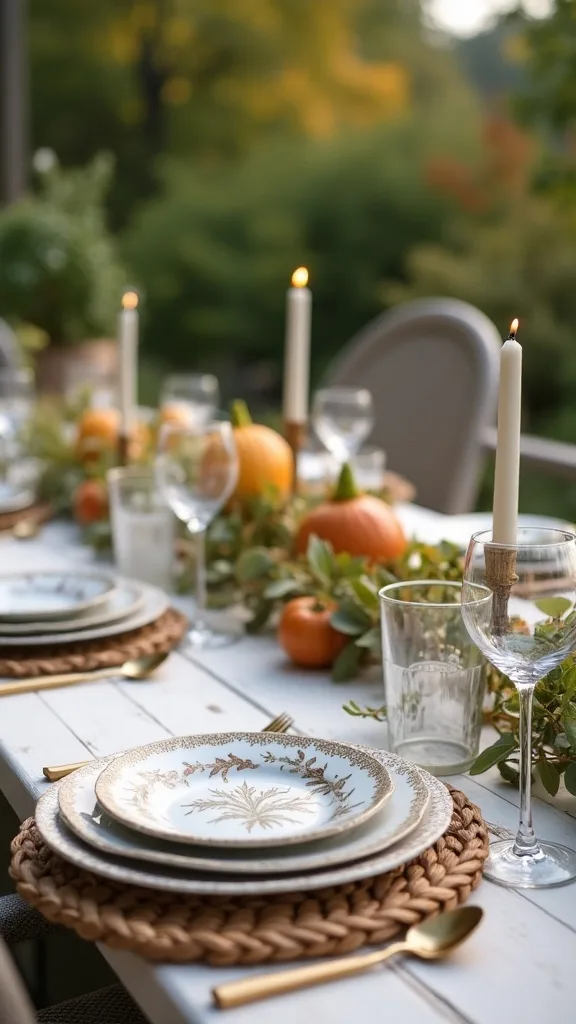
7. What lighting works best for a Labor Day dinner that runs past sunset?
Good outdoor lighting isn’t about brightness—it’s about making faces look warm and food look appetizing. The most flattering setup layers a few small light sources instead of one harsh beam.
Use string lights overhead if you have them, then add tabletop glow: two lanterns or candles in hurricane glass. If you’re buying bulbs, choose warm white light (2700K–3000K — the cosy, yellowish tone you see in most homes) so the table feels inviting.
Solar lanterns, battery tapers, and LED candles are easy wins for families because there’s no scrambling for outlets. Keep cords tucked away from walkways.
Pro tip: avoid cool-toned “daylight” bulbs outside—they can make everything feel like a parking lot. Soft light encourages everyone to stay a little longer.
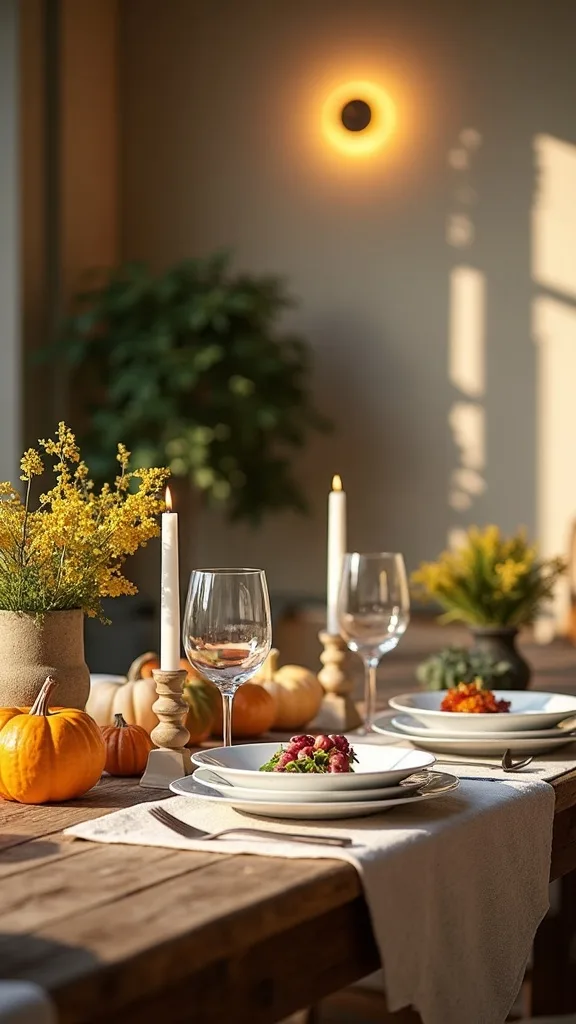
8. How do I keep bugs away from the table without ruining the vibe?
Bug control is part of comfort, and comfort is part of hospitality—especially for kids who will abandon dinner the second mosquitoes show up. The best approach combines scent, airflow, and a clean table.
Start by clearing sticky drink spills quickly and keeping lids on sweet beverages. Add two citronella candles downwind of the seating area, and run a small outdoor fan aimed across the table (moving air makes it harder for bugs to land).
Look for unscented candles for the table itself so food still smells like food. If you use repellant, keep it at a “spray station” away from dishes.
Pro tip: avoid placing citronella right next to plates—no one wants their corn to taste like candle. A little distance keeps the meal pleasant and the pests discouraged.
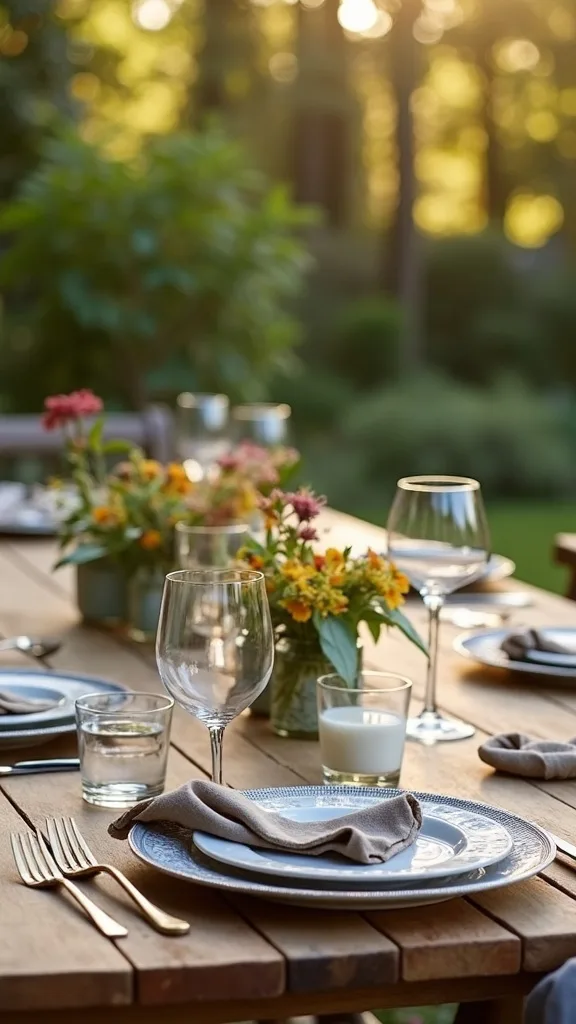
Cost & Materials Estimate
For a Labor Day outdoor dining refresh that carries you into early fall, plan on spending about $75–$260 depending on what you already own.
| Item | Estimated Cost | Where to Buy |
|---|---|---|
| Deep rust linen (or linen-blend) table runner | $25–$45 | Amazon |
| Dried botanicals bundle (pampas/preserved stems) | $12–$28 | Amazon |
| Set of 2 outdoor lanterns or hurricane candle holders | $30–$70 | Wayfair |
| Cloth napkins (set of 6) | $18–$35 | IKEA |
| Outdoor throw blankets (2 pack or two singles) | $20–$55 | Amazon |
| Citronella candles (2–4 pack) | $10–$22 | Home Depot |
Total estimated cost: $75–$260 Save money by using your existing plates and adding just a runner + botanicals; splurge on lighting because you’ll use it all season.
9. What’s a simple drink station setup that keeps kids out of the host zone?
A drink station works because it reduces traffic at the table and gives guests something to do while you’re finishing food. It’s also the easiest way to make your patio feel “event-ready” for Labor Day.
Set a small side table or bar cart 6–8 feet from the dining table. Use a large beverage dispenser (or two pitchers) plus a bin of ice, stacked cups, and a small trash bowl for lemon peels. Label one drink kid-friendly and one adult-friendly so people aren’t asking you every five minutes.
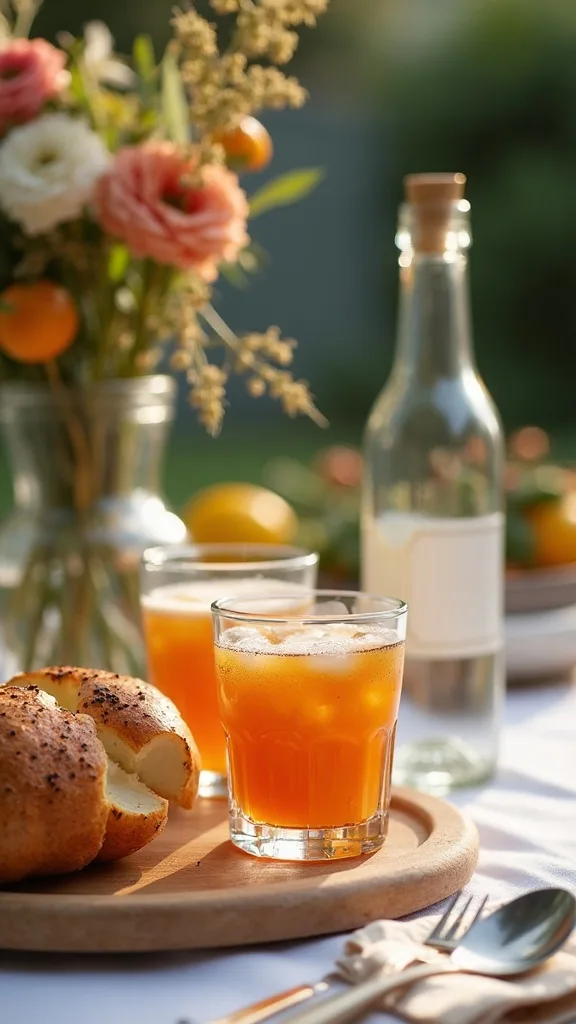
Try iced tea with orange slices, sparkling water with berries, or a simple batch mocktail. Add a rust-toned towel under the drinks to catch drips.
Pro tip: avoid glass cups outdoors if you have runners and kids. Acrylic looks elevated now, and it keeps cleanup from turning into a safety issue.
10. How do I protect my outdoor dining furniture before fall weather hits?
Fall prep is really about extending the life of what you already own. A few protective habits now can save you from wobbly chairs and stained cushions later.
Clean surfaces with mild soap and water, let everything dry fully, then store cushions in a deck box or bring them inside overnight. If you can, use fitted furniture covers once the party’s over—especially if rain is in the forecast.
For wood, consider a quick wipe-down with a product made for outdoor furniture. For metal, check for rust spots early and touch them up.
Pro tip: avoid trapping moisture under covers. If the cover sits tight with no airflow, you can get mildew. A little breathing room keeps your setup ready for the next meal.
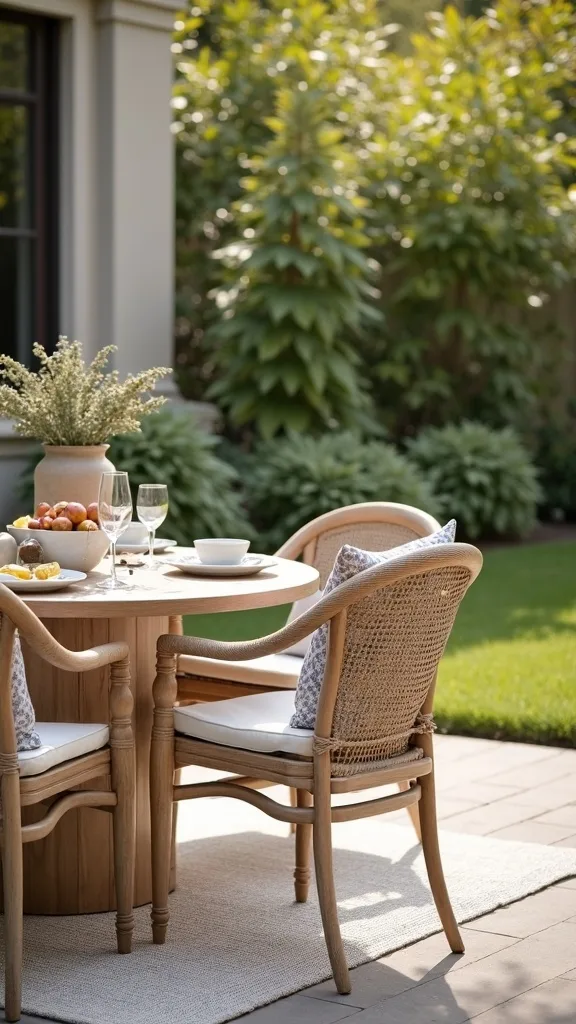
11. What table linens actually work outside (and don’t slide everywhere)?
Outdoor linens need to do two jobs: look soft and behave. The best ones are heavier weaves that drape well and don’t turn into sails.
Choose a linen or linen-blend runner instead of a full tablecloth if wind is common in your yard. Anchor corners with small clips or place settings. If you love cloth napkins, fold them flat under the top plate or use simple napkin rings.
Rust, deep clay, and warm neutral linens photograph well but also feel good in real life—like a little seasonal exhale. Keep a stain stick inside for quick saves.
Pro tip: avoid super-light gauze runners outdoors. They’re pretty for five minutes and then you’re chasing them across the lawn. Practical can still feel special.
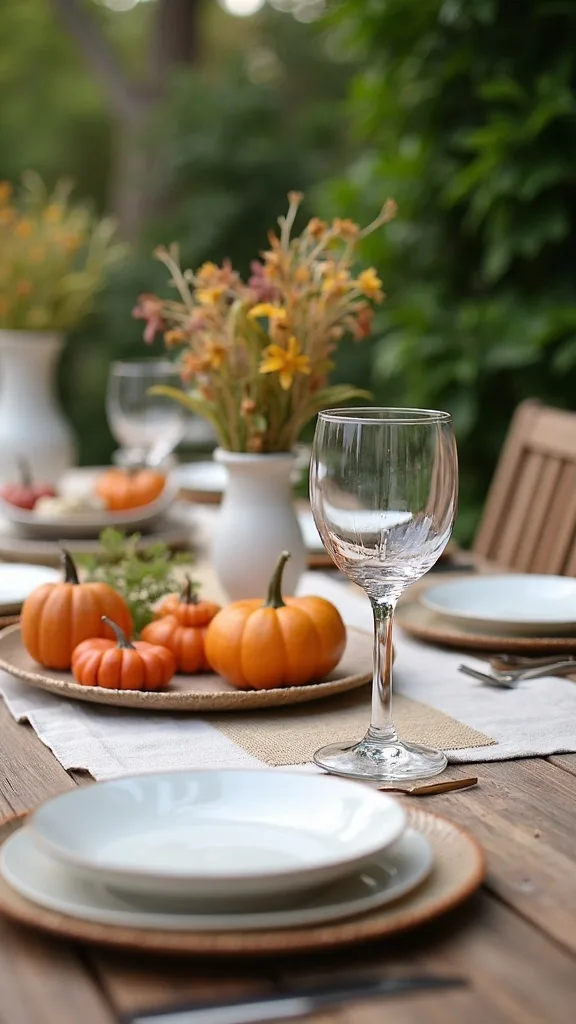
12. How can I set up an outdoor kids’ table that still matches the main one?
A kids’ table works when it’s connected to the main table, not exiled. The goal is less chaos, more togetherness—just with age-appropriate expectations.
Use a small folding table or picnic blanket nearby. Repeat one element from the “grown-up” table: the same runner color, the same napkin tone, or a mini version of the dried botanical centerpiece. Keep dishes unbreakable and portions easy.
Try kraft paper as a table covering so kids can color while they wait. Add a small caddy with crayons and wipes.
Pro tip: avoid setting the kids up with nothing to do. A simple activity buys you 10 calmer minutes, and those minutes make hosting feel lighter.
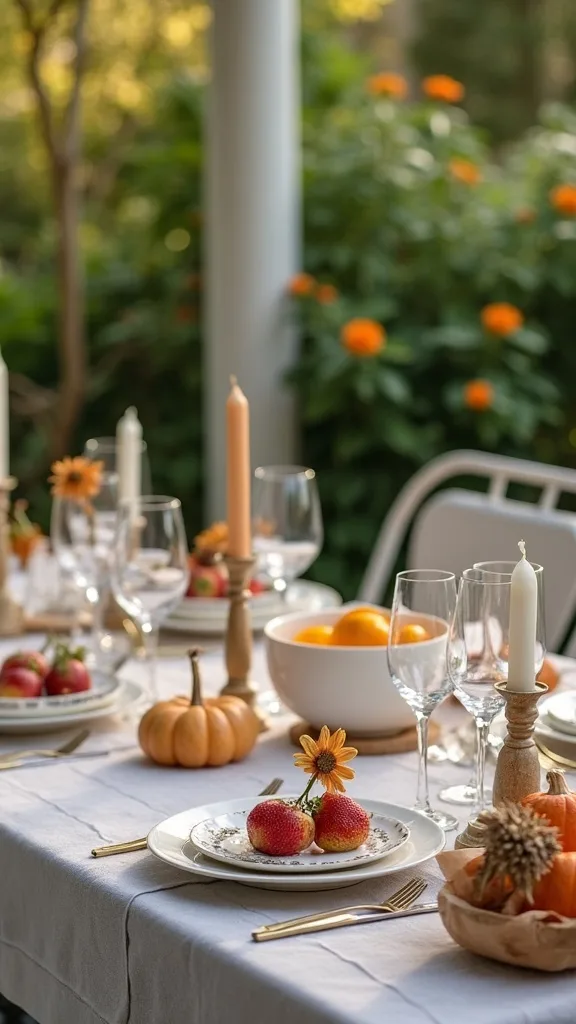
13. What are easy patio fall decor swaps that won’t clutter the dining area?
Decor feels best outdoors when it supports movement and comfort, not when it becomes an obstacle course. Small, contained touches give the season without taking over.
Add one basket with throws, one lantern by the door, and one pot of mums near the dining zone (not in the walkway). If you want pumpkins, cluster them low to the ground—think “front-porch style,” but scaled to the patio.
Stick to a tight palette: rust, cream, and a deep green. It keeps the space calm, even if toys and pool towels are still around.
Pro tip: avoid scattering tiny decor pieces across every surface. Outdoors, less reads as more, and it’s easier to reset after dinner.
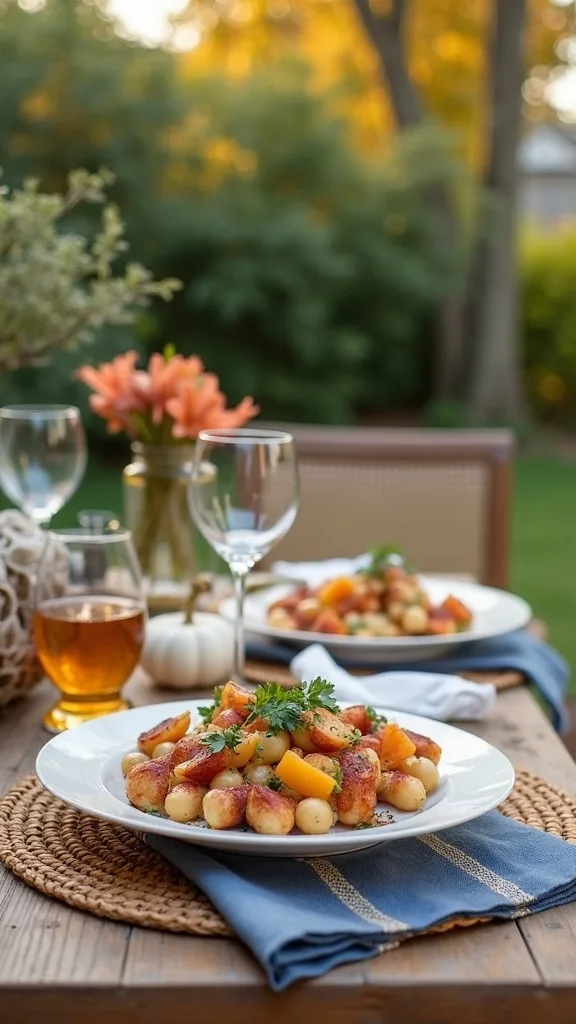
14. How do I plan a Labor Day outdoor menu that’s table-friendly?
The best outdoor menu is the one that doesn’t require you to sprint inside every two minutes. Table-friendly food is easy to serve, holds temperature decently, and doesn’t explode in the wind.
Go for big platters: grilled chicken, corn, a sturdy pasta salad, watermelon, and something crunchy. Use lidded serving bowls or cover platters with reusable silicone lids. Put condiments in small ramekins so the ketchup bottle isn’t doing laps around the table.
Choose foods that can be eaten with a fork and one hand if needed. Keep a stack of extra napkins within reach.
Pro tip: avoid overly saucy mains outdoors. Wind + sauce is a shirt stain waiting to happen, and nobody wants “fancy” if it feels stressful.
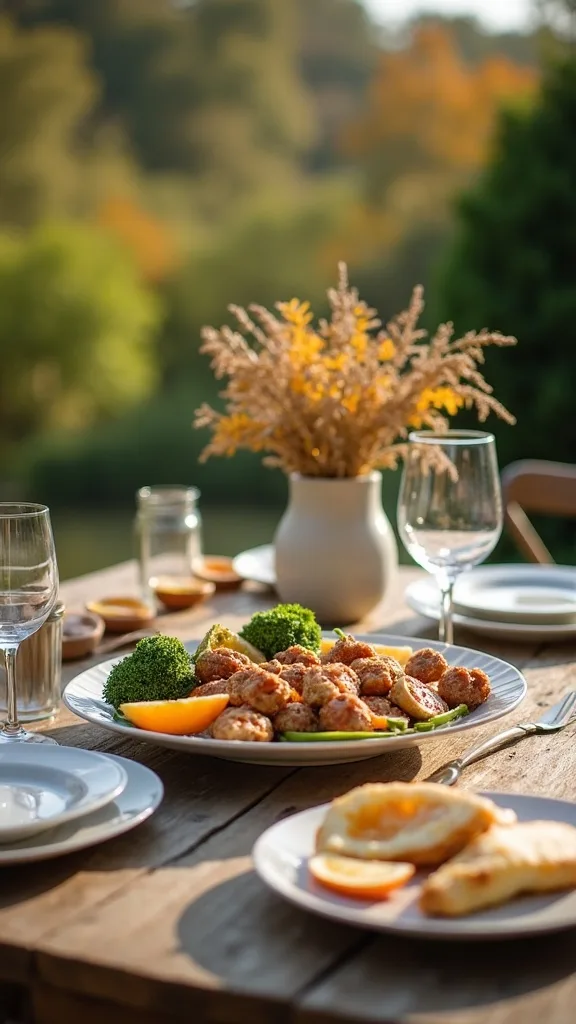
15. What’s the easiest way to add fall color without buying new chairs or cushions?
Color is mood, and mood is what you’re really decorating for. You can get a fall shift with one textile and one small accessory—no furniture replacement required.
Add a rust or terracotta runner, then echo it with napkins or a pillow cover. If your cushions are bright summer patterns, keep them and simply layer a neutral throw over the back of each chair to quiet things down.
Look for removable pillow covers so you can swap seasons without storing bulky inserts. Mix in natural textures like jute or woven seagrass.
Pro tip: avoid buying a whole matching set just to “look pulled together.” A few repeated tones look intentional, and you’ll use them longer.
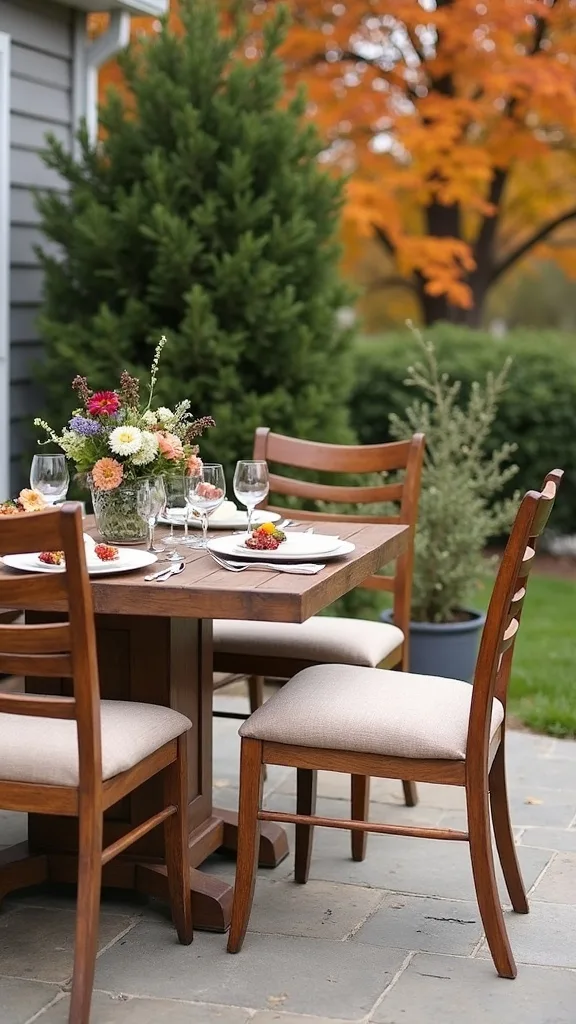
16. How do I create shade for a hot Labor Day afternoon meal?
Shade changes everything—comfort, food quality, and how long people actually want to sit. It’s one of those functional upgrades that feels like hospitality.
Use what you have: a patio umbrella angled toward the sun, a pop-up canopy, or even a sail shade if you’ve already got attachment points. If you’re improvising, place the table near the house shadow line and plan the meal time around it.
Choose light-colored shade fabric so the area doesn’t feel dim. Keep umbrella bases heavy so they don’t tip.
Pro tip: avoid placing the table where the sun hits directly from the side at eye level. Squinting guests don’t linger—and lingering is the joy of outdoor dining.
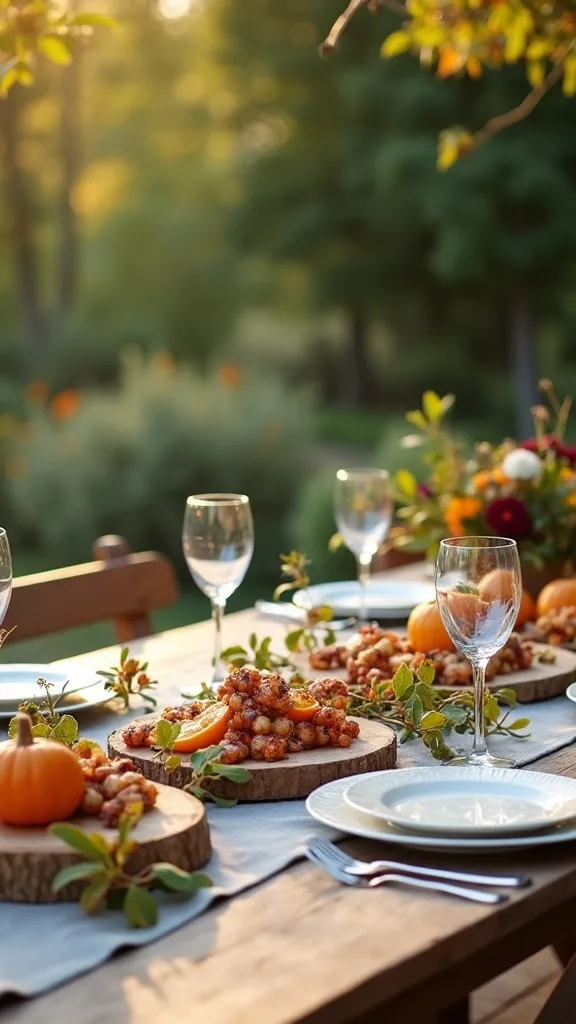
17. What’s a smart layout for a small patio dining area?
Small patios can host beautifully when the layout respects traffic flow. The goal is to keep the “paths” clear so people aren’t bumping knees every time they refill a drink.
Pull the table slightly off-center to create one wider walkway. Use a bench on one side if chairs feel too bulky. Keep a slim console or cart against a wall for serving, rather than adding another full table.
Choose stackable chairs or folding chairs you can bring out only when needed. A round table can also help if corners are tight.
Pro tip: avoid oversized decor on the tabletop in small spaces. A low centerpiece and a runner give style without stealing elbow room.
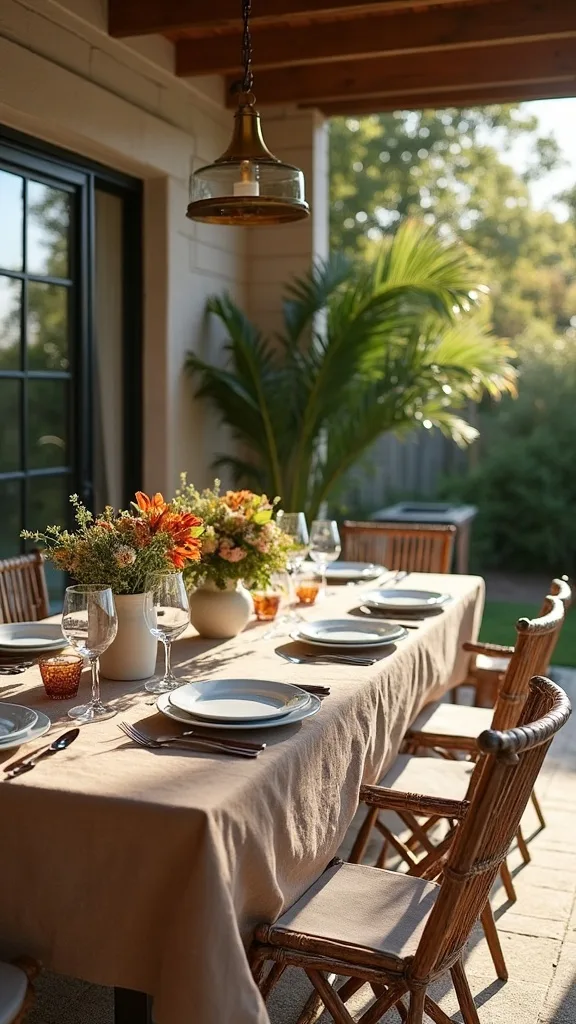
18. How do I keep the table from feeling crowded when serving family-style?
Family-style is warm and communal, but outdoors it can turn into a pile-up fast. The fix is to plan “landing spots” so serving pieces have a home.
Use a sideboard, grill cart, or even a clean storage bin as a serving station. Put only two shared items on the table at once (like salad and bread), then rotate in the main dish. Keep plates stacked at one end and utensils in a caddy.
Choose nesting bowls and platters that don’t hog space. Use lidded containers for items that attract bugs.
Pro tip: avoid putting everything out at the start “so it’s done.” A calmer table feels more relaxed, and relaxed is what people remember.
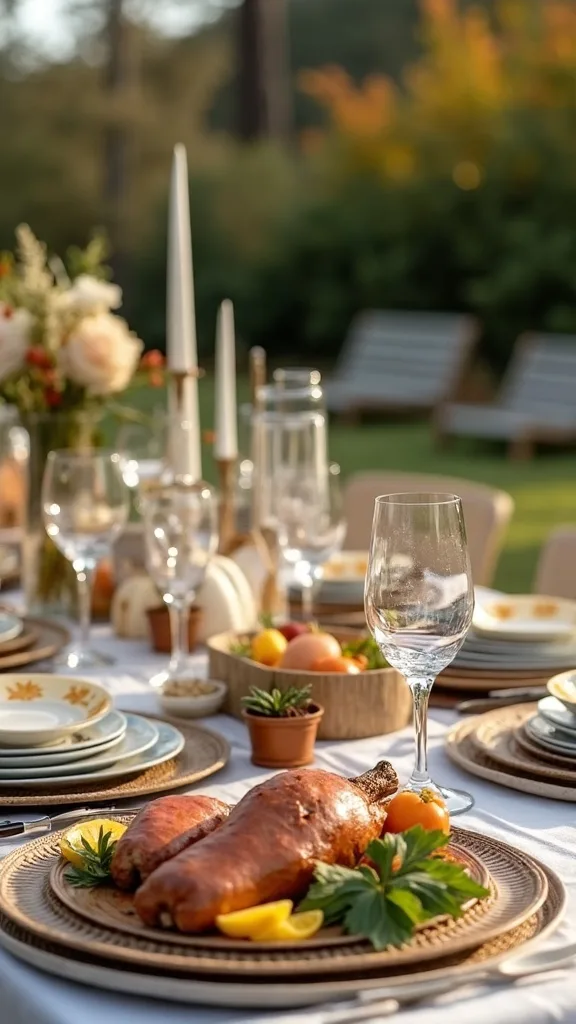
19. What’s the best way to handle outdoor cleanup so you’re not stuck inside?
Cleanup is part of the experience, whether we admit it or not. A simple system keeps you from disappearing indoors while everyone else is still enjoying the evening.
Set a bus bin near the door with a trash bag and a spot for dirty dishes. Use a small spray bottle of soapy water and a rag to wipe the table right after dessert—two minutes now saves scrubbing later. If you’re using cloth napkins, toss them straight into a designated bag.
Choose unbreakable serving pieces when possible so you can stack without fear. Keep paper towels handy, but not as the only plan.
Pro tip: avoid waiting until morning if you live where bugs or raccoons visit. A quick reset protects your space and your sanity.
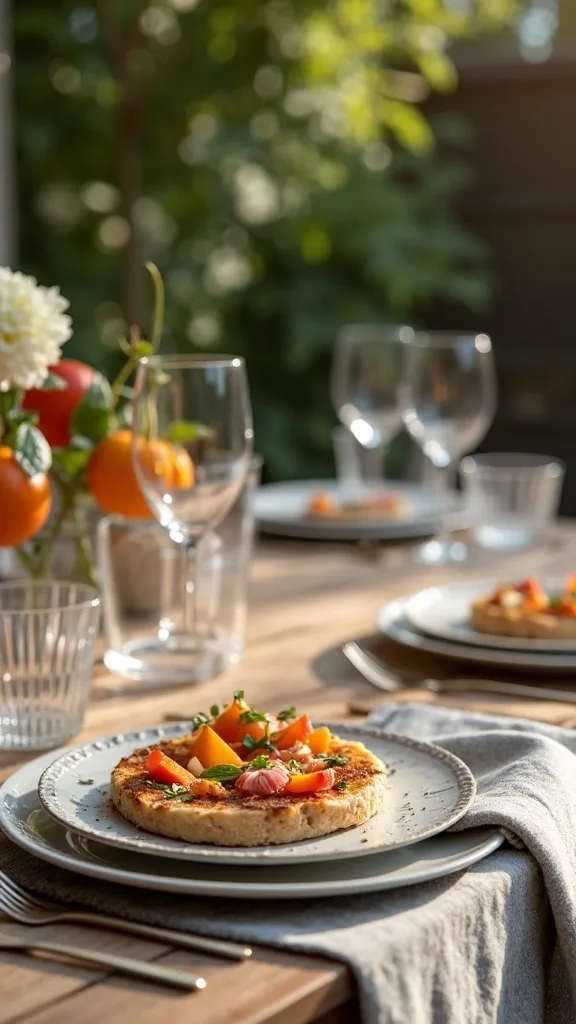
20. How can I make an outdoor dining setup feel special on a budget?
Special doesn’t have to mean expensive—it usually means intentional. A budget-friendly setup works when you invest in one “anchor” item and let simple supporting pieces do the rest.
Pick one upgrade: a linen runner, a set of cloth napkins, or two lanterns. Then shop your home: bring out indoor plates, use mason jars as vases, and clip greenery from the yard. Even a $12 bundle of dried stems can look like a centerpiece when it’s grouped well.
Stick with a tight color story so everything feels cohesive. Repeat that rust tone in two places.
Pro tip: avoid buying lots of tiny seasonal trinkets. Put your money into things you’ll use every week, and your patio will feel loved all season long.
21. How do I make outdoor dining comfortable for older relatives?
Comfort is inclusive, and small adjustments can make a big difference for grandparents or anyone with mobility concerns. The most important thing is stable seating and easy access.
Choose the most supportive chairs for the table and save lower lounge seating for later. Keep pathways clear of lantern cords, rugs that slide, and decor clusters. If the evening cools, have a basket of throws within arm’s reach so no one has to ask.
Use chairs with arms if you have them—they’re easier to get in and out of. Add a brighter walkway light for safety.
Pro tip: avoid wobbly folding chairs for longer meals. A steady seat lets people relax, and relaxation is the heart of gathering.
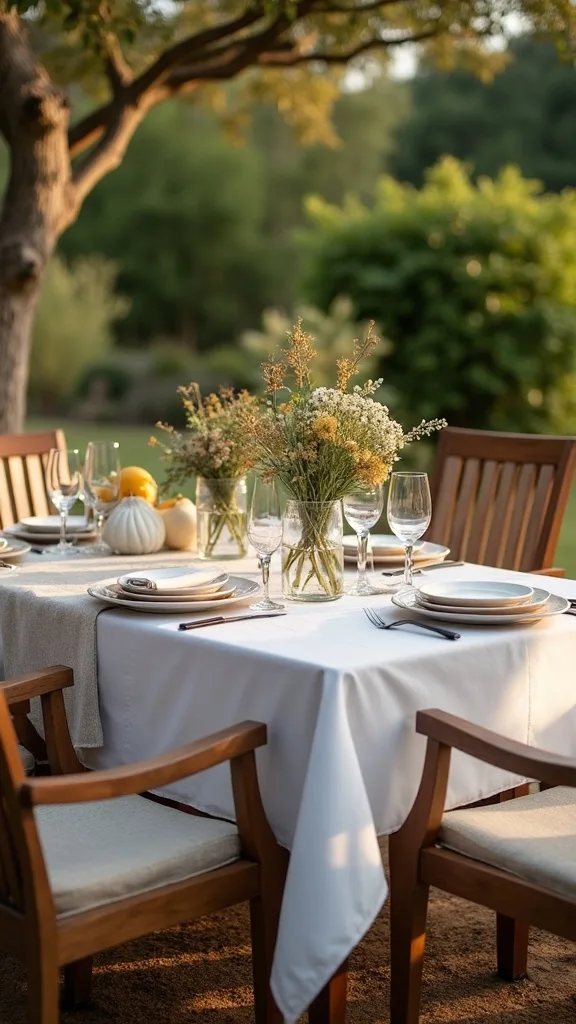
22. What should I avoid when decorating an outdoor table for early fall?
The biggest thing to avoid is decor that fights the outdoors. If it can’t handle wind, heat, or a spilled drink, it will become one more thing you manage instead of enjoy.
Skip tall arrangements, lightweight confetti-like fillers, and anything that sheds (glitter, flaky dried leaves). Avoid narrow taper candles without hurricane glass—one gust and you’ll be relighting all night. Keep the center of the table low and the edges clear for plates.
Choose sturdy materials: ceramic, glass with weight, woven trays, and linens that drape. If you want sparkle, use one metallic accent that won’t blow away.
Pro tip: avoid copying inspiration photos exactly. Your table should fit your people, your food, and your real life—and that’s what makes it feel good.
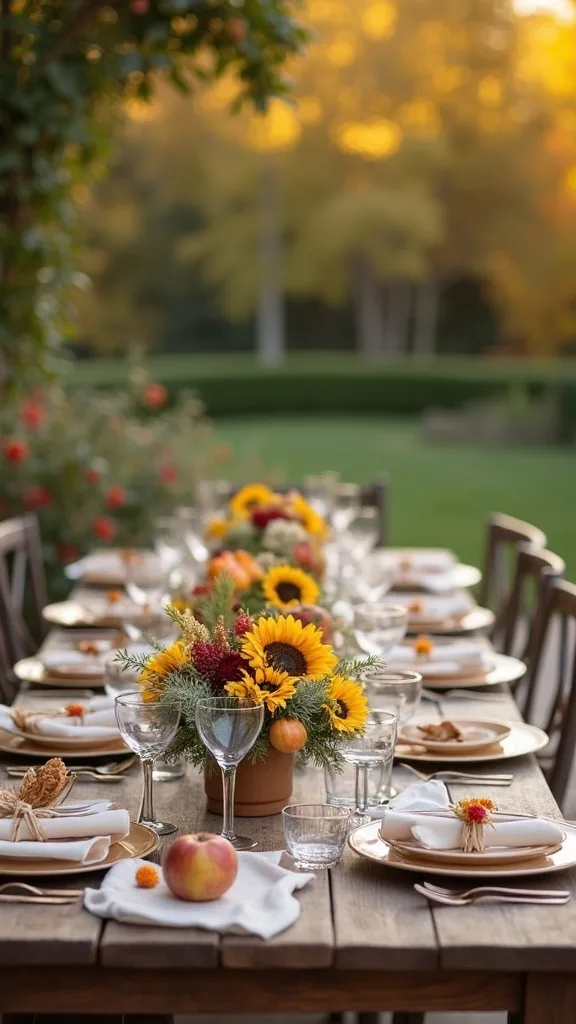
23. How can I extend outdoor dining into September and October?
Extending the season is about warmth, light, and a plan for quick setup. When it’s easy to make the patio comfortable, you’ll actually use it on regular weeknights.
Add a small outdoor heater if it fits your space, or keep a basket of blankets ready by the back door. Swap to warmer lighting and keep a wind-friendly centerpiece you can reuse. Store your “outdoor dining kit” (lighter, bug spray, napkins) in one bin so you’re not hunting for supplies.
Choose durable textiles and covers so you can leave things in place between meals. Keep the table mostly cleared so it’s always ready.
Pro tip: avoid waiting for a “special occasion” to set it up. A Tuesday dinner outside can be the best kind of reset.
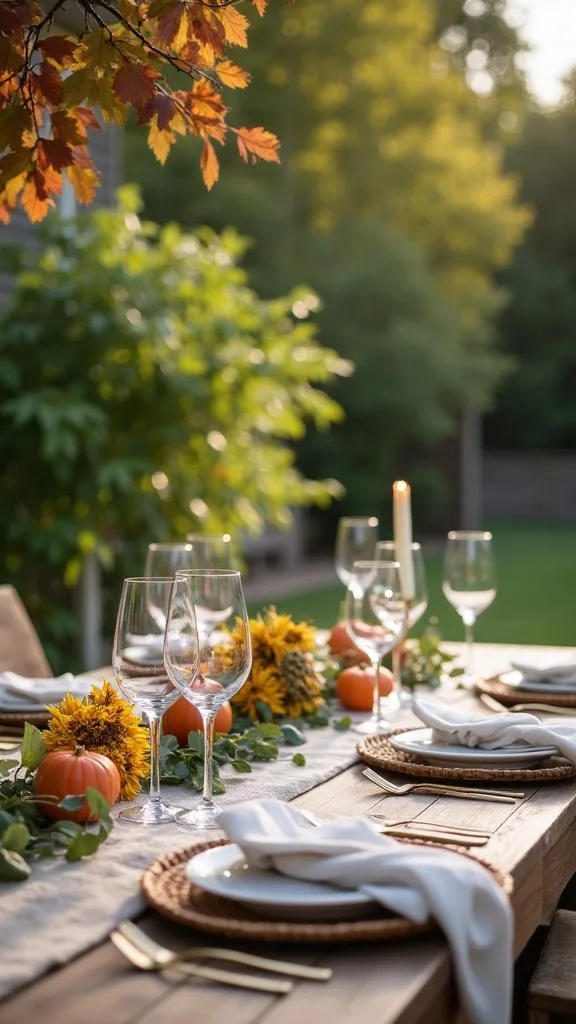
24. How do I set a buffet-style Labor Day outdoor line that flows?
Buffet-style works when people aren’t crossing paths and balancing plates in awkward spots. A good flow prevents bottlenecks and keeps food safer outdoors.
Set the line in this order: plates first, then mains, then sides, then toppings/condiments, and drinks somewhere else entirely. Use a long folding table or a console, and put utensils at the end so people aren’t juggling them while serving.
Choose covered serving dishes or use foil to protect from bugs. Label dishes if you’re feeding a crowd with allergies.
Pro tip: avoid placing the buffet where guests have to squeeze behind seated diners. A clear path keeps the whole gathering feeling calm and easy.
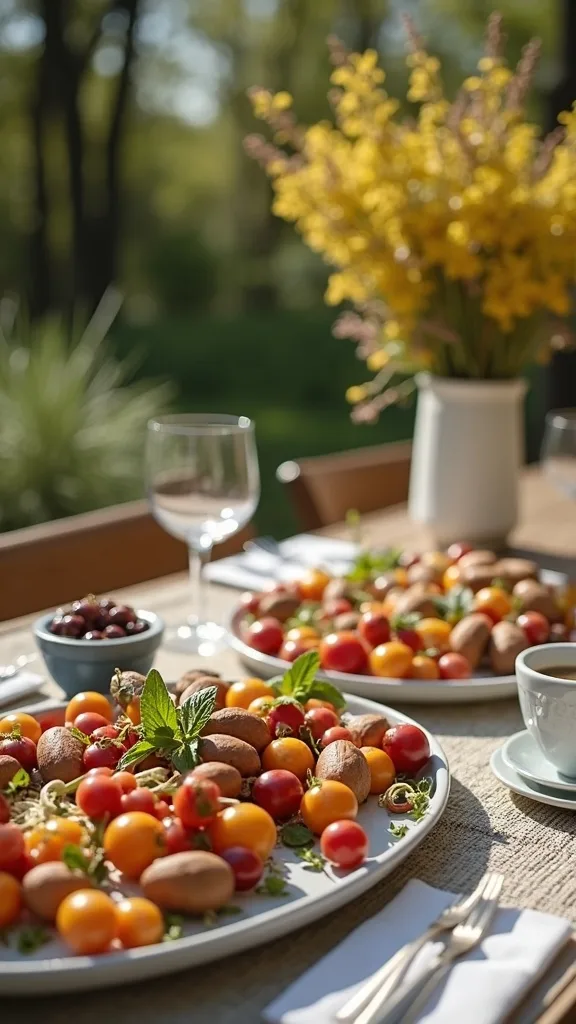
25. What’s a simple after-dinner moment that makes the evening feel memorable?
Memories usually come from one small ritual, not a perfect tablescape. A simple after-dinner moment works because it gives everyone a soft landing—especially on a holiday weekend when time feels fast.
Try dessert outside with a warm drink: cocoa for kids, coffee or tea for adults. Dim the overhead lights and let lanterns do the work. Bring out one shared bowl—like s’mores fixings or cookies—so people naturally linger.
Use cozy extras: a basket of throws, a little background music, and a few extra napkins. Keep it low-effort and warm.
Pro tip: avoid rushing to clear everything the second dinner ends. Let the table look “lived in” for a bit—those imperfect, happy leftovers are often the best part.
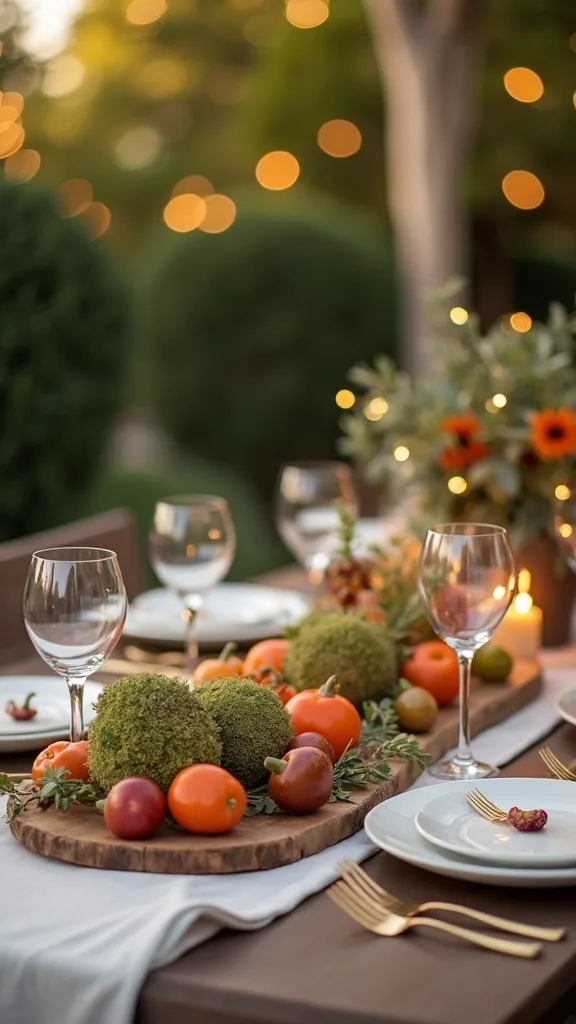
Final Thoughts
Outdoor dinners don’t become meaningful because every plate matches. They become meaningful because the space feels like you made room for people—room to sit, to eat, to laugh, to stay a little longer than planned.
If you do nothing else, choose one comfort upgrade and one visual anchor. A basket of throws plus that rust runner can carry your patio from late summer straight into the first crisp evenings, and it makes ordinary weeknights feel a little more like a pause button.
Do one thing today: wipe your table, lay down a runner (or even a folded blanket as a temporary stand-in), and set out two lanterns or candles so your next meal outside is ready before you talk yourself out of it. Imperfect isn’t just acceptable—it’s the point.
What I’d Do Differently
When I first tried this, I treated our Labor Day patio dinner like it needed a “big reveal.” I ran around adding extra decor—tiny pumpkins, scattered candles, little signs—until the table looked busy and, honestly, hard to eat at. The specific mistake: I filled the center of the table with tall stuff that blocked sightlines and left no landing space for serving bowls. Halfway through the meal, we were playing a constant game of centerpiece Jenga just to pass corn and plates. The correct approach is to keep the middle low and weighted (a tray + small vases + hurricanes) and to move serving pieces to a side surface so the table stays usable.
I also wish I’d known how much calmer hosting feels when there’s a simple “comfort kit” ready—bug candles, a lighter, extra napkins, and two throws in a basket by the door. It’s not fancy, but it’s the difference between enjoying the evening and managing it. Pick one anchor (like the rust runner), set it out today, and let that be enough to start.