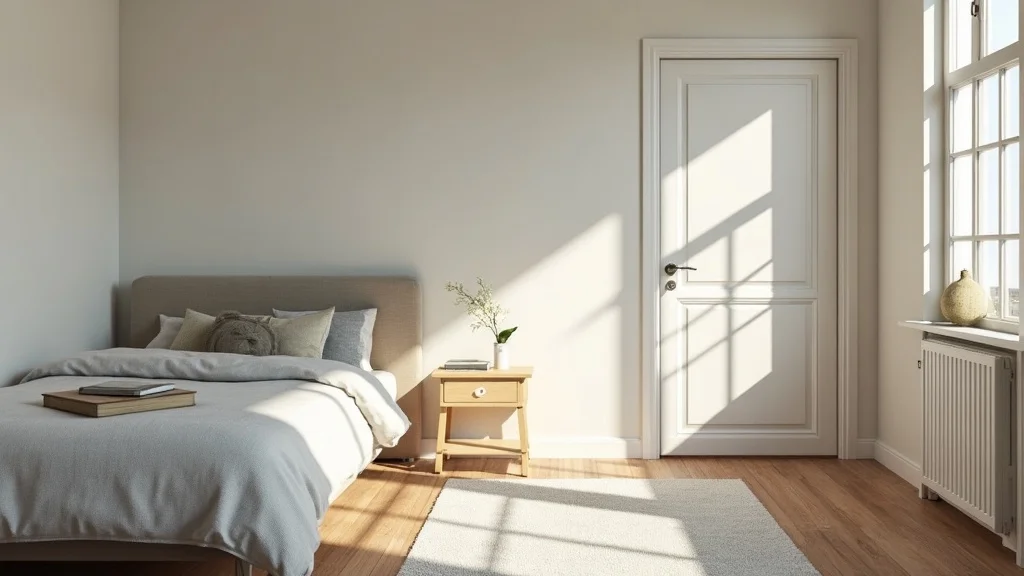

This post contains affiliate links. As an Amazon Associate, I earn from qualifying purchases at no extra cost to you.
Move-in day has a specific vibe: sweaty arms, the faint scent of new carpet, and that moment you realize the “double” room is… aggressively small. The good news? A small dorm room doesn’t need to feel temporary. It just needs a little strategy and a few pieces that do more than one job.
This guide covers practical college dorm decor that won’t wreck your walls, overwhelm your floor space, or drain your bank account. You’ll get real setup steps—what to hang first, what to measure, and what actually makes a room feel pulled together instead of randomly “Pinterest-y.”
This is perfect for anyone who wants a fast, affordable college room makeover—freshmen, transfers, commuters with a crash-pad vibe, or parents trying not to buy ten bins that won’t fit.
Inside are the little upgrades that change everything: bed risers that unlock storage, over-door organizers that make the most of dead space, and lighting that makes 2 a.m. study sessions feel less like a gas station.
Below are 25 College Dorm Room Ideas & Small Space Decor that turn a basic box into a room you actually want to come back to—using dorm room organization, compact furniture, and no-damage tricks.
Products I Recommend for This Project
Here are some of my favourite products to help you bring these ideas to life:
- Command Picture Hanging Strips (Large) — Holds frames securely and removes cleanly for true no-damage wall decor.
- Command Utility Hooks (Assorted Sizes) — Creates instant drop zones for backpacks, towels, and headphones without nails.
- Utopia Bedding Bed Risers (6 Inch) — Adds under-bed storage height fast so bins slide in without fighting the frame.
- mDesign Over The Door Hanging Organizer (Fabric) — Turns a door into organized storage for toiletries, snacks, or cleaning supplies.
- Kasa Smart Plug Mini by TP-Link — Makes dorm lighting feel effortless with one-tap “on/off” routines from your phone.
1. Start with the no-damage “core four” setup
This idea is the backbone: Command strips, bed risers, over-door storage, and one piece of compact furniture. It works because dorm life changes fast, and you need a room that can flex without leaving scars behind (or losing your deposit).
First, map your wall zones: one “sleep wall,” one “desk wall,” and one “landing strip” near the door. Use Command hooks for a mirror, a lightweight frame, and a charging station; then lift the bed 6–8 inches with risers so bins slide in cleanly. Add an over-door organizer on the closet or main door for toiletries, snacks, or cleaning supplies, and anchor the whole room with a slim rolling cart or a narrow nightstand that fits beside the bed.
Go for matte black or clear hooks (they disappear), soft canvas organizers, and warm neutrals that won’t fight your bedding. A vintage-looking wood tray on the cart keeps it from feeling like pure utility.
Pro tip: group your wall decor in a tight cluster so it reads intentional—like your room has a point of view, not just stuff.
2. How do you make a small dorm room feel bigger without repainting?
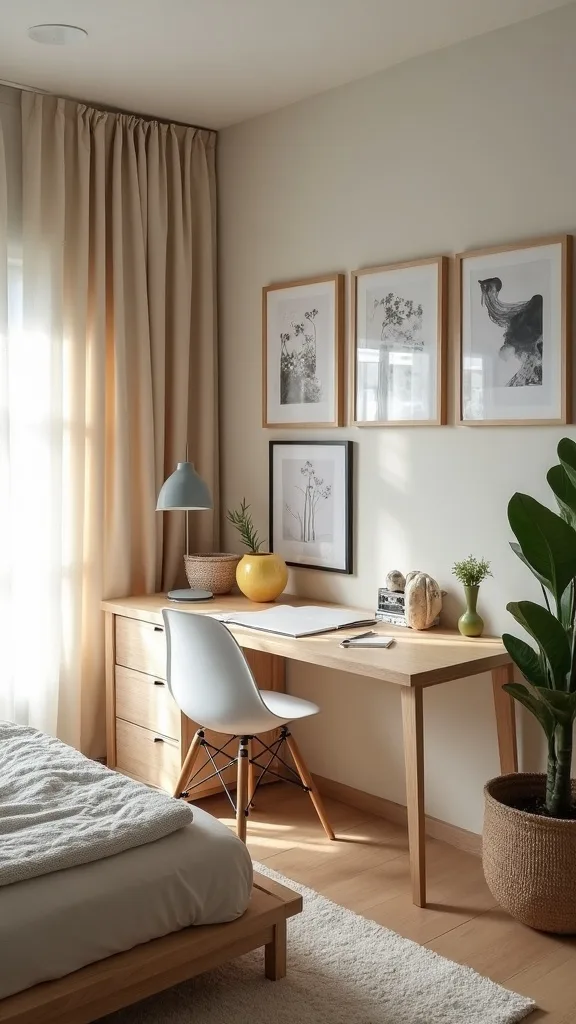
The fastest way to make a small dorm room feel bigger is to stop slicing it up visually. Fewer, larger “moments” beat lots of tiny objects, because your eye gets to rest instead of bouncing around like a pinball.
Pick one light, calm base (cream, sand, pale gray) for bedding and your biggest textiles, then add contrast in small doses—one darker throw, one graphic pillow, one framed print. Hang a full-length mirror (over-door is easiest) so it reflects the window and makes the room feel like it has a second source of light. Keep the floor as open as possible by choosing a hamper that hangs on a hook or tucks under the bed.
Materials matter: linen-look microfiber drapes softly and doesn’t look plasticky, while a chunky knit throw makes the bed feel less like a rental. Mix in one thrifted piece—like a small woven basket that looks better with age.
Pro tip: leave 20% of your wall blank on purpose. That little pocket of quiet makes everything else look more elevated.
3. What’s the easiest dorm room organization system that actually sticks?
The easiest system is a “three-zone” rule: daily, weekly, and rarely. It works because you’re not trying to become a new person overnight—you’re just putting things where your hands naturally reach.
Daily items live within arm’s reach of your bed and desk: chargers, water bottle, lip balm, planner, headphones. Weekly items go in one drawer unit or a bin you can pull out (laundry pods, extra toiletries, paper towels). Rarely-used stuff goes under the bed in lidded bins—think extra blankets, backups, seasonal clothes. Label with painter’s tape so you can change it later without residue.
Choose clear bins for under-bed so you can see what’s inside, and soft-sided fabric cubes for open shelves so the room doesn’t feel like a storage locker. A vintage scarf can hide a boring plastic bin in a pinch.
Pro tip: set a “reset timer” for 6 minutes each night. Short enough to do, long enough to change your mornings.
4. How do you decorate dorm walls without nails (and without it looking cheap)?
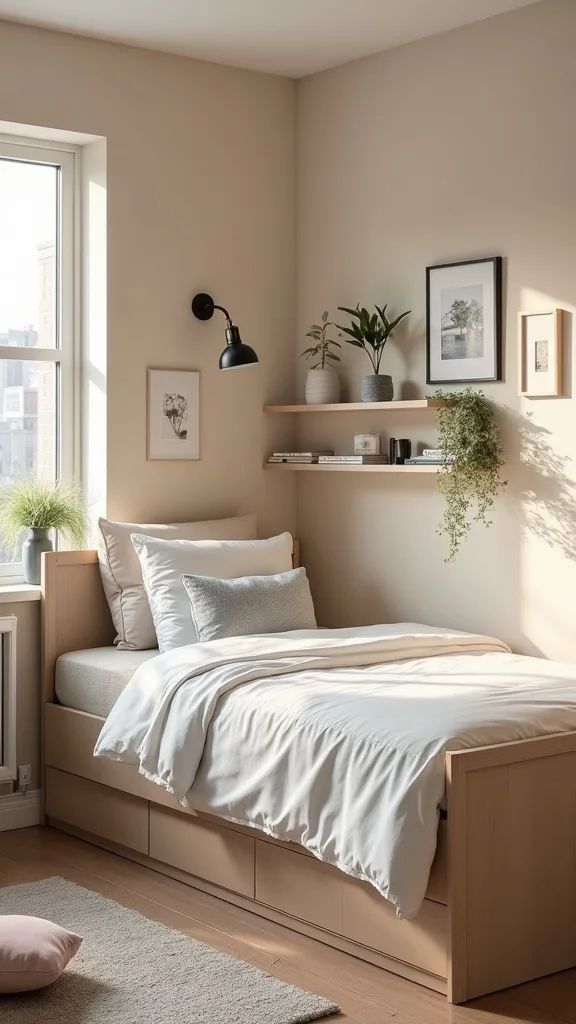
No-damage doesn’t have to mean flimsy. The trick is choosing wall decor with a little weight and texture—pieces that feel collected, not printed five minutes ago.
Use Command picture hanging strips for frames and a tapestry, and removable hooks for string lights or a lightweight hanging planter (faux is fine). Make a mini gallery with two medium frames and one oversized poster in a thrifted frame—bigger reads more grown-up. Keep everything 2–3 inches apart so it feels curated, not scattered.
Look for frames with a slightly worn finish—black wood, brushed brass, or warm walnut tones. Soft cotton tapestries drape better than shiny polyester and won’t crinkle like a chip bag when the AC kicks on.
Pro tip: before you stick anything, wipe the wall with rubbing alcohol and let it dry. Your hooks will hold better, and your room will stay drama-free.
5. How do you make dorm lighting feel cozy instead of fluorescent?
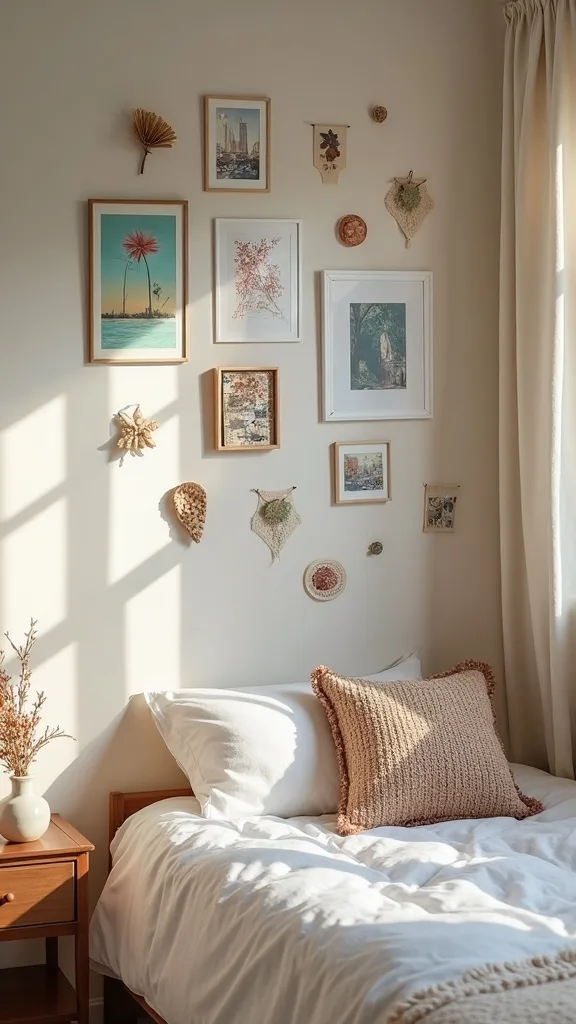
Dorm overhead lights can make everyone look like they’re starring in a medical drama. Layered lighting fixes that fast, and it makes your room feel like a place you chose, not a place you got assigned.
Add a small desk lamp for tasks, then a soft ambient option like curtain string lights or a plug-in wall sconce held up with Command strips. Choose bulbs in warm white light (2700K–3000K — the cosy, yellowish tone you see in most homes) so the room reads calm at night. If your dorm allows, a slim floor lamp in the corner bounces light off the ceiling and visually lifts the room.
Textured shades matter: linen-look fabric diffuses light softly, while clear glass can feel harsh. A secondhand lamp base with a new shade is the sweet spot—vintage charm, clean finish.
Pro tip: put your lights on a smart plug so “bedtime mode” is one tap. It’s a tiny luxury that makes the whole room feel more intentional.
6. What bed riser setup adds storage without making the bed feel too tall?
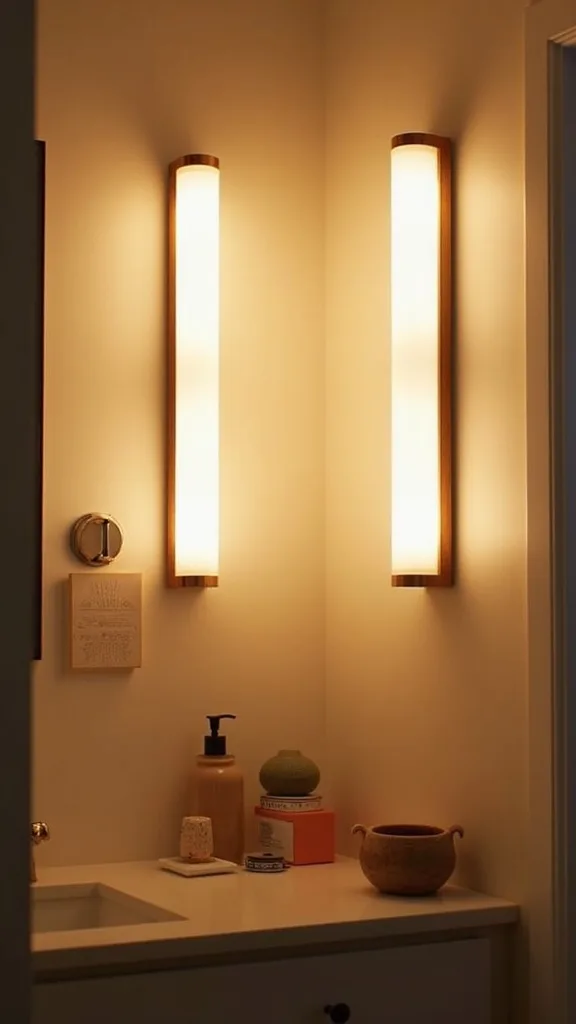
Bed risers are the quiet MVP of small-space living, but only if you size them to your actual storage plan. Too tall and your bed feels like a bunk; too short and nothing fits underneath.
Measure your bins first, then choose risers that give you 1–2 inches of clearance. A common sweet spot is 6 inches—enough for low-profile rolling bins and shoe storage. Add a bed skirt or a long textured throw draped at the foot to hide the under-bed zone so it doesn’t look like a warehouse. If your bed frame is wobbly, pick risers with a wide base and non-slip pads.
Under-bed bins in smoky clear plastic look less “storage unit,” and canvas zip bags keep off-season sweaters from collecting dust. A thrifted trunk at the foot of the bed can double as seating and storage if your layout allows.
Pro tip: keep one under-bed bin empty on purpose. It becomes your “stuff I’m dealing with later” buffer—so later doesn’t take over your room.

7. How do you create privacy in a shared dorm without building a wall?
Privacy isn’t just visual—it’s emotional. A little separation makes your side feel like yours, which matters when you’re sharing air, sound, and schedule with another human.
Try a tension rod with a curtain at the foot or side of the bed if your layout allows. If not, use a tall, open bookshelf (even a cube organizer) as a soft divider—store baskets on the lower cubes and keep the upper cubes airy so light still moves through. A folding screen is tempting, but it can eat floor space fast; a curtain gives you flexibility without the bulk.
Choose a curtain with weight—cotton or linen-look fabric that hangs with a gentle drape. Colors like oatmeal, dusty blue, or charcoal feel calmer than bright white, which can look harsh under dorm lighting.
Pro tip: add one hook behind the curtain for a robe or tote. It turns privacy into a functional zone, not just a visual barrier.
8. What’s the best over-door storage for dorms (and what should you avoid)?
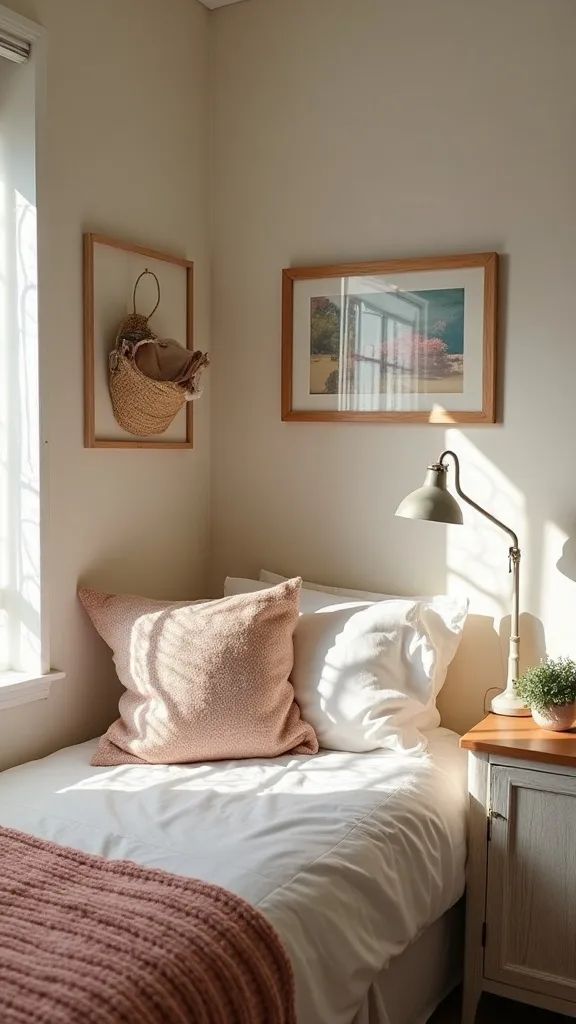
Over-door storage is pure found space—like discovering an extra drawer you didn’t know you had. It works because dorm closets are usually shallow, and the floor fills up fast.
Pick an over-door organizer with reinforced hooks and deep pockets, then assign it a single category: pantry, cleaning, beauty, or school supplies. If it’s mixed-use, it becomes chaos by week two. Avoid overloading it with heavy bottles if the door bangs or sticks—spilled shampoo is a dorm rite of passage you don’t need. For the bathroom, choose mesh pockets so things dry out instead of getting that weird damp smell.
Canvas organizers feel softer and quieter than plastic, and they age better through the semester. Neutral colors look calmer; clear pockets make it easier to find things, so pick your priority.
Pro tip: add a thin felt pad where hooks touch the door. Your roommate will thank you when the door stops clacking every time you grab a snack.
Cost & Materials Estimate
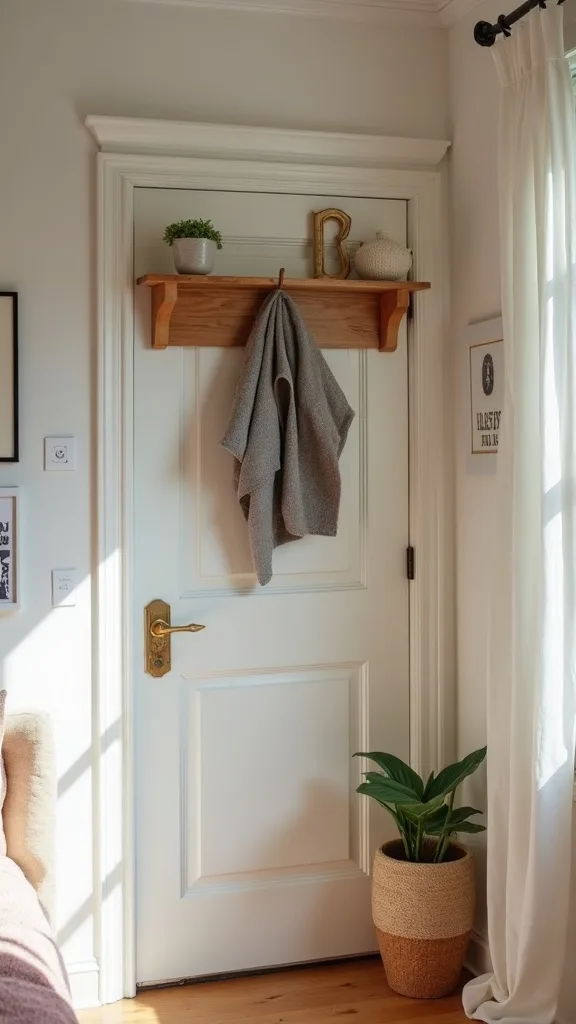
A realistic move-in refresh typically lands between $75 and $250 depending on what you already own and whether you add a rug or extra lighting.
| Item | Estimated Cost | Where to Buy |
|---|---|---|
| Command Picture Hanging Strips + Assorted Hooks | $14–$28 | Amazon |
| Bed Risers (6-inch set) | $18–$35 | Amazon |
| Over-the-Door Organizer (fabric or mesh) | $17–$32 | Amazon |
| Rolling Utility Cart (3-tier) | $29–$59 | IKEA |
| 5′ x 7′ Low-Pile Rug | $45–$110 | Wayfair |
Total estimated cost: $123–$264 Save by thrifting frames and baskets; splurge on a rug or warm lighting because they change the whole mood.
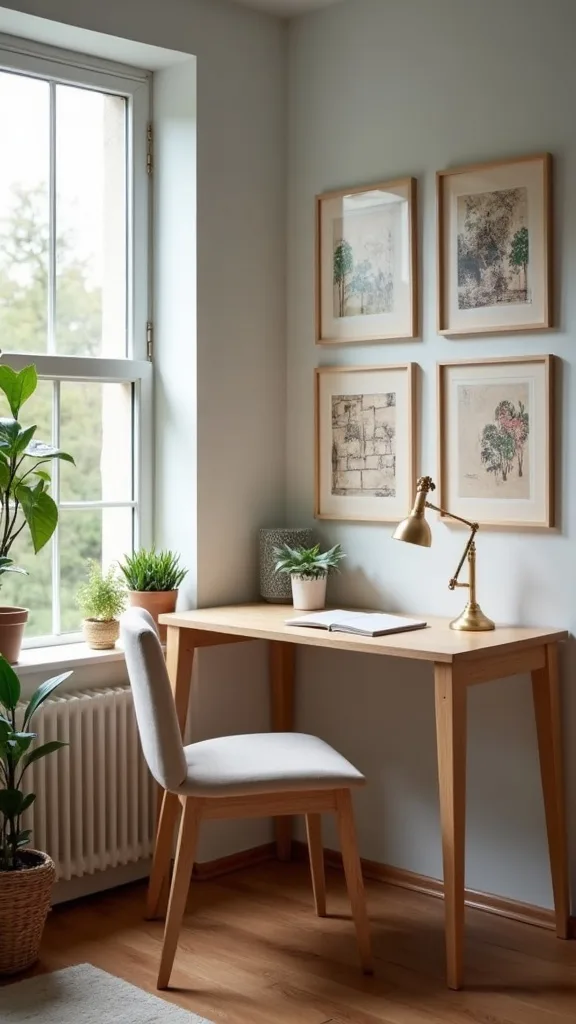
9. How do you set up a desk that doesn’t become a clutter magnet?
A dorm desk can either be a launchpad or a landfill. The difference is giving every small item a home that’s closer than the desktop.
Start with a vertical shelf riser or a monitor stand to lift your screen and create a parking spot underneath for notebooks. Add a slim drawer unit or a rolling cart beside the desk for pens, chargers, and the random stuff that multiplies. Use adhesive cable clips to route cords to one power strip, and mount the power strip to the desk leg with removable strips so it’s not sliding around your feet.
Choose organizers in matte finishes—black, sand, or clear acrylic—so they fade into the background. A vintage pencil cup (ceramic, slightly imperfect) makes the setup feel less office-supply-store.
Pro tip: keep only one “open” tray on the desk. If it overflows, that’s your signal—not your failure—that it’s time for a 3-minute reset.
10. How can you add seating in a dorm without sacrificing floor space?
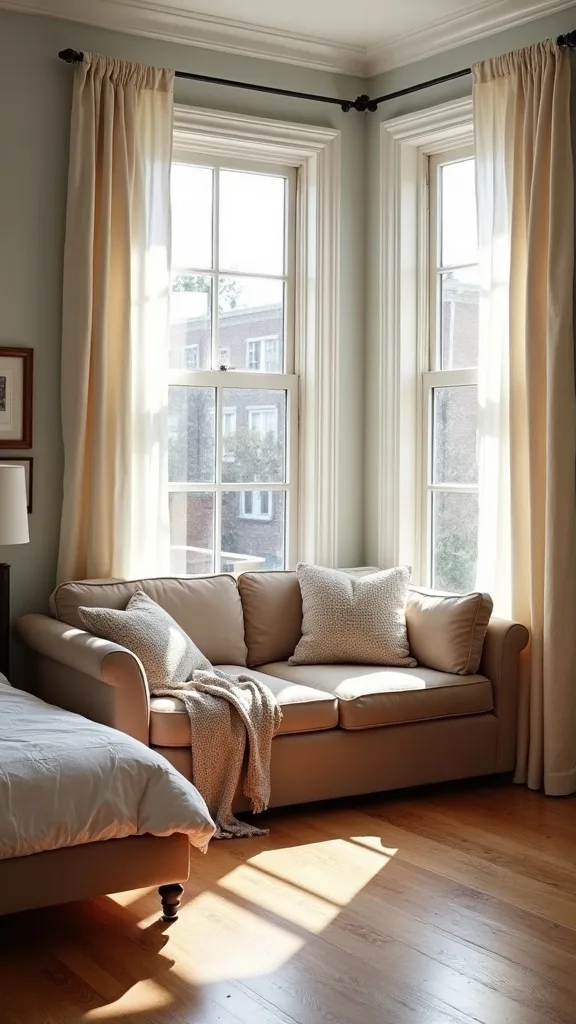
Extra seating is nice until it blocks your closet door. The best dorm seating disappears when you don’t need it, then shows up like a good friend when people drop by.
Go for a folding saucer chair, an ottoman with storage, or a cube pouf that tucks under the desk. If your bed is lofted or raised, a compact chair can slide partially underneath. Keep a small lap desk or a sturdy tray nearby so the chair can double as a study spot when the desk is taken over by textbooks or makeup.
Look for textures that can handle real life: faux suede that wipes clean, boucle-style fabric that feels cozy, or a woven cover that hides scuffs. A thrifted wool blanket draped over the chair makes it feel intentional and adds warmth when the AC is doing the most.
Pro tip: choose seating in a mid-tone (camel, gray, olive). It hides wear and makes the room feel grounded, like it has a base layer.
11. What’s the simplest way to make a dorm bed look styled (not like a camp bunk)?
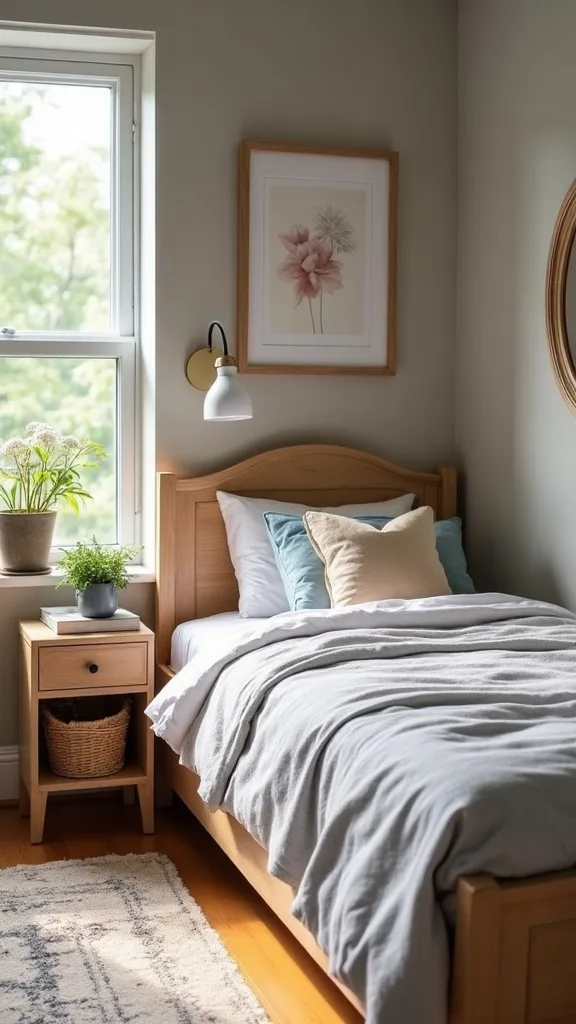
The bed is basically your whole room, so it has to carry the vibe. Styling it is less about buying more and more about choosing pieces that drape well and feel good on tired skin.
Start with a fitted sheet that actually fits the dorm mattress depth (many are extra-long twin). Add a duvet insert and cover—duvet covers are easier to wash than a bulky comforter. Then do the “three-layer” look: one throw blanket folded at the foot, one textured pillow, and one standard pillow in a crisp sham. Keep it tight and minimal so it doesn’t swallow the room.
Choose cotton percale for that cool, hotel-sheet feel, or jersey if you want soft and broken-in. Add one vintage-looking quilt or kantha-style throw for texture that gets better with time.
Pro tip: make the bed the first thing you do after move-in. Instant calm—like the room is already on your side.
12. How do you organize a dorm closet with no built-in shelves?
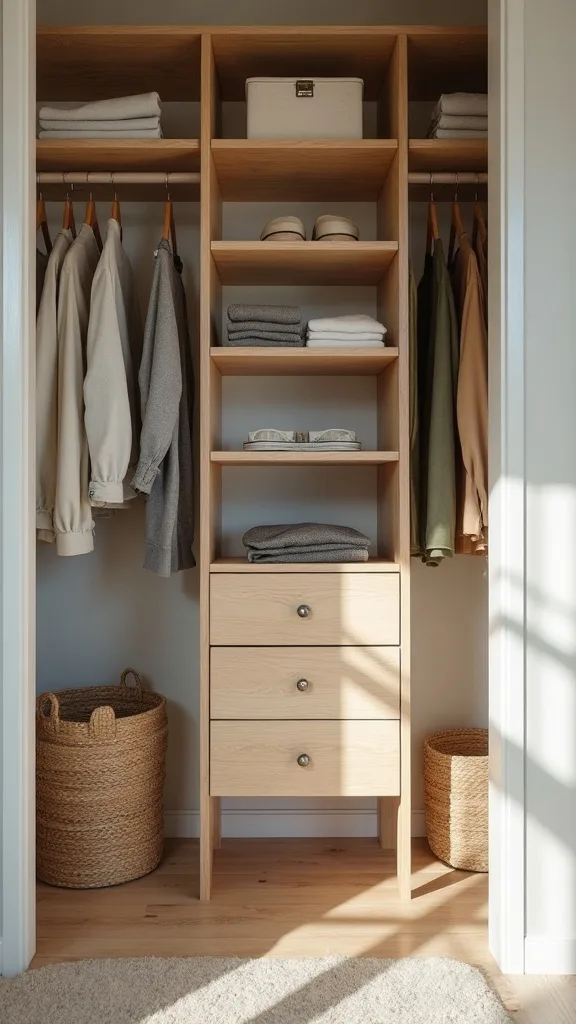
Dorm closets love to pretend they’re functional, then give you one bar and a sad top shelf. You can fix it with a few layers that turn vertical space into actual storage.
Add a hanging closet organizer for folded tees, sweats, and towels. Place a small shoe rack or stackable bins on the floor, and use slim hangers to fit more without the crunchy jammed feeling. Put rarely-used items on the top shelf in a lidded bin you can slide forward. Keep a small hamper inside the closet if your room is tight—out of sight, still easy to reach.
Neutral fabric organizers feel cleaner than bright plastic. For hangers, velvet keeps clothes from slipping, and it looks uniform in a way that makes mornings easier.
Pro tip: leave one “empty” section of the closet bar. It becomes your landing zone for outfits-in-progress, and it keeps the chair-from-becoming-a-closet problem under control.
13. What’s the best way to handle laundry in a tiny dorm room?
Laundry can quietly take over a small dorm room if you don’t give it boundaries. The goal is a system that’s breathable, portable, and not ugly enough to ruin your vibe.
Use a slim, collapsible hamper that fits between the bed and desk or slides under the bed. If your dorm has long hall walks to the laundry room, choose a hamper with handles or a backpack-style laundry bag. Keep a small pouch clipped to it with quarters or a card and a stain remover pen—future-you will feel cared for. Set one laundry day and stick to it, even if it’s just one load.
Canvas hampers look softer than plastic and don’t crack. A woven basket is cute but can be bulky; save it for a bigger space later unless you find one that fits your exact gap.
Pro tip: keep a tiny “rewear” hook for jeans and hoodies. It cuts down laundry volume without making your room feel messy.
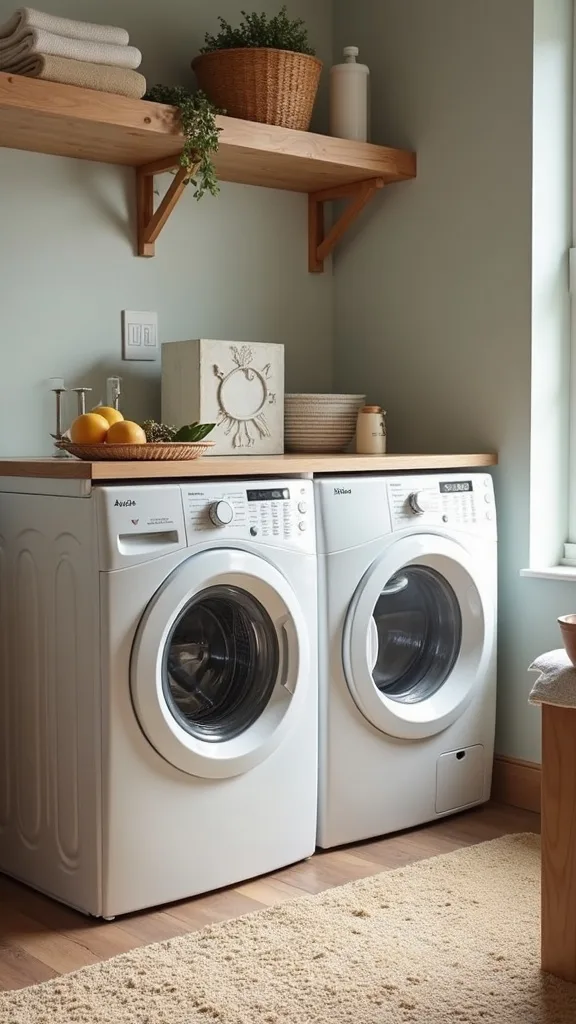
14. How do you create a “drop zone” by the door in a dorm?
The drop zone is what keeps your room from becoming a pile of keys, badges, and half-zipped tote bags. It works because it catches the mess at the source—right where you walk in.
Install two removable hooks at shoulder height for a backpack and jacket, then add a small wall-mounted basket or adhesive shelf for keys, student ID, and lip balm. If wall space is limited, use the side of a dresser with Command hooks. Add a thin doormat or a small rug square so the area feels like a threshold, not just a corner.
Go for hooks in brushed nickel or matte black—they look more like hardware and less like temporary plastic. A little vintage dish (thrift store, $2–$5) makes an elevated catch-all that’s oddly satisfying to use.
Pro tip: keep one hook empty. It becomes your “I’m running late” lifesaver spot for anything you need to grab fast.
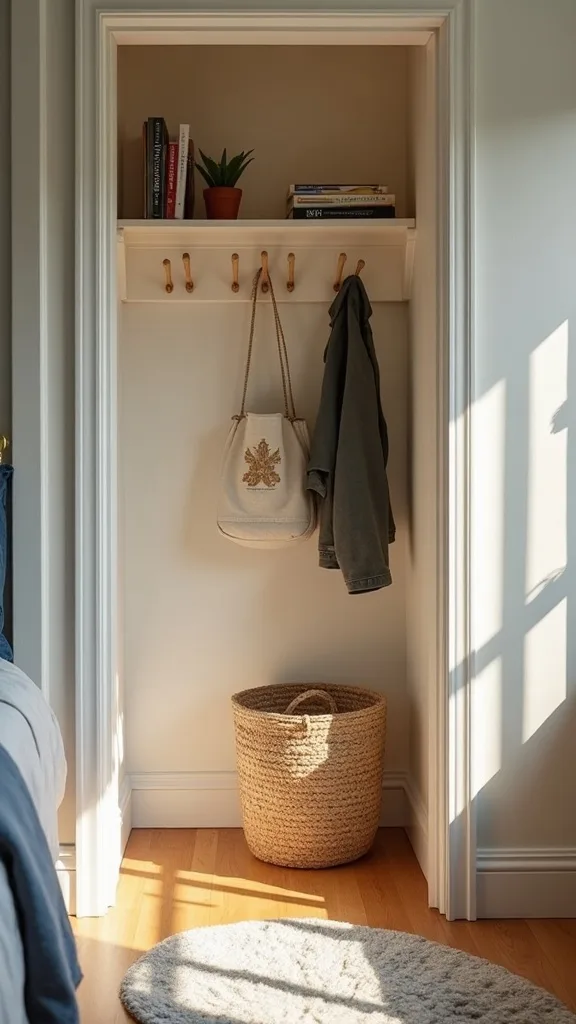
15. How can you add plants to a dorm room without creating a maintenance problem?
Greenery makes dorm air feel less institutional, but you don’t need a whole jungle to get the effect. The best dorm plants are resilient and forgiving—like they understand midterms.
Choose one hardy plant (pothos, snake plant) and place it where you’ll see it daily, like the desk corner. Use a lightweight pot and a saucer so you don’t ruin furniture, and water on a schedule you can remember (every 10–14 days is often enough for low-light plants). If your dorm has strict rules or you travel a lot, a high-quality faux plant in a textured pot still gives you that softened, lived-in look.
Terracotta ages beautifully with water marks and looks better over time. A thrifted ceramic mug can even become a planter if you add a plastic liner inside.
Pro tip: hang a tiny plant shelf with removable strips instead of using the windowsill. It keeps the look airy and frees up precious surface space.
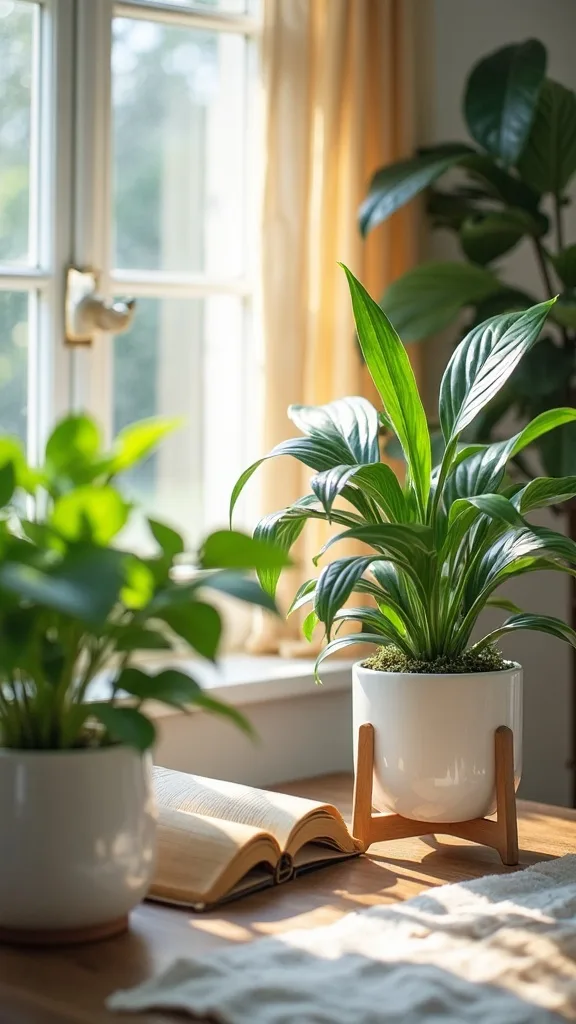
16. What’s the smartest compact furniture to buy for a dorm?
In a dorm, furniture has to earn its footprint. The smartest pieces do double duty—storage plus surface, seating plus hidden space, or mobility plus flexibility.
Look for a slim three-drawer unit, a narrow rolling cart, or a foldable side table that can move from bed to desk depending on the day. Measure your walkways first—keep at least 24 inches clear where you actually need to pass. If you’re shopping in person, bring a tape measure and a photo of your room layout so you don’t buy something that technically “fits” but makes the room feel blocked.
Warm wood tones (even faux wood) soften the dorm’s hard edges. Metal frames in black or white feel clean and modern, and they hide scuffs better than glossy finishes.
Pro tip: prioritize pieces you’ll use after you move out—rolling carts, drawer units, and folding tables transition easily into apartments.
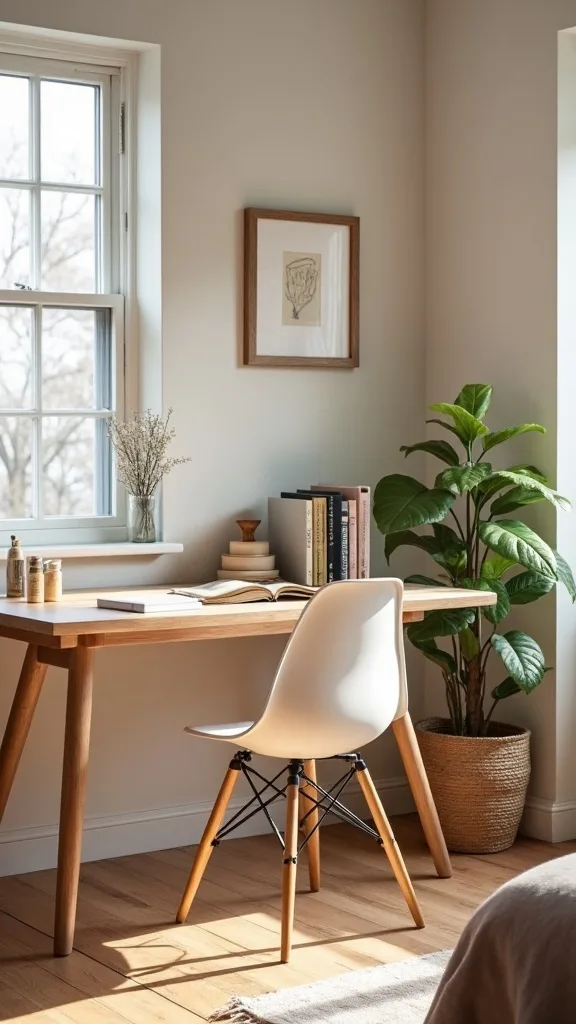
17. How do you store snacks and dishes when you don’t have a kitchen?
A snack station is basically self-care in a small dorm room. Done right, it keeps food from migrating into backpacks, desk drawers, and your bed (we’ve all been there).
Set up a single bin or basket on a shelf or cart: one section for salty, one for sweet, one for “real food” like oatmeal or protein bars. Add a small tray for a mug, utensils, and napkins, and keep dish soap and a sponge in a zip pouch so it doesn’t leak onto your stuff. If you have a mini fridge, designate one shelf as “grab-and-go” so you’re not digging around.
Woven baskets make snacks feel intentional instead of cluttery. Clear containers are practical if you’re the type who forgets what you own unless you see it.
Pro tip: avoid open chip bags on shelves—they go stale and attract pests. Clip everything shut and your room stays clean and calm.
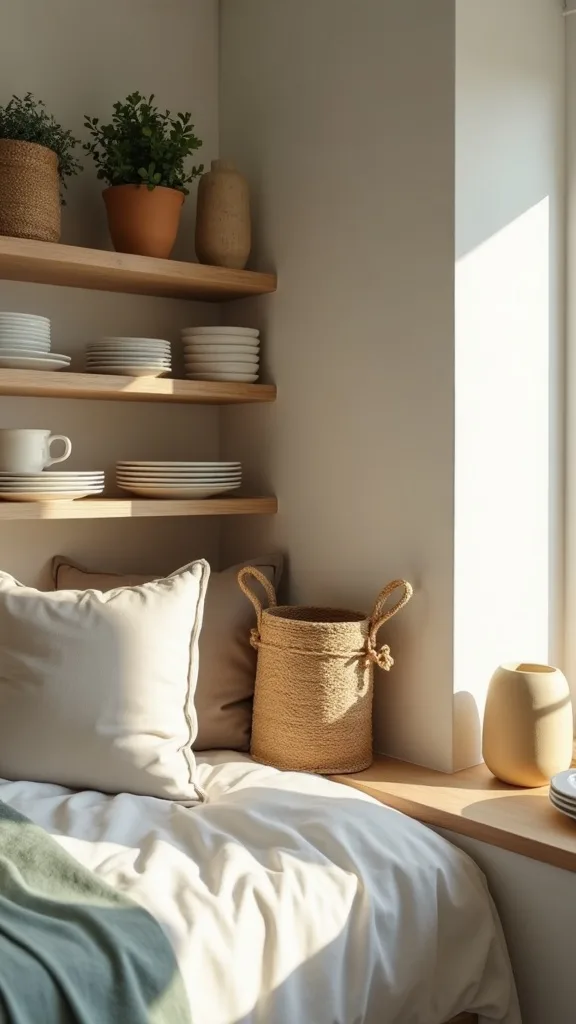
18. How do you make shared dorm decor feel cohesive with a roommate?
Roommate style differences are normal. Cohesion comes from agreeing on a few shared “anchors” and letting everything else be personal, like two playlists that share a vibe but not the same songs.
Pick two shared colors (say, cream + black, or sage + warm wood) and one shared material (linen, woven texture, or matte metal). Agree on the big-ticket shared items: rug, curtain, and any common storage. Then each person gets their own bedding and wall art zone. Use matching bins or baskets for shared storage so the room feels consistent even if your posters don’t match.
Vintage finds help here—two different thrifted frames can still feel cohesive if they’re both warm wood or both black. Add one new, simple rug to tie it all together.
Pro tip: do a 10-minute “style swap” after move-in. Trade one item each so the room feels blended, not divided down the middle.
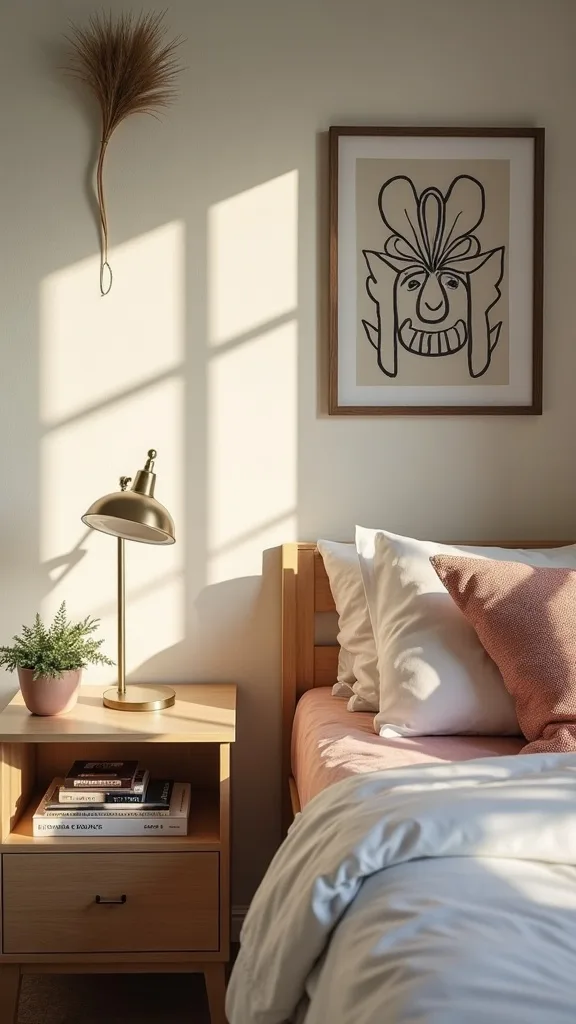
19. What’s the best rug size for a dorm room (and where should it go)?
A rug makes the room feel finished, but size and placement matter more than pattern. The right rug creates a “zone” that makes the space feel designed, not accidental.
In many dorms, a 5′ x 7′ rug is the sweet spot—it can sit under the front legs of the bed and extend into your walking area. If you’re in a tight layout, a 4′ x 6′ can still work placed beside the bed so your feet hit something soft in the morning. Use a thin rug pad (or even a grippy mat) so it doesn’t slide around on tile.
Low-pile rugs are easier to vacuum and don’t trap every crumb. Look for a vintage-style print to hide stains, or a subtle textured neutral if you want a calmer base.
Pro tip: avoid shag in a dorm. It holds dust, snacks, and mystery debris, and it never looks clean for long.
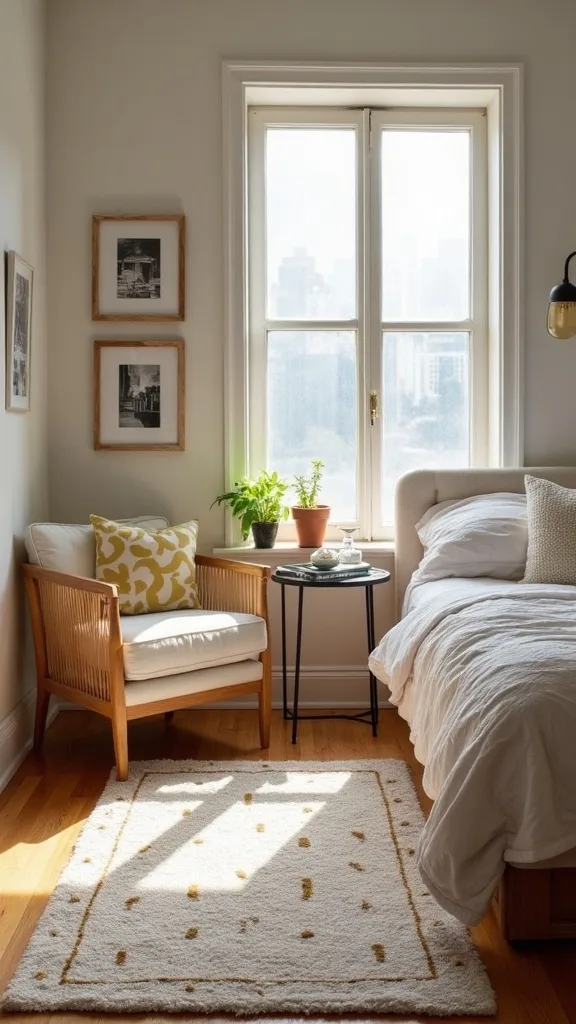
20. How do you set up a nightstand when you don’t have room for one?
No nightstand? No problem. You just need a surface where your hand lands at night—phone, water, glasses, maybe a book you swear you’ll read.
Try a bedside caddy that slips between the mattress and frame for essentials. Or mount a small adhesive shelf to the wall beside the bed (check weight limits and keep it light). If you have a rolling cart, park it beside the bed at night and roll it back to the desk during the day. The point is flexibility: one item, multiple uses.
Soft felt or canvas caddies feel less noisy and less scratchy than plastic. A small wood tray on top of a cart adds warmth and keeps things from sliding when you move it.
Pro tip: keep your charging cable clipped in place. Waking up to a dead phone because the cord slipped behind the bed is a specific kind of morning chaos you don’t need.
21. How can you organize toiletries in a dorm bathroom situation?
Dorm bathrooms are a shared ecosystem. The goal is a setup that’s fast to carry, easy to dry, and not a tangled mess of bottles.
Use a shower caddy with drainage holes and a handle that feels sturdy in your hand. Keep daily skincare in a small zip pouch inside it so you’re not balancing ten items. Add an over-door hook on your closet door for a towel and robe—separate from the bathroom if possible, so things dry cleaner. If you’re in a suite-style bathroom, dedicate one basket per person under the sink to avoid mix-ups.
Mesh and silicone are your friends here: they dry quickly and don’t get that sour smell. A vintage-style travel bottle set can make even drugstore products feel a little more elevated.
Pro tip: avoid glass in the bathroom zone. One slip on tile and your “cute bottle” becomes a cleanup situation.
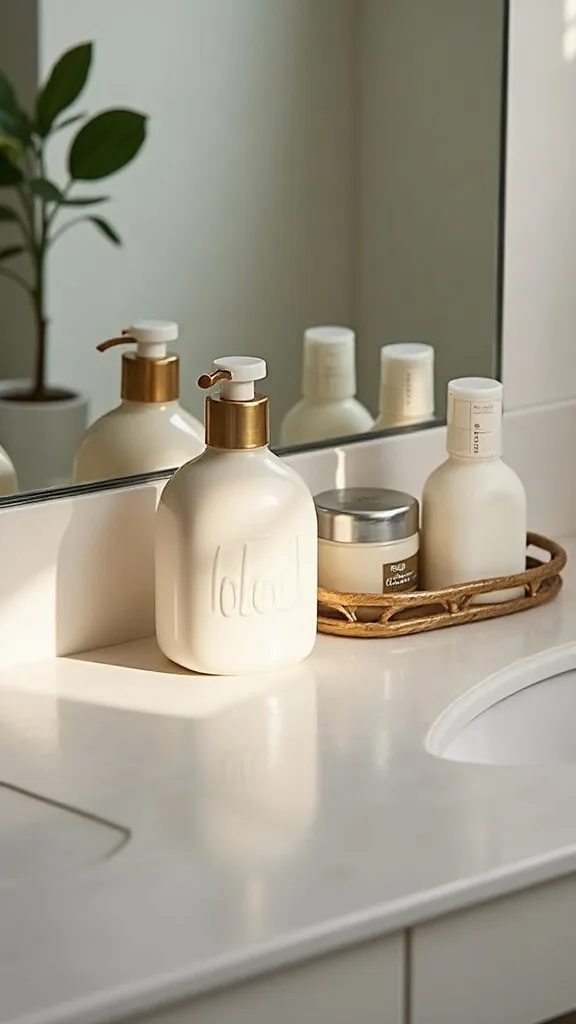
22. How do you make a dorm room smell clean (without overpowering the room)?
Scent is part of comfort, but dorms can turn fragrance into a headache fast. Clean-smelling beats loud-smelling—always.
Start with basics: take trash out often, keep laundry contained, and wipe surfaces weekly. Then add a gentle scent option like a room spray or an essential-oil-free air freshener if your dorm has restrictions. If allowed, a small plug-in can work—just keep it on a low setting and place it away from bedding. For a zero-electricity option, toss a sachet into your closet and a dryer sheet into the bottom of your trash can.
Fresh linen, light citrus, and soft wood scents feel clean without being too sweet. Natural fibers like cotton and wool also hold onto “clean” better than synthetic piles that trap odors.
Pro tip: avoid masking musty smells with heavy vanilla or candy scents. Fix the source first—your room will feel instantly more breathable.
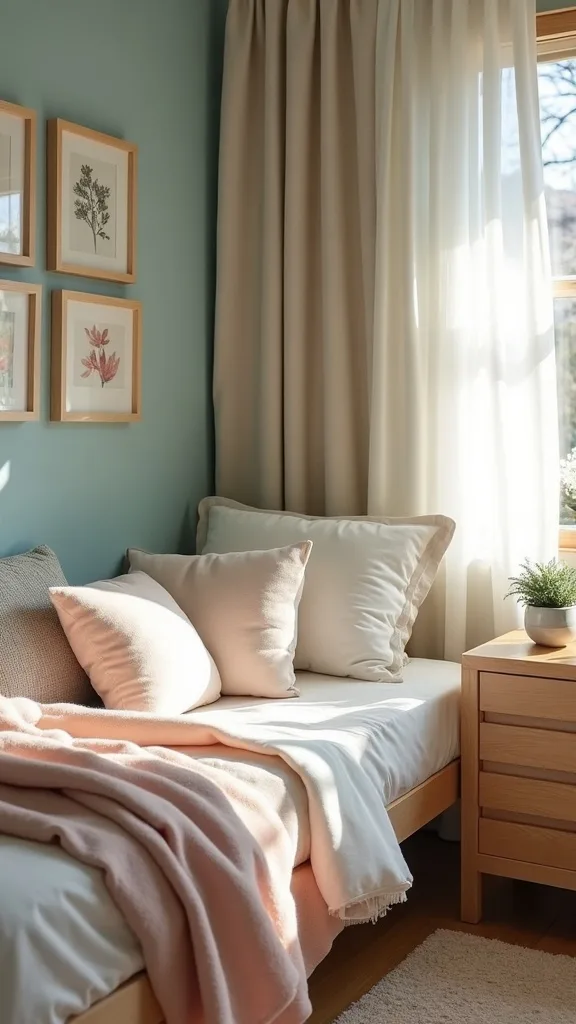
23. How do you create a study nook vibe in a bedroom dorm room?
You don’t need a separate room to get into focus mode. You just need a visual cue that tells your brain: this is where we lock in.
Define the desk area with a small pinboard or grid above it using no-damage hooks. Add one task light, a water bottle spot, and a single container for pens—nothing more. Keep a folded throw on the chair so studying feels less sterile, and stash distractions (like extra makeup or snacks) in a drawer, not on the desktop. If your roommate studies too, set quiet hours and use headphones as a gentle boundary.
Choose calming colors—sage, clay, warm white—and a desktop texture that feels good under your wrists, like a faux leather desk mat. A thrifted framed print above the desk adds personality without visual clutter.
Pro tip: keep one “start studying” ritual—turn on the lamp, clear the desk, hit a playlist. Routine is the real productivity hack.
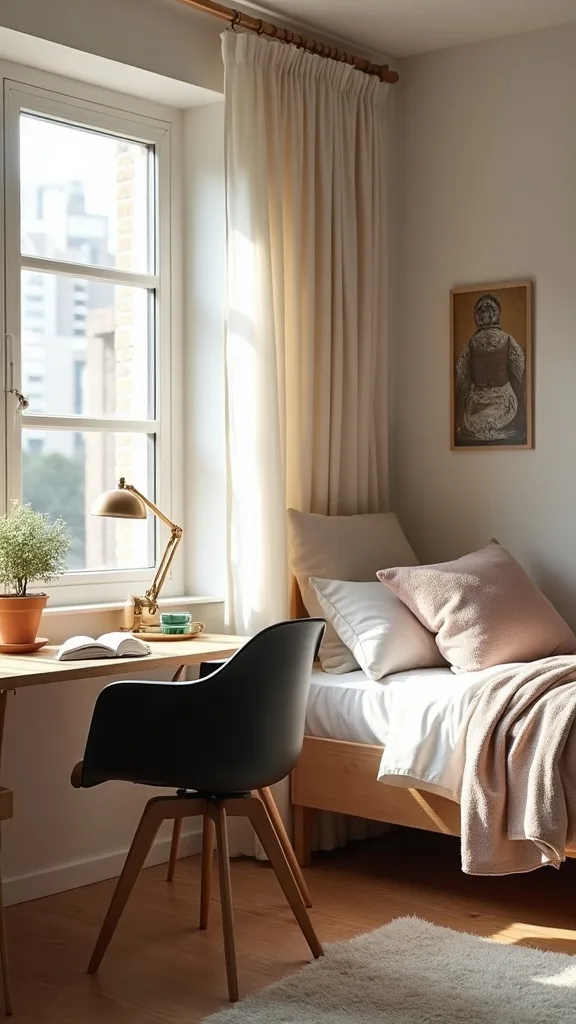
24. How can you do a college room makeover in one afternoon?
A one-afternoon makeover is about sequencing. You’re not styling; you’re building a functional base that happens to look good when you’re done.
Do it in this order: (1) make the bed, (2) place the rug, (3) set up lighting, (4) handle storage zones, (5) hang wall decor last. Keep a donation bag open while you unpack so packaging and “maybe” items don’t pile up. If you’re sharing the room, agree on the shared items first (rug, lighting vibe), then decorate your own zones. Take one photo mid-way—seeing it on your phone helps you spot clutter fast.
Mix new basics with one or two vintage finds: a secondhand mirror, a woven basket, a slightly beat-up tray. Those pieces bring soul to the room in a way new plastic never will.
Pro tip: set a 90-minute timer and don’t sit down until it’s done. Momentum makes the makeover feel easy.
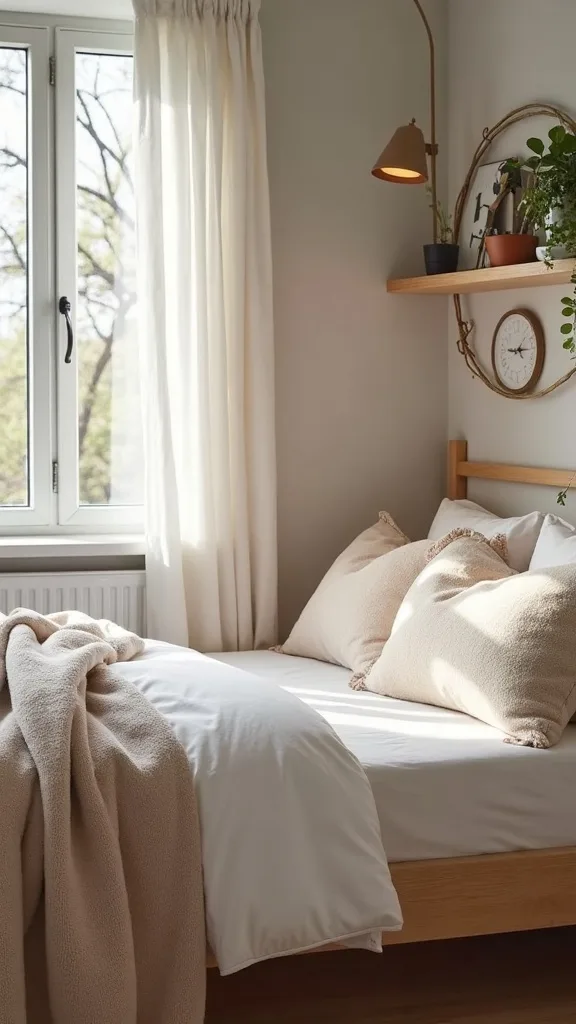
25. What should you avoid when decorating a dorm room?
The biggest mistake is buying a bunch of trendy decor before you know how you actually live in the space. It looks fun on move-in day, then turns into clutter you’re constantly moving around to find your keys.
Avoid ultra-cheap adhesive that isn’t designed for walls—it can peel paint or fail at 2 a.m. Also skip bulky furniture “because it’s cute” if it blocks drawers or closet access; your room will start feeling like a maze. Don’t bring duplicates of what your dorm provides (extra lamps, extra trash cans) until you’ve spent a week there and know what you’re missing. And please don’t rely on one giant hamper pile as your storage system—it will become your chair, your floor, and your personality.
Choose fewer, better pieces: one great light, one solid organizer, one rug that hides life. Let textiles do the decorating—soft, washable, forgiving.
Pro tip: if you can’t name where an item will live, don’t buy it yet. The room will tell you what it needs once you’re in it.
Final Thoughts
The best dorm rooms aren’t the most decorated—they’re the most lived-in on purpose. When your lighting is warm, your bed feels like a soft landing, and your everyday stuff has a home, the whole place gets quieter. You stop doing that constant micro-panic scan for your ID, your charger, your other shoe.
Mix in one vintage texture, keep the walls no-damage, and let your storage look a little beautiful. That’s the move: practical first, then personality. It’s not about copying a photo; it’s about building a room that holds up when life gets busy and your schedule gets weird.
Today, pick one zone—your bed, your desk, or the spot by the door—and set a 20-minute timer to finish it completely (hooks up, cords managed, one catch-all in place). When you walk back in tonight, it should feel like the room is already taking care of you.
What I’d Do Differently
When I first tried this, I decorated my dorm like it was a tiny apartment showroom—cute baskets, extra pillows, a bunch of wall prints—before I’d even spent one night there. The specific mistake: I bought storage without measuring my bed clearance and closet width, so half of it didn’t fit and the rest lived on the floor like a plastic traffic jam. I ended up stepping over bins to get to my desk, which meant the room never felt calm, no matter how many string lights I added. The correct approach is boring but life-changing: measure first (under-bed height, door clearance, the gap beside the desk), then buy only what solves a real problem you can name.
I also wish I’d known how much lighting affects everything. The overhead light made every color look harsher, and I kept thinking my decor was “off” when the real issue was the vibe. If I could redo it, I’d start with one warm lamp, a simple drop zone by the door, and bed risers matched to my bins—then layer in art once the room worked. Pick one zone and start today; momentum is the secret ingredient.