
This post contains affiliate links. As an Amazon Associate, I earn from qualifying purchases at no extra cost to you.
Are you looking for front yard landscaping ideas that feel intentional, lush, and editorial—without turning your weekends into a never-ending construction zone? Do you want to elevate your front yard curb appeal this spring so your home greets guests with the same confidence you feel inside?
In this post, I’m sharing my favourite ways to shape a front yard that looks layered, tailored, and quietly luxurious. I’ll walk you through plant pairings, pathway choices, and the outdoor-furniture moments that make a front entry feel styled—not just planted.
From my experience, this is perfect for anyone planning a front yard makeover this spring—whether you’re starting from scratch or refining what you already have.
I’ll be weaving in front yard garden ideas that create depth (even in small spaces), plus the kind of “finish work” I find that truly changes everything: crisp edging, warm lighting, and a single, well-placed bench that makes the whole scene feel curated.
When I design this look, I focus on movement, structure, and a clear path to the door—because elegance is often just clarity, repeated beautifully. Below are 25 Front Yard Landscaping Ideas that…
1. Layered lush planting with a stone pathway for instant curb appeal
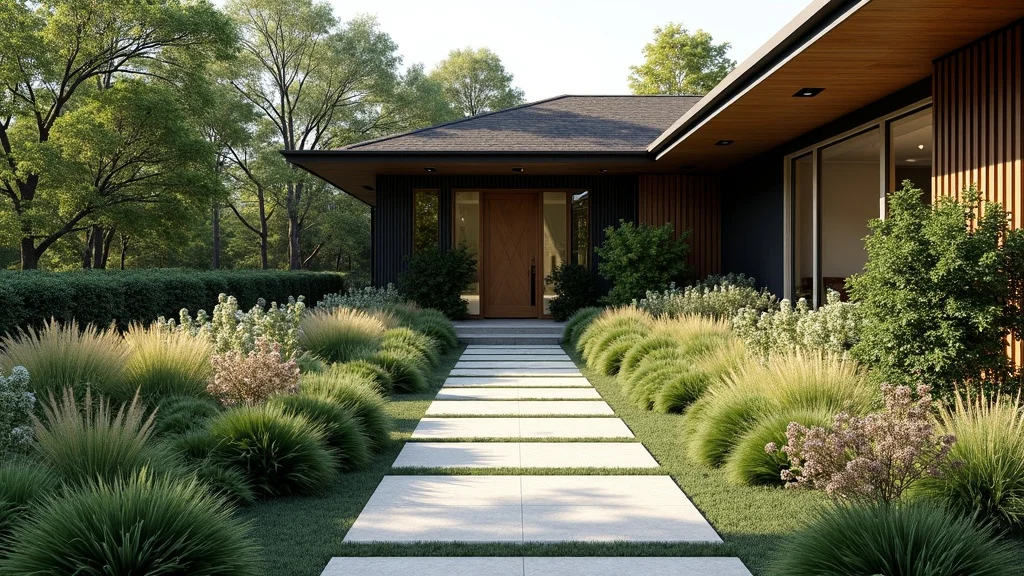
When I design a lush front yard with layered plantings, a stone pathway, ornamental grasses, and flowering shrubs, I’m really designing a feeling: that slow exhale you take when the entry looks composed and welcoming. I find that this approach works because it blends structure and softness, so the yard looks full without feeling chaotic.
I always start by sketching a simple path line from sidewalk to door, then I “frame” it with low evergreens, mid-height grasses, and a few flowering anchors. I like setting stepping stones or irregular flagstone into a bed of gravel, then repeating the same 2–3 plant varieties in drifts so the eye reads it as intentional.
For materials, I lean toward natural stone in warm greys, pea gravel, and black or dark bronze edging. In plants, I love feather reed grass, boxwood, and hydrangea for that layered, editorial look.
Pro tip: add one sculptural boulder or a simple outdoor bench near the path as a “pause point.” In my opinion, that single moment of design makes the whole entry feel quietly luxurious.
2. Define the entry with a symmetrical foundation planting plan
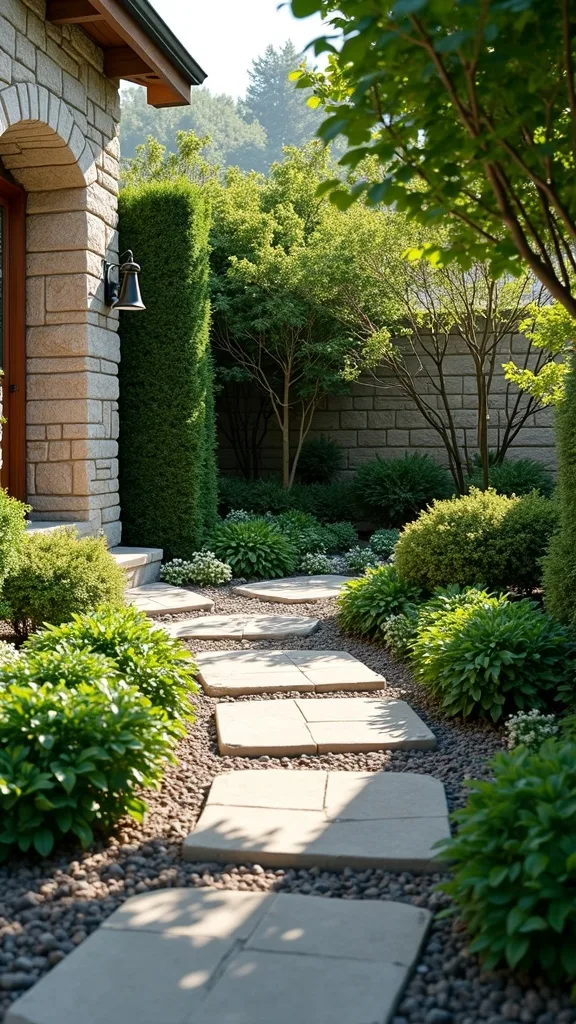
I return to symmetry again and again because it instantly signals calm, care, and permanence—three things that boost front yard curb appeal without needing a huge budget. From my experience, a symmetrical foundation plan works especially well when the house architecture is traditional, colonial, or even a clean-lined contemporary that needs softness.
I always start by choosing two “bookend” shrubs for either side of the steps or porch—think boxwood, inkberry holly, or dwarf spruce. Then I layer lower perennials in front, keeping the palette tight so the home reads as the hero. If windows sit low, I keep plants below the sill line so the view stays open and the facade feels balanced.
For color, I like deep greens with one flowering accent—white hydrangea or pale blush roses—so it feels elevated, not busy. A dark mulch or fine gravel can make the greens look even richer.
Upgrade idea: swap mismatched planters for a matching pair in matte black or aged terracotta. I find that repetition is the secret ingredient that makes a front yard look professionally designed.
3. Create a welcoming “pause” with a front yard bench vignette
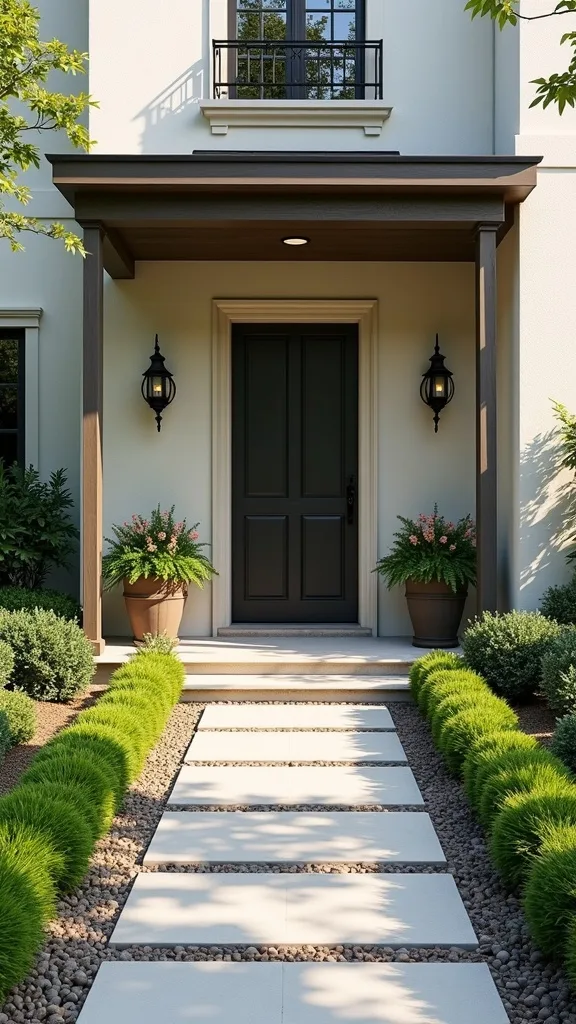
One of my favourite approaches is adding a small seating moment in the front yard, because it makes the landscape feel lived-in rather than purely decorative. I find that a bench vignette also photographs beautifully, which is a surprisingly practical bonus if you’re selling soon or simply love that “magazine entry” feeling.
I always start by choosing a spot with a view of the path—usually near the walkway bend or under a small ornamental tree. Then I anchor the bench on a simple pad (brick, decomposed granite, or compacted gravel) and flank it with two layered planting pockets: ornamental grasses behind, flowering shrubs or perennials in front.
For products, I like a weather-resistant acacia bench or a black metal garden bench, plus a pair of low lanterns for evening glow. Plant-wise, I lean into lavender, catmint, or hydrangea for soft color and fragrance.
Pro tip: keep the bench area slightly “edited”—fewer plant varieties, more repetition. In my opinion, restraint is what makes the front yard feel sophisticated and intentional.
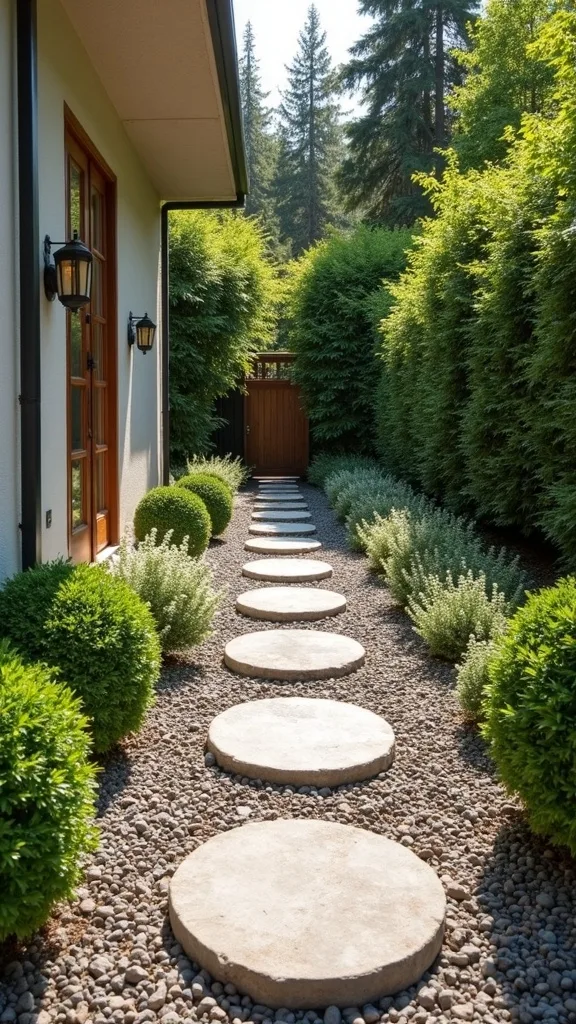
4. Upgrade your walkway with oversized stepping stones and gravel
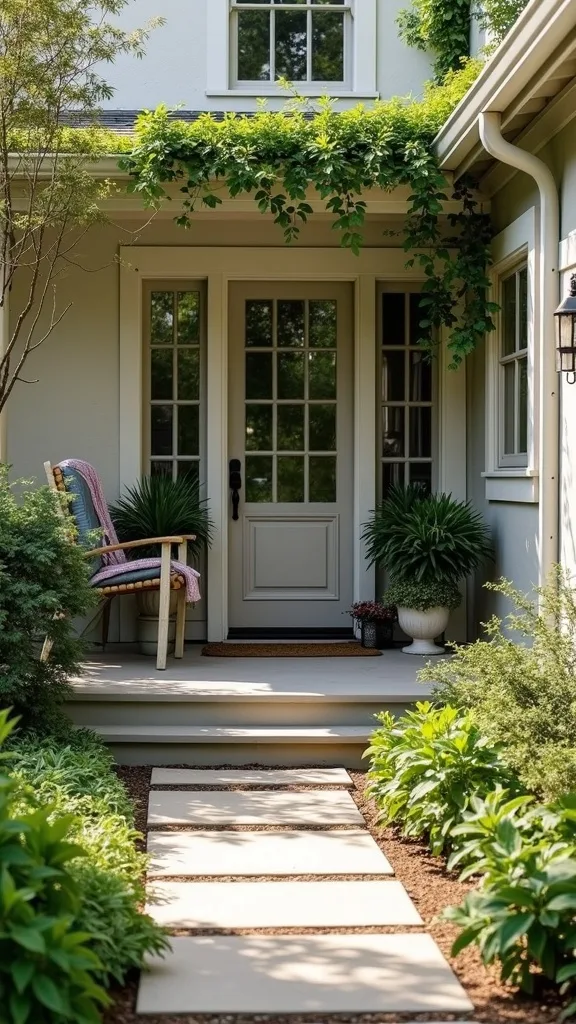
I love oversized stepping stones because they make a front entry feel modern, tailored, and easy to maintain. From my experience, this is one of the most effective landscaping ideas front yard homeowners can do in spring, because it delivers a big visual shift without requiring complicated construction.
I always start by measuring a comfortable stride from the sidewalk to the door, then I lay out the stones before digging anything. I set each stone level with the surrounding grade so it feels natural underfoot, then I fill around it with compacted gravel for a crisp, clean finish. If you have an existing concrete walk, I sometimes “soften” it by adding stepping stones as a parallel path through a planting bed.
Material-wise, I like bluestone, irregular flagstone, or large concrete steppers in a warm grey. Pair with pea gravel or crushed granite for a refined texture.
Upgrade suggestion: edge the gravel with steel or stone to keep lines sharp. I find that clean edges are the difference between “DIY” and “designer.”
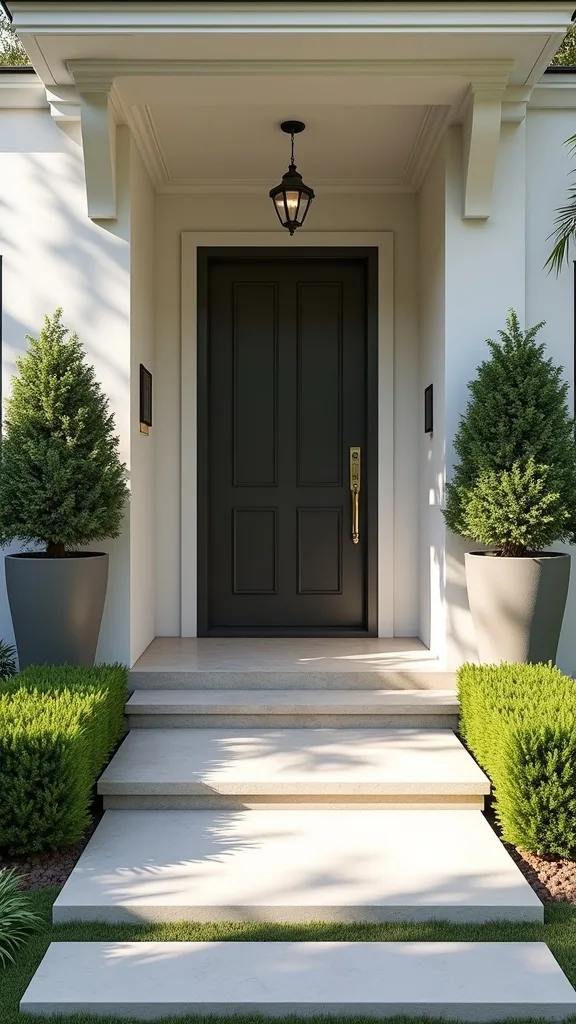
5. Frame the front door with tall planters for vertical elegance
I always recommend tall planters by the front door because they create instant height and intention—like adding earrings to a great outfit. I find that this works even when the garden beds are still waking up in early spring, making it a reliable way to boost front yard curb appeal fast.
I always start by choosing two planters that match the home’s tone: matte black for modern, aged terracotta for cottage, or charcoal concrete for contemporary. Then I build a simple “thriller, filler, spiller” arrangement—something upright (like a dwarf conifer), something lush (like ivy or fern), and a trailing accent (like creeping jenny).
For colors, I love deep evergreen with white flowers for a clean, editorial look. If you want a softer mood, I use pale blush tulips or white pansies in spring.
Pro tip: add a layer of moss or small river stones on top of the soil to hide the “potting mix” look. In my opinion, those finishing touches are what make an entry feel truly elevated.
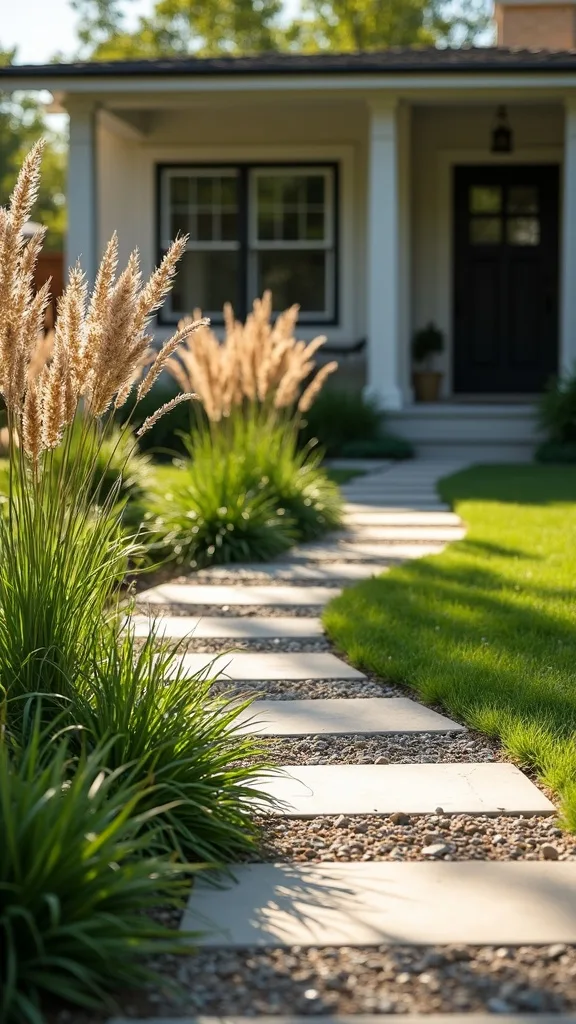
6. Use ornamental grasses to add movement and modern softness
Ornamental grasses are my secret weapon for making a front yard feel expensive, even on a modest budget. I find that grasses bring movement and texture that shrubs alone can’t deliver, especially when a spring breeze turns the whole planting bed into something almost cinematic.
I always start by placing grasses where they’ll catch light—along the path edge, near the street, or behind low perennials. Then I repeat the same variety in clusters of three or five so it reads as a designed rhythm. If you’re nervous about maintenance, I choose tidy, upright varieties that don’t flop into walkways.
For a sophisticated palette, I like feather reed grass, fountain grass (where it’s non-invasive), or blue fescue for a cooler tone. Pair grasses with white flowering shrubs like hydrangea or spirea for a fresh spring contrast.
Upgrade idea: tuck low path lights between grass clumps for evening glow. When I design this look, that soft illumination makes the yard feel like an outdoor room—calm, curated, and welcoming.
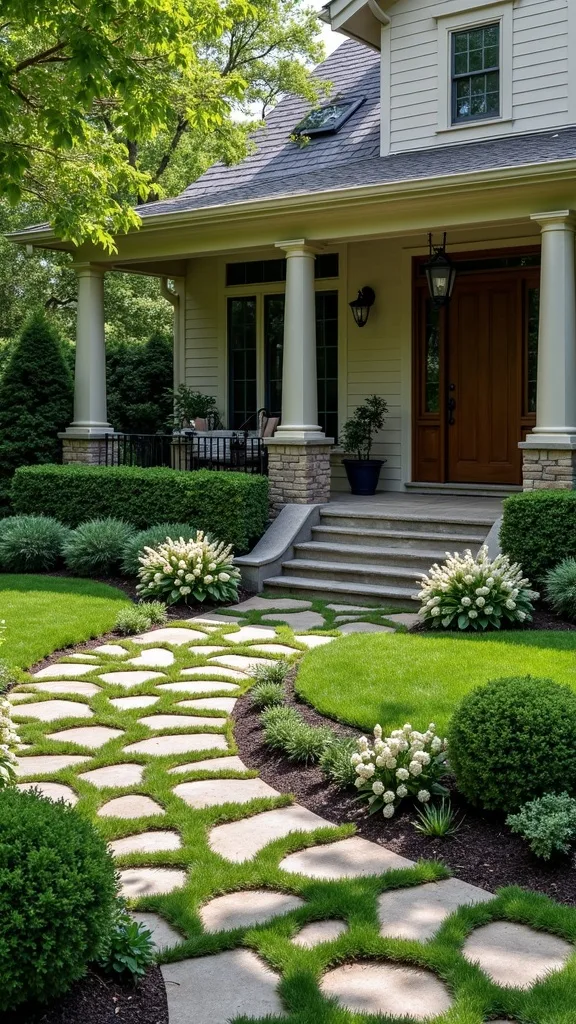
7. Plant flowering shrubs in repeating drifts for a designer rhythm
I find that repeating flowering shrubs is one of the simplest ways to make a front yard look professionally planned. Instead of scattering “one of everything,” I create intentional drifts that guide the eye toward the entry and make the whole space feel cohesive.
I always start by choosing one main shrub that fits your light conditions—hydrangea, azalea, spirea, or roses—then I repeat it in a few groupings. I place the largest grouping closest to the house and smaller echoes toward the sidewalk to create depth. If the yard is small, I keep the shrub count low and focus on underplanting with perennials for fullness.
Color-wise, I love whites and soft blush tones for an editorial spring look, with deep green foliage as the backbone. For mulch, I prefer dark shredded bark because it makes blooms feel brighter and more polished.
Pro tip: choose varieties with staggered bloom times so something always looks “in season.” In my opinion, a front yard that evolves gracefully is the most luxurious kind of curb appeal.
8. Add a low hedge to outline beds and sharpen the architecture
A low hedge is one of those classic moves that instantly makes a home feel established. From my experience, it’s a powerful front yard makeover tool because it creates clean boundaries and gives even casual plantings a tailored frame.
I always start by deciding what the hedge is doing: edging a path, defining a foundation bed, or creating a “garden room” feel near the porch. Then I pick a hedge plant that suits your climate and maintenance comfort—boxwood, dwarf yaupon holly, or lavender in warmer, sunnier spots. I plant in a straight line for modern homes, or a gentle curve for cottage-style softness.
For a refined look, I keep the hedge low—knee height is usually perfect—and pair it with airy perennials behind it. I love combining evergreen structure with spring bulbs for that layered, seasonal magic.
Upgrade suggestion: add steel edging just outside the hedge line to keep mulch crisp. I find that sharp edges make the whole landscape feel like it’s been freshly styled.
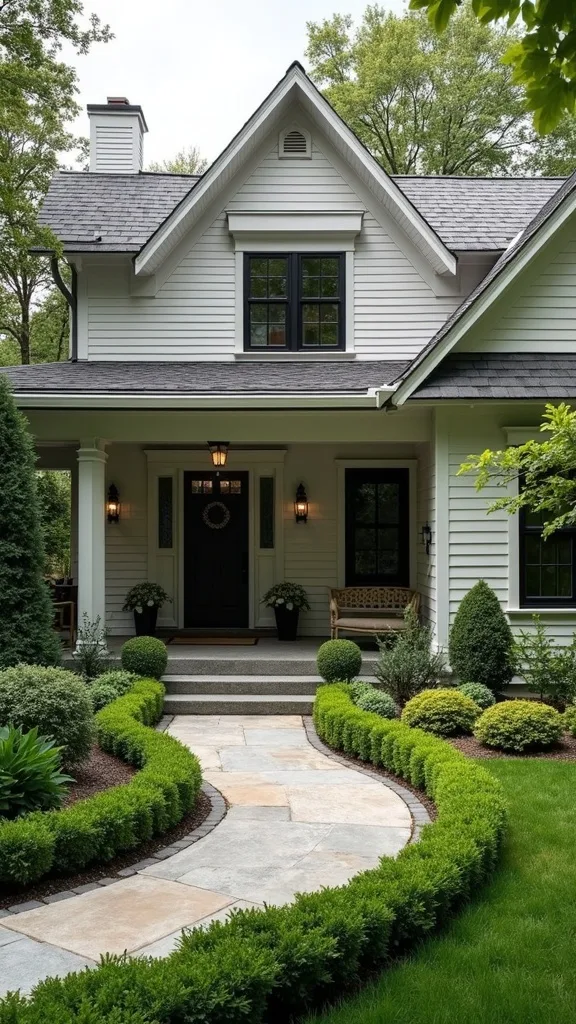
9. Introduce spring bulbs for a high-impact, low-effort refresh
Spring bulbs are my favourite kind of drama: the kind you plant once and enjoy for years. I always recommend bulbs because they deliver color right when you’re craving it most, and they pair beautifully with nearly all front yard garden ideas.
I always start by planting bulbs in clusters rather than single rows—think 10–20 bulbs per pocket for a lush look. I tuck them along the path edge, around shrubs, and near the porch where you’ll see them daily. After they bloom, I let the foliage fade naturally (it feeds next year’s flowers), then I hide it with emerging perennials.
For an elevated palette, I like white tulips, soft yellow daffodils, and purple alliums for a sculptural moment. Pair with evergreen shrubs so the color feels grounded and not “floaty.”
Pro tip: choose two bulb types that bloom at slightly different times for a longer show. In my opinion, a front yard that unfolds in chapters feels irresistibly sophisticated.
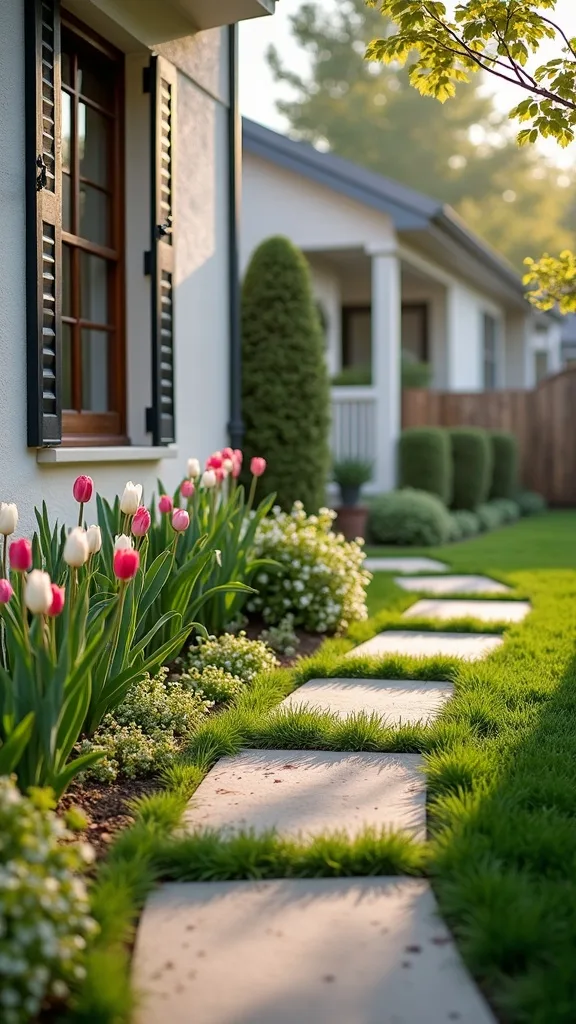
10. Swap tired mulch for gravel accents to modernize the beds
I find that gravel accents can instantly modernize a front yard, especially if your beds feel heavy or dated. This is one of those front yard landscaping ideas that reads subtle in theory, but in reality it changes the whole texture of the space—cleaner, brighter, more intentional.
I always start by choosing one area for gravel rather than doing everything—usually the strip along the walkway or a small seating nook. Then I install landscape fabric (to reduce weeds) and add a border so the gravel stays put. I like mixing gravel with planting pockets so the look stays lush, not barren.
For color, I prefer warm grey pea gravel or crushed granite, paired with black edging for a tailored finish. Plant choices that look amazing against gravel include ornamental grasses, lavender, and boxwood.
Upgrade idea: add a few flat stepping stones through the gravel for a “garden gallery” feel. When I design this look, the contrast between stone, gravel, and greenery feels quietly luxurious.
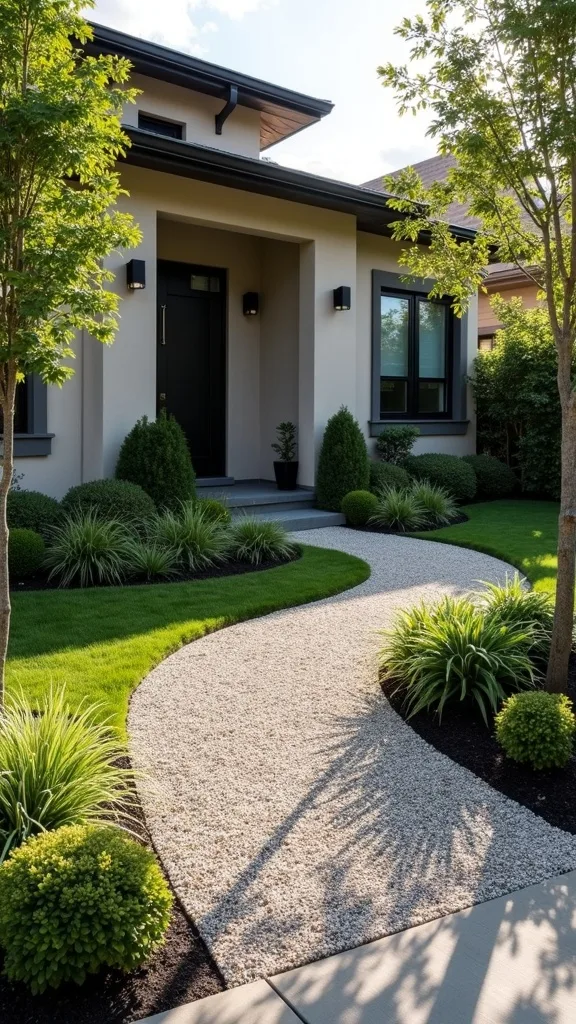
11. Create a curved bedline to soften a straight facade
If a home has a very straight front elevation, I love introducing a gentle curve in the planting beds to add grace. I find that curved bedlines make the yard feel more expansive and welcoming, which is a big win for front yard curb appeal.
I always start by laying out the curve with a garden hose so I can step back and judge the flow from the street. Then I cut the edge cleanly and keep the curve consistent—no random wiggles. Inside the bed, I layer plants by height: tallest near the house, medium in the middle, and low spillers at the edge so the curve reads clearly.
For a sophisticated spring look, I like flowering shrubs (hydrangea or spirea) mixed with airy perennials like salvia or nepeta. A dark mulch or fine gravel helps the curve look crisp.
Pro tip: repeat one plant along the curve like a “signature.” In my opinion, that repetition is what turns a simple curve into a design statement.
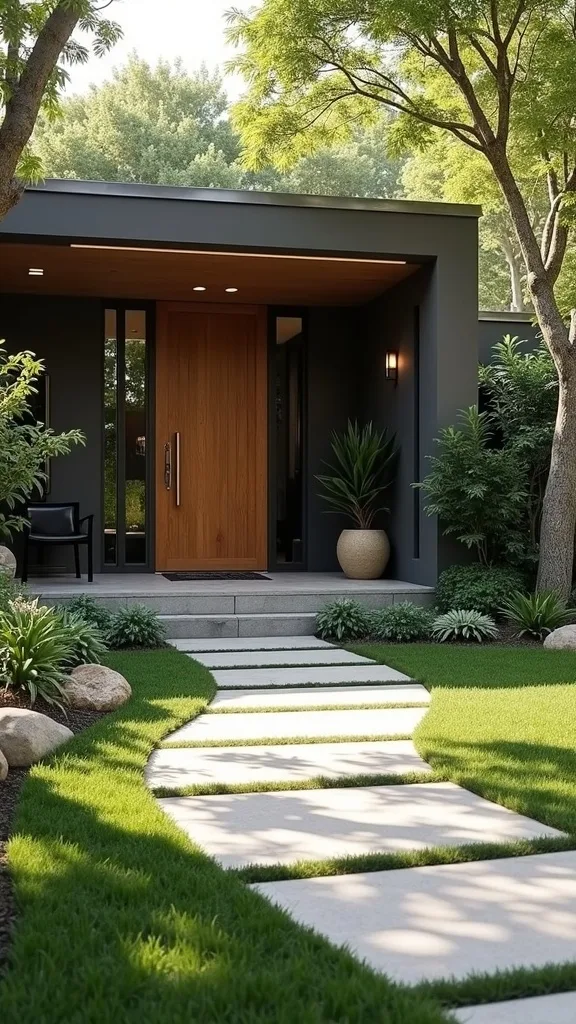
12. Add a small ornamental tree as a focal point near the path
I almost always want one focal point in the front yard—something that feels like a piece of living architecture. From my experience, a small ornamental tree does this beautifully because it adds height and presence without overwhelming the house.
I always start by choosing a spot where the tree will frame the approach—near the walkway bend, or offset from the front door so it feels natural. Then I underplant it with a simple ring of shade-tolerant perennials or low shrubs to make it look intentional. If you’re working with a small front yard, I choose a tree with an airy canopy so it doesn’t block windows.
For spring, I love serviceberry, Japanese maple (for elegant structure), or a flowering dogwood where it thrives. Underplant with hostas, hellebores, or low grasses for texture.
Upgrade suggestion: add a discreet uplight aimed into the canopy using warm white light (2700K–3000K — the cosy, yellowish tone you see in most homes). I find that evening glow makes the whole front yard feel like a boutique hotel entrance.
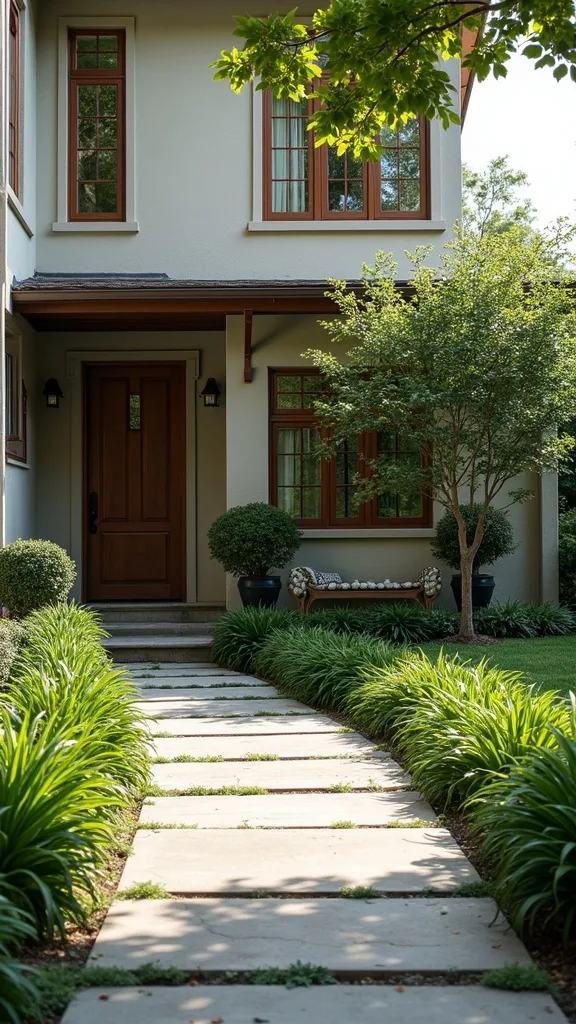
13. Refresh the porch with outdoor furniture that matches your landscape
Because this is Craftifywork’s outdoor-furniture corner, I have to say it: the porch is part of the landscape. I find that a single, well-chosen chair or bench can make your front yard makeover feel complete, like the garden and home are speaking the same language.
I always start by matching materials to what’s happening in the yard. If you have stone pathways, I like a black metal bistro set; if your planting style is cottage and lush, I lean toward a warm wood rocker. Then I add one outdoor pillow in a restrained stripe or botanical print so it feels editorial, not cluttered.
For colors, I love matte black, warm teak tones, and soft ivory textiles. A small side table for a lantern or potted herb makes the setup feel purposeful.
Pro tip: keep the furniture footprint modest so the entry stays clear and elegant. In my opinion, the most sophisticated front porches feel curated—like a thoughtful invitation, not a storage zone.
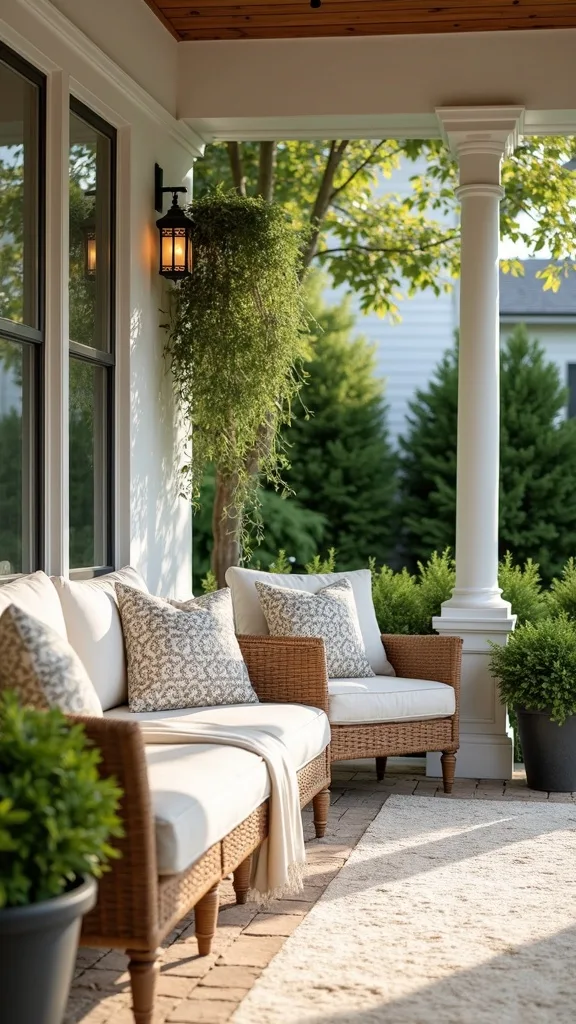
14. Layer lighting along the walkway for evening curb appeal
I always recommend walkway lighting because it’s both practical and incredibly atmospheric. From my experience, lighting is the quickest way to make front yard curb appeal feel premium—especially in spring when you’re outside later and the evenings are finally soft again.
I always start by lighting the path first: a few low path lights spaced evenly so the route feels clear. Then I add one accent light for a focal point—like an ornamental tree or a textured stone wall. I avoid harsh glare and aim for a gentle glow that guides rather than floods.
I look for fixtures in black or dark bronze, and I choose warm white light (2700K–3000K — the cosy, yellowish tone you see in most homes) so the landscape looks inviting, not clinical. If brightness is listed, I pick moderate brightness (measured in lumens) so it feels subtle.
Upgrade idea: add solar lights in planting beds as a quick layer, then hardwire later if you love the effect. I find that a softly lit path makes the whole home feel like it’s welcoming you in.
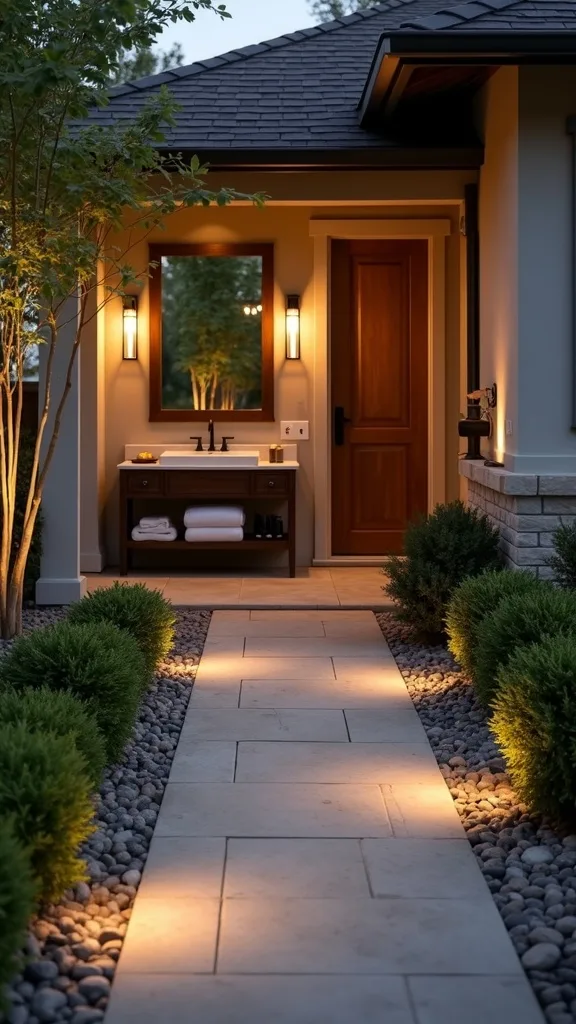
15. Use large boulders or stone accents for grounded, natural luxury
Stone accents are one of my favourite approaches when I want a front yard to feel established—like it’s always belonged there. I find that one or two well-placed boulders add visual weight and make plantings look more intentional, especially in a lush, layered scheme.
I always start by placing stones before I plant, because they should feel “set into” the landscape, not dropped on top. I partially bury the base so it looks natural, then I plant around it with grasses and low perennials to soften the edges. Near a stone pathway, a boulder can act like a quiet punctuation mark.
For materials, I like weathered granite or local stone in tones that echo your home’s exterior. Pair with ornamental grasses and white flowering shrubs for a refined contrast.
Pro tip: use odd numbers—one statement boulder or a cluster of three. In my opinion, stone brings a sense of permanence that instantly elevates even simple landscaping ideas front yard plans.
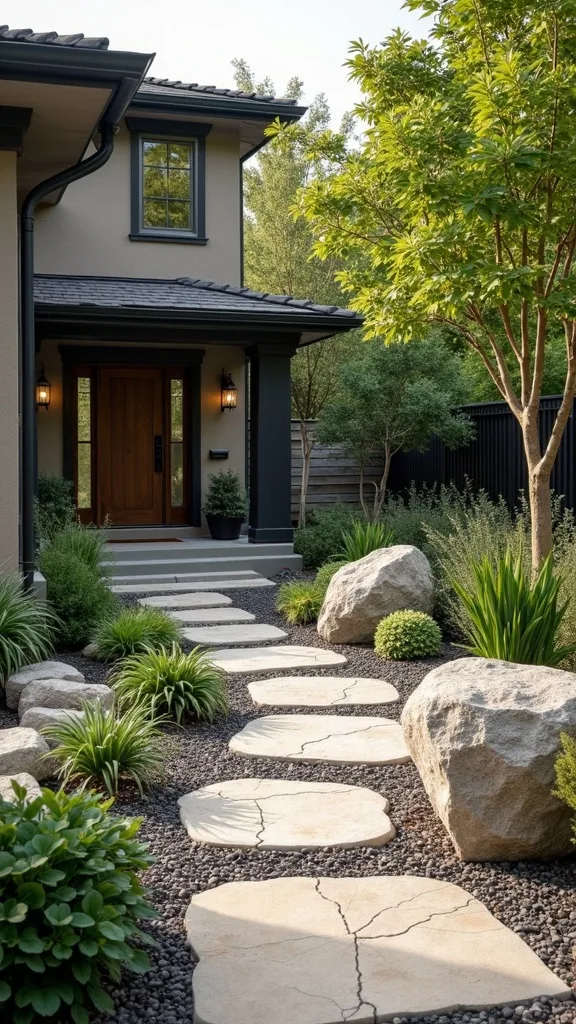
16. Install crisp edging to make every bed look freshly tailored
If I could choose only one “small” upgrade for a big impact, it would be edging. I find that crisp edges make the entire yard look maintained and intentional, which is the heart of front yard curb appeal.
I always start by deciding on a style: steel edging for modern homes, brick for traditional, or natural stone for a more organic look. Then I cut a clean line and keep it consistent across the yard so it feels cohesive. Even if your plants are still filling in, the edging gives the beds a finished silhouette.
For a sophisticated palette, I like black steel edging against dark mulch, or brick edging paired with cottage plantings. If you’re using gravel, edging is essential to keep materials from migrating.
Upgrade idea: echo the edging material in another spot—like a brick step or a small paver landing. When I design this look, those repeated details create a quiet luxury that feels effortless.
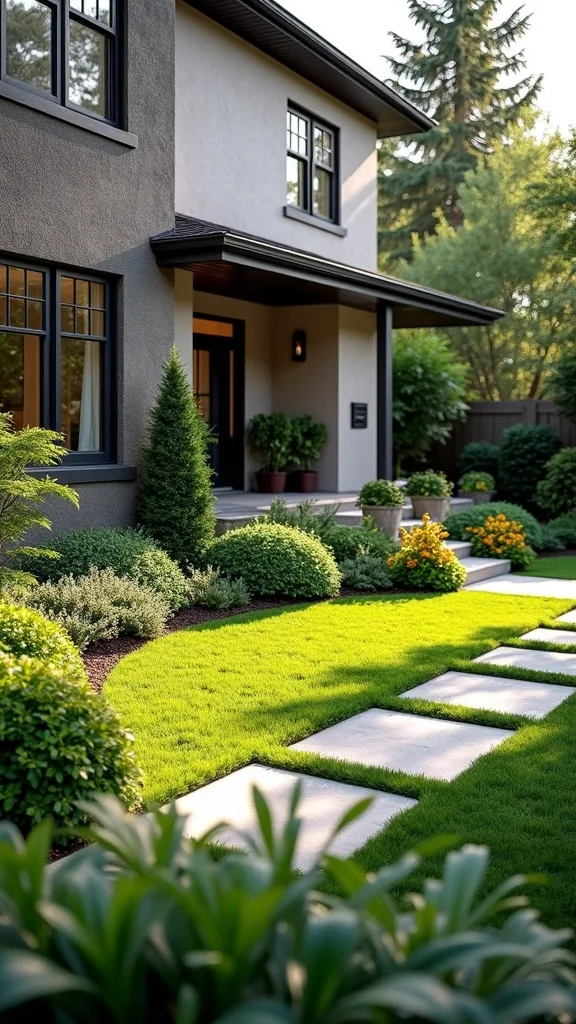
17. Design a rain-friendly planting zone that looks intentional
I’m always thinking about how a front yard behaves after a spring storm, not just how it looks on a sunny day. From my experience, designing a rain-friendly planting zone is one of the smartest front yard landscaping ideas because it reduces puddles and keeps plants healthier—while still looking beautiful.
I always start by noticing where water naturally collects, then I turn that spot into a feature with moisture-loving plants. I create a shallow basin, add compost-rich soil, and plant in layers so it feels lush rather than like a “fix.” Even a small rain garden near a downspout can look like a deliberate garden moment.
For plants, I like iris, sedges, and hardy shrubs that can handle occasional wet feet. I keep the palette cohesive with the rest of the yard so it blends seamlessly.
Pro tip: add a few river stones to guide water and add texture. In my opinion, the most elegant landscapes are the ones that quietly solve problems while looking completely intentional.
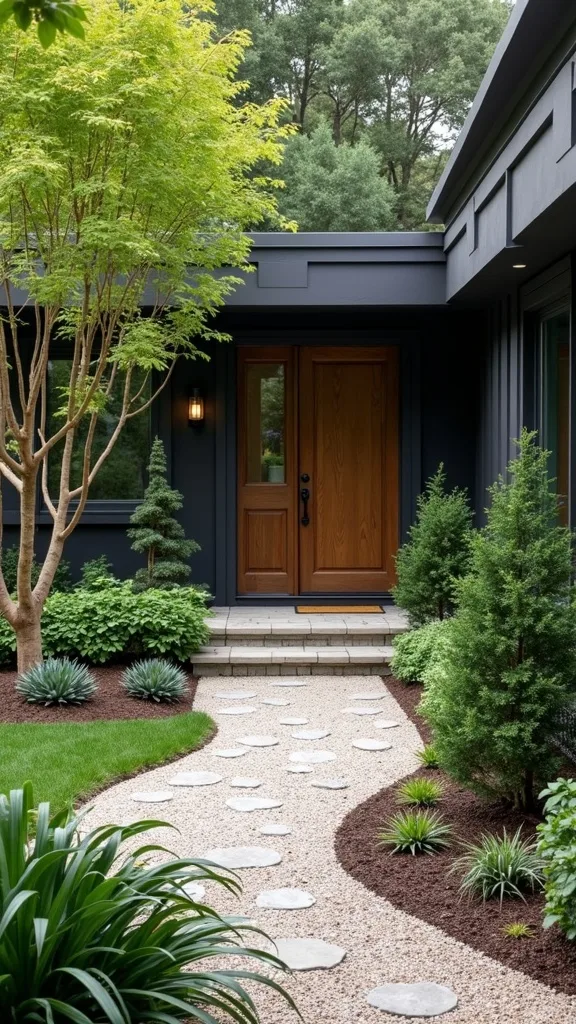
18. Bring in fragrance with herbs and blooming perennials near the entry
I love a front yard that doesn’t just look good—it smells like spring. I find that adding fragrance near the entry is a subtle luxury, and it makes even simple front yard garden ideas feel memorable.
I always start by planting fragrant varieties close to where you’ll brush past them: along the walkway edge, near steps, or beside a porch bench. I mix herbs like lavender and rosemary (where hardy) with perennials like peonies or lilacs, then I repeat them in small clusters so the scent feels consistent as you approach the door.
For an elevated look, I keep colors restrained—soft purples, whites, and greens—so the fragrance feels like the star. I especially love lavender with ornamental grasses for a modern-cottage blend.
Upgrade idea: add a small container herb garden by the porch for a styled, practical moment. When I design this look, that mix of beauty and usefulness always feels like the most sophisticated kind of welcome.
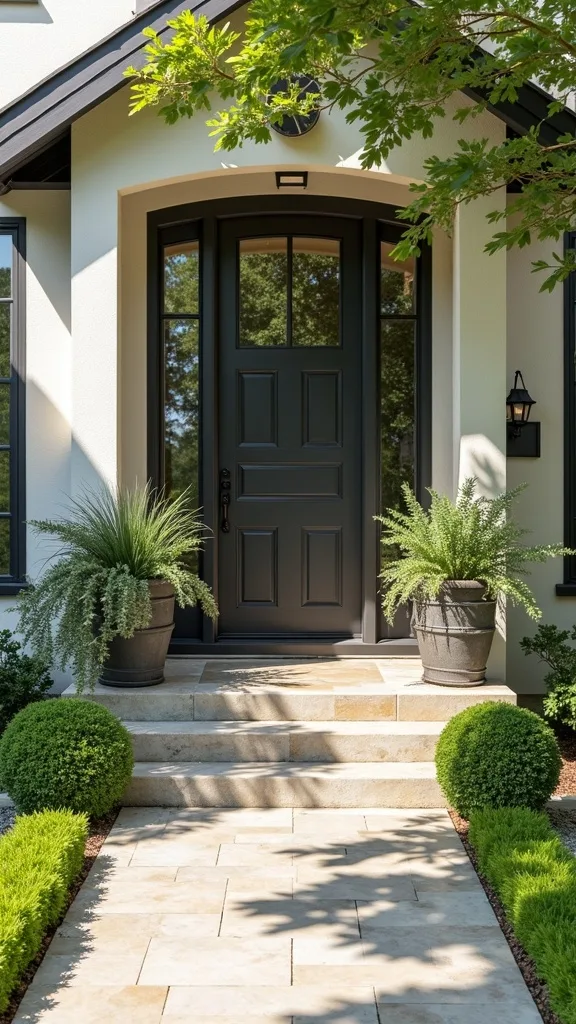
19. Use groundcovers to replace patchy lawn and reduce maintenance
Patchy lawn can make a front yard feel tired, even if the rest of the landscaping is lovely. From my experience, swapping difficult areas for groundcover is one of the most effective landscaping ideas front yard homeowners can use to get a cleaner look with less upkeep.
I always start by identifying the trouble spots—deep shade, steep slopes, or narrow strips between sidewalk and fence. Then I choose a groundcover suited to that condition and plant densely so it fills in quickly. I like adding a few stepping stones through groundcover areas so it still feels accessible and designed.
For choices, I love creeping thyme in sunny areas, pachysandra in shade, or sedum for a modern, drought-tolerant look. Pair with stone edging to keep the transition crisp.
Pro tip: commit to one groundcover per zone so it reads intentional, not messy. In my opinion, a “green carpet” effect looks far more luxurious than struggling turf.
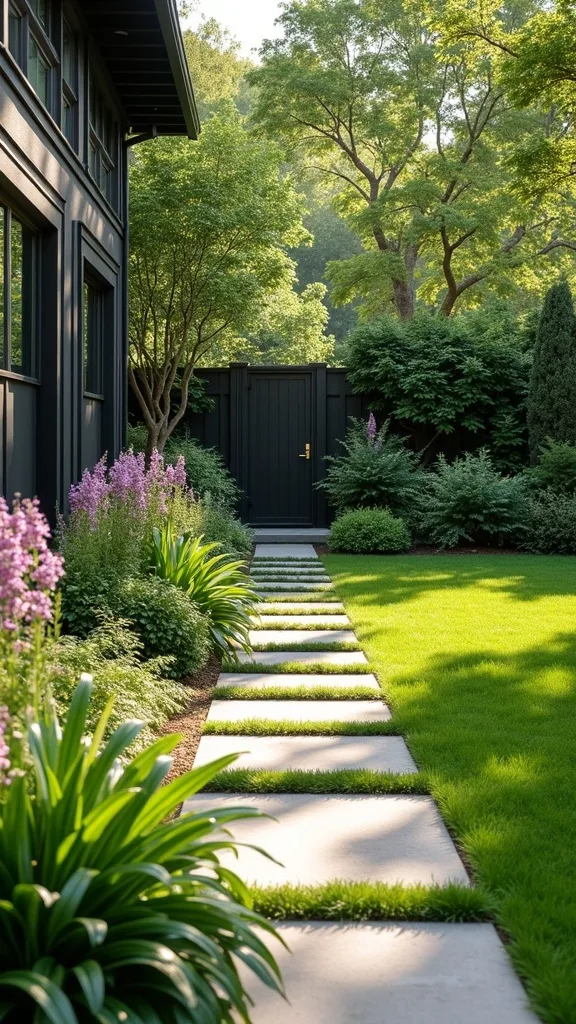
20. Add a simple water element for a soft, upscale soundtrack
A small water feature can make a front yard feel unexpectedly serene—like you’ve stepped into a private garden rather than a pass-through space. I find that the gentle sound of water adds sensory richness that instantly elevates curb appeal.
I always start small: a compact bubbling fountain near the porch or tucked into a planting bed where it can be seen from the path. I place it on a stable base (pavers or a compacted gravel pad) and surround it with lush planting so it feels integrated. If maintenance worries you, I choose a self-contained fountain that’s easy to top off.
For materials, I love stone-look resin for lighter weight, or real stone for a more permanent feel. Pair with ferns, hostas, and ornamental grasses for a layered, calming scene.
Upgrade idea: add a subtle spotlight using warm white light (2700K–3000K — the cosy, yellowish tone you see in most homes). In my opinion, a softly glowing fountain at dusk feels like pure, quiet luxury.
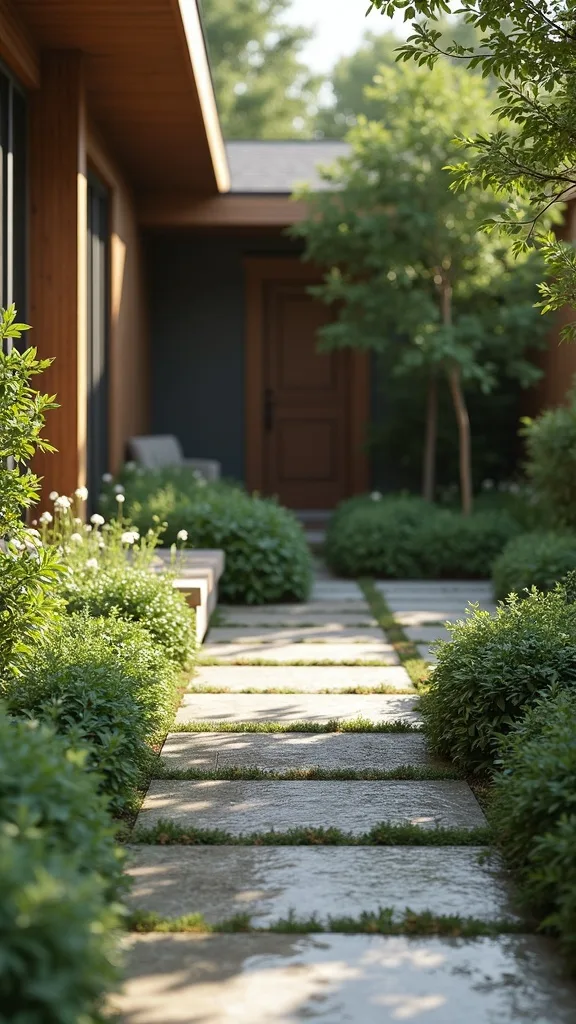
21. Create a seasonal container garden to keep the entry fresh
Containers are my go-to when I want flexibility and instant polish. I find that a seasonal container garden is the easiest way to keep front yard curb appeal looking fresh from early spring through late fall.
I always start by choosing one container style and repeating it—matching pots instantly look more high-end. Then I build each arrangement with a consistent palette: spring pansies and tulips, summer geraniums and grasses, fall mums and ornamental kale. I place containers at the porch, along steps, or at the start of the walkway like a visual “welcome sign.”
For an editorial look, I like white flowers with deep green foliage, plus one dark accent like burgundy heuchera. Matte black or aged terracotta pots keep it sophisticated.
Pro tip: add one evergreen element (a small conifer or boxwood) so the containers never look empty between seasons. When I design this look, that continuity makes the whole front yard feel thoughtfully styled year-round.
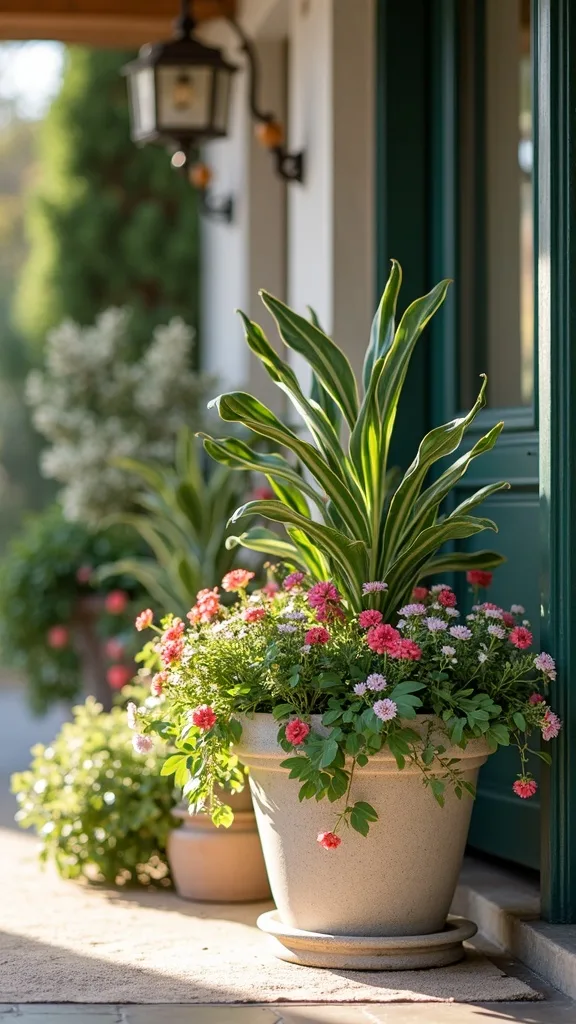
22. Use a monochrome planting palette for modern, high-end simplicity
A monochrome planting palette is one of my favourite approaches for a modern front yard because it feels calm, curated, and quietly expensive. I find that limiting color reduces visual noise and lets texture—leaves, grasses, blooms—do the heavy lifting.
I always start by choosing one bloom color (like white) and one foliage tone (like deep green), then I select plants with varied shapes: round shrubs, spiky grasses, and soft perennials. I repeat these shapes along the path and foundation so the yard reads as a cohesive composition rather than a plant collection.
For plants, I love white hydrangeas, boxwood, and airy alliums, with ornamental grasses for movement. Pair with grey stone and black edging for a crisp finish.
Upgrade idea: add a single contrasting moment—like a dark-leaf smokebush or a black planter—so the monochrome scheme feels intentional, not flat. In my opinion, simplicity done well is the most sophisticated kind of design.
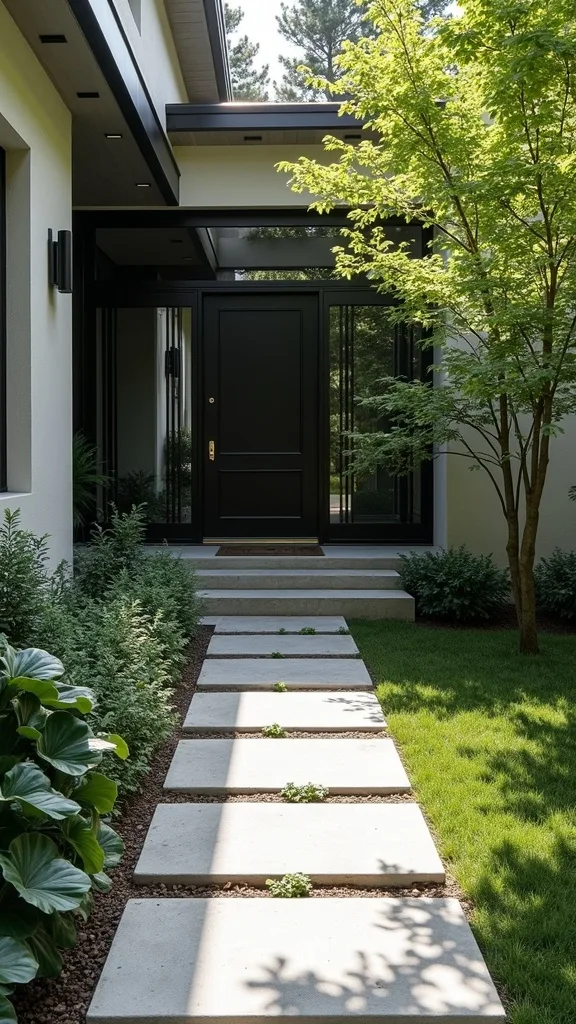
23. Build a small paver landing to make the entry feel grander
If your front walk goes straight to the door with no “moment,” I love adding a small paver landing. From my experience, this is a front yard makeover trick that makes the entry feel grander and more comfortable—like there’s space to arrive, pause, and greet someone.
I always start by sizing the landing to real life: enough room for two people to stand comfortably or for a planter and a doormat moment. Then I choose pavers that echo your home—brick for traditional, large concrete for modern, or natural stone for timeless elegance. I frame the landing with low plantings so it feels integrated into the garden beds.
For a refined palette, I like warm grey pavers with charcoal grout tones, paired with white flowering shrubs and deep green evergreens.
Pro tip: add a pair of matching planters at the landing corners to emphasize the “entry room” feeling. I find that this small architectural gesture instantly elevates the entire approach.
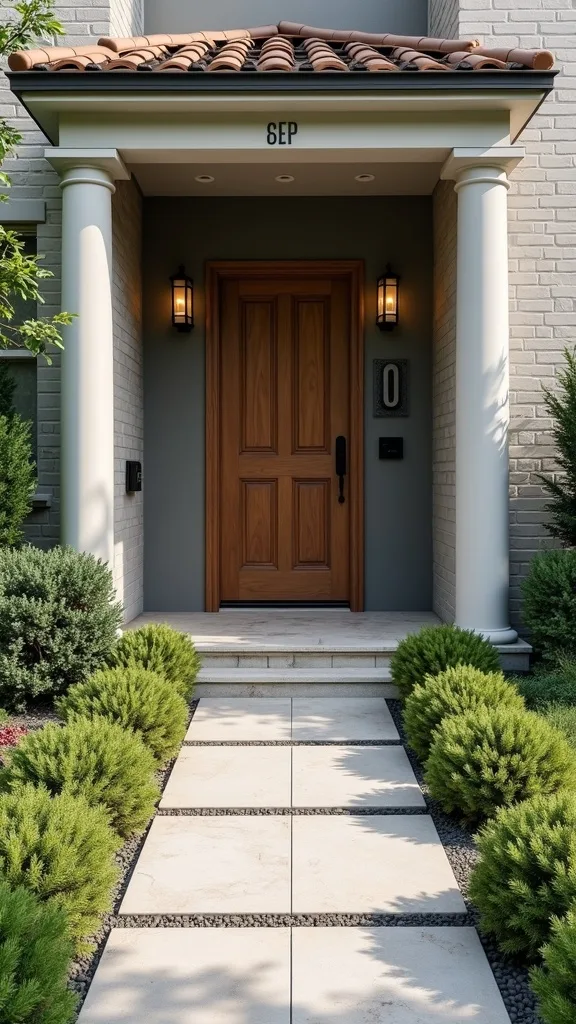
24. Add privacy with a low screen of shrubs or decorative panels
I find that a touch of privacy can make the front yard feel more like an outdoor room and less like a display case. Even a subtle screen can elevate front yard curb appeal by creating depth and a sense of retreat—especially if your porch sits close to the street.
I always start by deciding what you’re screening: a seating area, a window, or simply the porch edge. Then I choose either a low hedge, a row of tall grasses, or decorative outdoor panels set into a planting bed. I keep the screen partial rather than wall-like so it feels airy and welcoming.
For materials, I love black metal panels or warm wood slats paired with soft plantings like hydrangea and ornamental grasses. The contrast feels modern and editorial.
Upgrade idea: add a climbing vine on the panel for a layered, romantic touch. In my opinion, privacy that’s also beautiful is the ultimate luxury—subtle, intentional, and deeply livable.
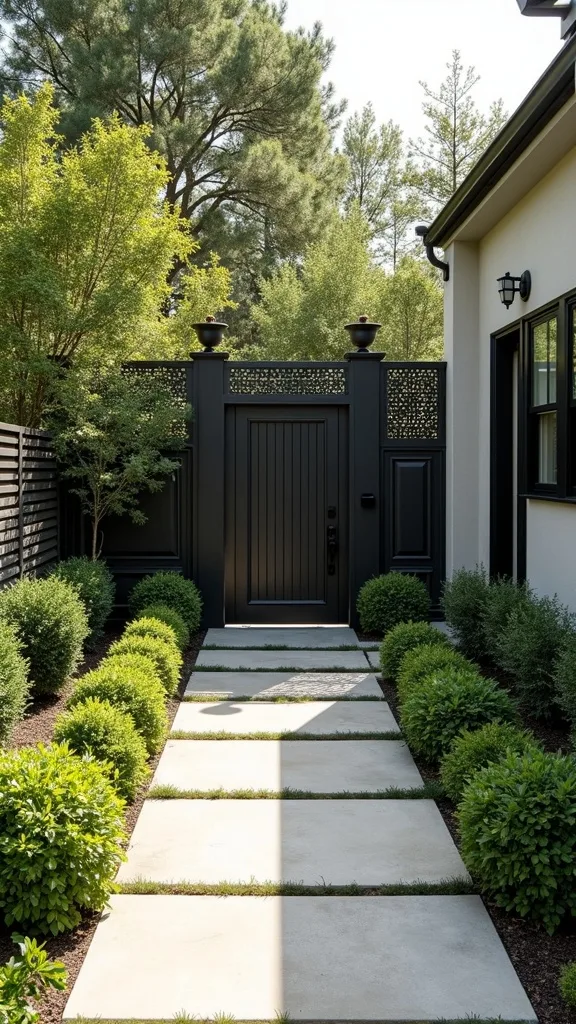
25. Plan a simple spring maintenance ritual to keep it looking polished
The most gorgeous front yard landscaping ideas still need a little rhythm to stay looking intentional. I find that a simple spring ritual—done consistently—keeps the yard feeling “styled” rather than merely maintained.
I always start by editing first: I cut back last season’s perennials, remove winter debris, and redefine bed edges. Then I refresh mulch or gravel, check that plants aren’t crowding the walkway, and top-dress tired spots with compost. If you’re adding new plants, I plant in groups and water deeply for the first few weeks so roots settle in confidently.
For tools and materials, I keep it simple: sharp pruners, a sturdy rake, fresh mulch, and a slow-release fertilizer suited to your plants. I also like having gloves and a kneeling pad so the work feels pleasant, not punishing.
Pro tip: take one “before” photo each spring and match it with an “after” from the same angle. In my opinion, seeing that transformation is the most satisfying reminder that small, thoughtful efforts create truly lasting curb appeal.
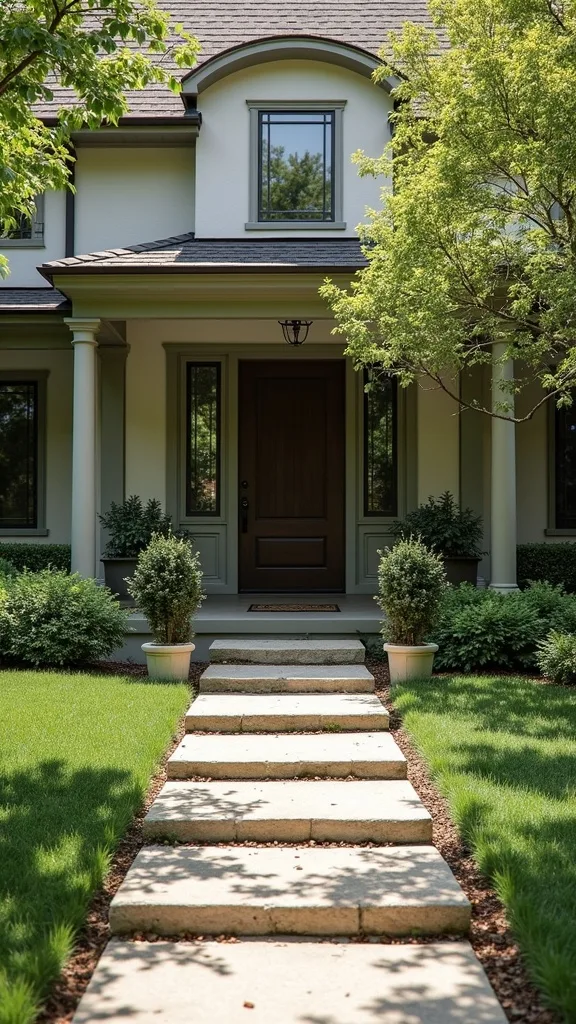
Final Thoughts
I always think of the front yard as the opening line of your home’s story—one that should feel confident, welcoming, and unmistakably cared for. From my experience, the most memorable front yards aren’t the ones with the most plants or the biggest budgets; they’re the ones with clear lines, layered textures, and a few repeating choices that feel intentional.
If you’re planning a spring refresh, I’d start with one anchoring move—like a stone pathway, a drift of flowering shrubs, or a pair of tall planters—then build outward with lighting, edging, and a small outdoor-furniture moment near the entry. I find that once the structure is in place, the lushness comes naturally.
And if you only do one thing this week, I’d choose the detail that makes you smile every time you pull into the driveway. In my opinion, that’s the real point of a front yard makeover: creating a welcome that feels like you.
Products I Recommend for This Project
Here are some of my favourite products to help you bring these ideas to life:
- GIGALUMI Solar Pathway Lights (8 Pack) — I use these to outline walkways quickly and add a soft evening glow without complicated wiring.
- Vigoro Premium Brown Mulch (2 cu. ft.) — I like this for an instant “freshly finished” look that makes greenery and blooms pop.
- Fiskars Steel Bypass Pruning Shears — I always keep sharp pruners on hand for clean cuts that help shrubs and perennials bounce back in spring.
- Gardzen Galvanized Steel Landscape Edging — I reach for metal edging when I want crisp bed lines that stay sharp through the season.
- Keter Eden 70 Gallon Outdoor Storage Bench — I recommend a storage bench like this when you want a styled seating moment plus a place to tuck away garden tools.