
This post contains affiliate links. As an Amazon Associate, I earn from qualifying purchases at no extra cost to you.
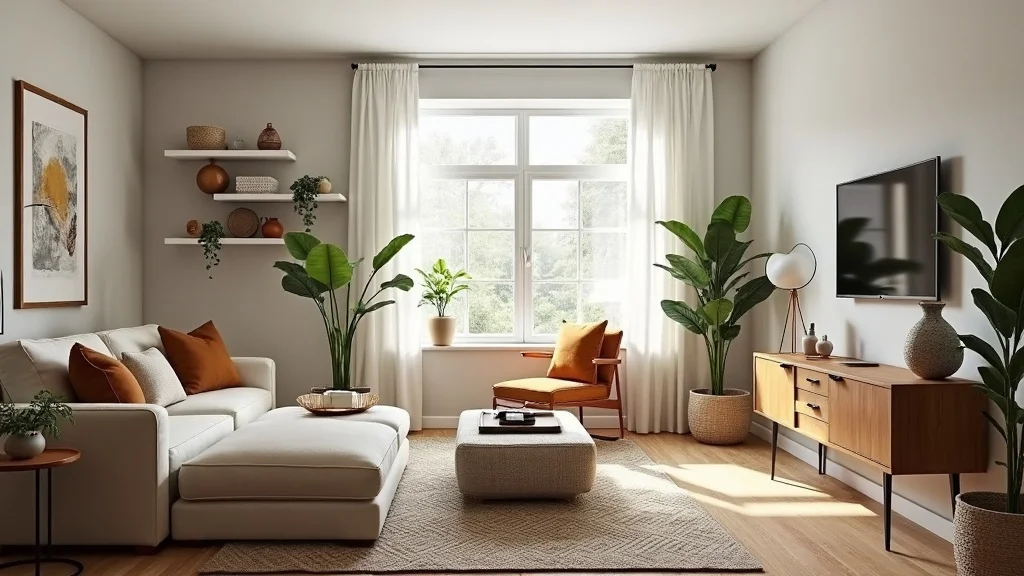
The moment a living room feels right, you can tell before you even sit down. The light lands softly, the path from the entry to the sofa is easy, and everything you touch—linen, cotton, wood—feels like it belongs there. That’s the vibe: calm, warm, a little sun-kissed… like the indoors finally learned from the patio.
This guide covers thrifted finds that look intentional, DIY textiles that add softness without screaming “craft project,” affordable Amazon picks that are actually worth it, and upcycled accents that bring in character. It’s built around real-life cozy living—movie nights, bare feet, kids and pets, and that one chair everyone gravitates toward.
This is perfect for renters, first-home owners, and anyone who wants a comfortable reset without replacing the whole room.
Inside, you’ll find small shifts that change the whole flow—like how to place a mirror to catch late-day light, how to “upgrade” a thrifted lamp with a new shade, and what to avoid so your room doesn’t end up feeling cluttered and dim.
Below are 25 How to Create Cozy Living Room Decor on a Budget 2026: Thrifted Finds, DIY Textiles, Affordable Amazon Picks & Upcycled Accents that blend thrifted warmth, DIY softness, and affordable Amazon upgrades for a home that feels good to live in.
Products I Recommend for This Project
Here are some of my favourite products to help you bring these ideas to life:
- Philips LED A19 Soft White 2700K Light Bulbs (60W Equivalent) — Makes every lamp feel warmer and more relaxing at night.
- Legrand Pass & Seymour Plug-in Lamp Dimmer — Lets you soften harsh light without rewiring anything.
- RUGPADUSA Basics 1/4″ Thick Felt Rug Pad — Adds underfoot cushion so even a budget rug feels plush.
- Utopia Bedding Throw Pillow Inserts (Set of 2) — Instantly upgrades pillow shape for a fuller, more tailored look.
- IKEA HILJA or MATILDA Sheer Curtain Panels (linen-look alternative on Amazon: NICETOWN Linen Textured Curtains) — Filters daylight softly while keeping the room bright and airy.
1. Start with a “thrift + DIY + Amazon” warmth plan (so you don’t overspend)
This idea is simply a buying strategy: thrift the character, DIY the softness, and use Amazon for the unglamorous basics. It works because you’re not paying retail for “vintage vibes”—you’re building a room that feels collected and calm in real life.
Pick three zones: seating (sofa/chairs), light (lamps), and touch (throws/pillows). Thrift one statement piece per zone (like a wood tray, a brass lamp base, or a woven basket), DIY one textile (like a no-sew pillow cover), and buy the support items online (rug pad, warm bulbs, pillow inserts). Keep a running note on your phone with sizes—like 18″ pillow inserts and a 5×7 or 8×10 rug target—so you don’t impulse-buy the wrong scale.
Look for natural textures like cane, oak, rattan, linen-look cotton, and aged brass. In paint, warm whites and sandy taupes make daylight feel softer instead of stark.
Pro tip: decide your “one metal” (brass or black) before you shop, then repeat it three times for that effortless, pulled-together feeling.
2. How do I make my living room feel cozier with lighting (not overhead glare)?
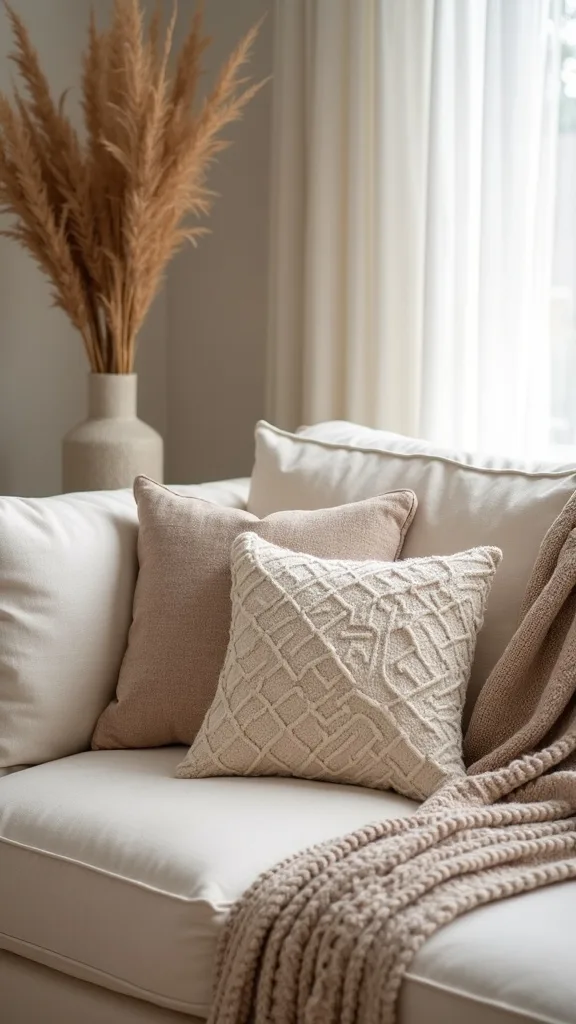
Cozy living starts at night, and lighting is the fastest way to get there. It works because layered light makes shadows gentler and corners feel intentional instead of forgotten.
Aim for three light sources in the room: one table lamp, one floor lamp, and one small accent light (like a plug-in sconce or a tiny lamp on a shelf). Swap every bulb you can to warm white light (2700K–3000K — the cosy, yellowish tone you see in most homes) and put at least one lamp on a plug-in dimmer so you can dial it down when the sun drops. If your overhead light is unavoidable, use it only for cleaning and keep the “living” light at eye level.
Materials matter here: linen or parchment shades soften light; clear glass or exposed bulbs tend to feel harsher. Thrift a heavy lamp base, then buy a fresh shade online for a clean, modern finish.
Pro tip: point one lamp toward a wall to create a wash of light—it makes the whole room feel warmer without adding clutter.
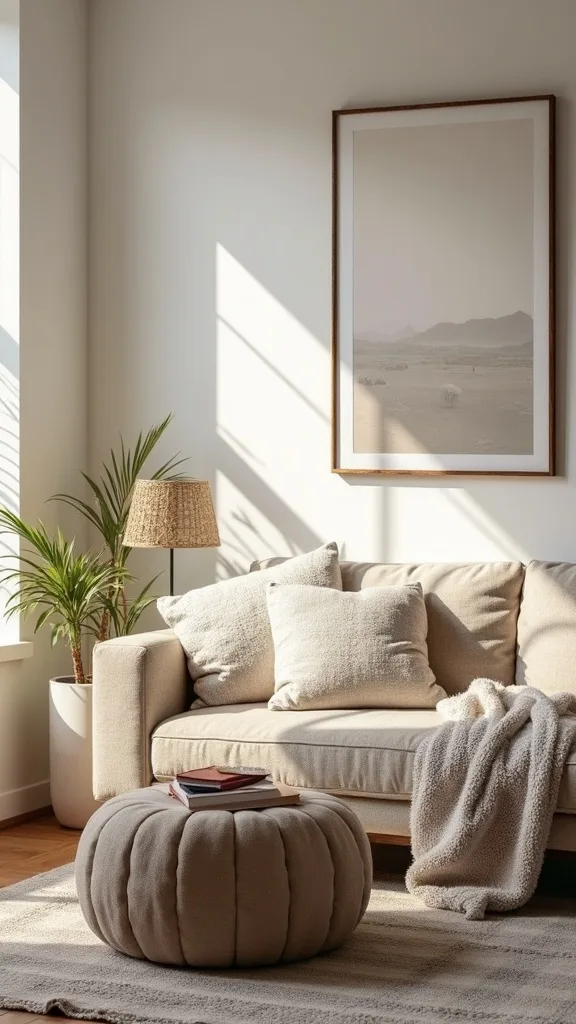
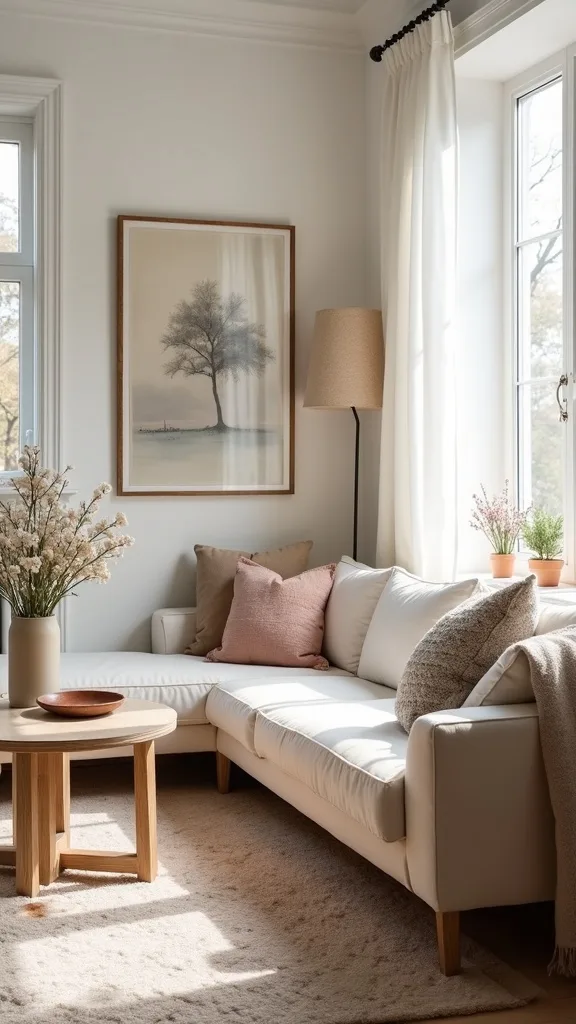
3. What’s the cheapest way to make a sofa feel expensive and inviting?
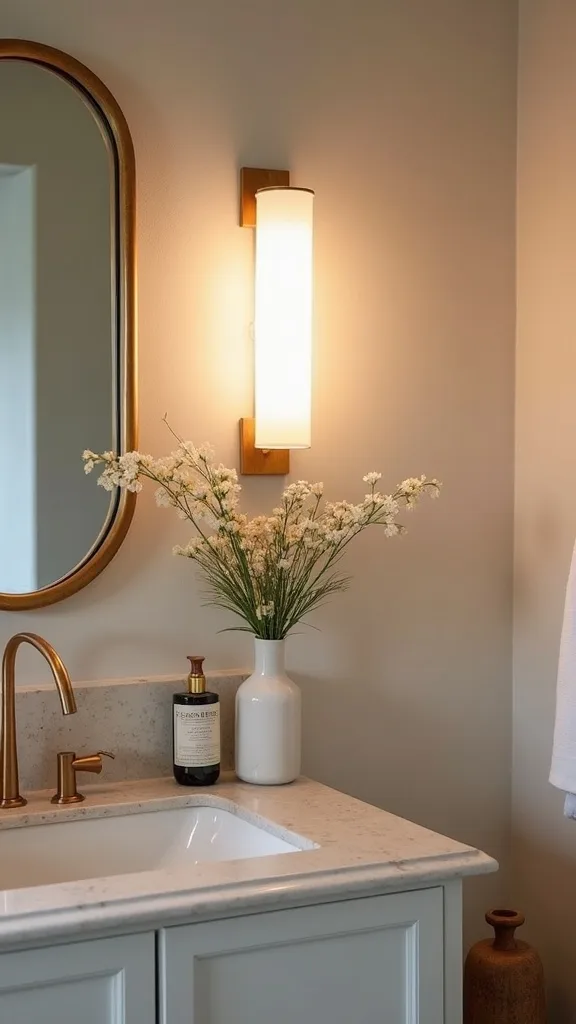
The sofa doesn’t need replacing—it needs styling that feels good against your skin and holds up to daily lounging. This works because the eye reads softness and layering as comfort, even if the frame is basic.
Start with pillow inserts that are one size bigger than the cover (a 20″ insert inside an 18″ cover) for that plush, tailored look. Add one throw that’s truly cozy—brushed cotton, chunky acrylic knit, or a cotton-linen blend—then fold it casually over the arm where people actually sit. Keep your palette tight: two neutrals plus one earthy accent (olive, clay, or deep navy) so the room feels calm in daylight.
For materials, mix one nubby texture (bouclé-style) with one smooth texture (washed cotton) and one natural (linen-look). That blend reads elevated without trying.
Pro tip: skip ultra-shiny polyester pillow covers—they can look “slippery” in sunlight. Choose matte weaves that age gracefully.
4. How do I thrift living room decor that looks curated, not random?
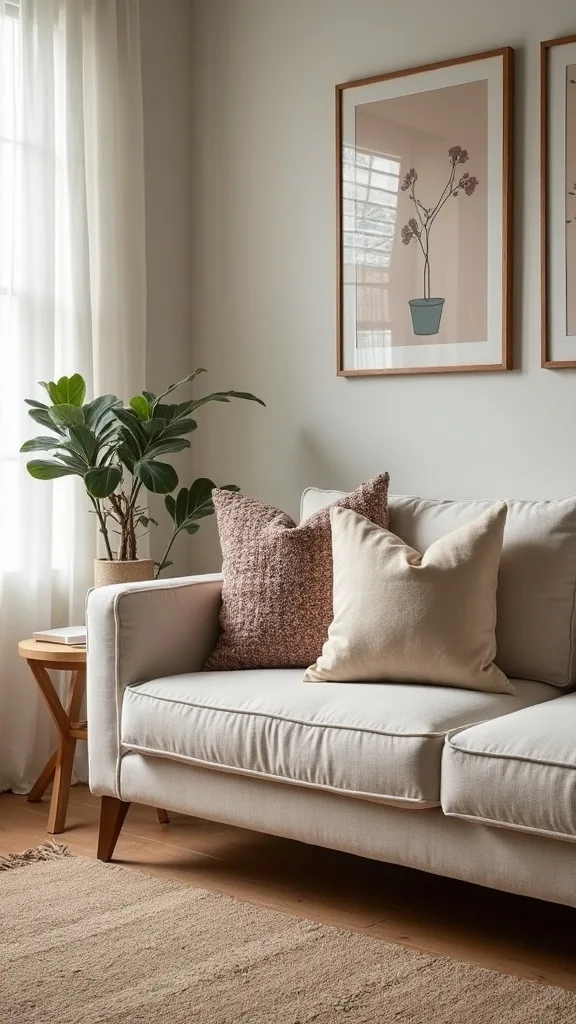
Thrifting works when you shop for shape and material first, not trends. It’s effective because real wood, glass, and brass have a weight and patina you can’t fake with new budget decor.
Walk in with a short list: tray, lamp, mirror, basket, frames, and one ceramic vessel. Pick up items and check the underside—solid wood, dovetail joints, and thick glass are your green flags. For frames, buy mismatched sizes but unify them later with one paint color (warm white or soft black) and consistent mats. If you find a great piece that’s scratched, ask yourself: will it still look good at 6 feet away? That’s the living-room test.
Colors that thrift well: amber glass, creamy ceramics, walnut tones, and aged brass. Skip anything with orange-y faux wood grain—it tends to fight natural light.
Pro tip: set a timer for 20 minutes so you don’t over-shop. A room feels cozy when it has breathing room, not when every surface is filled.
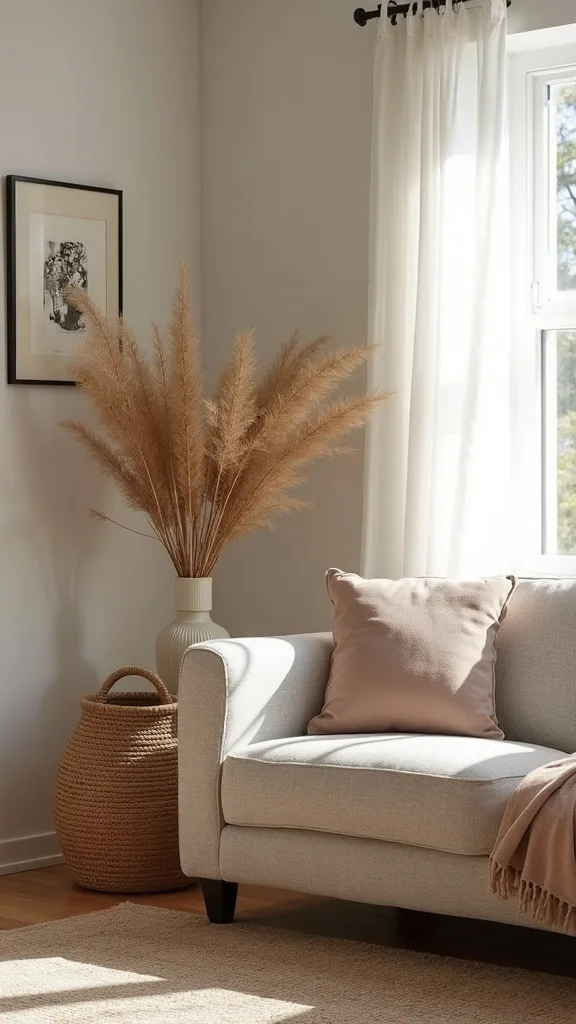
5. How can I use a rug to warm up the room without buying a huge one?
A rug is comfort underfoot, not just a pattern choice. This works because it visually “anchors” the seating area and literally softens the sound in the room.
If a full-size rug isn’t in the budget, go one size smaller and commit to good placement: front legs of the sofa and chairs on the rug, back legs off. Add a thick rug pad underneath—this is the secret sauce that makes even an inexpensive rug feel plush and stay put. For hard floors, a 1/4″ thick pad makes a noticeable difference when you walk through barefoot.
Look for low-pile vintage-style rugs in warm neutrals (sand, oatmeal, faded terracotta). If you want pattern, choose something faded and grounded so it doesn’t visually “shout.”
Pro tip: avoid tiny rugs floating in the middle like an island. That’s a fast way to make the room feel smaller and less settled—go wide enough for the pathway to feel smooth.
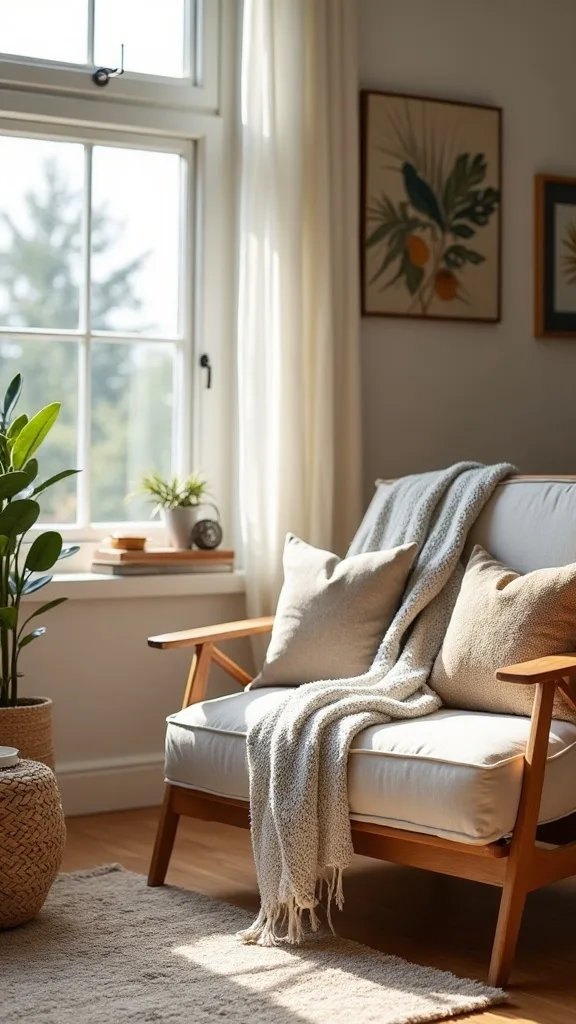
6. What DIY textile upgrade makes the biggest difference for under $20?
DIY pillow covers are the quiet flex of a cozy room—soft, tailored, and personal. This works because textiles are what you touch constantly, and comfort reads as quality.
Buy 1–2 yards of pre-washed cotton canvas or linen-look fabric, then make envelope-back covers with fabric tape (no sewing machine required) or a simple straight stitch. Keep them slightly oversized so the insert fills the corners. If you want that California relaxed finish, choose a subtle stripe or a textured solid instead of loud prints.
Colors: warm white, flax, fog gray, and clay. Materials: cotton canvas for durability, linen-blend for a breezier drape, and sherpa only in small doses (one accent pillow max).
Pro tip: press your seams and corners—even if you didn’t sew. Crisp edges make a DIY project feel store-bought, and your room feels more put-together without feeling precious.
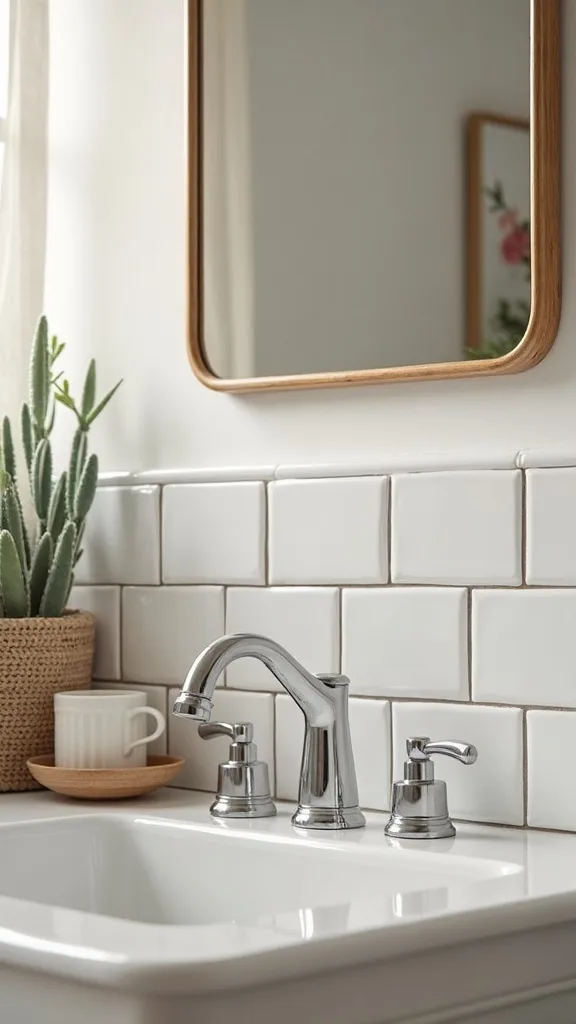
7. How do I create cozy living with “indoor-outdoor” touches without remodeling?
Indoor-outdoor living isn’t a renovation—it’s a mood. It works because natural materials and a little greenery make the room feel breathable, especially when sunlight moves across the floor in the afternoon.
Bring in one outdoor-coded texture inside: a teak stool as a side table, a woven basket for throws, or a stone-look tray for coffee table clutter control. Add a plant that can handle real life—pothos, snake plant, or a rubber tree—and place it where it catches indirect light, not where it blocks a walking path. If you have a slider or patio door, keep the area around it visually light (slim console, minimal decor) so the flow feels open.
Finish recommendations: light oak, rattan, travertine-look resin, and matte black accents. Stick to earthy greens and sandy neutrals for that “weekend at home” feeling.
Pro tip: avoid fake plants with shiny leaves—they read plastic in daylight. One real plant beats five fake ones every time.
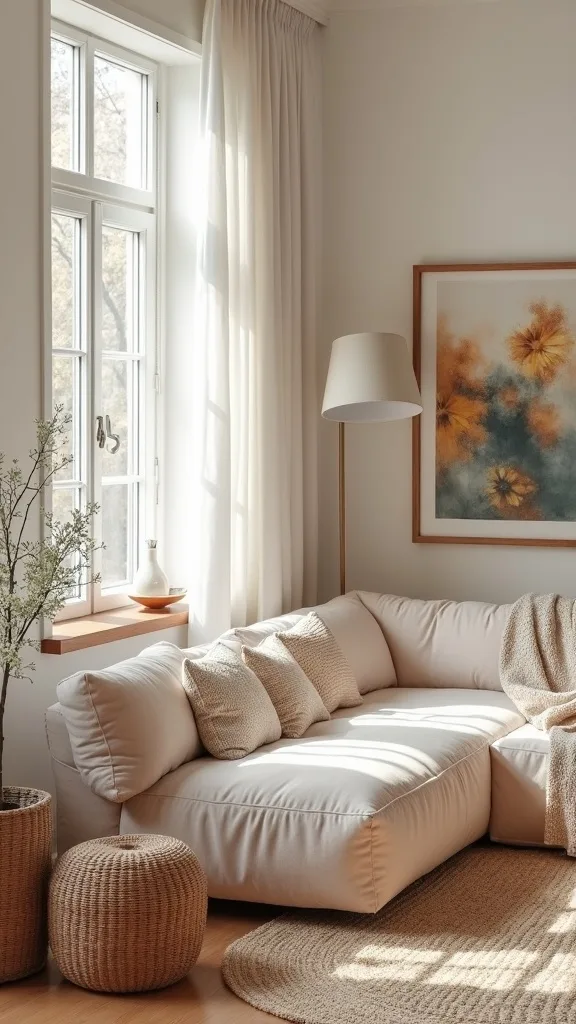
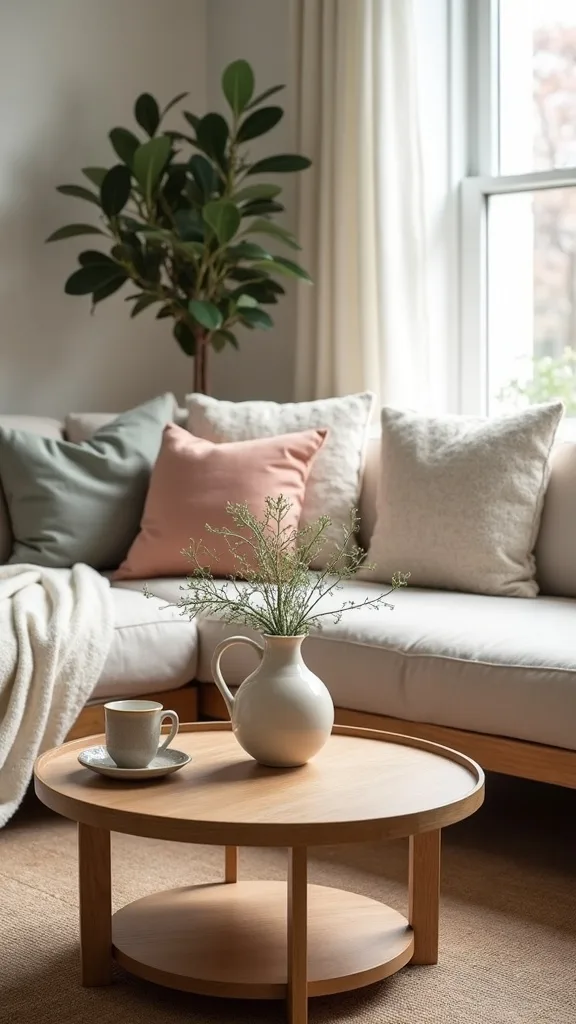
8. What’s the best budget way to style a coffee table so it’s functional?
A coffee table should serve your life: drinks, feet up, board games, remote control chaos. This works because a simple “container system” keeps things tidy without making the room feel stiff.
Use a tray as the anchor—thrifted brass, wood, or woven—and keep it to about one-third of the table surface. Add two practical items that also look good: a candle or diffuser and a small catchall bowl for remotes. Then add one “soft” element like a stack of two books or a folded cloth napkin under a vase to reduce the hard-surface feel. Leave a clear landing zone for mugs and snacks; that empty space is part of the design.
Materials that wear well: acacia wood, rattan, ceramic, and thick glass. Colors: warm neutrals with one darker grounding piece (espresso or charcoal).
Pro tip: avoid tiny decor objects scattered everywhere—they create visual noise. One larger statement tray reads calmer and cleans up faster.
Cost & Materials Estimate
A warm, comfortable living room refresh can realistically land between $120 and $650 depending on what you thrift and what you already own.
| Item | Estimated Cost | Where to Buy |
|---|---|---|
| Rug pad (5×7 or 8×10) | $28–$65 | Amazon |
| Light-filtering curtain panels (2 panels) | $35–$90 | IKEA |
| Warm white light bulbs (2700K–3000K), 6-pack | $14–$28 | Amazon |
| Throw blanket + 2 pillow inserts | $32–$85 | Wayfair |
| Thrifted lamp base + new linen shade | $22–$80 | Amazon |
| Thrifted tray / basket / frames (starter set) | $18–$60 | IKEA |
Total estimated cost: $149–$408 Save by thrifting frames and lamp bases, then splurge slightly on a rug pad and good pillow inserts because you’ll feel those every single day.
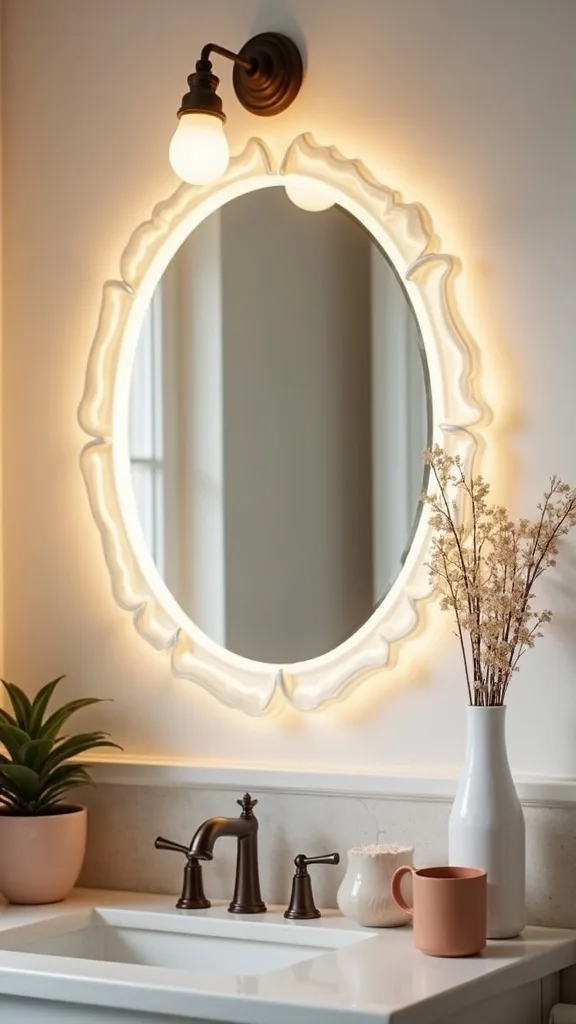
9. How can I use mirrors to boost natural light in a small living room?
Mirrors are basically free sunlight when placed well. This works because they bounce daylight deeper into the room and make tight layouts feel less boxed in.
Place a mirror perpendicular to a window (not directly opposite) so it catches side light and spreads it across a wall. If you have a darker corner near the sofa, hang a medium mirror there to lift the whole seating zone. Thrift a frame with character—arched, carved wood, or thin brass—and clean the glass thoroughly so it doesn’t look hazy in bright light. For renters, use heavy-duty picture hooks rated for the mirror’s weight (check the label) so it feels secure day to day.
Finish tips: warm wood frames feel softer than chrome; thin black frames feel modern without going cold. Avoid overly ornate gold if the rest of your room is minimal—it can feel disconnected.
Pro tip: angle a mirror so it reflects something you love (a plant, art), not your clutter. That’s cozy living in practice.
10. What should I avoid if I want a cozy room (not cluttered and dim)?
The biggest trap is confusing “cozy” with “more stuff.” This matters because too many small items break up the visual flow, and the room starts to feel busy instead of restful.
Avoid buying matching decor sets and scattering mini accents on every surface. Instead, group items in threes, scale them up, and leave negative space. Also avoid cool, blue-white bulbs—nothing kills warmth faster than lighting that feels like a break room. If your room already feels dark, skip heavy blackout curtains in the main living space; choose light-filtering panels and add privacy film if needed.
Materials to lean into: linen, cotton, wood, ceramic, and matte metals. Materials to be careful with: high-gloss plastics and mirrored acrylics—they can feel harsh in natural light.
Pro tip: do a “one-bag edit.” Fill a shopping bag with anything that feels fussy, live without it for a week, and bring back only what you genuinely miss. Your space will feel calmer immediately.
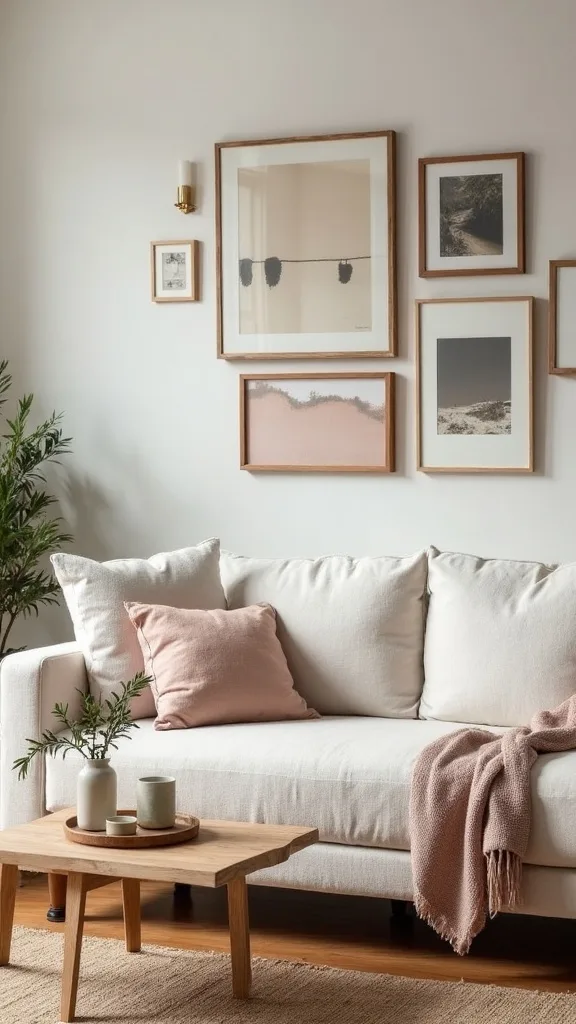
11. How do I upcycle old frames into a cohesive gallery wall for cheap?
A gallery wall can feel like a home’s heartbeat when it’s cohesive and personal. This works because repeating color and spacing makes mismatched thrift finds feel intentional.
Thrift frames in different sizes, then unify them with one paint finish—soft black for modern warmth, or warm white for airy coastal energy. Use a simple template: cut kraft paper to each frame size, tape it up, and adjust until the layout feels balanced with the sofa. Keep spacing consistent (about 2″ between frames) so the wall reads calm. For art, mix personal photos with printable line art and one textured piece (like a small woven panel).
Matte paper prints look more elevated than glossy. Frames with thin profiles feel lighter near windows; chunky frames feel grounded on darker walls.
Pro tip: hang the center of the arrangement at about 57–60″ from the floor (eye level for most adults). That single move makes the room feel designed, not accidental.
12. What’s a renter-friendly way to add texture to plain walls?
Texture is what keeps a neutral room from feeling flat. This works because tactile surfaces catch light differently throughout the day, adding depth without adding chaos.
Try peel-and-stick grasscloth-style wallpaper on one wall section—behind a console, around a reading nook, or inside built-in shelves if you have them. If wallpaper feels like too much, hang a large textile: a woven wall hanging, a vintage quilt, or even a linen tablecloth on a curtain rod for a soft, layered look. Keep the installation simple so it’s easy to undo later.
Colors that feel naturally cozy: oatmeal, sand, warm gray, and muted olive. Materials: jute, cotton, linen, and woven cane elements nearby to echo the texture.
Pro tip: avoid tiny macramé pieces that get lost on a big wall. Go larger than you think—one oversized texture moment feels more luxurious than five small ones.
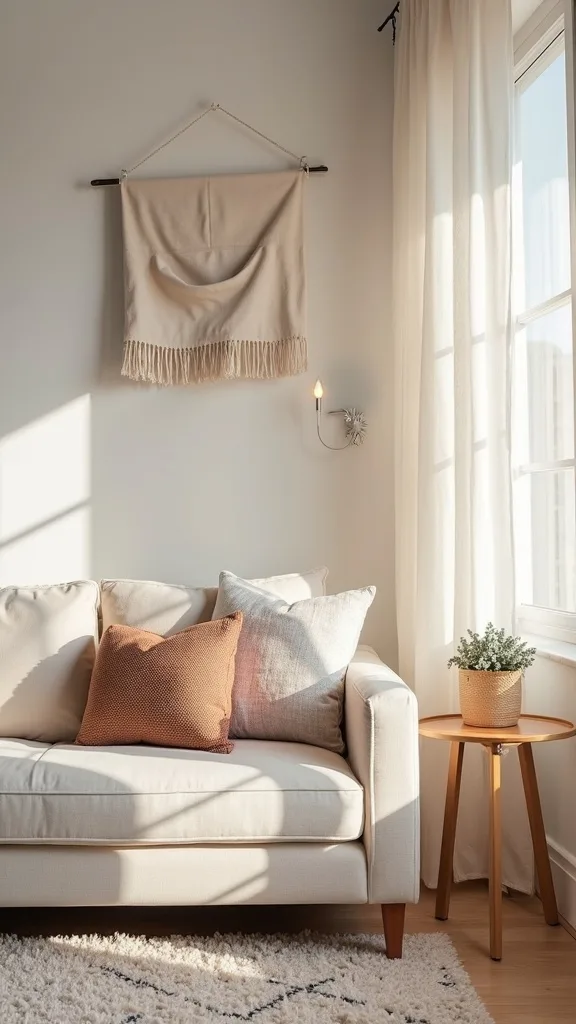
13. How do I make a reading corner feel inviting with stuff I already own?
A reading corner is a daily-life upgrade, not a styled vignette. This works because it creates a destination—somewhere your body relaxes the moment you sit down.
Start with a chair you already have, then add one soft layer (throw) and one task layer (lamp). Pull the chair slightly off the wall so it feels like a real spot, not a time-out zone. Add a small side table or stool for a mug and a book, and place a basket underneath for an extra blanket. If you’re short on space, use a wall-mounted shelf as the “table.”
Materials: wood stool, linen shade, cotton throw. Colors: warm neutral base with one deep accent (rust, forest, or ink) to ground it.
Pro tip: keep the light source on the same side as your dominant hand for comfortable reading. When it’s easy to use, it becomes your favorite corner.
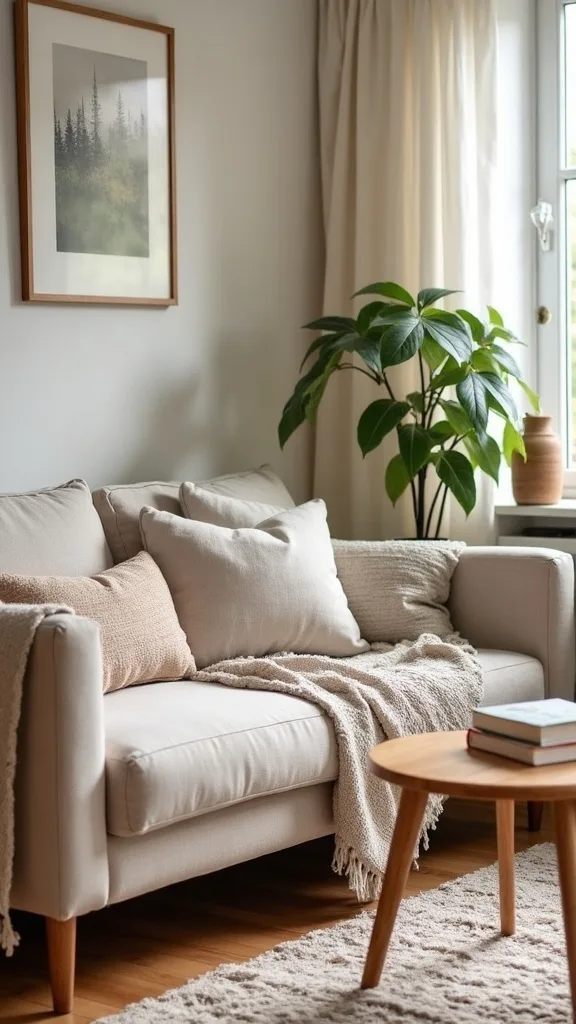
14. Which Amazon upgrades actually make a living room feel warmer (not cheap)?
Amazon is best for the behind-the-scenes pieces that improve comfort fast. This works because the “supporting cast” (pads, inserts, bulbs) is what you feel every day.
Prioritize: a thick rug pad, down-alternative pillow inserts, linen-look curtains, and a plug-in dimmer. Add warm white light (2700K–3000K — the cosy, yellowish tone you see in most homes) bulbs across the room so the lighting matches; mismatched color temperature is subtle but makes a room feel off. For curtains, hang the rod high and wide so the window feels bigger and the fabric stacks neatly when open.
Choose matte finishes: black curtain rods, brushed brass hardware, and textured fabrics. Skip overly shiny satin curtains—they can read costume-y in daylight.
Pro tip: spend your Amazon budget on items that improve touch and light first. A room feels luxurious when it’s comfortable to exist in, not when it’s packed with trendy objects.
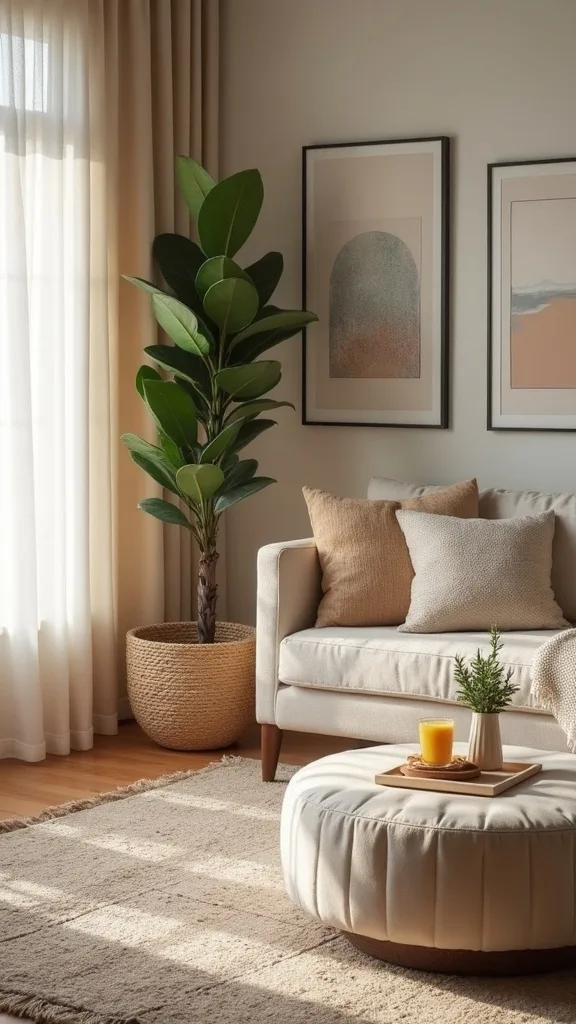
15. How do I style open shelving so it feels calm and not cluttered?
Open shelving should feel like breathing space, not a storage problem on display. This works because fewer, larger items read as intentional and let the eye rest.
Use a simple ratio: 60% books or baskets, 30% decor, 10% empty space. Stack books horizontally in small groups, then place one ceramic piece or framed photo on top. Add baskets on the bottom shelves for chargers, toys, or extra remotes. Keep a consistent material story—ceramic + wood + one metal—so it doesn’t feel like a garage sale.
Colors: warm whites, sand, charcoal accents, and one green plant. Materials: woven baskets, matte ceramics, wood frames, aged brass.
Pro tip: avoid lining up tiny knickknacks across every shelf. Edit down until each shelf has one hero object and one supporting texture—your whole living room will feel calmer.
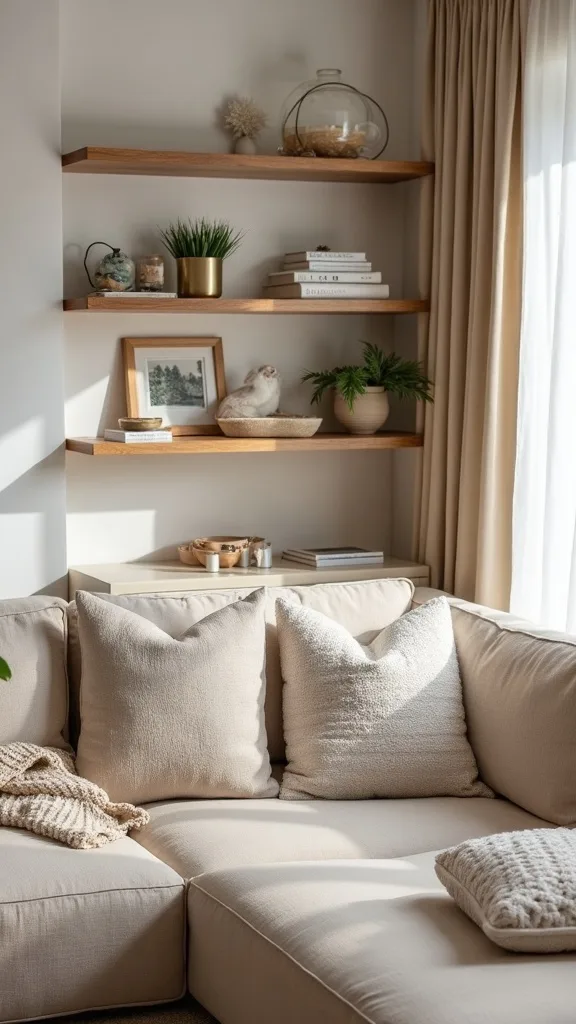
16. What’s the easiest way to update a thrifted lamp so it looks current?
A thrifted lamp can be a room’s most charming piece—if the shade isn’t screaming 1998. This works because updating the shade and hardware modernizes the silhouette instantly.
Look for lamp bases with weight: ceramic, solid wood, or metal. Clean it well, then swap the shade for a linen drum shade (usually the quickest path to modern-cozy). If the lamp harp is bent or missing, replace it—it’s inexpensive and makes the shade sit straight. Add a warm bulb and, if needed, a dimmer plug so the light feels soft at night.
Finish pairings that feel relaxed and elevated: brass base + ivory shade, black base + oatmeal shade, ceramic white base + natural linen shade.
Pro tip: avoid tiny shades on bulky bases (or huge shades on skinny bases). Proportion is what makes a thrift find look like a designer choice.
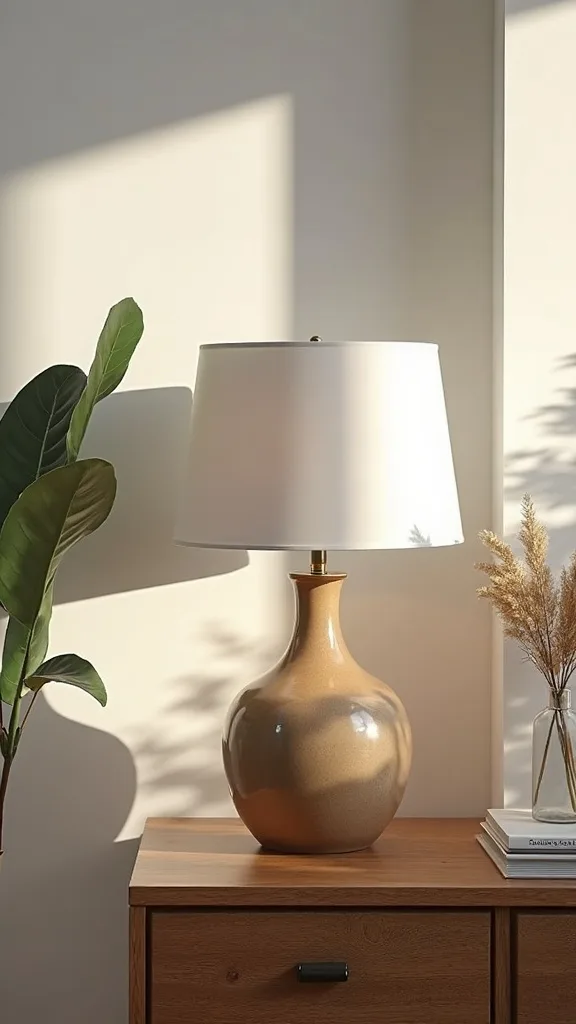
17. How can I make the room quieter and more comfortable without renovations?
Quiet is part of cozy—your body registers it immediately. This works because soft surfaces absorb echo and make the room feel more intimate, especially with hard floors and high ceilings.
Add textiles in three places: underfoot (rug + pad), at the windows (curtains), and on seating (throws/pillows). If you can, add one upholstered piece—even a small ottoman—because fabric breaks up sound. For windows, choose heavier linen-look panels and let them kiss the floor; that little puddle of fabric adds softness visually and acoustically. If you have a hollow coffee table, add a tray and books to reduce the “clack” of daily use.
Materials: cotton-linen curtains, wool-blend rugs, velvet or brushed cotton pillows. Colors: warm neutrals so the added softness doesn’t feel heavy.
Pro tip: avoid leaving windows bare if your room echoes. Curtains aren’t just style—they’re comfort engineering in plain English.
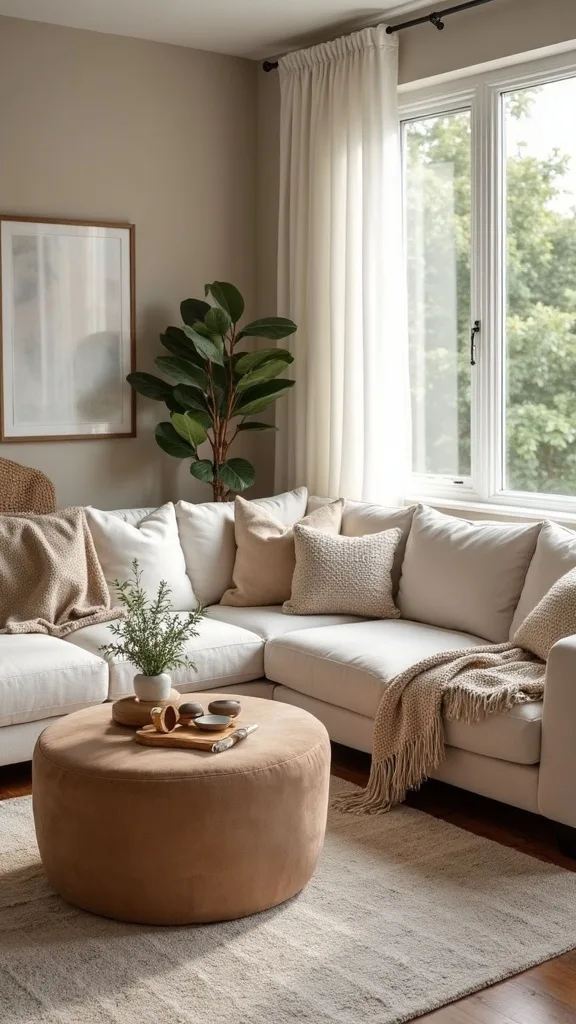
18. How do I choose a cozy color palette that works with natural light?
The right palette changes hour by hour in a good way. This works because warm undertones make daylight feel creamy, and evening lamplight feels golden instead of muddy.
Start with a base neutral that matches your floor: warm white if your floors are light, soft greige if they’re medium, and sandy beige if they’re dark. Add one grounded accent color (olive, clay, tobacco, or deep navy) in small doses—pillows, a vase, a throw. Keep black as a thin “outline” (frames, hardware) so the room has structure without feeling stark.
Paint and fabric finishes matter: choose matte or eggshell paint so walls don’t glare. In textiles, pick heathered or nubby weaves that hide wear and feel inviting to touch.
Pro tip: avoid icy grays—they can make a room feel cold even in summer. Warm neutrals make cozy living feel natural, not seasonal.
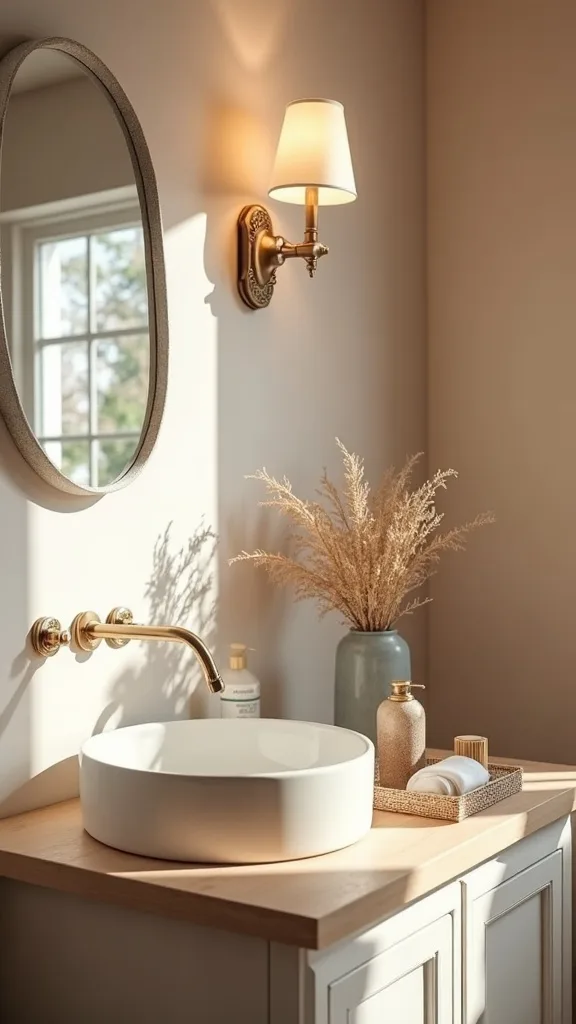
19. What’s a budget-friendly way to add “aged” character without fake distressing?
Character should feel earned, not manufactured. This works because real patina—small wear, soft edges, honest materials—adds depth without looking themed.
Look for one piece with history: a vintage wood bowl, an old brass candlestick, or a ceramic vase with a slightly imperfect glaze. Let it be what it is; don’t sand it aggressively or add fake “farmhouse” distressing. If you need to refresh it, clean gently and wax wood lightly for a soft sheen. Pair that aged item with one clean-lined modern piece (like a simple black frame) so the room feels current.
Materials that age well: solid wood, brass, stoneware, leather. Materials to skip: faux-distressed MDF and anything with printed “wood” patterns.
Pro tip: limit patina pieces to a few moments. Too many “old” items can make the room feel dusty instead of warm. One authentic vintage accent goes a long way.
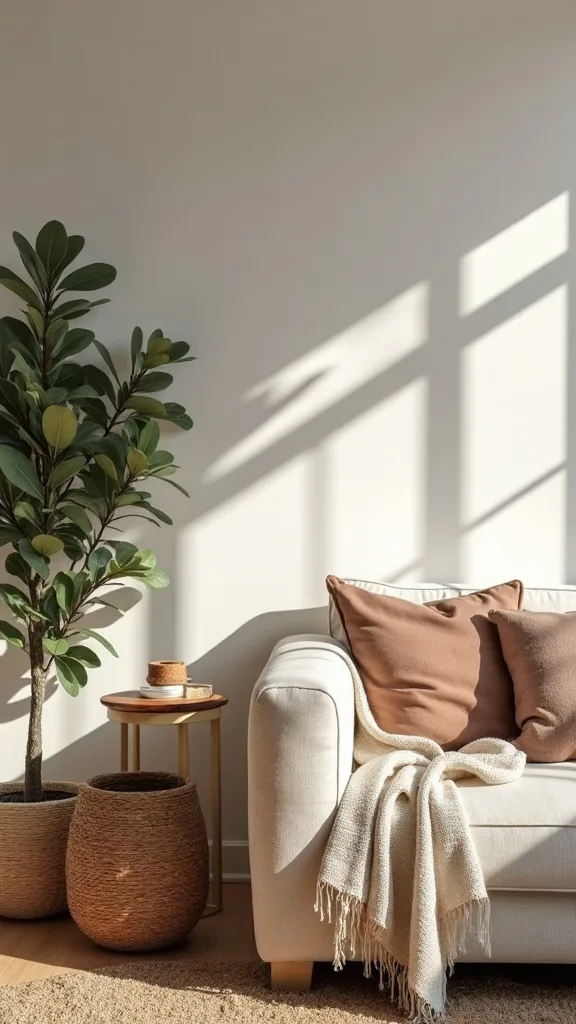
20. How do I decorate a small living room and keep the walkway open?
Flow is luxury, even in a small space. This works because when you can move easily—especially from entry to sofa—the room feels calmer and bigger.
Keep a clear path of about 30–36″ where people naturally walk (from door to seating, seating to kitchen). Choose a slimmer coffee table or an ottoman that can slide under a console when needed. Float the rug and seating to define the zone, but don’t block the window line with tall furniture—let light travel. If you need more storage, use a lidded basket next to the sofa instead of a bulky cabinet.
Materials: glass-top tables feel lighter; light oak and rattan keep the look airy. Colors: keep large pieces neutral, then bring warmth through textiles and lighting.
Pro tip: avoid pushing every piece against the wall. Pulling the sofa forward even 3–6″ can make the space feel intentional and easier to live in.
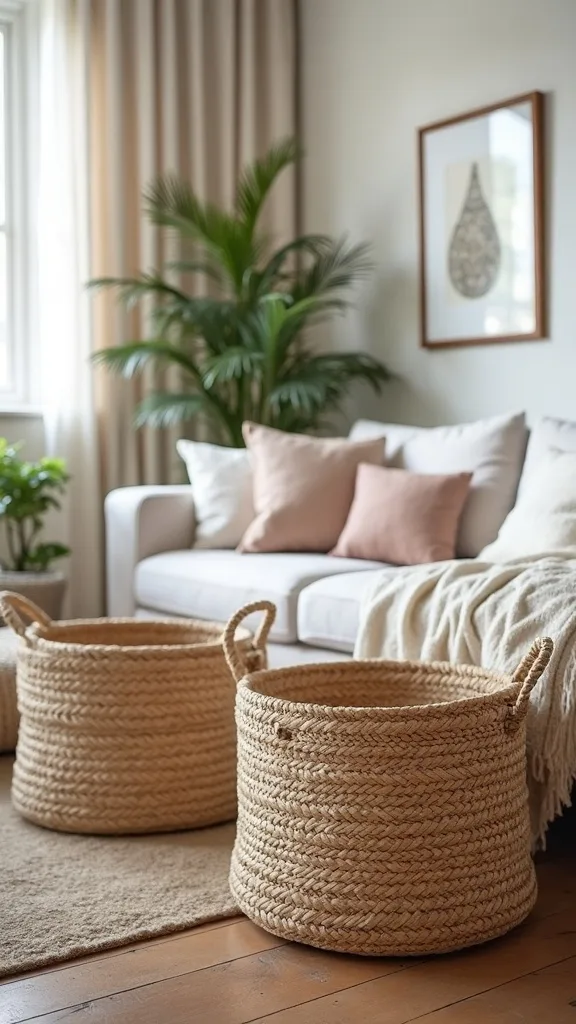
21. How can I use baskets as decor without it looking like storage overflow?
Baskets are cozy because they’re practical and tactile. This works because they hide the real-life mess while adding warm texture that plays well with sunlight.
Choose baskets with structure—thicker weave, sturdy handles—and size them to the job. One large basket for throws near the sofa, one medium for kids’ items or pet toys, and one small for magazines. Keep them in a tight area (one corner or under a console) so they feel like a system, not scattered clutter. If the basket is too tall, fold throws neatly so the top looks intentional.
Materials: seagrass, water hyacinth, rattan. Colors: natural straw tones, or black-dipped for a modern edge.
Pro tip: avoid flimsy baskets that collapse; they read messy fast. A basket that stands tall makes your room feel effortless even on busy weeks.
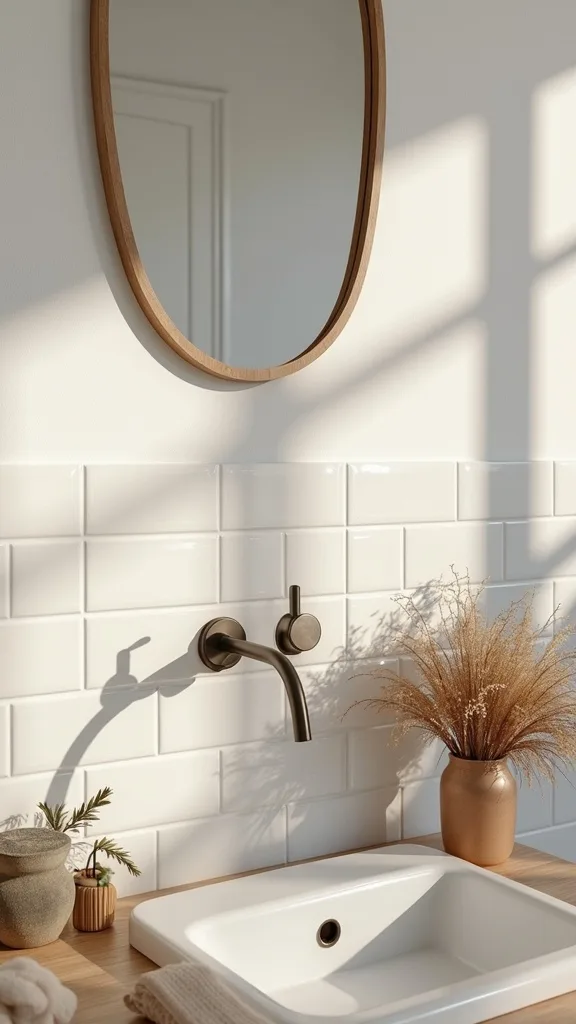
22. What’s an easy upcycled accent I can make from scrap wood or leftover tile?
An upcycled tray or coaster set adds warmth in a way that feels personal. This works because it brings in natural material and creates a “home” for daily items like mugs and remotes.
If you have scrap wood, sand the edges smooth, then stain it in a warm walnut tone or seal it with a matte clear coat for a raw, beachy look. Add simple handles (black or brass) to make it functional. If you have leftover tile, glue cork backing to make coasters—suddenly your coffee table feels protected and styled. Keep the shapes simple so it doesn’t feel crafty.
Finishes: matte polyurethane for durability, or furniture wax for a softer touch. Pair with ceramics and linen for that layered, relaxed feel.
Pro tip: avoid glossy topcoats that look plasticky in sunlight. A matte finish feels more expensive and more “California calm.”
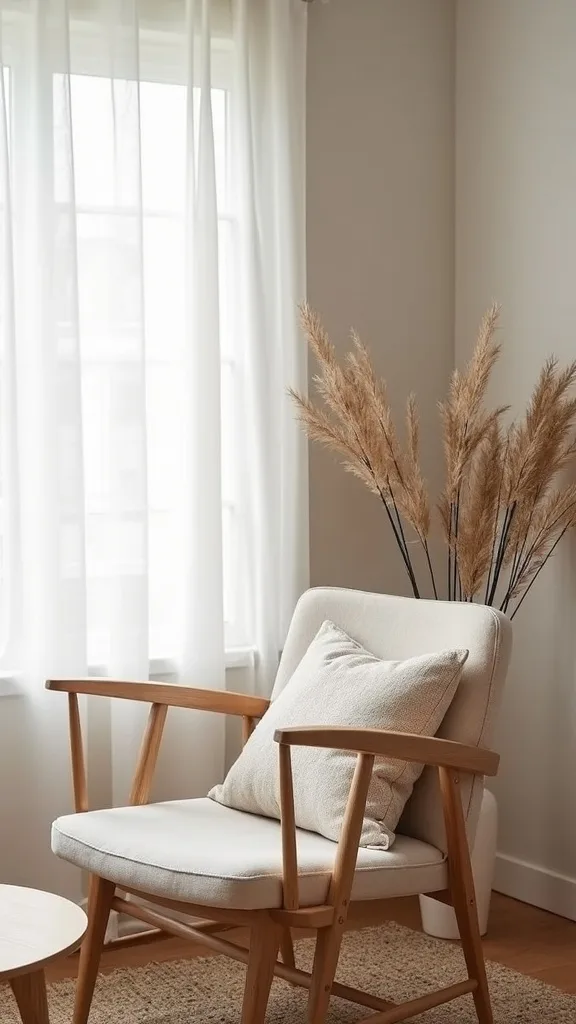
23. How do I make curtains look custom on a budget?
Good curtains change the whole room’s posture. This works because tall, full panels make windows feel larger, soften acoustics, and filter harsh light into a glow.
Hang the rod 4–6″ above the window frame (or closer to the ceiling if you can) and extend it 6–10″ wider than the window on each side. That way, when curtains are open, they don’t block glass. Choose curtain panels that are long enough to skim the floor; if they’re a little long, a slight puddle reads relaxed-luxury. Add clip rings for easy sliding and a cleaner drape, even with budget panels.
Fabric: linen-look blends, cotton slub, or light-filtering woven panels. Colors: warm white, oatmeal, soft taupe.
Pro tip: avoid grommet-top curtains if you want a higher-end look. Clip rings create soft, even folds that feel custom without the custom price.
24. How do I style a console table behind the sofa (without blocking the room)?
A sofa-back console is one of those small upgrades that makes daily life easier. This works because it adds a landing zone—keys, drinks, a lamp—without adding bulky furniture in the main seating area.
Choose a slim console (10–14″ deep is usually plenty) so you keep the walkway open. Place one table lamp at one end, then a tray in the center for remotes or coasters. Add a basket underneath for blankets or board games so the top stays calm. If your sofa floats in the room, this also helps define zones and makes the layout feel deliberate.
Materials: light oak for airy warmth, black metal + wood for modern structure, or a thrifted wood piece refinished in a matte clear coat. Add one ceramic vase or a small plant for life.
Pro tip: avoid tall decor that blocks sightlines across the room. Keep it low so the space feels open and social.
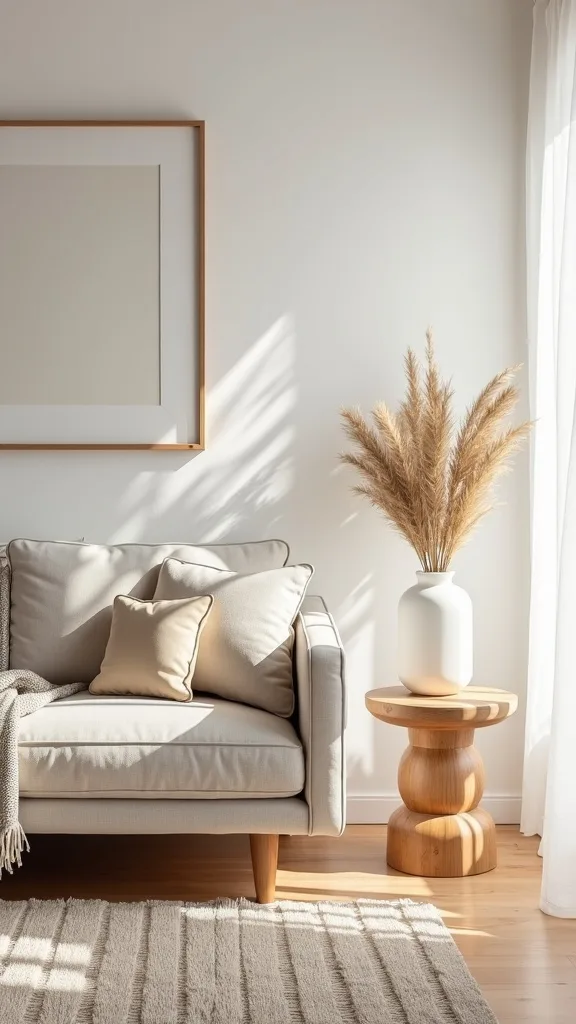
25. What’s the simplest 30-minute reset to make the room feel instantly cozy?
This is the fast reset that actually changes how the room feels tonight. It works because it tackles the three things your body notices first: light, softness, and clutter.
Step one: turn off overhead lights and turn on two lamps with warm white light (2700K–3000K — the cosy, yellowish tone you see in most homes). Step two: add one throw where you’ll use it (sofa arm or chair back) and fluff pillows into supportive shapes. Step three: clear the coffee table into a tray—remotes, coasters, one candle—and put everything else in a basket for later sorting. Open a window for five minutes if the weather’s decent; that indoor-outdoor air swap is underrated.
Keep a small “cozy kit” nearby: lighter, candle, hand lotion, matches, and a soft cloth for quick wipe-downs. Choose scents that feel clean and warm—cedar, vanilla, or eucalyptus.
Pro tip: avoid adding new decor during a reset. Edit first, then add one intentional layer if the room still feels bare.
Final Thoughts
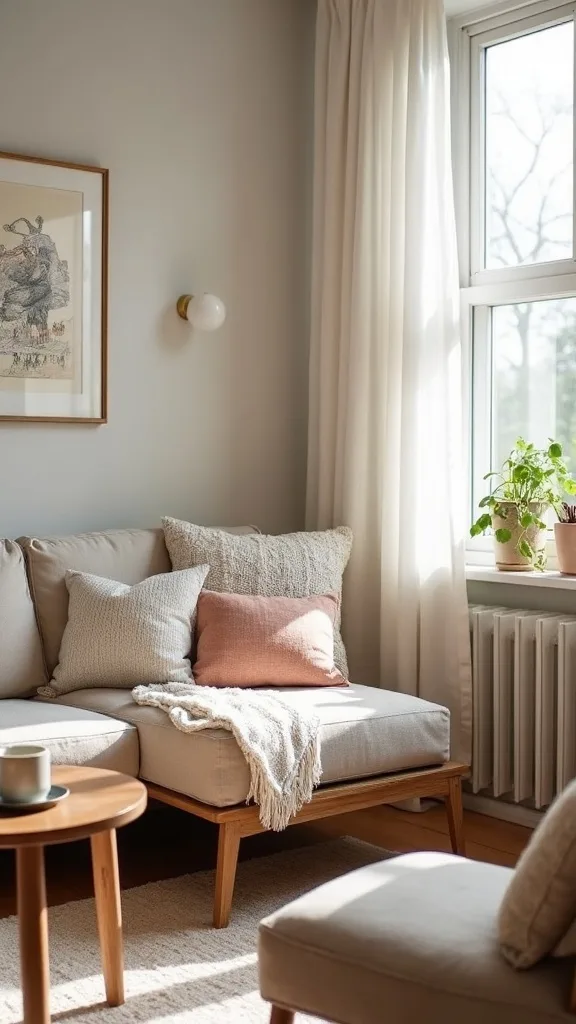
The coziest living rooms aren’t the ones that cost the most—they’re the ones that know how to hold you at the end of the day. Warm light at eye level, textiles that feel good on bare arms, and a few thrifted pieces with real material presence do more than a cart full of trendy decor ever will.
If you take anything from this, let it be this: comfort is a design decision. Give your room a clear walkway, let the window light travel, and choose finishes that age well—wood, linen, ceramic, brass—so the space keeps getting better with time instead of feeling “done” and fragile.
Do one thing today: swap two bulbs to warm white light (2700K–3000K — the cosy, yellowish tone you see in most homes), put a tray on your coffee table, and thrift one solid, tactile piece this weekend. That’s how a room starts feeling like yours—personal, lived-in, and quietly inviting, not decorated.
What I’d Do Differently
When I first tried this, I went all-in on “cute little finds” because they were cheap and I wanted quick wins. I came home with a bag of mini candles, tiny vases, and a handful of mismatched decor that looked fine on a shelf… but in my actual living room it felt busy, and somehow still not cozy. The specific mistake was scale: I bought too many small objects instead of one or two larger pieces that could anchor a surface. The fix was almost embarrassingly simple—one thrifted wood tray on the coffee table, a bigger ceramic bowl for remotes, and a single lamp with a linen shade. The room instantly felt calmer and warmer because the surfaces finally had a “plan.”
I also wish I’d swapped my bulbs to warm white light (2700K–3000K — the cosy, yellowish tone you see in most homes) on day one instead of week three. Lighting changes everything, and it makes even budget pieces feel more intentional. Start with one surface (coffee table or sofa), edit it down, and then add back just one texture layer—you’ll feel the difference tonight.