
This post contains affiliate links. As an Amazon Associate, I earn from qualifying purchases at no extra cost to you.
Are you looking for a tropical living room that feels like summer all year, but still works for Tuesday-night laundry piles? Do you want those jungle vibes interior moments—lush, layered, a little wild—without committing to a full renovation?
Here is the thing: I’ve styled this look in everything from tiny apartments to big open-concept family rooms, and the magic is always the same—natural texture + oversized greenery + one bold “leafy” statement. In this post, I’m walking you through 25 ideas I actually use, including banana leaf decor, rattan, jute, and lighting that makes greens look expensive (even when they’re not).
I wrote this for anyone who loves tropical home decor but needs it to be practical—kid-friendly, pet-friendly, and not a dust-trap of tiny knickknacks.
And look, you don’t need to buy a whole new room: I’ll show you where I splurge (usually one big piece like a rug or chair) and where I happily go budget (pillows, prints, and planters). I’m also calling out one common mistake that makes tropical spaces feel chaotic instead of calm.
Below are 25 Tropical Living Room Decor & Jungle Vibes that help you build a layered, breezy summer look with real-life steps you can do this weekend.
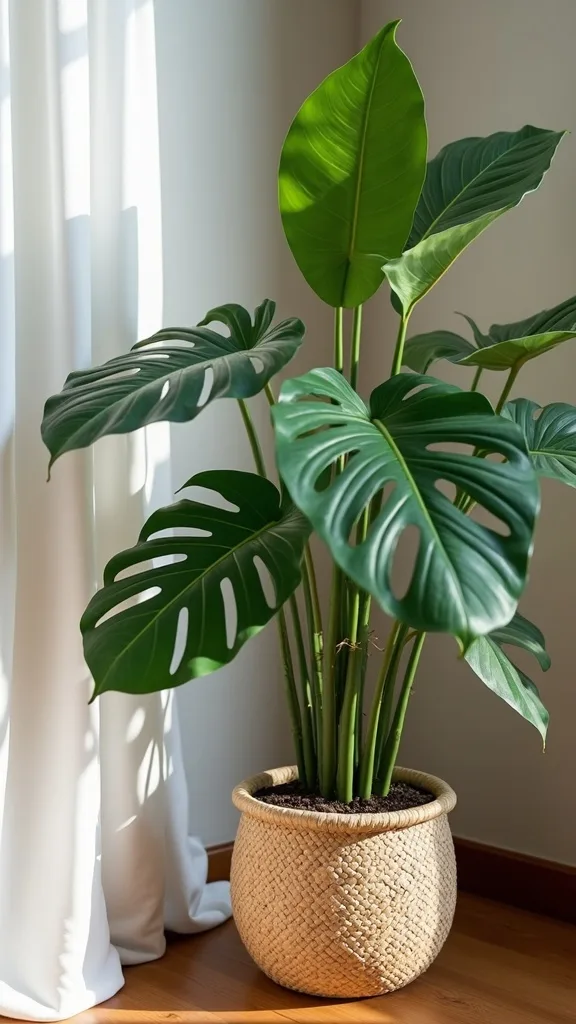
1. Start with the hero vignette: giant monstera + basket + banana leaf accent + rattan + jute
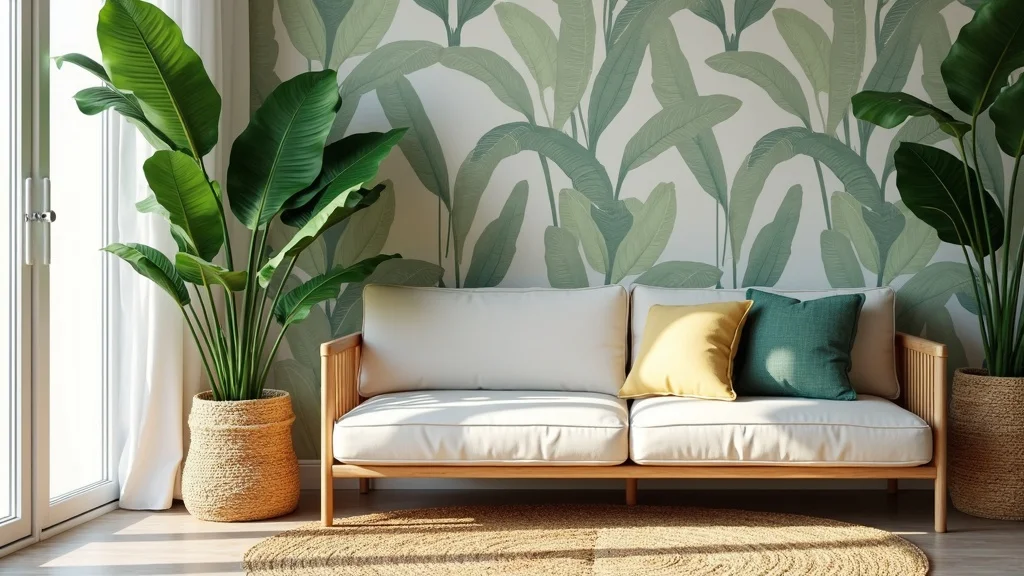
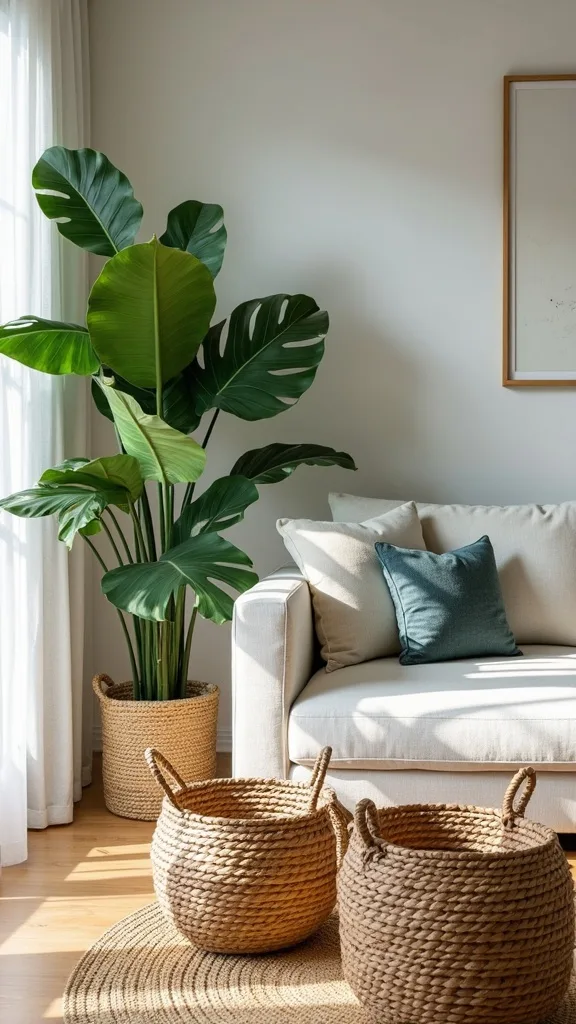
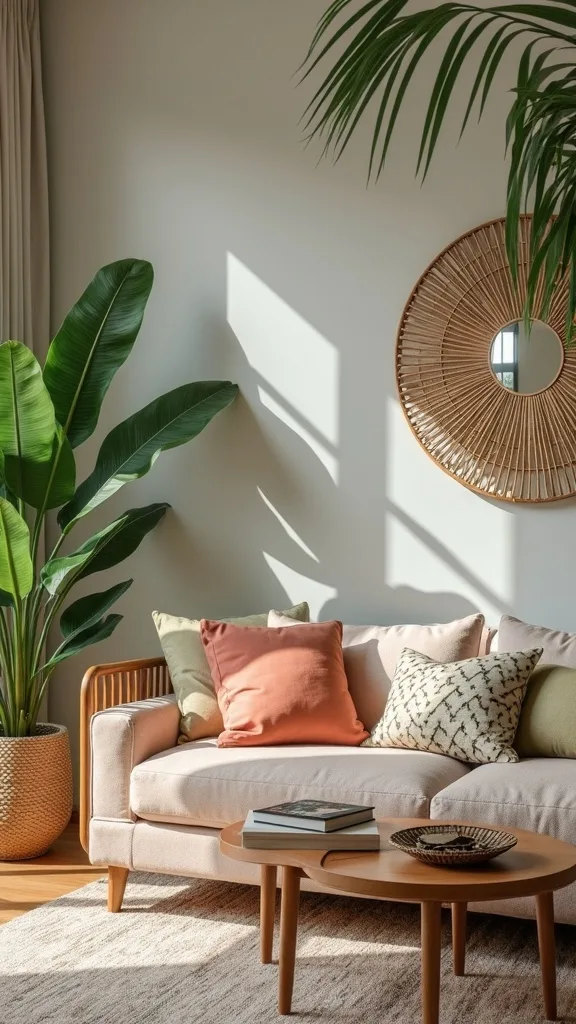
I always start by building one “yes, this is the vibe” corner, because if I nail one 4 ft x 4 ft zone, the rest of the room gets easier. When I design this look, I anchor it with a giant monstera (a 10–12 inch nursery pot) dropped into a 14–16 inch seagrass basket, then I layer in a 5′ x 8′ jute rug and a rattan sofa set so the textures do the heavy lifting.
To implement it, I place the plant 6–10 inches away from the wall (so leaves don’t get crushed), then I add a banana leaf wallpaper accent on one wall or even a 30–36 inch wide panel behind the sofa. I find that keeping the wallpaper to one surface prevents the room from feeling like a tiki bar.
For materials, I reach for natural rattan, seagrass, jute, and a matte white paint like Benjamin Moore “Chantilly Lace” to keep the greens crisp. I recommend adding 2 linen pillows in sand or ivory to calm the pattern.
Pro Tip: From my experience, if your monstera is top-heavy, I hide a 6–8 lb dumbbell plate inside the basket under the pot—instant stability without ugly plant stands.
2. Pick a tropical color palette that won’t fight your existing sofa
From my experience, the quickest way to make a tropical living room look “off” is forcing bright teal and hot pink into a room that already has a charcoal sectional. I always start by choosing one green (olive or palm), one warm neutral (sand, camel, or cream), and one accent (brass or black) so the room reads cohesive in 30 seconds.
To implement it, I pull 3–5 paint chips and tape them to the wall for 48 hours, checking them morning and evening. If I’m not painting, I do the same with textiles: I lay out 2 pillow covers, 1 throw, and 1 rug sample on the sofa for a day to see what “wins.”
I find that materials matter as much as color—linen, cotton slub, and cane feel tropical even in boring beige. If you want a safer pop, I recommend a 12″ x 20″ pillow in deep palm green instead of a whole emerald sofa (fun, but commitment-y).
Pro Tip: In my opinion, greens look dull under cool bulbs, so I swap to warm white light (2700K–3000K — the cosy, yellowish tone you see in most homes) before I judge any palette.
3. Use banana leaf wallpaper as an accent—not a full-room takeover
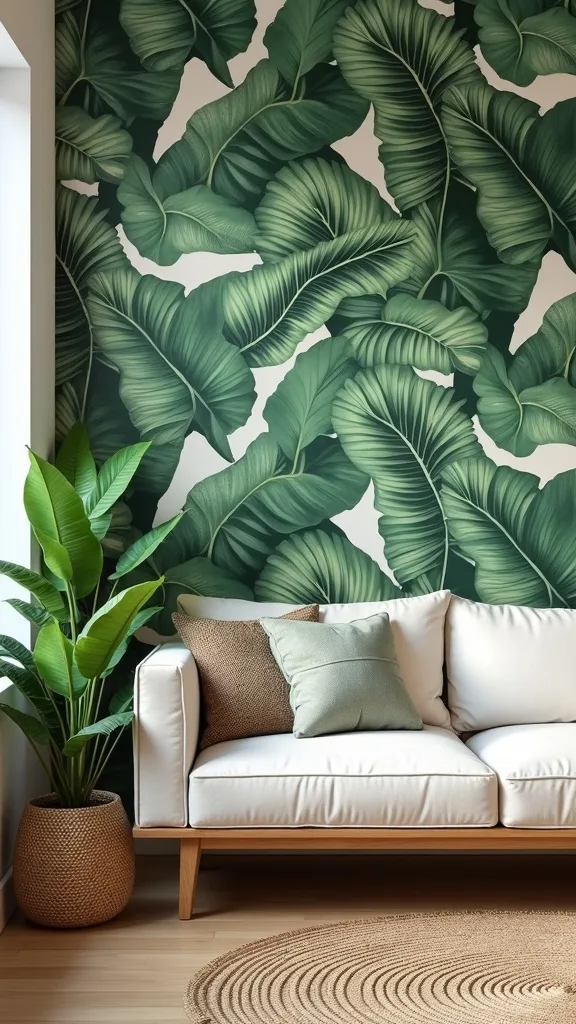
I find that banana leaf wallpaper is the fastest route to tropical drama, but it can also swallow a room if I get greedy. When I tried this in a 12′ x 14′ living room, a single 8’–10′ wide accent wall gave me the “resort” hit without making my furniture look like it’s floating in a jungle mural.
To implement it, I measure the wall and order 10–15% extra for pattern matching (especially with big leaves). If I’m renting, I always recommend peel-and-stick panels and I test one 24″ x 24″ sample for 72 hours to make sure it won’t peel my paint or slide off textured drywall.
For products, I like thicker vinyl or non-woven paper because it hides minor wall imperfections better than thin paper. I pair it with a simple 72-inch media console in light oak so the wall stays the star.
Pro Tip: From my experience, center the boldest leaf cluster at seated eye level (about 42–48 inches from the floor) so the pattern feels intentional, not like it “started wherever.”
4. Choose rattan seating that feels supportive (not wobbly or squeaky)
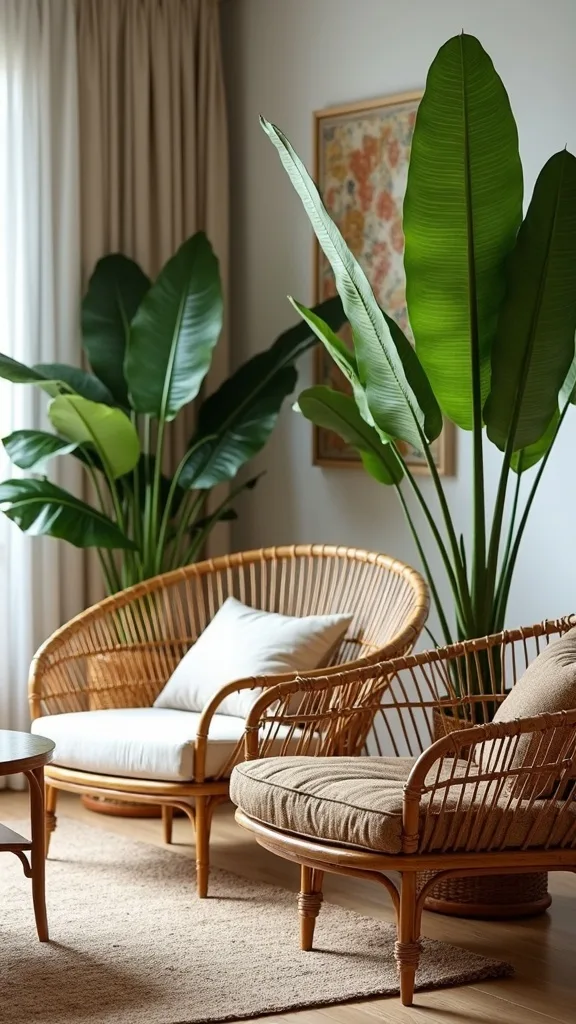
I always recommend rattan furniture when people want airy texture, but I’m picky because not all rattan is created equal (and my lower back is not a charity). In my opinion, a rattan sofa set works best when the frame is solid hardwood with tight cane or PE rattan weave, plus 4–6 inch seat cushions that don’t pancake after 2 movie nights.
To implement it, I check the seat depth: 20–23 inches is usually comfortable for most adults, while 24+ inches can feel lounge-y but needs extra pillows. I also look for removable cushion covers and a zipper that runs at least 10 inches so I can actually get the insert out.
Material-wise, natural rattan is gorgeous but can dry out in harsh sun; PE rattan is less romantic but typically more durable near bright windows. I find that mixing one rattan loveseat with a fabric sofa is a smart compromise for families.
Pro Tip: I’ve found that felt pads under rattan legs stop the tiny “creak” you hear on hardwood—use 1-inch heavy-duty felt and replace it every 6–12 months.
5. Layer a jute rug for instant beachy texture (and hide real-life mess)
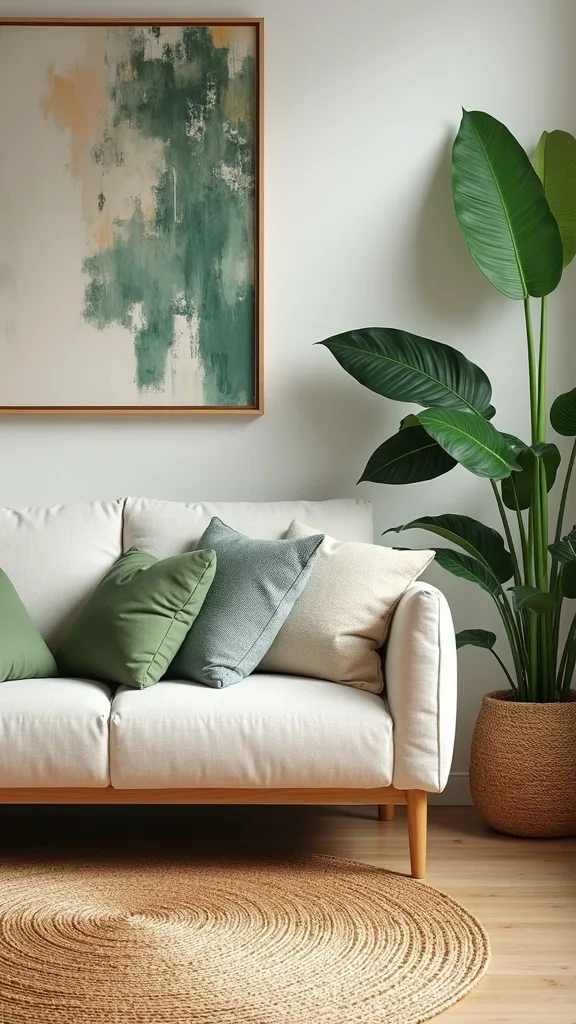
I always start by grounding the room with a rug because tropical decor can feel floaty without it. From my experience, a 5′ x 8′ jute rug works for small seating areas, but a 8′ x 10′ is the sweet spot for most living rooms because at least the front 6–10 inches of the sofa and chairs can sit on it.
To implement it, I place the rug so it extends 12–18 inches past the sofa on each side, then I add a softer layer if needed—like a 5′ x 7′ cotton flatweave on top—so bare feet don’t feel like they’re on a welcome mat. I find that this “rug sandwich” looks designer-y and solves the scratchy-jute complaint.
For materials, I prefer braided jute or jute-wool blends for less shedding. Typically, I avoid super-cheap jute that smells strongly of chemicals out of the box (it usually lingers for weeks).
Pro Tip: In my opinion, jute ripples less if you use a 1/4-inch thick rug pad cut 1 inch smaller than the rug—especially on slippery hardwood.
6. Make your monstera look expensive with the right pot + top dressing
I find that a big plant only looks “designer” when the container looks intentional. When I design this look, I use a 14–18 inch planter or basket and I always add a top dressing (like 2–3 cups of moss or pea gravel) so I’m not staring at sad brown soil.
To implement it, I keep the plant in its nursery pot and set it inside a waterproof saucer, then into the basket—this makes watering a 5-minute job instead of a floor-damage gamble. I also rotate the plant a quarter turn every 7–10 days so it grows evenly toward the window.
Material options: seagrass baskets are warm and casual; matte ceramic planters feel more modern; fiberstone is lightweight for big sizes. I recommend a bamboo stake or moss pole around 36–48 inches tall if your monstera is leaning.
Pro Tip: From my experience, if fungus gnats show up, a 1/2-inch layer of horticultural sand on top of the soil reduces them within 1–2 weeks without changing your watering schedule.
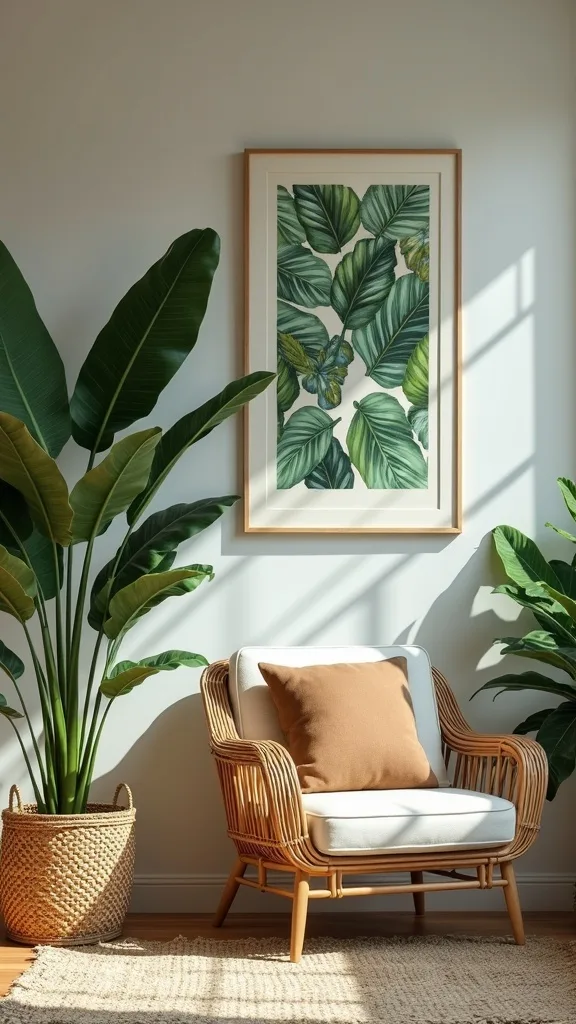
7. Add banana leaf decor without turning your shelves into a souvenir shop
Here is the thing: banana leaf decor is adorable, but too many small leafy objects can look cluttered fast. I always start by choosing one “leaf moment” per surface—like a 16″ x 20″ framed banana leaf print on the mantel—and then I keep the rest simple.
To implement it, I use the rule of three: 1 tall item (a 14–18 inch vase), 1 medium (a 8″ x 10″ frame), and 1 small (a 4–6 inch candle). I find that this creates the layered look people want without the dusting nightmare.
For materials, I like real pressed leaves behind glass (they look elevated) or carved mango wood trays with a subtle palm motif. If you’re on a budget, I recommend printable art in a 16″ x 20″ frame with a 2-inch white mat—instant gallery vibe for under $40–$60.
Pro Tip: I’ve found that glossy leaf prints reflect lamps at night, so I choose matte paper or anti-glare acrylic if the art sits within 3–5 feet of a light source.
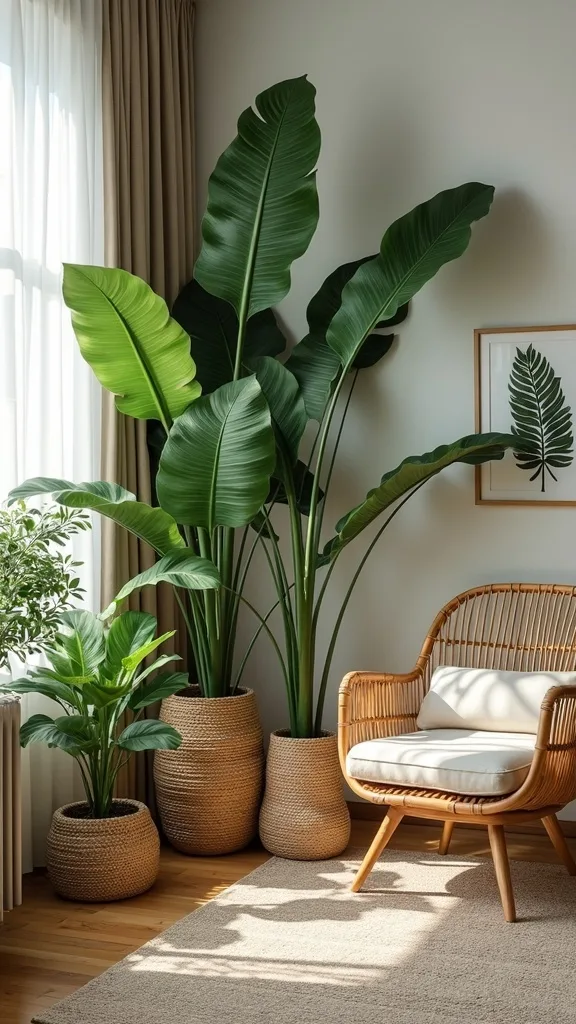
8. Balance pattern scale: one big leaf, one small weave, one solid
From my experience, tropical rooms fail when every pattern screams at the same volume. When I design this look, I pick 1 large-scale pattern (banana leaf wallpaper or a 24-inch leaf pillow), 1 tight texture (rattan cane or a 1/2-inch weave), and 1 solid (linen in cream) so your eye gets a place to rest.
To implement it, I lay options on the sofa: 2 patterned pillows (one large leaf, one subtle stripe), 1 solid pillow, and 1 throw. I always take a quick photo from 6–8 feet away because my brain lies to me up close (photos don’t).
Material-wise, I like cotton slub for solids, boucle for cozy texture, and rattan or cane for the “tropical” note. Typically, I keep patterns to 2–3 total in a small room so it doesn’t feel busy.
Pro Tip: In my opinion, if your wallpaper is bold, choose pillows that repeat only one color from it (not the whole print)—it links the room without looking matchy-matchy.
Cost & Materials Estimate
Typically, I see a tropical living room refresh land between a few key budget tiers depending on whether you’re adding furniture and wallpaper.
| Item | Estimated Cost | Where to Buy |
|---|---|---|
| Jute rug (5′ x 8′ or 8′ x 10′) | $120–$320 | Wayfair / IKEA |
| Monstera plant (10–12 inch pot) + 14–16 inch basket | $60–$180 | Home Depot / Lowe’s |
| Peel-and-stick banana leaf wallpaper (1 accent wall) | $140–$380 | Amazon / Wayfair |
| Rattan accent chair or loveseat | $180–$650 | Amazon / Wayfair |
| Pillows + throw (4–6 pieces total) | $80–$220 | Amazon / IKEA |
Total estimated cost: $580–$1,750 I’d save money on pillows and art, then splurge on the rug or seating because those are the pieces you touch every day.
9. Create jungle vibes with layered lighting (not one sad ceiling fixture)
I find that jungle vibes interior styling falls flat when the lighting is harsh or overly cool. I always recommend using at least 3 light sources in a living room—like a floor lamp, a table lamp, and one overhead—so the room feels lush at night, not like a waiting room.
To implement it, I put a floor lamp behind the sofa (shade bottom around 60–64 inches high), a table lamp on a 24–28 inch side table, and I swap bulbs to warm white light (2700K–3000K — the cosy, yellowish tone you see in most homes). For brightness (measured in lumens), I aim for 800–1100 lumens in the main lamp and 450–800 lumens in accent lamps.
Materials: woven rattan shades cast pretty shadows, while linen drum shades keep it calmer. I recommend dimmers if you can swing it; they cost more upfront but save the vibe later.
Pro Tip: I’ve found that placing one lamp within 12 inches of a leafy plant makes the leaves glow at night—instant “boutique hotel” effect without buying more decor.
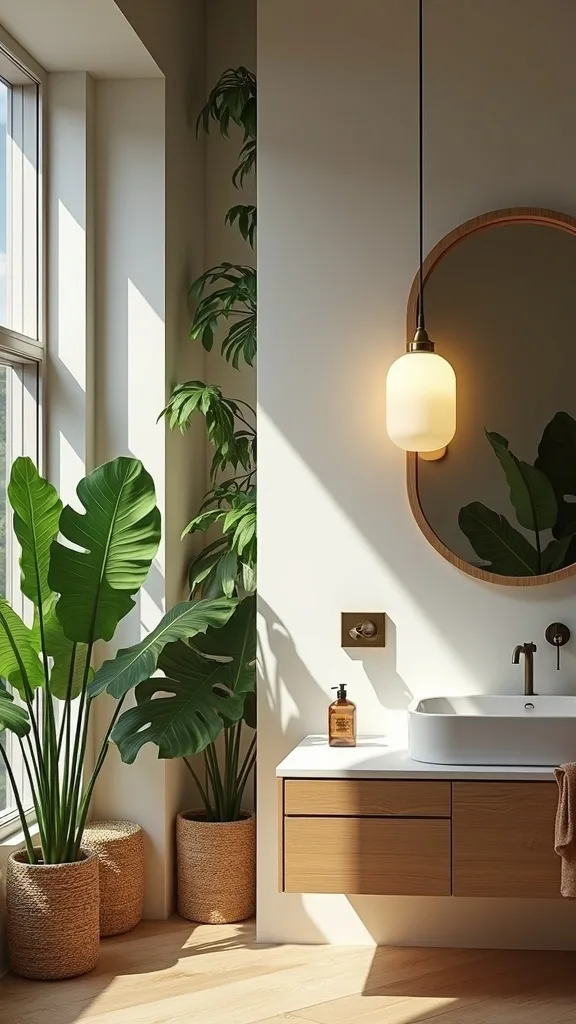
10. Style your coffee table like a resort lobby (but still leave space for snacks)
I always start by admitting the truth: coffee tables are where real life happens—pizza boxes, remotes, homework. From my experience, the tropical look sticks when I style only 1/3 of the surface and keep 2/3 clear, so it’s pretty and functional.
To implement it, I use a 14–16 inch round tray, then add 3 items: a 6–8 inch candle, a small plant in a 4–5 inch pot, and one book with a green cover. If your table is 48 inches long, I place the tray off-center by about 6 inches so it looks casual, not staged.
Material-wise, I love a woven tray (seagrass or rattan) on a wood or glass table because it adds texture without visual clutter. I recommend coasters in travertine or mango wood to keep the natural vibe.
Pro Tip: I’ve found that a low tray (under 2 inches tall) is easier to live with—taller trays catch sleeves and get shoved around constantly.
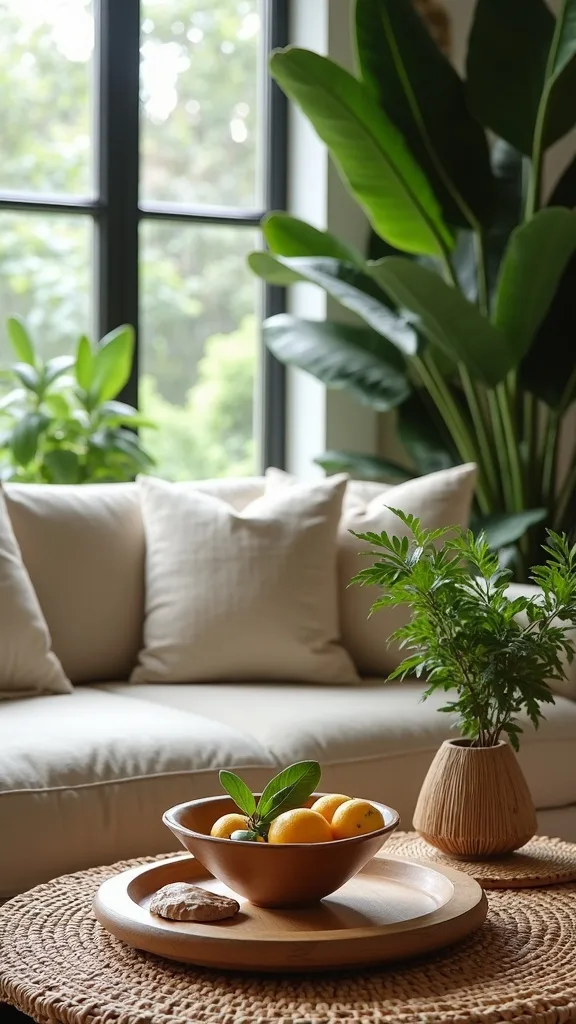
11. Swap in breathable curtains so your greens look brighter
I find that heavy drapes can make tropical decor feel weirdly wintery. When I design this look, I always recommend light-filtering linen or cotton curtains that hit 1/2 inch above the floor—so the room feels breezy, not stiff.
To implement it, I mount the rod 4–6 inches above the window frame (or closer to the ceiling if possible) and extend it 8–12 inches past each side so the panels stack off the glass. Typically, I use 2 panels that are 52 inches wide each for a standard window; skimpy curtains are the fastest way to make a room look unfinished.
Materials: linen blends wrinkle less than 100% linen (trade-off: slightly less “natural” texture). I like warm white or soft oatmeal so the green plants pop without the room turning yellow.
Pro Tip: From my experience, if your curtains look limp, add curtain rings with clips—those little pleats they create make even budget panels look custom in about 20 minutes.
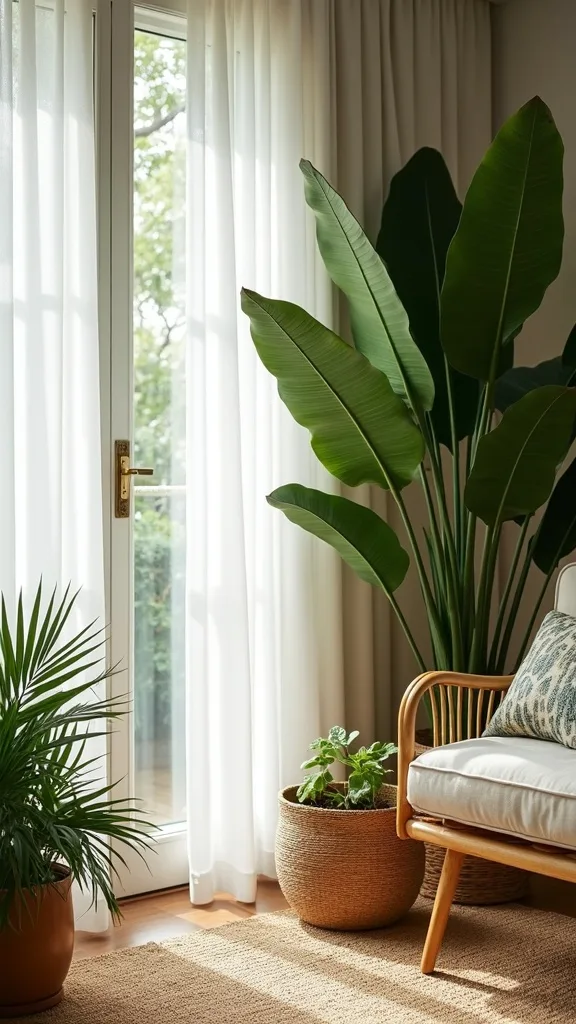
12. Use real wood tones to keep rattan from feeling too matchy
In my opinion, the biggest rattan mistake is buying rattan everything in the exact same honey tone—it can start to feel like a 1997 sunroom (and not in a cool way). I always start by mixing at least 2 wood tones: a light rattan plus a medium oak or walnut piece to add depth.
To implement it, I choose one larger “wood anchor” like a 60–72 inch media console in oak, then I add smaller rattan pieces like a side chair or a 24-inch round end table. I find that keeping the ratio around 70% neutral upholstery, 20% wood/rattan, 10% accent metal helps it feel balanced.
Materials to consider: mango wood is budget-friendly but can dent; oak is harder and typically wears better; walnut reads more mid-century and sophisticated. I recommend matte finishes over glossy because glare fights the organic vibe.
Pro Tip: I’ve found that a tiny hit of black (like 2–3 picture frames or a floor lamp base) makes mixed woods look intentional instead of accidental.
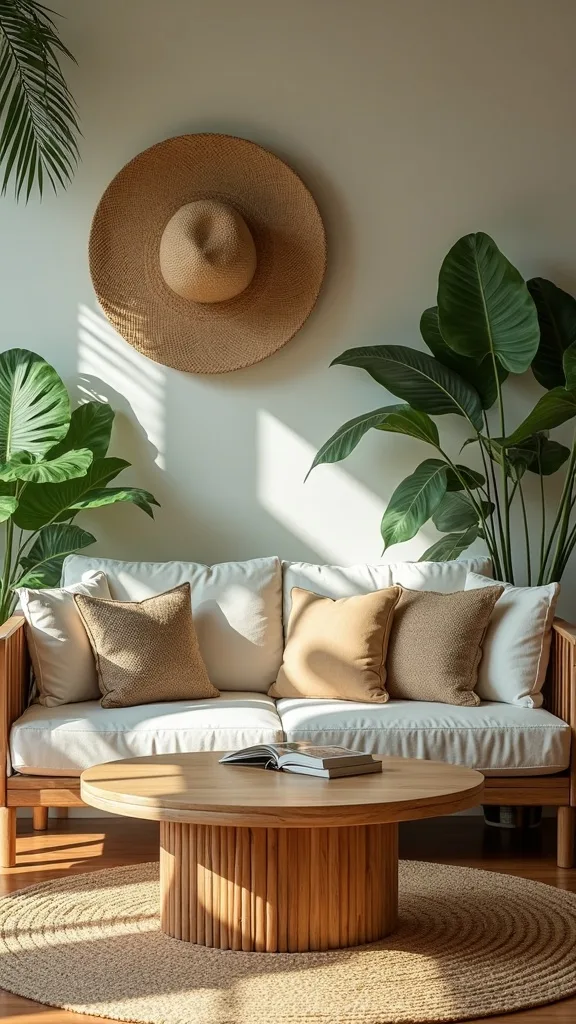
13. Bring in one “wet” texture: ceramic, glass, or lacquer
I find that tropical rooms can skew too dry if everything is woven and beige. When I tried this in my own living room, adding one glossy element—like a 12-inch glazed ceramic vase—made the whole space feel fresher, like there’s actually water nearby (without the humidity).
To implement it, I choose one shiny piece per zone: a glass hurricane on the coffee table, a lacquer tray on the console, or a ceramic lamp base on a side table. Typically, I stick to 1–2 glossy items in a small room (under 150 sq ft) so it doesn’t get chaotic.
Materials: I like reactive glaze ceramics in white or deep green, smoked glass for mood, and lacquer in black for contrast. I recommend avoiding super-thin glass vases if you have pets—ask me how I know.
Pro Tip: From my experience, glossy pieces look cleaner longer if you keep a microfiber cloth in a nearby drawer—30 seconds of wiping prevents the “dusty shine” that ruins the effect.
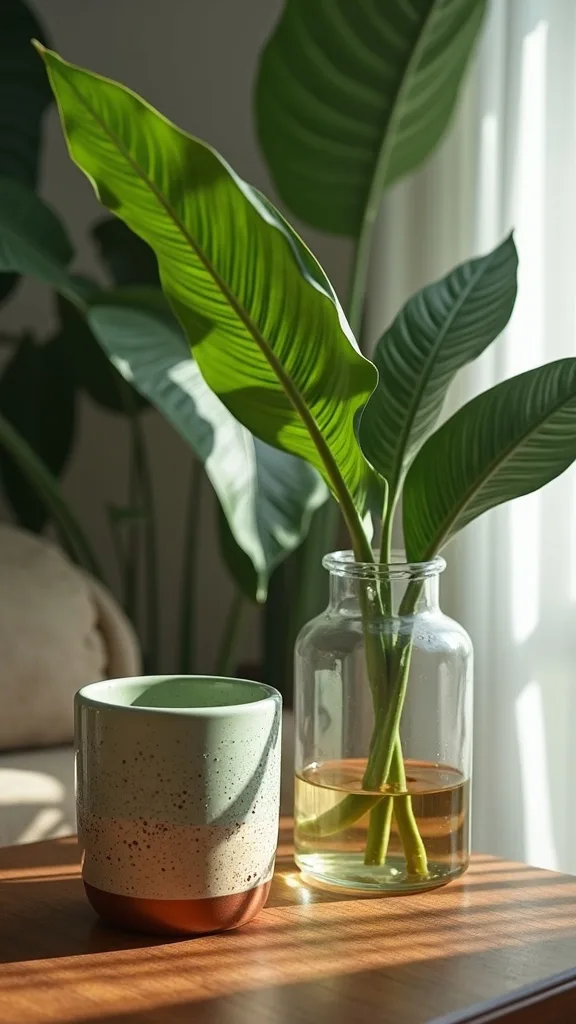
14. Use a palm-frond gallery wall instead of one tiny piece of art
I always recommend going bigger with art in a tropical living room because small art gets swallowed by big leaves and big furniture. From my experience, a 3-piece gallery (three 16″ x 20″ frames) reads intentional and costs less than one oversized original.
To implement it, I hang the center of the grouping at 57–60 inches from the floor (gallery standard that usually feels right). I space frames 2–3 inches apart, then I keep the mats consistent—like 2-inch white mats—so the wall feels calm even if the prints are leafy.
Materials: black frames add punch; light oak frames keep it airy; acrylic glazing is lighter than glass (helpful if you’re hanging on drywall). I find that botanical prints look more elevated when they’re slightly desaturated, not neon green.
Pro Tip: I’ve found that if your wall is textured, using 20–30 lb rated picture hooks reduces the tiny “tilt” that happens over time with standard nails.
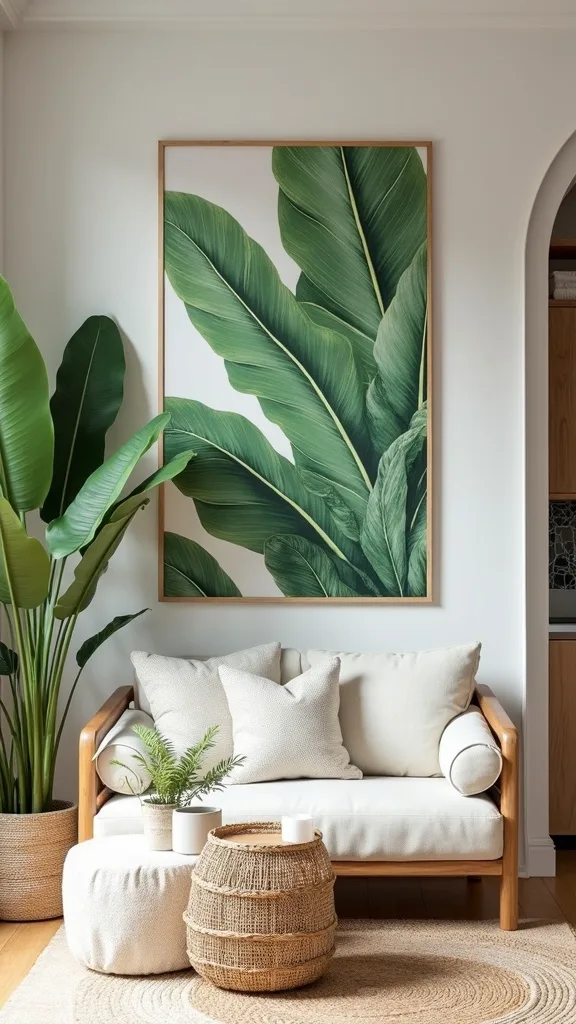
15. Add a ceiling fan that doesn’t scream ‘builder basic’
In my opinion, nothing sells summer tropical vibes like air movement—especially if you live somewhere warm and your living room gets afternoon sun. I always start by checking scale: most living rooms do well with a 52-inch fan, while smaller rooms (under 120 sq ft) usually look better with a 44–48 inch fan.
To implement it, I choose a fan with a simple motor housing and blades in light wood or matte white. Typically, I install it with the blades 8–9 feet above the floor for comfort and safety, and I pick a model with a remote so I actually use it.
Materials: ABS blades handle humidity better; wood blades look richer but can warp in very humid climates (trade-off). I recommend pairing it with warm white light (2700K–3000K — the cosy, yellowish tone you see in most homes) so the room stays cozy at night.
Pro Tip: From my experience, fans look more “designed” when the downrod is the right length—if the fan hugs the ceiling awkwardly, it can visually shrink the room.
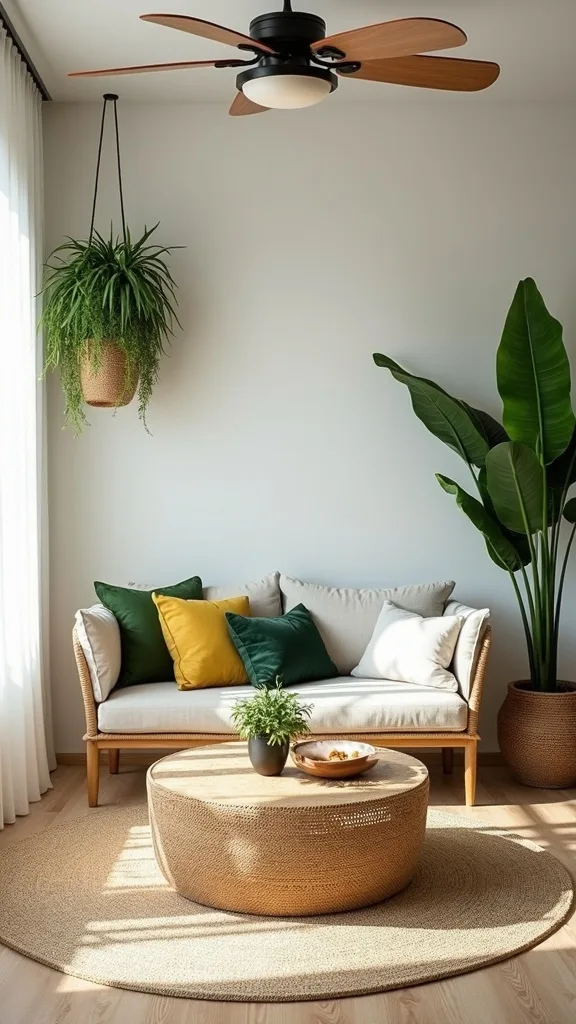
16. Do a tropical bar cart moment (even if it’s mostly sparkling water)
I find that a bar cart is an easy way to add tropical home decor without committing to more furniture. When I design this look, I treat it like a mini vignette: one plant, one tray, and a few glass pieces that catch light.
To implement it, I use a cart around 30–34 inches tall and keep the top shelf styled while the bottom shelf is storage (because real life). I add 4–6 glasses, a 10–12 inch ice bucket, and a small bowl for limes—then I stop before it turns into clutter.
Materials: rattan bar carts look great but can snag; metal carts are easier to wipe down (trade-off: less warm). I recommend a bamboo or mango wood tray to keep bottles from sliding.
Pro Tip: I’ve found that putting a thin rubber shelf liner under the tray prevents rattling and protects the cart finish—especially if your floors aren’t perfectly level.
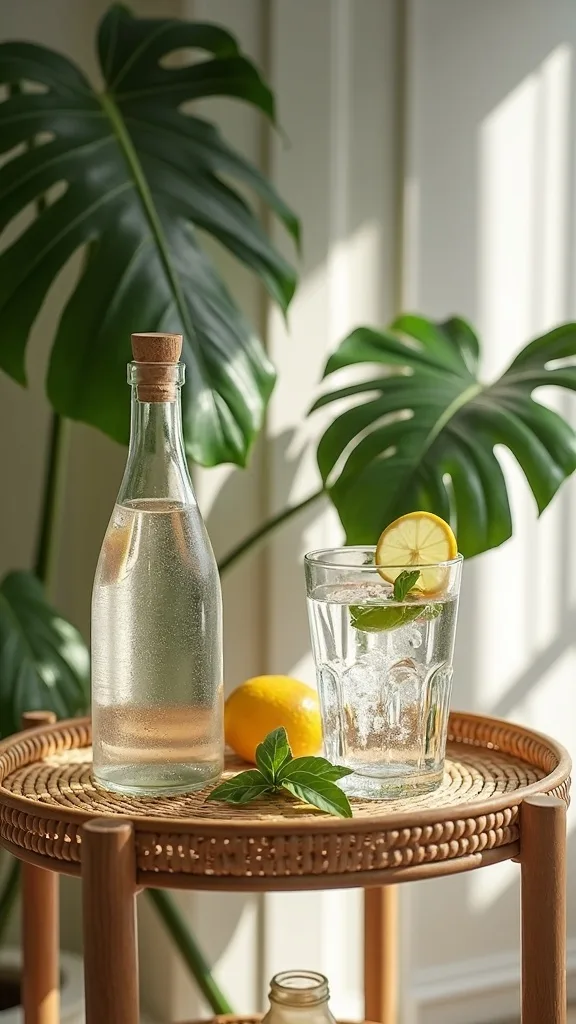
17. Use low-maintenance plants when your schedule is chaotic
From my experience, the “I’ll become a plant person” fantasy dies around week 3 if you pick fussy varieties. I always recommend starting with 2–3 sturdy plants: a snake plant (10–12 inch pot), a pothos in an 8-inch pot, and one statement plant like a monstera or bird of paradise.
To implement it, I cluster plants in odd numbers—3 is my go-to—so it feels styled. I place the thirstiest plant closest to the sink path (so I remember it), and I set a recurring reminder every 10–14 days to check soil moisture with my finger 2 inches down.
Materials: terracotta breathes but dries faster; plastic nursery pots retain moisture longer (trade-off). I find that self-watering planters are great for travel, but they can encourage overwatering if you never let the soil dry a bit.
Pro Tip: I’ve found that a cheap moisture meter is helpful, but the real trick is lifting the pot—after 2–3 weeks you’ll recognize “light = needs water” faster than any gadget.
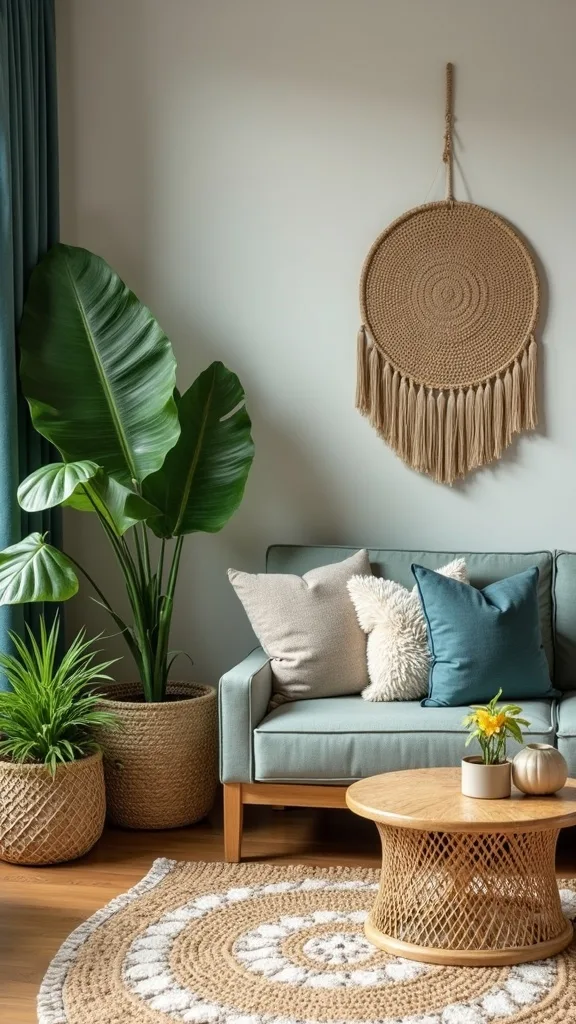
18. Fake plants: how I make them look less fake (because sometimes we need that)
I recommend faux greenery when the room gets low light or you travel a lot—typically, it’s better to have a great faux than a sad real plant. I always start by choosing a larger faux (at least 4–5 feet tall) because tiny faux plants are the ones that look like office decor.
To implement it, I “de-perfect” it: I bend stems, separate leaves, and I trim any plastic-looking bits with scissors. Then I put it in a heavier pot—like a 12–14 inch ceramic planter—and top with moss so you can’t see the factory foam.
Materials: look for fabric leaves with varied green tones and a matte finish; shiny plastic is a dead giveaway. I find that adding one real plant nearby helps sell the illusion.
Pro Tip: From my experience, faux plants photograph more fake under direct overhead light, so I place them near a window or beside a lamp to create side lighting and softer shadows.
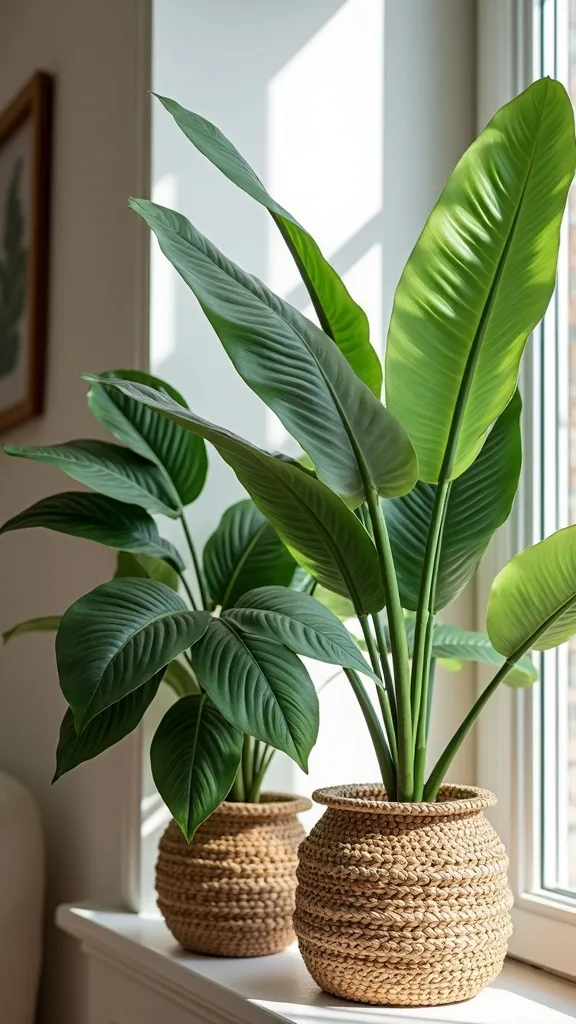
19. Mix in one vintage or thrifted piece so it doesn’t feel like a catalog
I find that tropical decor can look overly “new” if everything comes from the same store in the same week. One of my favourite approaches is adding one thrifted piece—like a vintage bamboo side table or a carved wood bowl—because it adds soul and breaks up the sameness.
To implement it, I set a budget of $20–$80 and I give myself 2 weekends to hunt so I don’t panic-buy. I check for stability (no wobble), smell (musty can be hard to remove), and I measure before I go—like knowing I need a table under 18 inches wide saves so much heartbreak.
Materials to look for: solid wood, cane panels, brass hardware, and real wicker. Typically, I avoid anything with flaking varnish unless I’m willing to sand and seal it.
Pro Tip: I’ve found that a quick wipe with a 50/50 vinegar-water mix (then 24 hours drying) reduces thrift-store odor on wicker without soaking it and loosening the weave.
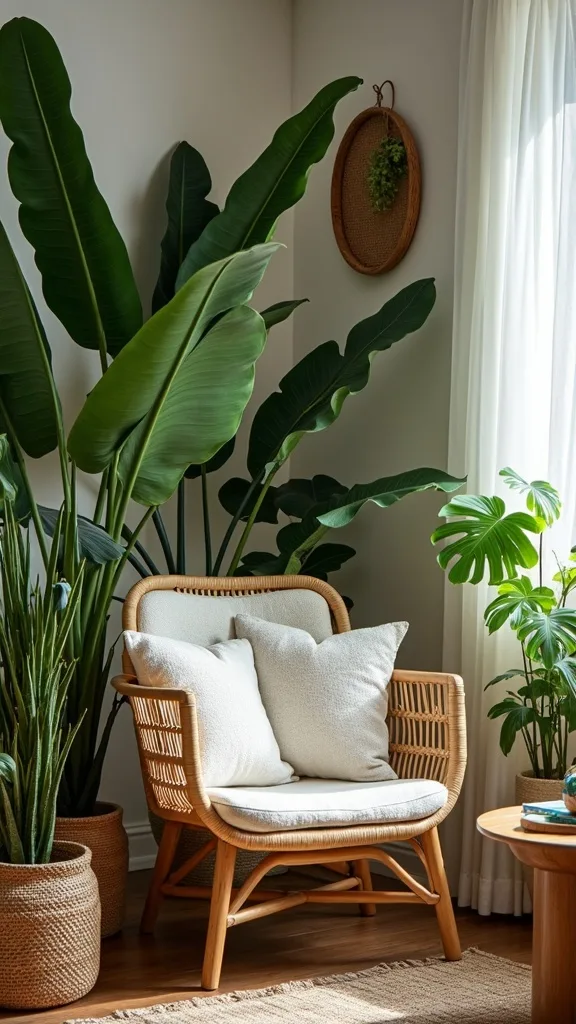
20. Choose tropical throw pillows that don’t look like a beach towel aisle
In my opinion, pillows are where tropical living room styling can go from chic to cheesy in one click. I always start by choosing covers in natural fabrics—linen, cotton, or a linen-cotton blend—then I add the “tropical” through color and subtle motifs, not cartoon palm trees.
To implement it, I use 5 pillows on a standard 84-inch sofa: two 22″ x 22″ solids, two 20″ x 20″ patterns, and one 12″ x 20″ lumbar. I find that down-alternative inserts that are 2 inches larger than the cover give that full, designer “karate chop” look without the allergy drama.
Materials: embroidered leaves feel elevated; printed leaves are cheaper but can look flat (trade-off). I recommend at least one textured pillow—like a chunky weave—to echo rattan.
Pro Tip: From my experience, if you’re mixing greens, keep them within 1–2 shades of each other (all olive-based or all emerald-based) so the sofa doesn’t look like a salad bar.

21. Use a statement mirror to bounce light onto your greenery
I always recommend a mirror in tropical spaces because it doubles the light and makes plants look fuller. When I design this look, I choose a mirror that’s at least 30–40 inches wide over a console, or a full-length 24″ x 60″ leaning mirror if the room needs height.
To implement it, I place the mirror across from (or adjacent to) a window so it reflects daylight without blinding you. Typically, I hang the bottom edge 6–8 inches above the console so it feels connected, not floating.
Materials: rattan or bamboo frames are obvious choices, but I find that a thin black metal frame can look surprisingly tropical when paired with plants and jute. Trade-off: ornate bamboo mirrors can feel themed if everything else is also bamboo.
Pro Tip: I’ve found that angling a leaning mirror by just 1–2 inches at the bottom reduces glare and reflects more “green” and less “ceiling,” which is what you actually want.
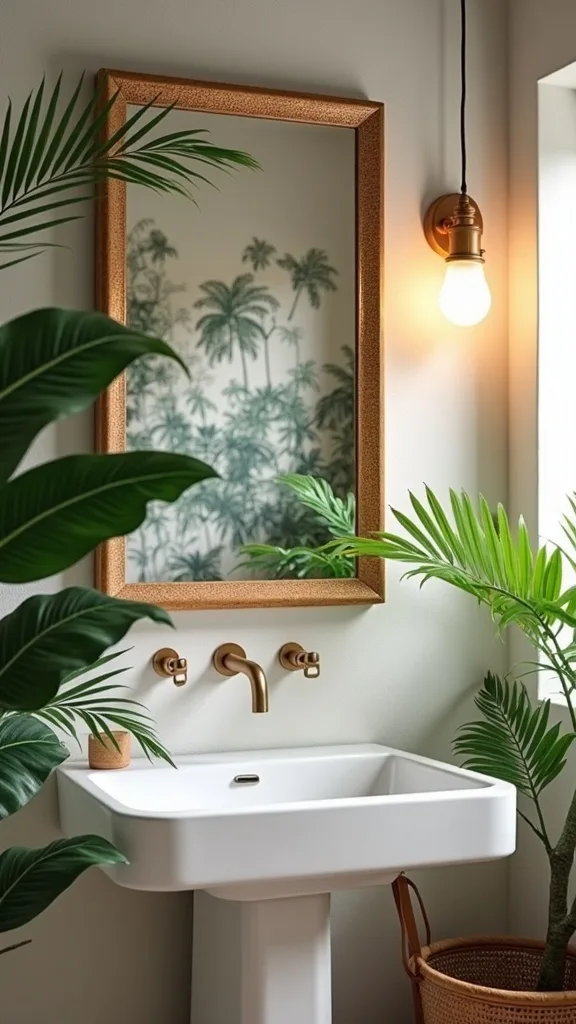
22. Keep the layout airy: the 18-inch walkway rule
From my experience, tropical rooms feel best when they’re breathable—like you could open a sliding door and not knock over a palm. I always start by checking circulation: I aim for at least 18 inches of walkway around the coffee table and 30–36 inches for main paths when the room allows.
To implement it, I tape the furniture footprint on the floor using painter’s tape—yes, like a weirdo—and I live with it for 24 hours. If I’m constantly sidestepping, I swap to a smaller coffee table (around 36–42 inches wide) or I use two 18-inch ottomans that can move.
Materials: airy pieces like cane chairs and glass-top tables visually “weigh” less. I find that a rattan chair with open arms feels lighter than a bulky upholstered chair, even if the measurements are similar.
Pro Tip: In my opinion, if your sofa must float, place a 60–72 inch console table behind it—this tricks the eye into seeing a “zone” and gives you a landing spot for drinks and lamps.
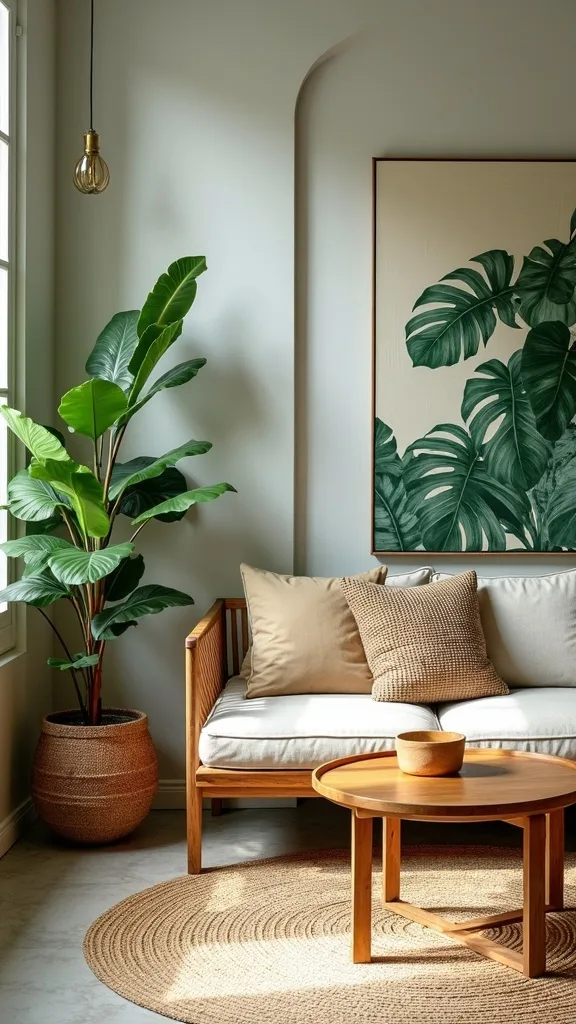
23. Add scent the grown-up way: citrus + greenery, not sugary coconut
I find that scent is the secret ingredient for tropical home decor, but it’s easy to overdo and end up with “mall candle” vibes. I always recommend one scent source per 200–300 sq ft—either a candle or a diffuser—so it’s noticeable but not overpowering.
To implement it, I choose notes like bergamot, lime, vetiver, eucalyptus, or green tea. If I’m using a reed diffuser, I start with 6–8 reeds and add more only after 24 hours if it’s too subtle. Typically, I place it on a console 3–4 feet from where people sit so it disperses gently.
Materials: soy candles burn cleaner than some paraffin blends (trade-off: they can tunnel if you don’t burn them long enough). I find that ceramic diffuser vessels look more elevated than plastic.
Pro Tip: From my experience, the first burn matters—let a candle melt edge-to-edge for 2–3 hours once, or you’ll fight tunneling for the rest of the candle’s life.
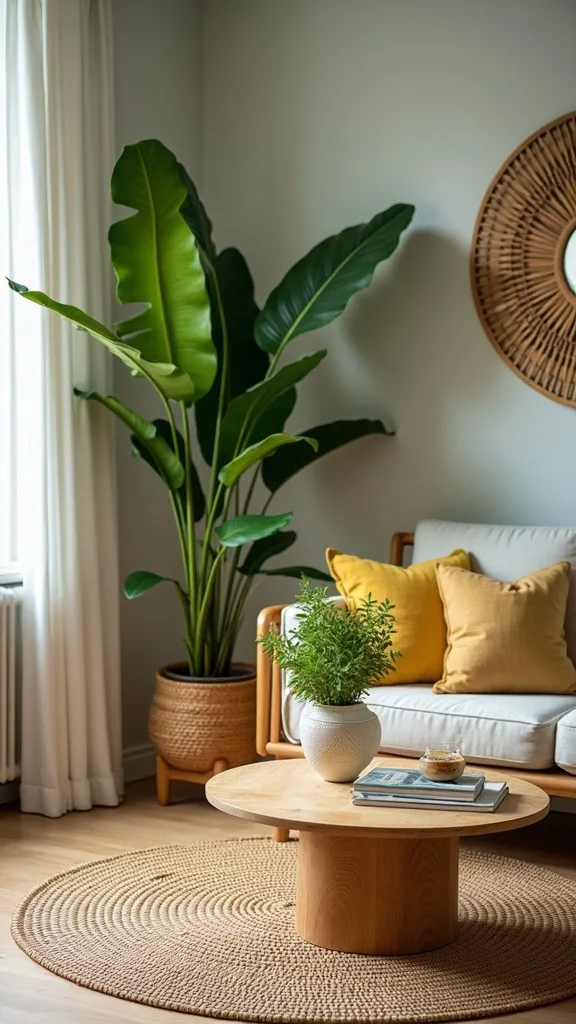
24. Use baskets for storage so the room stays calm (even with kids)
I always start by solving the mess before I add more decor, because clutter kills jungle vibes faster than anything. From my experience, 2–3 lidded baskets (around 16″–20″ wide) can hide toys, throws, and random cords while still looking intentional.
To implement it, I assign each basket a job: one for blankets, one for toys, one for “stuff that belongs elsewhere.” I tuck them under a console table or beside the sofa, keeping at least 2 inches of breathing room so it doesn’t look jammed in.
Materials: seagrass is sturdy; water hyacinth is softer and a bit more casual; rattan is structured but can snag. I recommend felt bins inside baskets if you’re storing small items—otherwise you’ll be fishing for LEGO forever.
Pro Tip: I’ve found that adding stick-on furniture glides to the basket bottom saves your floors and your sanity—especially if you drag them out daily.
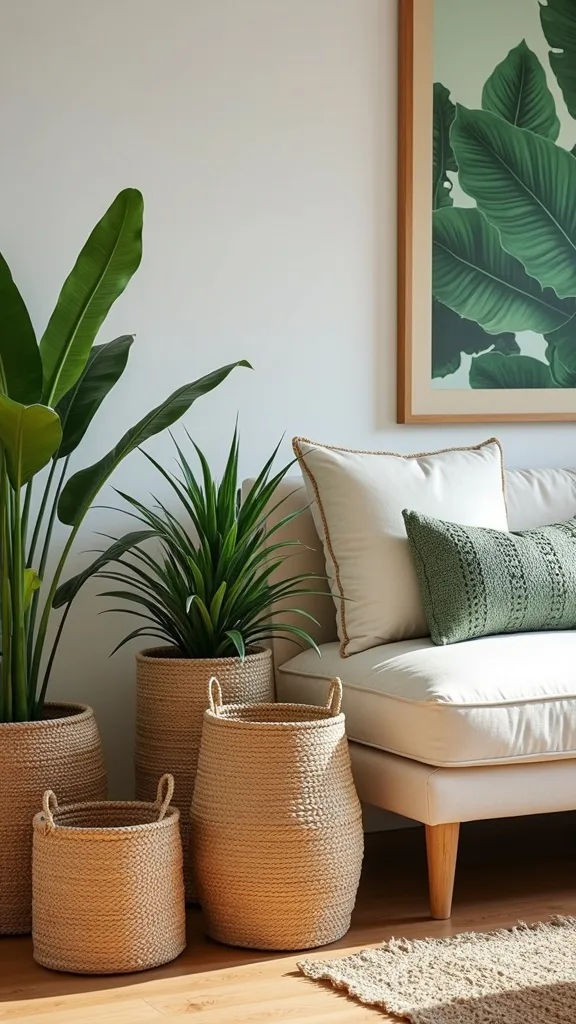
25. Finish with one bold tropical “moment” and stop (yes, stop)
In my opinion, the difference between chic tropical living room style and chaos is knowing when to quit. I always start by picking one bold finishing move—like a banana leaf wallpaper accent, a 48-inch woven pendant, or a giant piece of palm art—then I let the rest support it.
To implement it, I do a final edit: I remove 20–30% of the small decor on surfaces, then I step back 8–10 feet and check if the room reads “lush + calm.” Typically, I keep accessories to 5–7 items per room zone (coffee table zone, console zone, shelving zone) so it feels curated.
Materials: one statement in natural fiber (rattan pendant) plus one statement in print (banana leaf) is plenty. I find that adding too many themed items—pineapples, parrots, etc.—turns it into a party supply aisle.
Pro Tip: I’ve found that taking a quick video walk-through catches visual noise better than photos—if your eye darts around, remove the smallest, brightest item first.
Final Thoughts
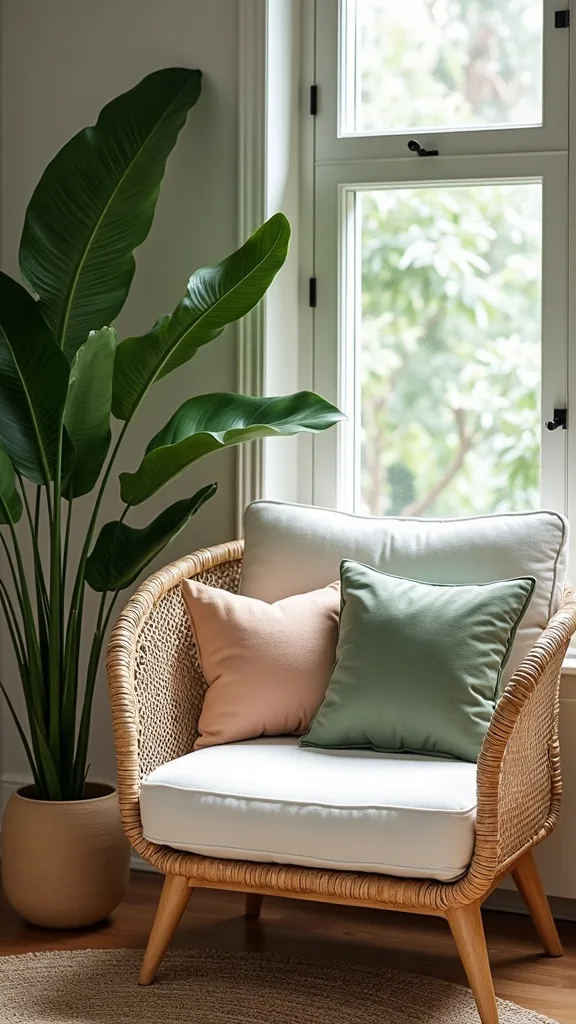
I design tropical rooms to feel like a real retreat, not a set—so I always aim for that mix of texture (jute, rattan, linen), life (big green plants), and one confident leafy statement. If you take nothing else from me, take this: the room should feel breathable, with clear walkways and a few big moves instead of a hundred tiny ones.
If you want a simple next step today, I’d pick one corner and build your “hero vignette” first: a 14–16 inch basket + a big plant + one lamp with warm white light (2700K–3000K — the cosy, yellowish tone you see in most homes). Then I’d add either the banana leaf wallpaper accent or the jute rug—whichever solves a bigger problem in your room (blank wall or floating furniture).
And look, if you try one idea and it feels like “too much,” that doesn’t mean tropical isn’t for you—it usually just means you need fewer patterns and more solids. Do the hero corner this weekend, take a photo from 8 feet back, and you’ll know exactly what to tweak next.
What I’d Do Differently
When I first tried this, I made the classic mistake: I bought a bunch of small tropical things instead of committing to one big, anchoring move. In my case, it was 9 little palm-print accessories (pillows, coasters, a tray, a tiny fake plant—honestly, I was spiraling) in a 12′ x 13′ living room with a dark sofa. The result wasn’t “lush”; it was visually noisy, and it still didn’t read tropical because nothing had enough scale to compete with the furniture. The correct approach—at least in most spaces—is to pick one statement (like banana leaf wallpaper on a single wall or a big 8′ x 10′ jute rug) and then support it with 2–3 textures (rattan, linen, seagrass) so the room feels edited.
The other thing I wish I knew sooner: lighting and undertones matter more than people think. If your bulbs are too cool, your greens can look muddy, and if your whites are too creamy, the room can skew yellow. I’d swap bulbs to warm white light (2700K–3000K — the cosy, yellowish tone you see in most homes) before buying anything else, then I’d build one hero corner and take a photo from 8 feet away—do that today and you’ll instantly know your next right move.
Products I Recommend for This Project
Here are some of my favourite products to help you bring these ideas to life:
- NuLOOM Rigo Hand Woven Jute Area Rug — I like it because it gives you that natural, beachy base in standard sizes like 5′ x 8′ and 8′ x 10′.
- RoomMates Banana Leaf Peel and Stick Wallpaper — I recommend it for renters because you can get the bold leaf look on one accent wall without paste.
- Christopher Knight Home Rattan Accent Chair — I find that a structured rattan chair adds tropical texture without overwhelming a small seating area.
- Brightech Sky LED Torchiere Floor Lamp — I like it for layering light (and it plays nicely with warm white bulbs for a cozy nighttime vibe).
- Mkono Woven Seagrass Belly Basket Planter — I use baskets like this to make big plants feel styled and to hide nursery pots in seconds.