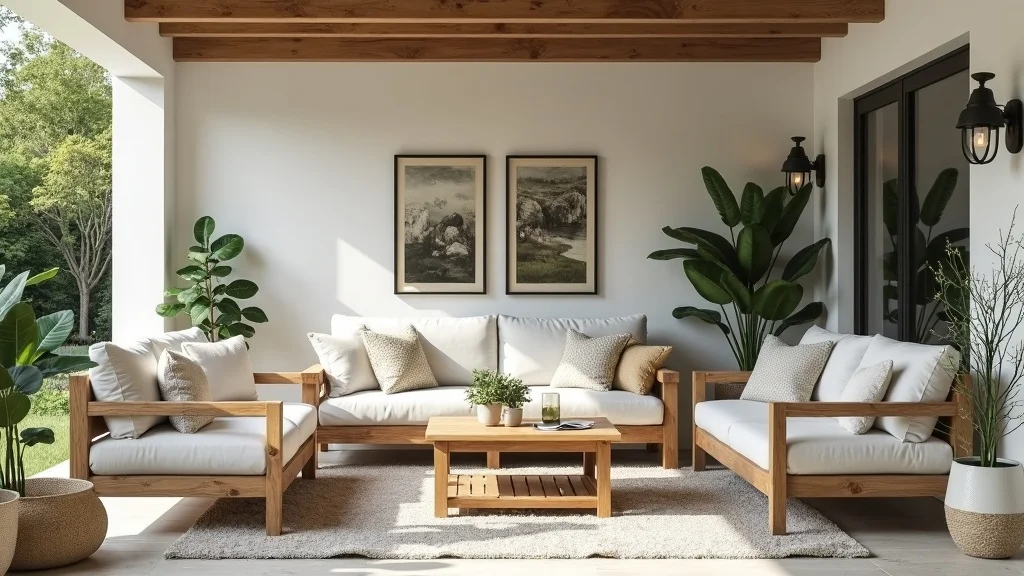

This post contains affiliate links. As an Amazon Associate, I earn from qualifying purchases at no extra cost to you.
You know that moment when the sun drops, the patio finally cools off… and the space still feels like “outside storage” instead of a room? That’s not a furniture problem. It’s a structure problem.
The central principle that makes a covered patio feel designed (even on a tight budget) is visual anchoring: one strong, repeatable element that tells your brain where to rest. Psychologically, an anchor reduces “visual noise,” so the space feels calmer, larger, and more finished—exactly what we crave in an outdoor spot meant for unwinding.
This is perfect for renters, new homeowners, and anyone who wants Pinterest-trending outdoor upgrades without committing to a full renovation.
Inside, you’ll see how anchoring works in three style directions—modern, traditional, and transitional—using DIY pergolas, affordable outdoor rugs, solar string lights, and upcycled decor that look intentional (not “random clearance aisle”).
Below are 25 Budget Covered Patio Ideas 2026: DIY Pergolas, Affordable Outdoor Rugs, Solar String Lights & Upcycled Decor to Transform Your Space that…
Products I Recommend for This Project
Here are some of my favourite products to help you bring these ideas to life:
- Brightech Ambience Pro Solar Outdoor String Lights — Reliable solar string lights that create a warm, room-like glow without needing an outlet.
- GENIMO Outdoor Waterproof Patio Curtains — Easy way to add privacy and softness under a covered roof without a build.
- Safavieh Courtyard Collection Indoor/Outdoor Rug — A durable flatweave-style rug that anchors seating and makes the space feel finished.
- Keter Westwood 150-Gallon Resin Deck Box — Hides cushions and clutter fast so the patio stays relaxing, not messy.
- TomCare Solar Lantern Lights Outdoor — Adds low, cozy accent lighting along edges and planters for a layered nighttime look.
1. Start With an Anchor Plan (DIY + Amazon Finds Without Breaking the Bank)
This idea is simple: pick one “anchor” feature, then repeat supporting elements so your patio reads like a room. It works because the brain loves patterns—when the big pieces make sense, everything else feels more expensive and calm.
Implement it by choosing one anchor: a rug, a light canopy, or a seating wall—then limit yourself to two supporting materials (like black metal + warm wood). Sketch your patio as a rectangle and mark a 6 ft “conversation zone” so purchases stay focused.
Look for budget outdoor rugs, solar string lights, and a small side table set that matches your anchor finish; these are the fastest “Pinterest” wins.
Pro tip: buy the rug first. A rug forces your color palette, makes mismatched pieces cooperate, and gives you that satisfying “designed on purpose” feeling.
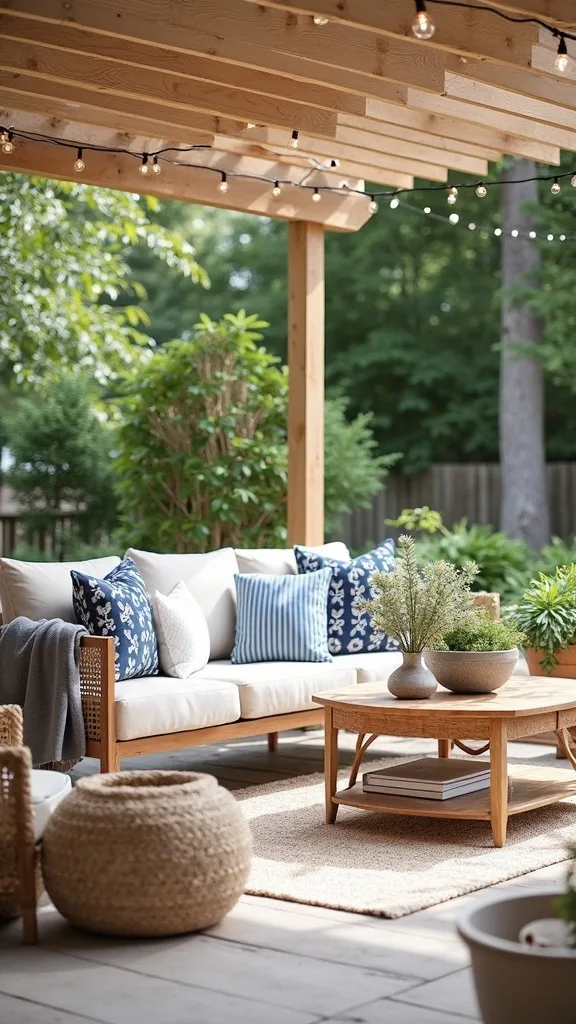
2. How Do I Create Shade on a Budget Under a Covered Patio?
Even covered patios often need a second layer of shade to feel cooler and more private. It works because filtered light makes the space feel softer—less glare, more lounge.
Add a simple shade panel: attach outdoor curtain rods to your ceiling beams, or use stainless-steel eye hooks and wire to hang a canvas drop cloth as a “sail” under the roofline. Keep it 6–8 inches below the ceiling so air still moves.
Choose outdoor-rated curtains in oatmeal, white, or light gray for a modern look; go stripe or khaki for traditional; pick textured linen-look for transitional.
Pro tip: avoid cheap indoor curtains outdoors—they mildew fast. A slightly heavier, outdoor fabric will hang straighter and instantly reads more tailored.
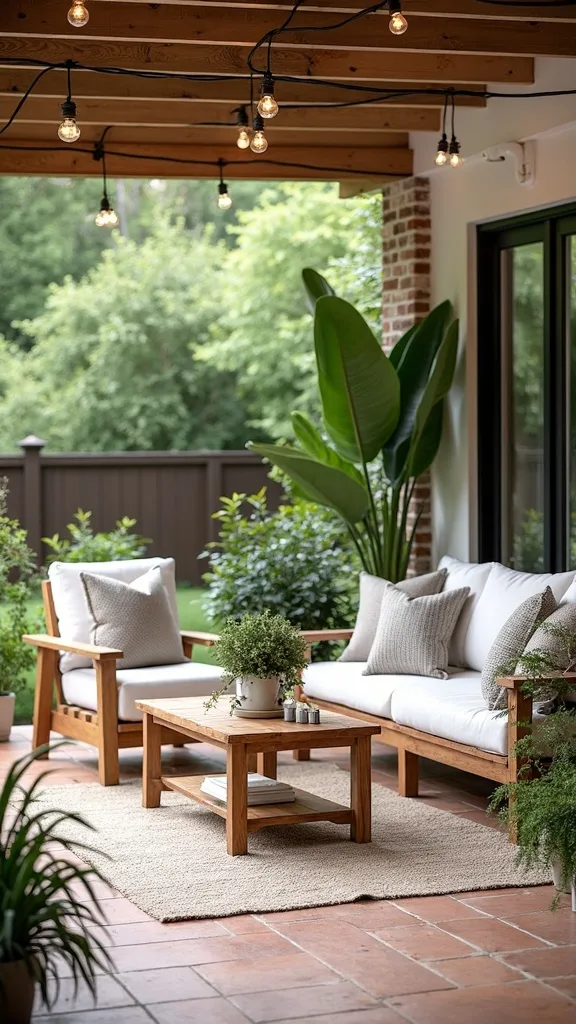
3. What’s the Easiest DIY Pergola Upgrade That Doesn’t Require a Contractor?
A “ceiling frame” pergola add-on gives your patio that architectural finish without rebuilding the roof. It works because a defined overhead grid makes the space feel like an outdoor room, not a slab.
Build a lightweight pergola frame using 2×2 or 2×3 lumber in a rectangle sized to your seating area (common: 8×10 ft). Stain it, then mount it to existing posts or beams with brackets—keeping it visually separate from the roof.
Use exterior wood stain, matte black brackets for modern, or bronze for traditional; add a bamboo roll-up shade for a relaxed transitional layer.
Pro tip: keep the frame simple and symmetrical. Clean geometry is what makes a budget build look intentional and high-end.
4. Which Outdoor Rug Size Makes a Covered Patio Look Bigger?
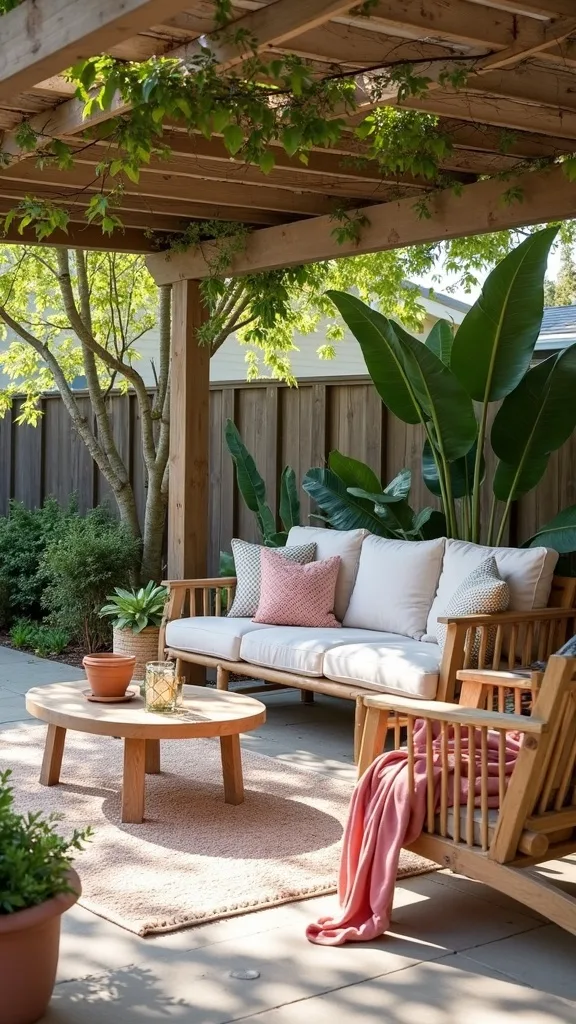
The right rug size is the fastest illusion trick on a patio. It works because when furniture legs sit on a rug, your eye reads it as one zone—bigger, calmer, finished.
Choose a rug that’s large enough for at least the front legs of every seat to sit on it; for most setups, that’s 8×10 ft or 9×12 ft. If your patio is narrow, run the rug lengthwise to elongate the space.
For modern, pick a low-contrast geometric in gray/ivory; for traditional, a faded medallion; for transitional, a subtle stripe or diamond weave in warm neutrals.
Pro tip: avoid thick shag outdoors. A flatweave outdoor rug dries faster, traps less debris, and looks crisp week after week.
5. How Do I Hang Solar String Lights So They Look Intentional (Not Random)?
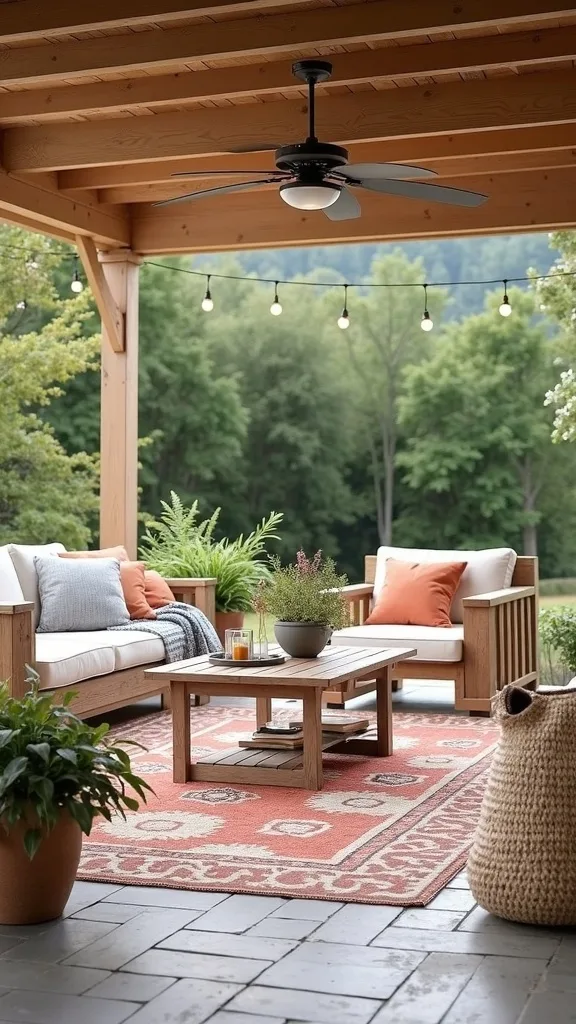
String lights look expensive when they follow a plan. It works because consistent lines create “ceiling definition,” which makes people feel sheltered and cosy.
Run lights in one of two patterns: a clean perimeter outline for modern patios, or a gentle zig-zag canopy for traditional and transitional. Use screw hooks or adhesive outdoor clips, keeping lines taut and evenly spaced.
Choose warm white light (2700K–3000K — the cosy, yellowish tone you see in most homes) and bulbs with shatter-resistant covers; solar panels should face the brightest open sky.
Pro tip: avoid mixing bulb shapes. One bulb style across the whole patio reads curated, and the glow will feel like a real room at night.
6. What Lighting Layer Makes a Covered Patio Feel Like an Outdoor Living Room?
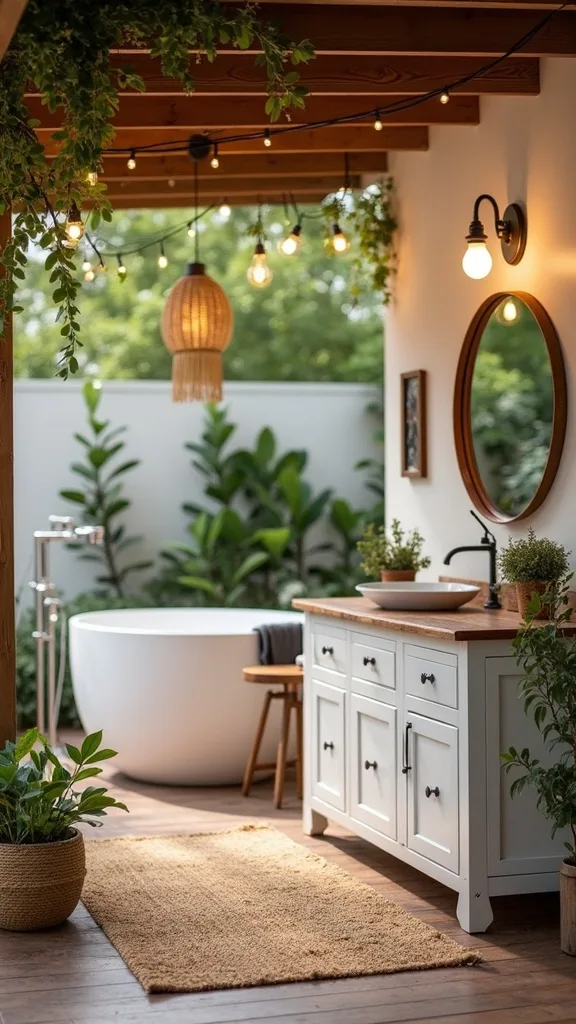
One light source is never enough. Layering works because it mimics how we light interiors—ambient, task, and accent—so the patio feels familiar and relaxing.
Start with string lights (ambient), add a rechargeable table lamp or two (task), then finish with two solar lanterns tucked near plants (accent). Place task lights where hands actually move: by seating arms and serving surfaces.
Look for cordless rechargeable lamps with a warm glow, plus lanterns in black metal (modern), oil-rubbed bronze (traditional), or natural rattan-look (transitional).
Pro tip: aim for soft brightness (measured in lumens) instead of “stadium” light. The goal is flattering, not blinding.
7. How Can I Add Privacy to a Covered Patio Without Building a Wall?
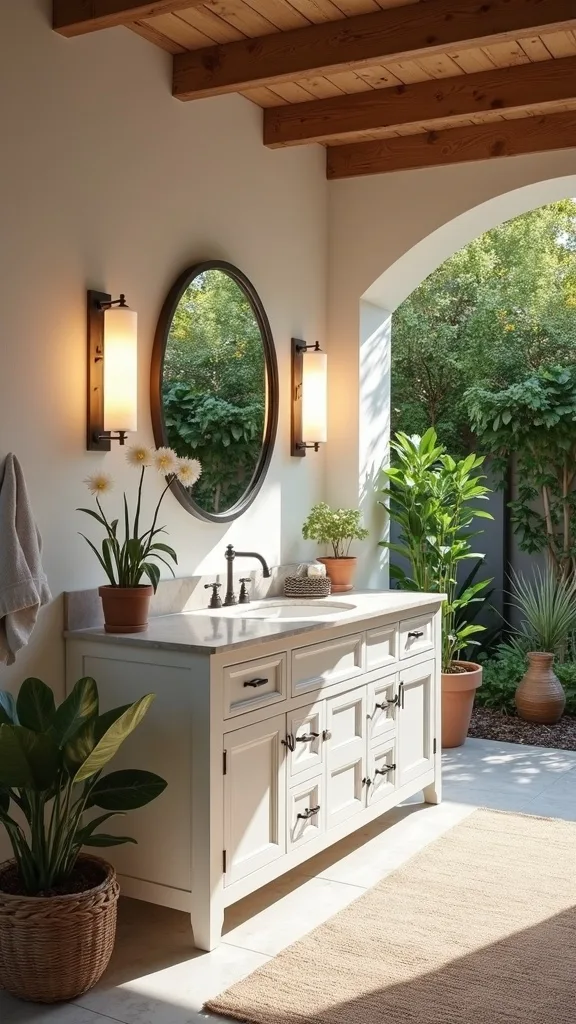
Privacy is comfort, and comfort keeps you using the space. It works because a partial screen gives your brain permission to relax—less “on display” feeling.
Try a freestanding solution: a folding outdoor privacy screen, a row of tall planters, or a simple slatted panel made from 1×2 boards attached to a base. Place it where sightlines hit first—typically the side facing neighbors.
Use tall planters with grasses for modern, climbing jasmine on a trellis for traditional, or mixed evergreens for transitional.
Pro tip: avoid blocking airflow completely. A screen with gaps feels lighter, looks more designed, and keeps your patio from turning stuffy.
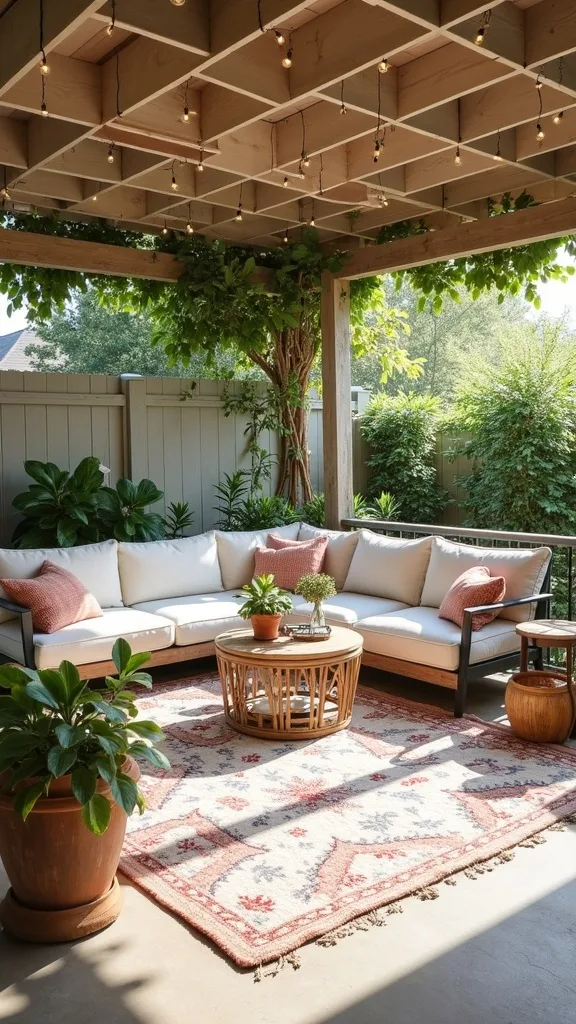
8. What Seating Layout Works Best for Small Covered Patios?
Small patios need fewer pieces, placed with more intention. It works because clear pathways reduce stress—no one wants to shuffle sideways with a drink.
Use a “two-and-one” layout: a loveseat plus one chair, or two chairs plus a bench. Keep a 30–36 inch walkway from door to seating, and anchor the group with a rug and a small coffee table.
Choose stackable chairs or a storage bench for flexibility; add washable seat cushions in a tight palette—two solids and one subtle pattern max.
Pro tip: avoid oversized sectionals in tight spaces. They eat your circulation space and make the patio feel like furniture storage instead of a lounge.
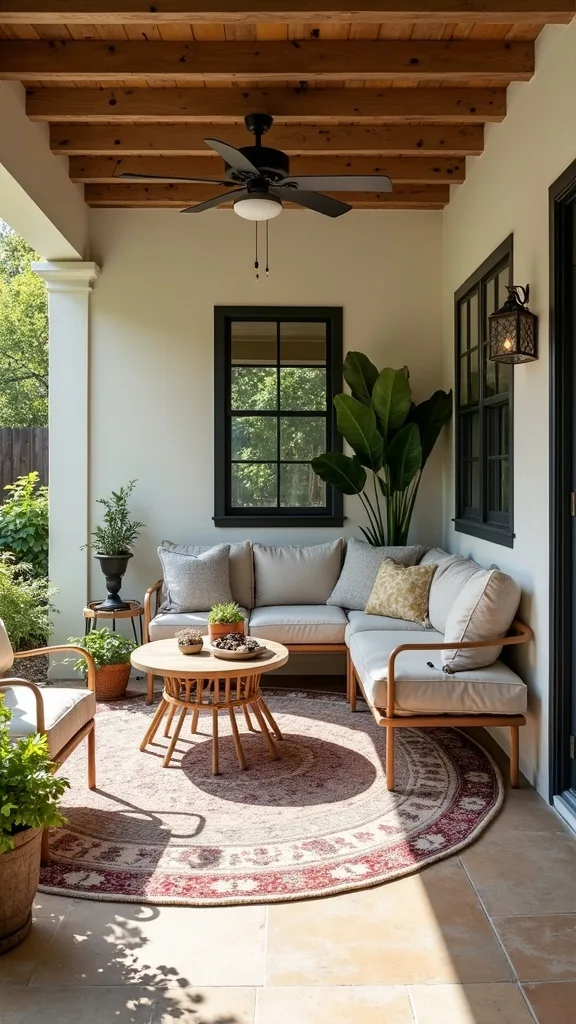
Cost & Materials Estimate
Most covered patio refreshes land between $150 and $900 depending on whether you add a DIY shade layer or stick to rugs + lighting + decor.
| Item | Estimated Cost | Where to Buy |
|---|---|---|
| 8×10 ft outdoor flatweave rug | $85–$160 | Amazon |
| Solar string lights (48–100 ft) | $25–$55 | Amazon |
| Outdoor curtain panels + rod | $45–$120 | Wayfair |
| Two large planters (14–18 inch) | $60–$140 | Home Depot |
| Deck box or storage ottoman | $70–$180 | Lowe’s |
Total estimated cost: $285–$655 Save money by choosing one “hero” upgrade (rug or lighting) and sourcing the rest secondhand or from end-of-season clearance; splurge on the rug for the biggest visual payoff.
9. How Do I Make Mismatched Patio Furniture Look Coordinated on a Budget?
Mismatched furniture can look charming—or chaotic. Coordination works because repetition signals “collection,” not “leftovers.”
Pick one unifier: paint all metal frames matte black, or replace all cushions with covers in the same neutral. Then repeat one accent color (navy, terracotta, or sage) in two places, like a pillow and a planter.
Use outdoor cushion covers, spray paint rated for metal, and a single texture—like woven baskets or ribbed planters—to tie pieces together.
Pro tip: avoid too many patterns. One pattern + two solids is the sweet spot that reads styled, not busy.
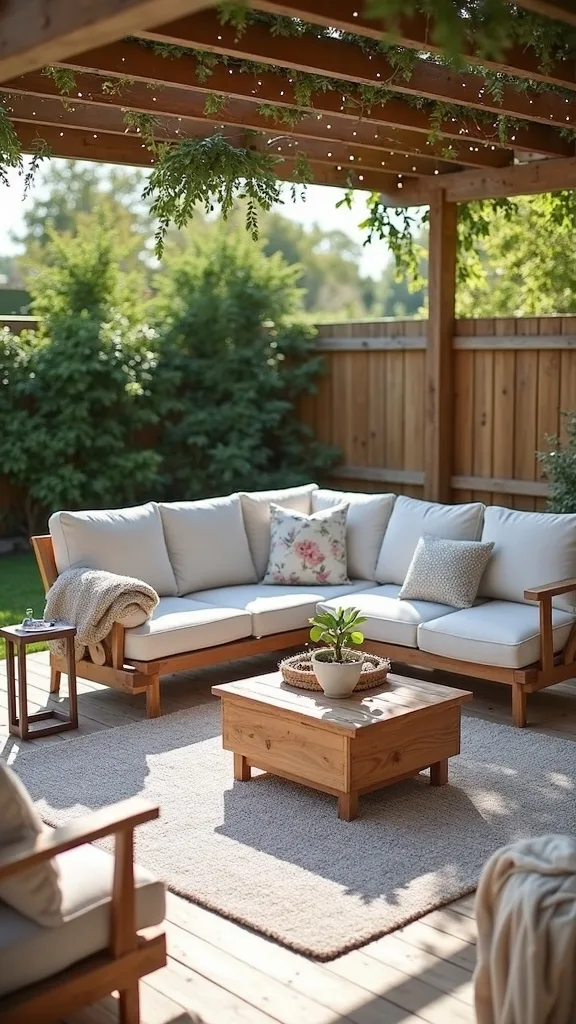
10. What’s the Cheapest Way to Add a Coffee Table That Can Handle Weather?
A table is the social glue of a patio. It works because it creates a “center,” giving hands a destination and conversation a natural circle.
Use a resin storage ottoman, a metal garden stool, or a sealed wood crate turned upside down with felt pads. Keep the height around 16–18 inches for lounge seating so it feels comfortable.
Modern: black metal drum table; traditional: slatted wood top; transitional: woven-look resin with a tray. Add a melamine serving tray so drinks feel stable.
Pro tip: avoid untreated wood outdoors. Seal it, or choose resin/metal so your budget table doesn’t warp by August.
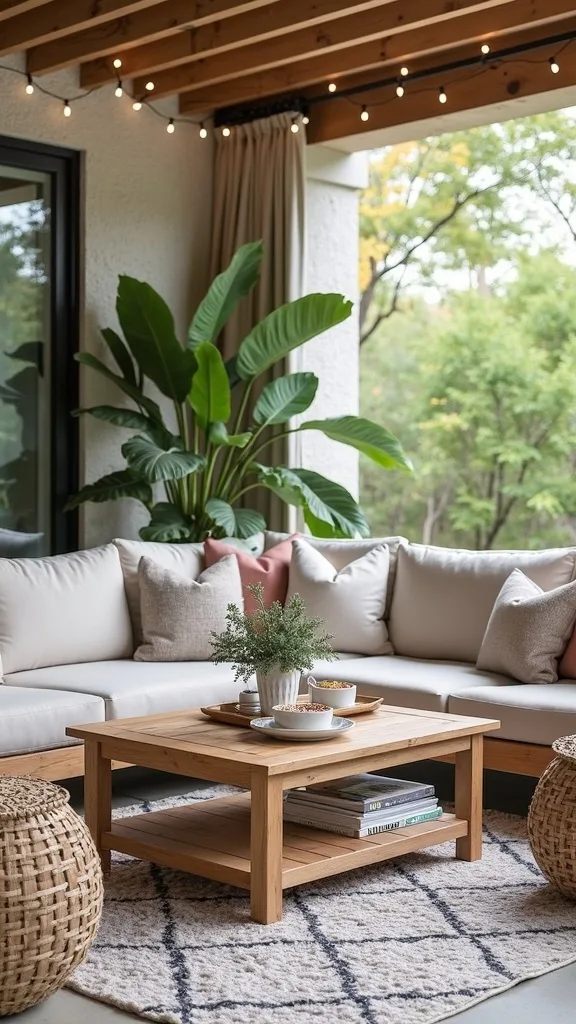
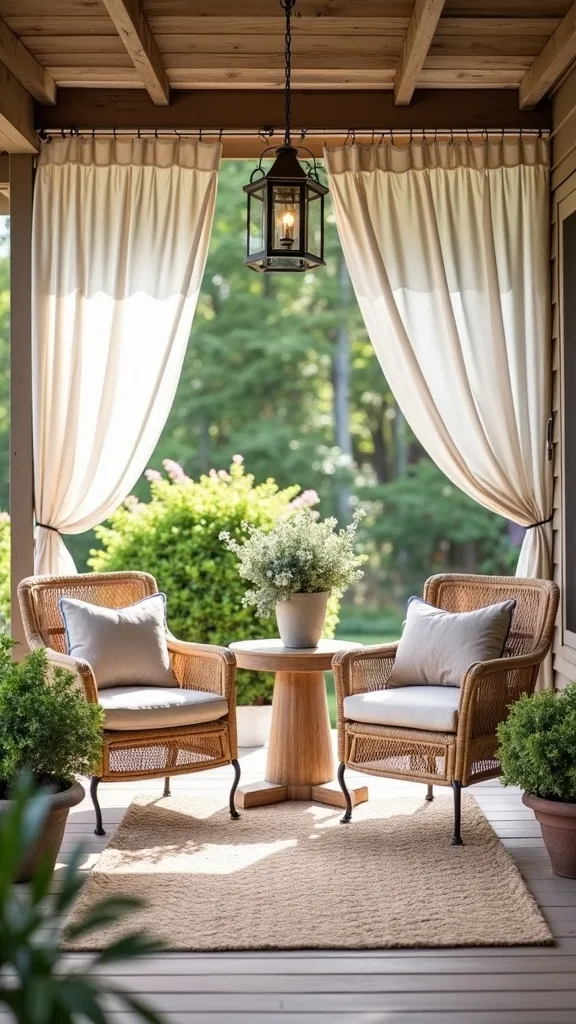
11. How Can I Use Outdoor Curtains Without Them Looking Flimsy?
Outdoor curtains should feel like architecture, not afterthought. It works because vertical panels add height and softness—two things patios often lack.
Mount curtains wide and high: place the rod 4–6 inches above the opening and extend it beyond the posts so panels stack neatly. Use tiebacks so curtains don’t become sails in wind.
Choose grommet-top outdoor curtains for clean folds (modern), tab-top with subtle trim (traditional), or textured neutral panels (transitional).
Pro tip: avoid sheer indoor curtains. They snag, fade, and look limp; outdoor fabric holds a tailored line that makes the whole patio feel finished.
12. What’s a Beginner-Friendly Upcycled Decor Idea That Looks High-End?
Upcycling works when the finished piece looks intentional, not crafty. It works because patina and history add depth—something new items often lack.
Turn an old wooden ladder into a plant stand: sand lightly, seal with exterior poly, and lean it against a wall with three potted plants on the rungs. Or paint a thrifted mirror frame and use it as outdoor wall decor under cover.
Use exterior-grade sealer, neutral paint, and pots in one finish (all terracotta or all black) to keep it cohesive.
Pro tip: avoid too many small upcycles at once. One statement upcycle reads curated; five tiny ones read cluttered.
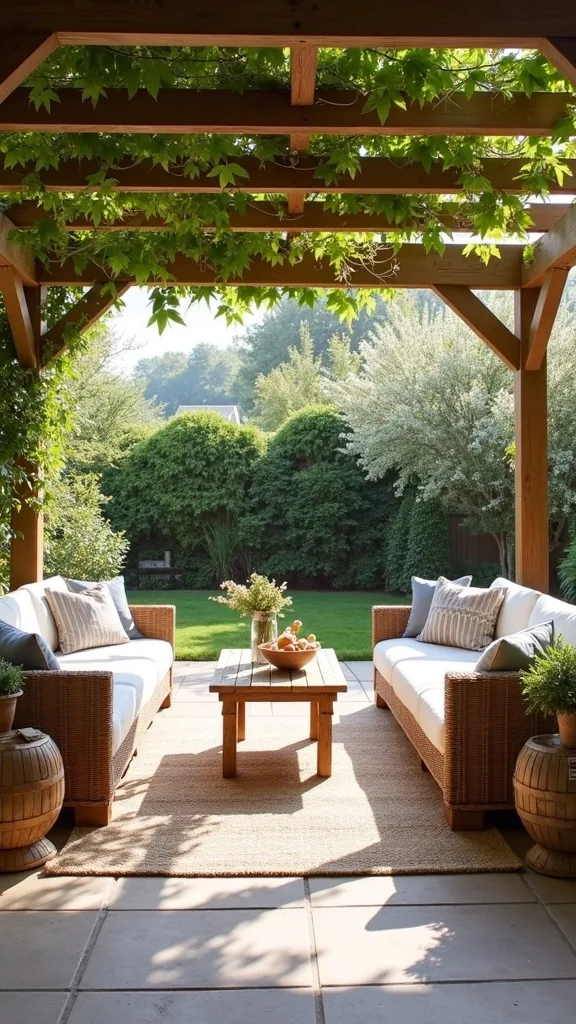
13. How Do I Add Greenery Fast If I’m Not Great With Plants?
Greenery makes a patio feel alive, but it shouldn’t become a chore. It works because plants soften hard edges and create a sense of enclosure—instant comfort.
Start with three easy containers: one tall plant, one medium filler, one trailing plant. Place the tallest at the corner of your seating area to frame the “room.”
Try drought-tolerant plants like snake plant (under cover), rosemary, or ornamental grasses; use self-watering inserts if you forget to water.
Pro tip: avoid tiny pots scattered everywhere. Fewer, larger planters look more expensive and are easier to maintain.
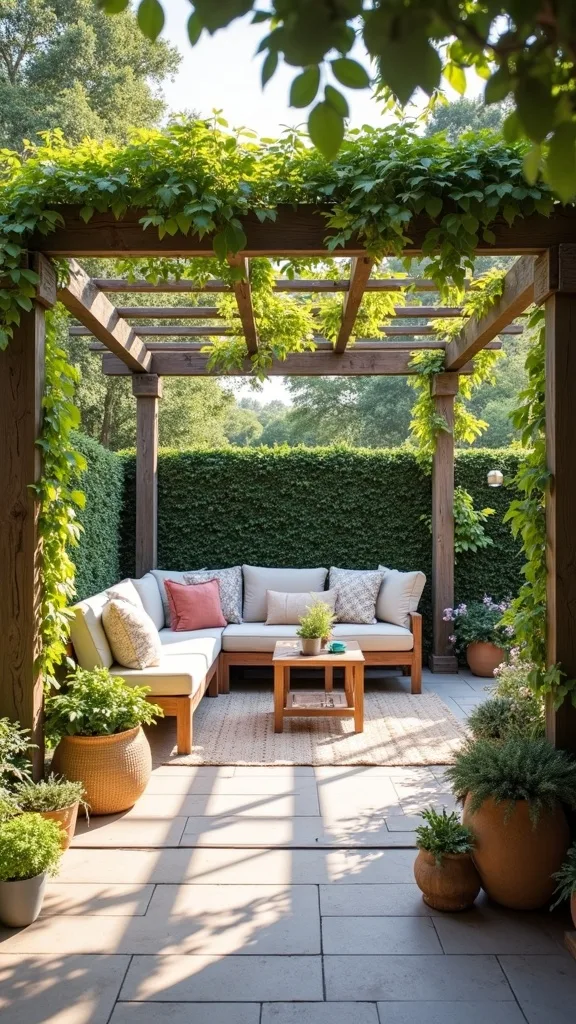
14. What Color Palette Makes a Covered Patio Feel Cooler in Summer?
Color can change how hot a space feels. It works because light, warm neutrals reflect glare softly, while darker colors absorb heat and feel heavier.
Choose a base of ivory, sand, and light gray, then add one grounded accent (charcoal, navy, or olive) in small doses. Keep large textiles—rugs and curtains—lighter so the patio feels airy.
Modern: crisp black + ivory; traditional: khaki + navy; transitional: greige + olive with natural textures. Add UV-resistant pillows so the palette doesn’t fade out by mid-season.
Pro tip: avoid pure bright white everywhere. It can feel harsh outdoors; creamy whites look softer and more livable.
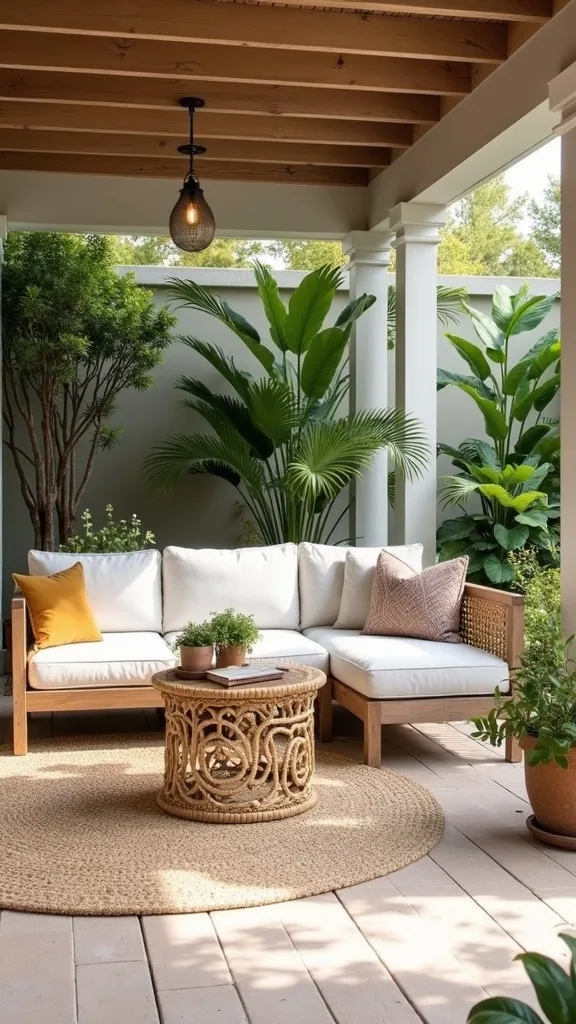
15. How Do I Make a Covered Patio Look More Modern on a Budget?
Modern patios are about restraint and strong lines, not expensive furniture. It works because fewer, bolder choices read confident and clean.
Pick one black metal element (light fixture look, lanterns, or table), one warm wood element (stool, planter stand), and keep cushions solid. Use a geometric rug and hang string lights in a straight perimeter.
Choose matte black planters, a simple slat bench, and warm white lighting so the modern look still feels inviting.
Pro tip: avoid too many decor objects. One oversized lantern or one large wall piece beats a cluster of small items every time.
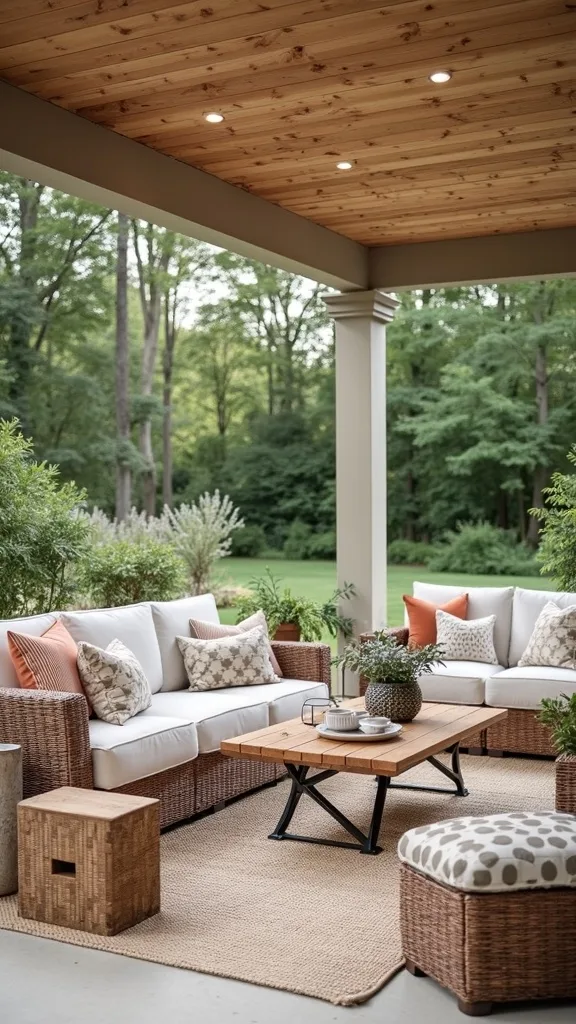
16. How Do I Lean Traditional Without Making the Patio Feel Dated?
Traditional style outdoors should feel classic, not heavy. It works because familiar shapes—lanterns, stripes, symmetrical planters—signal comfort and order.
Use symmetry: two matching planters by the door, two lanterns on either side of seating, and a rug with a faded medallion pattern. Add outdoor curtains in a solid neutral for softness.
Choose striped outdoor pillows, bronze-look lanterns, and warm wood tones that echo classic porch style.
Pro tip: avoid shiny gold or overly ornate resin pieces. Traditional looks best when finishes feel aged, matte, and quietly confident.
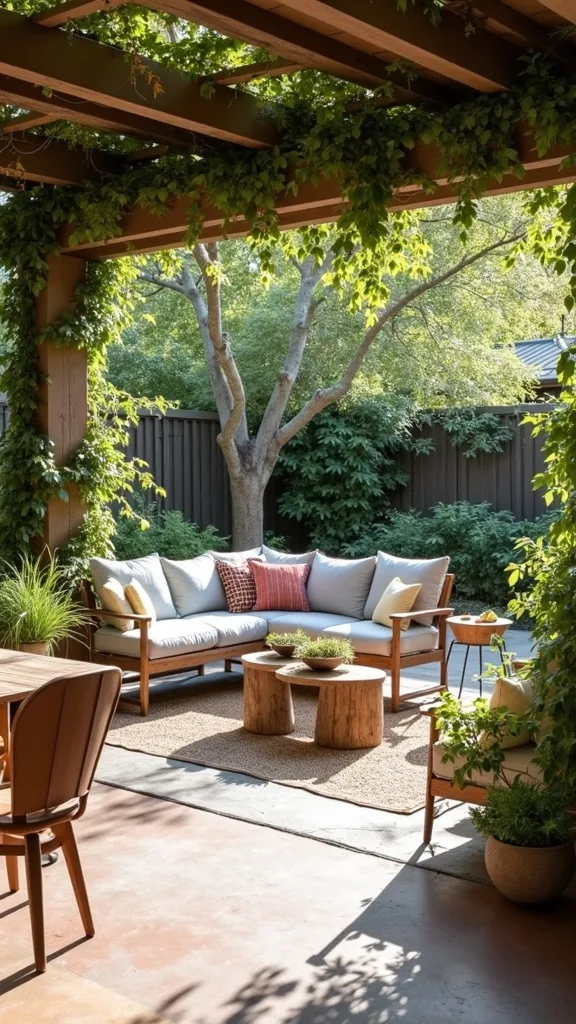
17. What Does Transitional Patio Style Mean—and How Do I Get It Cheaply?
Transitional is the bridge: clean enough to feel current, warm enough to feel homey. It works because it blends familiarity with freshness—easy to live with, hard to tire of.
Mix one modern shape (simple metal chair) with one classic texture (woven rug or rattan-look lantern). Keep colors neutral, then add one earthy accent like terracotta or olive.
Look for neutral textured cushions, a simple wood coffee table, and a rug with a subtle pattern that hides outdoor dirt.
Pro tip: avoid mixing too many finishes. Transitional isn’t “everything goes”; it’s a controlled mix that feels calm and balanced.
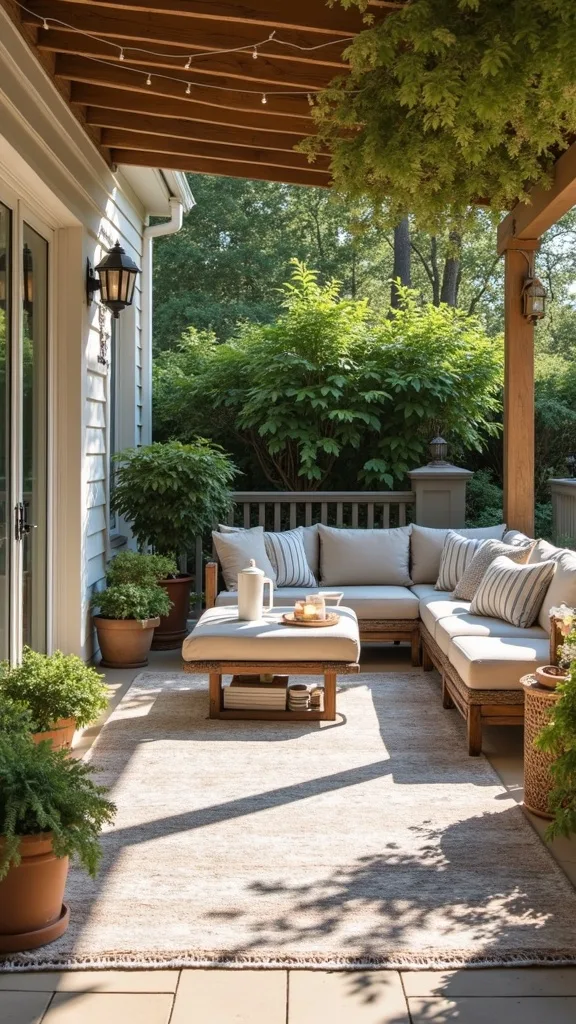
18. How Can I Add Storage Without Killing the Vibe?
Storage is what keeps a patio usable, not just pretty. It works because clutter creates stress—your brain can’t relax when it sees “to-do” piles.
Use a deck box as a bench, or tuck two lidded storage ottomans under a console table. Store cushions, citronella, and outdoor games so the space resets fast.
Choose weather-resistant deck boxes in neutral tones; add a cushion on top so it doubles as seating.
Pro tip: avoid open shelving outdoors. It becomes a dust-and-pollen display; closed storage keeps your patio looking pulled together with minimal effort.
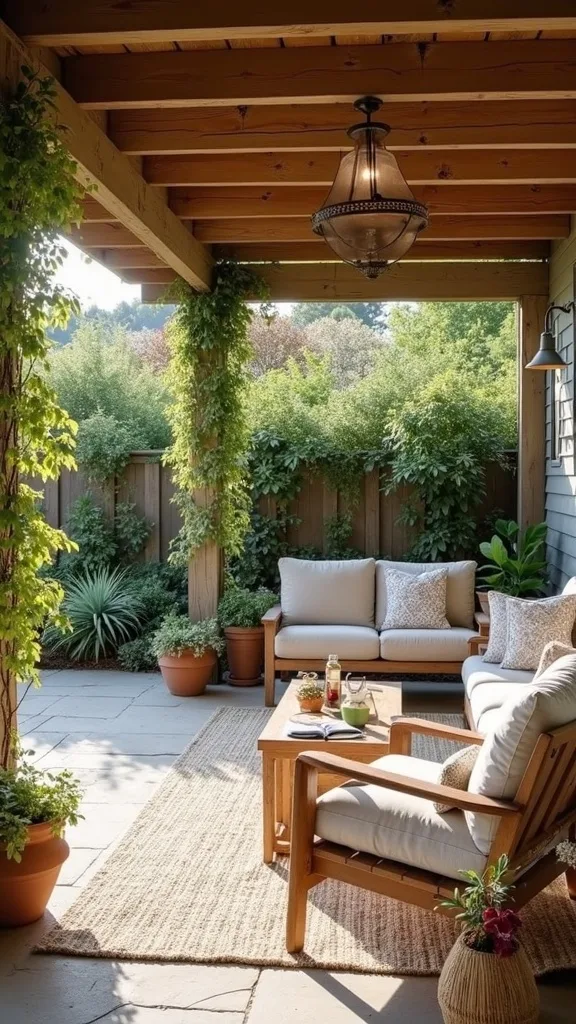
19. What Wall Decor Works Under a Covered Patio (Without Getting Ruined)?
Blank patio walls make the space feel temporary. Wall decor works because it brings the “interior room” feeling outside—instant finish.
Choose items made for outdoor exposure or protected areas: metal wall art, sealed wood signs, or a mirror placed away from direct rain. Hang it at eye level when seated for the best impact.
Modern: black metal grid art; traditional: a classic round mirror; transitional: a set of three woven-look wall baskets rated for outdoors.
Pro tip: avoid paper, canvas, or unsealed wood. If it can’t handle humidity, it will warp, peel, or look tired fast.
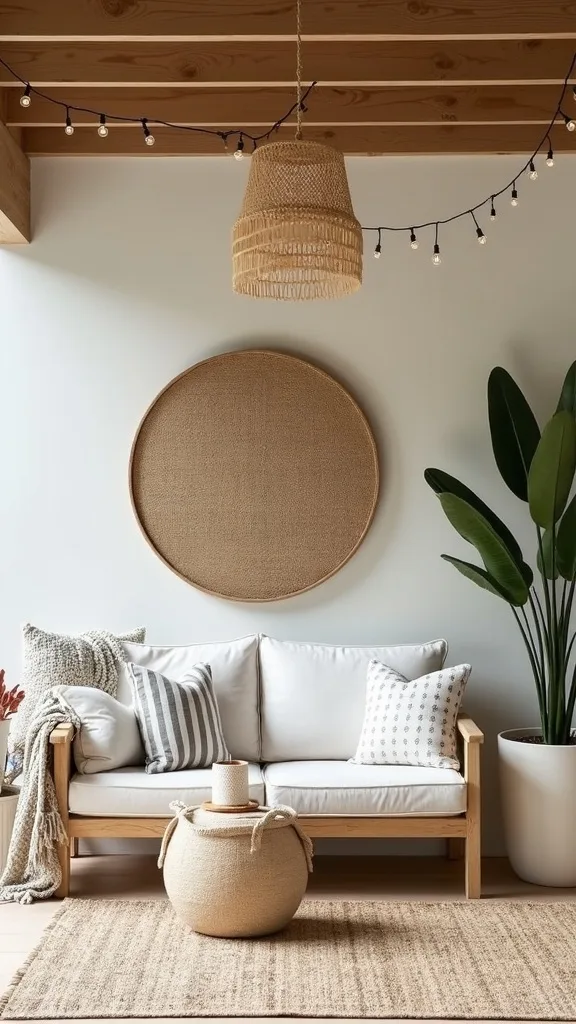
20. How Do I Build a Cheap Outdoor Bar or Serving Station?
A serving station makes hosting feel effortless. It works because it creates a “task zone,” so your seating area stays relaxed and uncluttered.
Use a narrow console table, a rolling cart, or a repurposed potting bench under cover. Add hooks for tools, a tray for drinks, and one bin for napkins and utensils.
Choose outdoor rolling carts (metal for modern, wood-look for traditional, mixed-material for transitional). Add a small battery lantern so the station works after dark.
Pro tip: avoid placing the bar in the traffic path from the door. Keep it to the side so guests flow naturally.
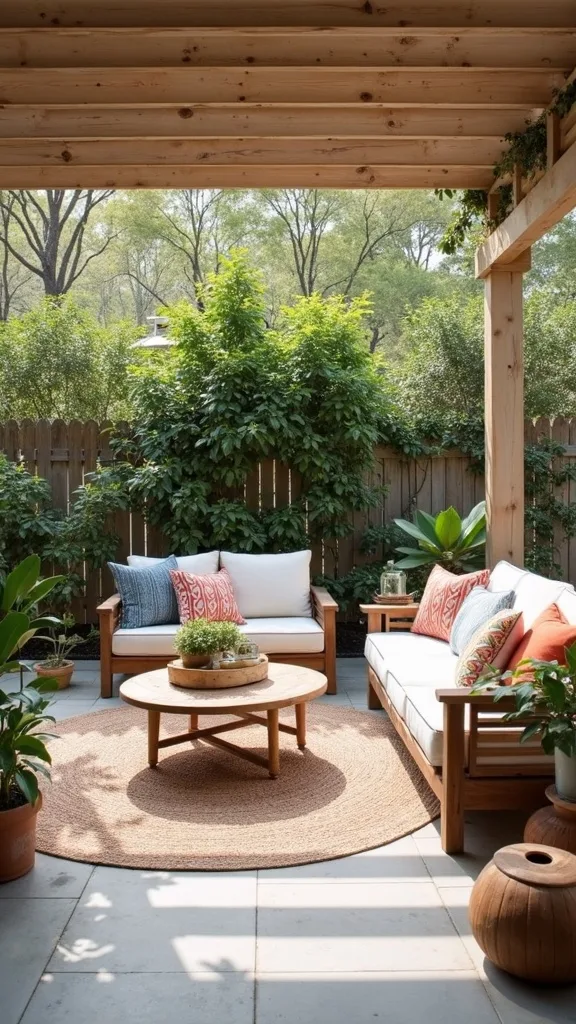
21. What’s the Best Budget Flooring Upgrade If I Hate My Concrete Slab?
Concrete can feel cold and unfinished. A surface layer works because it changes the texture underfoot—your patio instantly feels more comfortable and designed.
Try interlocking deck tiles (wood composite or acacia) in a small zone under seating, or paint concrete with a porch-and-floor paint and a simple stencil border. Keep the pattern large and calm.
Use interlocking deck tiles for renters (removable), or paint + outdoor rug for homeowners. Choose medium tones that hide dirt better than bright white.
Pro tip: avoid glossy paint outdoors. It can get slippery; a satin or textured finish is safer and looks more natural.
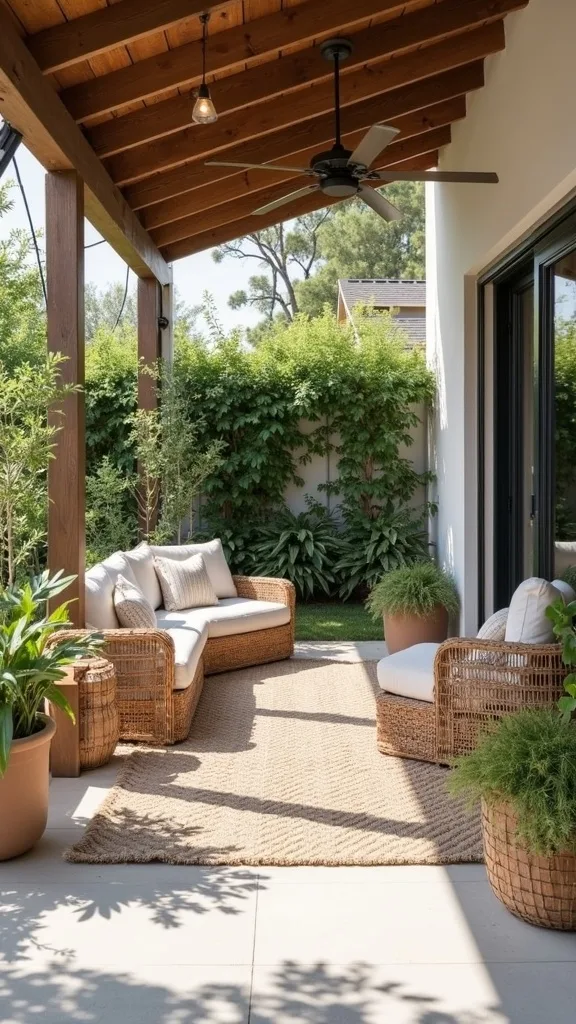
22. How Do I Make My Patio Feel Cozy at Night Without a Fire Pit?
Cozy isn’t just warmth—it’s layered softness and gentle light. It works because low, warm lighting signals “rest mode” to your brain.
Add a soft throw (stored in a deck box), two outdoor floor cushions, and lanterns with LED candles. Use warm white lighting and keep it low around seating.
Choose LED flameless candles with timers, plus textured pillows in boucle-look or woven covers made for outdoors.
Pro tip: avoid cool white lights. They feel like a parking lot; warm light makes even budget pieces look richer and more welcoming.
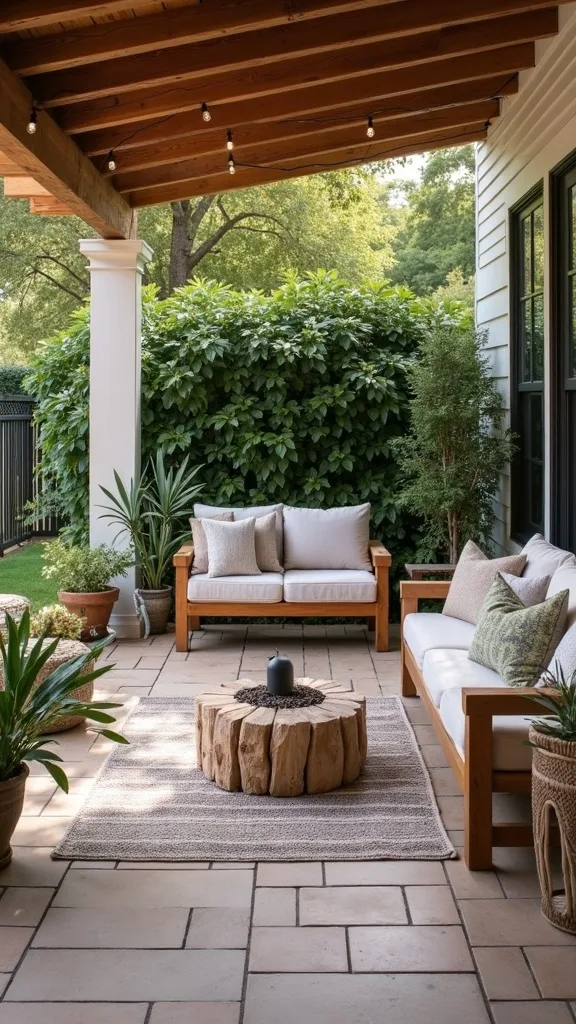
23. How Can I Decorate a Covered Patio for Pinterest Without Buying All New Stuff?
Pinterest-worthy patios are styled like real rooms: one focal point, one texture story, one color story. It works because consistency photographs well and feels calming in person.
Shop your house first: move two indoor vases (only under full cover), a tray, and a neutral pillow cover outdoors for the weekend, then decide what you truly need. Add one new “hero” item—usually a rug or lights.
Use outdoor pillow covers, a simple centerpiece bowl, and repeat one material like rattan-look or matte black metal.
Pro tip: avoid buying decor before measuring. The fastest way to waste money is ordering pieces that don’t scale to your patio.
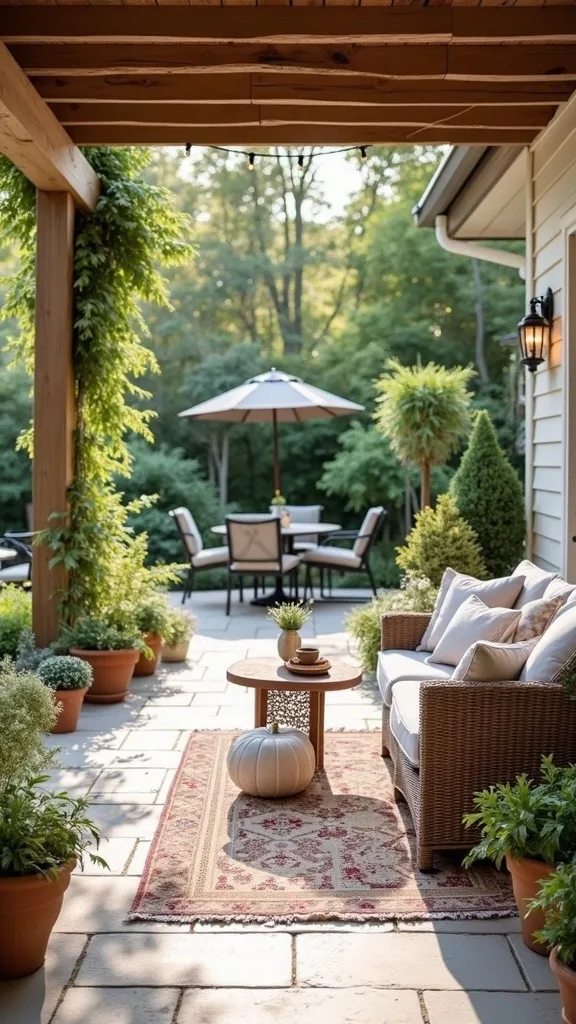
24. What Should I Avoid When Doing Budget Covered Patio Upgrades?
The biggest budget trap is buying a bunch of small “cute” things before you fix the big visual problems. It doesn’t work because clutter reads as unfinished—your eye can’t find the anchor.
Avoid impulse buys like tiny lantern clusters, random patterned pillows, and indoor decor that can’t handle humidity. Spend first on one of these: rug, lighting plan, or privacy/shade layer.
Choose weather-rated materials, a limited palette, and fewer larger-scale accessories that can stand up to outdoor life.
Pro tip: if you can’t describe your patio in one sentence (“neutral modern with black accents,” for example), pause purchases. Clarity is what makes budget feel elevated.
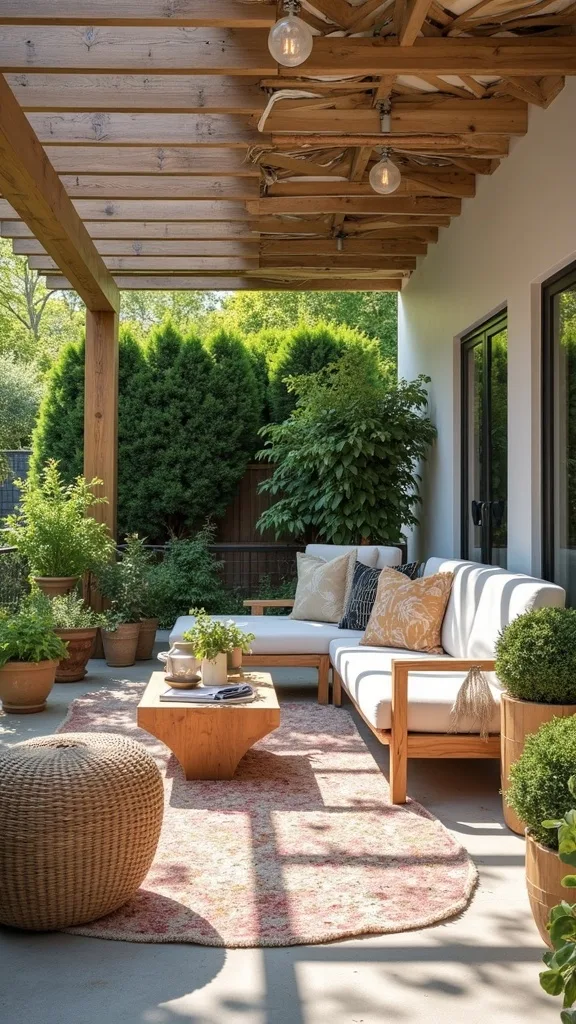
25. What’s the One Weekend Plan to Transform a Covered Patio Fast?
A weekend reset works when you follow a sequence. It works because momentum matters—each step makes the next one easier and more satisfying.
Day 1: clear everything, sweep, and measure. Day 2: lay the rug, hang lights, and set seating in a tight conversation zone; then add two planters and one centerpiece tray. Keep decor to three categories: light, textile, green.
Use zip ties and hooks for tidy light runs, a flatweave rug for instant polish, and two tall planters to frame the space.
Pro tip: take a “before” photo, then match your after to one clear anchor. When the anchor is right, the whole patio feels like a new room.
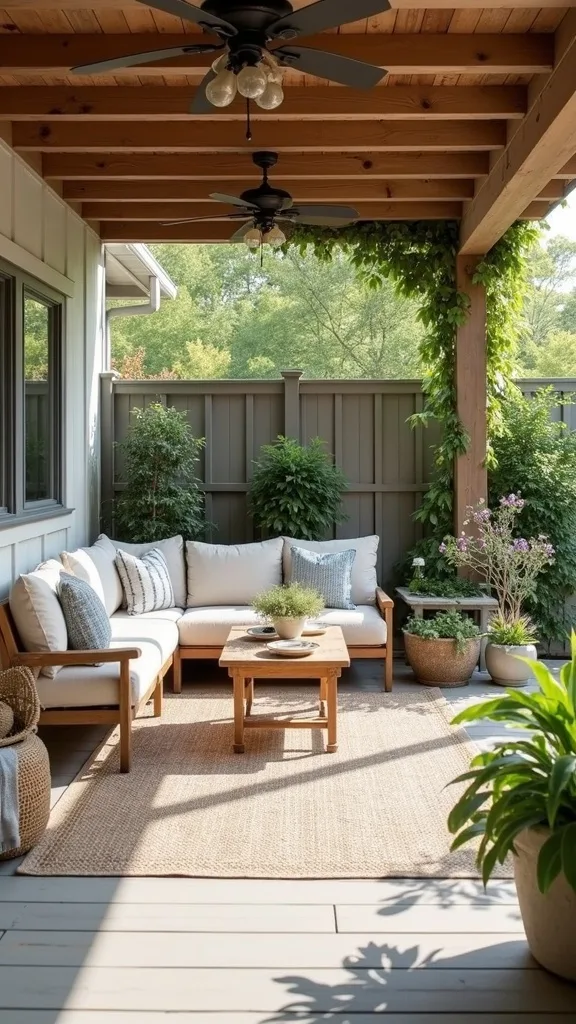
Final Thoughts
Budget patio upgrades land best when they follow one clear design principle: anchor first, decorate second. That’s true in modern spaces (clean lines need a strong rug and a tidy lighting run), in traditional ones (symmetry and classic patterns need a calm base), and especially in transitional patios (where the mix only works if the palette is controlled).
If you’re deciding where to spend, put your money where your eye lands most: the floor plane (rug/tiles) and the ceiling plane (shade/lighting). Then add comfort—pillows, a throw, and greenery—in fewer, larger moves instead of lots of tiny purchases.
The single most important thing to get right is scale: one correctly sized rug and a properly placed light pattern will make even simple furniture feel intentional. Today, measure your seating zone, choose your rug size, and hang your string lights in one clean pattern before you buy anything else.
What I’d Do Differently
When I first tried this, I made the classic mistake: I bought accessories before I chose an anchor. I grabbed a couple of cute lanterns, two patterned pillows, and a little side table because they were “good deals,” then wondered why my covered patio still felt messy. The problem wasn’t the items—it was the lack of a plan. Nothing related to anything else, and the scale was all wrong. The correct approach is to pick the anchor first (for me, it should’ve been an 8×10 rug), then let that anchor dictate the palette and finishes so every new piece supports the same story.
I also wish I’d known how much a lighting plan matters. One string of lights tossed up randomly looks like a backyard; a tidy perimeter run feels like a ceiling. If you do one thing before the weekend ends, measure your seating zone, choose your anchor, and commit to it—your patio will snap into place faster than you think.