
This post contains affiliate links. As an Amazon Associate, I earn from qualifying purchases at no extra cost to you.
Are you looking for a calmer living room that still feels warm and lived-in for summer? Do you want a Japanese interior design vibe without turning your space into a sterile, matchy showroom?
I always start by treating wabi sabi home decor as a practice, not a shopping list—less “buy everything beige,” more “choose what’s honest and tactile.” In this post, I’m sharing 25 living-room ideas I use to build a Summer Japanese Aesthetic using natural textures home choices, soft light, and a few meaningful objects.
In my opinion, this is perfect for anyone who feels overwhelmed by visual clutter, rents a space they can’t renovate, or simply wants imperfect beauty decor that doesn’t demand perfection.
I’ll walk you through my favourite styling moves—like how I group handmade ceramics, how I pick linen that looks relaxed (not wrinkled), and how I use unfinished wood to keep things grounded. I’ll also share the small measurements I rely on so the room feels intentional, not accidental.
Below are 25 Wabi-Sabi Living Room Decor & Japanese Aesthetic that…
1. Style the core vignette: ceramic vessels, linen, wood stools, and one branch
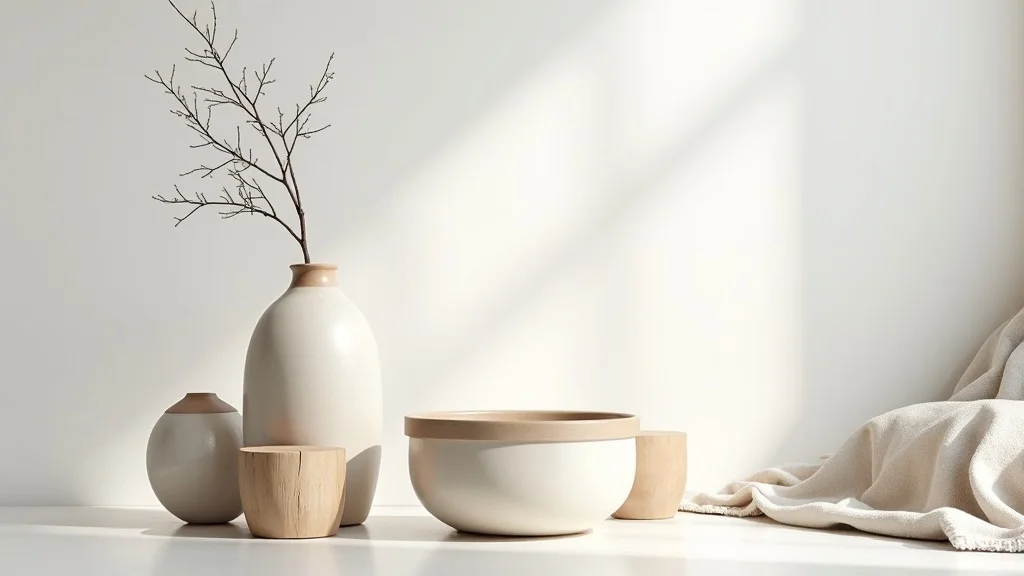
I always start by building one “anchor moment” that sets the tone, and my go-to is the exact visual theme: handmade ceramic vessels, rough linen, unfinished wood stools, and a single branch arrangement. From my experience, when this corner feels calm, the rest of the room naturally follows without extra decor.
I place a 16–20 inch tall ceramic vase on a low surface, then keep the branch to about 24–36 inches long so it feels airy instead of dramatic. I like two stools at slightly different heights (around 17 inches and 19 inches) so the grouping feels collected, and I leave at least 6–8 inches of “breathing room” between each object.
I find that matte stoneware, raw oak or suar wood stools, and a linen throw in oatmeal or warm greige work in most living rooms. When I design this look for summer, I add one small tray in smoked ash wood to corral matches or a coaster.
Pro Tip: I’ve found the branch looks most intentional when I rotate the vase so the “heaviest” side faces into the room, then I angle the branch at roughly 10–15 degrees toward the seating area—your eye reads it as an invitation, not a random stick.
2. Edit the room down to 7–9 visible objects
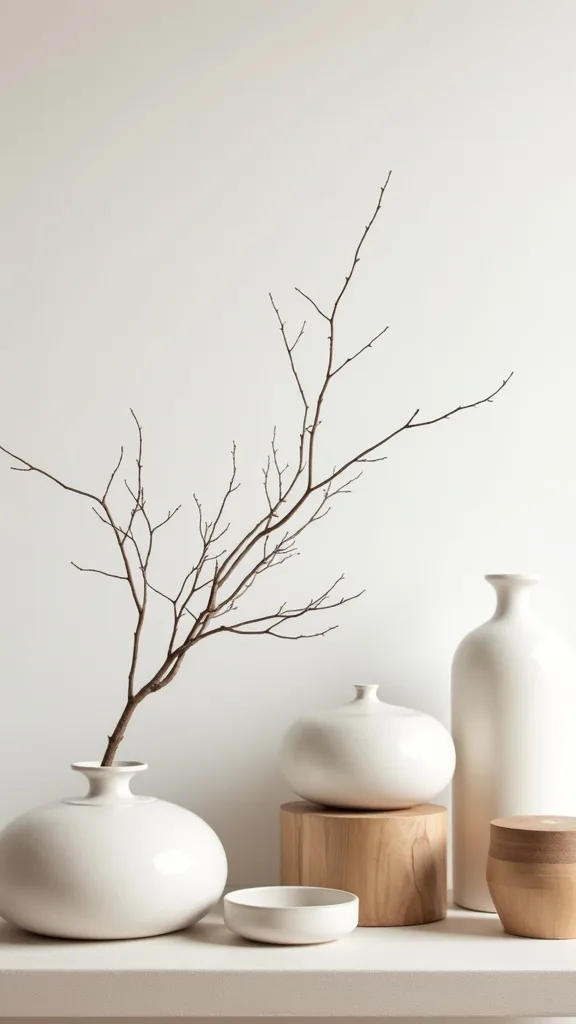
From my experience, wabi-sabi only feels soothing when I’m brave enough to remove things, not add them. I find that limiting myself to 7–9 visible objects across the whole living room creates the quiet rhythm that Japanese interior design is known for.
I always start by clearing every surface for 10 minutes, then I add back items one at a time: 1 vessel, 1 book stack (2–3 books max), 1 textile, and 1 natural element. Typically, I keep coffee table styling to a 12 x 18 inch tray so the rest of the top stays usable, and I leave at least 30–36 inches of walking space around the table.
In my opinion, the easiest “keepers” are a handmade bowl, a linen runner, a single candle in a ceramic cup, and one found object like a river stone. I recommend sticking to clay, linen, wood, and paper—materials that age gracefully.
Pro Tip: I’ve found the fastest way to avoid the “too empty” look is to keep one medium-scale piece (about 10–14 inches tall) on a surface; without that height, the edit can read unfinished instead of intentional.
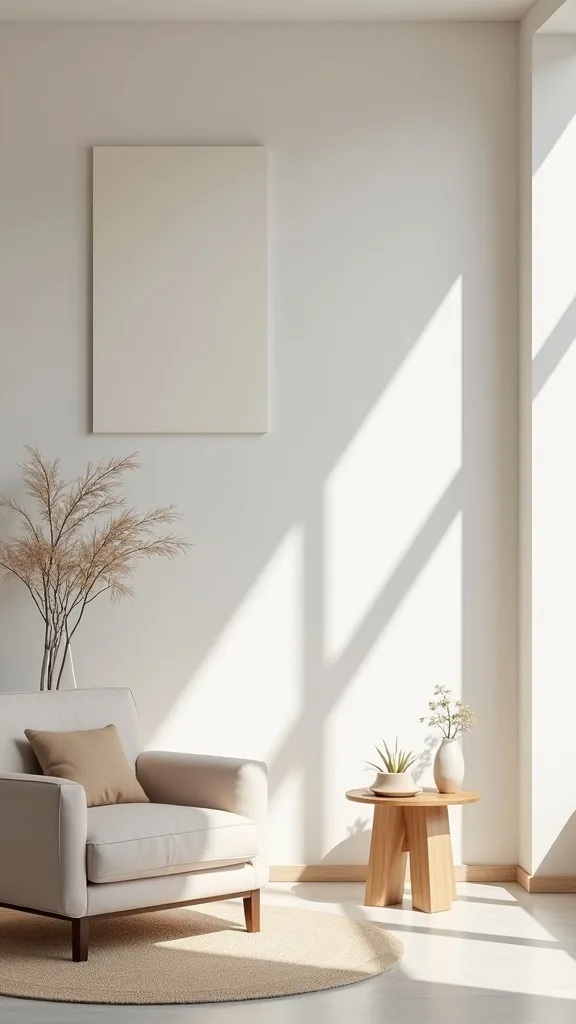
3. Choose a sun-washed neutral palette (not stark white)
I find that summer wabi-sabi looks most believable when the neutrals feel sun-warmed, not icy. From my experience, a creamy base reads calmer than bright white, especially in living rooms with strong afternoon light.
I always start by picking 3 paint-adjacent tones to guide everything else: a warm off-white, a clay-beige, and a soft charcoal. If I’m swapping textiles, I aim for pillow covers in the 18 x 18 inch range and one larger 22 x 22 inch cover to keep the palette layered without adding patterns.
I recommend materials like cotton-linen blends, unbleached linen, and natural jute because they hold these tones without looking flat. When I design this look, I’ll add one blackened steel accent (like a slim candleholder) to keep the room from going overly sweet.
Pro Tip: I’ve found that if your walls are already cool white, you can “warm them up” visually by choosing a rug with a beige undertone and placing it so 8–12 inches of floor shows around the perimeter—your eye reads that border as warmth.
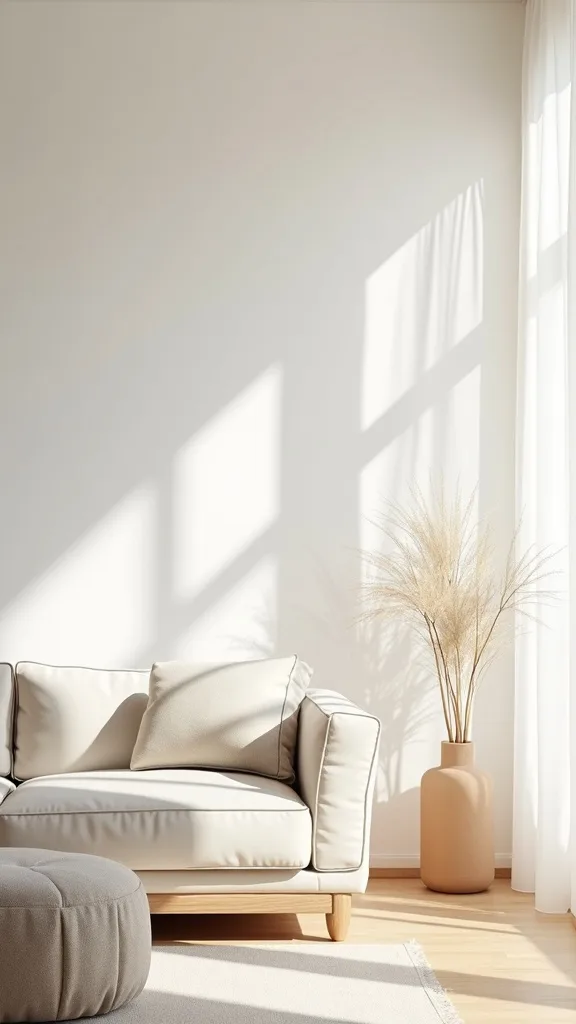
4. Use low seating energy with a grounded coffee table
In my opinion, the easiest way to nod to Japanese interior design is to lower the visual center of gravity. I find that even if you can’t change your sofa, choosing a grounded coffee table makes the whole living room feel calmer.
I always recommend a coffee table height of about 14–16 inches if your sofa seat is around 17–19 inches tall; that proportion typically feels relaxed and intentional. If you’re keeping an existing table, I’ll often swap to shorter legs or place a 1.5–2 inch thick tatami-style mat under a tray to visually “lower” the styling.
From my experience, unfinished oak, walnut with a matte finish, or even a limewashed pine top pairs beautifully with organic home design choices like linen and clay. I like to keep the tabletop to 3 items max: a bowl, a book, and a small stone.
Pro Tip: I’ve found that a table with softened edges (even a 1/4-inch roundover) reads more wabi-sabi than sharp corners, because tiny dings disappear into the shape instead of screaming for touch-up.
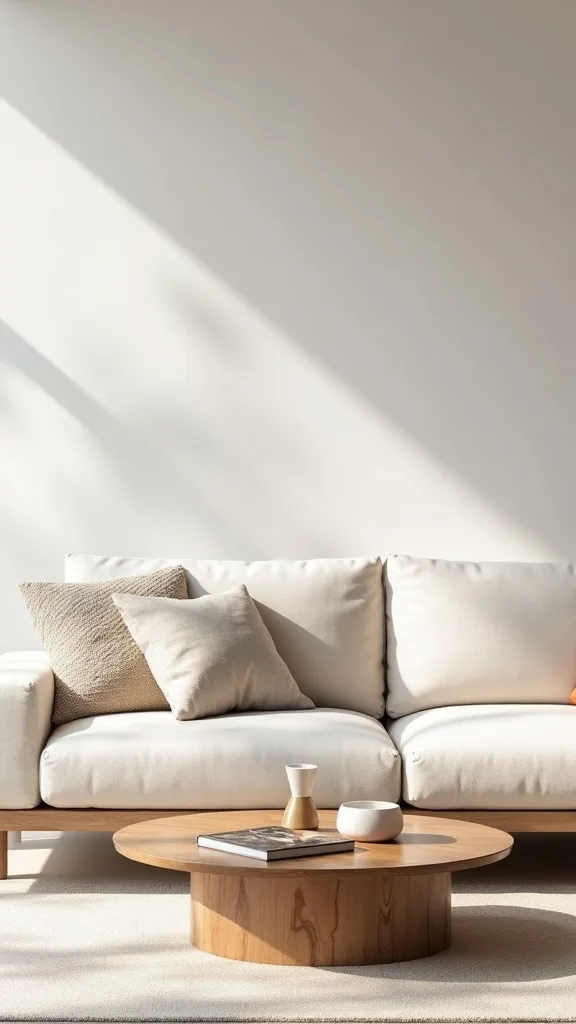
5. Layer rough linen in two weights for believable texture
I always start by adding textile texture before I touch accessories, because fabric changes the mood fast without clutter. From my experience, rough linen looks most authentic when I mix two weights instead of buying a perfectly matched set.
I like one heavier linen throw (around 300–350 gsm fabric weight) and one lighter linen or cotton-linen cover for pillows; that contrast keeps things relaxed. For sizing, I find a 50 x 60 inch throw drapes well on most sofas, and I keep pillow inserts 2 inches larger than the cover (like a 20 x 20 insert in an 18 x 18 cover) so they look full without looking “decorator stiff.”
I recommend washed linen in flax, mushroom, or warm grey, plus one accent in muted indigo to hint at Japanese textiles. Typically, I avoid shiny weaves because they fight the matte ceramics and wood.
Pro Tip: When I tried steaming linen to look “perfect,” it looked wrong; I’ve found the sweet spot is a quick 30–45 second steam only on hard creases, then I let the rest stay naturally rumpled so it reads lived-in, not neglected.
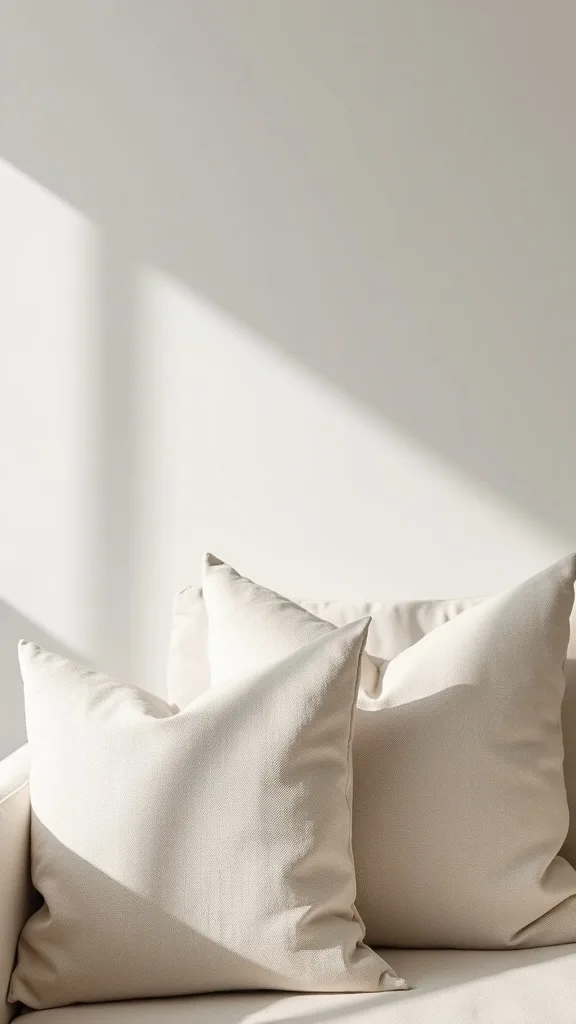
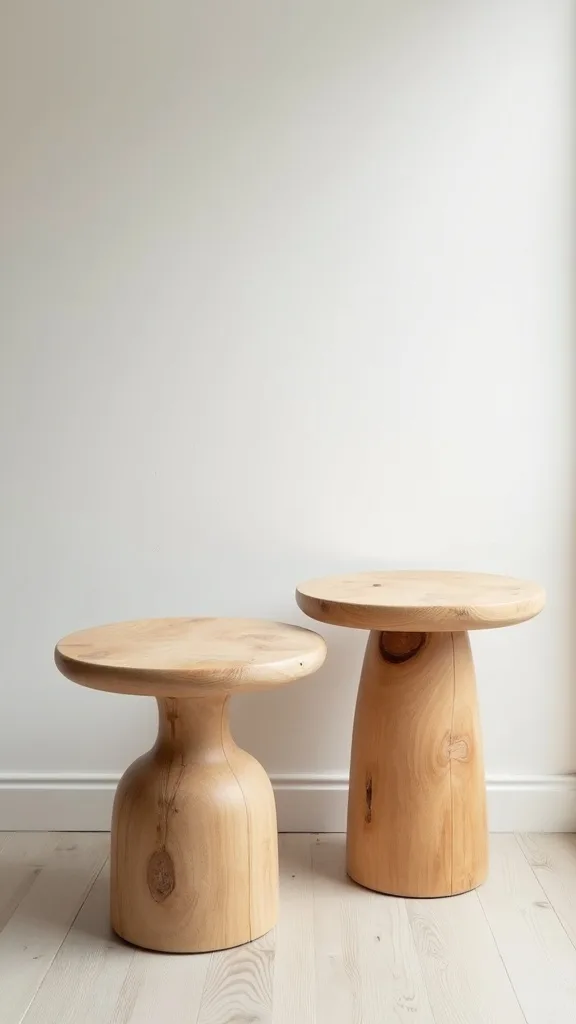
6. Bring in unfinished wood stools as flexible side tables
I find that unfinished wood stools are one of the most useful pieces in wabi sabi home decor because they’re functional and quietly sculptural. From my experience, they also solve the “where do I put my drink?” problem without adding bulky furniture.
I always recommend choosing stools between 16–19 inches tall so they work beside most sofas, and I like a top diameter of 12–14 inches for a mug and a small plate. I keep at least 3 inches between the stool and the sofa arm so it doesn’t feel cramped, and I’ll add felt pads (about 1 inch wide) to protect floors.
In my opinion, suar wood, raw oak, or sanded pine with a matte wax finish looks more honest than glossy stain. I like pairing wood with one ceramic coaster to keep condensation from darkening the grain.
Pro Tip: I’ve found unfinished stools darken unevenly in sunny windows within 2–4 weeks; if you want a consistent patina, rotate the stool 180 degrees every week during summer so the UV exposure ages it evenly.
7. Create a single-branch ikebana-style arrangement
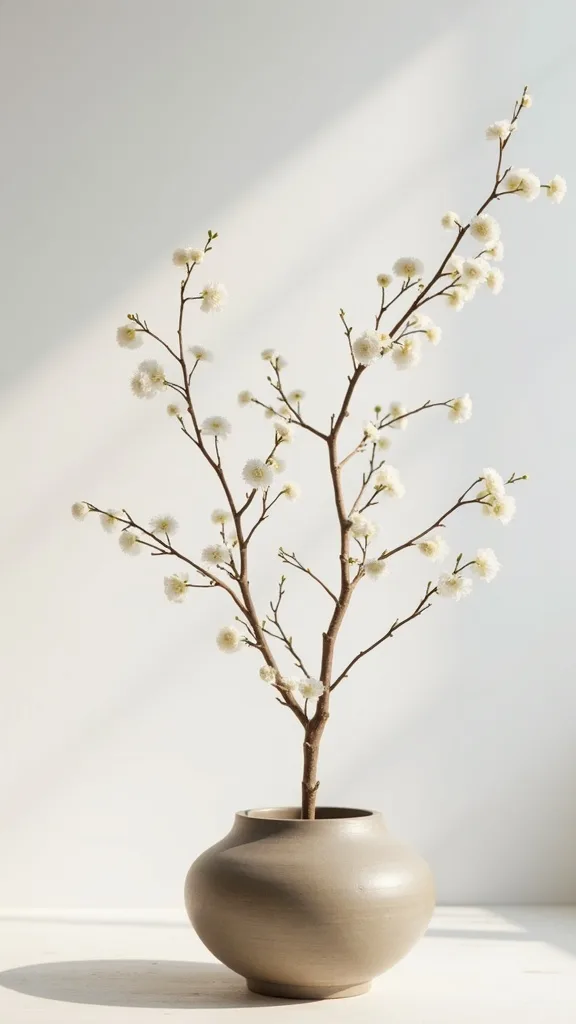
When I design this look, I prefer one branch over a full bouquet because it feels intentional and spacious. From my experience, a single-branch arrangement is the fastest way to bring Japanese interior design energy into a living room without adding clutter.
I always start with a vessel that’s 6–8 inches wide so it won’t tip, then I choose a branch that’s about 1.5–2x the vase height (so a 10-inch vase gets a 15–20 inch branch). I’ll cut the branch with bypass pruners at a 45-degree angle and refresh the cut every 3–4 days to keep it hydrated.
I find that curly willow, plum, or olive branches look beautiful against linen and unfinished wood, especially in summer light. In my opinion, a matte black or speckled off-white vase keeps the focus on the line of the branch.
Pro Tip: I’ve found the arrangement looks more “designed” when I add one small pebble or kenzan-style pin frog at the base; even a 2-inch river stone can brace the stem so it holds a deliberate angle instead of drifting upright.
8. Use warm white lighting and hide the glare
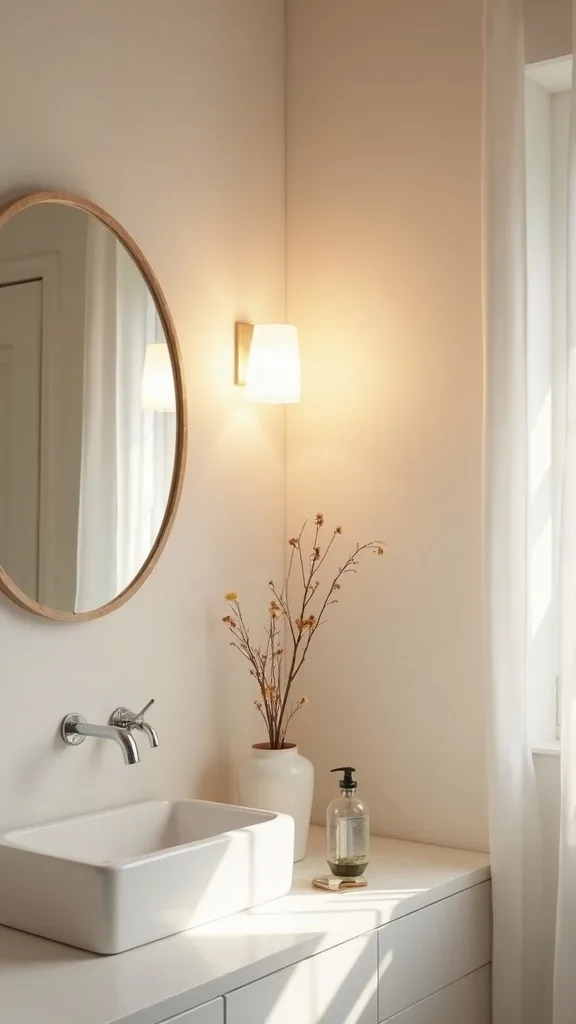
I find that lighting is where wabi-sabi either feels serene or suddenly feels harsh. From my experience, switching to warm white light (2700K–3000K — the cosy, yellowish tone you see in most homes) makes natural textures home choices look richer and less flat.
I always start by adding one paper-shade floor lamp near seating, then I aim for two light sources total in a small living room (under 200 sq ft) or three sources in a larger one (250–350 sq ft). I recommend bulbs around 450–800 brightness (measured in lumens) for ambient lighting, and I keep the lamp shade bottom at about 48–52 inches high so it doesn’t glare into eyes when seated.
In my opinion, rice-paper lantern shades, linen drum shades, and ceramic lamp bases fit the Japanese interior design mood without feeling themed. I avoid exposed filament bulbs because they look pretty but can feel visually “busy.”
Pro Tip: I’ve found a dimmer plug (rated for LEDs) is worth the $15–$25 because you can drop brightness by 30–40% at night; that lower light makes imperfect pottery and linen texture read intentional instead of messy.
Cost & Materials Estimate
I typically see a wabi-sabi living room refresh land between a small styling update and a full decor swap, depending on how many natural materials you’re adding.
| Item | Estimated Cost | Where to Buy |
|---|---|---|
| Handmade-style ceramic vase (12–18 in) | $35–$90 | Amazon |
| Washed linen throw (50 x 60 in) | $45–$120 | Wayfair |
| Unfinished wood stool (16–19 in tall) | $60–$160 | IKEA |
| Rice-paper floor lamp | $30–$85 | Amazon |
| Natural-fiber rug (5 x 8 ft) | $120–$320 | Home Depot |
| Matte tray + coasters set | $25–$70 | Amazon |
Total estimated cost: $315–$845 I’d save money by thrifting the stool and tray, and I’d splurge on the rug because it sets the tone for every other texture.
9. Pick a natural-fiber rug with a calm border
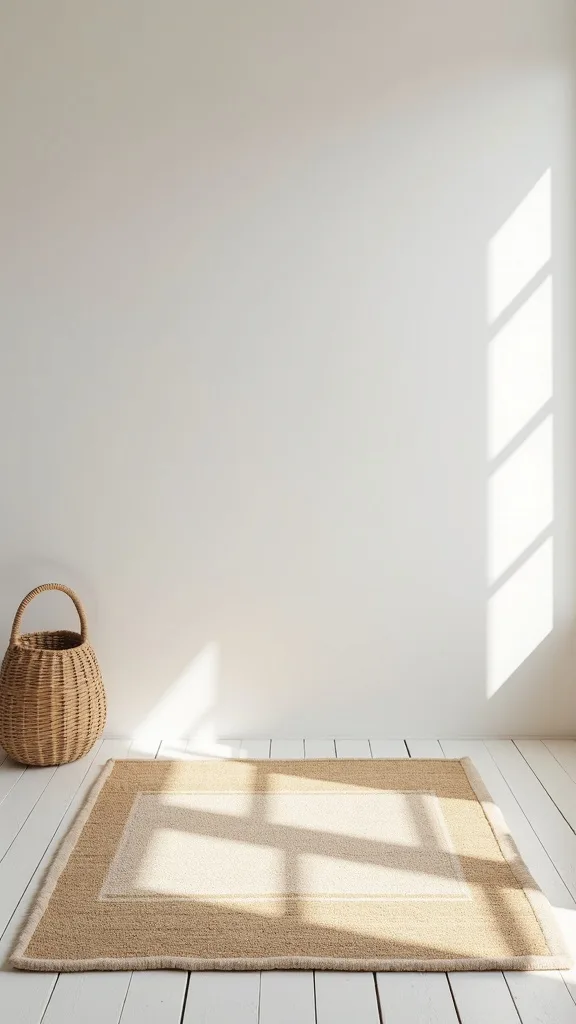
I always recommend starting with the rug if the room feels “floaty,” because it anchors everything without adding more objects. From my experience, a natural-fiber rug is one of the easiest ways to reinforce organic home design in a living room.
I find that an 8 x 10 ft rug works in most standard living rooms, and I place it so the front 6–10 inches of the sofa legs sit on it for stability. If you’re in a smaller space, I recommend a 5 x 8 ft rug and keeping at least 12 inches of floor visible around the edges so it doesn’t feel wall-to-wall.
Typically, I choose jute, wool-jute blends, or flatweave wool in oatmeal, sand, or stone. In my opinion, a subtle border (1–2 inches) in charcoal helps hide wear and visually frames the seating zone.
Pro Tip: I’ve found jute can shed for the first 2–3 weeks; if that drives you crazy, choose a wool-jute blend and vacuum with the beater bar turned off—otherwise you’ll pull fibers and the surface will fuzz unevenly.
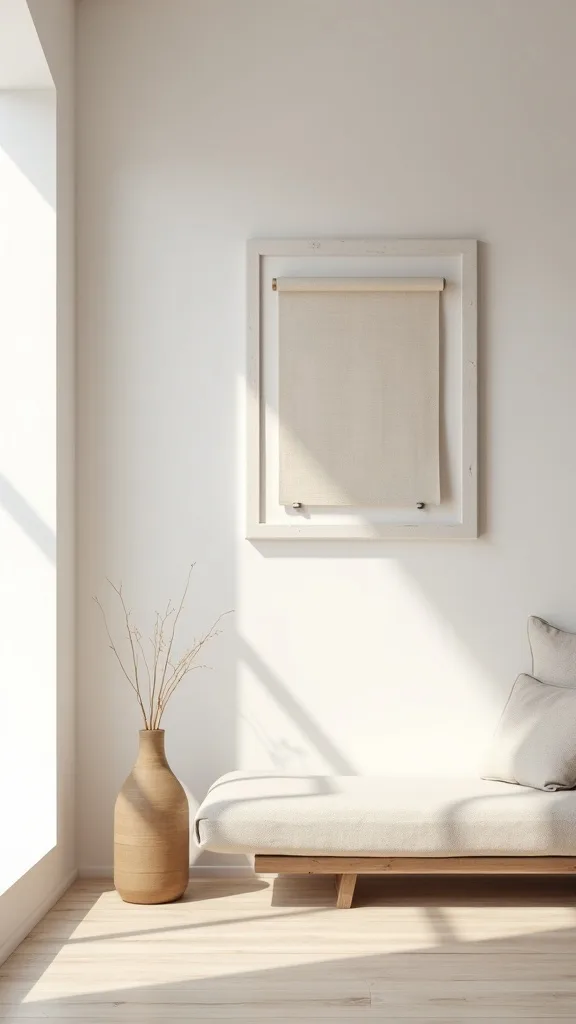
10. Keep wall art minimal: one scroll-like piece or textured panel
I find that wabi-sabi walls look best when they’re not trying to “fill space.” From my experience, one thoughtfully sized piece of art creates more calm than a gallery wall, especially in summer when light already adds visual activity.
I always start by measuring the wall and aiming for art that’s about 2/3 the width of the sofa; for a 72-inch sofa, I look for a piece around 48 inches wide. I hang it so the center sits about 57–60 inches from the floor, and I keep the bottom edge 8–10 inches above the sofa back to avoid a cramped look.
I recommend a textile wall hanging in raw cotton, a simple ink wash print, or a plaster-texture panel in warm white. In my opinion, thin black or natural oak frames (about 0.75–1 inch) suit Japanese interior design better than ornate molding.
Pro Tip: I’ve found that slightly off-center placement (1–2 inches to the left or right) can look more wabi-sabi than perfectly centered when your room has asymmetry—like a window on one side—because it visually “balances” the architecture.
11. Add one stone or clay object for tactile weight
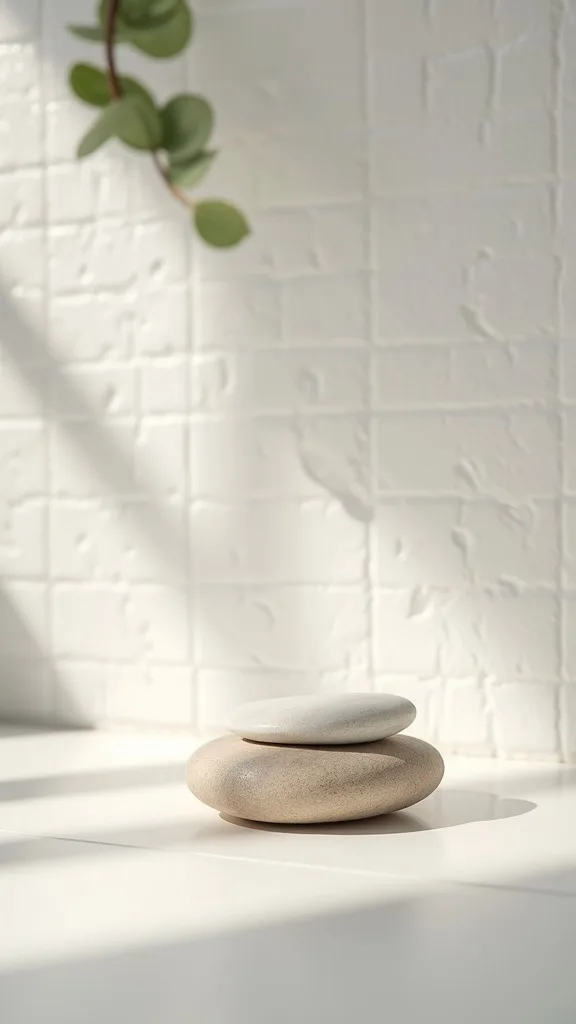
From my experience, the quickest way to make a room feel grounded is to add one object that looks like it came from the earth. I find that stone and clay instantly communicate imperfect beauty decor without needing extra color.
I always start with scale: a bowl around 10–12 inches wide or a stoneware jar about 9–11 inches tall reads substantial on a coffee table. I place it at least 4 inches from the table edge so it feels secure, and I keep it within 18 inches of where someone sits so it can be appreciated up close.
I recommend speckled stoneware, lava stone trays, or hand-thrown ceramic bowls with a visible lip. In my opinion, matte glazes in ash grey, warm white, or iron-black look more natural than glossy finishes.
Pro Tip: I’ve found that a slightly “imperfect” rim can snag delicate linen; if you’re using a rough bowl near a throw, I tuck the linen under by 1–2 inches so it doesn’t catch and pull threads over time.
12. Use negative space on shelves (and stop over-stacking books)
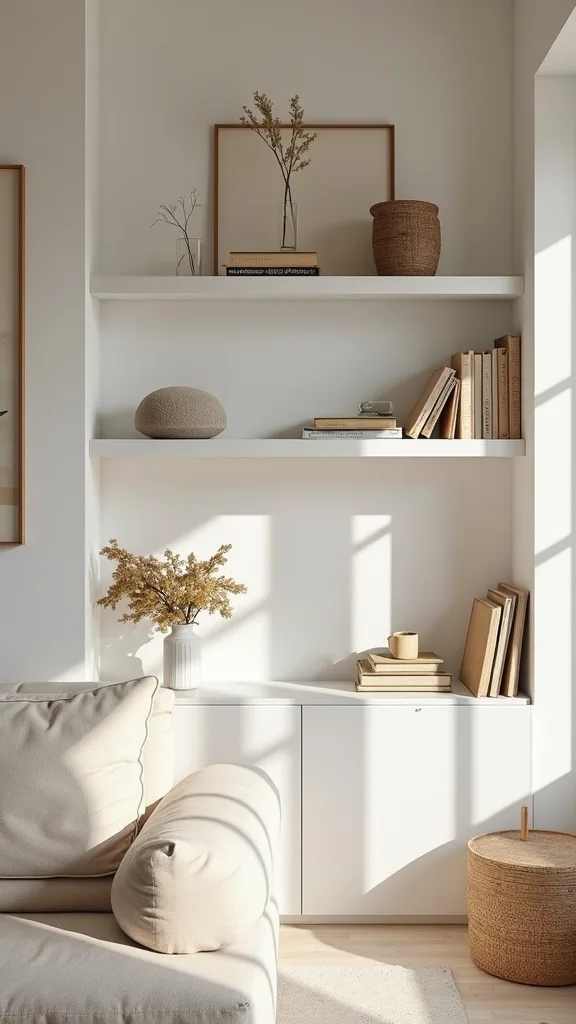
I find that shelves are where clutter quietly accumulates, and wabi-sabi needs breathing room to work. From my experience, negative space reads as confidence, not emptiness, when I keep the styling simple and repeat materials.
I always start by limiting each shelf to 3 groupings max, and I leave at least 30–40% of the shelf length empty. On a 60-inch shelf, that means I keep about 18–24 inches clear. I also keep stacks low—2–4 books per stack—and I vary heights by about 3–5 inches between groupings so the eye moves gently.
I recommend book covers in kraft paper, one small ceramic cup, and a piece of driftwood or a smooth stone. In my opinion, mixing glossy decor with raw wood fights the calm, so I stick to matte finishes.
Pro Tip: I’ve found shelves look more intentional when I “shadow” one object behind another by 1–2 inches—like placing a thin frame behind a vase—because it creates depth without adding more stuff.
13. Swap shiny hardware for matte black or aged brass accents
In my opinion, small metal details can either support wabi-sabi or pull it toward modern glam. I find that switching a few visible accents to matte black or aged brass helps the room feel quieter and more Japanese interior design-adjacent.
I always start with the most visible items: a floor lamp finial, cabinet pull, or curtain rod. If I’m replacing curtain hardware, I choose a 1-inch diameter rod and hang it 4–6 inches above the window frame to create height without fuss. For side tables, I keep metal accents thin—around 1/2 inch frame thickness—so they don’t dominate.
I recommend blackened steel candleholders, aged brass picture rails, or a matte black tray under ceramics. Typically, this costs more upfront ($20–$60 per hardware set) but saves time later because fingerprints show less than on chrome.
Pro Tip: I’ve found “aged brass” varies wildly by brand; to avoid mismatched tones, I buy all brass pieces from the same line at the same time, because batches can shift from warm gold to greenish within a single year.
14. Choose a sofa throw placement that looks relaxed, not sloppy
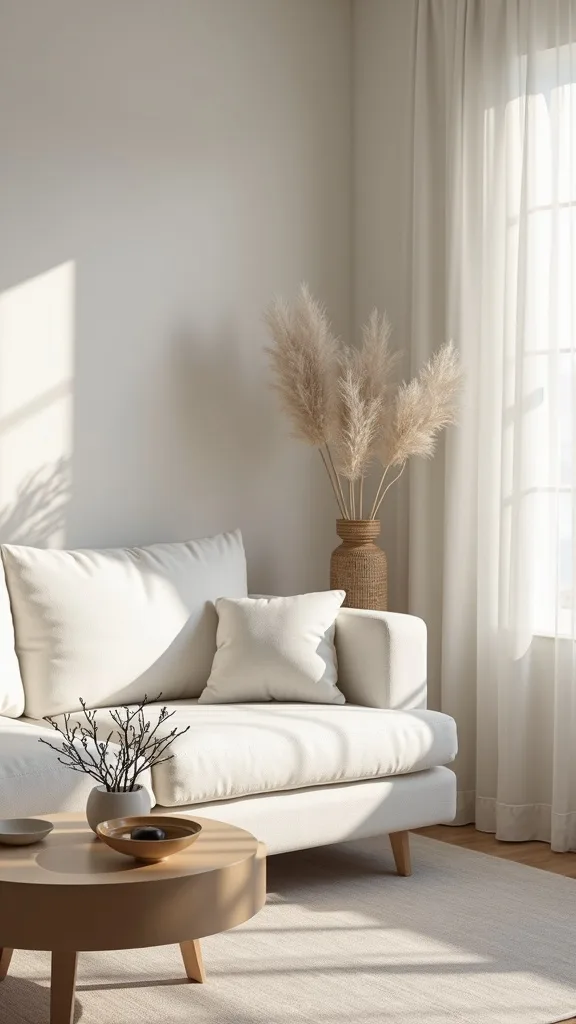
I find that how you drape a throw matters as much as which throw you buy. From my experience, wabi-sabi looks intentional when the linen looks casually placed—but still controlled.
I always start by folding the throw into thirds lengthwise (so a 50 x 60 inch throw becomes roughly 17 x 60), then I lay it over the sofa arm with about 12–16 inches hanging down. I keep the fringe (if it has any) away from the floor by at least 2 inches so it doesn’t drag and collect dust. If I’m styling pillows, I limit it to 2 on a loveseat and 3 on a full sofa.
I recommend washed linen in flax or a cotton-linen blend in soft charcoal for contrast. In my opinion, nubby textures read more natural textures home than smooth, hotel-style weaves.
Pro Tip: I’ve found the “relaxed” look holds longer if you anchor the throw with one pillow corner sitting on top by 1–2 inches—otherwise it slides off every time someone stands up and you’ll constantly re-style it.
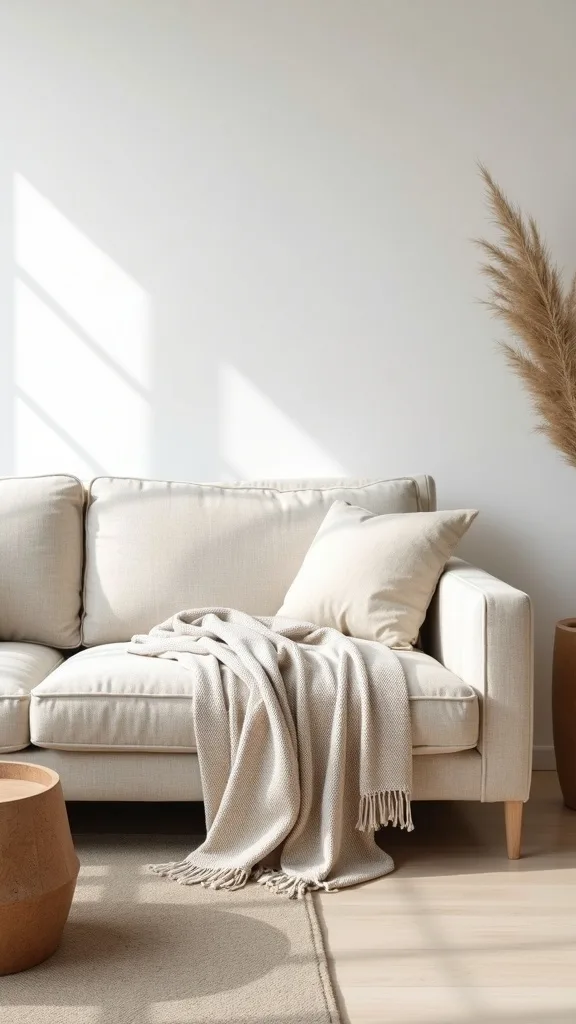
15. Use a low tray to corral daily items without visual noise
I always recommend a tray for real life, because wabi-sabi shouldn’t be precious or impractical. From my experience, a low-profile tray keeps remotes and coasters contained while still letting the room feel calm.
I find a tray around 12 x 18 inches works on most coffee tables, and I keep the tray height under 2 inches so it doesn’t feel like a centerpiece. I leave at least 8–10 inches of clear table surface on one side so someone can set down a mug without moving anything. Typically, I limit the tray contents to 4 items: 2 coasters, 1 small bowl, and 1 candle.
I recommend smoked ash wood, matte black metal, or a ceramic slab tray with slightly irregular edges for imperfect beauty decor. In my opinion, glossy lacquer trays look beautiful but can feel too formal for this aesthetic.
Pro Tip: I’ve found adding a thin cork liner (about 1/8 inch) inside a wood tray stops ceramics from “clinking” when you set them down—small, but it makes the whole experience feel softer and more intentional.
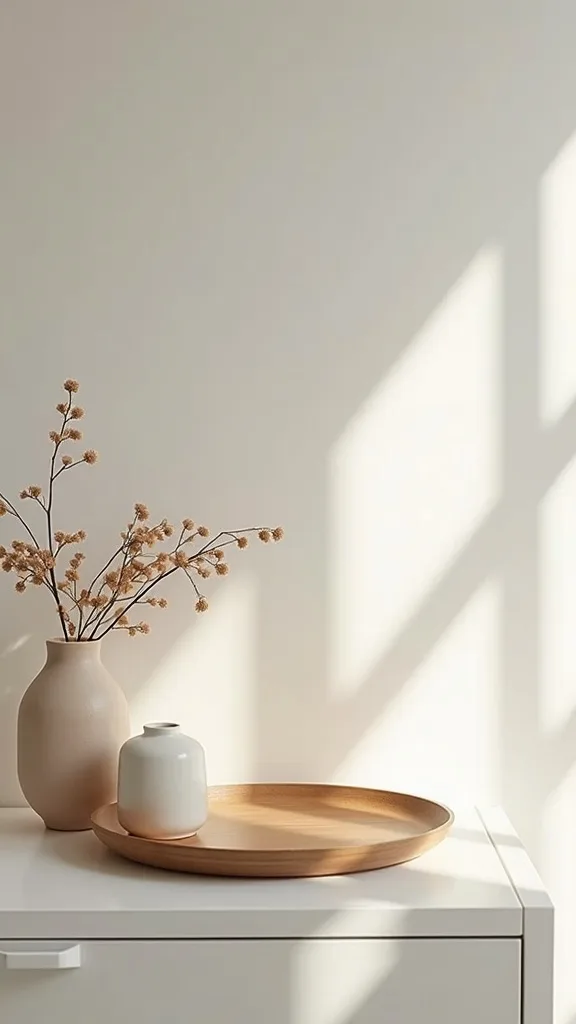
16. Introduce paper elements: shoji-inspired lampshades or washi art
From my experience, paper is a secret weapon in Japanese interior design because it diffuses light and softens hard edges. I find that adding one paper element gives the room that quiet, summery glow without needing more decor.
I always start with a lamp: a rice-paper shade around 18–24 inches tall is usually enough to change the mood. If I’m hanging a pendant in a living room corner, I keep the bottom of the shade at least 78 inches from the floor so it clears heads, and I use warm white light (2700K–3000K — the cosy, yellowish tone you see in most homes) to avoid a blue cast.
I recommend washi paper prints, paper lantern floor lamps, or a simple paper mobile in an off-white tone. Typically, paper costs less ($25–$90) but it’s more delicate than linen or wood, so I keep it away from pets and humidifiers.
Pro Tip: I’ve found paper shades yellow faster in direct sun; if your lamp sits within 2 feet of a south-facing window, rotate the shade a quarter turn every week so the aging looks even and intentional.
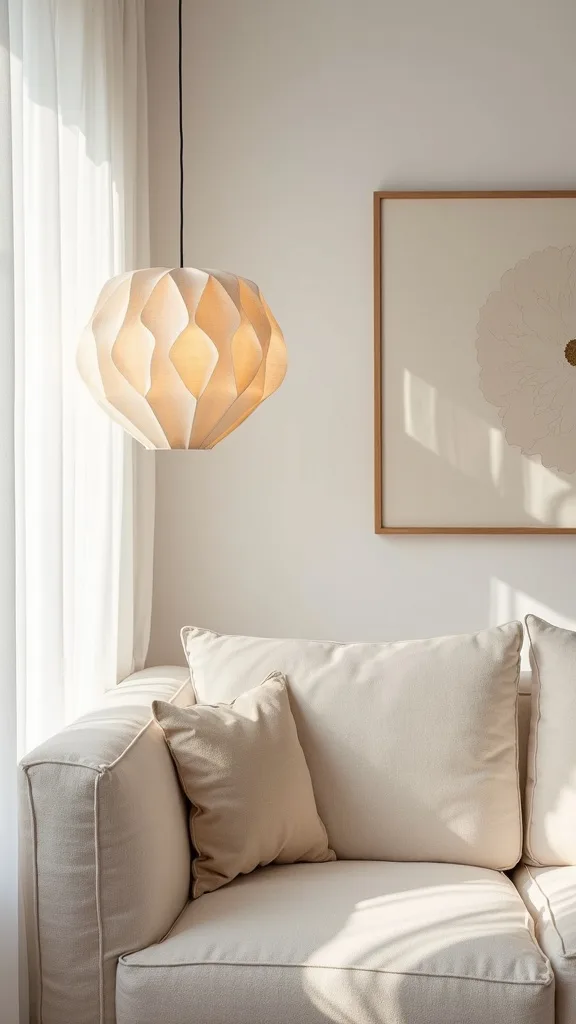
17. Add a subtle summer scent ritual (without overpowering the room)
I find that scent is part of the “room feeling” even though you can’t photograph it, and wabi-sabi is all about lived experience. From my experience, a light scent ritual makes the living room feel like a pause in the day, especially during summer.
I always start with one source only: either incense or a candle, not both. If I’m using incense, I burn 1 stick for 10–15 minutes, then I extinguish it so the scent lingers softly. If I’m using a candle, I choose one in a 7–10 oz ceramic jar and I keep burn sessions to 1–2 hours to avoid sooting walls.
I recommend hinoki, cedar, green tea, or unscented beeswax if you’re sensitive. In my opinion, heavily sweet fragrances fight the natural textures home vibe and can feel “decor-store” instead of grounded.
Pro Tip: I’ve found incense ash can stain raw wood; I place the incense holder on a small stone tile (about 4 x 4 inches) so any stray ash lands on something wipeable, not on your unfinished stool or table.
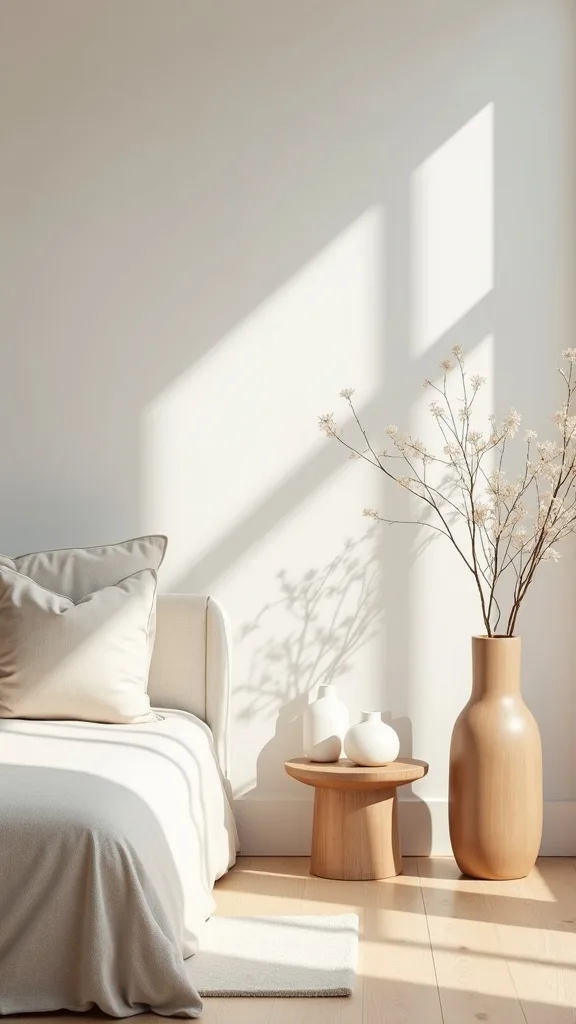
18. Use one imperfect focal piece (cracked glaze, patched textile, or weathered wood)
In my opinion, wabi-sabi only feels real when I include one piece that shows time. From my experience, a single imperfect focal piece communicates imperfect beauty decor more clearly than a room full of “fake rustic” items.
I always start by choosing just one hero: a crackle-glaze vase, a boro-style patched pillow cover, or a reclaimed wood bench. I keep it within 3–5 feet of the main seating spot so it can be appreciated up close, and I avoid placing it where it will get constant abrasion (like a tight hallway path under 36 inches wide).
I recommend crackle-glazed stoneware, visible mending stitches, or a wood piece with saw marks left intact. Typically, these items cost more ($60–$250) because they’re handcrafted, but they save you from buying lots of smaller “filler” decor.
Pro Tip: I’ve found crackle-glaze ceramics can absorb tea or coffee stains; if you use them functionally, rub a tiny amount of food-safe mineral oil into the surface every 2–3 months to slow staining while still letting the piece age naturally.
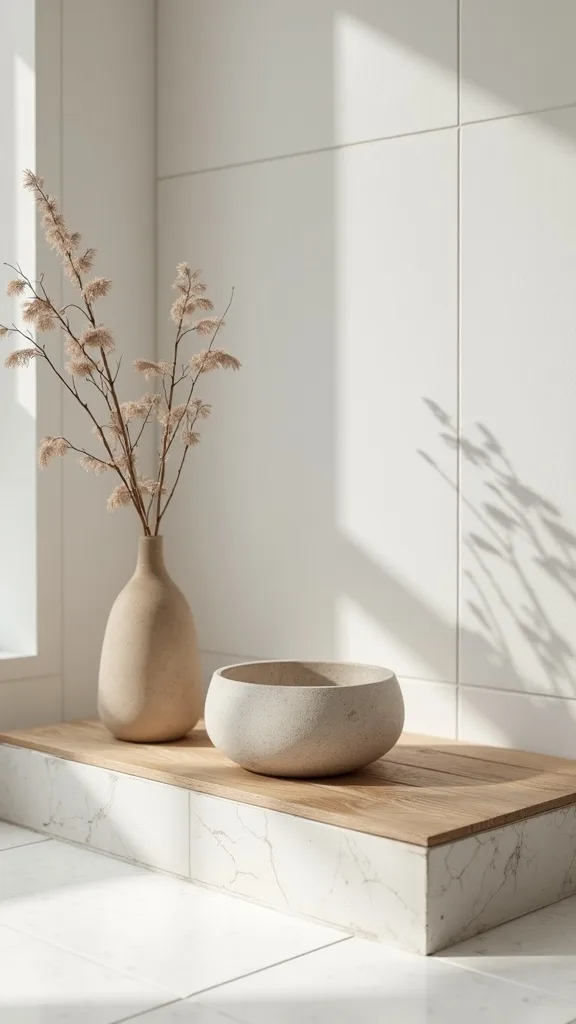
19. Keep curtains simple and breathable for summer light
I always start by looking at how light moves through the room, because summer sun can make a space feel harsh if fabrics are too heavy. From my experience, simple curtains in breathable cloth support wabi sabi home decor better than ornate panels.
I find that linen curtains in 96-inch length work in many homes, and I hang the rod 4–6 inches above the window frame to make the room feel taller. I also like curtains that kiss the floor by about 1/2 inch rather than puddling, because puddles collect dust and look messy fast. Typically, I choose 2 panels that are 50–52 inches wide each for a standard window.
I recommend unlined linen for filtered light, or a light cotton lining if you need a bit more privacy. In my opinion, grommet tops look more modern, while back tabs or rings feel calmer and quieter.
Pro Tip: I’ve found linen panels relax (stretch) slightly after hanging; I steam them after 48 hours, then re-hem if needed—otherwise you can end up with one panel 1 inch longer than the other by week two.
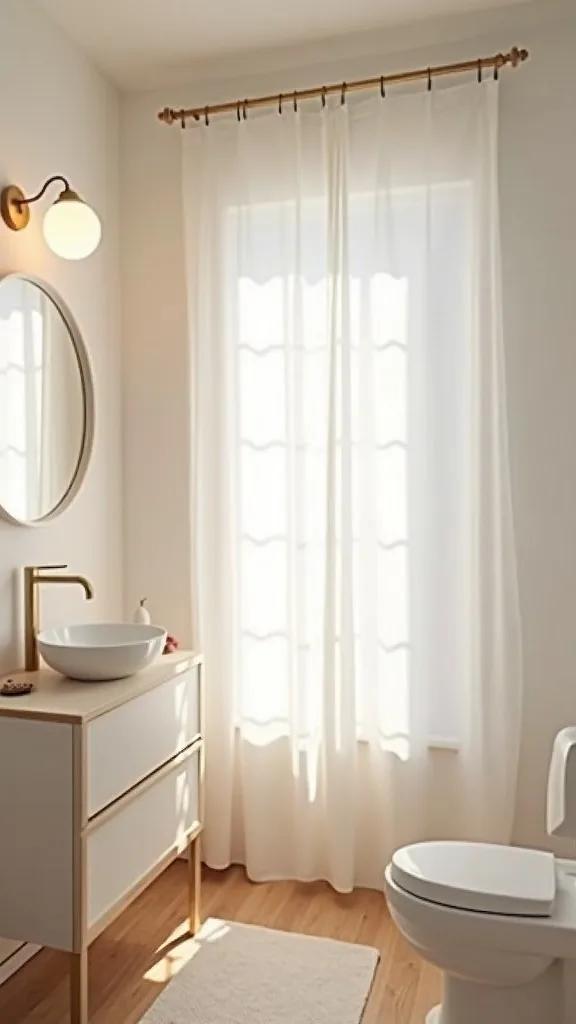
20. Use a floor cushion or zabuton-style pad for flexible seating
From my experience, adding one floor cushion brings in that low-seating Japanese interior design feel without replacing furniture. I find it especially useful in summer when friends gather casually and you want the room to feel open.
I always recommend a cushion at least 24 x 24 inches so it’s actually comfortable, and I prefer 3–4 inches thick so it doesn’t flatten immediately. I place it within 18 inches of the coffee table so it functions as seating, and I store it vertically in a basket when not in use to keep the room airy.
I recommend a cotton-linen cover in warm grey, oat, or muted indigo, and a dense foam or kapok fill for support. Typically, this is a budget-friendly add ($40–$120), but it does require occasional fluffing and cover washing.
Pro Tip: I’ve found floor cushions look more intentional when they “echo” another textile—so if your throw is flax linen, choose a cushion with the same undertone; mismatched undertones are what make floor seating look like a kids’ pillow pile.
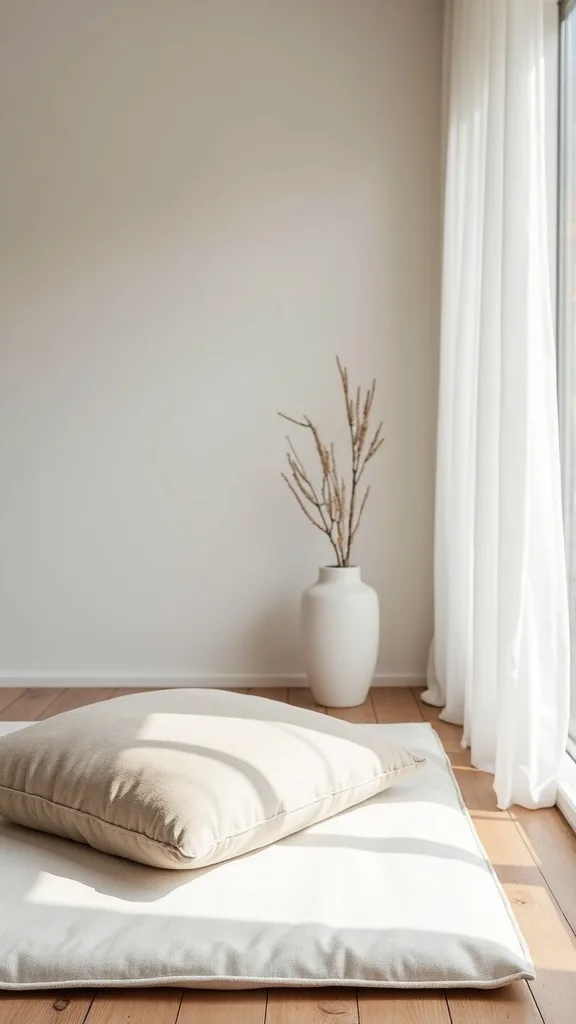
21. Bring in one living plant (and keep the pot matte)
I find that one living plant is enough for wabi-sabi, because the point is presence, not a jungle. From my experience, a single plant with a calm silhouette supports natural textures home better than lots of small, fussy greenery.
I always start by choosing a plant that can handle indoor summer light: a rubber tree, olive tree, or a simple pothos. For scale, I like a pot that’s 10–12 inches wide for a floor plant, and I keep it 12–24 inches away from a bright window so leaves don’t scorch. Typically, I water on a 7–10 day rhythm, but I adjust based on how fast the soil dries.
I recommend matte ceramic pots in warm white, charcoal, or sand, and a natural fiber saucer or cork mat underneath. In my opinion, glossy planters reflect too much light and pull focus from the room’s quiet textures.
Pro Tip: I’ve found top-dressing the soil with a 1/2-inch layer of small river stones reduces fungus gnats in summer, and it also visually ties the plant back to your ceramics and wood for a more cohesive organic home design feel.
22. Use sound-softening layers: wool, linen, and one wall textile
In my opinion, a calm room should sound calm too, and wabi-sabi really shines when echo is reduced. From my experience, adding sound-softening layers makes the living room feel instantly more restful—even if nothing “looks” different at first.
I always start with the biggest soft surface: a rug (5 x 8 ft or 8 x 10 ft), then I add linen curtains (96 inches long is common) and one textile wall piece about 24 x 36 inches. I keep the wall textile at least 6 inches away from vents so it doesn’t flutter or collect dust unevenly, and I vacuum it gently every 2–3 weeks using a brush attachment.
I recommend wool flatweaves, linen drapery, and a cotton wall hanging in undyed tones. Typically, wool costs more upfront ($200–$600 for a rug), but it lasts longer and looks better as it ages than many synthetics.
Pro Tip: I’ve found that if your room still feels echoey, placing a low book stack (2–3 books) on a side table near a bare wall actually helps break up sound reflections—small, but noticeable in rooms with hardwood floors.
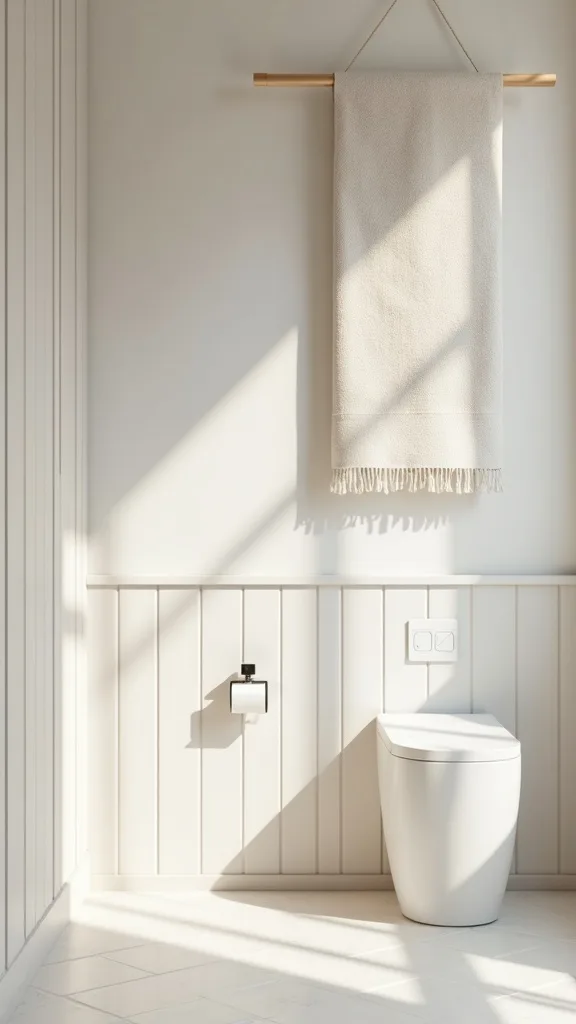
23. Choose one intentional piece of contrast: charcoal, ink, or iron
I find that wabi-sabi isn’t all beige; it needs a little shadow to feel dimensional. From my experience, one contrast element—charcoal, ink, or iron—keeps the room from drifting into bland “neutral-only” styling.
I always start by picking one dark accent and repeating it twice: for example, a charcoal pillow and a blackened steel candleholder. I keep the dark pieces within 6–8 feet of each other so the eye connects them, and I avoid more than 10–15% dark accents overall so the room stays light for summer.
I recommend sumi-ink art, iron teapot-style kettles used as decor, or a matte black tray. In my opinion, the contrast looks most natural when it’s matte—glossy black can feel too modern and sharp.
Pro Tip: I’ve found the easiest “quiet contrast” is a charcoal linen pillow in a 20 x 20 inch size; the larger scale reads like a soft shadow, while smaller dark accents can look like scattered dots and create visual noise.
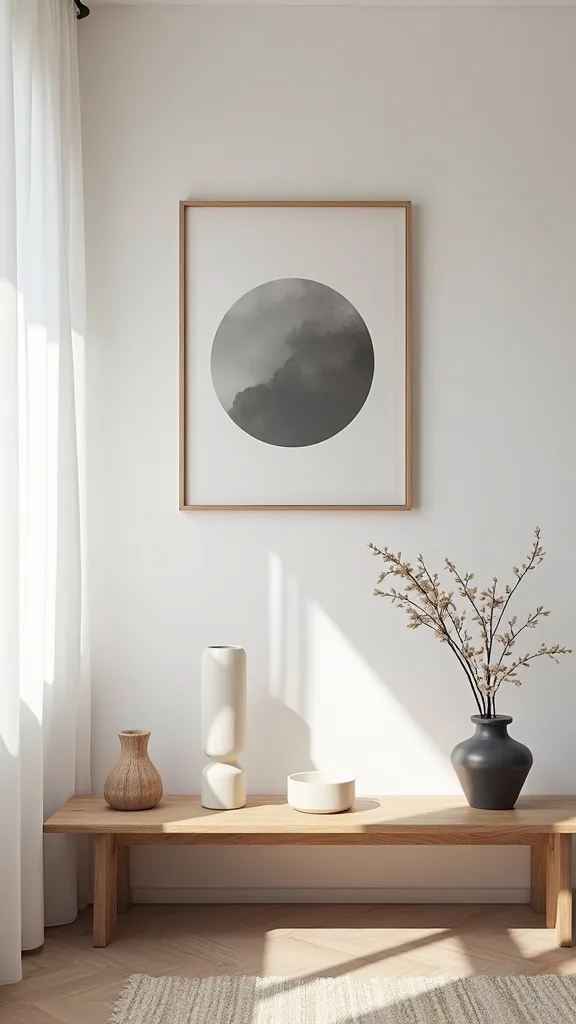
24. Create a mindful entry moment inside the living room
I always start by thinking about what you see first when you enter the living room, because that first 3 seconds sets the emotional tone. From my experience, a small “arrival” moment makes wabi sabi home decor feel like a lifestyle, not just a style.
I like to place a narrow console or bench (around 10–12 inches deep) near the entry edge of the room, then I style it with only 3 items: a ceramic catchall, a small tray, and one branch or stone. I keep the top surface at about 30–32 inches high so it’s comfortable to use, and I leave at least 36 inches of clearance for a walkway so it doesn’t feel like an obstacle.
I recommend a raw wood bench, a stoneware bowl, and a linen runner in a 14 x 72 inch size for a gentle line. In my opinion, this is where organic home design feels most practical—because it supports daily habits.
Pro Tip: I’ve found placing a small dish specifically for keys (about 5–6 inches wide) prevents the “pile” from spreading; if the dish is larger than 7 inches, people tend to drop mail there too and the calm disappears within a week.
25. Maintain the look with a 10-minute weekly reset
I find that wabi-sabi looks effortless only when the room is gently maintained. From my experience, a small weekly reset keeps the space calm without turning it into a fragile, don’t-touch-anything living room.
I always do a 10-minute reset once a week: 3 minutes clearing surfaces back to the “7–9 objects” rule, 3 minutes shaking out linen and fluffing pillows, and 4 minutes wiping wood and ceramics with a dry microfiber cloth. Typically, I also refresh the branch arrangement every 5–7 days, and I rotate any sun-exposed textiles every 2 weeks to keep fading even.
I recommend keeping a small basket (about 12–14 inches wide) nearby to collect stray items quickly, plus a gentle wood cleaner like diluted castile soap for occasional deeper cleaning. In my opinion, the trade-off is that you’ll own fewer decor pieces, but you’ll enjoy the ones you have more.
Pro Tip: I’ve found the reset works best if you store “extras” in a lidded box labeled by season; when summer ends, I swap in heavier textures in under 20 minutes, and the room stays aligned with the natural rhythm that wabi-sabi is really about.
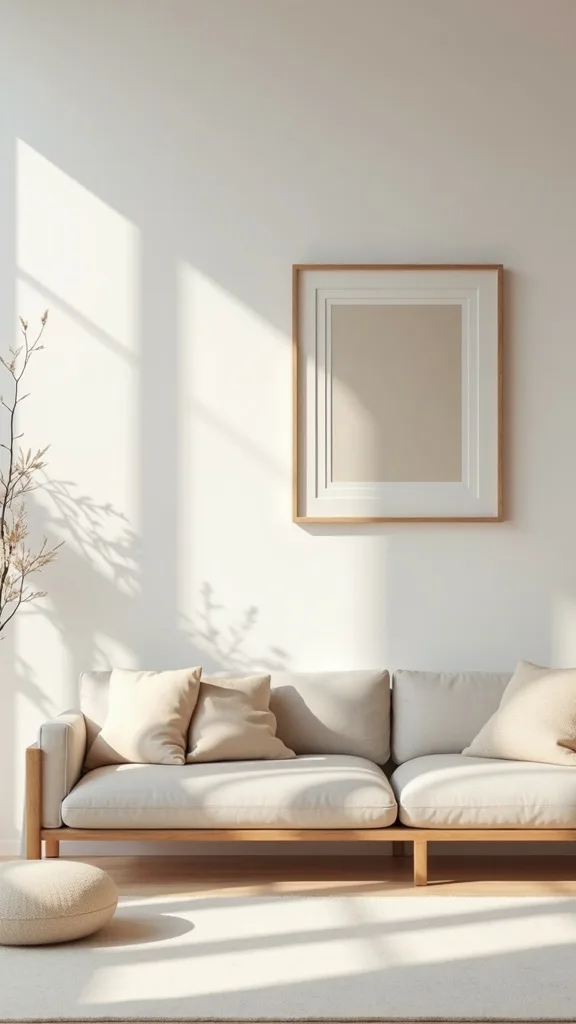
Final Thoughts
I find that the most satisfying part of wabi sabi home decor is how quickly it changes the way I move through my living room—slower, softer, and a little more present. From my experience, the summer version of this Japanese aesthetic feels especially natural because sunlight already highlights grain, weave, and clay in a way no trendy accessory ever can.
I always recommend starting with just one anchor vignette, then editing the rest of the room down until you can actually see your materials: linen, wood, paper, and ceramic. In my opinion, the trade-off is that you’ll have fewer “statement” moments, but you’ll gain a room that feels restorative on an ordinary Tuesday.
If you try even 3 of these ideas this week—one branch arrangement, one linen layer, and one intentional tray—I’ve found the room starts to guide you toward the rest. I’d love for you to begin small, let the patina happen, and enjoy the quiet beauty you’re building.
What I’d Do Differently
When I first tried this, I made the classic mistake of buying a bunch of “wabi-sabi” objects at once—three vases, two trays, and a stack of neutral pillows—thinking the vibe would magically appear. From my experience, that approach backfires because the room starts to look like a styled shelf at a store, not a lived-in space with honest materials. In my case, I put everything on my coffee table (a 48 x 24 inch top), and within 24 hours it felt cluttered again because nothing had a job. The correct approach, I’ve found, is to choose one anchor (like a single branch in a ceramic vessel), then edit everything else around it until you have clear negative space and a few pieces you actually touch every day.
I also wish I’d known how much undertones matter before I bought textiles—my first “beige” linen leaned pink, and it fought my warm oak floors until I swapped it within 2 weeks. In my opinion, the easiest way to avoid that is to compare new linen directly against your sofa fabric in daylight for 5 minutes before you commit. Start with one vignette, live with it for a week, and then make your next small change with confidence.
Products I Recommend for This Project
Here are some of my favourite products to help you bring these ideas to life:
- VOSAREA Ceramic Vase, Matte White (Minimalist Flower Vase) — I find the matte finish looks calm in bright summer light and pairs beautifully with single-branch arrangements.
- IKEA FROSTA Stool (Birch) — I always recommend a simple unfinished-leaning stool like this as a flexible side table for tea, books, or a ceramic bowl.
- Simple&Opulence 100% Linen Throw Blanket (50″ x 60″) — From my experience, washed linen like this gives instant natural texture without looking fussy.
- Akari-Style Rice Paper Floor Lamp (Noguchi-inspired lantern lamp) — I find a paper shade softens the room and makes warm white light (2700K–3000K) feel gentle at night.
- Gorilla Grip Felt Furniture Pads (self-adhesive) — I always use felt pads under wood stools and trays to prevent floor scratches and keep the room feeling quiet.